
.png)
Nicotine dependence is widely recognized by medical professionals as one of the most difficult addictions to overcome, often cited as being harder to quit than heroin or cocaine due to its deep integration into daily routines and brain chemistry. For those who have exhausted traditional methods like patches, gum, and prescription medications without success, Ibogaine treatment in Mexico offers a revolutionary alternative approach.
Mexico has emerged as the global leader for this therapy, offering legal, medically supervised programs that utilize Ibogaine—a psychoactive alkaloid derived from the African Tabernanthe iboga shrub. This treatment is not a magic pill, but a powerful "pattern interrupter" that targets the neurological roots of addiction, offering patients a biological reset and a window of neuroplasticity to rebuild their lives free from tobacco.
Key Takeaways
- • Addiction Interruption: Ibogaine targets ?3?4 nicotinic receptors, significantly reducing physiological cravings for tobacco.
- • Cost Efficiency: Packages in Mexico generally range from $5,000 to $9,000 USD, which is significantly lower than equivalent luxury rehab programs in the West.
- • Medical Safety: Top clinics in Tijuana and Cancun provide hospital-grade cardiac monitoring to manage risks.
- • Legal Access: Unlike the US, Mexico allows for the legal administration of Ibogaine in clinical settings.
- • Holistic Integration: Treatment often includes psychological counseling and aftercare planning to ensure long-term cessation.
The Science: How Ibogaine Targets Nicotine Addiction?
Ibogaine works differently than standard replacement therapies by resetting the brain's neurochemistry rather than tapering the dose.
The primary mechanism by which Ibogaine facilitates smoking cessation lies in its interaction with the brain's reward pathways. Specifically, research suggests that Ibogaine acts as an antagonist to the ?3?4 nicotinic acetylcholine receptors (nAChRs). These receptors play a crucial role in the reinforcing effects of nicotine. By blocking these receptors, Ibogaine can effectively "reset" the brain's tolerance and extinguish the compulsive desire to smoke.
Furthermore, Ibogaine increases the production of Glial Cell Line-Derived Neurotrophic Factor (GDNF), a protein that promotes the survival and regeneration of neurons. This boost in neuroplasticity allows patients to break ingrained behavioral loops associated with smoking—such as the "morning cigarette" or "stress smoking"—and establish new, healthier neural pathways.
In the 1950s, researchers first noticed Ibogaine's anti-addictive properties when study participants spontaneously stopped using drugs and tobacco without withdrawal symptoms. This serendipitous discovery laid the groundwork for modern medical tourism for addiction in Mexico.
Why Choose Mexico for Treatment?
Mexico offers a unique combination of legal accessibility, experienced medical staff, and proximity to the United States.
For patients from the US and Canada, Mexico is the premier destination for this therapy due to its legal status. In the United States, Ibogaine is classified as a Schedule I substance, making clinical research and treatment illegal. Conversely, in Mexico, the substance is unregulated, allowing medical clinics in Rosarito and Tijuana to operate openly.
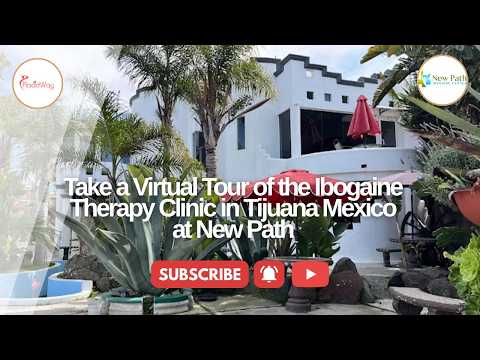
This legal environment has allowed Mexican medical teams to accumulate decades of practical experience. Leading facilities are staffed by board-certified doctors, anesthesiologists, and ACLS-certified nurses who specialize in psychedelic-assisted therapy. Patients can receive treatment in hospital-like settings or luxury retreats that prioritize safety and comfort, far removed from the "underground" environment often found in countries with stricter prohibition.
Step-by-Step Treatment Journey
A typical treatment program lasts between 5 to 7 days and follows a strict medical protocol to ensure safety.
1. Pre-Screening and Arrival
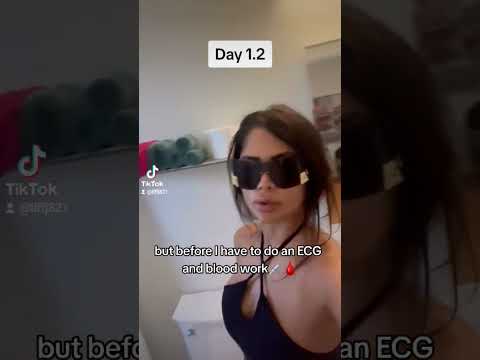
Before booking, patients must undergo a rigorous medical assessment. This includes a 12-lead EKG and blood panels to check liver and kidney function. Exclusion criteria typically include a history of heart failure, active psychosis, or certain medication interactions.
2. Stabilization and Detox
Upon arrival in Mexico, patients are stabilized. For nicotine users, this is less physical than opioid detox, but it involves mental preparation and cessation of all stimulants. Hydration and electrolytes are prioritized.
3. The Flood Dose
The "flood dose" is the peak therapeutic session, lasting 8-12 hours. Under constant cardiac monitoring, the patient enters a dream-like state (oneirophrenia) while fully awake. This is where the "life review" occurs, allowing patients to visualize the root causes of their dependence on tobacco.
4. Integration and Aftercare
The days following treatment are critical. Patients work with therapists to process their insights and develop a plan to maintain cessation. This "window of opportunity" lasts for weeks to months, during which the brain is highly malleable.
"The success of Ibogaine for smoking cessation isn't just about the molecule; it's about the commitment. We see the highest success rates in patients who use the neuroplastic window post-treatment to actively change their environment and daily routines. The medicine opens the door, but the patient must walk through it."
Safety Protocols and Cardiac Monitoring
Safety is the non-negotiable priority, focusing specifically on cardiac health and metabolic stability.
While effective, Ibogaine is not without risks. The most significant concern is QT interval prolongation, a disruption in the heart's electrical rhythm that can lead to fatal arrhythmias in predisposed individuals. For this reason, reputable clinics in Mexico utilize continuous cardiac telemetry throughout the active phase of the treatment.
Top-tier facilities will have emergency equipment, including defibrillators and oxygen, in the treatment room. They also ensure a low-stimulus environment to prevent anxiety or sensory overload during the psychoactive experience. Patients are advised to avoid clinics that offer "hotel room treatments" without full medical staff presence.
Cost Comparison: Mexico vs. Other Regions
Mexico offers a balance of affordability and high medical standards compared to other global options.
| Destination | Estimated Cost (USD) | Legality Status | Inclusions |
|---|---|---|---|
| Mexico (Standard) | $5,000 - $7,500 | Unregulated (Legal Clinics) | Medical screening, private room, nurse care, meals. |
| Mexico (Luxury) | $8,000 - $12,000+ | Unregulated (Legal Clinics) | Beachfront facility, massage, yoga, holistic therapies, extended stay. |
| Costa Rica | $7,000 - $10,000 | Legal Gray Area | Retreat setting, spiritual focus, medical supervision. |
| Portugal | €4,000 - €8,000 | Decriminalized | Clinical setting, medical detox, psychology support. |
| USA (Underground) | $3,000 - $10,000+ | Illegal | High legal risk, often lacks medical equipment/safety. |
Frequently Asked Questions
Common queries regarding efficacy, legality, and what to expect during treatment.
How does Ibogaine help with nicotine addiction?
Ibogaine helps interrupt nicotine addiction by interacting with ?3?4 nicotinic acetylcholine receptors in the brain, which are directly linked to the reward pathways of smoking. This interaction can reset tolerance levels and significantly reduce or eliminate physical cravings.
Is Ibogaine treatment legal in Mexico?
Yes, Ibogaine is unregulated and legal to administer in Mexico. This allows specialized medical clinics, particularly in Baja California and Quintana Roo, to offer the treatment openly under medical supervision, unlike in the US where it is a Schedule I substance.
What is the success rate for smoking cessation with Ibogaine?
While large-scale clinical trials are still developing, anecdotal reports and smaller studies suggest a success rate of 50-80% for addiction interruption. Success relies heavily on the patient's integration work and aftercare following the biological reset.
How much does Ibogaine treatment cost in Mexico?
The cost typically ranges from $5,000 to $10,000 USD. This usually includes medical screening, the treatment session, 4-7 days of accommodation, meals, and post-treatment integration coaching.
Is Ibogaine treatment safe for everyone?
No, Ibogaine carries cardiac risks, specifically QT interval prolongation which can cause arrhythmias. It is not safe for individuals with pre-existing heart conditions. A rigorous medical exam and EKG are mandatory requirements at reputable clinics.
What is the 'gray day' in Ibogaine treatment?
The "gray day" is the 24-48 hour period immediately following the treatment. Patients often feel physically drained, introspective, and emotional as their brain chemistry restabilizes. It is a crucial time for rest and processing insights.
Can I return to work immediately after treatment?
It is not recommended. Most experts suggest taking at least 3-5 days off after returning home to integrate the experience. The neuroplastic state lasts for weeks, making a low-stress environment beneficial for cementing new habits.
Does PlacidWay partner with JCI-accredited facilities for this?
PlacidWay partners with top-tier and medically equipped clinics in Mexico that adhere to strict safety protocols. While Ibogaine clinics are not typically JCI-accredited due to the alternative nature of the medicine, our partners are vetted for medical staffing and safety standards.
Will I experience withdrawals from nicotine during treatment?
Most patients report little to no physical withdrawal symptoms from nicotine after the Ibogaine flood dose. The substance is known for attenuating the acute withdrawal phase, allowing patients to focus on the psychological aspects of addiction.
Ready to Break Free from Nicotine?
Don't let addiction control your future. PlacidWay partners with the most experienced and medically secure Ibogaine clinics in Mexico to provide you with a safe environment for your transformation.
Get a free, no-obligation quote today and speak directly with our care team to find a package that fits your needs and budget.
Get a Free Quote for Treatment in Mexico.png)




.png)
.png)
.png)
.png)
.jpg)
.jpg)
.jpg)
.jpg)








Share this listing