


Stroke Recovery in Colombia: How Stem Cell Therapy Works
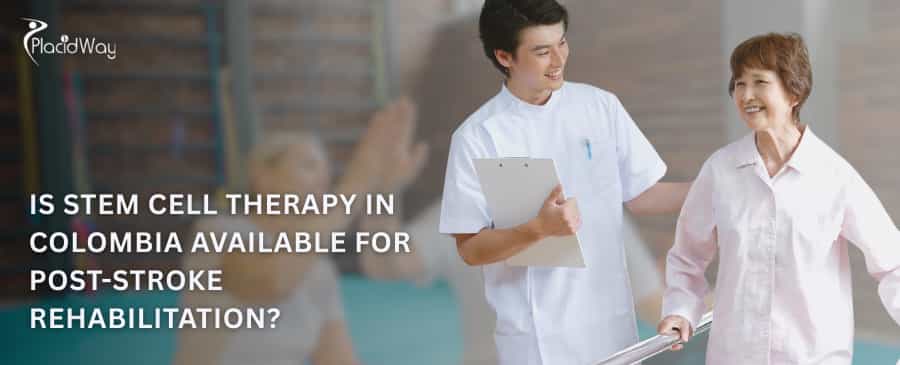
Stroke is a life-altering event that strikes suddenly, often leaving survivors and their families searching for answers when traditional rehabilitation hits a plateau. You might be asking, "Is there anything more we can do?" For many, the answer lies in the regenerative potential of stem cell therapy in Colombia. To answer your main question upfront: Yes, Colombia has become a premier destination for advanced, legal, and regulated stem cell treatments specifically designed to aid in post-stroke rehabilitation.
This isn't just about offering hope; it's about real science and accessible healthcare. Colombia has positioned itself as a leader in regenerative medicine, offering high-quality treatments at a fraction of the cost found in North America or Europe. The country regulates these procedures through INVIMA (the Colombian FDA equivalent), ensuring that therapies using Mesenchymal Stem Cells (MSCs)—derived from bone marrow, fat tissue, or umbilical cords—are safe and conducted by qualified specialists.
In this guide, we will walk you through everything you need to know. We’ll cover the safety protocols, the science of how these cells repair brain tissue, and the practicalities of traveling for treatment. Whether you are investigating for yourself or a loved one, our goal is to provide clear, expert-backed answers to help you navigate this promising path toward recovery.
Is stem cell therapy for stroke legal in Colombia?
The legal landscape for regenerative medicine in Colombia is both progressive and strictly monitored. Unlike some countries where stem cell clinics operate in a "grey area," Colombia has established a clear regulatory framework through INVIMA. This government body ensures that all clinics offering stem cell therapy for stroke adhere to rigorous safety, hygiene, and ethical standards. Specifically, the regulations permit the use of adult stem cells, such as those harvested from the patient's own body (autologous) or ethical donor sources (allogeneic).
This regulation provides a significant layer of protection for international patients. Clinics must obtain specific licensing to perform cell processing and administration. This means that when you visit a certified clinic in cities like Bogota, Medellin, or Cartagena, the protocols used are not experimental "backroom" procedures but are recognized medical treatments compliant with national health laws.
It is important to note that while adult stem cell therapy is legal, the use of embryonic stem cells is generally restricted due to ethical concerns and safety risks like tumor formation. Colombia focuses on Mesenchymal Stem Cells (MSCs) because of their proven safety profile and high efficacy in reducing inflammation and promoting tissue repair without the ethical dilemmas associated with other cell types.
How does stem cell therapy work for stroke rehabilitation?
To understand how this therapy works, think of a stroke as a forest fire in the brain. Even after the fire (the stroke) is out, the soil (brain tissue) is scorched, and inflammation prevents new growth. Stem cell therapy acts like a master gardener. When introduced into the body, these cells don't necessarily turn into new brain neurons themselves; instead, they release powerful chemical signals—a process called the paracrine effect. These signals tell the body to stop the inflammation and start repairing the "scorched earth."
The therapy focuses on three main mechanisms of action:
- Anti-inflammation: The immediate aftermath of a stroke creates a toxic inflammatory environment. Stem cells calm this immune response, preventing further damage to brain cells that survived the initial attack.
- Angiogenesis: This is the creation of new blood vessels. Improved blood flow brings more oxygen and nutrients to the damaged areas, fueling the repair process.
- Neuroplasticity: Perhaps most importantly, stem cells release growth factors (like BDNF) that encourage the brain to rewire itself. This helps healthy parts of the brain take over functions lost due to the stroke.
This biological boost creates a fertile environment for rehabilitation. Physical and occupational therapy that was previously showing slow results often becomes more effective after treatment because the brain is now more receptive to relearning motor skills and speech.
What types of stem cells are used for stroke treatment in Colombia?
Colombian clinics specialize in using Mesenchymal Stem Cells (MSCs), which are the gold standard for safety in regenerative medicine. There are two main sources used for stroke patients:
1. Umbilical Cord Tissue (Allogeneic): These are "young" cells harvested from donated umbilical cords after healthy C-section births. Because they are young, they replicate faster and release more potent healing factors than older cells. They are "immune-privileged," meaning the patient does not need to be a genetic match to receive them, and there is almost zero risk of rejection. This is often the preferred choice for stroke patients because it allows for high cell counts without an invasive harvesting procedure.
2. Autologous Cells (Bone Marrow or Adipose): These cells are taken from the patient's own body, usually via a mini-liposuction or bone marrow aspiration. While safe (since it's your own DNA), the potency of these cells can diminish with age. For an older stroke patient, their own stem cells might not be as active as the youthful cells from an umbilical cord. However, some protocols combine both sources to maximize the benefit.
What is the cost of stem cell therapy for stroke in Colombia?
Cost is a major factor for families considering medical tourism. In Colombia, you can expect to pay significantly less than in the United States or Europe while receiving care in top-tier facilities. The price generally includes the harvesting (if autologous) or sourcing of cells, the administration of the therapy, medical testing, and follow-up consultations.
The exact price varies based on the number of cells administered (often measured in millions) and the number of sessions required. A single extensive protocol might cost around $6,000, while a multi-day comprehensive package with rehabilitation therapies included could approach $12,000. Even at the higher end, this represents a savings of 50-70% compared to US prices.
Cost Comparison: Stroke Stem Cell Therapy
| Country | Estimated Cost (USD) | Notes |
|---|---|---|
| Colombia | $6,000 - $12,000 | Includes high cell counts (100M+) & personalized care. |
| United States | $15,000 - $50,000+ | Often not covered by insurance; high facility fees. |
| Mexico | $8,000 - $15,000 | Comparable quality, slightly higher price point. |
| Panama | $15,000 - $25,000 | Known for high costs due to established market. |
| Western Europe | $12,000 - $30,000 | Prices vary by country; Germany/Swiss are higher. |
Why is stem cell therapy cheaper in Colombia than in the US?
A common misconception is that lower cost means lower quality. In Colombia, the affordability is driven by economic factors, not medical shortcuts. The cost of living in Colombia is significantly lower than in the US, which translates to lower wages for staff, cheaper real estate for clinics, and reduced overhead costs.
Additionally, the US healthcare system is burdened by incredibly high administrative costs and malpractice insurance premiums, which are passed on to the patient. Colombian doctors often train in the US or Europe but return home to practice where they can offer these treatments without the inflated price tag. The exchange rate between the US Dollar and the Colombian Peso also heavily favors American patients, making your money go much further.
What is the success rate of stem cell therapy for stroke in Colombia?
Success in treating neurological conditions is subjective and varies by patient. In the context of post-stroke rehabilitation, "success" rarely means a complete reversal of all symptoms overnight. Instead, success is measured by functional improvements that enhance quality of life. Clinical data and patient testimonials from Colombia suggest that approximately 70-80% of patients experience some level of improvement.
Commonly reported improvements include:
- Reduced Spasticity: Relaxation of stiff muscles, allowing for better movement.
- Improved Balance and Gait: Walking becomes steadier and less labored.
- Enhanced Clarity: Many patients report the "brain fog" lifting, with improvements in speech and cognitive processing.
- Increased Energy: Reduced fatigue allows patients to participate more actively in physical therapy.
It is vital to have realistic expectations. The therapy is a tool to unlock potential, but it works best when combined with aggressive physical therapy.
How is the stem cell procedure performed?
The treatment protocol for stroke patients in Colombia is minimally invasive. Most patients will undergo a combination of administration methods to ensure the stem cells reach the brain effectively.
Intravenous (IV) Drip: This is the most common method. Millions of stem cells are suspended in a saline solution and dripped into the bloodstream over 1-2 hours. Because the blood-brain barrier can be compromised after a stroke, many of these cells can migrate to the brain.
Intrathecal Injection: For better targeting, doctors may perform a lumbar puncture (spinal tap). This deposits the cells directly into the cerebrospinal fluid, bypassing the blood-brain barrier and allowing the cells to circulate directly around the brain and spinal cord. While it sounds improved, it is a standard procedure performed under local anesthesia with minimal discomfort. The entire process is usually outpatient, meaning you return to your hotel the same day.
Who is a good candidate for this treatment?
Not everyone is eligible for stem cell therapy. Colombian clinics adhere to strict exclusion criteria to ensure patient safety. Generally, you are a good candidate if you have suffered an ischemic or hemorrhagic stroke and have stabilized medically.
Exclusion Factors: You may be ineligible if you have:
- Active cancer or a history of cancer in the last 5 years (as stem cells promote growth).
- Severe active infections (pneumonia, sepsis).
- Uncontrolled bleeding disorders.
The "window of opportunity" is also a factor. While earlier treatment (within the first 6-12 months) generally yields the most dramatic results due to the brain's natural plasticity, patients treated years after their stroke have also reported meaningful improvements, particularly in energy and cognitive function.
Are there any side effects or risks?
Mesenchymal Stem Cell therapy is considered very safe. Because MSCs are immunomodulatory, the risk of rejection is virtually non-existent, even with donor cells. The most common side effects are not from the cells themselves, but from the body's reaction to the introduction of a new substance or the procedure itself.
Some patients experience a "healing crisis" or flu-like symptoms (low-grade fever, chills, fatigue) for a day or two after treatment. This is actually a sign that the immune system is responding to the cells. With intrathecal injections, there is a small risk of a spinal headache, which occurs if cerebrospinal fluid leaks slightly, but this is rare and treatable with bed rest and hydration. Serious complications like infection are extremely rare in accredited Colombian clinics due to sterile hospital-grade environments.
How long does it take to see results?
Stem cell therapy is a marathon, not a sprint. While a few patients report an immediate "boost" in energy or clarity within days (often attributed to the anti-inflammatory effect), the real repair work takes time.
1-4 Weeks: Reduced inflammation may lead to better sleep and slightly improved alertness.
2-3 Months: This is often when physical improvements become noticeable. Family members might notice the patient standing straighter, gripping objects better, or speaking more fluidly.
6 Months+: The peak benefit is often observed here. The growth factors have had time to stimulate new neural pathways. Continued physical therapy during this window is critical to "teach" the new pathways how to function.
Does insurance cover stem cell therapy in Colombia?
It is important to plan financially for this treatment. Because Western regulatory bodies like the FDA have not yet fully approved stem cell therapy for stroke as a standard of care, insurance companies classify it as "experimental." Therefore, they will not pay for the procedure, regardless of whether it is performed in the US or Colombia.
However, most Colombian clinics accept major credit cards, wire transfers, and sometimes medical financing plans. The total cost is still often lower than the co-pays and deductibles associated with long-term unassisted care in the US, making it a viable out-of-pocket investment for many families.
Is it safe to travel to Colombia for medical treatment?
Colombia has undergone a massive transformation over the last two decades. The major medical hubs—Bogota, Medellin, and Cali—are modern, cosmopolitan cities. The clinics catering to international patients are typically located in the safest, most affluent neighborhoods, near 5-star hotels and shopping centers.
Furthermore, reputable clinics understand the anxiety of international travelers. They almost always provide VIP concierge services. This includes a private driver who picks you up from the airport, takes you to your hotel, and shuttles you to all medical appointments. You are rarely "on your own" to navigate the city. This door-to-door service ensures that your focus remains entirely on recovery and relaxation.
How do I choose the right clinic in Colombia?
Not all clinics are created equal. When researching, do not just look at the price tag. You need to verify the medical pedigree of the facility.
Checklist for choosing a clinic:
- INVIMA Certification: Ask to see their license for handling biological products.
- Specialist Doctors: The procedure should be overseen by a neurologist or a specialist in regenerative medicine, not a general practitioner.
- Cell Count Transparency: A good clinic will tell you exactly how many million cells you will receive. For stroke, effective doses are usually high (often 100 million+).
- Patient Reviews: Look for video testimonials from past stroke patients. Real stories are hard to fake.
Can stem cells help with chronic stroke (years later)?
A common myth is that if you don't treat a stroke within 6 months, improvement is impossible. This is outdated thinking. While the brain's plasticity is highest immediately after injury, it never completely goes away. In chronic stroke patients (those who had a stroke 1, 5, or even 10 years ago), the brain often still has "stunned" or dormant pathways.
Stem cell therapy can "wake up" these dormant areas. By improving blood flow and reducing chronic, low-level inflammation that persists for years, therapy can help chronic patients break through plateaus. You might not run a marathon, but regaining the ability to hold a fork, walk without a cane, or speak in full sentences can be life-changing improvements for a chronic survivor.
Conclusion
Stem cell therapy in Colombia represents a bridge between hope and science for stroke survivors. With its combination of advanced medical technology, strict government regulation by INVIMA, and affordable pricing, Colombia offers a viable option for those who feel they have exhausted traditional rehabilitation methods.
While it is not a magic cure, the ability of stem cells to reduce inflammation and promote neuroplasticity offers a real chance at regaining lost function. By choosing a reputable, accredited clinic, you can access world-class care that prioritizes your safety and recovery. If you are ready to explore this possibility, the next step is to consult with a specialist who can evaluate your specific medical history.
Ready to Explore Your Options?
Don't navigate your recovery journey alone. Get connected with top-rated, accredited stem cell clinics in Colombia today.
.png)














Share this listing