


Laser Skin Treatments in South Korea: Sessions, Costs, and Recovery
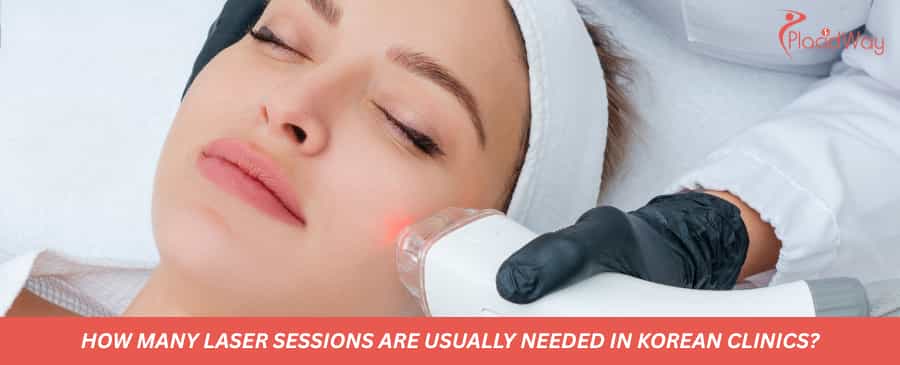
For optimal results, most laser skin treatments in South Korea require 3 to 5 sessions spaced 3 to 4 weeks apart. The exact number depends on your skin condition, the specific laser technology used like Pico or Fraxel, and your aesthetic goals.
Key Takeaways: Enhancing Your Complexion
- Customized Timelines: Mild pigmentation may resolve in two visits, while deep acne scarring often requires over five dedicated appointments.
- Advanced Diagnostics: Facilities utilize 3D facial scanning to determine the precise depth of skin damage before prescribing a session count.
- Affordable Excellence: A full multi-session package costs significantly less than comparable single sessions in Western nations.
- Combination Therapy: Dermatologists frequently combine different light wavelengths within a single session to maximize efficiency and reduce necessary visits.
- Minimal Downtime: Modern picosecond technology shatters pigment without thermal damage, allowing patients to resume normal activities rapidly.
What is the average laser skin treatment cost in South Korea compared to other regions?
Patients typically save between forty to sixty percent on highly advanced aesthetic procedures when traveling overseas for dermatological care.
Understanding the financial aspect is crucial for anyone planning an aesthetic journey. The highly competitive nature of the domestic market ensures that prices remain exceptionally reasonable while the quality of care remains world-class. When analyzing the laser skin treatment cost in South Korea, international visitors are often surprised to find that multi-session packages utilizing the latest FDA-approved devices cost a fraction of what a single session might cost in North America or Europe. This price advantage does not imply a compromise in quality; rather, it reflects the sheer volume of procedures performed daily, allowing facilities to amortize the cost of expensive medical equipment much faster.
Pricing structures are generally transparent, with many centers offering tiered packages based on the intensity of the care required. Basic toning for mild freckles or sunspots sits at the lower end of the pricing spectrum. Conversely, intensive fractional resurfacing aimed at leveling deep pitted acne scars involves more clinical time, sophisticated cooling equipment, and robust post-care formulations, placing it at a higher price point. Even at the premium tier, the overall financial outlay remains highly attractive for international travelers seeking comprehensive complexion rejuvenation.
To provide a clear perspective on the economic benefits of this destination, consider the standard pricing models for various modalities. The table below illustrates the stark contrast in baseline pricing, showcasing why thousands of patients prioritize this specific region for their dermatological investments.
| Procedure Type | Average Cost in USA/UK | Average Cost in South Korea |
|---|---|---|
| Pico Toning (Pigmentation) | $400 - $800 per session | $100 - $250 per session |
| Fractional CO2 (Acne Scars) | $800 - $1,500 per session | $200 - $450 per session |
| Vascular Lasers (Redness) | $500 - $900 per session | $150 - $300 per session |
How do I choose the best laser skin treatment clinic in South Korea for my specific skin type?
Selecting the perfect center requires evaluating their diagnostic technology, specialized expertise, and comprehensive international patient support systems.
Finding the right laser skin treatment clinic in South Korea can feel overwhelming due to the sheer concentration of medical facilities, particularly in renowned districts like Gangnam. However, focusing on a few critical parameters guarantees a safe and highly effective outcome tailored to your unique biology. Your safety and ultimate aesthetic satisfaction depend entirely on the rigorous standards upheld by the facility you choose.
- Board Certification: Ensure the facility is led by dermatologists officially recognized by the national medical board, guaranteeing years of specialized training specifically in cutaneous medicine and complex light therapies.
- Diagnostic Capabilities: The best centers utilize high-resolution dermascopes and 3D imaging to analyze dermal layers beneath the visible surface before ever touching your face with a therapeutic device.
- Device Diversity: Top-tier locations house multiple machine variations ranging from nanosecond to picosecond technologies, allowing practitioners to customize wavelengths specifically for your melanin index and skin thickness.
- Dedicated Foreign Patient Departments: Look for centers equipped with in-house medical translators and coordinators who handle everything from initial virtual consultations to post-care follow-ups in your native language.
- Transparent Before-and-After Portfolios: Reputable establishments readily provide unedited, high-definition photographic evidence of their previous work on patients possessing skin conditions identical to yours.
What types of advanced technologies are used for a laser skin treatment in South Korea?
State-of-the-art facilities employ a diverse arsenal of light-based devices, prioritizing ultra-short pulse durations to shatter pigment without causing thermal damage.
The foundation of any successful laser skin treatment in South Korea rests upon the cutting-edge technology deployed by medical professionals. Unlike older generation machines that utilized photothermal heat to burn away imperfections, modern clinics rely heavily on photomechanical energy. Picosecond lasers are currently the gold standard. These machines fire light pulses in one-trillionth of a second, creating a powerful acoustic wave that shatters stubborn melanin particles into microscopic dust, which the immune system then naturally flushes away. This rapid pulse drastically reduces the heat transferred to surrounding healthy tissue, making the process exponentially safer for all complexions.
For textural issues such as enlarged pores, fine lines, and deep acne scarring, specialists frequently turn to advanced Fractional CO2 and Erbium YAG devices. These tools work by creating thousands of microscopic thermal columns deep into the dermis while leaving surrounding tissue completely intact. This controlled micro-injury triggers a massive cascade of natural collagen and elastin production. The newer models found in premium centers are equipped with highly precise depth-control scanners, allowing doctors to customize the exact penetration level for different facial zones, ensuring maximum efficacy with the shortest possible recovery timeline.
Furthermore, vascular abnormalities like rosacea or broken capillaries require an entirely different approach. Dual-wavelength systems seamlessly switch between different light spectrums to coagulate problematic blood vessels safely beneath the epidermis. The ability of doctors to fluidly transition between these complex technologies during a single patient visit is a testament to the advanced clinical environment available to medical travelers.
Many pioneering medical equipment manufacturers are actually based domestically within the country. This means local dermatologists often get first-hand access to prototype technologies and next-generation software updates years before these advancements secure regulatory approval and export licensing for Western markets!
Why is medical tourism in South Korea so popular for non-invasive cosmetic procedures?
A unique combination of government-backed quality control, hyper-specialized physicians, and a cultural devotion to flawless aesthetics makes this destination globally unmatched.
The explosive growth of medical tourism in South Korea is not a mere coincidence; it is the result of decades of strategic investment and cultural emphasis on physical wellness and beauty. The national government actively regulates and supports the healthcare infrastructure catering to international patients, ensuring that facilities adhere to the strictest international safety protocols. This oversight guarantees that foreign visitors receive care in highly sterilized, modern environments that often surpass the clinical standards found in their home countries.
Beyond infrastructure, the sheer volume of cases handled by local specialists translates into unparalleled clinical dexterity. A dermatologist in a major metropolitan hub may perform more light-based therapies in a single month than a Western counterpart might perform in an entire year. This intense repetition fosters a profound understanding of diverse dermal responses, enabling practitioners to intuitively adjust machine settings to avoid complications and optimize visual outcomes safely.
Culturally, the society places an immense premium on achieving a pristine, glass-like complexion. This domestic demand pushes the aesthetic industry to constantly innovate, formulating comprehensive treatment protocols that combine high-tech machinery with specialized topical serums and soothing aftercare routines. International patients directly benefit from this relentless pursuit of perfection, gaining access to holistic rejuvenation strategies that simply do not exist elsewhere.
What does the recovery process look like after undergoing a laser skin treatment in South Korea?
Post-procedure healing protocols are meticulously structured to minimize inflammation, accelerate epidermal repair, and protect the newly vulnerable skin barrier.
The immediate aftermath and subsequent healing period dictate the final quality of your results. Because the protocols utilize highly sophisticated equipment, the associated downtime is remarkably manageable, though it requires strict patient compliance.
- Immediate Post-Care: Right after stepping out of the procedure room, specialized cooling masks infused with centella asiatica and hyaluronic acid are applied to instantly halt thermal damage and soothe erythema.
- The Redness Phase: For the first twenty-four to forty-eight hours, expect a mild to moderate sunburn sensation. The surface may appear flush, but profound pain is highly uncommon and easily managed with basic cooling techniques.
- Micro-Crusting and Peeling: By day three or four, targeted pigmentation spots may darken and form microscopic crusts. It is absolutely vital not to pick or scrub these areas, as premature removal guarantees severe scarring.
- Intensive Hydration: The compromised barrier loses moisture rapidly. Applying thick, ceramide-rich regenerative creams multiple times daily is mandatory to facilitate swift cellular turnover and repair.
- Absolute Sun Avoidance: New skin is incredibly susceptible to ultraviolet radiation. Wearing broad-spectrum SPF 50 indoors and outdoors, alongside physical barriers like wide-brimmed hats, is strictly required for several weeks.
Are there any specific pre-treatment requirements for a laser skin treatment in South Korea?
Proper preparation is critical to prevent adverse reactions and ensure the targeted energy operates at maximum efficiency within the dermal layers.
Preparation begins several weeks before you ever board your flight. The most crucial directive is absolute sun avoidance. Tanned skin, whether from natural sunlight or artificial tanning beds, possesses highly active melanocytes. If a specialist attempts a laser skin treatment in South Korea on actively tanned skin, the machine cannot differentiate between the intended target and the baseline tan, drastically increasing the risk of severe surface burns and permanent hyperpigmentation. Daily sunscreen application is mandatory leading up to your appointment.
Additionally, patients must suspend the use of potent active skincare ingredients. Retinoids, strong alpha-hydroxy acids, and heavy exfoliants strip the protective barrier and sensitize the epidermis. Continuing these products right up to the procedure date will result in an intensely painful experience and prolonged inflammation. Medical professionals strongly advise switching to a gentle, hydrating routine at least ten days prior to your scheduled visit.
Finally, transparent communication regarding your medical history is vital. You must disclose all current medications, especially antibiotics that cause photosensitivity, and any history of cold sores, as the intense light therapy can sometimes trigger viral flare-ups requiring prophylactic antiviral medication beforehand.
Can I combine other aesthetic procedures with a laser skin treatment in South Korea?
Combining therapies is a hallmark of advanced aesthetic practices, creating synergistic effects that dramatically enhance overall facial rejuvenation in a single visit.
International patients operating on a tight travel schedule frequently request multi-modality approaches. Dermatologists are highly skilled at layering different procedures safely. The most popular combination involves following up light therapies with injectable skin boosters like Rejuran Healer or specialized hyaluronic acid cocktails. Because the light devices create micro-channels in the dermal barrier, subsequent topical or lightly injected nutrients penetrate much deeper, supercharging the hydrating and regenerative effects.
Furthermore, it is entirely common to schedule neurotoxin injections or dermal fillers during the same appointment block. The standard protocol dictates performing the energy-based procedures first to address surface tone and texture, followed immediately by structural injectables to resolve volume loss and dynamic wrinkles. This comprehensive strategy addresses aging on multiple anatomical planes simultaneously.
For patients focused on ultimate lifting and tightening, specialists frequently pair surface therapies with deep ultrasound devices like Ultherapy. By targeting the deeper muscle fascia with ultrasound and the superficial layers with light energy, patients achieve a holistic, three-dimensional rejuvenation that yields profound, long-lasting aesthetic improvements without surgical intervention.
How long do the results of a laser skin treatment in South Korea typically last?
Longevity varies based on the underlying condition treated, genetic predispositions, and the patient's strict adherence to post-care lifestyle modifications.
When addressing chronic conditions like melasma or severe hyperpigmentation, patients must understand that a laser skin treatment in South Korea is a powerful management tool, not a permanent cure. While the initial sessions will dramatically clear the visible dark spots, hormonal fluctuations and subsequent UV exposure can trigger new pigment formation. Maintaining these brightened results requires diligent daily sun protection and potentially scheduling a mild maintenance session once or twice a year.
Conversely, treatments aimed at structural remodeling, such as fractional therapies for deep acne scarring, yield highly permanent results. The controlled trauma forces your body to synthesize new, healthy collagen fibers to physically fill the indented scars. Once this new structural protein matrix is established, the smoothed texture remains indefinitely, provided the patient does not suffer from active cystic acne breakouts that could create fresh scarring.
Overall complexion enhancement and pore refinement results generally peak around three months post-procedure as deep collagen remodeling continues. To preserve this youthful radiance, dermatologists strongly recommend adopting a high-quality medical-grade skincare regimen focused on hydration and barrier support, ensuring your substantial investment yields long-term aesthetic dividends.
Why Choose PlacidWay for booking your laser skin treatment in South Korea?
PlacidWay removes the immense stress of international medical planning by connecting you directly with rigorously vetted, elite dermatological professionals.
Navigating a foreign healthcare system requires trust and expert guidance. PlacidWay serves as your premier global healthcare companion, guaranteeing a secure, transparent, and highly successful aesthetic journey.
- Vetted Board-Certified Dermatologists: We exclusively partner with fully accredited professionals possessing verified credentials, ensuring your complexion is handled only by genuine medical experts, never uncertified technicians.
- Transparent Pre-Negotiated Pricing Packages: Our established relationships allow us to secure comprehensive, bundled pricing upfront, completely eliminating the risk of hidden clinical fees or unexpected surcharges upon arrival.
- Dedicated Patient Advocacy and Communication Support: We assign experienced coordinators who bridge all language barriers, ensuring your exact aesthetic goals are perfectly understood by the medical team during pre-consultations.
- Access to State-of-the-Art Accredited Facilities: Our network consists strictly of modern clinics equipped with the absolute latest FDA-approved diagnostic and light-based therapy devices.
- Comprehensive Post-Procedure Guidance: We ensure you receive detailed, translated recovery protocols and necessary medical skincare prescriptions to safeguard your results long after stepping out of the facility.
Frequently Asked Questions About Laser Skin Treatment in South Korea
Is pain management provided during a laser skin treatment in South Korea?
Yes, patient comfort is highly prioritized. Before any laser skin treatment in South Korea, a topical numbing cream is applied to the target area for about thirty to forty minutes. For deeper resurfacing procedures, clinics may also utilize specialized cooling devices that blow freezing air onto the skin simultaneously with the laser pulses, significantly reducing any stinging sensations.
Will my face peel heavily after a laser skin treatment in South Korea?
The amount of peeling depends entirely on the intensity of the laser utilized. Fractional CO2 lasers designed for deep acne scars will cause noticeable flaking and peeling for five to seven days. However, non-ablative toning lasers used for basic pigmentation removal often cause zero peeling, leaving only slight redness that subsides within a few hours.
How long should I plan my stay when booking a laser skin treatment clinic in South Korea?
For a single session or a short intensive program, a stay of seven to ten days is ideal. This allows time for the initial consultation, the procedure itself, and a follow-up assessment to ensure proper healing. If you plan to undergo multiple sessions spaced weeks apart, you might need to schedule return trips or plan an extended stay.
Can darker skin tones safely receive a laser skin treatment in South Korea?
Absolutely. While historical lasers posed risks of hyperpigmentation for darker skin types, modern facilities utilize advanced picosecond and Nd:YAG lasers that are inherently safe for all melanin levels. Board-certified dermatologists adjust the wavelengths carefully to bypass the epidermis, targeting only the underlying issues without burning the surface skin.
Do clinics provide skincare products after a laser skin treatment in South Korea?
Most premium facilities provide a customized post-care kit or prescribe specific medical-grade skincare products. These usually include gentle cleansers, intensive ceramide moisturizers, and high-SPF sunscreens formulated for compromised skin barriers. Using these specific products is vital for protecting your investment and preventing post-inflammatory hyperpigmentation.
Are consultations mandatory before starting a laser skin treatment in South Korea?
Yes, an in-depth consultation is strictly required. Specialists will use advanced 3D skin analysis machines to assess hidden pigmentation, sebum levels, and pore depth beneath the surface. This diagnostic step ensures that the customized laser protocol directly addresses your unique dermatological needs rather than utilizing a generic approach.
When is the best time of year to undergo a laser skin treatment in South Korea?
Autumn and winter are widely considered the best seasons for these procedures. The UV index is significantly lower, which reduces the risk of sun damage during the delicate recovery phase. Furthermore, the cooler weather makes it much easier to wear protective clothing and masks without sweating, which can irritate newly treated skin.
Can I wear makeup immediately after my laser skin treatment in South Korea?
For mild toning lasers, you can generally apply makeup the very next day. However, for ablative treatments that create micro-wounds on the surface, you must strictly avoid all cosmetic makeup for at least five to seven days to prevent severe infections and allow the skin barrier to fully close and heal naturally.
Do facilities offer bundled packages for a laser skin treatment in South Korea?
Yes, purchasing bundled packages is the standard practice. Because skin remodeling requires consistent care, purchasing a package of three to five sessions offers a substantial discount compared to paying per individual session. These bundles often include complimentary soothing facials or LED light therapy sessions to enhance overall healing.
How does medical tourism in South Korea enhance the laser treatment experience?
Choosing this destination means accessing the most hyper-competitive aesthetic market globally. This competition drives continuous technological upgrades and exceptional patient service. Visitors benefit from combining world-class dermatological care with luxury hospitality, dedicated translation services, and the opportunity to recover in a vibrant, culturally rich environment.
Ready to Reveal Your Best Skin?
Stop guessing about your skin health. Let PlacidWay connect you with elite, board-certified dermatologists in South Korea. Secure a customized treatment plan, transparent pricing, and comprehensive support for your aesthetic transformation.





.png)









Share this listing