


Physical Recovery After Heroin Ibogaine Addiction Therapy
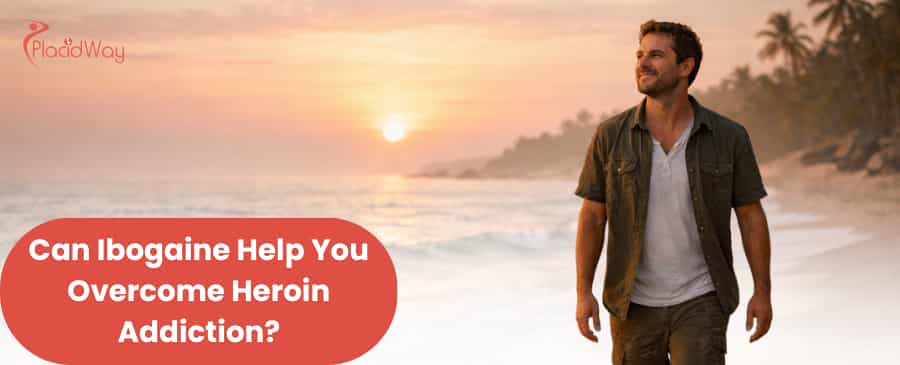
Yes, ibogaine treatment is highly effective for overcoming heroin addiction. It interrupts active physical dependency by resetting brain receptors and minimizing painful withdrawal symptoms within hours. A medically supervised stay typically lasts 7 to 10 days to ensure safety.
Key Takeaways:
- Rapid Detoxification: Eliminates up to 90 percent of physical withdrawal symptoms rapidly.
- Neurological Reset: Promotes the growth of new neural pathways and restores dopamine baseline levels.
- Psychological Healing: Induces a dream-like state allowing patients to process deep-rooted trauma.
- Clinical Safety: Requires rigorous pre-screening, continuous EKG monitoring, and specialized medical staff.
- Aftercare Importance: Long-term sobriety requires integration coaching and lifestyle adjustments.
For decades, the conventional approach to managing severe opiate dependency has involved grueling detoxification periods followed by the administration of substitution medications. However, an alternative path utilizing a powerful plant-derived alkaloid is changing the landscape of recovery. Let us explore the profound mechanisms, financial considerations, and medical realities of utilizing this unique holistic approach to break the cycle of heroin dependency.
How exactly does ibogaine treatment for heroin addiction in Mexico work in the brain?
It effectively interrupts opiate dependency by binding to multiple brain receptors simultaneously, significantly reducing intense cravings and minimizing excruciating withdrawal symptoms almost immediately.
The pharmacological action of this medicine is remarkably complex and multifaceted. When a patient receives ibogaine treatment for heroin addiction in Mexico, the alkaloid interacts heavily with the central nervous system. It binds to the opioid receptors, effectively blocking heroin and other opiates from attaching. This unique mechanism is primarily responsible for the sudden and miraculous cessation of physical withdrawal symptoms that patients usually suffer through for weeks in traditional rehab settings.
Beyond merely blocking receptors, the substance interacts with the serotonin and dopamine systems, which have been severely depleted and dysregulated by chronic opiate abuse. It stimulates the release of Glial cell line-derived neurotrophic factor, a highly specialized protein that actively repairs damaged neurons and promotes neuroplasticity. This physical repairing of the brain tissue helps reset the pleasure centers back to a pre-addiction baseline.
Furthermore, the metabolite noribogaine remains in the system long after the visionary experience concludes. This lingering presence acts as a chemical shield against post-acute withdrawal syndrome. By providing a sustained leveling of mood and energy, it offers the patient a critical window of clarity and physical comfort. During this window, individuals can engage meaningfully in psychological therapy without being distracted by overwhelming physical sickness.
Neurologists describe the mechanism as a massive reboot for the central nervous system. While traditional detox forces the brain to slowly adapt to the absence of opiates through suffering, this plant medicine chemically repairs the neural pathways, allowing the brain to skip the most agonizing phases of physical withdrawal entirely.
What is the average ibogaine treatment cost in Mexico for opiate detox?
The typical ibogaine treatment cost in Mexico ranges widely from $5,000 to $12,000 USD, depending greatly on the level of medical supervision, luxury amenities, and length of the clinical stay.
When evaluating the financial commitment required, it is vital to understand what the baseline price covers. A standard ibogaine treatment cost in Mexico generally includes the full clinical intake, mandatory cardiovascular screening, blood panels, the medicine itself, and continuous medical supervision during the acute phase. Facilities operating on the lower end of the pricing spectrum often provide shared accommodations and basic medical staff, while higher-tier facilities offer private suites and advanced medical infrastructure.
Compared to traditional inpatient rehabilitation centers in North America, which can easily exceed thirty thousand dollars for a thirty-day stay, this alternative is often viewed as highly cost-effective. The condensed timeline of seven to fourteen days means patients return to their families and careers much sooner. The intensive, front-loaded nature of the therapy provides immediate physical relief, bypassing the need for long-term residential monitoring.
However, prospective patients should be extremely cautious of prices that seem unusually low. Quality medical care requires board-certified physicians, modern defibrillators, dedicated nurses, and highly pure medical-grade ibogaine hydrochloride. Discounted programs frequently cut corners on life-saving pre-screening and emergency protocols, putting vulnerable patients at severe risk. Investing in a properly equipped facility is an investment in patient survival.
| Aspect of Treatment | Traditional 30-Day Rehab | Alternative Mexican Retreat |
|---|---|---|
| Average Cost | $20,000 to $40,000+ | $5,000 to $12,000 |
| Physical Withdrawal | Managed with substitute drugs over weeks | Eliminated or reduced within 24 hours |
| Duration of Stay | 30 to 90 days minimum | 7 to 14 days typically |
| Psychological Approach | Talk therapy, twelve-step meetings | Deep introspective visionary processing |
What are the strict safety protocols at a certified ibogaine clinic in Mexico?
A reputable ibogaine clinic in Mexico utilizes unyielding safety protocols including comprehensive pre-screening, continuous cardiac monitoring, and keeping emergency medical staff immediately on-site.
- Comprehensive Cardiovascular Screening: Because the plant alkaloid can prolong the QT interval in the heart, mandatory twelve-lead EKGs are performed to detect any underlying arrhythmias before administration is even considered.
- Advanced Hepatic Function Testing: The liver metabolizes the substance intensely. Full liver enzyme panels ensure the patient organ can safely process the medicine without risking toxic accumulation in the bloodstream.
- ACLS Certified Medical Personnel: Treatment rooms are staffed by physicians and nurses carrying Advanced Cardiovascular Life Support certifications, ready to respond instantly to any sudden fluctuations in vital signs.
- Continuous Telemetry Monitoring: During the entire psychedelic and processing phases, patients are connected to sophisticated monitors that track heart rate, blood pressure, and oxygen saturation in real time.
- Emergency Resuscitation Equipment: Every certified facility maintains fully stocked crash carts, including defibrillators and emergency medications like magnesium sulfate, located just steps away from the patient bedside.
Why is medical tourism in Mexico popular for psychedelic addiction therapies?
Medical tourism in Mexico is highly sought after because it offers a legally permissible, culturally accepting environment for alternative treatments that remain strictly prohibited in countries like the United States.
The primary driver for international patients seeking these therapies south of the border is the fundamental legal landscape. In many Western nations, the active alkaloid is classified as a Schedule I controlled substance, making clinical application impossible despite mounting evidence of its efficacy. Mexico, conversely, allows for the legal administration of the medicine, paving the way for specialized doctors and researchers to open dedicated sanctuaries aimed at holistic healing.
Beyond simple legality, the proximity of these facilities to major North American airports makes the logistics of travel relatively seamless. Patients suffering from severe withdrawal anxiety find comfort in knowing that a short flight can transport them directly to safe, supervised care. Regions like Baja California and the Yucatan Peninsula have developed extensive infrastructures specifically designed to cater to international medical guests needing discretion and absolute privacy.
Moreover, the rise of luxury holistic centers has transformed the patient experience completely. Instead of sterile, punitive hospital wards, patients are welcomed into tranquil coastal retreats or lush jungle environments. This shift in setting profoundly affects the psychological state of the patient, replacing the deep shame associated with traditional rehab facilities with a profound sense of spiritual dignity and personal empowerment.
The therapeutic use of this root bark originated in Central West Africa, specifically within the Bwiti spiritual tradition. Today, modern Mexican clinics blend these ancient indigenous wisdoms with cutting-edge allopathic cardiology to provide a remarkably safe dual-approach to healing.
What exactly happens during the acute phase of the heroin withdrawal treatment?
The experience is an intense, introspective journey lasting between twelve and twenty-four hours, characterized by vivid waking dream states that help patients logically process the deep root causes of their traumatic pasts.
Upon ingesting the flood dose, patients typically enter the visionary phase within forty-five minutes. During this period, individuals often experience an ataxia or loss of physical coordination, necessitating that they remain safely in bed under constant observation. A loud, buzzing auditory hallucination is frequently reported, signaling the onset of a profound altered state of consciousness. This is where the deep psychological excavation begins, free from the physical agony of typical heroin detoxification.
This state is often referred to scientifically as oneirophrenic, meaning a waking dream. Patients report reviewing past memories, childhood traumas, and the consequences of their addiction as if watching a film archive of their own life. Remarkably, this life review is typically devoid of emotional pain or defensive ego. The medicine allows the patient to observe their most traumatic experiences objectively, granting them the ability to forgive themselves and those who have caused them harm.
Following the visionary phase comes the processing phase, which can be mentally exhausting. As the rapid visual imagery subsides, patients are left with a quiet, contemplative mental space. In this phase, the brain begins making profound connections between past trauma and the self-destructive behaviors associated with drug abuse. It is a period of intense intellectual clarity where the patient consciously decides to leave their addiction behind.
How long does it take to recover physically after the primary therapy session?
Patients universally require several days of deep rest following the session, as the brain repairs itself physically and the extreme bodily exhaustion from the intensive psychedelic marathon gradually subsides.
- The Grey Day: The immediate 24 hours post-treatment is affectionately termed the grey day. Patients often feel physically heavy, emotionally raw, and intellectually drained. Total silence and undisturbed sleep are paramount during this period.
- Nutritional Replenishment: Because the body fasts during the active visionary phase, the subsequent days focus heavily on restoring electrolyte balances and providing clean, easily digestible superfoods to jumpstart metabolic recovery.
- Sleep Restoration: Chronic opiate abuse destroys natural sleep architecture. While the medicine resets this, patients initially experience disrupted sleep patterns before achieving deep, restorative, and natural REM sleep cycles.
- Return of Physical Energy: By day four or five post-treatment, a remarkable surge of natural physical energy usually returns. Patients often report feeling a lightness in their limbs and a renewed desire to exercise and move freely.
- Emotional Vulnerability: Physically recovering is only half the battle; patients remain emotionally wide open. Gentle somatic therapies, massage, and light yoga are introduced carefully to ground the nervous system.
Can this alternative medicine permanently cure severe opiate dependency without aftercare?
It is a common and dangerous misconception that this treatment is a magical cure that effortlessly erases all aspects of addiction permanently. In reality, it acts as a highly effective addiction interrupter. By successfully removing the agonizing barrier of acute opiate sickness, it levels the playing field. The patient is no longer chemically chained to the substance, but the behavioral habits cultivated during active addiction remain firmly intact until addressed.
Integration therapy is the absolute key to lasting sobriety. During the weeks following the retreat, the brain exhibits heightened neuroplasticity. This means it is incredibly receptive to learning new coping mechanisms, establishing healthy routines, and rewiring behavioral responses to stress. Patients who participate in continuous psychotherapy, somatic experiencing, or specialized post-psychedelic coaching display significantly higher long-term success rates than those who return to their old environments unchanged.
Furthermore, returning to a toxic home environment filled with familiar triggers can quickly lead to relapse, regardless of how successful the initial detox was. Top specialists strongly advise patients to transition into a sober living environment or enroll in a structured intensive outpatient program upon returning home. Healing the physical brain is the critical first step; healing the lifestyle is the lifelong journey.
What specific physical tests are absolutely mandatory before undergoing this therapy?
Comprehensive cardiac and metabolic organ testing is completely mandatory because the active alkaloid induces significant bradycardia and can prolong the QT interval, making unverified heart conditions incredibly dangerous.
- Electrocardiogram Evaluation: A resting 12-lead EKG is universally required to map the electrical activity of the heart, specifically ensuring the QT interval is well within safe boundaries before dosing.
- Comprehensive Metabolic Panel: This extensive blood test checks kidney function, liver enzymes, blood glucose levels, and critical electrolyte balances, which must be perfectly stable to endure the physical stress of the session.
- Thyroid Function Testing: Abnormal thyroid levels can cause unpredictable reactions to psychedelic medicines, necessitating a full workup to prevent metabolic complications during the acute visionary phase.
- Psychiatric Evaluation: Patients with a history of schizophrenia, severe bipolar disorder, or acute psychosis are strictly screened out, as powerful hallucinogens can severely exacerbate these specific mental health conditions.
- Drug Half-Life Clearance: Patients using long-acting opiates like methadone or buprenorphine must switch to short-acting opiates weeks in advance, and toxicology screens ensure these dangerous long-acting substances have fully cleared the system.
Why choose PlacidWay for your supported recovery journey in Mexico?
- Rigorous Facility Vetting: PlacidWay diligently audits partner clinics to guarantee they possess modern resuscitation equipment, hygienic environments, and maintain flawless safety track records.
- Transparent Financial Structures: We eliminate hidden medical fees by providing comprehensive quotes upfront, allowing patients to focus entirely on their healing rather than unexpected clinical costs.
- Certified Medical Expertise: Patients are connected strictly with internationally trained addiction specialists, licensed cardiologists, and experienced clinical psychologists dedicated to holistic trauma recovery.
- Streamlined Consultation Scheduling: Our dedicated case managers coordinate complex medical record reviews and facilitate direct communication between you and the lead physician prior to any commitment.
- Ongoing Patient Advocacy: From the moment of initial inquiry to your post-treatment follow-up calls, PlacidWay advocates fiercely for your comfort, privacy, and long-term sobriety success.
How do success stories of this medicine compare directly to traditional rehabilitation?
Many remarkable success stories highlight that this therapy bypasses the grueling weeks of physical distress seen in traditional rehab, offering a much faster physical reset and profound, immediate psychological insight.
Patients who have failed multiple stints in conventional rehabilitation centers often describe their plant medicine experience as the definitive turning point in their lives. Traditional methods frequently rely on a disease model that can sometimes reinforce a sense of victimhood and powerlessness. Conversely, success stories from alternative clinical retreats frequently emphasize a massive shift in perspective, where patients suddenly feel deeply empowered to rewrite their life narratives free from the shackles of opiate dependence.
Statistically, the reduction in post-acute withdrawal syndrome is a major factor in these positive outcomes. Traditional detox methods often leave patients battling severe depression, insomnia, and intense drug cravings for months after the initial detox. This prolonged suffering frequently triggers rapid relapse. The ability of the medicine to flood the brain with neurotrophic factors means patients skip months of this misery, allowing them to feel normal and energetic within a matter of days.
Ultimately, the most profound difference noted in survivor testimonies is the total elimination of the desire to use. Rather than relying on sheer willpower to fight daily cravings, patients report that the psychological urge to consume heroin simply evaporates. The medicine provides a clean slate, removing the chemical noise so that the authentic, healed individual can finally step forward into lasting sobriety.
Frequently Asked Questions About Alternative Addiction Therapy
Is ibogaine legally permitted for medical use in Mexico?
Yes, the substance is completely legal and unregulated in Mexico. This legal status allows specialized medical professionals to operate dedicated facilities where they can administer the plant medicine safely under controlled, clinical conditions.
How long does the plant medicine stay active in your system?
The acute psychedelic effects typically last between 12 and 24 hours. However, the substance metabolizes into noribogaine, which stores in fat tissues and slowly releases over several weeks, providing a prolonged reduction in cravings and post-acute withdrawal symptoms.
Does this therapy work for synthetic opiates like fentanyl?
While highly effective for heroin, fentanyl presents unique challenges due to its lipophilic nature, meaning it stores in fat cells. Patients using fentanyl usually require a transition protocol to short-acting opiates for several weeks before safely undergoing the main flood dose.
What is the typical success rate of this alternative therapy?
Clinical observations indicate that up to 70 to 80 percent of patients experience a complete interruption of physical withdrawals. Long-term sobriety success rates heavily depend on the patient engaging in robust aftercare, therapy, and lifestyle changes post-treatment.
Is this medicine just another substitute drug like methadone?
Absolutely not. Unlike methadone or buprenorphine, which are opioid replacement therapies that require daily dosing and cause physical dependency, this is a non-addictive interrupter administered in a single major dose to reset brain chemistry.
Can a family member accompany the patient to the facility?
Many facilities allow a support person to travel with the patient, but they are generally not permitted in the treatment room during the acute administration phase to ensure the patient can focus entirely on their internal psychological process without external distractions.
How soon after consuming heroin can a patient receive treatment?
Medical teams closely monitor patients upon arrival. Administration usually occurs when the patient reaches a moderate state of withdrawal, typically 12 to 24 hours after their last heroin use, ensuring the receptors are primed for the medicine to bind effectively.
What exactly is a flood dose in this context?
A flood dose refers to the primary, high-volume administration calculated precisely based on the patient body weight. This large dose is required to saturate the brain receptors sufficiently to eliminate physical withdrawals and induce the necessary visionary state.
Are there specific age limits for receiving this therapy?
Most responsible facilities require patients to be at least 18 years old. Older patients, particularly those over 60, face much stricter cardiovascular screening requirements due to the intense physical strain the medicine places on the heart during the visionary phase.
What psychological support is available post-treatment?
Reputable programs provide extensive integration therapy following the acute phase. This includes cognitive behavioral therapy, group counseling, and specialized coaching to help patients process their profound visions and apply those insights to their sober daily lives.
Take Back Control of Your Life Safely and Effectively
Do not leave your medical safety to chance when dealing with severe addiction. PlacidWay connects you strictly with highly rated, medically supervised treatment centers specializing in holistic detoxification. Secure a free, no-obligation consultation with board-certified addiction specialists today.







.png)










Share this listing