


European Regulations and Access to Stem Cell Therapy for Parkinson Disease
The European Medicines Agency strictly regulates advanced cellular therapies. While broad commercial approval for halting Parkinson disease progression remains pending, patients access specialized care through clinical trials or certified clinics operating under hospital exemption rules.
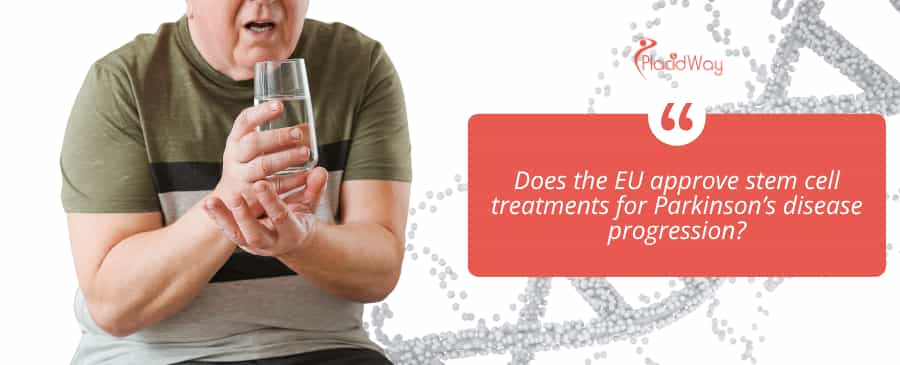
Key Takeaways: Advanced Neurological Care in Europe
- Regulatory Safety: Facilities operate under strict Good Manufacturing Practice guidelines mandated by health authorities.
- Therapeutic Goals: Treatments focus on neuroprotection, reducing inflammation, and stabilizing severe motor symptoms.
- Cellular Types: Medical centers utilize safe, ethically sourced mesenchymal autologous or allogeneic tissues.
- Comprehensive Care: Programs typically combine cellular administration with specialized physical rehabilitation.
- Global Access: International patients access these specialized frameworks via established medical tourism pathways.
What are the primary regulations governing Stem Cell Treatment for Parkinson's in Europe?
European authorities manage these therapies through stringent medical frameworks ensuring maximum patient safety and treatment efficacy. Specialized procedures are administered under controlled hospital exemption policies or approved clinical trials.
The European Medicines Agency classifies these specific medical interventions as Advanced Therapy Medicinal Products. This stringent classification ensures that any facility offering such procedures adheres to the highest medical standards and rigorously monitored clinical testing phases. Facilities must maintain pristine laboratory conditions to handle human biological materials.
Certain countries within the region provide patient access through specific compassionate use programs or localized hospital exemption frameworks. These specialized regulatory pathways allow patients suffering from progressive neurological conditions to receive innovative care under strict government oversight even before full commercial market authorization is granted.
International patients actively looking for a Stem Cell Treatment for Parkinson's clinic in Europe must always verify that their chosen medical facility holds proper national health ministry certifications. Ensuring the clinic operates legally within the boundaries of the host country is paramount for receiving safe and scientifically sound medical care.
What is the average Stem Cell Treatment for Parkinson's cost in Europe?
The total expense generally ranges between 8000 and 25000 Euros depending on the specific protocol and facility standards. This investment covers laboratory cultivation medical administration and necessary post procedure monitoring.
Several critical variables directly influence the Stem Cell Treatment for Parkinson's cost in Europe including the specific type of cellular extraction utilized and the total number of required clinical sessions. Comprehensive medical packages often encompass extensive pre treatment neurological diagnostics and dedicated post therapy physical rehabilitation.
Compared to similar innovative neurological therapies available in North America the financial investment required in European destinations is frequently more manageable for families. This enhanced financial accessibility combined with superior medical quality forms a significant pillar supporting the rapid growth of specialized medical travel across the continent.
Prospective patients should always request highly transparent billing structures from their chosen medical providers. High quality medical centers willingly provide detailed financial breakdowns separating laboratory processing fees medical specialist consultations and any specialized rehabilitative support required during the inpatient stay.
How do patients choose a reliable Stem Cell Treatment for Parkinson's clinic in Europe?
Selecting a trusted medical center requires careful evaluation of medical team credentials laboratory processing standards and documented patient outcome histories. Diligent research prevents exposure to unverified or substandard medical practices.
- Verify the active board certification and specific neurological expertise of the lead medical specialists.
- Confirm the medical center maintains strict adherence to Good Manufacturing Practice standards for all cellular cultivation.
- Evaluate the comprehensiveness of the mandatory pre treatment neurological assessment protocols.
- Review thoroughly documented patient testimonials and request data regarding long term safety monitoring records.
- Ensure the facility offers dedicated multilingual support staff specifically trained to assist international visitors.
Why is medical tourism in Europe growing for neurological stem cell therapies?
The region expertly combines world class medical infrastructure with progressive healthcare regulations and highly accessible geographic locations. This unique combination attracts thousands of international patients seeking advanced neurological care annually.
The expansive landscape of medical tourism in Europe benefits heavily from a dense interconnected network of internationally accredited hospitals and specialized boutique clinics. These esteemed institutions frequently employ leading researchers and renowned specialists actively pioneering breakthroughs in the complex field of neurodegenerative diseases.
Patients traveling internationally for these delicate procedures deeply appreciate the stringent safety protocols universally mandated by regional health authorities. This strictly controlled regulatory environment provides a vital added layer of patient security often lacking in lesser regulated medical destinations globally.
Beyond unmatched medical excellence the continent offers exceptional infrastructure designed for holistic physical recovery. Many specialized clinics seamlessly integrate comprehensive rehabilitation programs within serene relaxing environments allowing patients to recover peacefully while receiving continuous world class medical supervision.
Which types of stem cells are utilized for Parkinson disease therapies across European medical centers?
Medical professionals primarily utilize sophisticated mesenchymal autologous cells or carefully sourced allogeneic cells to safely target profound neurological inflammation. The selected cellular type depends strictly on rigorous medical evaluations.
Autologous medical procedures involve safely harvesting tissue directly from the patient usually from concentrated adipose tissue or deep bone marrow reserves. This highly personalized method effectively eliminates the risk of severe immune rejection since the body inherently recognizes its own biological material during the critical reintroduction phase.
Alternatively several advanced facilities utilize ethically sourced allogeneic cells specifically derived from donated umbilical cord tissue. These specific cellular variants are internationally recognized for their robust regenerative properties and incredibly high vitality making them highly effective for positively modulating immune responses in severe neurological conditions.
The ultimate choice of cellular material depends entirely on the specific physiological profile of the patient and the specialized protocol of the chosen medical facility. Expert neurologists conduct extensive preliminary laboratory testing to determine exactly which methodology will yield the highest potential benefit for slowing ongoing disease progression.
What specific physical improvements do patients notice after undergoing stem cell therapy for Parkinson disease in European centers?
Patients frequently report meaningful reductions in severe muscular rigidity significantly improved motor control and notably enhanced overall energy levels. These improvements typically manifest gradually in the months following the specialized therapeutic sessions.
The primary medical objective of undergoing Stem Cell Treatment for Parkinson's in Europe is to systematically address the underlying neuroinflammation that aggressively drives long term disease progression. By actively creating a much healthier internal neural environment patients often experience a welcome stabilization of their most disruptive and painful motor symptoms.
Many treated individuals report highly noticeable improvements in their daily routine functioning and overall physical mobility. Measurable reductions in constant resting tremors and debilitating bradykinesia allow patients to slowly regain precious independence in essential routine tasks such as dressing writing and walking without requiring constant physical assistance.
Furthermore essential cognitive clarity and restorative sleep quality frequently improve directly alongside the physical symptoms. While clinical results naturally vary from person to person the comprehensive holistic approach taken by dedicated European specialists continuously aims to enhance the overall quality of life rather than solely managing isolated temporary symptoms.
Are there age limits for receiving stem cell therapy for Parkinson disease at European medical facilities?
While strict chronological age is not an absolute barrier patients must firmly possess sufficient overall cardiovascular and respiratory health to undergo the medical procedures safely. Biological resilience dictates procedural eligibility far more than numerical age.
Medical specialists focus significantly more on the underlying biological resilience and general fitness of the patient rather than their exact chronological age. Individuals currently in the highly advanced final stages of the disease presenting with severe multiple comorbidities may not be deemed suitable candidates due to massively increased procedural risks.
A comprehensive physical evaluation usually involves highly detailed blood panel work extensive cardiac stress tests and advanced neurological imaging scans. These critical diagnostics ensure that the patient body can safely handle the cellular extraction process and optimally utilize the carefully reintroduced therapeutic cells for maximum healing.
Accredited facilities universally prioritize fundamental patient safety above all other considerations. If an international patient unfortunately does not meet the rigorous internal health criteria during the remote consultation phase highly ethical providers will strongly advise against traveling across borders for the procedure to prevent any unnecessary physical strain.
How long does a typical stem cell therapy program for Parkinson disease last in Europe?
Most specialized neurological medical programs require international patients to stay locally between seven and fourteen days for complete thorough treatment and necessary post procedure observation. This duration guarantees optimal medical oversight.
The initial days following arrival are dedicated entirely to extensive in person medical evaluations and the precise extraction of required cellular material. This vital preparatory phase is absolutely critical for ensuring the planned therapeutic protocol is perfectly customized to match the unique neurodegenerative profile of the visiting patient.
The central therapy days involve the carefully monitored clinical administration of the successfully processed cells. Depending heavily on the chosen facility and protocol this biological material may be delivered intravenously or via targeted spinal administration requiring localized anesthesia and closely monitored bedside recovery periods by trained nursing staff.
The final crucial days of the medical program focus deeply on immediate post procedure rehabilitation and the firm establishment of long term remote monitoring plans. Treating specialists utilize this valuable time to track any initial biological responses and actively educate patients on specific physical movement therapies to continue diligently upon returning home.
Why Choose PlacidWay for Stem Cell Treatment for Parkinson's in Europe?
PlacidWay provides a highly secure transparent and expertly guided medical pathway connecting patients directly to top tier neurological facilities while completely avoiding the massive stress of navigating complex foreign healthcare systems alone.
- We exclusively partner with highly accredited medical facilities maintaining flawless international safety records and highly transparent clinical success metrics.
- Our dedicated platform guarantees upfront structured pricing models effectively eliminating any unexpected medical fees or frustrating hidden laboratory costs.
- We assign deeply experienced patient coordinators who expertly manage all complex medical record transfers and facilitate essential pre consultation scheduling.
- We rigorously ensure all affiliated medical specialists possess verified international board certifications and possess highly extensive practical neurological experience.
- Our internal quality assurance medical team continuously monitors ongoing patient feedback and long term clinical outcomes to fiercely maintain the highest possible network standards.
Frequently Asked Questions About Neurological Stem Cell Therapies in Europe
Is stem cell therapy a permanent cure for Parkinson disease in Europe?
Currently these therapies aim to slow disease progression and manage severe motor symptoms rather than providing a permanent cure. European specialists focus on neuroprotection and improving the overall quality of life for patients battling neurodegenerative conditions.
Do European health insurance plans cover stem cell treatments for Parkinson disease?
Standard public health insurance typically does not cover these advanced procedures as they often fall under experimental or hospital exemption categories. International patients must generally rely on private funding or specialized medical financing options.
How soon can patients fly back home after receiving stem cell injections in Europe?
Medical professionals typically recommend waiting at least three to five days after the final administration before taking a long commercial flight. This observation period ensures there are no immediate adverse reactions and allows the body to stabilize.
What pre-treatment medical records do European clinics require for Parkinson disease patients?
Facilities require comprehensive neurological reports recent MRI scans detailed medication history and basic cardiovascular assessments. Providing these records in advance allows the medical team to confirm patient eligibility before any international travel occurs.
Are mesenchymal stem cells preferred over embryonic stem cells in European clinics?
Yes European medical centers strictly utilize adult mesenchymal cells or ethically sourced umbilical cord cells. Embryonic cells are generally avoided due to stringent ethical regulations and higher clinical risks associated with uncontrolled cellular growth.
Do patients need to stop their levodopa medication before stem cell therapy in Europe?
Patients are generally advised to maintain their standard dopaminergic medication schedule unless explicitly instructed otherwise by the lead neurologist. Abruptly stopping Parkinson disease medications can cause severe physical withdrawal and rigid immobility.
How do European regulations protect international patients seeking stem cell therapy?
The European Medicines Agency enforces rigorous Good Manufacturing Practice standards for all cellular cultivation laboratories. This ensures that biological materials administered to international patients are free from contamination and processed under the highest clinical standards.
Are language barriers a problem when visiting medical facilities in Europe?
Top tier medical centers catering to international visitors employ fluent English speaking medical staff and provide dedicated translation personnel. Complete comprehension of medical documents and consent forms is guaranteed throughout the entire clinical process.
What happens if a patient experiences side effects after returning home from Europe?
Reputable facilities establish robust telehealth follow up schedules to monitor patient progress remotely. They provide detailed discharge summaries that local primary care physicians can use to manage any minor post procedural symptoms effectively.
Can stem cell therapy be combined with deep brain stimulation procedures in Europe?
While both therapies target motor symptoms they are rarely performed simultaneously. Neurologists typically evaluate the success of an existing deep brain stimulation device before considering supplementary cellular therapies to ensure maximum patient safety.
Explore Advanced Neurological Care Options Today
* Responses typically within 24 hours. Privacy guaranteed.






.png)




.png)

.png)










Share this listing