


Safety and Regulations for Spinal Cord Stem Cell Therapy in Bratislava
Spinal cord stem cell therapy in Bratislava, Slovakia is generally considered safe when performed in certified facilities adhering to strict European Medicines Agency and local EU medical regulations, ensuring high patient safety standards.
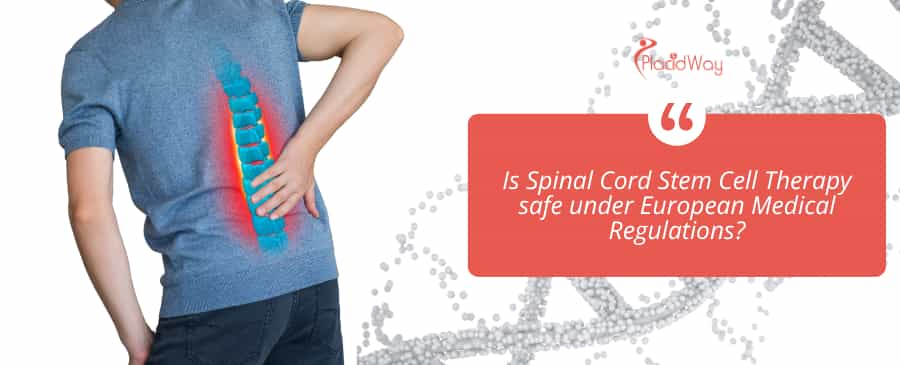
Key Takeaways: Safety & Medical Regulations
- Strict EU Compliance: Healthcare facilities operate under rigorous European guidelines that prioritize patient safety and ethical treatment.
- Advanced Laboratory Protocols: Certified clinics utilize highly regulated, ethically sourced mesenchymal stem cells processed in audited cleanrooms.
- Financial Accessibility: Patients benefit from significantly lower healthcare costs compared to North American and Western European medical systems.
- Holistic Care Approach: Top centers offer integrated physical rehabilitation alongside regenerative injections to maximize neurological recovery.
How do EU regulations ensure the safety of spinal cord stem cell therapy in Slovakia?
European Union directives mandate stringent quality control, ethical cellular sourcing, and sterile laboratory processing for all advanced therapy medicinal products used in local regenerative medicine.
The European Medicines Agency provides a highly robust framework that classifies regenerative biological materials as advanced therapy medicinal products. This specific classification requires rigorous laboratory testing, proven efficacy models, and intensive clinical oversight before any regenerative treatment is legally administered to patients seeking care in the region.
Slovakian national health authorities strictly enforce these sweeping European directives across all private and public healthcare facilities within their borders. Frequent audits and unannounced inspections are conducted to verify that cell processing laboratories maintain certified cleanroom environments, effectively eliminating the risk of bacterial or viral contamination during cellular cultivation.
Furthermore, patient safety remains the highest priority through comprehensive medical pre-screening protocols. Approved facilities must document the entire lifecycle of the biological material, ensuring complete traceability from the initial cellular extraction to the final therapeutic injection, which significantly mitigates the chances of adverse immunological reactions.
What is the average spinal cord stem cell therapy cost in Slovakia compared to other regions?
Treatment programs in Bratislava typically range between ten thousand and twenty-five thousand euros, presenting a highly cost-effective alternative to similar procedures in the United States.
The financial aspect of advanced regenerative medicine is a primary factor driving international patients toward Central Europe. In North America, specialized neurological cellular treatments can easily exceed fifty thousand dollars, largely due to inflated healthcare administration fees, aggressive medical malpractice insurance premiums, and high localized labor costs.
Conversely, the spinal cord stem cell therapy cost in Slovakia remains relatively accessible without compromising clinical quality. The lower operational overheads, favorable currency exchange rates for international visitors, and a nationally regulated pricing structure allow medical facilities to offer premium care at a fraction of the global average price.
Patients must understand that these price estimates usually encompass the complete medical package. A standard comprehensive invoice generally covers initial neurological consultations, advanced magnetic resonance imaging, the complete cellular cultivation process, the specialized injection procedure, and multiple days of supervised inpatient rehabilitation.
How can I find a reputable spinal cord stem cell therapy clinic in Slovakia?
Identifying a trustworthy facility requires verifying their European Medicines Agency compliance, reviewing their neurosurgical team credentials, and utilizing specialized global healthcare facilitation platforms.
- Ensure the facility holds active accreditation from the Slovak Ministry of Health and adheres to strict European biological safety standards.
- Request detailed professional biographies of the attending neurosurgeons and neurologists overseeing the complex injection procedures.
- Verify that the clinic utilizes dedicated, internationally certified cleanroom laboratories for all cellular processing and cultivation.
- Ask for comprehensive data regarding their historical patient outcomes and read transparent reviews from previous international neurological patients.
- Seek guidance from established healthcare networks that perform independent background checks on every partner spinal cord stem cell therapy clinic in Slovakia.
What makes medical tourism in Slovakia a top choice for neurological treatments?
Bratislava offers a unique combination of highly regulated European medical standards, exceptionally skilled neurological specialists, modern infrastructure, and highly competitive treatment pricing.
The landscape of medical tourism in Slovakia has evolved rapidly over the past decade, transforming the capital city into a regional hub for advanced medical interventions. The country boasts a robust educational system that produces world-class medical professionals who frequently undergo supplementary specialized training in Germany, Switzerland, and the United Kingdom.
Strategically located in the heart of Europe, Bratislava is incredibly accessible for international patients. The city is easily reached via direct flights to Vienna International Airport, which sits just a short drive away from the Slovakian border, ensuring a stress-free arrival for patients grappling with severe physical mobility challenges.
Beyond geographical convenience, the local culture places a heavy emphasis on holistic patient wellness. Many medical tourists find the tranquil environment of Bratislava highly conducive to recovery, as top-tier medical facilities frequently integrate their cutting-edge clinical therapies with intensive, specialized neuro-rehabilitation programs set in calm, patient-focused environments.
Are there specific risks associated with stem cell treatments for spinal cord injuries in Bratislava?
While rigorously regulated, minor risks include temporary injection site pain, mild fever, or headaches, whereas severe complications like infections or tissue rejection are exceptionally rare in certified clinics.
Any medical procedure inherently carries some degree of risk, and regenerative medicine is no exception. However, because European facilities predominantly utilize autologous cells or highly purified, ethically sourced mesenchymal cells, the dreaded risk of severe immunological rejection or graft-versus-host disease is nearly eliminated.
The most commonly reported side effects are generally mild and temporary. Patients might experience localized soreness at the lumbar puncture site, a slight elevation in body temperature, lethargy, or mild headaches within the first forty-eight hours following the therapeutic injection. These symptoms are typical immune responses and usually subside quickly with standard supportive care.
Severe complications, such as central nervous system infections or abnormal cellular growth, are statistically incredibly rare in properly vetted facilities. The strict adherence to sterile laboratory processing and the use of highly advanced, image-guided injection technologies by experienced neurosurgeons are the primary safeguards against these adverse events.
Which types of stem cells are legally permitted for spinal cord therapies in European clinics?
European regulations strictly permit the use of ethically sourced adult multipotent cells, primarily mesenchymal stem cells derived from umbilical cord tissue, bone marrow, or adipose fat tissue.
- Umbilical cord tissue yields highly potent mesenchymal cells that possess exceptional anti-inflammatory and immunomodulatory properties essential for neural repair.
- Bone marrow aspiration extracts a patient's own cellular material, entirely removing any risk of foreign tissue rejection during the subsequent spinal injection.
- Adipose-derived cells are extracted from the patient's fat stores, providing a highly concentrated cellular yield through a minimally invasive liposuction procedure.
- European law explicitly prohibits the clinical use of embryonic cells due to complex ethical concerns and the elevated risk of unpredictable cellular mutation.
- All permitted cellular lines must undergo rigorous laboratory screening for infectious diseases and genetic stability before therapeutic administration is allowed.
How long is the recovery period after receiving stem cell injections for spinal cord injuries in Bratislava?
Immediate surgical recovery takes only a few days, but the true neurological regeneration process requires ongoing physical therapy and can take between three to twelve months to manifest clinically.
The physical recovery from the actual injection procedure is remarkably brief. Most patients undergo the treatment via a specialized lumbar puncture or targeted intrathecal injection, requiring only brief medical observation. Patients are usually cleared to return to their accommodations within twenty-four hours, instructed to rest and stay heavily hydrated.
However, the timeline for observing actual neurological improvements is vastly different and requires profound patience. Regenerative cells work by gradually reducing severe spinal inflammation, promoting crucial angiogenesis, and slowly stimulating the repair of damaged myelin sheaths. This complex biological healing cascade does not happen overnight.
Patients are heavily advised to engage in rigorous, guided physical therapy immediately following their treatment protocol. The physical stimulation encourages the newly injected cells to differentiate appropriately and integrate into the damaged neural pathways. Noticeable improvements in sensation or mobility generally begin to appear at the three-month mark and can continue progressing for up to a year.
What medical tests are required before undergoing spinal cord stem cell therapy in European facilities?
Extensive pre-screening is mandatory, involving recent high-resolution MRI scans, comprehensive infectious disease blood panels, cardiovascular evaluations, and detailed neurological baseline assessments.
- Recent magnetic resonance imaging scans of the entire spine are essential to precisely pinpoint the exact location and severity of the neural tissue damage.
- Comprehensive blood chemistry panels are drawn to screen for active systemic infections, viral markers, and overall organ function readiness.
- Electrocardiograms and general cardiovascular clearance are required to ensure the patient can safely tolerate minor sedation or local anesthesia.
- Physicians conduct a standardized neurological motor and sensory baseline assessment to accurately measure and compare any post-treatment clinical progress.
- Detailed reviews of the patient's current pharmaceutical regimen are conducted to pause any medications that might interfere with cellular adherence or increase bleeding risks.
Why Choose PlacidWay for your regenerative medicine journey to Bratislava?
PlacidWay connects international patients with highly vetted, ethically certified medical centers, ensuring transparent pricing, verified medical credentials, and comprehensive patient advocacy throughout the healthcare process.
- Verified Facility Network: We exclusively partner with accredited hospitals that pass our rigorous international safety and medical quality background inspections.
- Transparent Pricing Models: Our global platform provides clear, upfront cost estimates to effectively prevent unexpected medical billing surprises during your treatment program.
- Dedicated Patient Support: Our expert care coordination team actively assists you in understanding complex medical terminology and necessary procedural steps.
- Ethical Treatment Advocacy: We strictly prioritize clinics that adhere to established European medical regulations and globally recognized ethical cellular sourcing guidelines.
- Direct Medical Consultations: We seamlessly facilitate secure preliminary communication between you and certified neurological specialists to ensure medical eligibility before your commitment.
Frequently Asked Questions About Therapy in Slovakia
Is stem cell therapy legally approved in Slovakia for neurological conditions?
Yes, regenerative therapies utilizing specific types of adult stem cells are legally permitted in Slovakia, provided the medical facility strictly follows the advanced therapy medicinal product regulations set forth by the European Medicines Agency.
Do Slovakian medical facilities speak English for international patients?
Leading medical centers in Bratislava that cater to international patients maintain fully bilingual medical teams. Doctors, nurses, and patient coordinators are highly proficient in English to ensure clear communication regarding complex neurological treatments.
How many days should I stay in Bratislava for a complete stem cell treatment cycle?
Patients are generally advised to stay in Bratislava for ten to fourteen days. This timeframe allows for comprehensive pre-treatment health screenings, the cellular extraction and cultivation process, the actual injection procedure, and crucial initial post-treatment monitoring.
Can I undergo physical therapy concurrently with stem cell injections in Bratislava?
Absolutely, intensive physical rehabilitation is highly recommended alongside regenerative injections. Many facilities in Bratislava offer integrated physical therapy programs designed to stimulate neuroplasticity and maximize the potential benefits of the newly introduced cellular material.
Are umbilical cord derived mesenchymal stem cells used in Slovakian clinics?
Yes, reputable clinics often utilize ethically sourced mesenchymal stem cells derived from donated umbilical cord tissue. These cells are favored for their robust regenerative properties and their extremely low risk of triggering an immune system rejection.
What is the success rate for spinal cord injury stem cell treatments in Eastern Europe?
Success rates vary greatly depending on the severity and age of the spinal cord injury. While regenerative medicine is not considered a complete cure, many patients report significant improvements in sensory perception, reduction of neuropathic pain, and enhanced motor function.
Do European health insurance plans cover stem cell treatments in Slovakia?
Currently, regenerative therapies for spinal cord injuries are mostly considered experimental and are rarely covered by standard public or private European health insurance policies. Patients typically fund these advanced treatments out of pocket through medical tourism avenues.
How is patient data and privacy protected under EU laws during medical tourism?
All medical facilities in Slovakia are legally bound by the General Data Protection Regulation. This strict European framework guarantees that all patient medical records, diagnostic imaging, and personal identification details are kept strictly confidential and secure.
What post treatment monitoring is provided by doctors in Bratislava?
Doctors provide thorough discharge protocols and typically schedule virtual follow-up consultations at three, six, and twelve-month intervals. Patients are encouraged to share progress reports and updated diagnostic scans with their Slovakian medical team remotely.
Are there age restrictions for receiving stem cell therapy in Slovakia?
While there is no strict upper age limit, patients must be healthy enough to undergo minor surgical procedures and anesthesia. Pediatric patients require specialized pediatric neurological evaluations and approvals before any regenerative treatment can be legally administered.
Discover Your Regenerative Options Today
* Patient privacy is strictly protected under international healthcare guidelines.



.png)


.png)










Share this listing