


Stem Cell Therapy in Mexico
Stem cell therapy for diabetes in Mexico helps Canadians by regenerating pancreatic beta cells and improving insulin sensitivity. Treatment typically costs between $6,000 and $15,000, offering affordable, advanced care compared to Canadian wait times.
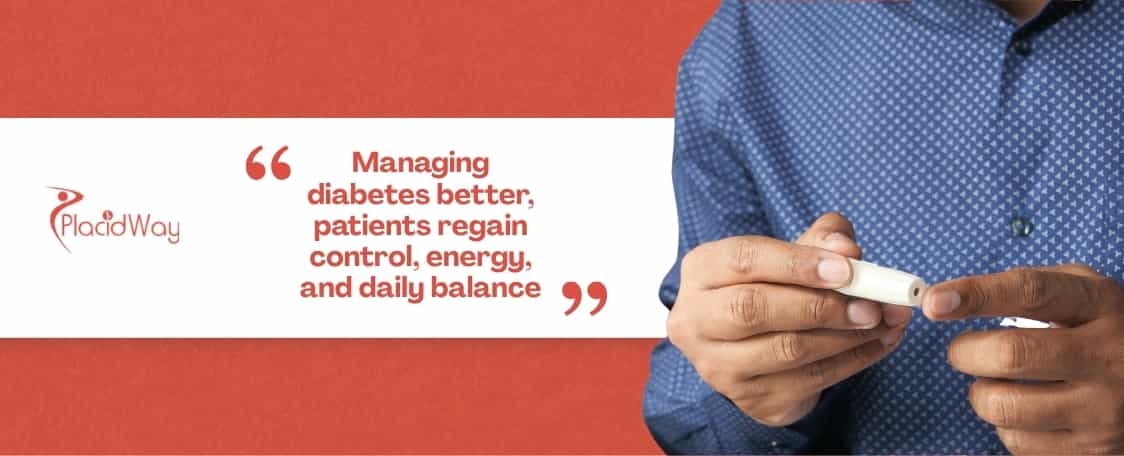
Key Takeaways: Diabetes Management Across Borders
- Cellular Regeneration: Therapies focus on repairing damaged pancreatic tissues and halting autoimmune attacks.
- Cost Effectiveness: Procedures run significantly lower than equivalent unregulated therapies in other global regions.
- Advanced Protocols: Access to highly concentrated mesenchymal cells derived from ethical, certified laboratories.
- Timely Access: Canadians bypass long specialist waitlists to receive immediate, targeted metabolic interventions.
How does stem cell therapy for diabetes in Mexico improve insulin production for Canadians?
This treatment utilizes mesenchymal stem cells to target pancreatic inflammation and promote the regeneration of beta cells. By restoring cellular function, patients often experience natural improvements in their bodies ability to produce and regulate insulin.
Type 1 and Type 2 diabetes both involve severe pancreatic dysfunction, though they operate through entirely different biological mechanisms. In Type 1 diabetes, the patients immune system mistakenly attacks and destroys the insulin producing beta cells. Conversely, Type 2 diabetes involves chronic insulin resistance that eventually leads to beta cell exhaustion. When seeking stem cell therapy for diabetes in Mexico, Canadians access cellular treatments that address these fundamental root causes rather than simply masking high blood sugar symptoms.
Once the specialized cells are administered intravenously, they possess a unique homing ability that draws them directly to areas of high inflammation, such as the damaged pancreas. Upon arrival, they release a cascade of potent exosomes, cytokines, and growth factors. This powerful biological secretion acts as an immunomodulator, essentially reprogramming the local immune response to halt the autoimmune attack in Type 1 patients while drastically reducing tissue stress in Type 2 patients.
Over the weeks following the procedure, the newly established reparative environment encourages the survival, healing, and proliferation of whatever healthy beta cells remain. Because of this biological reset, many individuals report vastly improved glycemic control, normalized HbA1c levels, and a noticeable reduction in their reliance on synthetic insulin injections or harsh oral diabetic medications.
What is the average stem cell therapy cost in Mexico for diabetes management?
The financial investment ranges from six thousand to fifteen thousand dollars depending on the required cell dosage and facility level. This inclusive pricing covers the cellular product, medical evaluations, and comprehensive metabolic therapies.
- Laboratory Preparation: The bulk of the expense covers the complex harvesting, expansion, and quality testing of the cellular product in regulated laboratories.
- Comprehensive Medical Evaluations: Packages integrate thorough pre operative blood work, metabolic panels, and detailed consultations with specialized endocrinologists.
- Adjunct Therapies: Many comprehensive programs include supportive treatments like hyperbaric oxygen therapy and intravenous nutrition to boost cellular engraftment.
- Facility Fees: The total price encompasses time spent in the infusion suites, nursing care, and the use of state of the art medical equipment.
- Global Comparison: The average stem cell therapy cost in Mexico is highly favorable, saving patients tens of thousands compared to private unregulated clinics in North America.
How do Canadians choose a reputable stem cell clinic in Mexico for diabetes care?
Patients must verify federal COFEPRIS licensing, scrutinize laboratory practices, and demand transparent protocols. Choosing facilities with dedicated regenerative departments ensures the administration of viable, high quality cellular treatments.
Selecting the right facility requires intense due diligence, as the quality of the laboratory dictates the success of the treatment. Canadians should exclusively seek out a stem cell clinic in Mexico that operates under strict federal health guidelines. The most critical credential to verify is COFEPRIS certification, which acts as the national regulatory equivalent to Health Canada, ensuring that the facility adheres to rigorous safety and ethical standards.
When researching specific facilities, it is beneficial to look for institutions that integrate holistic and targeted medical protocols. For example, exploring advanced regenerative medicine at Immunity Therapy Center in Tijuana Mexico reveals how elite medical teams blend concentrated cellular infusions with personalized supportive therapies. This multifaceted approach is essential for creating the optimal internal environment for new cells to thrive and repair pancreatic damage.
Furthermore, transparency is a non negotiable factor. Exceptional clinics will readily provide documentation regarding the source of their biological materials, the exact number of live cells being administered, and their specific viability rates. They should also facilitate comprehensive virtual consultations with the lead medical team before you ever book a flight, allowing you to ask critical questions regarding your specific metabolic condition.
The viability of the cellular product is paramount. Top tier laboratories guarantee a cell viability rate of over ninety five percent at the time of infusion. This ensures that the biological materials have the strength and energy required to survive the journey to your pancreas and begin the regeneration process immediately.
What makes medical tourism in Mexico an attractive option for Canadian diabetes patients?
Canadians choose this route to bypass prolonged domestic specialist wait times and access innovative treatments not yet widely available at home. The geographical proximity and specialized healthcare infrastructure provide seamless, rapid relief.
The Canadian healthcare system, while robust in acute emergency care, often struggles with extensive waitlists for specialized chronic disease management. Patients suffering from progressing diabetic complications frequently face agonizing delays to see endocrinologists or receive advanced therapeutic interventions. Medical tourism in Mexico offers an immediate alternative, empowering patients to take proactive control of their rapidly deteriorating health without the bureaucratic delays.
Beyond simply escaping wait times, the specific legislative environment south of the border permits the authorized use of expanded mesenchymal cells for degenerative conditions. While Canadian researchers are actively studying these protocols, widespread clinical application remains years away. Medical travelers gain access to these cutting edge, scientifically backed interventions today, potentially preventing irreversible nerve or kidney damage caused by unmanaged blood sugar levels.
Additionally, the logistics are highly favorable. Direct flights from major Canadian hubs like Toronto, Vancouver, and Montreal to regions near top medical centers make the journey remarkably brief. The dedicated healthcare infrastructure built around international patients ensures that language barriers are eliminated, with bilingual medical staff guiding individuals through every phase of their sophisticated treatment plans.
Which types of stem cells are used for diabetes treatment in Mexican clinics?
Specialists primarily utilize Wharton Jelly derived Mesenchymal Stem Cells sourced from donated human umbilical cords. These specific cells are favored for their incredible regenerative potency and their profound immunomodulatory capabilities.
- Wharton Jelly Source: Extracted from the umbilical cord tissue of healthy, full term, ethically screened births, providing the most robust and youthful biological materials available.
- Immune Privilege: These specialized cells lack specific surface markers that normally trigger rejection, meaning no blood matching or immunosuppressant drugs are required for the patient.
- High Proliferation Rate: Cord tissue cells replicate at an astonishingly fast pace compared to bone marrow cells, allowing laboratories to cultivate the massive quantities needed for systemic metabolic repair.
- Anti Inflammatory Power: They are uniquely equipped to secrete massive amounts of cytokines that calm the severe systemic inflammation driving both Type 1 and Type 2 diabetes.
- Exosome Production: The selected cells naturally release microscopic vesicles packed with genetic information that instruct the damaged pancreatic tissue to begin healing itself.
How long does the stem cell therapy procedure for diabetes in Mexico take to show results?
While initial improvements in energy levels can occur within weeks, significant metabolic changes unfold gradually over three to six months. Cellular regeneration is a profound biological process that requires continuous time to rebuild tissue.
Setting realistic expectations is a crucial part of the regenerative journey. Unlike synthetic insulin which forcefully drops blood sugar within minutes, cellular therapies work on a fundamental, structural level. In the first few weeks following the intravenous infusion, the primary biological action taking place is massive systemic immunomodulation. Patients often report feeling increased overall energy and a reduction in diabetic neuropathy pain during this early phase as systemic inflammation plummets.
The actual regeneration of pancreatic beta cells is a meticulous biological process. Around the second or third month, the microenvironment within the pancreas becomes highly conducive to tissue repair. It is during this window that patients typically begin noticing sustained improvements in their daily blood glucose logs. They may experience fewer extreme spikes and crashes, indicating that their body is beginning to naturally regulate insulin production more effectively.
By the six month mark, the full therapeutic effect usually becomes apparent in clinical bloodwork. Patients work closely with their local endocrinologists to review their HbA1c levels, which often reflect significant long term stabilization. Depending on these results, physicians may safely advise a gradual reduction in the dosage of their prescribed diabetic medications to match their newfound metabolic efficiency.
Patience is critical when undergoing regenerative protocols. The administered cells act as general contractors in your body, organizing and commanding the repair of decades of metabolic damage. Continual monitoring via continuous glucose monitors is highly recommended to safely track these gradual internal changes.
Are there any age limits for Canadians seeking stem cell therapy for diabetes in Mexico?
Treatments are generally available for adults ranging from eighteen to eighty years old. However, medical acceptance relies entirely on individual health profiles, organ function, and the absence of active malignancies rather than strict age numbers.
- Pediatric Considerations: While children with Type 1 face severe challenges, most international protocols mandate patients be legally considered adults to ensure fully informed medical consent.
- Senior Patients: Older adults are fantastic candidates provided their liver and kidney functions are robust enough to handle the metabolic shifts associated with tissue regeneration.
- Active Cancer Screening: Regardless of age, individuals with a current diagnosis of cancer are strictly excluded, as regenerative factors could inadvertently promote unwanted tumor growth.
- Severity of Complications: Patients with end stage renal failure requiring dialysis may be evaluated cautiously, as advanced organ damage can limit the efficacy of the cellular infusions.
- Personalized Dosing: Age and weight strictly determine the required cellular dosage. Older patients or those with a higher body mass index typically require larger quantities of cells to achieve therapeutic saturation.
How does the safety of stem cell therapy for diabetes in Mexico compare to Canadian standards?
Authorized medical facilities adhere to stringent federal regulations that mirror global safety benchmarks. Approved laboratories utilize clean room environments and extensive pathogen testing comparable to strict North American medical standards.
A common misconception is that cross border healthcare lacks regulatory oversight. In reality, the authorized regenerative medicine sector in the region operates under a highly sophisticated legal framework enforced by federal health authorities. Laboratories cultivating the biological materials must pass rigorous inspections regarding their sterilization protocols, air filtration systems, and handling procedures, ensuring the final product is completely free of contaminants or infectious diseases.
Furthermore, the donor screening process for umbilical cord tissue is remarkably exhaustive. Expectant mothers undergo detailed genetic and infectious disease panels throughout their pregnancy. Only tissue from flawless, scheduled cesarean sections is accepted for cultivation. This meticulous attention to the raw biological source guarantees that the resulting expanded cells are pristine, potent, and incredibly safe for intravenous infusion into international patients.
Finally, the medical teams administering these therapies are highly credentialed specialists. Many lead physicians have completed post graduate fellowships in regenerative medicine in Europe or the United States. Their deep understanding of cellular biology ensures that the therapies are delivered using precise, scientifically validated protocols, completely mitigating the risks often associated with unregulated underground clinics.
What lifestyle changes maximize the benefits of stem cell therapy for diabetes in Mexico?
Adopting a strict anti inflammatory diet, prioritizing daily cardiovascular exercise, and managing stress levels are vital. These habits create a hospitable internal environment that protects the newly generated beta cells from future damage.
- Nutritional Optimization: Eliminating highly processed foods, refined sugars, and industrial seed oils prevents systemic inflammation from returning and destroying the vulnerable new cellular tissue.
- Consistent Movement: Engaging in daily physical activity drastically improves insulin sensitivity in skeletal muscles, reducing the overall workload placed on the regenerating pancreas.
- Stress Reduction: Chronic stress elevates cortisol levels, which directly spikes blood glucose. Implementing practices like meditation or deep breathing helps maintain metabolic harmony post treatment.
- Toxin Avoidance: Strictly avoiding smoking and severely limiting alcohol consumption prevents the introduction of oxidative stress that can compromise cellular engraftment and survival.
- Sleep Hygiene: Prioritizing seven to eight hours of uninterrupted sleep per night is essential, as the majority of profound biological repair and cellular integration occurs during deep sleep cycles.
Why Choose PlacidWay for stem cell therapy for diabetes in Mexico?
PlacidWay removes the guesswork from international healthcare by connecting you exclusively with globally accredited, thoroughly vetted regenerative facilities, ensuring your health investment yields safe, scientifically backed metabolic results.
Navigating the complex landscape of international regenerative medicine requires a trusted advocate. PlacidWay serves as your dedicated partner, ensuring that your pursuit of advanced diabetes management is entirely secure, transparent, and clinically effective. Here is how we elevate your healthcare journey:
- Rigorous Facility Vetting: We perform exhaustive audits on all partner clinics, ensuring they possess active federal licenses, utilize certified clean room laboratories, and source their biological materials ethically.
- Direct Specialist Access: Our platform facilitates secure, direct virtual consultations between you and lead regenerative endocrinologists, allowing for thorough medical evaluations before any commitments are made.
- Absolute Price Transparency: We eliminate hidden fees by providing comprehensive, all inclusive medical quotes that clearly outline laboratory costs, medical evaluations, and the specific cellular dosages required.
- Unwavering Patient Advocacy: Our dedicated medical coordinators assist in seamlessly transferring your Canadian medical records and diagnostic imaging to ensure the treating physicians have a complete clinical picture.
- Verified Patient Outcomes: We provide access to authentic, verifiable testimonials and clinical outcome data from previous patients who have successfully undergone identical metabolic protocols.
Frequently Asked Questions
Is stem cell therapy for diabetes in Mexico a permanent cure?
Cellular treatments aim to manage the condition and significantly improve quality of life rather than provide an absolute cure. Many patients achieve long term remission and reduced medication dependence, but results vary based on individual health status and disease progression.
Do Canadian provincial health plans cover stem cell treatments in Mexico?
Provincial healthcare systems like OHIP or MSP do not cover international regenerative medicine procedures. Canadians must pay out of pocket for these advanced therapies, which is why the affordable pricing structure in Mexican medical centers is highly appealing.
What happens during a typical stem cell consultation for diabetes in Mexico?
A comprehensive consultation involves reviewing your complete Canadian medical records, recent HbA1c results, and metabolic panels. The medical team will assess your beta cell function and immune status to determine the exact dosage and delivery method required for your specific condition.
Can Type 1 diabetes patients completely stop taking insulin after treatment in Mexico?
While completely stopping insulin is rare for long term Type 1 patients, many experience a drastic reduction in their daily insulin requirements. The therapy focuses on stopping the autoimmune attack and preserving remaining beta cells to stabilize blood sugar fluctuations.
Are mesenchymal stem cells safe for treating diabetes in Mexican medical centers?
Yes, mesenchymal stem cells are widely recognized for their high safety profile. Because they are immune privileged, they do not trigger rejection responses in the patient, making them an ideal and safe option for treating systemic conditions like diabetes.
How many stem cell sessions are required for optimal diabetes management in Mexico?
Most international protocols consist of a comprehensive initial program lasting five to ten days, which may include multiple targeted infusions. Some patients return for a booster session six to twelve months later depending on their metabolic response and continued progress.
What are the potential side effects of receiving stem cells for diabetes in Mexico?
Side effects are typically very mild and temporary. Patients might experience slight fatigue, mild fever, or localized soreness at the intravenous infusion site for twenty four to forty eight hours as the body begins the cellular integration process.
Do Mexican stem cell clinics provide post treatment monitoring for international patients?
Reputable facilities maintain rigorous follow up programs through telemedicine. They coordinate with your local Canadian physician to track your blood glucose logs and metabolic markers over the course of twelve to eighteen months following your return home.
How soon can I travel back to Canada after my stem cell injections in Mexico?
Most patients receive medical clearance to fly back to Canada within twenty four to forty eight hours after their final infusion. The non invasive nature of the intravenous procedure requires minimal physical downtime, allowing for immediate normal activities.
What dietary restrictions should I follow after my diabetes stem cell therapy in Mexico?
Doctors highly recommend an anti inflammatory diet rich in whole foods, lean proteins, and low glycemic index vegetables to support cellular regeneration. Avoiding processed sugars and excessive carbohydrates is crucial to maximizing the longevity of your newly regenerated beta cells.
Take Control of Your Metabolic Health Today
* Responses typically within 24 hours. Strict privacy guaranteed.
.jpg)

.png)




.png)










Share this listing