


Understanding Severe Knee Pain and Joint Degeneration in Japan
Stem cell treatment in Japan provides a proven alternative to knee surgery. Using your regenerative cells this therapy repairs cartilage and significantly reduces severe joint pain allowing a fast return to active life without extensive downtime.

Key Takeaways: Regenerative Knee Solutions
- Surgical Alternative: Effectively delays or completely prevents the need for total knee replacements.
- Advanced Cultivation: Japanese labs expand your cells for weeks to guarantee a massive therapeutic dose.
- Natural Healing: Utilizes autologous cells from your own body ensuring zero risk of tissue rejection.
- Cost Effective Care: Packages range from eight thousand to fifteen thousand dollars saving money over surgery.
- Rapid Recovery: Outpatient procedure allows you to walk immediately and resume normal life within weeks.
How does stem cell therapy in Japan work for severe knee osteoarthritis?
This therapy extracts your own regenerative cells and injects them directly into the damaged knee joint. These cells reduce inflammation and stimulate the natural healing of torn cartilage tissues.
The procedure begins with a minimally invasive extraction of adult stem cells typically from adipose tissue located in the abdomen or from bone marrow. Medical professionals then process these harvested tissues in highly specialized laboratory environments to isolate and concentrate the most potent regenerative cells available in your body. This meticulous laboratory step is crucial for yielding a powerful serum capable of healing degenerative joint disease.
Once concentrated these cells are carefully injected into the precise areas of the knee joint experiencing cartilage degradation. Stem cell therapy in Japan is renowned for utilizing advanced imaging guidance like real time ultrasound or fluoroscopy. This visual technology ensures the therapeutic injection reaches the exact site of tissue damage without harming surrounding healthy ligaments or tendons.
Following the targeted injection the cells immediately begin communicating with your existing joint tissues to lower chronic inflammation. Over the subsequent weeks and months they promote the synthesis of new cartilage matrix and improve synovial fluid quality. This biological regeneration ultimately restores structural joint function and eliminates debilitating pain without the need for invasive and traumatic artificial joint replacements.
What is the average stem cell treatment cost in Japan compared to other countries?
The financial investment for regenerative knee procedures in Japanese facilities ranges between eight thousand and fifteen thousand dollars. This presents significant savings when compared to identical premium treatments in North America.
| Country Location | Estimated Cost Range USD | Technology Standard |
|---|---|---|
| Japan | $8,000 to $15,000 | Advanced Lab Cultivation |
| United States | $15,000 to $25,000 | Variable by State |
| United Kingdom | $12,000 to $18,000 | Standard Centrifuge |
| Australia | $10,000 to $16,000 | Highly Regulated |
Medical travelers frequently discover that the stem cell treatment cost in Japan provides extraordinary value given the incredibly high standards of medical care and superior laboratory processing. While exact prices vary based on the specific type of cellular therapy and the severity of joint degradation patients entirely avoid the massive hospital room fees general anesthesia costs and intensive physical therapy bills associated with traditional knee replacement surgeries.
Furthermore specialized facilities often bundle these complex procedures into comprehensive transparent packages designed specifically for international visitors. These medical packages typically include preliminary health screenings the cellular extraction process weeks of laboratory cultivation joint injections and follow up consultations all clearly priced upfront to prevent any unexpected or hidden medical expenses.
How long does it take to see results from knee stem cell treatment in Japan?
Patients generally experience a noticeable reduction in knee pain within three to six weeks following the joint injection. Maximum cartilage regeneration and joint mobility improvements continue developing for up to six months.
The biological healing timeline varies depending on the baseline severity of your knee osteoarthritis and your individual cellular health. During the first few weeks after the procedure the primary mechanism at work is powerful anti inflammatory action. Patients frequently report that the sharp grinding pain associated with bone on bone friction diminishes significantly during this crucial early phase making daily walking much easier.
As the months progress the regenerative phase truly takes over. The injected cells stimulate the growth of new healthy tissue and enhance the overall structural integrity of the knee joint. By the third month many individuals can comfortably resume recreational activities like brisk walking golfing or climbing steep stairs which were previously impossible due to severe discomfort and joint stiffness.
To optimize these long term results orthopedic specialists strongly recommend adhering to a structured physical therapy regimen upon returning home. Gentle continuous movement helps circulate synovial joint fluid and encourages the newly forming tissue to align properly ensuring long lasting mobility improvements and delaying or completely avoiding the future need for artificial joint replacement.
Who is an ideal candidate for regenerative knee therapy in Japan?
The most successful candidates are individuals suffering from mild to moderate knee osteoarthritis who wish to avoid total joint replacement. Those with localized cartilage tears also respond exceptionally well to this conservative approach.
Before traveling abroad it is important to understand if your specific orthopedic condition aligns with the capabilities of biological treatments. The ideal profile for a patient seeking regenerative joint care includes the following characteristics:
- Chronic Joint Pain: Individuals experiencing daily knee discomfort that actively limits basic mobility and diminishes overall quality of life.
- Confirmed Diagnoses: Patients clinically diagnosed with degenerative joint disease osteoarthritis or acute meniscus tears via recent MRI scans.
- Surgical Aversion: People who strongly prefer natural biological healing mechanisms over synthetic titanium joint implants and heavy surgical trauma.
- Medical Constraints: Those who cannot undergo traditional surgery due to other underlying medical conditions that make general anesthesia dangerous.
- Failed Alternatives: Patients who have not found sustainable relief through standard cortisone steroid injections hyaluronic acid or physical therapy.
Are there age limits for receiving stem cell therapy for knees in Japan?
There is no strict upper age limit for undergoing regenerative joint treatments as long as the patient maintains reasonable overall health. The viability of the procedure depends more on cellular quality than chronological age.
Many senior patients successfully undergo these joint preservation procedures well into their seventies and eighties. Japanese medical professionals conduct thorough preliminary blood panels and cellular viability tests to ensure your body possesses a sufficient number of active healthy cells to make the treatment completely worthwhile and highly effective.
While it is scientifically true that cellular proliferation rates naturally decline as the human body ages advanced laboratory techniques can easily overcome this hurdle. By carefully cultivating and multiplying the extracted cells over a period of weeks in customized bioreactors scientists can create a incredibly potent therapeutic dose regardless of the patients exact age at the time of extraction.
On the opposite end of the spectrum younger athletes dealing with premature cartilage wear from intense sports injuries are also excellent candidates. Early intervention with biological therapies can effectively halt the progression of joint degeneration preserving their natural knee anatomy and sporting careers for decades to come.
In Japan regenerative medicine is heavily supported by government research grants. This national focus has led to some of the highest cell survival rates during laboratory cultivation meaning older patients receive treatments just as potent as those offered to much younger individuals.
What specific technologies are used at a leading stem cell clinic in Japan?
Premium facilities utilize state of the art clean rooms and advanced cell expansion bioreactors to maximize treatment efficacy. They also employ precise ultrasound guidance for absolute accuracy during the joint injection phase.
When researching international facilities you will quickly find that a top tier stem cell clinic in Japan heavily invests in proprietary cell culturing technology. Unlike basic bedside centrifuge systems found in many western clinics Japanese laboratories often hold the extracted cells for several weeks in highly specialized sterile incubators. This complex process allows the medical team to exponentially multiply the millions of regenerative cells ensuring you receive the highest possible therapeutic dose required to combat severe knee degradation.
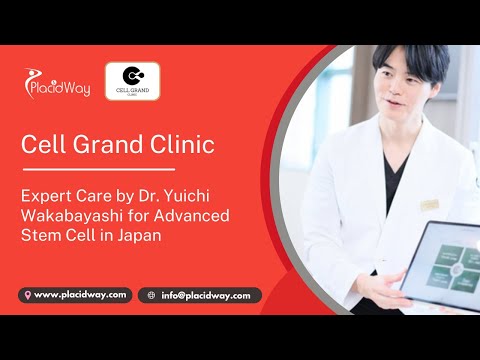
One prime example of such outstanding medical excellence is the Cell Grand Clinic in Osaka, Japan. This facility is highly sought after by international orthopedic patients because they flawlessly combine rigorous safety protocols with innovative regenerative techniques. Patients looking to avoid major knee replacement surgery often seek out advanced stem cell therapies in Osaka for knee pain to directly benefit from these world class laboratory standards and elite medical expertise.
Beyond the sterile laboratory environment the injection rooms feature incredibly high definition diagnostic ultrasound equipment. This vital technology allows the orthopedic specialist to visually track the needle entering the exact millimeter of damaged cartilage in real time. This absolute precision prevents any accidental damage to surrounding healthy tissues and maximizes the regenerative impact of the cellular serum exactly where your knee needs it most.
Is medical tourism in Japan safe for international orthopedic patients?
Traveling to this destination for medical care is exceptionally secure due to incredibly strict government regulations on healthcare facilities. The nation boasts some of the lowest medical complication rates globally.
The Japanese Ministry of Health Labour and Welfare enforces rigorous relentless oversight on all clinics offering regenerative medicine to the public. Facilities must regularly pass comprehensive government audits regarding their laboratory cleanliness staff medical credentials and stringent patient safety protocols before they can legally treat any individual. This structural integrity makes medical tourism in Japan highly attractive and profoundly safe for foreign visitors.
Beyond unmatched clinical safety the country itself offers a pristine secure and highly organized environment ideal for surgical recovery. International patients greatly benefit from immaculate public hygiene incredibly reliable transportation infrastructure and a deep cultural dedication to exceptional hospitality. These societal factors significantly reduce the physical stress and mental anxiety typically associated with traveling abroad for serious medical procedures.
Furthermore language barriers are effectively managed and eliminated by dedicated international patient departments operating within these specialized clinics. Professional medical interpreters accompany foreign patients during every single consultation and medical procedure ensuring complete transparent understanding of the treatment plan and providing immense peace of mind throughout the entirety of the healing journey.
How long should I plan to stay for knee stem cell treatment in Japan?
Most treatment plans require international patients to remain in the country for seven to fourteen days. This timeframe allows for initial consultations tissue extraction cell processing and the final targeted injection.
To properly plan your medical journey it helps to understand the typical itinerary required for advanced cell cultivation treatments. While schedules vary slightly by clinic the general timeline unfolds as follows:
- Day One: Arrival at the clinic for comprehensive medical evaluations blood tests and advanced joint imaging.
- Day Two: The medical team performs the minor outpatient procedure to extract the required biological tissues.
- Days Three through Ten: Patients enjoy local sightseeing and rest while the laboratory carefully processes and multiplies the cells.
- Day Eleven: Return to the clinic for the precise ultrasound guided knee injection procedure.
- Day Twelve: A mandatory follow up evaluation is conducted to monitor the joint and discuss home rehabilitation.
- Day Thirteen: Cleared by the medical team for safe comfortable departure back to your home country.
What makes the aftercare process unique for stem cell therapy in Japan?
Japanese medical protocols emphasize a heavily supervised gradual return to movement. Clinics provide detailed rehabilitation schedules tailored specifically to enhance cellular engraftment and joint stabilization.
Unlike invasive replacement surgeries that require heavy narcotic pain medication and long frustrating periods of absolute immobility biological treatments require careful mechanical loading. Patients are actively encouraged to perform specific non weight bearing exercises almost immediately after the procedure. This gentle calculated movement stimulates the synovial joint fluid and provides vital necessary nutrients to the newly injected cells helping them thrive.
Furthermore Japanese specialists typically provide comprehensive dietary guidelines alongside traditional physical therapy routines. These robust nutritional plans focus heavily on anti inflammatory foods and specific joint supporting supplements. This holistic dietary approach is expertly designed to create the absolute optimal biological environment for cellular regeneration and robust cartilage repair within the body.
Remote digital monitoring is also a major cornerstone of the international aftercare experience. Orthopedic teams routinely schedule regular video consultations over the subsequent months to precisely track your pain reduction evaluate your mobility progress and adjust your physical therapy exercises as your knee joint grows progressively stronger over time.
Why choose PlacidWay for your regenerative medicine journey to Japan?
PlacidWay serves as your dedicated healthcare advocate connecting you with internationally accredited and ethically governed medical facilities. We ensure your journey toward joint preservation is secure transparent and completely stress free.
Navigating an overseas healthcare system to find the best regenerative specialists can be incredibly complex. PlacidWay removes this burden by acting as your trusted medical liaison. Here is how we ensure your treatment experience is completely optimized for success:
- Rigorous Facility Vetting: We conduct exhaustive background checks on all partner clinics ensuring they hold proper official government accreditation for advanced regenerative medicine and laboratory cultivation.
- Absolute Price Transparency: Our dedicated team guarantees complete upfront pricing clarity so you fully understand the total financial investment without ever encountering hidden medical fees or surprise hospital bills.
- Tailored Medical Matchmaking: We provide highly personalized patient support purposefully connecting you with elite orthopedic specialists who focus specifically on treating severe joint conditions using cellular therapy.
- Preliminary Clinical Review: Our medical coordination team seamlessly facilitates the review of your current MRI scans and local health records by top Japanese specialists before you ever financially commit to a procedure.
- Flawless Bilingual Communication: We establish permanent open communication channels between you and the clinical staff bridging any potential cultural or language gaps effortlessly for supreme peace of mind.
Frequently Asked Questions
Do I need a medical referral to get stem cell therapy for knees in Japan?
While a formal referral from your primary care physician is helpful for background context it is not strictly required. Clinics will conduct their own comprehensive independent evaluation including fresh MRI reviews and physical assessments to determine your eligibility for regenerative joint treatments.
Can stem cells completely regenerate missing cartilage in the knee?
Regenerative medicine is highly effective at repairing damaged tissue and thickening existing cartilage to reduce bone on bone friction. However if the joint is completely devoid of any cartilage matrix in an end stage condition results may be limited which is why early intervention is crucial.
Are the stem cells used in Japanese clinics ethically sourced?
Yes all authorized treatments utilize autologous cells meaning they are extracted directly from your own body usually from adipose fat tissue or bone marrow. This guarantees complete ethical compliance and eliminates the risk of tissue rejection or disease transmission.
Will my domestic health insurance cover regenerative knee treatments in Japan?
Most international health insurance providers currently classify regenerative cell therapies as elective or experimental procedures and do not provide direct coverage. Patients should expect to pay out of pocket though many find the overall expense lower than insurance deductibles for traditional joint replacement surgery.
How many stem cell injections are typically required for severe joint pain?
Due to the advanced laboratory expansion techniques utilized by specialized facilities a single highly concentrated injection is usually sufficient to initiate the healing process. In cases of extreme degeneration a booster treatment might be recommended six to twelve months later.
Can I walk immediately after receiving knee stem cell injections in Japan?
Yes patients are generally able to walk out of the clinic unassisted immediately following the joint injection. However specialists strongly advise minimizing weight bearing activities and avoiding strenuous exercise for the first few weeks to allow the cells to properly attach to the damaged cartilage.
Are there any side effects to watch for after regenerative therapy in Japan?
Because the procedure uses your own biological material severe adverse reactions are incredibly rare. The most common side effects are mild swelling stiffness and localized discomfort at both the extraction site and the knee joint which typically resolve within forty eight hours.
Can bilateral knee osteoarthritis be treated during a single visit to Japan?
Absolutely. If both knees suffer from cartilage degradation the laboratory can cultivate a larger volume of cells from a single extraction procedure. The specialist will then divide the concentrated therapeutic dose and perform injections on both knees during the same appointment.
What translation services are available for foreign patients in Japanese clinics?
Facilities catering to international medical travelers maintain dedicated multilingual patient coordinators. These professional medical interpreters accompany you to all consultations translate your medical documents and remain by your side during the procedures to ensure crystal clear communication with your orthopedic specialist.
Is it safe to fly back home shortly after knee stem cell procedures?
Flying is completely safe following the procedure. Doctors generally recommend waiting twenty four to forty eight hours post injection before taking a long haul flight. During the flight it is advised to stretch your legs frequently and stay well hydrated to promote healthy joint circulation.
Start Your Joint Healing Journey in Japan Today
Responses are typically provided within twenty four hours. Patient privacy is absolutely guaranteed.
.jpg)















Share this listing