


Understanding Motor Function Loss After Injury or Illness in Japan
Yes, stem cell therapy in Japan effectively aids motor function recovery after stroke or spinal injuries. By regenerating damaged neural tissues and reducing inflammation, it improves mobility, strength, and overall quality of life for many patients.

Key Takeaways: Motor Function Recovery in Asia
- Advanced Legislation: Japan leads globally with progressive laws allowing rapid, safe access to cellular medicine.
- Targeted Repair: Mesenchymal stem cells specifically home to injured neural tissues to promote healing.
- Synergistic Approach: Top clinics combine cellular infusions with intensive neuro-rehabilitation for maximum efficacy.
- Global Standards: Laboratory cultivation of cells occurs in government-monitored, ultra-sterile cleanrooms.
- Comprehensive Evaluation: Treatment success relies on rigorous pre-treatment medical screening and personalized protocols.
How does stem cell therapy in Japan regenerate damaged tissues for motor recovery?
The therapy works by utilizing specialized cells that secrete neurotrophic factors, which stimulate the body natural healing processes. These cells reduce scar tissue formation and encourage the growth of new blood vessels and neural pathways.
When a patient experiences a stroke, spinal cord injury, or neurodegenerative illness, the central nervous system suffers severe damage resulting in localized cell death and immense inflammation. Traditional medicine often focuses solely on managing symptoms and physical therapy. However, stem cell therapy in Japan takes a regenerative approach. Administered cells possess a unique homing mechanism, allowing them to migrate directly to the sites of intense neurological damage and inflammation.
Once these therapeutic cells reach the damaged area, they rarely replace the neurons directly. Instead, they act as powerful cellular managers. They release exosomes and critical growth factors that significantly reduce neuroinflammation, which is often the primary barrier to motor function recovery. By changing the toxic environment of the injury site into a healing environment, these cells protect surviving neurons from further degradation.
Furthermore, this cellular intervention promotes angiogenesis, which is the formation of new blood vessels. Improved blood flow ensures that oxygen and essential nutrients reach the damaged nervous tissue. This optimized microenvironment stimulates neurogenesis, allowing the brain or spinal cord to form new neural connections, ultimately helping the patient regain lost motor controls and muscle strength over time.
The paracrine effect is the true engine behind motor recovery. The infused cells act like tiny pharmacies, dispensing exactly the right anti-inflammatory and regenerative proteins needed to wake up dormant neural circuits that physical therapy alone cannot reach.
What is the typical stem cell therapy cost in Japan for motor function treatments?
Prices generally range between $15,000 and $30,000 depending on the cellular source, dosage, and required rehabilitation. While significant, it offers a highly competitive value compared to similar regulated treatments in Western countries.
Understanding the financial commitment is vital for patients seeking regenerative care. The stem cell therapy cost in Japan is influenced by several highly technical factors. The primary cost driver is the laboratory expansion process. Growing high-quality, uncontaminated cells in a government-regulated cleanroom requires sophisticated technology, expensive reagents, and highly skilled biotechnologists. Additionally, the type of cells used—whether autologous adipose derived or allogeneic umbilical cord derived—alters the final price tag.
Compared to unverified clinics in under-regulated regions, the cost in this country reflects strict medical safety, extensive pre-treatment diagnostic imaging, and post-infusion monitoring. Many comprehensive packages also include concurrent neuro-rehabilitation sessions, which are crucial for maximizing motor recovery. When evaluating quotes, patients must ensure the price includes all blood tests, cell culturing fees, specialist consultations, and the actual administration procedure.
| Region | Average Cost Range (USD) | Regulatory Environment |
|---|---|---|
| United States | $25,000 - $50,000+ | Extremely strict, limited rapid access |
| Europe | $20,000 - $40,000 | Varies widely by specific country |
| Japan | $15,000 - $30,000 | Regulated, progressive ASRM framework |
Why are patients choosing medical tourism in Japan for neurological injuries?
Patients choose this destination because of its groundbreaking legal framework that accelerates safe regenerative treatments. The combination of advanced biotechnology, exceptional clinical hygiene, and specialized neurologists makes it a global leader.
The rise of medical tourism in Japan is heavily tied to its progressive healthcare legislation. In 2014, the government enacted the Act on the Safety of Regenerative Medicine. This groundbreaking law created a fast-track approval process for cellular therapies, allowing clinics to offer innovative treatments safely to patients long before they become available in North America or Europe. This legal structure gives patients access to cutting-edge science without compromising on medical safety.
Beyond the legal framework, the nation is globally renowned for its meticulous attention to detail and unparalleled clinical hygiene. Medical tourists with severe motor function deficits require environments completely free of hospital-acquired infections. The medical infrastructure here boasts some of the lowest infection rates in the world, providing immense peace of mind for vulnerable patients undergoing complex neurological procedures.
Finally, the holistic integration of technology and patient care is a massive draw. Facilities utilize state-of-the-art robotic rehabilitation tools and advanced diagnostic imaging alongside cellular therapies. This comprehensive, multi-disciplinary approach ensures that international patients receive a fully optimized recovery plan, blending the best of modern regenerative biotechnology with world-class physical therapy.
The Nobel Prize in Physiology or Medicine was awarded to a Japanese researcher, Shinya Yamanaka, in 2012 for the discovery of induced pluripotent stem cells, cementing the country status as a pioneer in regenerative biotechnology.
How do specialists at a stem cell therapy clinic in Japan ensure patient safety?
Safety is guaranteed through rigorous government oversight. Clinics must utilize certified Cell Processing Centers, conduct extensive infectious disease screening, and follow standardized protocols approved by independent review boards.
Any recognized stem cell therapy clinic in Japan operates under intensely strict regulatory scrutiny to prioritize patient safety above all else. Before any treatment can be offered, the clinic must submit a detailed therapeutic plan to a Certified Special Committee for Regenerative Medicine. This independent board evaluates the scientific validity, ethical considerations, and safety measures of the proposed treatment protocol.
The handling of the cellular material is subject to extraordinary standards. Cellular expansion and preparation must take place in dedicated Cell Processing Centers. These facilities are highly controlled environments that monitor air quality, temperature, and sterility to prevent any microbial contamination. Biotechnologists working in these labs follow stringent protocols ensuring the viability and purity of the cells before they are ever administered to a patient.
Furthermore, patient safety extends to the pre-operative and post-operative phases. Comprehensive blood panels and diagnostic scans are mandatory to rule out underlying conditions, such as active tumors, which could be negatively impacted by regenerative therapies. Continuous patient monitoring after the infusion ensures any rare adverse reactions are managed instantly by a team of highly qualified medical professionals.
Which types of stem cells are most effective for restoring mobility?
Mesenchymal stem cells derived from umbilical cord tissue or autologous adipose tissue are the most effective. They possess powerful anti-inflammatory properties and excellent regenerative capabilities specifically suited for neurological repair.
When researching the best stem cell clinic in Japan, patients often discover facilities like Cell Grand Clinic in Osaka, Japan, which utilize highly potent cell types tailored for neurological recovery. The scientific consensus heavily favors Mesenchymal Stem Cells for motor function issues. These specific cells are exceptionally adept at crossing the blood-brain barrier and seeking out central nervous system damage.
Umbilical cord-derived cells are particularly prized in modern regenerative medicine. Because they are harvested from ethically donated tissue immediately after healthy births, these cells are extremely young and vital. They have not been exposed to decades of environmental toxins or the natural aging process, making their capacity for rapid multiplication and healing protein secretion vastly superior to older adult cells.
Alternatively, autologous adipose-derived cells are extracted directly from the patient own fat reserves. This eliminates any risk of immune rejection since the body recognizes the cells as its own material. Specialized physicians extract a small amount of tissue, isolate the regenerative cells, expand them in the laboratory, and reintroduce them into the patient via intravenous drip or localized injection to target motor function deficits effectively.
How long does it take to see motor improvements after regenerative treatments?
Recovery timelines vary greatly among patients. While some notice reduced spasticity and increased energy within weeks, significant improvements in motor function and muscle strength typically manifest gradually over three to six months.
Patience is essential when undergoing regenerative therapies. Unlike pharmaceutical painkillers that offer immediate but temporary relief, cellular medicine initiates a complex biological rebuilding process. During the first few weeks post-treatment, the introduced cells are primarily focused on halting cellular death and aggressively reducing neuroinflammation. Patients might notice subtle changes during this phase, such as better sleep patterns, reduced neuropathic pain, or mild decreases in muscle spasticity.
The true regenerative work happens in the following months. As the paracrine signals take effect, the body begins the slow process of angiogenesis and neurogenesis. It takes considerable time for new neural pathways to form and for the brain to learn how to communicate with paralyzed or weakened limbs again. Improvements in gross motor skills, balance, and fine motor coordination generally become more apparent between the three and six-month marks.
It is important to maintain realistic expectations. Cellular therapy is a catalyst for healing, not an overnight miracle. The severity of the original injury, the age of the patient, and the duration the patient has suffered from the condition all heavily influence the speed and extent of motor function recovery. Continuous follow-ups with neurological specialists ensure progress is accurately tracked and supported.
The therapeutic cells continue working in the body long after the initial infusion. Some clinical studies suggest the regenerative and anti-inflammatory effects can persist for up to a year, providing an extended window for profound motor recovery.
Is rehabilitation required alongside stem cell procedures for optimal results?
Yes, intensive physical rehabilitation is absolutely crucial. Cellular therapy provides the biological building blocks for repair, but physical therapy trains the newly formed neural pathways to execute specific motor functions effectively.
Think of regenerative medicine as supplying the high-quality materials to rebuild a damaged bridge, while physical rehabilitation is the architect instructing how those materials should be arranged. Administering therapeutic cells reduces inflammation and promotes neurogenesis, but without targeted physical stimulation, the brain does not know how to optimally utilize these newly established connections. Neuroplasticity demands active engagement to be successful.
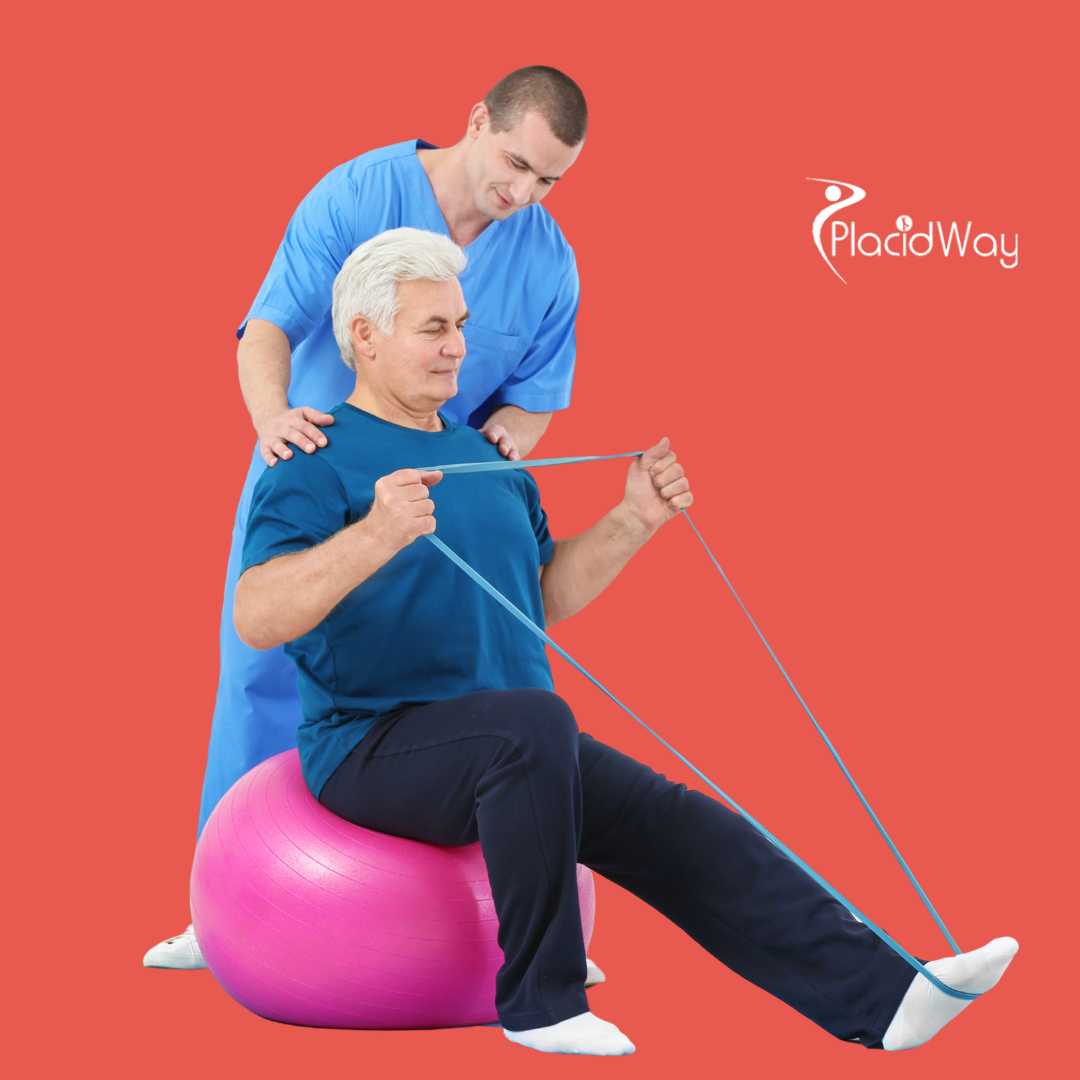
Leading specialists insist on a dual-protocol approach. Following cellular infusions, patients engage in repetitive, task-specific exercises. Whether it is grasping objects, weight-bearing activities, or assisted walking, these exercises force the central nervous system to fire signals down the damaged pathways. This constant signaling dictates how the new neural networks mature, heavily reinforcing the restored motor controls.
Many patients traveling to Asia for treatment find comprehensive programs that seamlessly integrate both modalities. By combining the biological boost of cellular therapy with advanced robotic exoskeletons or hydrotherapy, patients maximize their rehabilitative window. Skipping the hard work of physical therapy drastically reduces the overall effectiveness of the entire regenerative investment.
Are there age limitations for patients seeking motor function recovery?
While there is no strict universal age limit, the patient overall health dictates eligibility. Older patients may be recommended allogeneic therapies because younger, donor-derived cells possess a more robust regenerative capacity.
Age plays a significant role in how the body responds to trauma and disease, and it also affects the quality of a person own biological materials. As humans age, the native cellular reserves naturally decline in both quantity and potency. For a younger patient recovering from a spinal cord injury, their own autologous cells might be perfectly adequate for cultivation and re-infusion to promote healing.
However, for a senior patient suffering from stroke-induced motor deficits, using their own aged cells might yield suboptimal results. In these cases, highly skilled specialists often recommend utilizing umbilical cord-derived allogeneic cells. Because these cells are day zero biological material, they possess an incredible capacity for rapid division and secrete massive amounts of healing factors, bypassing the limitations of the older patient own biology.
Ultimately, chronological age is less critical than biological age and overall organ health. Comprehensive pre-treatment assessments evaluate cardiac function, kidney health, and pulmonary capacity to ensure the patient can safely withstand the mild stress of international travel and the treatment protocol. If a patient is deemed medically stable, regenerative therapies can offer significant quality of life improvements regardless of their birth year.
Why Choose PlacidWay for your regenerative medicine journey to Asia?
PlacidWay connects you strictly with highly verified, government-accredited medical facilities. We ensure transparent pricing, dedicated case management, and seamless medical record coordination for complex neurological conditions.
Embarking on a journey for advanced regenerative treatments requires a trusted partner to navigate complex international healthcare systems. PlacidWay serves as your dedicated medical liaison, focusing entirely on clinical excellence and patient safety. Here is why patients trust us for their restorative therapies:
- Strict Facility Vetting: We mandate that all partner facilities hold explicit government accreditation and adhere to the rigorous Act on the Safety of Regenerative Medicine, ensuring absolute medical compliance.
- Transparent Financial Quotations: We provide detailed, itemized cost structures. Patients receive clear breakdowns of laboratory fees, specialist consultations, and infusion costs with zero hidden medical expenses.
- Expert Medical Record Coordination: Our team facilitates the precise translation and secure transfer of your MRIs, CT scans, and neurological histories directly to top specialists for accurate pre-assessments.
- Personalized Treatment Pathways: We match each unique neurological case with the precise specialist and clinical protocol best suited to address specific motor function deficits and rehabilitative goals.
- Quality Assurance Verification: We only align with centers utilizing certified Cell Processing Centers and cleanrooms, guaranteeing that the biological materials administered meet the highest global standards for purity and viability.
Frequently Asked Questions
Do I need a specialized medical visa for regenerative treatments in Osaka?
For treatments requiring short stays, many international patients can enter on a standard tourist visa. However, if your cellular therapy protocol and rehabilitation require a stay exceeding standard limits, you must apply for a specific Medical Stay Visa. This requires a recognized guarantor and an invitation letter from your registered medical facility.
How long should I plan to stay in Osaka for neurological stem cell procedures?
Patients should typically plan to stay for two to four weeks. This timeframe allows for initial consultations, necessary blood work, the cellular administration itself, and the crucial immediate post-treatment observation. Complex neurological cases combining cellular infusions with intensive physical rehabilitation may require longer stays.
Are the regenerative treatments offered in Japanese clinics approved by the government?
Yes, all facilities providing these treatments must operate under the strict guidelines of the Act on the Safety of Regenerative Medicine. Clinics must submit detailed treatment protocols to a certified institutional review board and the Ministry of Health, Labour and Welfare, ensuring exceptional safety standards for all patients.
Can international patients receive translation support during their medical consultations?
Top-tier facilities catering to international patients provide dedicated medical interpreters. These professionals are fluent in multiple languages and possess deep knowledge of medical terminology, ensuring you completely understand your cellular therapy protocol, risks, and expected outcomes without any miscommunication.
What specific medical records are required before approval for cellular therapy?
Before traveling, you must submit comprehensive medical records including recent MRI or CT scans, detailed reports from your primary neurologist, a complete medical history, and recent blood test results. Japanese specialists review these extensively to confirm you are a viable candidate for motor function cellular therapy.
Are there dietary restrictions to follow before undergoing cellular regeneration treatments?
Patients are generally advised to avoid alcohol, tobacco, and certain anti-inflammatory medications for several weeks prior to treatment. A clean, nutrient-rich diet is recommended to optimize your body internal environment, ensuring the administered cells have the highest possible chance of survival and integration.
How do Japanese medical facilities source their mesenchymal stem cells?
Cells are sourced either autologously from the patient own fat tissue or bone marrow, or allogeneically from ethically donated umbilical cord tissue. Allogeneic tissues are rigorously screened for infectious diseases and genetic abnormalities before being expanded in state-of-the-art, highly regulated laboratory cleanrooms.
Can cellular treatments completely cure severe spinal cord injuries?
It is crucial to understand that cellular medicine is not a guaranteed absolute cure for complete spinal cord severances. However, it serves as a powerful therapeutic tool to reduce neuroinflammation, stimulate dormant neural pathways, and significantly improve partial motor functions, sensation, and bladder control in many patients.
What happens if a patient requires emergency care while recovering in Osaka?
Reputable facilities have robust emergency protocols and partnerships with major local university hospitals. If any adverse reaction occurs, patients are immediately transferred to advanced emergency care units. The Japanese healthcare infrastructure is world-class, providing an immense safety net for international patients.
Do international health insurance plans cover cellular therapies in Asia?
Most standard international health insurance plans consider cellular regeneration therapies to be experimental and do not provide coverage. Patients should expect to pay out-of-pocket. However, it is always recommended to contact your specific insurance provider to check if any diagnostic tests or concurrent physical therapy might be reimbursable.
Start Your Restorative Journey in Asia Today
* Medical evaluations typically processed within 48 hours. Complete privacy guaranteed.
.jpg)




.png)









Share this listing