


Stem Cell Therapy in Slovakia
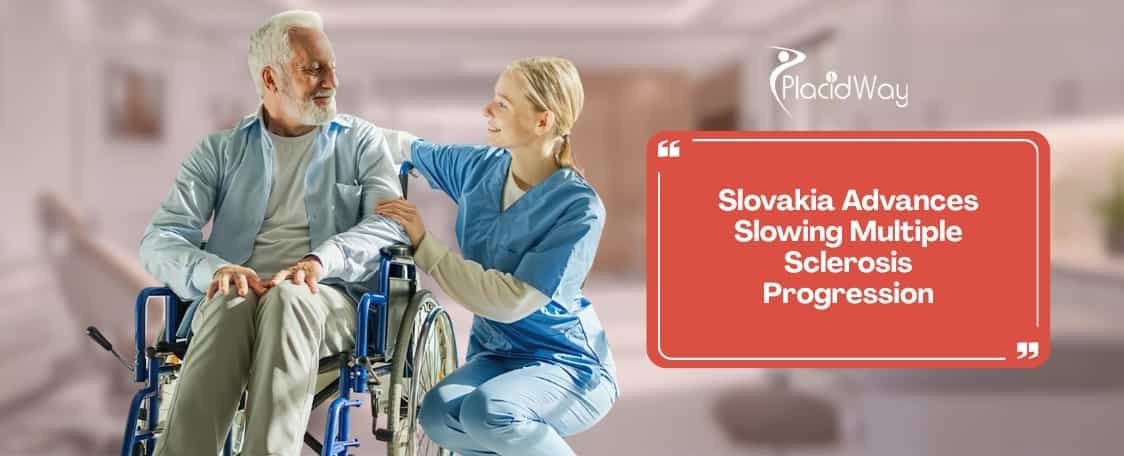
Stem cell treatments in Slovakia for Multiple Sclerosis aim to slow disease progression and manage symptoms. While they cannot completely halt MS or fully repair all existing nerve damage, many patients report significant mobility improvements.
Key Takeaways: Regenerative Medicine for Neurological Conditions
- Immune Modulation: The therapy helps reset the immune system, potentially slowing the aggressive attacks on the central nervous system.
- Symptom Management: Many individuals report notable reductions in chronic fatigue, muscle spasticity, and neurological pain.
- Cost Efficiency: Central European destinations offer advanced biological protocols at a fraction of North American pricing.
- EU Safety Standards: Facilities operate under strict European medical guidelines ensuring sterile and ethical cellular processing.
- Targeted Repair: While complete reversal is unlikely, the introduction of neurotrophic factors aids in partial myelin sheath restoration.
How exactly does stem cell therapy in Slovakia target Multiple Sclerosis pathology?
These cellular treatments work by releasing powerful anti-inflammatory cytokines that calm the overactive immune system. Furthermore, they secrete specific growth factors that stimulate the repair of damaged myelin sheaths around the nerves.
Multiple Sclerosis is fundamentally an autoimmune disorder where the bodies defense mechanisms mistakenly attack the myelin sheath, the protective covering of nerve fibers in the brain and spinal cord. This demyelination disrupts the flow of electrical impulses, leading to the varied and often debilitating symptoms of the disease. When patients undergo stem cell therapy in Slovakia, the primary goal is to introduce cells that possess unique immunomodulatory properties capable of halting this destructive autoimmune response.
Mesenchymal stem cells, commonly utilized in these protocols, have an extraordinary ability to detect inflammation within the body. Once administered, they migrate toward the areas of the central nervous system that are under distress. Upon arrival, they interact with the immune system, specifically regulating the rogue T-cells and B-cells responsible for the nerve attacks. This shifts the internal environment from a state of chronic inflammation to a state of tissue healing and preservation.
Beyond simply calming the immune system, these introduced cells act as microscopic pharmacies. They excrete neurotrophic factors and exosomes small vesicles packed with healing proteins directly into the surrounding tissue. This biochemical signaling encourages the local neural stem cells, which naturally reside in the brain, to wake up and begin the remyelination process, thereby attempting to restore the damaged neural pathways to a more functional state.
What is the average stem cell therapy cost in Slovakia compared to international alternatives?
The stem cell therapy cost in Slovakia generally ranges between $8,000 and $15,000 depending on the exact medical protocol. This represents a highly cost-effective alternative to North American prices, saving patients up to sixty percent.
Understanding the financial commitment required for advanced regenerative treatments is crucial for patients exploring international healthcare. Central Europe has emerged as a globally recognized hub for these procedures because it perfectly balances affordability with stringent medical regulations. The total financial investment largely depends on the specific cellular source utilized, the required number of cellular expansions, and the length of the necessary clinical observation period.
| Country / Region | Estimated Average Cost (USD) | Primary Driving Factor |
|---|---|---|
| United States | $25,000 - $40,000 | High administrative costs and premium healthcare infrastructure. |
| United Kingdom | $20,000 - $30,000 | Strict private sector pricing parameters. |
| Slovakia | $8,000 - $15,000 | Lower operational costs combined with European medical subsidies. |
The notable difference in the stem cell therapy cost in Slovakia is not an indicator of reduced quality. The lower price point is primarily driven by the broader economic landscape of the region, including more affordable clinical real estate, favorable exchange rates, and lower administrative overhead. Furthermore, medical tourism facilitators streamline the process, ensuring international patients receive transparent, all-inclusive pricing without the hidden fees typically associated with complex hospital admissions.
How do patients choose a reliable stem cell therapy clinic in Slovakia?
Selecting a stem cell therapy clinic in Slovakia requires evaluating laboratory standards, and the expertise of the neurological team. Patients must prioritize transparency, verifiable patient outcomes, and certified cleanroom technology.
The success of regenerative medicine is heavily reliant on the precision of the laboratory processing and the clinical expertise of the administering physicians. When exploring options abroad, individuals should look for medical facilities that are entirely transparent about their cellular sourcing, cultivation methods, and viability testing protocols. A premier stem cell therapy clinic in Slovakia will always provide documentation proving the biological materials have been rigorously screened for genetic abnormalities and infectious diseases prior to any procedure.
Many patients navigating this complex landscape ultimately seek comprehensive care through an advanced regenerative medicine center like CellCenter in Slovakia to ensure high-quality biological processing. Partnering with established institutions guarantees that the cellular materials are handled in ISO-certified cleanrooms, preventing any risk of contamination. These leading facilities integrate their laboratory operations seamlessly with their clinical departments, allowing for a swift and sterile transition from cellular expansion to patient administration.
Furthermore, prospective patients must evaluate the multidisciplinary nature of the medical team. The ideal facility employs not just laboratory technicians, but specialized neurologists who understand the complex scoring systems of Multiple Sclerosis, such as the Expanded Disability Status Scale. A comprehensive clinical team ensures that the therapeutic protocol is heavily customized to the specific progressive or relapsing-remitting nature of the individuals unique neurological profile.
What specific biological sources are utilized for Multiple Sclerosis treatments?
The majority of modern protocols prioritize mesenchymal stem cells derived either from donated umbilical cord tissue or the patients own bone marrow. These specific cells are selected due to their powerful immunomodulatory capabilities.
The scientific community has identified Mesenchymal Stem Cells as the most effective biological agents for treating autoimmune neurological conditions. Umbilical cord-derived cells, specifically harvested from a substance known as Whartons Jelly, are currently the gold standard in many Central European facilities. Because these cells are sourced from healthy, full-term deliveries with the mothers explicit consent, they are extremely young, vibrant, and possess a high capacity for multiplication and tissue repair.
Another major advantage of utilizing umbilical cord-derived cells is that they are immune-privileged. This means they do not express the specific cellular markers that typically trigger a rejection response in the human body. As a result, patients do not need to undergo complex genetic matching processes, nor do they require harsh immunosuppressive medications to accept the biological materials. This makes the treatment significantly safer and more accessible for individuals already battling compromised immune systems.
In certain specific medical scenarios, physicians may opt for an autologous approach, harvesting cells directly from the patients own bone marrow or adipose fat tissue. While this guarantees zero risk of rejection, the procedure is more invasive and requires a surgical extraction phase. Additionally, in patients with long-standing autoimmune conditions, their native cells might already be exhausted or compromised by the disease environment, making the younger, donated umbilical cells the preferred clinical choice.
The process of repairing damaged nerve coverings is called remyelination. While scientists previously believed the central nervous system could never repair itself, modern regenerative medicine has proven that specific biological signals can indeed activate dormant precursor cells within the brain to build new myelin, offering immense hope for neurological recovery.
What realistic neurological improvements can patients anticipate?
While completely reversing decades of severe nerve damage is beyond current medical capabilities, the treatment often stimulates partial nerve repair. Patients frequently experience enhanced motor function, improved balance, and reduced chronic fatigue.
Managing expectations is a vital component of any regenerative medical journey. It is medically inaccurate to label these therapies as an absolute cure that will completely erase all structural damage caused by Multiple Sclerosis. The primary realistic goal is disease stabilization. By successfully halting the ongoing autoimmune attacks, the therapy prevents further neurological deterioration, essentially freezing the disease in its current state and protecting the remaining healthy nerve fibers.
Beyond stabilization, a significant percentage of patients do experience tangible reversals in their symptomatic profile. As the inflammation within the central nervous system subsides and neurotrophic factors begin the repair process, electrical signals can travel more smoothly along the previously damaged nerve pathways. Clinically, this often translates to a reduction in muscle spasticity, increased physical stamina, and a noticeable decrease in the severity of neuropathic pain and tremors.
Cognitive improvements are also frequently reported. Patients dealing with the brain fog typically associated with advanced demyelination often find their mental clarity and focus returning in the months following the infusion. It is important to note that the timeline for these improvements varies drastically from person to person; while inflammatory reduction yields quick relief, structural neural repair is a slow, biological process that unfolds gradually over three to nine months.
What are the primary stages of the clinical treatment process?
The clinical protocol involves a rigorous initial neurological evaluation, followed by the precise administration of the biological materials, and concludes with a monitored recovery period. The entire process typically spans three to six days.
The journey begins long before the patient arrives at the clinic. Comprehensive medical files, including recent MRI scans and detailed neurological history, are thoroughly reviewed by the medical board to confirm candidacy. Upon arrival at the facility, the patient undergoes a final series of on-site diagnostic tests. These blood panels and physical assessments ensure the patient is in stable condition and that there are no hidden infections that could compromise the success of the regenerative procedure.
The actual administration phase is surprisingly straightforward and minimally invasive. For Multiple Sclerosis, the medical team typically utilizes a dual-delivery method to ensure maximum efficacy. A portion of the biological material is administered intravenously, circulating systemically to calm widespread immune responses. The remainder is often delivered via a lumbar puncture directly into the spinal fluid. This intrathecal method bypasses the blood-brain barrier, delivering the healing cells straight into the central nervous system where the demyelination is actively occurring.
Following the administration, patients enter a brief observation phase. During this time, they rest in comfortable, medically supervised suites while the clinical staff monitors vital signs and ensures there are no adverse reactions. The medical team will also provide a comprehensive aftercare plan, detailing dietary recommendations, necessary physical therapy schedules, and guidelines for integrating back into daily routines without overexerting the newly stimulated neural pathways.
How is the landscape for medical tourism in Slovakia benefiting international patients?
The expanding sector of medical tourism in Slovakia provides patients globally with immediate access to cutting-edge regenerative treatments, completely circumventing the extreme wait times and exorbitant costs prevalent in their home countries.
The geographical and economic positioning of Central Europe makes it an ideal destination for individuals seeking advanced medical care. Historically, patients requiring specialized biological protocols faced immense hurdles, including restrictive domestic regulations that limited access to purely experimental trials. Today, international healthcare mobility allows these individuals to proactively manage their health by traveling to sovereign jurisdictions where progressive medical frameworks fully support safely regulated cellular therapies.
Slovakia, in particular, boasts a robust healthcare infrastructure deeply rooted in stringent European Union medical directives. This ensures that international patients receive care that matches, or often exceeds, the safety and ethical standards of Western nations. The clinics dedicated to international visitors are designed with patient comfort in mind, offering modern amenities, private recovery suites, and access to highly educated, multilingual medical professionals who specialize in treating complex neurodegenerative diseases.
Beyond the clinical excellence, the broader appeal involves the holistic patient experience. Facilitators managing these medical journeys understand the physical limitations of those battling neurological conditions. Consequently, the services provided are highly integrated, ensuring that every aspect of the medical stay is carefully coordinated, allowing the patient to focus entirely on relaxation and cellular healing rather than administrative stress.
Are there any side effects or risks associated with this specific procedure?
The therapy is generally exceptionally well-tolerated. Patients might experience mild, temporary side effects such as a low-grade fever, fatigue, or a mild headache shortly after the infusion, while severe adverse reactions are highly uncommon.
Because the protocols heavily rely on thoroughly screened, immune-privileged biological materials, the traditional risks associated with organ transplants or harsh pharmaceutical interventions are virtually eliminated. The cells utilized do not trigger a hostile response from the recipients body, making acute tissue rejection an incredibly rare anomaly. However, as with any medical procedure involving biological introductions, mild physiological responses are a normal part of the healing dynamic.
In the twenty-four to forty-eight hours following the administration, patients often report experiencing a mild Herxheimer reaction. This can manifest as a slight fever, mild chills, or lethargy. Medically, this is viewed as a positive indicator; it suggests that the introduced cells are actively engaging with the immune system and beginning the complex work of modulating the inflammatory response. These symptoms are easily managed with basic over-the-counter medications and ample rest.
The only distinct physical risks relate directly to the method of administration. The intravenous infusion carries the standard, minimal risk of minor bruising at the injection site. If a lumbar puncture is performed for intrathecal delivery, patients must adhere to strict bed rest protocols for several hours post-procedure to prevent the occurrence of a spinal headache, which is a known but highly preventable complication of accessing the spinal canal.
Why Choose PlacidWay for your regenerative medicine journey?
PlacidWay serves as an invaluable resource for patients navigating complex international medical options. We provide direct access to heavily vetted medical facilities and transparent clinical pricing, deeply empowering your critical healthcare decisions.
Navigating the global landscape of regenerative medicine can be overwhelming, especially when managing the daily challenges of a chronic neurological condition. PlacidWay eliminates the guesswork and anxiety associated with international healthcare by acting as your dedicated medical advocate. Here is why countless patients trust our platform for their specialized healthcare needs:
- Rigorous Facility Vetting: We partner exclusively with medical centers that possess verifiable international accreditations, ensuring they operate highly certified cleanrooms and strictly adhere to ethical, global biological processing standards.
- Direct Specialist Access: Our platform facilitates seamless initial communication, allowing you to submit your medical records securely and engage in preliminary consultations directly with board-certified neurologists before committing to any protocol.
- Absolute Financial Transparency: We believe in clear, upfront pricing. By utilizing our network, patients receive comprehensive, customized cost breakdowns that eliminate hidden clinical fees and unexpected hospital charges.
- Comprehensive Educational Resources: We empower patients by providing in-depth, scientifically accurate information regarding procedure methodologies, realistic outcome expectations, and detailed comparisons of various global medical destinations.
- Dedicated Patient Coordination: Our experienced team provides continuous advocacy throughout your medical journey, ensuring all your clinical questions are answered promptly and that your integration into the foreign medical facility is entirely stress-free.
Frequently Asked Questions
How long does a typical regenerative medicine session take in Central Europe?
The actual intravenous or intrathecal administration usually takes between one to three hours. However, the comprehensive clinic visit including neurological evaluations, blood tests, and observation requires patients to dedicate roughly three to five days at the medical facility.
Is physical therapy required after receiving regenerative therapies for Multiple Sclerosis?
Yes, intensive neuro-rehabilitation is highly recommended following the procedure. Physical therapy helps stimulate neuroplasticity, ensuring that the newly active neural pathways are strengthened and motor function improvements are maximized over the subsequent months.
Can international patients bring a companion during their clinic visits in Bratislava?
Absolutely. Most international medical facilities actively encourage patients to bring a family member or caregiver. Having a companion provides essential emotional support and practical assistance, especially for individuals managing advanced mobility challenges associated with neurological conditions.
What dietary changes are recommended before undergoing regenerative procedures?
Medical specialists generally advise adopting an anti-inflammatory diet rich in omega-3 fatty acids, antioxidants, and fresh vegetables several weeks prior to the infusion. Eliminating processed sugars and alcohol helps optimize the body environment for cellular regeneration and reduces systemic inflammation.
How soon might someone notice changes after their initial infusion?
Initial improvements such as increased energy levels and reduced brain fog can sometimes be noticed within the first few weeks. However, significant structural changes like enhanced mobility and neurological repair typically manifest gradually over a period of three to six months as the cells integrate.
Do these regenerative treatments cure the underlying cause of autoimmune diseases?
Currently, regenerative medicine is not classified as an absolute cure for autoimmune conditions. Its primary function is to modulate the overactive immune system and promote tissue repair, which effectively manages symptoms and slows disease progression rather than completely eliminating the genetic or environmental root causes.
Are the facilities providing these therapies regulated by European Union medical standards?
Yes, facilities operating within this region must adhere strictly to the rigorous medical and laboratory regulations mandated by the European Union. This ensures that all biological materials are processed in certified clean rooms and that clinical protocols meet the highest international safety benchmarks.
Can a patient combine conventional neurological medication with regenerative therapies?
In many cases, patients continue their standard disease-modifying therapies alongside regenerative protocols. However, a detailed consultation with the attending neurologist is mandatory to ensure there are no contraindications between specific immunosuppressive medications and the newly introduced biological elements.
What language accommodations are available at Central European medical facilities?
Top-tier facilities catering to an international demographic maintain fluent English-speaking medical staff, including doctors and lead nurses. Furthermore, comprehensive language interpretation services are routinely provided for various other languages to ensure absolute clarity during medical consultations.
How often do patients need to repeat regenerative protocols for chronic conditions?
The frequency of treatment depends entirely on the individual response and the aggressive nature of the disease. While some individuals experience sustained benefits for several years from a single comprehensive protocol, others with progressive forms of the disease may opt for booster sessions annually or biennially.
Take Control of Your Neurological Health Today
* Responses typically provided within 24 hours. Strict patient privacy guaranteed.
.jpg)



.png)










Share this listing