


Autism Spectrum Disorder (ASD) is a complex neurodevelopmental condition that affects communication, behavior, and social interaction, prompting parents globally to explore advanced management options. In recent years, regenerative medicine has emerged as a supportive avenue, focusing on the underlying neuro-inflammatory aspects of the condition. As families navigate the expansive world of international healthcare, many are turning their attention to specialized centers in Central Europe for cutting-edge neurological care.
Specifically, pursuing in Slovakia has become a notable trend. Medical institutions in this region are blending stringent European medical standards with innovative regenerative protocols. While this approach is still considered an emerging field, the integration of comprehensive care frameworks makes it a compelling option for those seeking multidisciplinary neurological support.
- Focus on Neuro-inflammation: The therapies generally aim to modulate the immune system and reduce systemic inflammation.
- Multidisciplinary Integration: Treatments are typically combined with existing behavioral and occupational therapies.
- Personalized Protocols: Care plans are heavily customized based on pediatric neurological assessments.
Slovakia is geographically situated in the heart of Europe, making it easily accessible for international medical tourists via major transport hubs in neighboring Vienna and Budapest.
Why Bratislava is a Top Hub for Pediatric Stem Cell Treatment
The capital city of Slovakia is rapidly transforming into a recognized destination for specialized medical travel, particularly in the realm of neurology and regenerative sciences. Bratislava offers an environment that balances modern clinical infrastructure with a calming, culturally rich atmosphere, which is highly beneficial for families traveling with neurodivergent children. Medical professionals in the region frequently train across the European Union, ensuring that the care provided adheres strictly to international best practices.
Global families are increasingly drawn to autism management clinics in Bratislava due to the transparent communication and rigorous safety standards maintained by local healthcare providers. The city's medical ecosystem focuses not just on the administration of therapies, but on holistic pediatric care that supports the child’s overall well-being during their medical journey abroad.
- High concentration of specialized pediatric neurologists and immunologists.
- English-speaking medical liaison teams dedicated to international patient coordination.
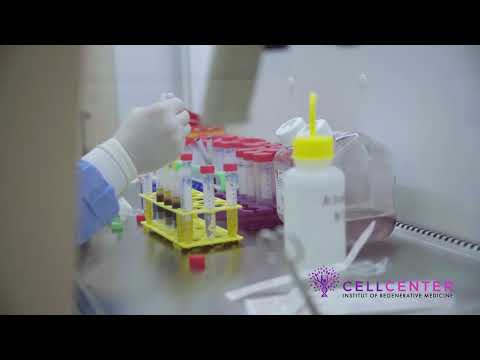
- State-of-the-art laboratory facilities adhering to strict EU bio-banking regulations.
Slovakia ranks highly in Central Europe for healthcare accessibility and hospital infrastructure, making it a reliable choice for complex medical tourism procedures.
How Stem Cell Treatment for Autism Works in Practice
The core mechanism of regenerative medicine for neurodevelopmental conditions relies on the unique properties of mesenchymal stem cells (MSCs). These cells are generally sourced from ethically donated umbilical cord tissue, which is known for its high proliferation rate and minimal risk of immune rejection. Once administered, these cells travel through the bloodstream and are believed to target areas of inflammation in the body and brain.
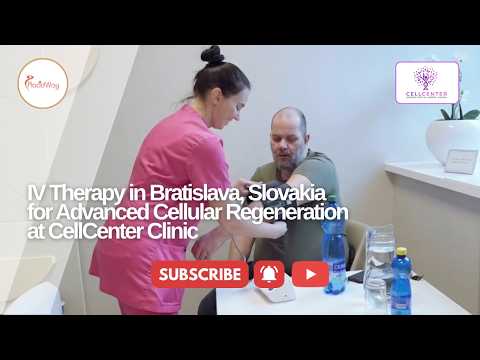
During stem cell treatment for autism in Slovakia, the procedure is designed to be as minimally invasive as possible for pediatric patients. The cells are most commonly delivered via an intravenous (IV) drip in a highly controlled, comfortable clinical environment. Medical teams closely monitor the child throughout the process to manage any immediate, albeit rare, adverse reactions.
Stem cell therapy is an emerging treatment, not a cure. There are strict contraindications for children with active infections or specific genetic conditions. Always consult with your primary pediatric neurologist before pursuing experimental treatments. Results are never guaranteed, and clinical responses vary widely.
Analyzing the Cost of Stem Cell Therapy for Autism in Slovakia
Financial considerations are often a primary driver for families researching medical options abroad. Healthcare systems in North America and Western Europe often lack insurance coverage for therapies deemed experimental, leaving families to shoulder immense out-of-pocket expenses. Central Europe presents a compelling alternative, offering high-tier medical expertise without the inflated administrative costs found in other regions.
The cost of stem cell therapy for autism in Slovakia is structurally transparent. Clinics generally provide inclusive medical packages that cover pre-treatment laboratory work, the cellular product, administration, and initial follow-up consultations. Below is a comparative overview demonstrating the financial advantages of this destination.
| Procedure/Service Type | Average Cost in Slovakia | Estimated Cost (US/UK) |
|---|---|---|
| Initial Neurological & Lab Assessment | $800 - $1,500 | $2,500 - $5,000 |
| Standard MSC IV Therapy (Single Course) | $7,500 - $12,000 | $20,000 - $35,000 |
| Extended Protocol (Multiple Infusions) | $14,000 - $18,000 | $40,000 - $60,000+ |
Always ask for a detailed, itemized quote before finalizing your medical travel. Ensure you understand what is included regarding pre-operative blood tests and post-treatment medications.
Comprehensive Pediatric Care at Autism Management Clinics in Bratislava
A crucial aspect of medical travel for neurodevelopmental conditions is ensuring the environment is equipped to handle the unique behavioral needs of the child. Any reputable clinic handling these cases prioritizes a stress-free, sensory-friendly atmosphere. Medical personnel are generally trained in gentle, cooperative patient management to reduce anxiety for both the child and the parents.
Families traveling for affordable stem cell therapy for autism in Europe will find that top facilities do not rely solely on the cellular infusion. They embrace a holistic diagnostic framework. The clinical team typically includes a roster of specialists who collaborate to ensure the child is physically and neurologically cleared for the intervention.
- Pediatric Neurologists: To evaluate EEG results and neuro-cognitive baselines.
- Immunologists: To assess the child’s immune system markers and inflammatory panels.
- Child Life Specialists: To provide distraction techniques and emotional support during clinical procedures.
The Science Behind Regenerative Medicine for Neurological Conditions
The scientific premise of utilizing cellular therapies for autism lies primarily in the immunomodulatory and paracrine effects of Mesenchymal Stem Cells (MSCs). Research suggests that a subset of children with ASD exhibit chronic immune dysregulation and neuro-inflammation. MSCs have demonstrated the ability to secrete anti-inflammatory cytokines, which may help calm this systemic immune response.
Furthermore, these cells release growth factors that support angiogenesis (the formation of new blood vessels) and neurogenesis. By potentially altering the hostile inflammatory environment in the brain, the therapy aims to create better physiological conditions for neural connectivity. It is this specific biological mechanism that places specialized pediatric stem cell hubs at the forefront of alternative ASD management.
According to ongoing global clinical trial data, the primary focus of MSC therapy in neurodevelopmental disorders remains establishing safety, with secondary endpoints evaluating improvements in behavioral scales over 6 to 12 months.
Safety Protocols and Regulations for Stem Cell Procedures in Europe
When seeking any form of advanced medical intervention abroad, verifying the safety and regulatory standards of the destination is paramount. Slovakia operates under the strict regulatory umbrella of the European Medicines Agency (EMA) and the European Union’s directives on human tissues and cells. This ensures that the cultivation, storage, and administration of biologics meet rigorous ethical and medical criteria.
Parents researching stem cell treatment for autism in Slovakia can find reassurance in the meticulous screening processes mandated by local health authorities. Cell processing laboratories are subject to regular inspections, ensuring high viability of the cellular products and the absolute absence of communicable diseases.
- Strict donor screening protocols for umbilical cord tissue.
- Sterile, Good Manufacturing Practice (GMP) certified laboratories.
- Mandatory infectious disease testing (HIV, Hepatitis B/C, Syphilis) prior to cellular cultivation.
Preparing Your Child for Pediatric Stem Cell Therapy Abroad
Undertaking a medical journey across international borders requires meticulous preparation, especially when traveling with a child who may be sensitive to changes in routine. Pre-travel preparation is twofold: gathering comprehensive medical records and psychologically preparing the child for flights, new environments, and clinical visits. Consistency and predictability are key to minimizing travel-induced stress.
Before arriving at autism management clinics in Bratislava, parents must ensure all recent diagnostic reports, metabolic panels, and behavioral assessments are translated and forwarded to the medical team. This allows the specialists to finalize the personalized treatment protocol before the family even lands in the country.
Create a "travel storybook" for your child that visually outlines the journey—from airplanes to the hotel, and the friendly doctors they will meet. Familiarity significantly reduces anxiety.
What to Expect During the Autism Treatment Journey in Slovakia
Upon arrival in Central Europe, the medical itinerary is typically structured to allow the child a day or two to acclimatize to the time zone and environment. The clinical process begins with comprehensive in-person consultations, baseline blood tests, and final medical clearances by the attending pediatrician and neurologist. This thorough vetting ensures the child is in optimal health for the infusion.
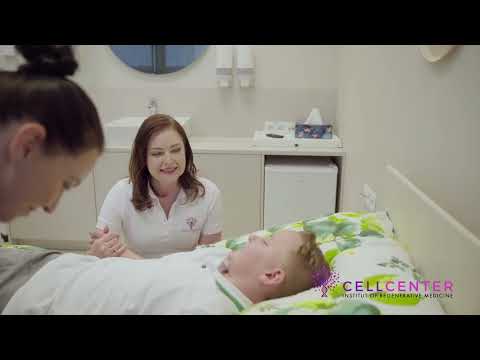
The actual administration day for pediatric stem cell therapy for autism is generally straightforward. The child is situated in a comfortable, private room, often allowed to watch a favorite show or play with a tablet. The IV infusion process typically lasts between one to three hours, during which vitals are continuously monitored to ensure complete safety and comfort.
Mesenchymal stem cells used in these therapies do not require blood type matching (HLA typing) between the donor and the recipient, as they are "immune privileged" and generally do not trigger an immune rejection response.
Post-Treatment Support and Rehabilitation in Bratislava
The medical protocol does not end once the infusion is complete. Post-treatment care is a critical component of the overall strategy. Most patients experience mild fatigue or a temporary low-grade fever following the procedure, which is a normal immune response and is managed easily with standard pediatric care protocols provided by the clinic.
Furthermore, medical professionals emphasize that stem cell treatment for autism in Slovakia must be viewed as a biological catalyst rather than a standalone solution. Families are heavily encouraged to immediately resume intensive behavioral therapies (like ABA), speech therapy, and occupational therapy once they return home to maximize potential neuro-developmental gains.
- Scheduled telemedicine follow-ups at 1, 3, and 6-month intervals.
- Nutritional and dietary guidelines to support cellular integration.
- Coordinated communication with the child’s home healthcare providers.
Comparing Global Medical Tourism for Autism Management
When families evaluate international destinations for regenerative medicine, they often compare European hubs with facilities in Latin America or Asia. While countries like Panama and Mexico have established centers, Slovakia offers a unique value proposition for patients originating from Europe, the Middle East, and even North America. The appeal lies heavily in the strict regulatory frameworks inherent to EU member states.
Choosing affordable stem cell therapy for autism in Europe provides families with the assurance of first-world medical oversight. Additionally, the cultural familiarity, safety, and highly developed infrastructure of Bratislava provide peace of mind that is often a deciding factor for parents undertaking stressful medical travel.
Medical tourism to Central Europe has grown exponentially, with high numbers of inbound patients citing the combination of EU-regulated safety standards and competitive pricing as their primary motivations.
Patient Experiences with Affordable Stem Cell Therapy for Autism in Europe
Understanding the varied journeys of other families can provide valuable perspective. While clinical outcomes differ significantly from child to child, parental testimonies often highlight the professionalism, compassion, and holistic care models found in Central European medical hubs. The focus is frequently on subtle but meaningful improvements in quality of life.
Below are summarized accounts from global families who chose specialized pediatric stem cell hubs for their children. Note: These are anecdotal summaries; individual results vary and cannot be guaranteed.
A Calmer Demeanor
A family from the UK reported that approximately four months post-treatment, their six-year-old son exhibited a noticeable reduction in severe hyperactivity and aggressive outbursts, allowing him to participate more effectively in his daily speech therapy sessions.
Improved Sleep Patterns
Parents of a four-year-old girl from Canada traveled for regenerative care. They noted that the most significant initial change was the stabilization of her sleep cycle, which had historically been highly fragmented, drastically improving the family's overall well-being.
Enhanced Focus and Eye Contact
An American family highlighted that while language improvements were slow, their son demonstrated a marked increase in sustained eye contact and the ability to focus on complex puzzles following their medical trip to Central Europe.
Professional and Compassionate Care
A family from the Middle East emphasized not just the clinical outcomes, but the exceptional warmth of the medical staff, who accommodated their child's sensory aversions seamlessly throughout the entire infusion process.
Navigating Legal and Ethical Aspects of Regenerative Treatments
Because stem cell therapy for neurodevelopmental disorders is not universally approved as a standard of care by bodies like the US FDA, navigating the legal and ethical landscape requires diligence. Medical tourism inherently involves crossing jurisdictions, meaning patients are subject to the medical regulations of the host country. Trustworthy facilities prioritize transparent informed consent.
Reputable autism management clinics in Bratislava will ensure parents are fully educated on the experimental nature of the treatment. Ethical practitioners will never guarantee a "cure" and will thoroughly explain the biological source of the stem cells, the processing methods used, and the realistic scope of potential outcomes.
Ethical stem cell protocols strictly prohibit the use of embryonic stem cells. Instead, contemporary regenerative medicine relies almost exclusively on adult stem cells or perinatal sources like umbilical cord tissue and Wharton’s jelly.
How PlacidWay Assists Your Stem Cell Therapy Medical Tourism Journey in Slovakia
Organizing advanced medical care across the globe can be an overwhelming task for any parent. Managing medical records, understanding international treatment protocols, and verifying facility credentials require immense time and expertise. This is where dedicated medical tourism platforms bridge the gap between global patients and specialized providers.
PlacidWay serves as a vital resource for families exploring the cost of stem cell therapy for autism in Slovakia. By focusing on value-based assistance and comprehensive informational support, we help streamline your path to high-quality regenerative care.
- Connecting you with highly vetted, internationally accredited regenerative medicine facilities.
- Facilitating the secure transfer of pediatric medical records to international specialists for preliminary review.
- Assisting in obtaining detailed, transparent medical quotes for requested procedures.
- Providing educational resources to help you understand the specifics of various medical protocols.
- Offering continuous communication support between you and the overseas medical liaison teams.
Frequently Asked Questions
Is stem cell therapy a guaranteed cure for autism?
No, stem cell therapy is not a cure for autism spectrum disorder. It is an emerging supportive management approach aimed at reducing systemic inflammation and promoting neural connectivity, but individual results vary widely.
Why are families choosing Bratislava for this treatment?
Bratislava offers a combination of stringent European Union medical safety standards, highly specialized pediatric neurologists, and more affordable healthcare costs compared to North America.
What type of stem cells are generally used in Slovakia?
Clinics in Slovakia typically utilize ethically sourced, allogeneic mesenchymal stem cells (MSCs) derived from umbilical cord tissue due to their high immunomodulatory properties.
How long does a typical medical tourism trip to Slovakia take for this procedure?
Most international patients are advised to plan for a stay of five to ten days. This allows adequate time for pre-treatment evaluations, the administration of therapies, and preliminary post-care monitoring.
Is stem cell therapy painful for the child?
The administration is usually performed via intravenous (IV) infusion, similar to a standard blood draw or IV drip. Medical teams use pediatric-friendly protocols to ensure the process is as comfortable as possible.
Do international patients need a visa to enter Slovakia?
Slovakia is part of the Schengen Area. Depending on your country of origin, you may need a Schengen short-stay visa for medical treatment, while citizens of many nations, including the US and UK, enjoy visa-free entry for short visits.
Are there any strict contraindications for this treatment?
Yes, patients with active infections, certain genetic anomalies, or underlying severe medical conditions may be disqualified. A thorough medical screening is always required before approval.
Should traditional autism therapies be stopped after stem cell treatment?
Absolutely not. Stem cell therapy is intended to complement, not replace, traditional interventions like Applied Behavior Analysis (ABA), speech therapy, and occupational therapy.
How soon can parents notice potential changes after the procedure?
If improvements occur, they generally manifest gradually over three to six months as the cells work to modulate the immune system and support neurological functions. However, timelines are highly unpredictable.
Are the costs in Slovakia inclusive of travel?
Typically, the medical quotes provided by facilities cover only the clinical evaluations, the stem cell product, and medical administration. Travel and accommodation are separate expenses.
Ready to explore specialized pediatric stem cell options for your child? Let PlacidWay guide you to trusted, accredited facilities in Europe.
References
- ClinicalTrials.gov. Autologous Cord Blood Stem Cells for Autism. https://clinicaltrials.gov/ct2/show/NCT02847182
- European Medicines Agency (EMA). Advanced Therapy Medicinal Products (ATMPs) Overview. https://www.ema.europa.eu/en/human-regulatory/overview/advanced-therapy-medicinal-products-overview
- Mayo Clinic. Stem cell research: Why is it important? https://www.mayoclinic.org/tests-procedures/bone-marrow-transplant/in-depth/stem-cells/art-20048117
- Autism Speaks. Medical Conditions Associated with Autism. https://www.autismspeaks.org/medical-conditions-associated-autism




.png)










Share this listing