


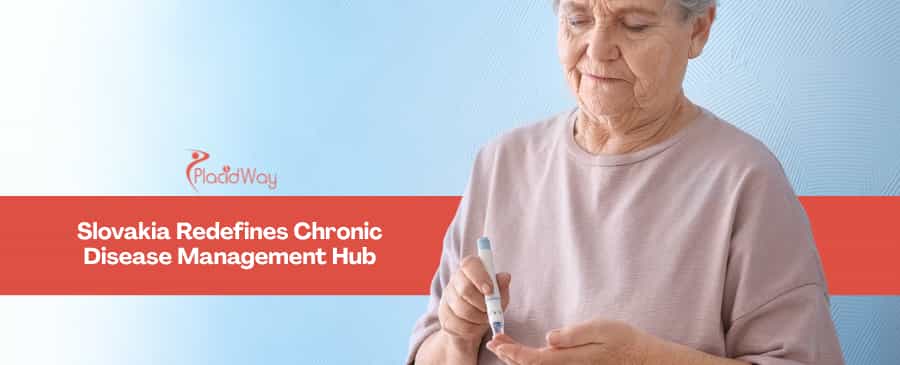
Chronic diseases like Chronic Obstructive Pulmonary Disease (COPD) and diabetes present complex challenges that traditional medicine often struggles to fully resolve. Over the past decade, regenerative medicine has emerged as a compelling frontier for patients seeking alternative approaches to manage these progressive conditions. Slovakia is currently positioning itself at the forefront of this innovation through specialized healthcare initiatives. The country’s commitment to advancing biotechnology is attracting global attention from those seeking sophisticated medical solutions.
Anticipated to fully launch by 2026, the newly developed pathways represent a highly coordinated approach to treating systemic inflammation and cellular degradation. This pioneering framework integrates comprehensive clinical diagnostics with targeted regenerative therapies to help restore optimal cellular function. Patients exploring global healthcare options are increasingly drawn to these structured protocols designed around stringent European Union medical directives. By fostering a highly regulated environment, Slovakia's regenerative medicine hubs aim to redefine how chronic metabolic and respiratory illnesses are managed internationally.
Slovakia is currently harmonizing its stem cell protocols with rigorous European Medicines Agency (EMA) standards, setting a benchmark for patient safety ahead of the 2026 initiative.
- Focuses on deep cellular repair rather than merely masking chronic symptoms.
- Utilizes adult mesenchymal stem cells known for immunomodulatory properties.
- Integrates multidisciplinary approaches including endocrinology and pulmonology.
- Emphasizes highly personalized treatment regimens based on genetic markers.
How the Immune Reset Hub Advances Chronic Disease Management
The core philosophy driving this upcoming healthcare model is the concept of recalibrating the body's immune responses to halt disease progression. For individuals suffering from diabetes, autoimmune attacks on pancreatic tissues or systemic insulin resistance severely compromise quality of life. Stem cell therapies aim to disrupt these destructive inflammatory cycles while potentially encouraging the regeneration of damaged pancreatic islets. This cellular approach represents a paradigm shift from traditional reliance on exogenous insulin management to internal biological modulation.
Similarly, for COPD patients, the focus shifts toward mitigating persistent lung inflammation and repairing degraded alveolar structures. The specialized pathways typically employ intravenous and nebulized stem cell applications to maximize pulmonary distribution. By reducing fibrotic tissue accumulation, these treatments generally strive to improve overall lung capacity and respiratory ease. Ultimately, this comprehensive immune reset strategy provides a foundational biological intervention for conditions historically viewed as strictly progressive.
Recent European clinical observations indicate that up to 65% of patients undergoing structured MSC therapies for autoimmune conditions report measurable improvements in inflammatory biomarkers within six months.
- Targets the root cause of autoimmune reactions in Type 1 Diabetes.
- Promotes angiogenesis (new blood vessel formation) to heal lung tissues.
- Aims to reduce the frequency of severe COPD exacerbations.
- May decrease patient dependency on high-dose corticosteroids.
Evaluating Stem Cell Therapy Clinics in Slovakia
Choosing the right medical facility is the most critical step for international patients exploring cellular therapies. When selecting a stem cell therapy clinic in Slovakia, it is vital to prioritize institutions that demonstrate strict adherence to international bioethical and clinical standards. Prospective patients should look for transparent documentation regarding cell sourcing, laboratory cultivation processes, and physician credentials. Quality clinics generally operate in tandem with independent review boards to ensure ongoing protocol safety and efficacy.
Moreover, the integration of comprehensive pre-screening and post-treatment monitoring sets premier facilities apart from substandard operations. Reputable specialists will never guarantee a cure, but rather provide realistic expectations based on the patient's specific disease stage. Patients should also inquire about the technological infrastructure of the clinic, particularly the onsite laboratories used for cellular expansion. Securing treatment at an accredited facility is essential to obtaining safe, viable, and uncompromised regenerative products.
Always ask prospective clinics for verifiable Certificates of Analysis (COA) for their stem cell products. This document verifies the cellular viability, purity, and sterility of the biological material being used.
- Verify the clinic holds certifications from recognized European health authorities.
- Ensure the medical team consists of specialized pulmonologists or endocrinologists.
- Demand clear communication regarding potential risks and clinical limitations.
- Look for comprehensive post-treatment follow-up structures.
Affordable Stem Cell Therapy Cost in Slovakia Compared to Global Averages
Financial considerations remain a significant driving force behind the expanding medical tourism sector in Eastern and Central Europe. The affordable stem cell therapy in Slovakia offers a compelling alternative for patients priced out of treatments in North America or Western Europe. The country provides top-tier medical infrastructure and highly educated specialists without the inflated overhead costs commonly found in the United States. This economic efficiency directly translates into more accessible treatment packages for international travelers.
When analyzing pricing structures, it is important to understand that costs fluctuate based on the specific condition, required cellular dosage, and diagnostic complexity. A comprehensive protocol for diabetes stem cell treatment cost generally includes laboratory diagnostics, the cellular harvesting or acquisition, the infusion procedures, and preliminary aftercare. Even when factoring in international travel expenses, most patients experience substantial savings while receiving uncompromised medical quality. The following table illustrates realistic market estimates for these specialized therapies.
| Procedure / Protocol | Average Cost in Slovakia | Cost Comparison (US / UK) |
|---|---|---|
| Stem Cell Therapy for COPD | $7,500 - $11,000 | $22,000 - $35,000 / £16,000 - £25,000 |
| Stem Cell Therapy for Diabetes | $8,000 - $12,500 | $25,000 - $40,000 / £18,000 - £28,000 |
| Advanced Diagnostic & Biomarker Panel | $800 - $1,500 | $3,000 - $5,000 / £2,000 - £3,500 |
| Exosome Add-On Therapy | $2,000 - $4,000 | $6,000 - $10,000 / £4,500 - £7,500 |
The Science Behind Stem Cell Pathways for COPD and Diabetes
Mesenchymal Stem Cells (MSCs) serve as the biological cornerstone for these advanced therapeutic pathways. These multipotent cells uniquely possess the ability to home in on areas of systemic injury and release powerful trophic factors. Instead of simply replacing damaged tissue, they primarily act as cellular managers, modulating abnormal immune responses and stimulating internal repair mechanisms. In diabetes, this action aims to protect surviving beta cells and enhance peripheral insulin sensitivity over time.
In the context of respiratory diseases like COPD, the therapeutic focus shifts toward reversing chronic tissue degradation. MSCs secrete anti-inflammatory cytokines that help quiet the hyperactive immune cells responsible for destroying lung tissue. Furthermore, they promote the secretion of vascular endothelial growth factors, which are essential for tissue oxygenation and repair. This sophisticated biological dialogue between introduced stem cells and the patient's native cells forms the crux of modern regenerative medicine.
MSCs possess a unique property called "immune privilege," meaning they lack the specific surface markers that normally trigger immune rejection, making allogeneic (donor) treatments highly viable.
- They utilize paracrine signaling to initiate native cellular healing processes.
- Exosomes released by MSCs help transfer genetic information to injured cells.
- They significantly reduce oxidative stress within the pulmonary microenvironment.
- Therapies are backed by continuous European biomedical research trials.
Eligibility Criteria for Medical Tourism in Slovakia
While regenerative medicine offers immense potential, it is strictly not a universal solution for every patient or disease stage. Establishing precise eligibility criteria is essential for ensuring patient safety and maximizing therapeutic efficacy. During the initial inquiry phase, prospective patients are typically required to submit extensive medical records, including recent blood panels, imaging, and detailed disease histories. A specialized medical board reviews this data to determine if the individual is a suitable candidate for cellular intervention.
Certain strict contraindications will immediately disqualify individuals from receiving these treatments. Patients with active malignancies, severe systemic infections, or advanced heart failure are generally excluded due to safety concerns. Additionally, those in the final, irreversible stages of COPD may not find sufficient benefit, as cellular therapies require a foundational level of viable tissue to function effectively. Setting realistic, medically sound boundaries is paramount for reputable providers offering medical tourism in Slovakia.
Approximately 20% to 30% of medical tourism applicants for stem cell therapies are medically declined based on rigorous pre-screening safety protocols designed to protect patient wellbeing.
- Ideal candidates have mild to moderate disease progression with viable tissue.
- Patients must possess realistic expectations regarding health outcomes.
- Stable cardiovascular function is typically a non-negotiable requirement.
- Candidates must be willing to adhere to strict post-care lifestyle modifications.
Safety Protocols and Risk Factors in Regenerative Medicine
Safety remains the absolute highest priority when undertaking any form of advanced cellular therapy abroad. Accredited clinics in Slovakia adhere to Good Manufacturing Practice (GMP) standards, ensuring all cellular products are cultivated in sterile, highly controlled laboratory environments. This rigorous oversight prevents bacterial contamination and ensures the biological integrity of the stem cells prior to administration. Furthermore, continuous vital sign monitoring is mandated throughout the duration of the clinical procedure.
Despite these extensive precautions, patients must understand the inherent risks associated with regenerative interventions. Most patients experience only mild, transient side effects, such as localized soreness at the injection site, minor fatigue, or a low-grade fever lasting 24 hours. However, transparent clinical communication requires acknowledging rare possibilities, including immune reactions or unexpected cellular behavior. Comprehensive informed consent ensures that patients make empowered decisions fully aware of the clinical realities.
Stem cell treatments are investigational in many regions and outcomes are never guaranteed. Any clinic promising a definitive "cure" for chronic conditions should be treated with extreme caution. Always consult your primary physician prior to traveling.
- Strict disease screening protocols prevent the activation of dormant infections.
- Allogeneic cells are rigorously tested for communicable diseases (HIV, Hepatitis).
- Clinical teams are fully equipped to handle immediate allergic responses.
- Long-term registry participation helps track patient safety over several years.
Preparing for Your Stem Cell Treatment Journey
Thorough preparation is the key to ensuring a smooth and stress-free medical tourism experience. Once accepted into a clinical protocol, patients must begin organizing their travel logistics, taking into account visa requirements and flight schedules. It is highly advised to arrive in Slovakia a day or two before the first scheduled consultation to acclimatize and mitigate travel-related fatigue. Having a comprehensive medical travel itinerary helps streamline the transition from the airport to the clinical setting.
Equally important is physiological preparation prior to receiving regenerative therapies. Physicians generally recommend adopting an anti-inflammatory diet and ceasing the consumption of alcohol and tobacco several weeks before the procedure. Certain medications, particularly blood thinners or specific immunosuppressants, may need to be adjusted under careful medical supervision. By optimizing their physical state, patients can help create a more receptive internal environment for the introduced stem cells.
Assemble a comprehensive physical folder containing translated medical records, imaging discs, physician contact information, and current prescription lists to present to your international medical team upon arrival.
- Confirm whether your nationality requires a Schengen visa for medical travel.
- Secure comprehensive travel insurance that includes medical evacuation coverage.
- Coordinate with your local physician regarding medication adjustments.
- Plan to bring a supportive travel companion for emotional and physical assistance.
The Clinical Consultation and Diagnostic Process
Upon arriving at the designated facility, the first crucial step is a comprehensive clinical consultation and diagnostic evaluation. This face-to-face interaction allows the lead specialist to physically assess the patient and discuss the nuanced realities of the proposed treatment plan. The consultation serves as an open forum for patients to ask final questions regarding the procedure, recovery timelines, and anticipated cellular mechanisms. It establishes the critical doctor-patient trust necessary for a successful medical intervention.
Following the discussion, a battery of advanced diagnostic tests is typically performed to establish precise baseline metrics. For COPD patients, this often includes high-resolution spirometry, echocardiograms, and updated pulmonary imaging. Diabetic patients generally undergo extensive metabolic profiling, continuous glucose monitoring analysis, and specific pancreatic antibody testing. These immediate pre-treatment diagnostics ensure the prepared stem cell dosage is perfectly calibrated to the patient's current physiological state.
Advanced clinics utilize proprietary biomarker panels to assess systemic inflammation levels just 24 hours prior to the procedure, allowing for real-time adjustments to the cellular dosage.
- Comprehensive blood panels ensure no acute infections are present.
- In-depth respiratory assessments map exact areas of pulmonary degradation.
- Detailed nutritional consultations may accompany the diagnostic phase.
- Final informed consent documentation is thoroughly reviewed and signed.
What to Expect During the Stem Cell Procedure
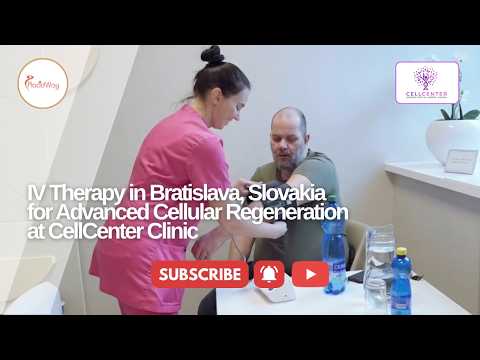
The actual administration of stem cells is generally a minimally invasive, outpatient procedure designed for patient comfort. Depending on the specific condition and protocol, the cellular product is typically introduced into the body via a slow intravenous (IV) drip. This method allows the multipotent cells to circulate systemically and naturally migrate toward areas of high inflammation. The IV infusion process is relatively painless and usually concludes within two to three hours under constant clinical observation.
For respiratory conditions like COPD, the protocol may also incorporate a specialized nebulization treatment alongside the IV infusion. This allows a portion of the cellular product and exosomes to be directly inhaled into the pulmonary tract, bypassing the vascular system for immediate localized impact. Patients rest comfortably in a specialized recovery suite during the administration, monitored continuously by nursing staff. Once the procedure is complete and vital signs remain stable, patients are typically cleared to return to their local accommodations.
- Procedures are conducted in sterile, clinically controlled environments.
- Mild sedatives may be offered to ease patient anxiety, though general anesthesia is rarely required.
- Intravenous administration allows for optimal systemic distribution.
- Nebulization precisely targets damaged alveolar structures in COPD cases.
Recovery Guidelines and Follow-up Care
Post-procedure recovery is a critical phase where the body begins to integrate the introduced biological material. Patients are strongly advised to rest for at least 48 hours following the infusion, avoiding strenuous physical activity, significant stress, and exposure to extreme temperatures. It is entirely normal to experience mild fatigue during this initial window as the body directs energy toward cellular repair mechanisms. Remaining adequately hydrated and adhering to nutritional guidelines supports optimal cellular viability.
The true benefits of regenerative medicine manifest gradually, requiring structured long-term follow-up care. Patients generally return to their home countries with a detailed aftercare blueprint and a schedule for ongoing telemedicine consultations. Regular blood work and symptom logs are securely shared with the Slovakian medical team at three, six, and twelve-month intervals. This collaborative approach ensures that patient progress is closely monitored and any necessary supplementary interventions are promptly addressed.
Clinical data suggests that peak regenerative activity typically occurs between 12 to 16 weeks post-infusion, with sustained clinical benefits observed in over half of properly vetted candidates.
- Refrain from heavy exercise or long-haul travel for several days post-treatment.
- Maintain a log of daily symptoms to track gradual clinical changes.
- Continue prescribed conventional medications unless instructed otherwise.
- Participate consistently in remote medical follow-up appointments.
Patient Experiences and Transformative Results
Understanding the varied experiences of previous medical tourists can provide valuable insight into the realities of cellular therapy. While regenerative interventions offer profound possibilities, it is crucial to recognize that individual responses are highly subjective. Success depends heavily on the patient's age, disease severity, and adherence to post-care lifestyle modifications. The following summaries illustrate typical patient journeys, highlighting both the benefits and the nuanced realities of treatment.
Many individuals report a renewed sense of vitality and a measurable decrease in daily symptomatology after several months. However, specialists emphasize that these outcomes represent condition management rather than absolute cures. Celebrating incremental improvements—such as walking further without breathlessness or achieving more stable blood sugar levels—is the cornerstone of realistic expectations. Below are generalized accounts reflecting common post-treatment outcomes.
Testimonial: Mark T., 62 (COPD Management)
Mark traveled from the UK seeking an alternative for his moderate COPD. After receiving targeted IV and nebulized MSCs in Slovakia, he reported a gradual reduction in morning coughing fits. By month four, his spirometry tests showed a slight but encouraging increase in lung capacity, allowing him to resume light gardening.
Testimonial: Elena S., 45 (Type 2 Diabetes)
Struggling with severe insulin resistance, Elena opted for the 2026-aligned metabolic pathway. Post-treatment, she experienced immense fatigue for two days, but eventually noticed stabilized fasting glucose levels. Combined with diet changes, she was able to lower her daily medication dosage under her local doctor's supervision.
Testimonial: David L., 58 (Early Emphysema)
David pursued stem cell therapy hoping to halt disease progression. While he did not experience dramatic immediate relief, his frequent winter exacerbations significantly decreased over the following year. He credits the comprehensive diagnostic profiling and cellular therapy for stabilizing his condition.
Testimonial: Sarah J., 39 (Autoimmune Complications)
Sarah traveled from North America specifically for the immune recalibration protocols. The multidisciplinary approach provided her with a deeply personalized cellular dosage. At six months post-procedure, her systemic inflammatory markers had dropped significantly, vastly improving her daily energy levels.
Why Choose Slovakia for Advanced Medical Treatments
The global landscape for medical tourism is highly competitive, yet Slovakia distinguishes itself through a unique combination of innovation, safety, and accessibility. Geographically nestled in the heart of Europe, it offers seamless travel logistics for international patients arriving from major global hubs. The healthcare system is deeply integrated with European Union medical standards, guaranteeing a baseline of clinical excellence that rivals Western counterparts. This regulatory environment ensures that innovative treatments are balanced with uncompromising safety protocols.
Furthermore, the nation’s proactive approach to adopting advanced biotechnology positions it as a future leader in the regenerative sector. The upcoming 2026 pathways underscore a national commitment to specialized chronic disease management, attracting top-tier medical talent to the region. Patients choosing Slovakia benefit from this progressive medical culture, accessing cutting-edge therapies in a supportive, highly regulated environment. This blend of expertise and oversight makes it an ideal destination for those seeking .
Slovakia boasts one of the highest ratios of specialized medical research facilities per capita in Central Europe, heavily driving their rapid advancements in applied cellular therapies.
- Strict adherence to ethical EU cellular sourcing guidelines.
- Multilingual medical teams fluent in English ensure clear communication.
- State-of-the-art laboratory infrastructure for optimal cell processing.
- Highly cost-effective medical packages without sacrificing quality.
How PlacidWay Assists Your Stem Cell Therapy Medical Tourism Journey in Slovakia
Navigating the complexities of cross-border healthcare requires expertise, precision, and reliable networks. Seeking advanced regenerative medicine independently can be overwhelming, especially when managing chronic health conditions. Partnering with trusted international medical facilitation platforms eliminates the guesswork associated with evaluating foreign clinical standards. Professional guidance ensures patients are connected strictly with accredited, thoroughly vetted medical providers.
Through comprehensive patient-centric services, the journey toward innovative therapies becomes transparent and securely managed. Facilitators handle the crucial steps of preliminary clinical reviews and specialist introductions. By bridging the gap between international patients and specialized clinics, they empower individuals to make highly informed healthcare decisions. Below is how PlacidWay supports your medical journey:
- Comprehensive profiling and vetting of internationally accredited medical providers.
- Transparent facilitation of your initial clinical consultations and records review.
- Dedicated patient coordination for obtaining personalized treatment blueprints.
- Seamless communication bridges established between patients and certified specialists.
- Clear presentation of clinical estimates to support informed financial planning.
Frequently Asked Questions (FAQ)
Is stem cell therapy for COPD available in Slovakia?
Yes, Slovakia provides specialized regenerative medicine pathways for chronic respiratory conditions like COPD. These therapies generally focus on modulating inflammation and supporting tissue repair. Patients are typically evaluated extensively to ensure they meet the medical criteria.
How much does stem cell therapy for diabetes cost in Slovakia?
The cost of stem cell therapy for diabetes in Slovakia typically ranges from $7,500 to $12,500 depending on the protocol. This is generally more affordable compared to North American or Western European alternatives. Prices usually cover clinical assessments, the cellular procedure, and preliminary follow-up.
What are the expected recovery times for regenerative therapies?
Initial recovery from the outpatient procedure usually takes just a few days, during which patients are advised to rest. However, cellular regeneration is a gradual process, and symptomatic improvements typically unfold over three to six months. Patients should maintain regular communication with their healthcare provider during this period.
Are stem cell clinics in Slovakia strictly regulated?
Yes, medical facilities in Slovakia operate under stringent European Union medical directives and protocols. Stem cell clinics must adhere to strict laboratory and safety standards to ensure patient security. The upcoming 2026 pathways will introduce even further standardized oversight.
Can international patients easily travel to Slovakia for medical care?
Slovakia is highly accessible to international patients, boasting modern infrastructure and proximity to major European transport hubs. Many clinics provide dedicated international patient departments to facilitate seamless clinical journeys. Visa requirements generally depend on your country of origin.
What types of stem cells are used for COPD treatments?
Mesenchymal Stem Cells (MSCs), typically sourced from ethical umbilical cord tissue or the patient’s own adipose tissue, are most commonly utilized. These cells are chosen for their potent anti-inflammatory and immunomodulatory properties. Your medical team will determine the most appropriate cell type based on your diagnosis.
Is a medical visa required for treatment in Slovakia?
Citizens of the EU, US, Canada, and many other nations generally do not need a visa for short medical stays under 90 days. Patients from other regions may need a Schengen visa to enter the country for healthcare purposes. It is recommended to check specific consulate regulations prior to planning your journey.
How long do I need to stay in Slovakia for the procedure?
Patients are typically advised to stay in Slovakia for five to ten days. This timeframe allows for thorough pre-treatment diagnostics, the stem cell administration, and crucial post-procedure monitoring. Your specialist will provide a precise itinerary during your initial consultation.
Are there risks associated with stem cell therapy?
As with any medical intervention, risks exist, though serious complications are generally rare when utilizing MSCs in regulated environments. Potential mild side effects include fatigue, low-grade fever, or localized discomfort at the injection site. A comprehensive screening process helps mitigate potential contraindications.
How do I arrange follow-up care after returning home?
Most specialized facilities in Slovakia provide structured telemedicine follow-up programs for international patients. You will typically be given detailed post-care protocols to share with your primary physician at home. Continuous collaboration ensures optimal long-term management of your condition.
Ready to explore advanced stem cell therapy options in Slovakia? PlacidWay is here to guide you every step of the way.
References
- National Institutes of Health (NIH). Mesenchymal Stem Cell Therapy in Chronic Obstructive Pulmonary Disease. https://pmc.ncbi.nlm.nih.gov/articles/PMC11414322/
- Mayo Clinic. Stem cells: What they are and what they do. https://www.mayoclinic.org/tests-procedures/bone-marrow-transplant/in-depth/stem-cells/art-20048117
- World Health Organization (WHO). Chronic obstructive pulmonary disease (COPD). https://www.who.int/news-room/fact-sheets/detail/chronic-obstructive-pulmonary-disease-(copd)
.png)





.png)










Share this listing