


What Happens When Uterine Cancer Remains After Surgery
Yes, when surgery fails to remove all malignant cells, uterine cancer treatment in Mexico using advanced immunotherapy offers vital hope. These targeted protocols activate your immune system to seek out and destroy microscopic residual disease without further surgical trauma.
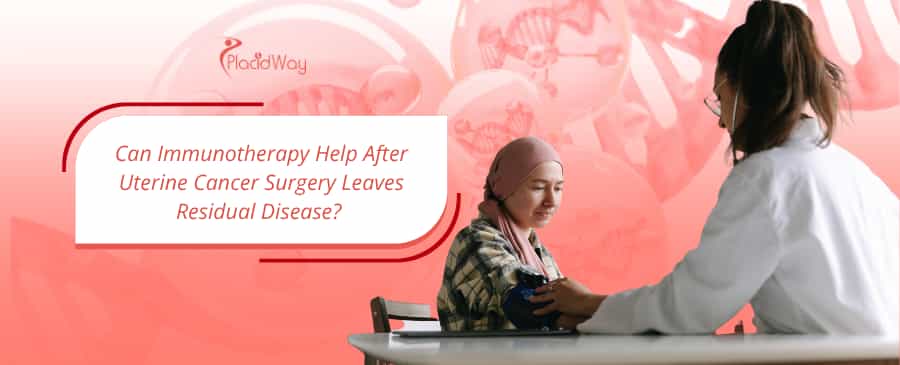
Finding Peace and Healing: Key Takeaways
- Empowered Healing: Shift from the trauma of incomplete surgery to a proactive, systemic healing approach.
- Microscopic Targeting: Biological therapies hunt down the invisible cells that surgery simply cannot reach.
- Gentle Restoration: Focus on repairing your body post-surgery rather than breaking it down with harsh chemicals.
- Comprehensive Support: Packages include deep nutritional rebuilding and profound emotional counseling.
- Transparent Compassion: Accessible care that removes the immense stress of hidden medical debts.
Why is immunotherapy a comforting option when uterine surgery is incomplete?
Waking up from surgery to hear that not all the cancer could be removed is an incredibly terrifying and heartbreaking moment. Immunotherapy provides a compassionate path forward, offering a systemic solution for a microscopic problem that scalpels cannot solve.
The physical and emotional exhaustion of preparing for major pelvic surgery is immense. To endure that trauma only to learn of residual disease can leave you feeling defeated, betrayed by the very procedure meant to cure you. Traditional medicine often responds with immediate recommendations for aggressive, toxic treatments, leaving little time for physical or emotional recovery. Holistic immunotherapy offers a profound alternative a chance to pause, rebuild your strength, and fight the remaining disease gently but fiercely.
Surgery is fundamentally a localized treatment; it only addresses what the surgeon can see. Residual disease, however, is often microscopic, circulating in the blood or hiding deep within pelvic tissues. Immunotherapy recognizes this reality. Instead of relying on external interventions, it works to "wake up" your own immune cells. By utilizing therapies like dendritic cell vaccines, doctors train your body to identify these specific, hidden mutations.
This approach is deeply empowering. It shifts the narrative from what the surgery failed to do, to what your body is inherently capable of doing when properly supported. It offers peace of mind, knowing that you are actively targeting the disease at a cellular level, working harmoniously with your biology to achieve long-term, sustainable health without subjecting yourself to further surgical trauma.
What is the expected uterine cancer treatment cost in Mexico?
A comprehensive, multi-week uterine cancer treatment cost in Mexico generally falls between $18,000 and $35,000. This transparent pricing allows families to focus entirely on healing without the crushing fear of unknown hospital bills.
The shock of an incomplete surgery is often quickly followed by the profound anxiety of what comes next financially. In many healthcare systems, advanced immunotherapies or out-of-network biological treatments can lead to catastrophic medical debt. The fear of bankrupting your family while fighting for your life is a burden no patient should ever have to bear. Integrative centers offer a beacon of hope by providing world-class care at a highly accessible price point.
When you explore these specialized clinics, the financial philosophy is rooted in absolute transparency. The quoted price for an intensive program is not a starting point; it is an all-inclusive package. It covers your private hospital suite, daily doctor consultations, specialized intravenous infusions, biological vaccines, and meticulously prepared organic meals. There are no hidden fees for every bandage or aspirin, which is a common source of stress in standard hospitals.
By making these critical, life-saving therapies affordable, these medical facilities ensure that your energy is directed toward what truly matters: your recovery. The financial clarity provided allows you to enter your treatment program with a calm mind, knowing that the cost is settled and your only job now is to receive the compassionate care you so deeply deserve.
How does a uterine cancer clinic in Mexico tailor your care after failed surgery?
A premier uterine cancer clinic in Mexico sees you as an individual who has endured profound trauma. They build a customized protocol that addresses both the aggressive eradication of residual disease and the urgent healing of your surgical wounds.
Standard protocols often treat patients as statistics, moving them quickly from surgery to the next harsh intervention without considering the toll on the body. Integrative oncologists take a radically different, deeply compassionate approach. Your first days at the clinic are spent in extensive consultation. The doctors want to know the details of your surgery, how your body is healing, and the specific emotional weight you are carrying. Your treatment plan is built around your current physical reality.
Personalization is driven by intense diagnostic testing. The medical team analyzes your blood for tumor markers, vitamin deficiencies, and heavy metal toxicity to understand why the residual cells are surviving. They use this precise data to construct a hybrid protocol. While advanced immunotherapies are deployed to target the microscopic cancer cells, simultaneously, holistic therapies are introduced to aggressively reduce surgical inflammation and support tissue repair.
This beautiful synergy means that as the disease is being fought, your body is actively being nurtured. The doctors adjust these therapies daily based on your response. If you are fatigued, the protocol is softened; if you are strong, the therapies are intensified. This fluid, highly responsive style of medicine ensures that you are constantly moving toward health in a way that respects your body's limitations and honors its incredible capacity to heal.
How does immunotherapy protect your body while it is still recovering from surgery?
Immunotherapy is uniquely suited for post-surgical patients because it is profoundly non-toxic. It does not compound the trauma of surgery with systemic tissue damage, allowing your body to heal its physical wounds while simultaneously fighting the disease.
Subjecting a body that is already struggling to recover from major pelvic surgery to harsh, indiscriminate chemical treatments can feel cruel and overwhelming. Conventional therapies often devastate the immune system exactly when you need it most to heal your surgical incisions. Immunotherapy offers a gentler, more intelligent path. Because it leverages your own biology, it seeks out the mutated cells without destroying the delicate, healing tissues surrounding your reproductive organs.
This protection of your baseline health is crucial for long-term survival. When patients undergo biological treatments, they do not experience the violent nausea, profound exhaustion, or complete immune collapse typical of standard care. Instead, the integrative therapies—like high-dose intravenous Vitamin C and targeted ozone therapy—actually promote rapid wound healing and deeply oxygenate the blood, accelerating your physical recovery from the initial surgery.
Choosing this path means choosing to maintain your vitality. It ensures that you have the physical strength to engage with your family, walk in the sunshine, and actively participate in your daily therapies. By fighting the residual disease gently, immunotherapy honors the immense effort your body is already making to survive and heal.
Why is medical tourism in Mexico a haven for those traumatized by conventional care?
Medical tourism in Mexico offers an escape from the sterile, terrifying environments of standard hospitals. Patients discover tranquil clinics that prioritize emotional warmth, profound empathy, and an environment deeply conducive to true healing.
After enduring the clinical coldness of surgical wards, the shift to a specialized Mexican oncology center can feel like an emotional exhale. The culture within these clinics is vastly different. You are not a chart number or a "failed surgical case"; you are a human being in need of profound care. The staff treats you with a level of familial warmth and respect that immediately begins to soothe the psychological trauma of your diagnosis.
These facilities are intentionally crafted to be sanctuaries. They are designed with peaceful patient lounges, organic dining areas, and quiet spaces that encourage rest and reflection, far removed from the chaotic noise of traditional hospitals. This deliberate environmental design is a critical component of your therapy. It communicates to your nervous system that the acute crisis is over, allowing your body to shift from panic mode into deep, restorative healing.
Furthermore, the logistics of your journey are handled with utmost compassion. Specialized concierge teams manage every detail of your arrival, from airport pick-ups to crossing the border, ensuring you never feel lost or overwhelmed. This complete removal of logistical stress allows you to focus all of your energy inward, dedicating your stay entirely to rebuilding your body and renewing your spirit.
How does targeted nutrition help eliminate residual cancer cells?
Clinical nutrition acts as the cornerstone of your immunotherapy, specifically designed to starve the remaining disease. By eliminating the fuels that cancer requires to grow, you create a deeply hostile environment for microscopic cells.
- A strict, organic diet completely removes refined sugars, effectively cutting off the primary energy supply that residual tumor cells desperately need to multiply.
- Highly alkalizing foods are emphasized, as disease processes struggle to survive and spread in a balanced, alkaline bodily environment.
- Therapeutic, cold-pressed juices flood your system with raw enzymes and vitamins, providing the necessary building blocks for rapid post-surgical tissue repair.
- Customized intravenous nutrition ensures that even if your digestion is compromised from surgery, you still receive the massive doses of nutrients required to activate your immune response.
- Meals are carefully prepared to be anti-inflammatory, gently soothing the gut and reducing the systemic swelling that often follows major pelvic operations.
- This nutritional education empowers you, giving you a tangible, daily tool to actively protect your body and prevent recurrence long after your clinic stay ends.
Can alternative therapies effectively manage post-surgical pain?
Yes, deeply compassionate pain management is a priority. Holistic teams utilize advanced, non-narcotic therapies to soothe surgical inflammation and ease internal scarring, providing relief without clouding your mind.
Living with the intense, aching pain of an incomplete surgery is debilitating. It drains the vital energy you need to heal and fights your attempts to remain positive. Integrative oncologists understand that true healing cannot occur when the body is locked in agonizing pain. However, instead of relying solely on heavy opioids that cause severe constipation and mental fog, they employ sophisticated holistic modalities to address the root cause of the discomfort: profound inflammation.
Therapies such as pulsed electromagnetic field (PEMF) therapy and localized hyperthermia are incredibly effective for post-surgical patients. These treatments send gentle, healing energy deep into the pelvic cavity, increasing blood flow, softening rigid scar tissue, and dramatically reducing swelling. Patients frequently experience a significant easing of pelvic pressure and sharp pains as these therapies go to work on the traumatized tissues.
Coupled with natural, highly concentrated anti-inflammatory infusions, this comprehensive approach to pain management ensures you remain comfortable and lucid. By easing your physical suffering naturally, the medical team allows you to sleep peacefully, eat heartily, and participate fully in the broader immunotherapy protocols necessary for your total recovery.
What does the timeline for an intensive post-surgical program look like?
Embarking on this healing journey typically requires a dedicated three to four-week inpatient stay. This time allows your body to safely detoxify, heal surgical wounds, and receive the concentrated daily therapies needed to halt residual disease.
Stepping away from your life to enter a clinic is a profound act of self-love and courage. The initial phase of your stay focuses intensely on detoxification and surgical recovery. Before aggressive immunotherapies can be most effective, the medical team must gently help your body clear the lingering effects of anesthesia, surgical trauma, and accumulated toxins. This crucial preparatory week lays the foundation for all subsequent healing.
The following weeks are a structured, beautiful rhythm of care. You will receive back-to-back, synergistic therapies daily—from biological vaccines to oxygen treatments all carefully monitored by your attending physicians. Because you are an inpatient, you are never rushed from one appointment to the next. You have the time to let the therapies integrate, resting in your private suite and focusing entirely on your systemic restoration.
When your intensive clinic time concludes, you are not left alone. You will transition back home armed with an exhaustive continuing care protocol. This regimen includes specific oral supplements, dietary guidelines, and scheduled virtual follow-ups with your Mexican oncology team. This timeline represents a dedicated season of profound personal care, giving you the absolute best chance to reclaim your life from residual disease.
Why Choose PlacidWay for Your Uterine Cancer Treatment in Mexico?
PlacidWay serves as your fiercely compassionate advocate. We alleviate the stress of researching options, connecting you directly with deeply ethical, heavily vetted clinics that specialize in post-surgical care and advanced immunotherapies.
- Shouldering the Burden: When you are recovering from surgery, you should not be navigating complex international medical directories. We handle the intense research, presenting you with the safest, most capable options.
- Uncompromising Vetting: We protect you by thoroughly evaluating every partner clinic. We verify board certifications, review past success records, and ensure they adhere strictly to compassionate, patient-first care protocols.
- Guaranteed Transparency: We eliminate the fear of financial surprises. Our coordinators ensure you receive exceptionally clear, all-inclusive pricing outlines, giving your family true financial peace of mind.
- Direct Medical Access: We facilitate essential, private consultations between you and lead integrative oncologists, allowing you to ask your most deeply personal questions before making any commitments.
- Unwavering Emotional Support: From your initial contact, our dedicated patient coordinators walk beside you with profound empathy, providing gentle guidance, reassurance, and immense respect for your journey.
Frequently Asked Questions About Post-Surgical Healing
Is immunotherapy safe to start immediately after a failed uterine surgery?
Yes, but timing is carefully managed. Integrative oncologists will first assess your surgical healing. Often, non-invasive supportive therapies begin immediately to boost your baseline health, followed swiftly by targeted immunotherapy once your body is stable enough to mount an immune response.
How does alternative treatment target microscopic residual disease?
Alternative treatments like dendritic cell vaccines are designed to seek out cellular markers. Unlike surgery which relies on visible tumors, these therapies train your immune system to hunt down the microscopic, circulating tumor cells that surgery left behind, preventing them from establishing new tumors.
Can I bring my past surgical pathology reports to the clinic in Mexico?
Absolutely, and it is highly encouraged. Your previous pathology reports, surgical notes, and recent scans are the foundation upon which Mexican oncologists build your personalized immunotherapy protocol. They need this data to understand exactly what type of residual disease they are fighting.
Will I need to stay in the hospital for the entire treatment duration?
Most comprehensive programs require a 3 to 4-week inpatient stay. This allows for intensive, daily administration of intravenous therapies, continuous medical monitoring, and immediate adjustments to your protocol based on how your body responds to the initial treatments.
What kind of nutritional support is provided after severe surgical trauma?
Post-surgical holistic care focuses heavily on anti-inflammatory clinical nutrition. You will receive customized, organic meals and therapeutic juices designed to accelerate tissue repair, reduce surgical swelling, and provide the massive influx of vitamins needed to power your immune system.
Are there therapies to manage the emotional trauma of an incomplete surgery?
Yes, top-tier holistic centers recognize the profound psychological blow of learning a surgery was unsuccessful. They integrate daily psycho-oncology counseling, stress-reduction techniques, and emotional support to help you process the grief and pivot your mindset toward active healing.
How do clinics ensure the quality of their biological vaccines?
Reputable integrative clinics utilize state-of-the-art, certified on-site or partnered laboratories. They adhere to strict international safety protocols for blood handling and vaccine cultivation, ensuring that all biological therapies administered are potent, sterile, and safe.
Do these clinics offer treatments to alleviate surgical scar tissue pain?
Yes, holistic pain management is a priority. Therapies such as pulsed electromagnetic field (PEMF) therapy, localized hyperthermia, and targeted ozone injections are frequently used to soften internal scar tissue, reduce chronic pelvic inflammation, and significantly ease post-surgical pain.
What happens when I return home after my clinic stay?
Your treatment does not end when you leave. You will be provided with a rigorous home-care protocol, including months of oral supplements, specific dietary guidelines, and scheduled follow-up consultations via telemedicine to ensure your healing trajectory continues safely.
Can I receive holistic care if I am currently severely underweight?
Yes, but the initial focus will heavily shift toward stabilization. The medical team will prioritize advanced intravenous nutrition (TPN) and gentle, highly absorbable dietary interventions to rebuild your strength safely before introducing more aggressive immunotherapies.
Discover Your Path to True Healing
```eof
.png)















Share this listing