


Cosmetic/Plastic Surgery in Gangnam, South Korea
The abdominoplasty cost in Gangnam, South Korea typically ranges from $6,000 to $12,000. This price depends on the procedure type, such as a mini or full tummy tuck, surgeon expertise, facility fees, and comprehensive aftercare programs provided.
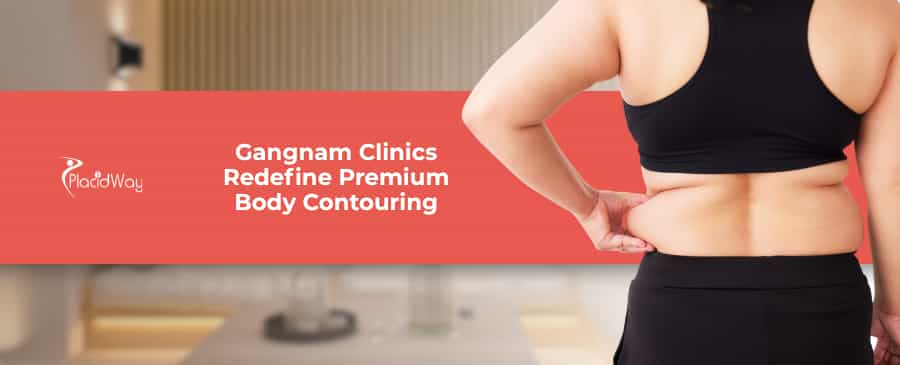
Key Takeaways: Abdominoplasty in Seoul
- Pricing Spectrum: Expect to invest between $6,000 and $12,000 based on surgical complexity and the specific district.
- Surgical Options: Procedures range from mini tucks for lower belly fat to 360-degree lifts for massive weight loss patients.
- Advanced Aftercare: Packages routinely include specialized deswelling therapies, red light treatments, and hyperbaric oxygen chambers.
- Safety Standards: Government-accredited facilities offer rigorous pre-operative testing and board-certified anesthesiology teams.
- Global Support: Dedicated international patient coordinators ensure seamless communication and personalized medical journeys.
Embarking on a journey to reshape your midsection is a significant medical decision. Gangnam, the premier medical district in Seoul, has established itself as a global epicenter for advanced cosmetic procedures. Patients worldwide seek out this destination for its combination of elite surgical precision, cutting-edge medical technology, and comprehensive patient care. This expert guide will break down everything you need to know about navigating the costs, safety protocols, and recovery expectations for your procedure.
What factors influence the abdominoplasty cost in Gangnam, South Korea?
The final price tag is determined by the specific surgical technique required, the reputation of the head surgeon, and the facility's luxury level. Complex cases involving extensive muscle repair naturally command a higher investment than minor aesthetic corrections.
When calculating the abdominoplasty cost in South Korea, the foremost variable is the extent of the surgical intervention. A mini tummy tuck, which only addresses excess skin and fat below the belly button without moving the navel, represents the lower end of the pricing spectrum. Conversely, an extended or circumferential tummy tuck requires significantly more time in the operating room, heightened anesthetic monitoring, and advanced surgical skill, placing it at the higher end of the scale.
The expertise and demand of your chosen medical professional also heavily dictate the financial investment. Surgeons who have spent decades perfecting body contouring techniques and possess board certifications from prestigious medical institutions will charge premium rates for their services. Their fees reflect their proven track record, minimized complication rates, and the superior aesthetic outcomes they consistently deliver to international clients.
Furthermore, the physical location and amenities of the facility play a crucial role. Clinics situated in the heart of Gangnam often feature state-of-the-art diagnostic equipment, luxurious private recovery suites, and in-house intensive care units. These premium facilities incorporate advanced aftercare therapies, such as hyperbaric oxygen treatments and radiofrequency massages, into their baseline pricing, ensuring a safer and faster recovery period.
Which types of abdominoplasty in South Korea are available for international patients?
Medical facilities offer a highly customized approach, providing various techniques tailored to individual body types and weight loss histories. From minor lower-belly adjustments to total torso transformations, the options are comprehensive.
- • Mini Abdominoplasty: This less invasive option focuses exclusively on the area below the navel. It is ideal for individuals who are near their ideal weight but struggle with a small lower abdominal pouch that is resistant to diet and exercise.
- • Full Abdominoplasty: The standard and most frequently requested technique. It involves a hip-to-hip incision, repairing separated abdominal muscles, removing significant excess skin, and repositioning the belly button for a natural look.
- • Extended Abdominoplasty: Designed for patients with excess skin extending around the hips or flanks. The incision reaches further around the sides to contour the waistline more aggressively, highly beneficial after moderate weight loss.
- • Fleur-de-Lis Abdominoplasty: Recommended for massive weight loss or bariatric surgery patients. It utilizes both a horizontal and a vertical incision down the center of the abdomen to remove severe amounts of overhanging skin from multiple angles.
- • Lipo-abdominoplasty: A hybrid procedure blending traditional skin excision with advanced liposuction techniques. This ensures not only a flat stomach but also a highly sculpted, aesthetically pleasing muscular definition across the entire torso.
- • 360 Circumferential Body Lift: The most comprehensive option, treating the abdomen, waist, hips, and buttocks in a single operation. It provides a complete lower body transformation for patients who have lost exceptional amounts of weight.
Is it safe to get an abdominoplasty in South Korea as a medical tourist?
Safety is paramount within the Korean healthcare system, which is strictly regulated by the Ministry of Health and Welfare. Medical tourists benefit from mandatory malpractice insurance, rigorous surgical protocols, and highly trained specialists.
Undergoing major surgery in a foreign country can be intimidating, but pursuing abdominoplasty in South Korea offers a deeply regulated and secure environment. The government actively oversees facilities that cater to international patients, requiring them to meet stringent hygiene, equipment, and staffing criteria. This national commitment to medical excellence ensures that international visitors receive care that often exceeds the standards found in their home countries.
Before any surgical intervention takes place, patients undergo exhaustive preoperative health screenings. These evaluations typically include comprehensive blood panels, electrocardiograms, and chest X-rays to confirm total physical readiness for general anesthesia. If any irregularities are detected, the procedure is delayed or adjusted, proving that patient wellbeing is prioritized over immediate financial gain.
Furthermore, the operating rooms in premium Gangnam facilities are equipped with hospital-grade emergency systems. Specialized anesthesiologists are mandated to be present for the entire duration of the surgery, rather than rotating between rooms. Many facilities also implement transparent monitoring systems, allowing guardians to view the surgical process, ensuring absolute accountability and peace of mind during your transformation journey.
How do I evaluate an abdominoplasty clinic in South Korea for my procedure?
Identifying a premier facility requires looking beyond basic marketing to assess clinical credentials, patient support systems, and surgical transparency. Focus on accreditation, specialization, and comprehensive care infrastructure.
- • Board Certification: Ensure the head professionals are officially recognized by the Korean Society of Plastic and Reconstructive Surgeons, indicating they have completed rigorous, specialized training in body contouring.
- • Dedicated Anesthesiology: A top-tier abdominoplasty clinic in South Korea will permanently employ board-certified anesthesiologists rather than hiring freelance doctors, maximizing patient safety during complex abdominal operations.
- • Transparent Pricing Models: Reputable centers provide detailed, itemized quotes before you travel. They clearly outline what is included in the base price and honestly discuss any potential extra costs related to garments or extended stays.
- • Extensive Visual Evidence: Request to see a vast gallery of before and after photographs featuring patients with body types similar to yours. This helps verify the surgeon is capable of delivering your specific aesthetic goals.
- • Robust Aftercare Programs: High-quality facilities do not abandon patients after surgery. They offer structured post-operative schedules including dedicated deswelling treatments, nutritional guidance, and 24-hour emergency contact lines.
- • International Patient Support: The best clinics maintain dedicated in-house departments featuring fluent translators and coordinators to assist with medical visas, translation, and navigating the local healthcare protocols seamlessly.
What is generally included in an abdominoplasty package in Gangnam?
Comprehensive medical packages are designed to cover the clinical journey from consultation to final clearance. They usually bundle surgical fees, anesthesia, necessary medical garments, and intensive recovery therapies into one straightforward price.
When you commit to a premium surgical package, the bulk of the cost covers the operating room time, the surgeon fee, and the dedicated anesthesiologist. It also encompasses the mandatory pre-operative health assessments. These in-depth medical evaluations are crucial for confirming your surgical candidacy and ensuring your body is prepared for the trauma of an invasive procedure.
Post-operative medical necessities are fundamentally integrated into these offerings. This typically includes your initial high-quality compression garments, which are vital for supporting your new abdominal contours and reducing fluid buildup. Standard medications required during your immediate hospital stay, such as intravenous pain relievers and broad-spectrum antibiotics, are also covered to ensure your initial recovery is comfortable and infection-free.
One of the standout features of Gangnam clinics is their inclusion of specialized deswelling and recovery programs. Instead of leaving you to heal independently, packages frequently incorporate sessions of low-level laser therapy, targeted radiofrequency massage, or hyperbaric oxygen therapy. These advanced medical interventions significantly accelerate tissue healing, reduce severe bruising, and encourage optimal scar maturation.
How does the post-surgery recovery process work in South Korea?
The recovery journey involves close medical supervision, managed mobility, and specialized clinical therapies. Patients spend their initial days resting with restricted movement, followed by a guided transition back to normal activities over several weeks.
Immediately following the operation, you will typically spend one to two nights in the clinic inpatient ward. During this critical window, nursing staff will monitor your vitals, manage surgical drains if utilized, and administer intravenous pain management. Because the abdominal muscles have been tightened, you will need to rest in a flexed position with your knees elevated to relieve tension on the fresh surgical incisions.
Once discharged to your accommodation, the focus shifts to gentle mobility and managing swelling. You will be instructed to walk slightly hunched over for the first week to protect the muscle repair. The clinic international coordinators will schedule frequent follow-up appointments to clean the incision sites, assess tissue healing, and eventually remove any drains or non-dissolvable sutures. Proper adherence to wearing your compression garment 24 hours a day is strictly enforced during this phase.
By the second week, patients generally experience a significant reduction in acute pain and can transition to oral medications. At this stage, clinics will initiate their intensive deswelling therapies. While you may feel capable of traveling, heavy lifting and strenuous physical activity remain strictly prohibited to prevent internal tearing. Full recovery and the realization of final aesthetic results will take several months as residual swelling completely subsides.
Can I combine other cosmetic procedures with a tummy tuck in Gangnam?
Combining surgeries is highly common and efficiently managed by skilled surgical teams. Often referred to as body contouring packages, integrating procedures can optimize overall aesthetic harmony while reducing total anesthesia exposure.
Many international patients choose to maximize their travel investment by combining their abdominal surgery with other enhancements. The most frequent combination involves breast surgeries, such as augmentation, lifting, or reduction. This comprehensive approach is highly favored by patients seeking to restore their pre-pregnancy bodies, addressing both abdominal laxity and breast volume loss in a single, coordinated operation.
Liposuction is another naturally paired procedure. While a standard tummy tuck removes excess skin and fat directly from the lower abdomen, it does not address the flanks or upper back. By combining aggressive liposuction of the waistline with abdominal skin excision, surgeons can sculpt a dramatic, hourglass silhouette that cannot be achieved through a tummy tuck alone. This combined technique provides a superior 360-degree aesthetic result.
While bundling procedures is cost-effective and means only enduring one recovery period, it does increase the duration of the surgery. Your medical team will carefully evaluate your overall health, age, and body mass index to determine if a multi-procedure operation is safe for you. If the combined surgery time exceeds safe anesthetic limits, the surgeon will recommend breaking the treatments into staged procedures.
What are the potential hidden fees associated with abdominal surgery in Seoul?
To prevent unexpected financial surprises, patients must inquire about expenses that fall outside the standard surgical fee. These can include pharmacy prescriptions, specialized garments, and necessary government taxes.
- • Value Added Tax: The South Korean government levies a mandatory ten percent tax on all cosmetic procedures. While often refundable at the airport upon departure, it must be paid upfront at the clinic.
- • Outpatient Prescriptions: Standard packages cover inpatient medication, but you will need to purchase oral antibiotics, anti-inflammatory drugs, and painkillers from an independent local pharmacy upon discharge.
- • Secondary Compression Garments: While the first binder is usually provided, you will be wearing these garments for weeks. Purchasing a second garment is highly recommended for hygiene purposes while the other is being washed.
- • Extended Hospitalization: If you react poorly to anesthesia or require extra monitoring for safety reasons, staying additional nights in the clinic recovery ward will incur supplementary daily fees.
- • Advanced Scar Treatments: Basic follow-ups are included, but long-term aesthetic management, such as multiple sessions of fractional laser therapy or specialized silicone sheeting, may be billed separately.
How does medical tourism in South Korea enhance the patient experience for tummy tucks?
The country has cultivated a highly sophisticated infrastructure specifically designed to cater to global health travelers. This ecosystem provides a seamless blend of elite medical care, cultural hospitality, and streamlined logistical support.
Engaging in medical tourism in South Korea means stepping into a healthcare environment that anticipates and solves the unique challenges faced by international patients. Recognizing the stress of undergoing major surgery far from home, premier medical facilities have developed comprehensive international departments. These teams act as your personal liaisons, bridging cultural and linguistic gaps to ensure your medical journey is entirely stress-free and comprehensible.
Beyond clinical excellence, the technological integration within the Korean medical system drastically improves the patient experience. From the initial virtual consultations utilizing high-definition video and 3D body scanning technology, to digital communication platforms that keep you connected with your surgical team post-operation, every touchpoint is modernized. This technological proficiency allows for highly accurate surgical planning before you even board your flight.
Furthermore, the physical environment of Gangnam itself is highly conducive to surgical recovery. The district boasts an abundance of recovery-focused accommodations equipped with adjustable beds and accessible amenities. The local culture is profoundly respectful of the plastic surgery recovery process, allowing patients to walk in public with compression garments or surgical masks without facing unwanted scrutiny or judgment, fostering a comfortable healing environment.
Why choose PlacidWay for your abdominoplasty in South Korea?
PlacidWay serves as your dedicated advocate in the global healthcare marketplace, ensuring you receive safe, transparent, and high-quality medical care. We remove the uncertainty from international medical procedures by providing expert guidance and vetted clinical options.
- • Rigorous Facility Vetting: We do not partner with unverified centers. PlacidWay conducts stringent background checks to ensure your chosen clinic holds essential government accreditations and employs board-certified surgical experts.
- • Absolute Price Transparency: Our platform provides clear, comprehensive cost breakdowns upfront. We protect our patients from predatory pricing models and unexpected hidden medical fees commonly experienced by unguided international clients.
- • Dedicated Patient Advocacy: You are assigned a dedicated coordinator who acts as your personal health advocate, ensuring your clinical requirements, medical history, and aesthetic goals are perfectly communicated to the overseas medical team.
- • Risk Mitigation Protocols: By exclusively collaborating with facilities that maintain zero-malpractice records and utilize dedicated anesthesiologists, we drastically reduce the clinical risks associated with major abdominal surgery.
- • Streamlined Medical Coordination: From transferring complex medical files to scheduling your initial virtual consultations with top surgeons, our system manages the tedious administrative healthcare tasks so you can focus entirely on your transformation.
Frequently Asked Questions About Tummy Tucks in Seoul
How long do I need to stay in Gangnam after getting a tummy tuck?
International patients are generally advised to stay in Seoul for at least ten to fourteen days following a full tummy tuck. This timeframe allows your medical team to monitor your initial recovery, safely remove any surgical drains, and ensure your incisions are healing properly before you endure a long international flight. Staying in the city also gives you easy access to advanced deswelling treatments offered by your clinic.
Are drainage tubes required for abdominoplasty procedures performed in Seoul?
While traditional techniques often require drainage tubes to prevent fluid buildup, many advanced surgeons in Seoul now utilize drainless tummy tuck methods. By using special internal quilting sutures to close the empty space between the muscle and skin, fluid accumulation is minimized. Your specific anatomical needs and the extent of the tissue removal will dictate whether your surgeon recommends a drainless approach or traditional temporary drains.
What type of anesthesia is utilized for stomach contouring in Korea?
Because abdominoplasty is a major surgical procedure involving muscle repair and extensive tissue removal, it is almost universally performed under general anesthesia. Top medical facilities in the country maintain dedicated anesthesiology departments. A board-certified anesthesiologist will be present throughout your entire operation, continuously monitoring your vital signs to ensure maximum safety and complete pain management.
Will my surgical scars be highly visible after the procedure in Gangnam?
Korean plastic surgeons are globally recognized for their meticulous suturing techniques designed to minimize visible scarring. The main incision is strategically placed very low on the abdomen, typically below the bikini line, allowing it to be easily concealed by standard underwear or swimwear. Furthermore, post-operative care packages usually include advanced scar management therapies such as laser treatments and specialized silicone gels to fade the scar over time.
How soon can I fly internationally after abdominal surgery in Seoul?
Most surgeons clear international patients to fly back home approximately two weeks after the surgery, provided there are no complications. Flying too soon can increase the risk of deep vein thrombosis and exacerbate swelling due to cabin pressure changes. You will be advised to wear compression socks, stay hydrated, and walk around the airplane cabin periodically during your journey home.
Do Korean medical facilities provide English translation services for international clients?
Yes, facilities that cater to global patients feature dedicated international departments staffed with fluent English-speaking coordinators. These professionals translate during your consultations, explain medical documents, and assist you on the day of surgery. This ensures that nothing is lost in translation and that you fully understand your surgical plan, risks, and recovery instructions.
Is it possible to correct diastasis recti during a tummy tuck in Korea?
Absolutely. Repairing diastasis recti, which is the separation of the abdominal muscles often caused by pregnancy or significant weight fluctuation, is a core component of a full tummy tuck. The surgeon will meticulously stitch these underlying muscles back together, creating an internal corset effect that flattens the stomach, narrows the waistline, and strengthens your core stability.
What kind of compression garments are required post-surgery in Gangnam?
Following your procedure, you will be fitted with a medical-grade abdominal binder or a full-body compression garment. This specialized clothing applies consistent pressure to your midsection, which is crucial for reducing post-operative swelling, preventing fluid accumulation, and supporting the newly contoured abdominal tissues as they heal. You will typically need to wear this garment continuously for four to six weeks.
Are there dietary restrictions while recovering from abdominal surgery in South Korea?
During your recovery, it is highly recommended to follow a low-sodium diet to help control swelling and water retention. Korean medical staff often suggest consuming easily digestible, nutrient-rich foods and staying exceptionally hydrated. You will also be strictly advised to avoid alcohol and nicotine, as both substances can severely impede the healing process and increase the risk of surgical complications.
How soon can I return to heavy lifting or exercise after my procedure in Seoul?
While light walking is encouraged immediately to promote blood circulation, strenuous activities and heavy lifting must be strictly avoided for at least six to eight weeks. Because the abdominal muscles have been surgically repaired and tightened, putting strain on your core too early can tear the internal sutures. Your surgeon will provide a staggered timeline for safely reintroducing cardiovascular exercise and eventually weight training.
Ready for Your Transformation in South Korea?
Do not navigate the complexities of international healthcare alone. PlacidWay connects you with premium, government-accredited clinics specializing in advanced abdominal contouring. Receive expert medical guidance, access transparent pricing, and secure your comprehensive medical journey today.
* Secure, confidential, and completely free consultation. Expect a response within 24 hours.
-in-Gangnam-clinics.png)
.jpg)









Share this listing