


What Should U.S. Patients Consider Before Herniated Disc Surgery in Mexico?
Before getting herniated disc surgery in Mexico, US patients should know that the procedure offers significant savings often costing between $6,000 and $12,000 compared to $30,000+ in the US. Board-certified surgeons utilize advanced minimally invasive techniques in modern facilities. Patients must plan for a 7-10 day stay for safe recovery before traveling home.

Key Takeaways: Spine Surgery in Mexico
- Cost Savings: Procedures like microdiscectomy or artificial disc replacement can save patients 50-70% compared to US prices.
- World-Class Expertise: Many Mexican spine specialists have trained internationally and hold memberships in global neurosurgical societies.
- Advanced Technology: Leading herniated disc clinics in Mexico use FDA-approved implants and high-tech imaging for minimally invasive surgeries.
- Strategic Locations: Border cities like Tijuana offer easy access, while Cancun provides a relaxing recovery environment.
- Comprehensive Packages: Medical tourism providers often bundle surgery, hotel, and transfers into one transparent price.
How much does herniated disc cost in Mexico, and why is it cheaper?
The herniated disc cost in Mexico ranges from $6,000 to $12,000. This lower price is due to lower administrative costs, reduced malpractice insurance rates, and a lower overall cost of living, not a compromise in medical quality.
For many US patients suffering from debilitating back pain, the high cost of treatment at home is a major barrier. In the United States, a simple microdiscectomy can easily cost upwards of $30,000, and more complex procedures like artificial disc replacement can exceed $50,000, often leaving patients with massive out-of-pocket expenses even with insurance.
In contrast, medical tourism in Mexico offers these same procedures at a fraction of the price. The cost disparity is not a reflection of inferior care. Rather, it is driven by systemic differences. Mexico has significantly lower overhead costs for running a hospital, far lower administrative burdens compared to the complex US billing system, and medical malpractice insurance premiums are a fraction of what US doctors pay.
- Microdiscectomy: $6,000 - $8,000
- Artificial Disc Replacement (1 level): $10,000 - $14,000
- Spinal Fusion (1 level): $12,000 - $16,000
"Patients are often surprised to learn that the implants and surgical instruments used in premier Mexican clinics are the exact same brands (like Medtronic or Stryker) used in top US hospitals. The savings come from the system, not the supplies."
How can I verify the credentials of spine surgeons in Mexico?
You can verify surgeons by checking their certification with the Mexican Council of Neurological Surgery. Look for doctors who have completed international fellowships and hold active memberships in respected US or global spine societies.
Safety and expertise should be your primary concerns when considering herniated disc surgery in Mexico. The country boasts highly skilled neurosurgeons and orthopedic spine specialists, but as with anywhere in the world, thorough vetting is essential. Top surgeons catering to international patients are highly transparent about their education and experience.
Begin by ensuring the surgeon is board-certified in Mexico. Furthermore, many elite Mexican spine surgeons have augmented their training by completing fellowships in the United States, Canada, or Europe. This international exposure ensures they are proficient in the latest global standards of care, including minimally invasive techniques.
- Look for certification by the Consejo Mexicano de Cirugía Neurológica (Mexican Council of Neurological Surgery).
- Check for memberships in the North American Spine Society (NASS) or the AOSpine foundation.
- Request to see before-and-after case studies or speak with previous international patients.
- Ensure the surgeon specializes specifically in spine surgery, not just general orthopedics.
- Confirm they have extensive experience with your specific required procedure (e.g., endoscopic discectomy).
Is Minimally Invasive Spine Surgery (MISS) common in Mexico?
Yes, Minimally Invasive Spine Surgery (MISS) is the standard of care at premier facilities for herniated disc in Mexico. Surgeons use advanced endoscopy and microscopes to treat discs with minimal tissue damage.
The days of large, open back surgeries are largely behind us, especially in top-tier facilities catering to medical tourists. Minimally Invasive Spine Surgery (MISS) utilizes specialized instruments, such as tubular retractors and high-definition endoscopes, allowing surgeons to access the herniated disc through an incision often smaller than an inch.
This approach offers profound benefits for the patient. By gently separating muscle fibers rather than cutting them, MISS significantly reduces post-operative pain, minimizes blood loss, and drastically accelerates the recovery process. This is particularly beneficial for US patients traveling for surgery, as it allows them to become mobile sooner and return home safely within a week or two.
Endoscopic spine surgery is so precise that patients often require only a small bandage over the incision site, colloquially referred to as a "Band-Aid surgery," and many are up and walking within hours of the procedure.
Where are the best cities for a herniated disc clinic in Mexico?
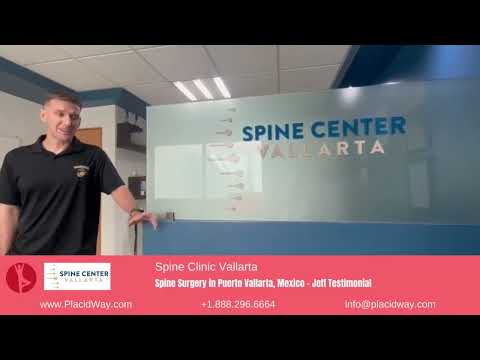
Tijuana is ideal for its proximity to the US border, making travel easy. Cancun and Puerto Vallarta are top choices for patients wanting a tranquil resort setting for their recovery.
Choosing the right location for your herniated disc clinic in Mexico depends largely on your travel preferences and logistical needs. Mexico is a vast country with several established medical tourism hubs, each offering distinct advantages for international patients.
For maximum convenience, especially for patients living in the southwestern United States, border cities like Tijuana or Mexicali are highly attractive. You can fly into San Diego, cross the border via a dedicated medical lane, and be at a world-class hospital within minutes. Alternatively, destinations like Cancun or Cabo San Lucas offer the appeal of recovering in a serene, tropical environment, often in specialized recovery hotels equipped for post-surgical care.
- Tijuana: Unmatched convenience; patients can easily drive or use medical shuttle services from San Diego.
- Cancun: Excellent international flight connectivity and luxurious recovery options near the beach.
- Mexico City: Home to some of the country's largest and most advanced quaternary care hospital networks.
- Monterrey: Known for highly advanced medical infrastructure and strong ties to US medical institutions.
- Puerto Vallarta: A popular, relaxed destination favored by Canadian and US expats, offering personalized care.
What MRIs or medical records do I need to send to Mexico beforehand?
You must provide a recent (less than 6 months old) MRI of your spine, along with a detailed medical history and reports of prior treatments, for an accurate remote consultation and surgical plan.
To ensure you are a viable candidate for surgery and to receive an accurate quote, thorough pre-evaluation is necessary. You will not need to travel to Mexico just for a consultation. Most top-tier clinics handle the initial evaluation remotely through secure digital platforms.
The most critical piece of information is a recent MRI. The MRI provides the surgeon with a clear picture of the spinal cord, nerve roots, and the exact location and severity of the herniated disc. Along with the MRI, you should provide a comprehensive medical history, noting any other health conditions, medications, and previous treatments you have tried for your back pain (such as physical therapy or steroid injections).
What is the recovery process like before I can fly back to the US?
After spine surgery, you will typically spend 1-2 nights in the hospital, followed by 5-7 days in a local recovery hotel. Surgeons require this local stay to monitor healing and ensure you are safe to travel.
Proper post-operative care is crucial for a successful outcome, and the timeline for returning home must be strictly adhered to. Immediately following surgery, you will recover in the hospital under close observation to manage pain and ensure there are no immediate complications. Physical therapy often begins the very next day, focusing on gentle walking and mobility.
Once discharged from the hospital, you will transition to a comfortable hotel nearby. During this time, you will have follow-up appointments with your surgeon to check the incision and remove any drains. You should not attempt to fly or endure a long car ride until your surgeon officially clears you, as the changes in cabin pressure or prolonged sitting can increase the risk of blood clots or compromise the surgical site.
Many medical tourism packages include stays at specialized "recovery boutiques" which feature medical beds, ADA-compliant bathrooms, and nursing staff on call 24/7, bridging the gap between hospital care and independence.
What is included in an all-inclusive medical tourism package in Mexico?
All-inclusive packages typically cover surgeon fees, hospital facility costs, anesthesia, necessary implants, pre-op testing in Mexico, airport transfers, and sometimes hotel accommodations for the recovery period.
To simplify the process for international patients, many providers offer comprehensive packages. These packages are designed to provide a transparent, upfront cost, eliminating the fear of surprise medical bills that is so common in the US healthcare system.
When reviewing a quote, it is vital to understand exactly what is covered. A robust package will encompass all medical expenses related to the surgery itself. It will also handle the logistics on the ground, such as picking you up from the airport and transporting you between the hotel and the clinic. However, you will typically need to cover your own airfare, meals outside the hospital, and any required travel visas.
Will language be a barrier during my herniated disc treatment?
No, language is rarely a barrier. Clinics specializing in medical tourism in Mexico employ fluent English-speaking surgeons, and many provide dedicated bilingual patient coordinators to assist you at every step.
Concerns about communication are common, but the medical tourism industry in Mexico is built specifically to accommodate English-speaking patients. The top surgeons and medical directors are often fluent in English, having trained or attended conferences in the US or UK.
Furthermore, accredited hospitals ensure that key staff members, including head nurses and administrative personnel, speak English. To provide ultimate peace of mind, many clinics assign a dedicated, bilingual patient concierge who acts as your personal guide, translating during consultations and ensuring you understand every aspect of your care and recovery plan.
Why Choose PlacidWay for Your Spine Surgery Journey?
PlacidWay removes the stress of planning medical travel by connecting you with rigorously vetted spine specialists in Mexico, securing competitive pricing, and providing comprehensive support throughout your entire journey.
Organizing spine surgery abroad can feel overwhelming. PlacidWay serves as your trusted advocate, ensuring you find the right specialist and a safe facility for your specific needs. Here is why patients rely on PlacidWay:
- Verified Excellence: PlacidWay meticulously vets clinics, ensuring they hold necessary accreditations, utilize modern technology, and employ board-certified spine surgeons with proven track records.
- Tailored Medical Solutions: We understand that every spine condition is unique. We match you with specialists who are experts in the specific procedure you need, whether it's a microdiscectomy or complex fusion.
- Transparent Pricing: We negotiate on your behalf to secure clear, all-inclusive quotes, protecting you from hidden fees and ensuring you understand exactly what your treatment will cost.
- End-to-End Support: From facilitating your initial MRI review with the surgeon to helping coordinate your treatment schedule, our dedicated team is with you every step of the way.
- Focus on Safety: We prioritize your well-being by partnering only with facilities that maintain the highest international standards of hygiene, patient care, and post-operative monitoring.
Frequently Asked Questions About Herniated Disc Surgery in Mexico
How much does a microdiscectomy cost in Mexico compared to the US?
A microdiscectomy (a common surgery for herniated discs) in Mexico typically costs between $6,000 and $10,000. This is significantly lower than the US, where the same procedure can easily exceed $30,000, even with insurance deductibles factored in.
Are Mexican spine surgeons board-certified?
Yes, top spine surgeons in Mexico are board-certified by the Mexican Council of Neurological Surgery or the Mexican Board of Orthopedics. Many have also completed fellowships in the US or Europe and hold international memberships in societies like the North American Spine Society (NASS).
Is minimally invasive spine surgery (MISS) available in Mexico?
Absolutely. Leading spine clinics in Mexico are equipped with state-of-the-art technology for Minimally Invasive Spine Surgery (MISS), which involves smaller incisions, less muscle damage, and faster recovery times for treating herniated discs.
Do Mexican hospitals speak English?
Hospitals and clinics catering to medical tourists in Mexico prioritize English-speaking staff. Major facilities in border cities like Tijuana or resort towns like Cancun have bilingual doctors, nurses, and dedicated international patient coordinators.
How long do I need to stay in Mexico after herniated disc surgery?
Most patients stay in Mexico for 7 to 10 days total. This includes the day of surgery, 1-2 days in the hospital, and several days in a recovery hotel for follow-up appointments and clearance to fly or drive home.
What type of implants are used for disc replacement or fusion in Mexico?
Top-tier Mexican hospitals use FDA-approved or CE-marked implants from renowned international manufacturers like Medtronic, Stryker, and DePuy Synthes, ensuring the same quality of materials as those used in the United States.
Is it safe to travel back to the US immediately after spine surgery?
You should not travel immediately. Your surgeon will advise a recovery period (usually 5-7 days post-op) before traveling. You will be given specific instructions on how to travel safely, such as wearing a back brace, walking frequently during flights, and avoiding heavy lifting.
Which cities in Mexico are best for spine surgery?
Popular destinations for spine surgery include Tijuana (ideal for driving across the border), Cancun and Puerto Vallarta (excellent for combining recovery with a relaxing environment), and Mexico City or Monterrey (home to major, highly specialized hospital networks).
What happens if I have complications after returning to the US?
Before leaving Mexico, your surgeon will provide a detailed medical report and imaging. If complications arise back home, you should seek immediate care locally. Some medical tourism facilitators offer complication insurance, which is highly recommended for peace of mind.
Can I use my US health insurance in Mexico for spine surgery?
Most standard US health insurance plans do not cover elective procedures abroad. However, some employer-sponsored plans or specialized medical tourism insurance networks might offer partial coverage. It is crucial to verify with your provider directly.







.png)

.png)
.png)











Share this listing