


Why More International Patients Are Choosing Dubai for IVF
For international patients, IVF in Dubai costs between $6,000 and $12,000 per cycle. The step-by-step process includes ovarian stimulation, egg retrieval, fertilization via ICSI, and embryo transfer, all completed under world-class clinical standards.
Key Takeaways: Fertility & IVF in Dubai
- Inclusive Legal Framework: Recent legal reforms permit unmarried non-Muslim couples to legally access advanced fertility therapies.
- Competitive Global Pricing: Premium reproductive care is available at an average cycle cost of $6,000 to $12,000.
- State-of-the-Art Labs: Standardizing ICSI and blastocyst culture techniques ensures robust clinical pregnancy rates.
- Strict Safety Policies: Strong ethical rules prohibit third-party egg or sperm donations, guaranteeing strict genetic parentage.
Overview of Estimated Costs for IVF in Dubai
Understanding the budget is crucial before starting your fertility journey. The table below outlines standard costs associated with various stages of fertility care in the region.
| Treatment Type | Estimated Cost (USD) | Estimated Cost (AED) |
|---|---|---|
| Basic IVF Cycle | $6,000 - $8,000 | 22,000 - 29,300 AED |
| IVF with ICSI | $7,500 - $9,500 | 27,500 - 34,800 AED |
| Embryo Freezing (1 Year) | $1,200 - $2,000 | 4,400 - 7,300 AED |
| PGT-A Genetic Screening | $2,000 - $3,500 | 7,300 - 12,800 AED |
Detailed Insights and Follow-up Questions
What are the key stages of the step-by-step IVF process in Dubai?
The first phase involves ovarian stimulation, where international patients receive customized daily hormone injections for 10 to 12 days. This encourages the ovaries to mature multiple healthy follicles. During this time, your selected IVF clinic in Dubai will perform regular blood hormone assays and transvaginal ultrasounds to track follicular development.
Once the follicles reach the perfect size, a trigger shot of human chorionic gonadotropin is given. Exactly 36 hours later, egg retrieval is performed under light sedation. On the same day, the partner's semen is collected and processed in the clinical laboratory.
Embryologists fertilize the collected eggs using advanced laboratory systems. The fertilized embryos are monitored carefully in a controlled incubator for 3 to 5 days. High-quality blastocysts are then selected and gently transferred into the uterus during a brief outpatient procedure.
What is the average IVF cost in Dubai for international patients?
For most international visitors, a basic fresh IVF cycle begins around $6,000. This base fee usually covers essential services like medical consultations, ultrasound monitoring scans, egg retrieval, and standard embryo transfers. It provides a highly reliable foundation for patients starting their fertility treatment journey.
However, the total expense often increases based on individual treatment needs. For instance, incorporating specialized procedures like Intracytoplasmic Sperm Injection, Preimplantation Genetic Testing, or extended embryo cultivation can push the total package price to around $10,000 or $12,000.
It is also important to consider that medication costs, which range from $1,500 to $3,000, are often billed separately from clinical packages. This variation depends on the specific dosage required to achieve healthy ovarian responses, making personalized planning essential.
Are unmarried non-Muslim couples legally allowed to undergo IVF in Dubai?
Under the progressive guidelines of Federal Decree Law No. 17 of 2023 on Medically Assisted Reproduction, the legal landscape in the UAE has become exceptionally welcoming. Unmarried non-Muslim couples no longer need to present a legal marriage certificate to access advanced clinical fertility care.
To utilize these services, couples must submit a joint written declaration verifying the child's parentage. This document must be formally approved by the health authority or the official regulatory body in the parents' country of nationality, ensuring legal alignment.
This policy shift has significantly expanded opportunities for medical tourism in Dubai, establishing the city as a major global fertility hub. It is important to note that Muslim couples must still be legally married to undergo any form of IVF treatment.
Under the updated federal decrees, while unmarried non-Muslim couples can access fertility services, all children born through these clinical procedures must be registered under a legally recognized family structure in their home country, preserving standard legal heritage.
What is the legal status of egg and embryo freezing under Dubai regulations?
The option to preserve biological material has revolutionized family planning for international patients. Clinics in the UAE utilize state-of-the-art vitrification technology to freeze reproductive cells, ensuring survival rates of over ninety percent upon thawing.
The standard storage agreement allows preservation for five years, which is easily renewable upon written request. Both partners must provide formal, written consent for the storage and future usage of fertilized embryos, maintaining clear ethical guidelines.
Additionally, the law details clear protocols for the disposal of frozen embryos. If a couple divorces, if a partner passes away, or if the storage term expires without a formal renewal request, the clinical laboratory will allow the embryos to naturally deteriorate.
Why is Intracytoplasmic Sperm Injection (ICSI) standard in Dubai IVF?
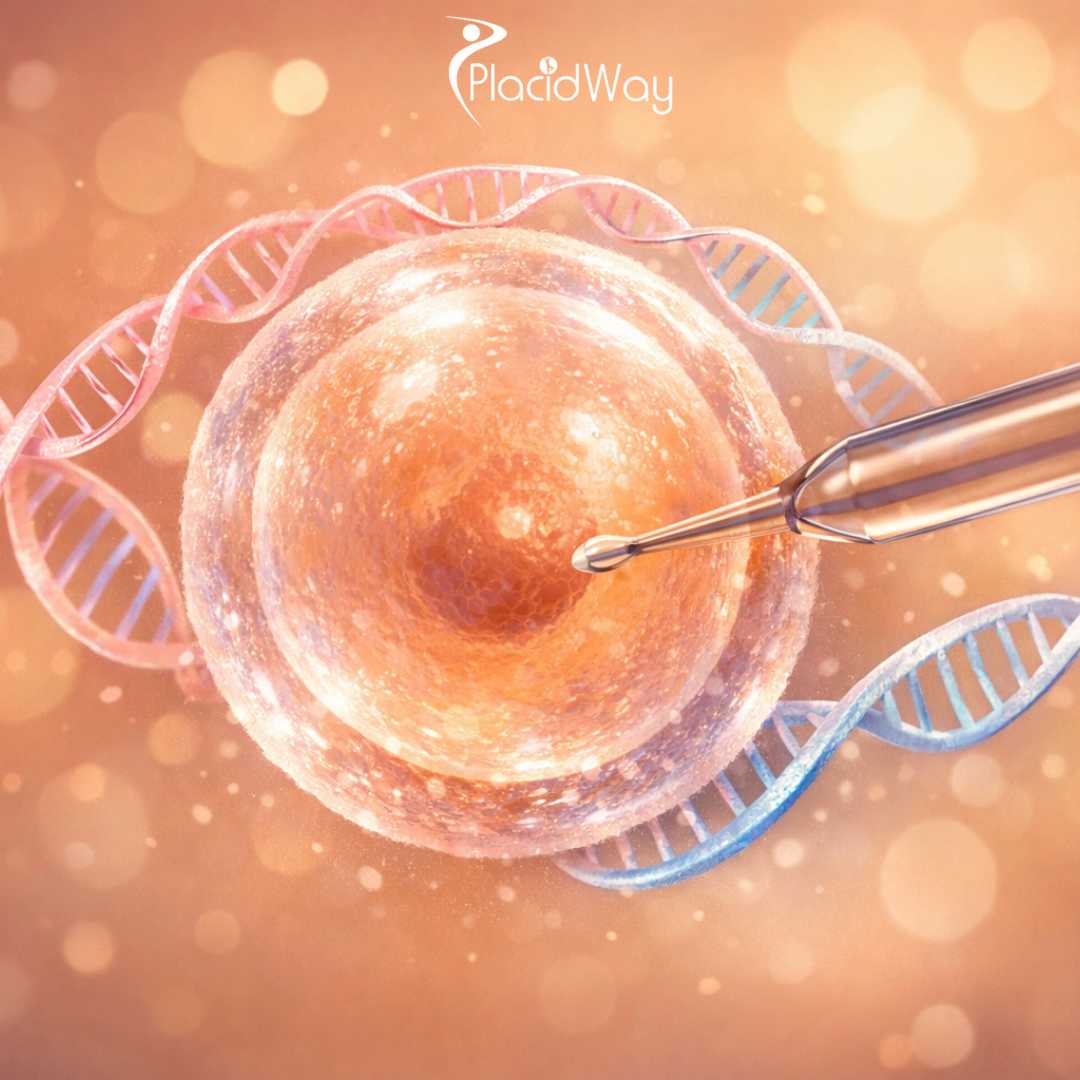
During standard IVF in Dubai, medical experts almost always perform ICSI. This micro-fertilization technique is highly effective at overcoming male factor infertility issues, such as poor motility, low sperm count, or abnormal sperm morphology.
By using specialized high-magnification instruments, embryologists can identify and select the healthiest sperm cell. By bypassing natural cellular barriers and injecting it directly into the egg, the likelihood of successful embryo development increases significantly.
Because international patients dedicate significant emotional and financial resources to their journey, local fertility clinics prioritize ICSI. This focus helps couples maximize their viable embryo yield within a single treatment cycle.
Are donor eggs or donor sperm permitted in Dubai IVF clinics?
The medical regulations in the UAE emphasize absolute biological lineage. To ensure this, all fertility procedures must exclusively utilize the genetic material of the couple undergoing treatment. Consequently, anonymous donor programs are strictly illegal.
Any clinical attempt to use third-party sperm or egg donations is met with strict legal penalties. This means that international patients seeking fertility care in the UAE must have the physiological capability to produce their own viable gametes.
For couples who require third-party donation due to severe medical conditions, alternative international destinations must be considered. However, patients are legally permitted to import their own previously frozen embryos or gametes for treatment locally.
What is the success rate of IVF treatment in Dubai for international patients?
These high success rates are achieved through a combination of cutting-edge clinical infrastructure, experienced medical staff, and advanced embryology services. Younger patients typically experience the highest success rates due to healthier ovarian reserves.
Additionally, the routine utilization of Preimplantation Genetic Testing for Aneuploidies allows clinical teams to analyze embryos for chromosomal health. Transferring only genetically normal embryos significantly lowers the risk of miscarriage and improves live birth rates.
Many clinics also utilize delayed Frozen Embryo Transfers. By letting the patient's body recover from ovarian stimulation before transferring the embryo in a natural, hormone-supported cycle, endometrial receptivity is often enhanced.
What hidden costs should international patients prepare for during IVF in Dubai?
While comparing base package prices is a helpful starting point, these fees rarely cover the entire medical process. Pre-treatment blood tests, uterine lining assessments, and required viral screenings for both partners are typically billed separately.
Hormonal stimulation medications are highly customized based on your body's response, and their high costs are usually excluded from standard cycle packages. These prescriptions can add between $1,500 and $3,000 to your overall clinical budget.
Additionally, international patients must factor in the UAE's five percent value-added tax, which applies to various medical and clinical services. It is always wise to request a comprehensive, written estimate before starting your fertility journey.
Why Choose PlacidWay for your IVF treatment journey in Dubai?
Navigating foreign medical regulations and choosing the right clinic can be a complex process. PlacidWay simplifies your experience by serving as a supportive partner in global fertility care. Here are five key reasons why patients trust PlacidWay:
- Accredited Clinic Network: We partner strictly with healthcare facilities licensed by the Dubai Health Authority, ensuring they meet rigorous safety standards.
- Vetted Fertility Specialists: We connect you with highly trained, board-certified reproductive endocrinologists with years of clinical expertise.
- Transparent Cost Structures: PlacidWay helps you access detailed, pre-negotiated treatment packages to prevent unexpected medical fees.
- Multilingual Coordination Support: Our global coordination team helps bridge communication barriers, making your clinical interactions comfortable and clear.
- Dedicated Patient Advocacy: We support you throughout the consultation process, helping you find a customized path that respects your personal preferences.
Many fertility centers in Dubai offer dedicated international patient lounges. These spaces provide seamless, direct support for coordinates, scheduling, and clinical appointments, making your medical visit highly comfortable.
Frequently Asked Questions About IVF in Dubai
Most international patients travel on a standard tourist visa or visa-on-arrival, valid for 30 to 90 days. For countries requiring pre-arranged entry, a medical tourist visa can be arranged through your registered clinic.
Yes, PGT-A for chromosomal abnormalities and PGT-M for single-gene disorders are widely available and legally performed to prevent genetic diseases and improve overall implantation success rates.
A standard fresh IVF cycle requires a stay of approximately 18 to 21 days, starting from day two of the menstrual cycle up to the embryo transfer stage.
Yes, under the updated 2023 legal amendments, surrogacy is legally permitted for non-Muslim couples, subject to local Emirate-level regulatory guidelines and parentage approvals.
Most fertility centers in Dubai set a clinical age limit of 45 to 49 years for women using their own eggs, as success rates drop significantly after this range.
Yes, both partners must undergo comprehensive screening, including ovarian reserve testing, semen analysis, and infectious disease panels for HIV, Hepatitis B, and Hepatitis C.
Unused high-grade embryos can be frozen and stored for up to five years. If no longer needed, they are left to naturally deteriorate in accordance with federal law.
Standard health insurance policies do not cover fertility treatments. However, some premium international plans offer partial coverage or riders for IVF services.
The winter months from November to March offer pleasant weather, making your recovery and clinical visits highly comfortable, though clinics operate year-round.
Patients can verify clinic credentials on the Dubai Health Authority (DHA) official portal or choose to partner with trusted platforms like PlacidWay.
Begin Your Journey to Parenthood Today
Ready to explore your options at a premier IVF clinic in Dubai? Connect with our expert advisors to find customized medical care packages designed around your clinical and financial needs.
Get a Free Quote.png)








.jpg)









Share this listing