


Why Osaka Leads in Stem Cell Care for Chinese Patients
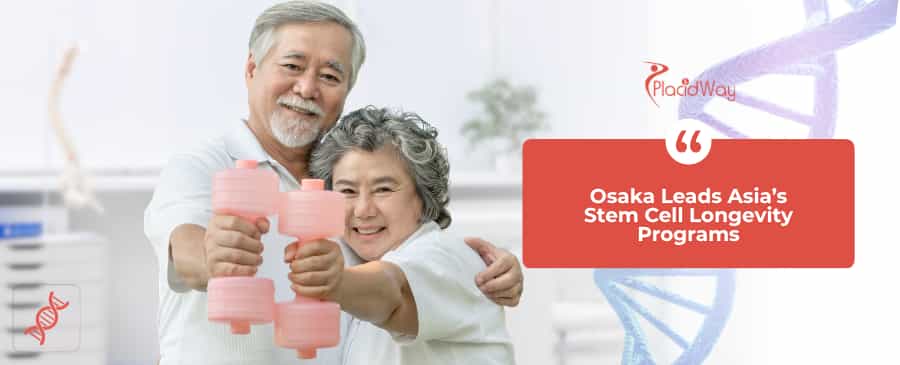
You have worked incredibly hard to build your wealth and secure your family's future, but lately, you might be noticing the undeniable signs of aging. The fatigue lingers a bit longer, your sleep isn't as restorative, and you are starting to worry that the relentless pace of your life is catching up with your physical health. You want the absolute best anti-aging and vitality treatments available. Yet, the unregulated, highly commercialized landscape of regenerative medicine at home leaves you feeling anxious. You are likely wondering, why are wealthy Chinese patients choosing Osaka for exclusive stem cell longevity programs over domestic clinics?
You are not alone in this hesitation. Handing over your health your single most valuable asset requires absolute trust. You have likely heard stories of exorbitant prices in domestic VIP clinics promising miracles without medical transparency. You deserve honest, data-backed information before making a decision. In this guide, I will walk you through exactly what makes Japanese regenerative medicine the global gold standard for anti-aging. From strict government safety laws to clear, surprising cost comparisons, you will discover the real reasons why discerning patients are quietly flying to Japan, empowering you to make a confident choice for your own vitality.
Quick Facts: Stem Cell Clinics in Japan vs China
What Exactly Is a Stem Cell Longevity Program and How Does It Work?
A stem cell longevity program is not magic, but it is the cutting edge of biological science. As we age, our natural reserve of stem cells depletes. These master cells are responsible for finding inflammation and repairing damaged tissues. By the time you are 50, your body has only a fraction of the stem cells it had at birth. Japanese regenerative medicine aims to replenish this supply.
Here is how the medical process safely unfolds in Osaka:
- Comprehensive Screening: You undergo rigorous blood work and genetic testing to ensure you are a healthy candidate. Japanese protocols do not skip this step.
- Cell Harvesting: A small amount of fat tissue (usually from the abdomen) is gently extracted under local anesthesia. This contains your dormant Mesenchymal Stem Cells (MSCs).
- Precision Culturing: In an ISO-certified, government-regulated laboratory, your cells are isolated, purified, and multiplied from a few thousand to over 100 million potent cells. This takes about 3 to 4 weeks.
- Intravenous (IV) Infusion: You return to the clinic to receive your freshly cultured cells via a comfortable IV drip. The cells travel throughout your bloodstream, seeking out inflammation and stimulating organ and tissue repair.
Unlike surface-level cosmetic treatments that just pull your skin tight, stem cell therapy works on a cellular level. It tackles the root cause of aging—cellular degradation—offering systemic benefits like improved organ function, balanced immunity, and profound energy restoration.
Why travel to Japan for stem cells instead of staying local?
Traveling abroad for a medical procedure is a big decision. But for anti-aging stem cell treatments Osaka provides benefits that simply cannot be matched by remaining at home:
- Guaranteed Cell Potency: In Japan, the law mandates strict tracking of cell viability. You receive a certificate proving you are getting 100 million live, active cells. Domestic clinics often fail to provide transparent cell counts.
- Holistic Health, Not Just Aesthetics: Japanese longevity programs focus on your internal organs, vascular health, and immune system first. The radiant, youthful appearance is a natural byproduct of internal health, rather than a superficial fix.
- Absolute Discretion and Privacy: High-net-worth individuals value their privacy. Osaka’s exclusive clinics operate on a strict appointment-only basis, ensuring you never sit in a crowded waiting room.
- Zero Commercial Pressure: Domestic VIP clinics are notorious for aggressive sales tactics and pushing unnecessary "add-on" supplements. Japanese medical culture is deeply rooted in ethics; doctors will only recommend what is scientifically justified.
- Convenient Luxury: The flight from major Chinese cities to Osaka is just 2 to 4 hours. You can recover in a serene, culturally comfortable environment with world-class hospitality, making the medical trip feel like a restorative vacation.
How much does the cost of stem cell therapy in Osaka compare to domestic options?
Let us look closely at the numbers, because this is where the biggest misconceptions lie. Many people assume that traveling to a premier Japanese clinic will be drastically more expensive. In reality, the unregulated "black market" or VIP health sector in China has artificially inflated prices to astronomical levels to create a false sense of prestige.
| Procedure | China VIP Price | Osaka Price | Savings % |
|---|---|---|---|
| Autologous Stem Cell IV (Anti-aging) | $40,000-$80,000 | $15,000-$25,000 | 40-65% |
| Targeted Joint Rejuvenation | $25,000-$40,000 | $10,000-$15,000 | 50-60% |
| Comprehensive Longevity Package (Cells + NK) | $80,000-$150,000 | $30,000-$45,000 | 60-70% |
| NK Cell Immune Therapy | $35,000-$60,000 | $12,000-$20,000 | 50-65% |
| Cell Banking (Per Year) | $5,000-$10,000 | $1,500-$3,000 | 60-70% |
Why is Japan vastly more affordable while being higher quality? It comes down to market regulation. In Japan, stem cell therapy is considered a medical treatment, with prices stabilized by a competitive, highly regulated healthcare market. You are paying for top-tier laboratory time, expert doctors, and cleanroom facilities. In China's unregulated sector, you are often paying massive marketing markups, broker fees, and "prestige pricing" designed to make the treatment seem elite, regardless of the actual medical quality.
Are Japanese stem cell quality standards really higher than domestic clinics?
I understand your fear. It is terrifying to think about injecting biological material into your body without knowing exactly where it came from or how it was handled. Safety is the primary reason wealth managers and private doctors recommend Japanese regenerative medicine to their clients.
| Quality Metric | Domestic (China) | Destination (Osaka) | Notes |
|---|---|---|---|
| Legal Oversight | Vague/Unstandardized | Strict PMDA/MHLW Laws | Japan has explicit regenerative medicine laws |
| Cell Culturing Labs | Often outsourced/unverified | ISO-Certified Cleanrooms | Japan enforces sterile lab environments |
| Cell Viability Guarantee | Rarely provided | 90-95%+ with documentation | You see your cell count on paper |
| Severe Complication Risk | Unknown | < 1% | Adverse events must be legally reported in Japan |
| Doctor Qualifications | Variable | Certified MHLW Specialists | Specialized training required |
Here is what gives Japanese clinics the definitive edge:
- Government Certification: Every facility offering stem cells in Japan must hold a Class I, II, or III certification from the Ministry of Health. You can literally look up the clinic's compliance status.
- No Animal Products: Subpar clinics often use animal serums to culture cells quickly, which raises the risk of severe allergic reactions. Top Osaka clinics use only your own blood serum (autologous serum) to multiply your cells safely.
- No Tumor Risk: Japanese labs heavily screen out any abnormal cells before multiplying them. Using your own adult mesenchymal stem cells (rather than embryonic cells) means the risk of tumor formation is effectively zero.
- Ethical Medical Culture: Japanese doctors prioritize the Hippocratic Oath. If they believe a treatment will not benefit you, or if it carries a risk, they will politely decline to treat you. You are a patient first, not a customer.
To ensure this safety, always ask to see a clinic’s MHLW certification number before making a deposit. This simple step filters out the marketing noise from the genuine medical providers.
What is the timeline and recovery time for stem cell treatments?
Because you are busy running businesses or managing your lifestyle, you do not have time for months of downtime. Stem cell therapy is remarkably minimally invasive. Here is the typical timeline:
- Trip 1: Harvesting (1-2 Days in Osaka): You arrive for your blood tests and a minor fat extraction (liposuction) from your abdomen under local anesthesia. The extraction takes less than an hour. You can fly home the next day.
- The Waiting Period (3-4 Weeks at Home): While you are back home, scientists in an Osaka cleanroom are carefully multiplying your stem cells to reach the 100 million+ count needed for maximum anti-aging benefits.
- Trip 2: Infusion (1-2 Days in Osaka): You return to the clinic to receive your cells via a relaxing IV drip, which takes about 1 to 2 hours.
- Cellular Regeneration (3-6 Months): The cells migrate to areas of inflammation, repairing tissue, improving vascular flow, and boosting energy levels. Results compound over time.
Important considerations to keep in mind:
- Travel planning: Premium clinics provide visa assistance letters to expedite your medical visa processing.
- Language barriers: Look for clinics that provide dedicated Chinese-speaking medical concierges so nothing is lost in translation.
- Follow-up care: You will be given detailed, translated medical records. Your local doctor in China can easily perform the 3-month and 6-month bloodwork check-ups.
- Immediate side effects: You might feel slightly fatigued or have a mild, low-grade fever for 24 hours after the infusion. This is normal; it is your immune system responding to the new cellular activity.
- Insurance: Anti-aging stem cell therapy is elective and not covered by health insurance. Plan to pay entirely out of pocket.
Understanding stem cell longevity candidate eligibility
Stem cell therapy is powerful, but it is not for everyone. Japanese clinics are strict about who they accept to ensure the highest safety and efficacy rates.
You are likely a great candidate if you:
- Are between 40 and 70 years old (though younger and older patients are evaluated case-by-case).
- Are experiencing chronic fatigue, brain fog, or generalized weakness.
- Have mild to moderate joint pain or osteoarthritis you wish to treat naturally.
- Want to proactively protect against age-related degenerative diseases.
- Have realistic expectations that this is a gradual, internal healing process.
- Are generally healthy without active malignant diseases.
You may need to reconsider if you have:
- Active cancer: Stem cells promote cell growth. While they don't cause cancer, they could theoretically accelerate existing tumors. A strict 5-year cancer-free window is usually required.
- Severe autoimmune diseases: Depending on the flare-up state, adding stem cells could have unpredictable immune responses.
- Active acute infections: Conditions like pneumonia or acute hepatitis must be fully resolved before treatment.
- Bleeding disorders: Since a minor liposuction is required, severe hemophilia or uncontrolled bleeding risks are disqualifiers.
- Uncontrolled severe diabetes: Poor blood sugar control severely impairs cell viability and healing.
- Pregnancy: Stem cell therapy is strictly prohibited during pregnancy and breastfeeding.
The smartest next step is an initial remote consultation. You can send your recent blood work and medical history to an Osaka clinic for review before you spend a single dollar on flights or deposits.
Frequently Asked Questions
If you are exploring Japanese regenerative medicine for the first time, you probably have a lot of practical questions about the logistics, safety, and comparisons to what you know at home. We have compiled the 12 most common questions wealthy international patients ask to help you plan confidently.
Why are wealthy Chinese patients choosing Osaka for exclusive stem cell longevity programs over domestic clinics?
Patients choose Osaka because Japan has strict, government-regulated safety standards for regenerative medicine. Osaka clinics offer transparent pricing ($15,000-$30,000) and up to 95% verified cell viability, successfully avoiding the exorbitant markups and unregulated risks frequently found in domestic VIP clinics.
Are Japanese regenerative medicine treatments safe for anti-aging?
Yes. Japan enacted the strict Act on the Safety of Regenerative Medicine (ASRM), meaning all facilities, labs, and doctors must be heavily vetted by the Ministry of Health, Labour and Welfare (MHLW). Consequently, the severe complication rate is incredibly low, at less than 1%.
What is the recovery time for stem cell treatments in Japan?
The physical recovery time for stem cell treatments via IV infusion is just 24 to 48 hours for mild fatigue or a low-grade fever. Most patients return to their normal executive activities immediately, while profound cellular regeneration continues internally for 3 to 6 months.
What happens if I experience complications after stem cell therapy in Osaka?
Reputable Japanese clinics provide post-treatment monitoring for up to 12 months. Because you use your own cells, rejection is virtually impossible. However, if minor issues arise, Japanese doctors coordinate closely with international patient liaisons to advise your local physician and manage your care safely.
Can I get stem cell therapy in Japan if I have existing health conditions?
It depends heavily on the specific condition. Active cancer, severe acute infections, or advanced autoimmune disorders generally disqualify you to ensure your safety. A thorough pre-screening via comprehensive blood tests will accurately determine your eligibility before you book your trip.
Which locations are best for stem cell anti-aging in Japan?
Osaka and Tokyo are the undisputed premier destinations. Osaka is particularly favored for its world-class certified laboratories, slightly more private and exclusive clinic environments suited for high-net-worth individuals, and exceptional, warm hospitality.
Will my local doctor in China provide follow-up care?
Yes, most local doctors can easily handle routine blood work and health checks after you return. Premium Japanese clinics provide comprehensive, medically translated reports detailing your procedure that you can seamlessly share with your private physician at home.
How do I know if Japanese stem cell clinics meet high quality standards?
You must look for clinics that explicitly hold a Class I, II, or III certification under Japan's Ministry of Health, Labour and Welfare (MHLW). Furthermore, ensure they process cells in ISO-certified cleanrooms and provide a written guarantee of cell viability post-culturing.
Is it safe to travel solo to Japan for stem cell longevity treatments?
Absolutely. Japan consistently ranks as one of the safest countries globally. Furthermore, premium clinics in Osaka offer end-to-end medical concierge services, including private airport transfers, dedicated medical translators, and hotel coordination, making solo travel entirely effortless.
How many trips to Osaka will I need for the complete stem cell process?
Most autologous (using your own cells) treatments require exactly two trips. Trip one (1-2 days) covers your consultation and fat cell harvesting. Trip two, scheduled roughly 3 to 4 weeks later (1-2 days), is for your final, multiplied stem cell infusion.
How much does the cost of stem cell therapy in Osaka compare to China?
An exclusive longevity program in Osaka costs between $15,000 and $30,000. In stark contrast, unregulated VIP clinics in China often charge $50,000 to over $100,000 for treatments lacking verified cell counts, meaning you actually save 40-70% by choosing Japan.
How do Japanese stem cell quality standards differ from those in China?
Japan strictly monitors laboratory cell viability, sterile culturing environments, and medical advertising through stringent federal laws. Domestic clinics in China often operate in a regulatory gray area, which frequently leads to inconsistent cell counts and unverified medical efficacy.
Ready to Invest in Your Longevity?
References
- International Society for Stem Cell Research (ISSCR). "Guidelines for Stem Cell Research and Clinical Translation."
- National Institutes of Health (NIH). "Mesenchymal Stem Cells in Anti-aging and Regenerative Medicine."
- PlacidWay Medical Tourism. "Stem Cell Therapy in Japan - A Complete Guide"
.png)




.png)

.png)
.png)











Share this listing