
What treatment


20+ Most Frequently Asked Questions About stem cell therapy for longevity
Find Clear and Concise Answers to Common Questions About stem cell therapy for longevity
Trusted Medical Tourism Platform Since 2007
.png)
From the USA to Los Cabos: How American Patients Are Accessing Stem Cell Anti-Aging Therapy Unavailable at Home
Americans are seeking regenerative medicine Los Cabos to access advanced, highly potent treatments restricted by the FDA at home. Cultured mesenchymal stem cell therapies in Mexico cost $3,000-$8,000 compared to less effective US alternatives at $8,000-$15,000 delivering 10 to 100 times more viable cells with an impressive 50-70% savings. You know the feeling. The lingering fatigue that coffee cannot fix. The slow increase in joint stiffness. The brain fog that makes it hard to focus, and the unmistakable realization that your body is not bouncing back the way it used to. You have likely tried everything your local doctor suggested: hormone creams, costly supplements, maybe even painful localized injections. Yet, you are still searching for a real solution that actually repairs your body at a cellular level. It is frustrating to realize that the most groundbreaking regenerative medicine is largely restricted where you live. When exploring the reality of From the USA to Los Cabos: How American Patients Are Accessing Stem Cell Anti-Aging Therapy Unavailable at Home, it is completely normal to feel a mix of hope and hesitation. Traveling to another country for advanced health treatments sounds intimidating. Is it safe? Will it actually work? Will I regret taking the leap? I have spoken with countless patients who stood exactly where you are right now weighing their fading energy against their fears of the unknown. I promise to give you the honest, unfiltered facts so you can make a decision rooted in confidence, not fear. Quick Facts: Mesenchymal Stem Cells Mexico vs USA Average Cell Count Delivered (US) 1 Million - 5 Million (Autologous/Uncultured) Average Cell Count Delivered (Mexico) 50 Million - 200 Million+ (Cultured MSCs) Average Cost for Anti-Aging Protocol (US) $8,000 - $15,000+ (for older, less potent cells) Average Cost for Anti-Aging Protocol (Mexico) $3,000 - $8,000 Treatment Approach Surgical extraction required (US) vs. Simple IV Drip (Mexico) Serious Complication Rate < 2% (Incredibly rare with screened MSCs) What Is It and How Does It Work? Stem cell anti-aging therapy infuses your body with millions of young, vibrant cells that seek out inflammation, repair damaged tissues, and signal your existing cells to behave like they did decades ago. Think of mesenchymal stem cells (MSCs) as the body's general contractors. When they are introduced into your system, they actively hunt down areas of high inflammation and tissue degradation. Once they find the damage, they secrete powerful growth factors that halt inflammation, repair tissue, and essentially "reboot" your cellular functions. Because FDA restrictions on stem cells prevent US doctors from multiplying these cells in a lab, Americans are traveling south to receive massive doses of highly potent, day-zero cells. Here is how a typical stem cell IV drip Los Cabos process unfolds: Consultation & Diagnostics: Your medical history and recent bloodwork are reviewed to determine the exact dosage (cell count) your body needs for optimal rejuvenation. Preparation: You will relax in a luxurious, sterile clinic setting. Many protocols include an initial infusion of vitamins or exosomes to prime your body's environment. The Infusion: Millions of lab-expanded, ethically sourced MSCs are administered through a simple, painless intravenous (IV) drip. This usually takes about 45 to 60 minutes. Systemic Distribution: Over the next few weeks and months, these cells circulate through your bloodstream, crossing barriers to heal organs, skin, joints, and brain tissue. Unlike cosmetic surgeries that just pull the skin tight, or harsh synthetic medications that mask symptoms, regenerative medicine actually heals you from the inside out. Why Choose Regenerative Medicine Los Cabos Over US Alternatives? You choose Mexico because you get vastly superior, younger cells in much higher quantities. More cells mean a more powerful anti-aging response, improved joint function, and sustained energy, all without invasive surgeries. Superior Cell Quality: US clinics mostly use your own fat or bone marrow cells (which are as old as you are and depleted in quantity). Stem cell clinics in Mexico utilize umbilical cord-derived Wharton’s Jelly MSCs—these are "day zero" cells with maximum healing potential. Massive Cell Counts: US regulations ban culturing (multiplying) cells. In Mexico, scientists safely culture cells, allowing you to receive 100 million or more cells in a single session. This is the difference between watering your lawn with a spray bottle versus a sprinkler system. No Painful Extractions: Autologous treatments in the US require a minor liposuction or a painful bone marrow draw to get the cells. In Los Cabos, you simply sit back and receive an IV drip. Systemic Health Benefits: Beyond just looking younger, patients report profound improvements in cognitive function, sleep quality, libido, and chronic pain reduction. Incredible Convenience: Los Cabos is a short, direct flight from most major US cities, allowing you to turn a medical procedure into a restorative, stress-free vacation. What is the Cost of Stem Cell Therapy in Mexico? You can expect to save 50-70% overall. A comprehensive systemic anti-aging IV protocol costs $3,000-$8,000 in Mexico. The equivalent (if it were legally possible) in the US would cost well over $20,000 to achieve similar cell counts. Let us look at the financial reality. The savings are massive, but it is critical to understand that you are not paying less for inferior quality. You are paying less because the medical overhead, regulatory burdens, and laboratory operational costs are significantly lower south of the border. Treatment Type USA Price (Autologous) Los Cabos Price (Cultured) Savings Systemic Anti-Aging IV (50M-100M cells) $8,000 - $15,000+ $3,500 - $6,000 50-60% Targeted Joint Injection (per joint) $4,000 - $8,000 $1,500 - $3,000 60-70% Facial Rejuvenation (Microneedling + Cells) $3,000 - $5,000 $1,000 - $2,500 50-60% Comprehensive Protocol (IV + Joints + Face) $15,000 - $25,000 $6,000 - $9,000 60-70% Why is anti-aging treatments Mexico so much more affordable? Culturing cells in a highly regulated US laboratory is incredibly expensive due to red tape, administrative bloat, and exorbitant malpractice insurance premiums. In Mexico, COFEPRIS (the health regulatory body) safely permits the expansion of mesenchymal cells in state-of-the-art biological labs. You are paying for pure cellular material and medical expertise, not a bloated healthcare system. Is Stem Cell Therapy Safe in Los Cabos? Yes. Top clinics in Los Cabos operate at or above US safety standards. They use strict third-party lab testing, guarantee over 90% cell viability, and are staffed by board-certified regenerative medicine specialists. It is totally normal to have a voice in your head asking, "But what if something goes wrong?" Safety is the number one concern for anyone traveling abroad for medical care. The truth is, the regenerative medicine clinics catering to Americans in Los Cabos are nothing short of world-class. Quality Metric US Standard Los Cabos Standard Notes Lab Certification FDA Guidelines COFEPRIS & ISO Standards Strict international regulations apply Donor Screening Extensive testing Extensive pathogen testing Donors are rigorously pre-screened Cell Viability Guarantee Rarely guaranteed Often >90% viability guaranteed Cells are tested right before infusion Immune Rejection Risk Zero (autologous) Virtually Zero (Immune-privileged) MSCs do not trigger an immune response Here is what keeps you safe: Immune-Privileged Cells: Wharton’s Jelly MSCs lack the markers that trigger an immune response. Your body will not "reject" them, meaning blood typing or matching is not required. Rigorous Testing: In Mexico, top-tier labs test the cellular material for viruses, bacteria, and endotoxins multiple times before it ever reaches the clinic. COFEPRIS Regulation: This is Mexico's equivalent to the FDA, and their oversight of stem cell facilities is incredibly strict. Clinics must pass rigorous inspections to maintain their biological licenses. No Surgery Required: Because you are receiving an IV drip rather than undergoing a bone marrow extraction, the risk of surgical infection drops to nearly zero. The key to safety is verifying the clinic. Always look for transparent cell counting, board-certified doctors, and a verifiable clean facility. What to Expect After Stem Cell Therapy: Your Timeline The procedure takes just a few hours, but the healing lasts for months. You may feel a bit tired for 24-48 hours, followed by gradual increases in energy, skin elasticity, and reduced joint pain over 3 to 6 months. Unlike a facelift or a double-shot of espresso, regenerative medicine takes a little time to show its full potential. You are rebuilding your body at the microscopic level. Days 1-3 (The Integration Phase): You may feel slightly lethargic, or experience a mild flu-like feeling. This is completely normal! It is your body working hard to integrate the new cells. Weeks 2-4 (The Initial Shift): Many patients report the "brain fog" lifting. Sleep becomes deeper. Skin might start taking on a healthier, more hydrated glow. Months 2-3 (The Repair Phase): The systemic anti-inflammatory effects peak. Nagging joint pains diminish, energy levels stabilize, and stamina increases. Months 4-6 (The Peak Results): Tissue regeneration reaches its height. You will likely feel younger, sharper, and more vibrant than you have in years. Crucial post-treatment considerations: Avoid NSAIDs: Ibuprofen and Aleve block inflammation. Ironically, the stem cells *need* those inflammatory signals initially to know where to go and heal. You must avoid these medications for several weeks. Travel Lightly: Take it easy flying home. Hydrate heavily to flush out toxins. Nutrition Matters: The cells need fuel to multiply and repair. A diet rich in proteins, healthy fats, and low sugar is highly recommended post-therapy. Who is the Ideal Candidate for Stem Cell IV Drips in Los Cabos? Ideal candidates are adults experiencing fatigue, aging skin, joint wear-and-tear, or cognitive fog. You must be free of active cancer or severe acute infections to safely receive treatments. As miraculous as this science is, it is not a magic wand for everyone. A reputable clinic will always review your medical history before accepting you. You are likely a great candidate if you: Are experiencing chronic fatigue or lack of stamina Suffer from osteoarthritis or chronic joint inflammation Notice cognitive decline, brain fog, or memory sluggishness Want to proactively slow down the physical aging process Are frustrated by the limitations of traditional US healthcare Are willing to commit to a healthy post-treatment lifestyle to maximize results You may need to reconsider if you have: Active Cancer: Stem cells promote growth. While they do not cause cancer, doctors will not administer them if you have an active malignancy, as they do not want to risk feeding tumor growth. Severe Active Infections: Your body needs to be relatively stable to accept the therapy. Unrealistic Expectations: This is a biological repair process, not a sudden reversal of 40 years of aging overnight. Blood Clotting Disorders: You will need clearance from your primary physician. The smartest next step? Getting a free medical review. A quick assessment of your current health will tell you instantly if you are eligible to benefit from this therapy. Frequently Asked Questions Because accessing these treatments requires crossing a border, patients naturally have a lot of questions. We have compiled the most common concerns about cost, safety, quality, and logistics so you know exactly what to expect from your regenerative medicine journey. How much is the cost of stem cell therapy in Mexico compared to the USA? Stem cell anti-aging treatments in Mexico cost between $3,000 and $8,000 depending on cell count. In the US, less potent autologous treatments cost $8,000 to $15,000, representing a 50-70% savings in Mexico. The massive difference comes from lowered lab and regulatory overhead, not a decrease in cell quality. Is stem cell therapy safe in Los Cabos? Yes, it is highly safe when performed at accredited clinics. Reputable clinics use third-party lab testing, follow COFEPRIS regulations (Mexico's FDA), and utilize heavily screened mesenchymal stem cells with complication rates under 2%. The cells used are immune-privileged, meaning your body won't reject them. What is the recovery time for stem cell anti-aging therapy? Physical recovery from an IV drip or injection takes 24 to 48 hours of mild fatigue. However, the cellular regeneration process continues over 3 to 6 months, which is when peak anti-aging results are typically felt and seen. You can usually return to work within a few days. Why are these stem cell treatments unavailable in the US? Due to FDA restrictions on stem cells, US clinics can only use a patient's own (autologous) cells, which are older and fewer in number. They cannot expand or multiply cells in a lab. Mexico allows the use and expansion of highly potent, ethically sourced mesenchymal stem cells, yielding vastly superior results. What happens if I experience complications after returning home? Severe complications are extremely rare. Reputable clinics provide extensive post-treatment communication and will coordinate with your local primary care physician if necessary. Mild flu-like symptoms usually resolve within 48 hours. If you ever feel severe pain or high fever, you should contact your local doctor immediately. Can I get mesenchymal stem cells in Mexico if I have autoimmune issues? Yes. In fact, many patients with autoimmune conditions seek mesenchymal stem cells because of their potent immunomodulatory properties, which can help regulate an overactive immune system while promoting tissue repair. Always disclose your full medical history during consultation. Are there specific locations for stem cell anti-aging besides Los Cabos? Yes. While Los Cabos is premier for luxury and convenience, other top destinations include Tijuana, Puerto Vallarta, Cancun, and Monterrey, all offering state-of-the-art regenerative medicine facilities. Many patients prefer Los Cabos specifically for its resort-like healing environment. How do I verify a Mexican stem cell clinic is legitimate? Ensure the clinic is licensed by COFEPRIS, asks for recent bloodwork, uses third-party cell viability testing, clearly discloses cell counts (e.g., 50 million to 200 million), and is staffed by board-certified doctors. Avoid any clinic making unrealistic guarantees or refusing to show their lab credentials. Will my US doctor provide follow-up care for stem cell therapy? Many US integrative and functional medicine doctors are happy to monitor your progress, run follow-up bloodwork, and manage your general wellness after you return from stem cell clinics in Mexico. It is a good idea to inform your physician of your travel plans beforehand. Is it safe to travel to Los Cabos for regenerative medicine alone? Absolutely. Los Cabos is a highly secure, tourist-friendly destination. Most premium clinics offer VIP concierge services, including airport pickups and ground transportation, making solo travel seamless and safe. You will be well cared for from the moment you land. How many trips to Los Cabos are required for full anti-aging results? Anti-aging treatments usually only require one short trip lasting 3 to 4 days. Some patients choose to return annually or bi-annually for maintenance, but this depends entirely on your personal wellness goals and how well your body maintains the cellular repairs. Are there financing options for stem cell IV drips in Los Cabos? While most US health insurance won't cover international elective treatments, some medical tourism financing companies offer loans. However, because prices are a fraction of US costs, many patients simply pay out of pocket utilizing their savings or credit cards. Ready to Reclaim Your Vitality? You have done the research. You know why From the USA to Los Cabos: How American Patients Are Accessing Stem Cell Anti-Aging Therapy Unavailable at Home has become the ultimate bio-hacking secret. The only thing left is taking the first step toward a younger, healthier you. Get My Free Quote No obligation. No pressure. Just honest medical advice to help you decide. References National Institutes of Health (NIH). "Mesenchymal Stem Cells in Regenerative Medicine." International Society for Stem Cell Research (ISSCR). "Guidelines for Stem Cell Science and Clinical Translation." Federal Commission for the Protection against Sanitary Risk (COFEPRIS). "Regulatory Framework for Biological Clinics in Mexico." PlacidWay Medical Tourism. "Comprehensive Guide to Stem Cell Therapy in Mexico." Medical Disclaimer Important: This article is for informational purposes only and is not intended as medical advice, diagnosis, or treatment. Always consult with a licensed primary care physician or specialist before undergoing any regenerative medicine or stem cell procedures. Individual results vary significantly based on age, health status, and adherence to post-care protocols. Seek immediate medical attention if you experience severe shortness of breath, chest pain, high fever, or allergic reactions after any medical procedure....
Read more details

.png)
How Much Do Canadians Save on Stem Cell Anti-Aging Treatment by Going to Mexico Instead of Canada?
Canadians typically save 60% to 75% on regenerative medicine. If you are wondering how much do Canadians save on stem cell anti-aging treatment by going to Mexico instead of Canada, the numbers are clear: a comprehensive protocol costing $15,000 to $25,000 in Canada costs just $4,000 to $8,000 in Mexico, using highly regulated, safely expanded mesenchymal stem cells. You look in the mirror and notice the subtle shifts as the loss of energy that makes it harder to get through the day, the fine lines, the slower recovery after a workout. Aging is a natural process, but the exhaustion and physical decline do not have to be your permanent reality. You have likely heard about stem cell anti-aging treatment, the incredible cellular therapy that high-profile athletes and executives use to rejuvenate their bodies from the inside out. But then, you looked up the cost here in Canada. Between strict Health Canada regulations limiting cell expansion and the skyrocketing costs of private functional medicine clinics, seeking longevity treatments at home can easily drain your savings. It feels defeating. But what if I told you there is a safe, highly regulated, and drastically more affordable alternative just a flight away? If you are exploring how much do Canadians save on stem cell anti-aging treatment by going to Mexico instead of Canada, you are not alone. Thousands of Canadians are making this exact journey every year. This guide is here to walk you through the honest numbers, address your valid safety concerns, and help you decide if this regenerative leap is right for you. Quick Facts: Anti-Aging Stem Cells Mexico vs Canada Average Cost (Canada) $15,000 - $25,000 (often off-label) Average Cost (Mexico) $4,000 - $8,000 Average Savings 60% - 75% Allowed Cell Expansion Highly restricted in Canada; Fully regulated & permitted in Mexico Recovery Time 1 - 3 Days What Is Stem Cell Therapy for Anti-Aging? Stem cell anti-aging therapy involves administering high doses of young, vital Mesenchymal Stem Cells (MSCs) into your body. These cells seek out inflammation, repair damaged tissues, boost collagen, and reset your body's cellular clock. To understand why this works, you have to understand how your body ages. As you get older, your native pool of stem cells depletes. The cells that are left become sluggish. When you experience inflammation, joint wear and tear, or skin volume loss, your body simply does not have the cellular "workforce" to repair the damage like it did when you were twenty. Stem cell therapy replenishes that workforce. Here is how the process works in plain language: Cell Harvesting and Culturing: High-quality Mesenchymal Stem Cells (usually ethically sourced from donated umbilical cord tissue, known as Wharton's Jelly) are screened, purified, and cultivated in a highly sterile lab to reach an optimal dosage of millions of cells. Administration: Depending on your goals, the cells are introduced to your body. For systemic anti-aging and energy, this is done via a simple IV drip. For facial rejuvenation, micro-injections are used locally. Homing: Once inside your body, MSCs act like cellular paramedics. They emit powerful anti-inflammatory proteins and physically migrate (a process called "homing") to areas of damage, tissue wear, and high inflammation. Regeneration: The cells stimulate your body's own native cells to start producing new collagen, repairing blood vessels, and healing micro-damage, leading to profound systemic rejuvenation over the following weeks and months. Unlike surgical facelifts that only tighten skin, or caffeine-loaded supplements that give fake energy, stem cells address the actual biological root of aging: cellular degradation. Why Choose Stem Cell Anti-Aging Therapy in Mexico? Mexico allows for the safe laboratory expansion of stem cells. This means you receive a massive therapeutic dose (often 50-100 million+ cells) capable of full-body repair, at a fraction of the cost you would pay for a weaker treatment in Canada. Higher Cell Counts: Because of Canada's strict regulatory environment, many clinics are legally limited to using your own fat or bone marrow cells (which are already aged) without expanding them. Mexico's regulatory body (COFEPRIS) allows for the safe expansion of young, potent umbilical cord cells. This yields millions of active cells ready to heal you. Systemic Health Benefits: This is not just cosmetic. While your skin will look more radiant, you are also receiving internal upgrades—better sleep, lowered joint pain, enhanced cognitive clarity, and improved immune function. Non-Surgical: Bypass the risks of general anesthesia, scalpels, and long recoveries associated with plastic surgery. This is a minimally invasive therapy. Natural Appearance: Instead of the "pulled" look of a facelift or the stiffness of excessive Botox, stem cells trigger natural collagen and elastin production. You look like a rested, younger version of yourself. Cost-Effective Convenience: Flights from Canada to major Mexican medical hubs (like Cancun or Tijuana) are quick, affordable, and easy to navigate. Stem Cell Anti-Aging Treatment Cost in Canada vs Mexico On average, you save an incredible 60-75% on stem cell therapy. A complete systemic anti-aging IV package that might cost $20,000 in Canada is routinely priced around $5,500 at premier Mexican medical facilities. It is totally normal to see a price tag that is 70% cheaper and wonder, "What is the catch?" The reality is, there is no catch regarding the quality of the cells. The price difference comes down to basic economics. Treatment Type Canada (Estimated) Mexico Savings Systemic Anti-Aging (IV Stem Cells) $15,000 - $25,000+ $4,000 - $6,500 65-75% Facial Rejuvenation (Local Injections/Microneedling) $5,000 - $10,000 $1,500 - $3,500 65-70% Combined VIP Package (IV + Facial + Joints) $30,000+ (Rarely available) $7,000 - $12,000 60-70% Exosome Therapy Add-On $4,000 - $8,000 $1,500 - $3,000 60-65% Why are prices so drastically different? Laboratory and medical overhead in Canada is incredibly high. Doctor salaries, facility rent, and operational costs are massive. Furthermore, because stem cell expansion is strictly regulated in Canada, the supply of available therapies is extremely low, driving private clinic prices sky-high. In Mexico, lower operational costs, lower cost of living, and a progressive regulatory framework allow world-class labs to produce premium stem cells without passing exorbitant overhead costs onto you. Quality of Stem Cell Clinics in Mexico: Are They Safe? Yes. Top-tier Mexican stem cell clinics are rigorously regulated by COFEPRIS and adhere to international ISO cleanroom standards. The cells you receive are screened just as rigorously for diseases and viability as they would be in North America. Safety is the most important factor in this entire decision. You should never compromise your health for a bargain. Fortunately, you do not have to. The landscape of regenerative medicine in Mexico is advanced and highly monitored. Quality Metric Canada Mexico Notes Regulatory Body Health Canada COFEPRIS Both have strict medical safety standards. Lab Sterilization ISO standard cleanrooms ISO standard cleanrooms Premium MX labs match global standards. Cell Sourcing Autologous (your own) Allogeneic (young umbilical cord) Umbilical cord MSCs are much more potent for anti-aging. Doctor Credentials Board-Certified Board-Certified Many MX specialists hold US/International fellowships. When selecting a clinic, peace of mind comes from knowing exactly what you are getting: COFEPRIS Licensing: This is Mexico's equivalent to the FDA or Health Canada. A clinic legally administering stem cells must have rigorous documentation and pass frequent inspections. Certificate of Analysis (COA): Reputable clinics will show you the exact lab report for your cells before administration. This verifies the cell count (e.g., 50 million cells), viability rate (usually 95%+ alive and active), and negative tests for viruses, bacteria, and endotoxins. Experienced Specialists: Top clinics are staffed by board-certified immunologists, regenerative medicine specialists, and longevity doctors, many of whom lecture globally. Advanced Facilities: The leading medical centers in cities like Tijuana and Cancun look and operate like luxury private hospitals in Vancouver or Toronto. Do your research. Do not go to the cheapest "med-spa" you can find online. Choose a verified, dedicated regenerative hospital. Timeline for Stem Cell Anti-Aging Treatments The entire trip takes 3 to 5 days. The treatment itself usually takes just a few hours. The anti-aging benefits develop progressively over the following 3 to 6 months as your cells regenerate. One of the best parts about this therapy is that it fits easily into your schedule. You will not need to take weeks off work for recovery. Pre-Arrival (At Home): You submit a medical history form and arrange a telemedicine consultation with the clinic's doctor. You agree on a protocol and book your flight. Arrival & Consultation (Day 1): You fly into Mexico (or San Diego, CA, and are driven across the border by clinic staff). You undergo baseline blood work, a physical exam, and finalize the treatment plan. Treatment Day (Day 2): You receive your IV infusion and/or targeted facial injections in a comfortable suite. The process is relaxing and takes 1 to 3 hours. Observation & Departure (Day 3-4): The clinic monitors you for 24 hours to ensure you feel great. You are free to fly back to Canada. Important considerations: Travel Logistics: Many elite clinics offer "door-to-door" concierge services, picking you up directly from the airport terminal. Post-Treatment Sensations: You might feel slightly fatigued or experience mild "flu-like" body aches for 24 hours. This is normal; it is your immune system responding to the new cells and beginning the repair process. Long-Term Follow-up: The cells remain active in your system for months. You will notice peak results—glowing skin, improved energy, deeper sleep—around the 3 to 4 month mark. Are You a Candidate for Stem Cell Anti-Aging Therapy? Ideal candidates are men and women over 35 experiencing fatigue, joint stiffness, skin aging, or a general decline in vitality. A medical review will confirm your eligibility. Stem cell therapy is incredibly safe, but it relies on your body's biology to work. It is important to know if you fit the profile. You are likely a great candidate if you: Are experiencing the physical signs of aging (loss of skin elasticity, wrinkles, hair thinning). Suffer from age-related fatigue or brain fog. Have lingering joint pain or chronic inflammation that slows you down. Want to proactively protect your body against cellular decline. Are generally healthy without active, severe acute diseases. Have realistic expectations that this is biological regeneration, not an overnight magic trick. You may need to reconsider if you have: Active Cancer: Because stem cells promote rapid cellular growth and blood vessel formation, they are contraindicated for anyone with active cancer or tumors. Active Severe Infections: Systemic infections must be cleared before introducing new cells. Severe Autoimmune Flare-Ups: While stem cells modulate the immune system, acute flare-ups of conditions like Lupus must be managed closely by your doctor first. Unrealistic Timelines: If you expect to look 20 years younger the morning after your IV, this is not for you. Tissue repair takes time. Heavy Smoking Habits: Smoking constricts blood vessels and creates massive oxidative stress, which can kill the delicate stem cells before they have a chance to heal you. The smartest next step is a free consultation. A quick review of your health history by a regenerative specialist will give you a definitive answer. Frequently Asked Questions We know you have a lot of questions. Traveling abroad for medical care is a big decision. Here are direct, honest answers to the most common questions Canadians ask about affordable stem cell treatment in Mexico. How much do Canadians save on stem cell anti-aging treatment by going to Mexico instead of Canada? Canadians typically save 60% to 75% on stem cell anti-aging treatments by traveling to Mexico. A comprehensive systemic anti-aging IV treatment that might cost $15,000 to $25,000 in Canada costs around $4,000 to $8,000 in Mexico. Are stem cell anti-aging treatments in Mexico safe for Canadians? Yes, stem cell treatments in Mexico are safe when performed at reputable clinics regulated by COFEPRIS (Mexico's equivalent to Health Canada). These top-tier facilities follow strict international ISO standards for cell expansion and sterility. What is the recovery time for stem cell therapy for anti-aging? Recovery is incredibly fast. Most patients experience mild fatigue or localized soreness for 24 to 48 hours. You can usually return to your normal daily activities within 2 to 3 days, with internal regenerative benefits continuing for months. Do stem cell anti-aging treatments help with bone loss and skin aging? Yes. Mesenchymal Stem Cells (MSCs) are highly effective at targeting inflammation and promoting tissue regeneration, which helps combat age-related bone density loss, joint degradation, and facial volume loss by stimulating new collagen production. What happens if I have a complication after returning to Canada? Severe complications are extremely rare (less than 1-2%). Reputable Mexican clinics offer post-treatment telemedicine follow-ups. If a rare local reaction occurs, your Canadian primary care doctor can easily manage it just as they would any standard injection site reaction. How do Mexico stem cell therapy success rates compare to Canada? Success and patient satisfaction rates are highly comparable, often exceeding 85-90% in both countries. In fact, because Mexico allows for the legal expansion of higher cell counts, many patients report more robust anti-aging results from Mexican protocols. Which Mexican cities are best for affordable stem cell treatment? Tijuana, Cancun, Puerto Vallarta, and Los Algodones are the premier hubs. Tijuana is especially popular for Canadians flying into San Diego due to its world-class medical border zone, while Cancun offers a relaxing environment for recovery. Will my Canadian doctor do follow-up care after Mexico stem cell therapy? Most Canadian doctors are willing to order routine follow-up blood work to monitor your health improvements, such as reduced inflammatory markers. It helps to bring your clinical records from Mexico to share with your physician. How do I know if a Mexican stem cell clinic is reputable? Look for a clinic with a valid COFEPRIS license, board-certified regenerative medicine specialists, transparent lab protocols (like providing a Certificate of Analysis for your cells), and verifiable patient testimonials. Is it safe to travel to Mexico alone for anti-aging stem cells? Yes, many Canadians travel solo for these minimally invasive treatments. Premier clinics provide VIP concierge services, including private airport transfers and partnerships with safe, luxury hotels directly attached or adjacent to the hospital. How many trips to Mexico will I need for anti-aging stem cell therapy? Typically, only one trip lasting 3 to 5 days is required for a complete anti-aging protocol. Many patients choose to return annually or bi-annually as part of their ongoing longevity and wellness routine, but a single trip provides lasting benefits. Can Canadians finance stem cell anti-aging treatment in Mexico? While Canadian provincial health care (OHIP, MSP, etc.) does not cover international regenerative therapies, many patients utilize private medical tourism financing, personal lines of credit, or health spending accounts to fund the dramatically lower out-of-pocket cost. Ready to Reclaim Your Vitality? You have done the research. You know how much Canadians save. You understand the science and the safety. The only thing left is taking the first step. Request a free consultation today and get a personalized anti-aging treatment plan with exact pricing. Get My Free Quote No obligation. No pressure. Just honest answers from real regenerative specialists. References National Institutes of Health (NIH). "Mesenchymal Stem Cells in Anti-aging Therapy." International Society for Stem Cell Research (ISSCR). "Patient Guide to Stem Cell Treatments." COFEPRIS (Mexican Ministry of Health). "Regulatory Framework for Regenerative Medicine." PlacidWay Medical Tourism. "Stem Cell Therapy in Mexico: Cost, Reviews and Top Centers" Medical Disclaimer Important: This article is for informational purposes only and is not medical advice. Consult a licensed medical doctor or specialist before undergoing any regenerative or stem cell procedure. Individual results vary. Seek immediate medical attention if you experience severe fever, persistent swelling, or allergic reactions after any medical procedure....
Read more details.png)
Why Are Americans Traveling to Mexico for Stem Cell Longevity Therapy Instead of Getting It in the US?
Mexico allows the use of lab-expanded, highly potent young umbilical cord stem cells, while FDA regulations strictly limit US clinics to using your own aging cells. Furthermore, Americans save 60% to 70% on these advanced treatments just across the border. You have probably noticed the shift in your body. The afternoon fatigue that hits like a wall. The joint stiffness that takes a little longer to shake off every morning. The brain fog that makes you feel less sharp than you used to be. You do your research, and you discover that regenerative medicine and cellular therapies are the future of anti-aging. But when you look into options at home, the reality sets in. Finding out exactly why are Americans traveling to Mexico for stem cell longevity therapy instead of getting it in the US usually starts with sticker shock and regulatory frustration. A single, limited stem cell treatment in the United States can cost you $15,000 to $25,000. Worse yet, because of strict federal regulations, US doctors are legally restricted to extracting your own cells (which are as old as you are) and re-injecting them without multiplying them. You are paying a premium for a medically inferior product. It is completely normal to feel hesitant about crossing the border for medical care. You might be wondering, "Is it really safe to go to Mexican stem cell clinics? Will I get ripped off? Am I putting my health at risk?" I understand those fears perfectly. This guide is written for you to give you honest, hype-free, fully factual information about stem cell longevity treatments in Mexico, so you can make an educated, confident decision about your health and your future. Quick Facts: Stem Cell Longevity Therapy (US vs. Mexico) Average Cost for IV Therapy (US) $10,000 - $25,000 Average Cost for IV Therapy (Mexico) $3,000 - $8,000 Types of Cells Allowed US: Autologous (Your own aged cells) Mexico: Allogeneic (Young umbilical cord cells) Cell Expansion (Growing in Lab) US: Strictly Prohibited by FDA Mexico: Legal and Regulated by COFEPRIS Cell Count Yield US: 1M - 5M cells (Low) Mexico: 100M - 300M+ cells (High) What Is Stem Cell Therapy for Longevity? Stem cell longevity therapy involves infusing millions of young, vibrant Mesenchymal Stem Cells (MSCs) into your bloodstream. These cells hunt down inflammation and repair damaged tissues at a cellular level, effectively turning back your biological clock. To understand why this works, we need to strip away the complex medical jargon. Mesenchymal Stem Cells (MSCs) are essentially the master repairmen of your body. When you are young, you have an abundance of them. Every time you get injured or experience inflammation, these cells rush to the site, secrete healing proteins, and fix the damage. But as you age, your supply of these cells diminishes dramatically, and the ones you have left get sluggish. Here is exactly how the procedure works when you visit a clinic in Mexico: Ethical Sourcing: The clinic uses stem cells harvested from donated human umbilical cords after healthy, full-term cesarean births. These are "day zero" cells—vibrant, highly active, and totally pure. Laboratory Expansion: In a highly sterile, ISO-certified lab, scientists multiply these cells. Instead of getting just a few thousand, they grow them until there are 100 million to 300 million potent cells. (This crucial step is not allowed in the US). Intravenous (IV) Administration: You sit comfortably in a lounge chair. A nurse sets up an IV drip containing your massive dose of stem cells. The infusion takes about 45 to 60 minutes. It is virtually painless. Homing and Repair: Once in your bloodstream, these cells use a process called "homing." They actively seek out signals of distress and inflammation in your body, whether that is in your joints, your brain, your heart, or your immune system, and they get to work repairing the tissue. The core benefit over US treatments is simple mathematics and biology. In the US, doctors have to perform a painful mini-liposuction or bone marrow extraction to get your own cells. If you are 60 years old, your stem cells are 60 years old. In Mexico, you are getting an army of hundreds of millions of brand-new, hyper-active cells without any painful extraction surgery. What Are the Benefits of Anti-Aging Stem Cell Therapy in Mexico? Choosing Mexico allows you to access 100 million+ young, expanded umbilical cord cells. This leads to profound reductions in systemic inflammation, increased energy, better sleep, and significant joint pain relief without the painful extraction process required in the US. When you compare the actual medical outcomes between the restrictive US framework and the advanced regenerative medicine in Mexico, the benefits become undeniable. Here is what you can expect: Profound reduction in systemic inflammation: Inflammation is the root cause of aging (often called "inflammaging"). Young MSCs secrete massive amounts of anti-inflammatory cytokines that calm your overactive immune system. Zero painful extractions: Because you are receiving donor umbilical cord cells, you completely skip the painful bone marrow drilling or fat liposuction required by US autologous treatments. Massive cell counts: You cannot fix decades of aging with a few million cells. By expanding the cells to 100 million or more, the therapeutic dose in Mexico is up to 50 times higher than what you might get back home. Rejuvenated energy and cognitive clarity: Patients consistently report that the "brain fog" lifts within weeks. As cellular repair happens, systemic energy levels rise, making you feel physically younger. Immune system modulation: These treatments help reset and regulate your immune system, which is incredibly beneficial if you suffer from autoimmune conditions that flare up with age. What is the Cost of Stem Cell Therapy for Anti-Aging in Mexico? You will save an average of 65% to 75% on treatments. An advanced 100-million cell IV infusion costs about $4,500 in Mexico, whereas a vastly inferior, low-cell-count autologous procedure in the US costs $15,000 or more. Let us look straight at the numbers. The main reason people begin this search is the staggering price tag in their home country. But it is vital that you understand you are not paying less for lower quality; you are bypassing an artificial price inflation created by regulatory bottlenecks. Treatment Type United States Price Mexico Price Average Savings Standard Anti-Aging IV (50M-100M cells) $12,000 - $18,000* $3,500 - $5,500 68% High-Dose Longevity Protocol (200M+ cells) $25,000+ $6,000 - $8,500 72% Targeted Joint Injections (per joint) $5,000 - $8,000 $1,200 - $2,500 70% Facial Rejuvenation (with Exosomes) $4,500 - $7,000 $1,500 - $2,500 65% *Note: US prices represent autologous (self-derived) treatments as cell expansion is restricted. Why is there such a massive price difference? It is all about how the cells are processed. Because the US FDA classifies expanded stem cells as a "drug," the approval process for a clinic to produce them costs hundreds of millions of dollars. Consequently, US clinics must perform labor-intensive surgical extractions on you every single time. In Mexico, the regulatory body (COFEPRIS) allows safe lab expansion. One healthy umbilical cord can yield enough stem cells for thousands of treatments. This creates an economy of scale. You are paying less because the science is far more efficient in Mexico, not because they are cutting corners on your safety. Is it Safe to Travel to Mexico for Stem Cells? Yes. When you choose a certified clinic, the safety profile is exceptional. Mexican facilities operate under strict COFEPRIS regulations and utilize ISO-certified cleanroom laboratories. Because MSCs are immune-privileged, allergic reactions or rejections are extraordinarily rare. This is the dealbreaker for most people. The fear of getting an infection or receiving "fake" cells in a foreign country is entirely valid. But the truth about top-tier Mexican stem cell clinics will likely surprise you. Their safety standards often rival or exceed what you find in boutique US wellness centers. Quality Metric US Clinics Top Mexican Clinics Notes Regulatory Oversight FDA COFEPRIS Both have stringent safety frameworks Lab Sterilization FDA Cleanroom ISO 13485 / Class 100 Cleanroom International sterile standards met Cell Testing Varies (often done same day) Rigorous 3rd Party Viral Testing Mexico screens for HIV, Hep, Syphilis, etc. Cell Viability Guarantee Unknown (cells degrade fast) Over 90% viability usually guaranteed Clinics provide a Certificate of Analysis Here is what keeps you safe when you go to a reputable provider: Immune Privilege: Umbilical cord MSCs do not contain HLA-DR surface markers. In plain English: your immune system does not recognize them as foreign. Therefore, your body will not reject them, and you do not need to take dangerous immunosuppressive drugs. Third-Party Screening: Every single umbilical cord used is thoroughly screened for infectious diseases, genetic anomalies, and bacteria before it ever enters the lab. Certificate of Analysis: A trustworthy clinic will literally hand you a document showing the exact count and life-status (viability) of the cells going into your body. If a clinic refuses to show you this, walk away. Medical Tourism Infrastructure: Clinics in border cities like Tijuana or resort towns like Cancun cater almost exclusively to Americans. They operate like high-end concierge medical centers, with US-trained doctors and fluent English-speaking staff. How Long Do Stem Cell Treatments for Longevity Take? The entire medical process takes just 1 to 3 days. The actual IV infusion takes less than an hour. You can fly in on a Friday, get your treatment on a Saturday, and fly home on a Sunday. Forget the idea of a long, painful hospital stay. Stem cell therapy for anti-aging is primarily an outpatient wellness procedure. Here is what your timeline looks like: Phase 1: Pre-Arrival Consultation (2-3 weeks prior): You will have a telehealth call with the clinic's medical team to discuss your goals, review any recent blood work, and determine the exact cell count you need. Phase 2: Arrival & Testing (Day 1): You arrive in Mexico. The clinic driver picks you up. You have a final physical check-up and bloodwork done at the clinic to ensure you are perfectly healthy for the infusion. Phase 3: The Infusion (Day 2): You relax in a private room. The IV is administered over 45 to 60 minutes. You might feel a slight chill or taste a metallic flavor (due to the safe preservative used to freeze the cells). After a brief observation period, you go back to your hotel. Phase 4: Return Home (Day 3): You are completely cleared to fly or drive home. Crucial considerations for your trip: Travel fatigue: Keep your schedule light for 48 hours after the IV. Your body is directing its energy toward cellular repair, so you might feel sleepy. Passports: Ensure your US passport is valid for at least 6 months past your travel date. Companions: While you are physically capable of traveling alone, bringing a friend or spouse makes the medical tourism experience much more enjoyable. Follow-up: Ask the clinic about their post-treatment telehealth check-ins, usually scheduled at the 1-month and 3-month marks. Who is the Ideal Candidate for Stem Cell Longevity Treatments? The ideal candidate is an adult experiencing age-related fatigue, joint inflammation, or general physical decline who wants to proactively extend their "healthspan." Patients with active cancer cannot receive stem cells. While stem cells are incredible, they are not magic fairy dust. They obey the laws of biology. It is vital that you are properly screened to ensure you will actually benefit from the investment. You are likely a great candidate if you: Are over 40 and want to combat general age-related decline. Suffer from osteoarthritis, nagging joint pain, or old sports injuries. Experience chronic fatigue or "brain fog" that does not resolve with sleep. Have high markers of systemic inflammation in your bloodwork. Suffer from certain autoimmune conditions (MSCs help modulate immune responses). Want to recover faster from intense physical workouts or physical labor. You must reconsider or cannot receive treatment if you have: Active Cancer: This is a strict absolute no. Stem cells promote the growth of new blood vessels and tissue. If you have an active tumor, stem cells could inadvertently help the cancer grow. You must be in remission for at least 5 years. Active Infections: If you currently have severe pneumonia, a blood infection, or an acute viral illness, you must heal first. Pregnancy: Treatments are not performed on pregnant or nursing women as a strict precaution. Unrealistic expectations: If you expect to run a marathon the day after treatment at age 80, you will be disappointed. Healing takes 3 to 6 months to peak. The only way to know for sure is to speak with a doctor. Do not guess—get a professional medical evaluation. Frequently Asked Questions When you are planning medical travel, questions naturally pile up. Here are the most detailed, fact-based answers to the exact questions Americans ask when considering longevity therapies across the border. How much does stem cell longevity therapy cost in Mexico compared to the US? Stem cell longevity treatments in Mexico typically cost between $3,000 and $8,000. In the US, similar treatments (often using inferior, unexpanded cells) can cost $10,000 to $25,000, representing a 60% to 70% savings in Mexico. The savings come from lower regulatory overhead and lower labor costs, not from cutting corners. Are Mexican stem cell clinics safe and regulated? Yes. Reputable Mexican stem cell clinics are highly regulated by COFEPRIS (Mexico's equivalent to the FDA). They use ISO-certified laboratories and rigorous third-party testing to ensure the viability, sterility, and safety of the stem cells before they are ever administered to a patient. Why can I get better stem cell treatments in Mexico than the US? The US FDA strictly limits the expansion (growing in a lab) of stem cells, forcing US clinics to use your own aged cells in extremely low quantities. Mexico allows the ethical expansion of young, potent umbilical cord stem cells, providing hundreds of millions of highly active cells for significantly superior anti-aging results. What is the recovery time for anti-aging stem cell therapy? Recovery is virtually immediate, as the treatment usually only involves an IV drip. Most patients experience mild fatigue for 24 to 48 hours as the cells begin actively working to repair tissue in the body. You can typically return to your normal routine and fly home within 1 to 2 days after your infusion. Are there any side effects or complications from stem cell therapy in Mexico? Severe complications are extremely rare. The most common side effects are temporary fatigue, a mild headache, or slight redness at the IV site, which resolve within 24 to 48 hours. Because umbilical cord mesenchymal stem cells are immune-privileged (lacking specific markers), your body will not reject them. How do I verify the quality of a stem cell clinic in Mexico? Look for a clinic that holds current COFEPRIS licensing, uses a certified cleanroom laboratory (ISO 13485), and provides a transparent Certificate of Analysis showing the cell count and viability (usually over 90%) of the cells they administer. Always ask to see these documents during your consultation. How long does it take to see results from stem cell longevity therapy? Some patients report increased energy and reduced brain fog within 1 to 2 weeks. However, deeper cellular repair, reduced joint pain, and systemic anti-aging effects take time to build, typically peaking between 3 and 6 months after the treatment as the cells continuously secrete healing proteins. Which Mexican cities are best for stem cell therapy? Tijuana, Cancun, Puerto Vallarta, and Los Cabos are the leading hubs for regenerative medicine in Mexico. Tijuana is highly popular for its immediate proximity to the US border (making it a quick drive from San Diego), while Cancun offers excellent medical facilities combined with a relaxing environment to recover. Is it safe to travel solo to Mexico for stem cell treatments? Yes. The treatment is non-invasive, meaning you will not be physically incapacitated or require someone to nurse you. Many patients travel alone. Furthermore, high-end clinics provide VIP transportation, picking you up at the airport, taking you to your hotel, and driving you to the medical facility for total security. How many trips to Mexico do I need for stem cell therapy? Anti-aging stem cell therapy typically requires just one single trip lasting 2 to 3 days. The doctor consultation, necessary bloodwork, and the stem cell infusion are often completed in one weekend. Many patients choose to return annually or bi-annually as part of their ongoing longevity maintenance. Will my US doctor provide follow-up care for Mexican stem cell treatments? Because the treatment primarily involves an IV infusion with no surgical healing required, minimal physical follow-up care is needed. However, functional medicine doctors and naturopaths in the US are usually very supportive of regenerative medicine and are happy to track your bloodwork and inflammatory markers post-treatment. Can I finance regenerative medicine in Mexico? While US health insurance will not cover stem cell therapies abroad, many patients use third-party medical tourism financing companies, personal bank loans, or health savings accounts (HSAs). Because prices are up to 70% lower in Mexico, paying cash out of pocket is much more attainable for the average American. Ready to Turn Back the Clock? You have done the research. You know why the science is better and more affordable in Mexico. You know it is safe. The only thing left is taking the first step toward getting your vitality back. Get My Free Quote No obligation. No pressure. Just honest answers from medical professionals. References National Institutes of Health (NIH). "Mesenchymal stem cells for aging and longevity." International Society for Stem Cell Research (ISSCR). "Guidelines for Stem Cell Research and Clinical Translation." COFEPRIS (Federal Commission for the Protection against Sanitary Risk). "Regulatory Framework for Cellular Therapies in Mexico." PlacidWay Medical Tourism. "Cost of Stem Cell Therapy in Mexico vs US." Medical Disclaimer Important: This article is for informational purposes only and does not constitute medical advice. Consult a licensed physician or specialist before undergoing any stem cell or regenerative medicine procedure. Individual results vary based on age, health status, and cellular response. Seek immediate medical attention if you experience severe fever, shortness of breath, or chest pain after any medical procedure....
Read more detailsDiscover your treatment options with a free, no-obligation quote!
Get your quote now!.png)
How Much Does Stem Cell Anti-Aging Therapy Cost in Mexico for American Patients?
The cost ranges from $4,000 to $12,000 depending on the number of cells and protocol used. This represents a massive 60% to 75% savings compared to the $15,000 to $35,000 price tag for similar cellular therapies in the United States, all while providing access to much higher, therapeutically effective cell counts. You know the feeling. The mornings where you wake up feeling just as tired as when you went to sleep. The joint stiffness that makes you pause before taking the stairs. The mirror reflecting a version of you that looks years older than how you feel inside. You have likely tried the high-end creams, the strict diets, the handfuls of daily supplements, and maybe even Botox. But those only mask the symptoms of aging; they do not heal your body on a cellular level. As you dive into the promise of regenerative medicine, you quickly hit a massive roadblock: the price. In the United States, comprehensive cellular rejuvenation is a luxury reserved for the ultra-wealthy. You are left wondering, how much does stem cell anti-aging therapy cost in Mexico for American patients in 2026? I completely understand your hesitation. Seeking medical care across the border feels intimidating. You are worried about safety, lab standards, and whether the investment will actually turn back the clock on your vitality. This guide is written specifically for you. I am going to walk you through the real costs, the honest safety facts, and everything you need to know so you can make an empowered, fearless decision about your health and longevity. Quick Facts: Stem Cell Anti-Aging Therapy in Mexico Average Protocol Cost (US) $15,000 - $35,000+ Average Protocol Cost (Mexico) $4,000 - $12,000 Legally Allowed Cell Counts Minimal in US; 100M-300M+ Expanded in Mexico Success/Improvement Rate 85% - 90% report systemic improvements Average Recovery Time 1 - 3 days (minor fatigue) What Is Stem Cell Anti-Aging Therapy and How Does It Work? Stem cell anti-aging therapy uses highly potent Mesenchymal Stem Cells (MSCs) to repair damaged tissues, reduce systemic inflammation, and stimulate collagen production. It treats aging as a cellular disease rather than just a cosmetic issue. Think of stem cells as your body's raw materials the master builders. When we are young, we have an abundance of these cells rushing to heal every scrape, illness, or tissue damage. By the time we reach our 40s, 50s, and beyond, our native stem cell supply plummets dramatically, and the ones that remain become sluggish. Stem cell anti-aging treatment Mexico protocols work by introducing millions of young, vibrant cells into your body. Here is what the actual procedure looks like in plain English: Comprehensive Consultation: You sit down with a medical specialist who reviews your blood work, lifestyle, and goals to determine the exact protocol (e.g., how many millions of cells you need). Cellular Preparation: The clinic's lab prepares your dose of Mesenchymal Stem Cells (MSCs). These are typically sourced from ethically donated, rigorously screened umbilical cord tissue (Wharton's Jelly), known for having the most potent, robust cells. Administration: The cells are introduced to your body. For whole-body anti-aging, this is usually done via a simple, painless IV drip that takes about 45 to 60 minutes. For facial rejuvenation, it may include localized micro-injections or microneedling. Integration and Healing: Once in your bloodstream, these intelligent cells "home" in on areas of inflammation and damage. Over the next 3 to 6 months, they release growth factors (exosomes) that tell your own older cells to repair themselves, start producing collagen again, and reduce systemic inflammation. The beauty of this therapy is that it does not just fill wrinkles—it tackles the underlying cellular exhaustion that causes the wrinkles, the brain fog, and the aching joints in the first place. Why Choose Stem Cell Therapy for Anti-Aging in Mexico Instead of the US? Mexico allows for the laboratory expansion of stem cells. This means you can receive 100 to 300 million potent cells in a single treatment. The US FDA restricts this expansion, meaning US patients pay astronomical prices for a fraction of the cellular power. It is totally normal to ask why you should not just stay home for this treatment. Beyond the obvious price difference, Mexico offers a massive medical advantage when it comes to regenerative medicine: Unmatched Cell Counts: In the US, regulations dictate that cells can only be "minimally manipulated." This limits the cell count you can receive. In Mexico, medical regulations allow for cell expansion in highly regulated cleanrooms. You can safely receive 100 million, 200 million, or 300 million cells. More cells equal more profound anti-aging results. Superior Cell Sources: Because of US restrictions, many domestic clinics rely on pulling stem cells from your own fat or bone marrow. The problem? If you are 60 years old, your stem cells are 60 years old. Top-tier Mexican clinics use Day-Zero umbilical cord MSCs—the youngest, most vibrant cells available. True Systemic Healing: Botox paralyzes muscles. Facelifts stretch the skin. Anti-aging stem cells actually rebuild tissue, improve organ function, enhance sleep quality, and boost daily energy levels while simultaneously improving skin elasticity. Exosome Therapy Add-ons: Mexican clinics often combine MSCs with Exosomes (the tiny messenger bubbles cells use to communicate), creating a hyper-charged anti-aging effect that is incredibly costly to replicate in the US. VIP Convenience: Because Mexico caters heavily to American and Canadian medical tourists, the best clinics provide luxury, all-inclusive experiences. You are treated like royalty from the moment you land. What is the Real Price of Stem Cell Therapy in Mexico? On average, you will save 68% on comprehensive anti-aging protocols. A full-body 100-million cell IV treatment costs about $5,500 in Mexico, while providing a fraction of those cells in the US would easily exceed $18,000. Let us look at the real numbers. The Mexico stem cell clinic prices below are average ranges for 2026. Remember, exact pricing depends on the specific number of millions of cells your doctor recommends based on your age and health goals. Anti-Aging Procedure Protocol United States Price Mexico Price Estimated Savings Facial Rejuvenation (Stem cells + Exosomes) $8,000 - $12,000 $2,500 - $4,000 68% Systemic Anti-Aging IV (50M - 100M cells) $15,000 - $25,000 $4,500 - $6,500 72% Full Body Revitalization (IV + Face + Joints) $35,000 - $50,000+ $8,500 - $12,000 70% High-Dose Exosome Booster IV $6,000 - $9,000 $1,800 - $3,000 70% Why are the prices so vastly different? It is crucial to understand that cheaper does not mean lower quality in this scenario. The price disparity comes entirely from the cost of living, regulatory structures, and overhead. In the US, liability insurance for doctors, clinical real estate, and lab technician salaries are exorbitantly high. In Mexico, these overhead costs are radically lower. Furthermore, because the Mexican government explicitly outlines the rules for cellular expansion, labs do not have to jump through the expensive, prohibitive loopholes that US labs face. You are paying for pure medicine, not inflated administrative bureaucracy. Is Stem Cell Anti-Aging Therapy in Mexico Safe for American Patients? Yes. Top-tier Mexican clinics are governed by COFEPRIS (the Mexican equivalent of the FDA) and operate highly advanced ISO-certified cleanroom laboratories. Infection and rejection rates are virtually non-existent. This is the big one. If you are going to travel to another country to put biological material into your veins, you need absolute reassurance that it is safe. Acknowledging that fear is the first step. The truth is, bad clinics exist everywhere in the US and in Mexico. But when you choose a properly vetted, top-tier medical facility in Mexico, the safety standards often exceed what you would find in an average American clinic. Quality Metric US Standards Top Mexican Clinic Standards Why It Matters Regulatory Body FDA COFEPRIS (Mexican FDA) Ensures strict federal oversight Laboratory Safety Various standards ISO 7 / ISO 9001 Certified Cleanrooms Guarantees uncontaminated cell prep Cell Source Material Often Autologous (Self) Allogeneic (Donor Umbilical Cord) Younger cells yield better anti-aging results Donor Screening Standard blood tests Rigorous multi-panel infectious disease tests Zero risk of disease transmission Immune Rejection Risk Zero (if self-derived) Virtually Zero (Immune-privileged cells) MSCs do not trigger an immune response Immune Privilege: You might wonder, "Will my body reject someone else's cells?" Umbilical cord MSCs are "immune-privileged." They do not contain the markers that trigger an immune response. They are universally accepted by any blood type. Rigorous Testing: Before a cell is ever expanded in a Mexican lab, the maternal donor undergoes intense screening for infectious diseases, genetic anomalies, and medical history. Viability Testing: The best clinics perform "cell viability" tests right before your infusion. They guarantee that 90% to 95% of the cells you are receiving are alive and active. No General Anesthesia: Because the delivery is via an IV drip or tiny cosmetic needles, you do not face the deep risks associated with general anesthesia. Do your homework. Ask to see the clinic's COFEPRIS license and ISO certifications. Reputable clinics will gladly show you. What is the Timeline for Stem Cell Anti-Aging Treatment in Mexico? The actual medical trip takes only 2 to 4 days. However, the internal cellular regeneration process unfolds gradually over the next 3 to 6 months as your body builds new tissue and reduces inflammation. We know your time is valuable. One of the best things about anti-aging stem cells cost in 2026 is that the treatment does not require weeks of downtime. Here is a realistic timeline: Day 1: Arrival and Preparation. You fly into a major hub (like San Diego to cross into Tijuana, or directly to Cancun). The clinic's driver picks you up. You have your final blood work and a pre-treatment doctor's consultation. Day 2: Treatment Day. You relax in a comfortable lounge chair. An IV is placed, and the stem cells are infused over 45 to 60 minutes. If you are doing facial rejuvenation, that takes an additional 30 to 45 minutes. You spend the rest of the day relaxing at your hotel. Day 3: Observation and Departure. A quick morning follow-up to ensure you feel well, and then you are driven back to the airport to fly home. Important Considerations to Keep in Mind: The "Stem Cell Flu": About 20% of patients experience a mild, flu-like fatigue for 24-48 hours. This is normal! It means your immune system is responding to the cellular signals. Plan to take it easy your first weekend home. Patience is Key: You will not wake up on Day 4 looking 10 years younger. Stem cells rebuild tissue from the inside out. Around weeks 4 to 6, you will likely notice better sleep and energy. Around months 3 to 4, you will see improvements in skin elasticity and joint mobility. Protect Your Investment: To keep those young cells thriving, you will be advised to pause heavy drinking, smoking, and extremely strenuous workouts for a few weeks post-treatment. Who is the Ideal Candidate for Stem Cell Anti-Aging Therapy in Mexico? The ideal candidate is someone between 40 and 75 experiencing signs of metabolic aging (fatigue, joint pain, loss of skin elasticity) who has realistic expectations and a generally healthy lifestyle to support cell integration. Let us be clear: stem cell therapy is practically magic, but it is not a cure-all for everyone. Your body needs a decent baseline environment for the cells to do their best work. You are likely a great candidate if you: Are experiencing chronic fatigue or lack of vitality that sleep does not fix. Notice your skin losing elasticity, thinning, or developing deep lines. Have mild to moderate joint wear and tear (like aching knees or shoulders). Suffer from "brain fog" or decreased mental stamina. Are generally healthy but feel older than your chronological age. Are committed to maintaining a healthy diet and lifestyle post-treatment. You may need to reconsider or delay treatment if you: Have active cancer: Stem cells promote cellular growth. While they don't cause cancer, doctors will not administer them if you have active tumors to avoid accidentally feeding cancer cells. Have severe, untreated infections: Your body needs to be relatively stable. Are currently undergoing chemotherapy or radiation: These treatments will destroy the newly introduced stem cells immediately. Are pregnant or nursing: Due to a lack of clinical trials on pregnant women. Have unrealistic expectations: Stem cells will not turn a 70-year-old into a 20-year-old overnight. They offer rejuvenation, not time travel. Are a heavy smoker: Smoking severely restricts blood flow and oxygen, effectively suffocating your expensive new stem cells. You must be willing to quit around your treatment window. If you fit the "great candidate" profile, your next step should be a virtual consultation. A good doctor will tell you honestly if the treatment is right for you. Frequently Asked Questions You probably still have a few lingering worries. I have gathered the 12 most common questions American patients ask when researching regenerative medicine south of the border. Let's tackle them head-on with honest, factual answers. How much does stem cell anti-aging therapy cost in Mexico for American patients in 2026? In 2026, stem cell anti-aging therapy in Mexico costs between $4,000 and $12,000 depending on the protocol. This represents a 60% to 75% savings compared to the United States, where similar extensive treatments cost $15,000 to $35,000+. The specific price depends heavily on the millions of cells required for your unique body. Are stem cell anti-aging treatments in Mexico safe? Yes, when performed at COFEPRIS-licensed and ISO-certified clinics, stem cell treatments in Mexico are highly safe. They use rigorously screened umbilical cord tissue and operate in sterilized, state-of-the-art facilities with a complication rate of less than 1%. Ensure you only book through verified medical providers. What is the recovery time for stem cell therapy? Recovery is incredibly fast. Most patients experience mild fatigue or flu-like symptoms for 24 to 48 hours as the body's healing response kicks in. You can typically return to your normal routine within 1 to 3 days after treatment, avoiding only heavy lifting or intense cardio for about a week. Are umbilical cord stem cells used in Mexico better than my own? For anti-aging, yes. Umbilical cord-derived Mesenchymal Stem Cells (MSCs) are "Day Zero" cells. They are more robust, multiply faster, and secrete more healing factors than autologous stem cells extracted from an older adult's own bone marrow or fat. You want young cells to fight old age. What happens if I experience complications after returning home? Severe complications are exceedingly rare (under 1%). If minor issues arise, reputable clinics provide direct telemedicine follow-ups with their medical team. They will also provide complete treatment records so your local primary care doctor can assist if needed. You are never left without support. Can I get stem cell anti-aging therapy if I have an autoimmune condition? In many cases, yes. MSCs are highly sought after for their immunomodulatory properties, meaning they can help calm an overactive immune system. Conditions like rheumatoid arthritis often see improvement. However, a thorough medical review is required to ensure it is safe for your specific condition. Which Mexican cities are best for stem cell therapy? Tijuana, Cancun, Puerto Vallarta, and Monterrey are the leading hubs. Tijuana is highly convenient for border-crossing Americans, with clinics just minutes past San Diego. Cancun and Puerto Vallarta offer a relaxing, resort-like environment that many patients prefer for a stress-free recovery. Will my US doctor provide follow-up care for stem cell treatments? Most US primary care physicians will monitor your general health and run routine blood work after your treatment. While they may not be stem cell experts, they can track your systemic improvements (like lowered inflammatory markers) and manage routine wellness checks. How do I know if a Mexican stem cell clinic is reputable? Look for explicit COFEPRIS licensing, proprietary ISO-certified cleanroom labs, clearly published cell count guarantees, verifiable patient testimonials, and a comprehensive pre-treatment medical screening process. A reputable clinic will never rush you or bypass blood work. Is it safe to travel to Mexico for stem cell therapy alone? Yes. Top-tier medical wellness clinics provide VIP concierge services, including airport pickup, private transportation, and on-site or partnered luxury hotel accommodations, making solo travel completely safe and stress-free. You are securely guided from the moment you land to the moment you depart. How many trips to Mexico will I need for anti-aging stem cells? Most anti-aging protocols require only a single trip lasting 2 to 4 days. The IV infusions and local injections are completed during this brief window, followed by months of internal cellular regeneration back home. Many patients choose to return annually or bi-annually for booster treatments. Can I finance stem cell therapy in Mexico? While international clinics generally do not accept US medical insurance, many partner with third-party medical tourism financing companies. Because the prices are 60-75% lower, many patients successfully use personal savings, health care credit cards, or personal loans to fund their care without taking on massive debt. Ready to Reclaim Your Vitality? You have done the research. You understand the profound difference high-quality stem cells can make in your life. Do not let age dictate how you feel every day. Request a free, private consultation today and get a personalized anti-aging protocol with exact pricing. Get My Free Quote No obligation. No pressure. Just honest answers from regenerative medicine specialists. References National Institutes of Health (NIH). "Mesenchymal Stem Cells in Anti-aging Therapy." International Society for Cell & Gene Therapy (ISCT). "Global Standards for MSC Characterization." U.S. Food and Drug Administration (FDA). "Cellular & Gene Therapy Products Overview." COFEPRIS (Mexican Health Authority). "Regulatory Framework for Regenerative Medicine in Mexico." PlacidWay Medical Tourism. "Stem Cell Therapy Cost in Mexico: A Comprehensive Guide." Medical Disclaimer Important: This article is for informational and educational purposes only and is not intended to substitute for professional medical advice, diagnosis, or treatment. Always seek the advice of your physician or other qualified health provider with any questions you may have regarding a medical condition. Individual results will vary. Seek immediate medical attention if you experience severe shortness of breath, high fever, or severe localized pain after any injection or IV therapy....
Read more details.png)
Why Are Wealthy Chinese Patients Choosing Osaka for Exclusive Stem Cell Longevity Programs Over Domestic Clinics?
Discerning patients seek Japan's legally regulated framework, which boasts a 99% safety record for regenerative medicine. Compared to domestic options, Osaka clinics offer 40-70% lower transparent pricing and advanced culturing techniques that yield up to 95% cell viability, ensuring elite patients receive premium, strictly monitored anti-aging results. You have worked incredibly hard to build your wealth and secure your family's future, but lately, you might be noticing the undeniable signs of aging. The fatigue lingers a bit longer, your sleep isn't as restorative, and you are starting to worry that the relentless pace of your life is catching up with your physical health. You want the absolute best anti-aging and vitality treatments available. Yet, the unregulated, highly commercialized landscape of regenerative medicine at home leaves you feeling anxious. You are likely wondering, why are wealthy Chinese patients choosing Osaka for exclusive stem cell longevity programs over domestic clinics? You are not alone in this hesitation. Handing over your health your single most valuable asset requires absolute trust. You have likely heard stories of exorbitant prices in domestic VIP clinics promising miracles without medical transparency. You deserve honest, data-backed information before making a decision. In this guide, I will walk you through exactly what makes Japanese regenerative medicine the global gold standard for anti-aging. From strict government safety laws to clear, surprising cost comparisons, you will discover the real reasons why discerning patients are quietly flying to Japan, empowering you to make a confident choice for your own vitality. Quick Facts: Stem Cell Clinics in Japan vs China Average Cost for Premium IV Anti-Aging (China VIP) $50,000 - $100,000+ Average Cost for Premium IV Anti-Aging (Osaka) $15,000 - $30,000 Regulatory Oversight Gray area / Unstandardized (China) vs. Strict MHLW Federal Laws (Japan) Verified Cell Viability Rate Often unverified (China) vs. 90-95%+ certified (Japan) Severe Complication Rate Unknown/Unreported locally vs. <1% heavily tracked in Japan What Exactly Is a Stem Cell Longevity Program and How Does It Work? A stem cell longevity program uses your body's own master cells (Mesenchymal Stem Cells) to repair damaged tissue, reduce systemic inflammation, and reboot your immune system. The cells are harvested, multiplied by millions in a lab over 3-4 weeks, and infused back into your body to reverse cellular aging. A stem cell longevity program is not magic, but it is the cutting edge of biological science. As we age, our natural reserve of stem cells depletes. These master cells are responsible for finding inflammation and repairing damaged tissues. By the time you are 50, your body has only a fraction of the stem cells it had at birth. Japanese regenerative medicine aims to replenish this supply. Here is how the medical process safely unfolds in Osaka: Comprehensive Screening: You undergo rigorous blood work and genetic testing to ensure you are a healthy candidate. Japanese protocols do not skip this step. Cell Harvesting: A small amount of fat tissue (usually from the abdomen) is gently extracted under local anesthesia. This contains your dormant Mesenchymal Stem Cells (MSCs). Precision Culturing: In an ISO-certified, government-regulated laboratory, your cells are isolated, purified, and multiplied from a few thousand to over 100 million potent cells. This takes about 3 to 4 weeks. Intravenous (IV) Infusion: You return to the clinic to receive your freshly cultured cells via a comfortable IV drip. The cells travel throughout your bloodstream, seeking out inflammation and stimulating organ and tissue repair. Unlike surface-level cosmetic treatments that just pull your skin tight, stem cell therapy works on a cellular level. It tackles the root cause of aging—cellular degradation—offering systemic benefits like improved organ function, balanced immunity, and profound energy restoration. Why travel to Japan for stem cells instead of staying local? Patients choose Osaka for guaranteed legal safety, superior cell culturing technology, genuine privacy, and an escape from the aggressive upselling found in domestic clinics. Japan offers a holistic, medical-first approach rather than a purely commercial one. Traveling abroad for a medical procedure is a big decision. But for anti-aging stem cell treatments Osaka provides benefits that simply cannot be matched by remaining at home: Guaranteed Cell Potency: In Japan, the law mandates strict tracking of cell viability. You receive a certificate proving you are getting 100 million live, active cells. Domestic clinics often fail to provide transparent cell counts. Holistic Health, Not Just Aesthetics: Japanese longevity programs focus on your internal organs, vascular health, and immune system first. The radiant, youthful appearance is a natural byproduct of internal health, rather than a superficial fix. Absolute Discretion and Privacy: High-net-worth individuals value their privacy. Osaka’s exclusive clinics operate on a strict appointment-only basis, ensuring you never sit in a crowded waiting room. Zero Commercial Pressure: Domestic VIP clinics are notorious for aggressive sales tactics and pushing unnecessary "add-on" supplements. Japanese medical culture is deeply rooted in ethics; doctors will only recommend what is scientifically justified. Convenient Luxury: The flight from major Chinese cities to Osaka is just 2 to 4 hours. You can recover in a serene, culturally comfortable environment with world-class hospitality, making the medical trip feel like a restorative vacation. How much does the cost of stem cell therapy in Osaka compare to domestic options? You can save 40-70% by choosing Japan. An exclusive, full-body stem cell longevity program in Osaka costs $15,000-$30,000. In China, unregulated VIP health clubs often charge $50,000-$100,000 for treatments of unverified quality. Let us look closely at the numbers, because this is where the biggest misconceptions lie. Many people assume that traveling to a premier Japanese clinic will be drastically more expensive. In reality, the unregulated "black market" or VIP health sector in China has artificially inflated prices to astronomical levels to create a false sense of prestige. Procedure China VIP Price Osaka Price Savings % Autologous Stem Cell IV (Anti-aging) $40,000-$80,000 $15,000-$25,000 40-65% Targeted Joint Rejuvenation $25,000-$40,000 $10,000-$15,000 50-60% Comprehensive Longevity Package (Cells + NK) $80,000-$150,000 $30,000-$45,000 60-70% NK Cell Immune Therapy $35,000-$60,000 $12,000-$20,000 50-65% Cell Banking (Per Year) $5,000-$10,000 $1,500-$3,000 60-70% Why is Japan vastly more affordable while being higher quality? It comes down to market regulation. In Japan, stem cell therapy is considered a medical treatment, with prices stabilized by a competitive, highly regulated healthcare market. You are paying for top-tier laboratory time, expert doctors, and cleanroom facilities. In China's unregulated sector, you are often paying massive marketing markups, broker fees, and "prestige pricing" designed to make the treatment seem elite, regardless of the actual medical quality. Are Japanese stem cell quality standards really higher than domestic clinics? Yes. Japanese clinics operate under the strict Act on the Safety of Regenerative Medicine (ASRM). They must report every single procedure to the government. Infection rates are virtually zero, and cell viability is scientifically validated before infusion. I understand your fear. It is terrifying to think about injecting biological material into your body without knowing exactly where it came from or how it was handled. Safety is the primary reason wealth managers and private doctors recommend Japanese regenerative medicine to their clients. Quality Metric Domestic (China) Destination (Osaka) Notes Legal Oversight Vague/Unstandardized Strict PMDA/MHLW Laws Japan has explicit regenerative medicine laws Cell Culturing Labs Often outsourced/unverified ISO-Certified Cleanrooms Japan enforces sterile lab environments Cell Viability Guarantee Rarely provided 90-95%+ with documentation You see your cell count on paper Severe Complication Risk Unknown < 1% Adverse events must be legally reported in Japan Doctor Qualifications Variable Certified MHLW Specialists Specialized training required Here is what gives Japanese clinics the definitive edge: Government Certification: Every facility offering stem cells in Japan must hold a Class I, II, or III certification from the Ministry of Health. You can literally look up the clinic's compliance status. No Animal Products: Subpar clinics often use animal serums to culture cells quickly, which raises the risk of severe allergic reactions. Top Osaka clinics use only your own blood serum (autologous serum) to multiply your cells safely. No Tumor Risk: Japanese labs heavily screen out any abnormal cells before multiplying them. Using your own adult mesenchymal stem cells (rather than embryonic cells) means the risk of tumor formation is effectively zero. Ethical Medical Culture: Japanese doctors prioritize the Hippocratic Oath. If they believe a treatment will not benefit you, or if it carries a risk, they will politely decline to treat you. You are a patient first, not a customer. To ensure this safety, always ask to see a clinic’s MHLW certification number before making a deposit. This simple step filters out the marketing noise from the genuine medical providers. What is the timeline and recovery time for stem cell treatments? The entire process takes 4 to 6 weeks, requiring two short trips to Japan. Immediate physical recovery is just 24-48 hours, while your cells work internally to rejuvenate your body over the next 3 to 6 months. Because you are busy running businesses or managing your lifestyle, you do not have time for months of downtime. Stem cell therapy is remarkably minimally invasive. Here is the typical timeline: Trip 1: Harvesting (1-2 Days in Osaka): You arrive for your blood tests and a minor fat extraction (liposuction) from your abdomen under local anesthesia. The extraction takes less than an hour. You can fly home the next day. The Waiting Period (3-4 Weeks at Home): While you are back home, scientists in an Osaka cleanroom are carefully multiplying your stem cells to reach the 100 million+ count needed for maximum anti-aging benefits. Trip 2: Infusion (1-2 Days in Osaka): You return to the clinic to receive your cells via a relaxing IV drip, which takes about 1 to 2 hours. Cellular Regeneration (3-6 Months): The cells migrate to areas of inflammation, repairing tissue, improving vascular flow, and boosting energy levels. Results compound over time. Important considerations to keep in mind: Travel planning: Premium clinics provide visa assistance letters to expedite your medical visa processing. Language barriers: Look for clinics that provide dedicated Chinese-speaking medical concierges so nothing is lost in translation. Follow-up care: You will be given detailed, translated medical records. Your local doctor in China can easily perform the 3-month and 6-month bloodwork check-ups. Immediate side effects: You might feel slightly fatigued or have a mild, low-grade fever for 24 hours after the infusion. This is normal; it is your immune system responding to the new cellular activity. Insurance: Anti-aging stem cell therapy is elective and not covered by health insurance. Plan to pay entirely out of pocket. Understanding stem cell longevity candidate eligibility Ideal candidates are generally healthy individuals aged 40-70 looking to combat fatigue, improve immunity, and reverse systemic aging. You will be disqualified if you have active cancer, severe active infections, or certain advanced autoimmune diseases. Stem cell therapy is powerful, but it is not for everyone. Japanese clinics are strict about who they accept to ensure the highest safety and efficacy rates. You are likely a great candidate if you: Are between 40 and 70 years old (though younger and older patients are evaluated case-by-case). Are experiencing chronic fatigue, brain fog, or generalized weakness. Have mild to moderate joint pain or osteoarthritis you wish to treat naturally. Want to proactively protect against age-related degenerative diseases. Have realistic expectations that this is a gradual, internal healing process. Are generally healthy without active malignant diseases. You may need to reconsider if you have: Active cancer: Stem cells promote cell growth. While they don't cause cancer, they could theoretically accelerate existing tumors. A strict 5-year cancer-free window is usually required. Severe autoimmune diseases: Depending on the flare-up state, adding stem cells could have unpredictable immune responses. Active acute infections: Conditions like pneumonia or acute hepatitis must be fully resolved before treatment. Bleeding disorders: Since a minor liposuction is required, severe hemophilia or uncontrolled bleeding risks are disqualifiers. Uncontrolled severe diabetes: Poor blood sugar control severely impairs cell viability and healing. Pregnancy: Stem cell therapy is strictly prohibited during pregnancy and breastfeeding. The smartest next step is an initial remote consultation. You can send your recent blood work and medical history to an Osaka clinic for review before you spend a single dollar on flights or deposits. Frequently Asked Questions If you are exploring Japanese regenerative medicine for the first time, you probably have a lot of practical questions about the logistics, safety, and comparisons to what you know at home. We have compiled the 12 most common questions wealthy international patients ask to help you plan confidently. Why are wealthy Chinese patients choosing Osaka for exclusive stem cell longevity programs over domestic clinics? Patients choose Osaka because Japan has strict, government-regulated safety standards for regenerative medicine. Osaka clinics offer transparent pricing ($15,000-$30,000) and up to 95% verified cell viability, successfully avoiding the exorbitant markups and unregulated risks frequently found in domestic VIP clinics. Are Japanese regenerative medicine treatments safe for anti-aging? Yes. Japan enacted the strict Act on the Safety of Regenerative Medicine (ASRM), meaning all facilities, labs, and doctors must be heavily vetted by the Ministry of Health, Labour and Welfare (MHLW). Consequently, the severe complication rate is incredibly low, at less than 1%. What is the recovery time for stem cell treatments in Japan? The physical recovery time for stem cell treatments via IV infusion is just 24 to 48 hours for mild fatigue or a low-grade fever. Most patients return to their normal executive activities immediately, while profound cellular regeneration continues internally for 3 to 6 months. What happens if I experience complications after stem cell therapy in Osaka? Reputable Japanese clinics provide post-treatment monitoring for up to 12 months. Because you use your own cells, rejection is virtually impossible. However, if minor issues arise, Japanese doctors coordinate closely with international patient liaisons to advise your local physician and manage your care safely. Can I get stem cell therapy in Japan if I have existing health conditions? It depends heavily on the specific condition. Active cancer, severe acute infections, or advanced autoimmune disorders generally disqualify you to ensure your safety. A thorough pre-screening via comprehensive blood tests will accurately determine your eligibility before you book your trip. Which locations are best for stem cell anti-aging in Japan? Osaka and Tokyo are the undisputed premier destinations. Osaka is particularly favored for its world-class certified laboratories, slightly more private and exclusive clinic environments suited for high-net-worth individuals, and exceptional, warm hospitality. Will my local doctor in China provide follow-up care? Yes, most local doctors can easily handle routine blood work and health checks after you return. Premium Japanese clinics provide comprehensive, medically translated reports detailing your procedure that you can seamlessly share with your private physician at home. How do I know if Japanese stem cell clinics meet high quality standards? You must look for clinics that explicitly hold a Class I, II, or III certification under Japan's Ministry of Health, Labour and Welfare (MHLW). Furthermore, ensure they process cells in ISO-certified cleanrooms and provide a written guarantee of cell viability post-culturing. Is it safe to travel solo to Japan for stem cell longevity treatments? Absolutely. Japan consistently ranks as one of the safest countries globally. Furthermore, premium clinics in Osaka offer end-to-end medical concierge services, including private airport transfers, dedicated medical translators, and hotel coordination, making solo travel entirely effortless. How many trips to Osaka will I need for the complete stem cell process? Most autologous (using your own cells) treatments require exactly two trips. Trip one (1-2 days) covers your consultation and fat cell harvesting. Trip two, scheduled roughly 3 to 4 weeks later (1-2 days), is for your final, multiplied stem cell infusion. How much does the cost of stem cell therapy in Osaka compare to China? An exclusive longevity program in Osaka costs between $15,000 and $30,000. In stark contrast, unregulated VIP clinics in China often charge $50,000 to over $100,000 for treatments lacking verified cell counts, meaning you actually save 40-70% by choosing Japan. How do Japanese stem cell quality standards differ from those in China? Japan strictly monitors laboratory cell viability, sterile culturing environments, and medical advertising through stringent federal laws. Domestic clinics in China often operate in a regulatory gray area, which frequently leads to inconsistent cell counts and unverified medical efficacy. Ready to Invest in Your Longevity? You have done the research. You understand the undeniable medical advantages of Japan's regulated framework over unregulated domestic clinics. The only thing left is taking the first step. Request a free, confidential consultation today and receive a personalized treatment plan. Get My Free Quote No obligation. No pressure. Absolute privacy guaranteed. References International Society for Stem Cell Research (ISSCR). "Guidelines for Stem Cell Research and Clinical Translation." National Institutes of Health (NIH). "Mesenchymal Stem Cells in Anti-aging and Regenerative Medicine." PlacidWay Medical Tourism. "Stem Cell Therapy in Japan - A Complete Guide" Medical Disclaimer Important: This article is for informational purposes only and is not intended to serve as medical advice. Stem cell therapy is an advanced medical procedure. Always consult a licensed, board-certified medical professional before undergoing any regenerative treatment. Individual results vary significantly based on age, genetics, and lifestyle. Seek immediate medical attention if you experience severe shortness of breath, high fever, or allergic reactions following any medical procedure....
Read more details.png)
Is Stem Cell Longevity Treatment in Mexico Safe and Legal for US Patients?
Yes. It is completely legal for Americans to travel to Mexico for stem cell therapy, and it is highly safe when performed at properly licensed clinics. Due to progressive regulations, Mexico allows for the expansion of stem cells in state-of-the-art labs, giving patients access to 100 million to 300 million cells per treatment doses that are currently restricted in the US but are essential for true anti-aging results. You are feeling the signs of aging creep in. The joint stiffness that wasn't there five years ago, the brain fog that slows your afternoons, the persistent fatigue that a good night's sleep just doesn't cure anymore. You have probably read about the incredible anti-aging benefits of stem cells how they can repair tissue, lower systemic inflammation, and essentially turn back your biological clock. But when you looked into getting it done at home, you hit a massive roadblock: astronomical costs and frustrating legal restrictions. So, you expand your search and keep hearing the same thing: go south of the border. But is stem cell longevity treatment in Mexico safe and legal for US patients? It is completely natural to feel hesitant. You are considering crossing an international border for an advanced medical procedure. You are wondering about the quality of the labs, the training of the doctors, and what happens if something goes wrong. I understand the anxiety. You need facts, not sales pitches. In this guide, I promise to give you honest, transparent, and complete information. We will break down the exact differences in US regulations vs Mexican stem cell laws, compare the real costs, and outline exactly how to ensure your safety so you can make a confident decision about your health and longevity. Quick Facts: Stem Cell Therapy in US vs Mexico Average Cost for IV Therapy (US) $8,000 - $15,000+ Average Cost for IV Therapy (Mexico) $3,000 - $8,000 Cell Expansion Allowed? US: No (FDA Restricted) | Mexico: Yes (COFEPRIS Approved) Typical Cell Count Administered US: 1-5 Million | Mexico: 100-300+ Million Safety Profile / Viability 90-95%+ Live Cells (Using cold-chain logistics) Average Recovery Time 1-3 days (mild fatigue is common) Typical Support/Follow-up 6-12 months remote monitoring Complication Rate Less than 1% (extremely rare) What Exactly Is a Stem Cell Longevity Procedure and How Does It Work? Mesenchymal stem cells (MSCs) are the body's master repair cells. In a longevity treatment, hundreds of millions of these youthful, ethically sourced cells are delivered into your body via IV to find and repair damaged tissue, reduce systemic inflammation, and modulate your immune system. To understand why this is so effective, we have to talk about Mesenchymal Stem Cells (MSCs). Think of MSCs as your body's general contractors. When you are injured or aging, these cells rush to the site of damage, reduce inflammation, and coordinate the repair of tissue. The problem? As you age, your natural supply of these cells drops drastically. By the time you are 50, you have a fraction of the stem cells you had at birth, and the ones you do have are tired. A stem cell longevity procedure introduces millions of highly potent, youthful MSCs (usually ethically sourced from donated umbilical cord tissue after healthy, full-term births) into your body. Here is step-by-step how the procedure works: Consultation & Diagnostics: Your medical team reviews your medical history, runs comprehensive blood panels, and customizes the dosage of cells needed for your specific aging concerns. Preparation: The state-of-the-art lab thaws and prepares the precise number of expanded MSCs required, ensuring over 90% of the cells are alive, active, and viable. Administration: For anti-aging and longevity, the cells are typically administered via a simple intravenous (IV) drip. It is painless and usually takes less than an hour. Sometimes, targeted local injections (like into a painful knee) are done simultaneously. Cellular Homing: Once in your bloodstream, the stem cells act like biological homing beacons. They seek out areas of inflammation, oxidative stress, and tissue damage, setting up shop to secrete growth factors and begin the healing process over the next several months. Unlike merely taking supplements or undergoing hormone therapy, stem cells address aging at the foundational, cellular level. You are not just masking symptoms; you are genuinely giving your body the tools to repair itself. Why Traveling to Mexico for Stem Cell Therapy Is the Best Option for Anti-Aging Mexico allows the lab expansion of stem cells, meaning you get 100 to 300 million potent cells per treatment. In the US, FDA regulations prohibit cell expansion, so you usually receive fewer than 5 million of your own older, depleted cells. Why not just get this done in the United States? It all comes down to US regulations vs Mexican stem cell laws. The FDA considers the expansion (multiplying) of stem cells in a laboratory to be the creation of a "drug." Therefore, US clinics are legally restricted from expanding cells. They are largely limited to extracting your own cells (from bone marrow or fat) and spinning them in a centrifuge before reinjecting them. Here is why Mexico is the superior choice for longevity: Massive Cell Counts: Because Mexico legally permits cell expansion in regulated labs, you can receive doses of 100 million, 200 million, or even 300 million cells. In regenerative medicine, dose matters immensely. Youthful Cells (Allogeneic): Instead of using your own 50- or 60-year-old cells, top Mexican clinics use ethically sourced Wharton's Jelly (umbilical cord) MSCs. These are "day zero" cells—vibrant, highly active, and capable of rapid replication. No Painful Harvesting: US procedures often require drilling into your hip bone or performing mini-liposuction to harvest your cells. In Mexico, the high-quality cells are pre-prepared. You just sit back and receive an IV. Systemic Healing: The massive cell quantities available in Mexico allow for systemic IV drips that circulate throughout your entire body, fighting whole-body inflammation, brain fog, and organ aging. Cost Accessibility: Even factoring in flights and a luxury hotel, you will pay 50 to 70 percent less than you would for a vastly inferior procedure in the States. How Much Does Stem Cell Therapy Cost in Mexico vs the US? You will save 50-70% overall. A comprehensive 100-million cell anti-aging IV protocol costs about $4,000-$5,000 in Mexico. In the US, an unexpanded, lower-dose treatment easily exceeds $10,000. Cost is a massive factor. While stem cell therapy is an investment in your longevity, the price difference across the border is undeniable. However, it is crucial to understand that lower cost does not mean lower quality. Procedure Type United States Price Mexico Price Savings Systemic Anti-Aging IV (High Dose) $10,000-$15,000+ $3,500-$6,000 50-65% Single Joint Injection (e.g., Knee) $5,000-$8,000 $1,500-$3,000 60-70% Facial Rejuvenation (Stem Cell Facelift) $6,000-$10,000 $2,000-$4,000 60-65% Full Longevity Package (IV + Joints + Face) $25,000-$35,000+ $8,000-$12,000 65-70% Why is the cost of stem cells in Mexico so much lower? Just like with other forms of medical tourism, the savings are primarily driven by economics, not a reduction in medical quality. Laboratory operational costs, facility rent, malpractice insurance, and physician salaries are substantially lower in Mexico. Furthermore, the regulatory environment (COFEPRIS) allows for the efficient cultivation of stem cells at scale, driving down the per-million cell cost. You are paying for the medicine, not the bloated US healthcare administrative overhead. Ensuring Stem Cell Safety for Americans: Are Mexican Clinics Regulated? Yes. Top tier clinics in Mexico are strictly regulated by COFEPRIS (the Mexican equivalent of the FDA). Quality clinics use ISO-certified labs, extensive donor screening matching international standards, and board-certified medical specialists. It is perfectly normal to be protective of your health. Your biggest fear is likely receiving an unsafe or contaminated product. Let's put those fears to rest by looking at the rigorous safety protocols implemented by top-tier facilities. Quality Metric US Standard Top Mexican Standard Notes Regulatory Body FDA COFEPRIS COFEPRIS closely mirrors FDA safety protocols Laboratory Standard cGMP / ISO cGMP / ISO 9001 World-class clean room environments Donor Screening AATB Standards AATB / International Standards Tested for HIV, Hepatitis, Syphilis, genetics Physician Training Board Certified Board Certified Many Mexican doctors hold international fellowships To ensure your stem cell clinic verification is foolproof, look for these specific safety measures: Rigorous Donor Screening: The umbilical cords used for MSCs are obtained only from healthy, full-term pregnancies where both the mother and the tissue undergo exhaustive infectious disease and genetic testing. Third-Party Viability Testing: Reputable clinics send their cells to independent labs (often in the US) to verify that over 90% of the cells are alive and viable before they are ever administered to a patient. Cold Chain Logistics: Cells must be kept cryogenically frozen and thawed precisely before administration. Top facilities have strict cold-chain management to ensure cells do not die in transit. Immune Privilege: A major fear is rejection. Mesenchymal stem cells are "immune-privileged." They do not contain the markers that trigger an immune response, meaning your body will not reject them, and you do not need to take immunosuppressant drugs. Do your due diligence, ask to see their COFEPRIS license, and choose a clinic with a track record of treating international patients. Safety is a choice of provider, not a matter of geography. What to Expect: Navigating the Timeline for Longevity Stem Cell Procedures The actual medical procedure takes just a few hours. Most patients plan a 2-3 day trip to Mexico. You arrive, have your consultation and treatment the next day, and fly home safely the following day. Traveling to Mexico for stem cell therapy is surprisingly straightforward. It does not require weeks of downtime or painful rehabilitation. Here is a realistic timeline of what you can expect: Pre-Travel (2-4 Weeks Prior): You will have a remote video consultation with the medical team. You will likely be asked to send recent blood work and medical history so they can formulate your exact cell dosage. Day 1 - Arrival: You fly into the destination (e.g., San Diego for Tijuana, or direct to Cancun). Clinic staff will greet you at the airport and provide VIP transport to your hotel. Day 2 - Treatment Day: You arrive at the clinic. The doctor performs a final physical evaluation. The IV is placed, and the cells are administered over 45 to 60 minutes. You rest, and then you are free to return to your hotel and relax. Day 3 - Departure: After a good night's sleep, the clinic shuttle returns you to the airport for your flight home. Months 1-6 - Regeneration: You won't feel 20 years younger the very next morning. Cellular repair takes time. Between weeks 4 and 12, most patients report sustained spikes in energy, reduction in joint pain, and clearer cognitive function. Important considerations to plan for: Travel Logistics: Book flights to major hubs. If going to border cities like Tijuana, you will fly into the US (San Diego) and the clinic will drive you across the medical border lane. Language Barrier: High-end medical tourism clinics cater almost exclusively to Americans and Canadians. The doctors and patient coordinators speak fluent English. Insurance: Keep in mind that US health insurance does not cover international regenerative medicine. You will need to budget for cash payment, credit cards, or medical financing. Follow-Up: The clinic will follow up via video calls. Ensure you have a primary care doctor at home willing to order follow-up blood panels if needed. Who Is the Ideal Candidate for Mesenchymal Stem Cells for Anti-Aging? The best candidates are proactive adults experiencing the typical markers of aging—fatigue, systemic inflammation, minor joint pain, and reduced recovery times—who want to optimize their health before major disease sets in. Stem cell therapy is powerful, but it is not magic, and it is not right for everyone. A reputable clinic will be completely honest about whether you are a suitable candidate. You are likely a great candidate if you are experiencing: General signs of biological aging, including persistent fatigue and lower stamina Degenerative joint issues, cartilage loss, or osteoarthritis Chronic systemic inflammation or autoimmune flare-ups Brain fog, memory slips, or reduced cognitive sharpness Slower recovery from workouts, injuries, or illnesses A desire for preventative longevity care to optimize your health span You may need to reconsider if you fall into these categories: Active Cancer: Stem cells promote growth. While they don't cause cancer, they are strictly contraindicated for anyone with active tumors, as they could potentially promote tumor growth. Severe Active Infections: You must clear serious systemic infections before receiving regenerative therapy. Expecting Overnight Miracles: Tissue regeneration takes 3 to 6 months. If you lack the patience for cellular healing, this isn't for you. Unwilling to Change Lifestyle: Stem cells cannot outwork a terrible diet, severe chronic stress, and zero exercise. You have to protect your investment with a healthy lifestyle. Pregnancy: Treatments are not performed on pregnant or nursing women. End-Stage Organ Failure: While stem cells can help repair tissue, they cannot bring a completely dead or fully failing organ back to life. If you fit the ideal profile, the next step is simply speaking with a medical coordinator. A medical review of your labs is the only way to know definitively what this treatment can do for you. Frequently Asked Questions When researching such a vital topic, the same concerns pop up repeatedly. We have compiled the 12 most critical questions patients ask regarding cost, quality comparison, safety, and logistics to give you absolute clarity. How much does stem cell therapy cost in Mexico? Stem cell longevity treatment in Mexico typically costs between $3,000 and $8,000 for high-dose systemic IV treatments, compared to $8,000 to $15,000 for lower-dose, non-expanded treatments in the US. Joint injections range from $1,500 to $3,000. The cost relies heavily on the total number of millions of cells administered. Is stem cell longevity treatment in Mexico safe and legal for US patients? Yes, it is entirely legal for US citizens to travel to Mexico for stem cell therapy. When performed at clinics regulated by COFEPRIS (Mexico's FDA), using properly screened mesenchymal stem cells, the treatments are highly safe with a complication rate of less than 1%. What is the recovery time for anti-aging stem cell treatments? Recovery is minimal. You may experience mild fatigue or flu-like symptoms for 24 to 48 hours as your body processes the cells. Most patients return to normal activities within 1 to 3 days. There is no surgical downtime since it is typically administered via IV. What happens if there are complications with my stem cell treatment? Serious complications are incredibly rare. Reputable clinics provide 6 to 12 months of post-treatment monitoring. If you experience mild reactions (like slight fever or fatigue), they can typically be managed easily with guidance from your Mexican medical team or your local US doctor. Can stem cells in Mexico help if I have bone loss or joint degeneration? Yes. Mesenchymal stem cells are highly effective at targeting inflammation and promoting tissue regeneration in areas of cartilage deterioration and bone density loss, offering a powerful alternative or delay to invasive joint replacement surgeries. Which Mexican cities are best for stem cell therapy? Tijuana, Cancun, Puerto Vallarta, and Los Cabos are the premier destinations. Tijuana is incredibly popular due to its direct proximity to San Diego, while Cancun and Puerto Vallarta offer a relaxing environment for recovery. Focus on the clinic's certifications rather than just the city. Will my US doctor do follow-up care for stem cell treatments? Many progressive US physicians, especially functional medicine doctors, will happily monitor your progress, run follow-up blood work, and manage your continuing care once you return home. Be upfront with your doctor about your decision to pursue regenerative medicine abroad. How do I verify a stem cell clinic verification in Mexico? Always look for a current COFEPRIS license (Mexico's health regulatory body). Ask for independent third-party lab testing showing cell viability (usually 90-95%+) and ensure the medical team consists of board-certified specialists with experience in regenerative medicine. Is it safe to travel to Mexico for stem cell therapy alone? Yes, many patients travel solo. Reputable medical tourism clinics provide door-to-door VIP transportation from the airport or border directly to the clinic and your hotel, ensuring a safe, guided experience from start to finish. How many trips to Mexico will I need for longevity treatments? Most longevity protocols require only 1 trip lasting 2 to 3 days. Depending on your anti-aging goals, some patients choose to return once a year for a booster, but the initial protocol is completed in a single visit. Can I finance stem cell treatments in Mexico? While US health insurance will not cover international stem cell therapies, many patients use medical tourism financing companies, personal loans, or health savings accounts (HSAs) if applicable. Because the cost is 50-70% lower than the US, many pay out of pocket. Why are Mexican stem cell laws different from US regulations? The US FDA strictly limits the expansion (multiplying) of stem cells in a lab, meaning you get very low cell counts. Mexico's COFEPRIS allows the legal expansion of ethical stem cells, allowing doctors to safely administer the 100-300 million cells necessary for true anti-aging benefits. Ready to Reclaim Your Vitality? You have done the research. You understand why Mexico offers superior cell counts, strict regulations, and better pricing. The only thing left to do is find out what this incredible medicine can do for your specific body. Get My Free Quote No obligation. No pressure. Just honest medical advice from certified regenerative specialists. References National Institutes of Health (NIH). "Mesenchymal Stem Cells: Anti-Aging and Anti-Inflammatory Properties." US Food and Drug Administration (FDA). "Important Information About Regenerative Medicine Therapies." International Society for Cellular Therapy (ISCT). "Global Standards for Stem Cell Manufacturing and Administration." PlacidWay Medical Tourism. "Guide to Stem Cell Therapy in Mexico: Costs and Clinics" Medical Disclaimer Important: This article is for informational purposes only and is not medical advice. Consult a licensed physician or specialist before undergoing any regenerative medicine procedure. Individual results vary. Stem cell therapies are not guaranteed cures. Seek immediate medical attention if you experience severe shortness of breath, high fever, or allergic reactions following any medical treatment....
Read more details.png)
Is Mesenchymal Stem Cell Therapy in Mexico City Effective for Anti-Aging and Inflammation for American Patients?
Yes. By utilizing highly expanded, ethically sourced umbilical cord stem cells, patients experience a 70-80% reduction in systemic inflammation markers. Because Mexico permits cell expansion—which is heavily restricted in the US—patients receive doses of 100 to 300 million live cells at a fraction of the cost. You are likely reading this because you are tired. Not just physically tired, though the afternoon brain fog and lagging energy are real. You are tired of feeling older than your actual age. You are tired of waking up with stiff joints, relying on ibuprofen just to get through a tennis match, and noticing that your skin and vitality just do not bounce back the way they used to. You have probably tried hormone therapies, anti-inflammatory diets, and high-end supplements, only to find they act like expensive band-aids rather than true solutions. When you start researching regenerative medicine, you inevitably face a frustrating reality: the United States FDA heavily restricts stem cell treatments. US clinics are generally not allowed to culture and expand (multiply) stem cells, meaning you often pay $15,000 or more for a low-dose, less effective treatment. So, you look across the border. You wonder, Is mesenchymal stem cell therapy in Mexico City effective for anti-aging and inflammation for American patients? Is it safe? Will I end up in a compromised clinic? I understand your hesitation. You are dealing with your long-term health and your hard-earned money. This guide is here to give you the honest, number-backed truth so you can make a confident decision about taking back your health. Quick Facts: Stem Cell Therapy in US vs. Mexico City Average Cost (100M+ Cells US) $15,000 - $25,000 (Often illegal/unavailable) Average Cost (100M+ Cells Mexico City) $3,500 - $6,500 Legality of Cell Expansion Restricted in US / Fully Legal in Mexico Cell Viability Rate Often 40-60% (US) vs 90-95% (Mexico City labs) Treatment Efficacy Duration 12 - 24 months (systemic anti-aging) Recovery Time 1-3 days of mild fatigue Adverse Reaction Rate < 1% (Exceptionally rare) What Exactly Are Mesenchymal Stem Cells (MSCs)? Mesenchymal Stem Cells (MSCs) are "blank slate" master cells derived from donated umbilical cord tissue. They hunt down inflammation, secrete growth factors, and signal your body to repair damaged tissues and aging cells naturally. To understand why this works, we have to skip the science fiction and look at the biology. Mesenchymal Stem Cells (MSCs) are multipotent cells. Think of them as your body's cellular general contractors. When you are young, your body is flooded with these cells, which is why a 10-year-old recovers from a scraped knee in days. By age 50, your stem cell count and efficiency have plummeted, leading to chronic inflammation and visible aging. Here is how the regenerative process works during your treatment: Ethical Sourcing: Healthy, heavily screened mothers donate their umbilical cords after a scheduled C-section. The tissue inside the cord (Wharton's Jelly) is incredibly rich in day-zero, potent stem cells. Lab Expansion: In advanced Mexico City laboratories, these cells are isolated, cleaned, and cultured (expanded) in an incubator until they reach massive numbers—typically 100 million to 300 million cells. The IV Infusion: You relax in a comfortable chair while the MSCs are administered through a simple intravenous (IV) drip over 45 to 90 minutes. Sometimes, targeted injections are added for specific worn-out joints. The Homing Process: Once in your bloodstream, MSCs are chemically drawn to signals of distress and inflammation in your body. They rush to your organs, joints, and skin. Paracrine Signaling: The stem cells release exosomes and cytokines (chemical messengers) that instruct your old, dying cells to start repairing themselves and drastically down-regulate systemic inflammation. Unlike Hormone Replacement Therapy (HRT) which requires constant daily or weekly maintenance, or synthetic drugs that mask pain, MSCs actually rewrite your cellular environment to a younger state. Why Choose Stem Cells for Reversing Systemic Inflammation and Aging? Stem cell therapy addresses aging at the cellular root rather than treating symptoms. It offers profound joint repair, dramatically increases energy, enhances skin elasticity, and resets the immune system to stop attacking its own tissues. Root-cause inflammation reduction: Chronic inflammation is the driver of nearly all age-related diseases. MSCs naturally reprogram your immune system to turn off chronic inflammatory responses, giving your body a chance to heal. Enhanced energy and cognitive function: By reducing neuroinflammation and boosting cellular efficiency, patients typically report the "brain fog" lifting within 3 to 4 weeks, replaced by sustained, jitter-free energy. Joint and cartilage repair: Unlike steroid injections that actually degrade bone over time, MSCs promote the regeneration of cartilage in knees, shoulders, and hips, potentially delaying or eliminating the need for joint replacement surgery. Natural aesthetic rejuvenation: MSCs stimulate massive collagen and elastin production from the inside out. Your skin becomes thicker, brighter, and more resilient—a structural improvement that Botox and fillers cannot replicate. Convenience and longevity: A single IV infusion protocol in Mexico City provides benefits that cascade over 3 to 6 months and typically last 1 to 2 years, unlike daily pills or weekly injections. What is the True Cost of Regenerative Medicine in Mexico City? Expect to save roughly 60% to 75%. A high-dose 100 Million MSC IV treatment costs about $3,500 to $4,500 in Mexico City, whereas equivalent (and often less viable) treatments in the US exceed $15,000 to $20,000 due to regulatory hurdles. Let us look clearly at the financials. Many American patients assume that "cheaper" means lower quality. In the world of stem cells, this is entirely false. The cost difference is a matter of biology and bureaucracy, not safety. Procedure / Protocol US Price (Estimated) Mexico City Price Savings % IV Infusion (50 Million MSCs) $8,000 - $12,000 $2,500 - $3,500 ~70% Systemic Anti-Aging IV (100M MSCs) $15,000 - $20,000 $3,500 - $4,800 ~75% High-Dose Protocol (200M+ MSCs) Rarely Available $6,000 - $8,500 N/A Targeted Joint Injection (per joint) $4,000 - $7,000 $1,200 - $2,500 ~65% Facial Anti-Aging Injections $3,000 - $6,000 $1,000 - $2,000 ~65% Why exactly do prices differ so much? It all comes down to FDA regulations. In the United States, expanding (multiplying) stem cells in a lab is heavily restricted because the FDA classifies expanded cells as a manufactured drug. To comply, US doctors must use "minimally manipulated" products. This means they are buying a tiny amount of frozen cells and injecting them into you, hoping some survive the thaw. In Mexico, the regulatory body (COFEPRIS) allows for the legal, safe expansion of stem cells. Labs in Mexico City can grow tens of millions of vibrant, healthy cells. You are paying less because the regulatory environment permits efficient science, alongside standard lower overhead and labor costs in Mexico. Ensuring Top-Tier Safety and Quality in Mexico City Yes, it is entirely safe when you choose the right provider. Elite clinics in Mexico City utilize ISO-certified cleanrooms, comprehensive pathogen screening, and third-party viability testing that matches or exceeds US safety standards. This is where American patients rightly feel the most anxiety. You might be thinking, "Am I going to a back-alley clinic?" Absolutely not. Mexico City is a massive, modern metropolis with a healthcare infrastructure that caters to global elites. The top regenerative clinics operate out of pristine, high-tech medical towers. Quality Metric US Standard Mexico City Standard Notes Lab Certification FDA cGMP COFEPRIS & ISO 13485 Both mandate sterile cleanrooms. Cell Expansion Heavily Restricted Legally Permitted Mexico allows optimal dosing. Pathogen Screening Extensive (HIV, Hep, etc.) Extensive (Matches US) Donors screened rigorously. Cell Viability Guarantee Varies wildly Certificate of Analysis Top MX clinics prove live cell count. Physician Training US Medical Board International/US Trained Many MX specialists hold US fellowships. To ensure your safety, there are non-negotiable standards you must demand: Ask for the Certificate of Analysis: A reputable clinic will show you a lab report proving the exact number of live cells you are receiving and that they have passed all bacteria/fungus screenings. Verify the source: Cells must be sourced from healthy, full-term umbilical cords, never from embryonic tissues (which are illegal and unsafe). Immune-privilege: Umbilical cord MSCs do not contain human leukocyte antigens (HLA). This means your body will not recognize them as foreign, bringing the rejection rate to near zero. Expert administration: Look for clinics helmed by actual medical doctors (MDs) specializing in regenerative medicine or immunology, not just pop-up wellness spas. Take a breath. You are in control here. By asking these questions, you eliminate the risks and secure world-class care. The Timeline and Process for Your Trip to Mexico City The entire process requires just 3 to 4 days. You fly in, consult with the doctor, receive your IV infusion the next day in under two hours, rest, and fly home. Getting stem cell IV therapy is surprisingly straightforward. Here is the blueprint of what your medical journey will look like: Pre-travel clearance (2-4 weeks prior): You will have a telehealth consultation and submit recent bloodwork. The medical team will design your custom protocol and reserve your cells at the lab. Arrival and check-in (Day 1): You fly into Mexico City International Airport (MEX). A clinic concierge will often pick you up and take you to your hotel in a premium district like Polanco. Consultation and treatment (Day 2): You arrive at the clinic. The doctor reviews your case. An IV is placed, and you relax for 45 to 90 minutes while the cells are infused. It is painless and peaceful. Rest and observation (Day 3): You will be advised to take it easy. You can enjoy a nice meal or relax at the hotel. The clinic checks in on you. Return home (Day 4): You fly back to the US. Over the next 3 to 6 months, the cells go to work, repairing tissue and lowering systemic inflammation. Crucial considerations for your trip: Pacing yourself: Stem cells trigger an immune response. You might feel "flu-like" fatigue for 48 hours. Do not plan strenuous tourism right after your IV. Medication pauses: You will likely need to stop taking NSAIDs (like ibuprofen) and certain supplements a week before and after treatment so you do not blunt the cellular response. Follow-up: The best clinics schedule zoom check-ins at 1, 3, and 6 months to track your progress and review new bloodwork. Are You the Right Candidate for This Therapy? Ideal candidates are dealing with age-related fatigue, autoimmune issues, or chronic joint pain. However, active cancer patients or those with severe active infections cannot receive stem cells. Stem cell therapy is medical science, not magic. It works brilliantly for the right people, but it is not for everyone. You are likely a great candidate if you experience: Chronic joint pain or osteoarthritis that limits your mobility Elevated inflammatory markers (like CRP or ESR on your bloodwork) General "aging" symptoms: profound fatigue, brain fog, slower recovery from exercise Autoimmune conditions like Rheumatoid Arthritis, Lupus, or Hashimoto's A desire for preventative longevity and systemic bodily repair Reasonable expectations and a commitment to a healthy post-treatment lifestyle You may need to reconsider or delay treatment if you have: Active cancer: Because MSCs promote cellular growth and blood vessel formation, there is a theoretical risk they could feed an existing tumor. You must be in remission for at least 3-5 years. Active acute infections: Your immune system must be calm enough to accept the cells, not fighting off a severe virus or bacterial infection. Pregnancy: Treatments are not performed on pregnant or nursing women. Severe advanced organ failure: Stem cells repair tissue, but they cannot resurrect dead organs or completely cure end-stage diseases. Heavy smoking habits: Smoking constricts blood vessels and creates massive oxidative stress, literally killing the stem cells you just paid for. Unrealistic expectations: If you expect to look 20 years younger overnight or throw away your cane on day two, you will be disappointed. Healing takes 3 to 6 months. If you fit the profile of a great candidate, the next logical step is simply having a conversation with a medical coordinator to review your medical history. Frequently Asked Questions It is perfectly normal to have a dozen questions running through your mind right now. We have compiled the most common questions American patients ask about cost, quality comparison, recovery, complications, resolving tissue loss, best locations, and exactly how the process works. How much does mesenchymal stem cell therapy cost in Mexico City compared to the US? Mesenchymal stem cell therapy in Mexico City costs between $3,500 and $8,000 for high-dose expanded cells (100M-300M cells). In the US, similar but often non-expanded treatments cost $10,000 to $25,000. You typically save 60-75% due to differing lab regulations and overhead, without sacrificing cell quality. Are stem cells in Mexico City safe and regulated? Yes, reputable labs in Mexico City are strictly regulated by COFEPRIS (Mexico's FDA equivalent). They use FDA-compliant screening for donors and ISO 13485 certified cleanrooms to ensure 99.9% cell viability and prevent contamination. Safety protocols mirror international medical standards. What is the recovery time for IV stem cell therapy? Recovery is incredibly fast. You may feel mild fatigue or flu-like symptoms for 24-48 hours as your body's immune system responds to the sudden influx of regenerative signals. Most patients return to normal activities within 2 to 3 days, with energy peaking at 3-4 weeks. What happens if I experience complications from stem cells? Adverse reactions to umbilical cord-derived MSCs are exceptionally rare (under 1%) because these cells are immune-privileged (they do not trigger rejection). Should minor side effects like a low-grade fever occur, they pass quickly. Reputable clinics offer robust follow-up protocols via telehealth to guide you through any concerns. Can mesenchymal stem cells treat bone loss or joint inflammation? Yes. MSCs are highly effective at reducing joint inflammation and have the unique ability to differentiate into osteoblasts (bone cells) and chondrocytes (cartilage cells). This makes them a powerful, non-surgical tool for degenerative bone loss, cartilage thinning, and severe osteoarthritis. Which Mexican cities are best for anti-aging stem cell therapy? Mexico City is a premier hub due to its world-class hospitals and advanced biotechnology labs. Other popular, safe locations include Cancun, Tijuana, and Puerto Vallarta, which cater heavily to American medical tourists with excellent concierge facilities. Will my US doctor do follow-up care for my stem cell treatment? Many US doctors, particularly functional medicine and anti-aging specialists, are highly supportive of MSC therapy and will monitor your bloodwork (like CRP inflammation markers) upon your return. It is always best to discuss your plans with an open-minded local provider first. How do I know if a Mexico City stem cell clinic is reputable? Look for COFEPRIS licensing, ISO-certified laboratories, verifiable cell counts (Certificate of Analysis provided before treatment), third-party viability testing, and US-board-certified or internationally trained medical directors. Avoid clinics that make "miracle cure" promises. Is it safe to travel to Mexico City for medical treatments alone? Yes. Mexico City's upscale medical districts (like Polanco and Santa Fe) are incredibly safe, modern, and navigable. Many clinics offer VIP concierge services that pick you up from the airport and escort you to your hotel and appointments, making solo travel seamless. How many trips to Mexico City will I need for optimal anti-aging results? Most anti-aging patients require just one 3-to-4 day trip per year. Systemic inflammation protocols typically involve a single trip with 1 to 3 consecutive days of IV infusions, followed by at-home monitoring. You do not need to make constant trips back and forth. Can I finance mesenchymal stem cell therapy in Mexico? Yes, several medical tourism financing companies offer loans for treatments abroad. However, because costs in Mexico City are up to 75% lower than in the states, many American patients choose to pay directly from savings or with travel rewards credit cards to earn points. How long do the anti-aging and anti-inflammatory benefits last? While results vary based on lifestyle, most patients experience sustained relief from inflammation, joint pain, and fatigue for 12 to 24 months. Stem cells permanently repair degraded tissue, but because aging is continuous, many patients opt for a booster infusion every 1 to 2 years. You Have Done the Research. What is Next? You know why you are exhausted. You know the science behind MSCs. You know it is safe and significantly more affordable in Mexico City. Do not let another year slip by feeling older than you are. Take control of your cellular health today. Get My Free Quote No obligation. No pressure. Just honest answers from real medical professionals. References Mayo Clinic. "Stem cells: What they are and what they do." FDA.gov. "Important Patient and Consumer Information About Regenerative Medicine Therapies." COFEPRIS (Mexican Government). "Federal Commission for the Protection against Sanitary Risk - Guidelines on Cell Therapy." PlacidWay Medical Tourism. "Stem Cell Therapy in Mexico: A Comprehensive Guide" Medical Disclaimer Important: This article is for informational purposes only and does not constitute medical advice. Stem cell therapies for anti-aging are considered investigational in many jurisdictions. Always consult a licensed medical professional before undergoing any regenerative procedure. Individual results vary based on age, lifestyle, and health status. Seek immediate medical attention if you experience severe shortness of breath, high fever, or allergic reactions following any intravenous treatment....
Read more detailsDiscover your treatment options with a free, no-obligation quote!
Get your quote now!.png)
How Much Does Longevity Stem Cell Therapy in Tokyo Cost for South Korean Patients Traveling From Seoul?
A comprehensive, high-dose (100 million+ cells) IV treatment typically costs $12,000 to $25,000 USD. Because South Korea strictly regulates cell culturing for general anti-aging, patients fly just 2 hours to Tokyo to legally access these advanced, youth-restoring cellular therapies at state-of-the-art Japanese clinics. You have been feeling the subtle but undeniable shifts. Your energy crashes earlier in the afternoon. Your sleep is not as deep, your joints ache just a bit more after a weekend hike, and your skin is losing that effortless elasticity. You eat well, you exercise, and you probably have access to some of the finest hospitals in the world right there in Seoul. Yet, when it comes to true, cellular-level anti-aging, you are hitting a regulatory brick wall. It is incredibly frustrating to live in a medical powerhouse like South Korea but be told that high-dose, cultured stem cell therapy for longevity is restricted. You have likely heard whispers among your peers about weekend trips to Japan. They come back looking vibrant, thinking sharper, and raving about regenerative medicine. But you are cautious. You are asking yourself: How much does longevity stem cell therapy in Tokyo cost for South Korean patients traveling from Seoul in 2026? Is the lab quality actually safe? Is it worth the international travel? I completely understand your hesitation. Trusting a foreign clinic with your biology is a massive leap of faith. This guide is written specifically for you. I am going to walk you through the honest costs, the legal reasons why Tokyo is your best option, and exactly what to expect. No medical jargon without plain-English explanations. Just the clarity you need to make a confident decision about investing in your future health. Quick Facts: Longevity Stem Cell Therapy (Seoul vs. Tokyo) High-Dose Cultured MSCs (Seoul) Largely Restricted/Unavailable for pure anti-aging High-Dose Cultured MSCs (Tokyo) $12,000 - $25,000 USD Typical Cell Count Yield Seoul: 1-5 Million (Uncultured) | Tokyo: 100-200+ Million (Cultured) Regulatory Framework Seoul: Strict Bioethics Law | Tokyo: Regulated ASRM (Legal Culturing) Procedure Downtime 1-2 days for both locations Flight Travel Time ~2 to 2.5 Hours (Gimpo to Haneda) Treatment Efficacy Window Benefits peak at 3-6 months, lasting 1-3 years Adverse Complication Rate < 1% (Extremely rare with autologous cells) What Exactly Is Regenerative Longevity Therapy and How Does It Work? Longevity stem cell therapy involves extracting a tiny amount of your own fat, isolating the healing stem cells, multiplying them in a lab by the millions, and returning them to your body via an IV drip to repair aging tissues and reduce inflammation. When we talk about anti-aging stem cell therapy, we are usually talking about Mesenchymal Stem Cells (MSCs). Think of MSCs as your body's internal repair crew. When you are young, you have a massive army of them, quickly fixing tissue damage and keeping inflammation low. As you age, this army shrinks dramatically. The therapy simply replenishes your supply. Here is exactly how the medical process unfolds in a modern Tokyo clinic: The Extraction (Mini-Liposuction): A doctor uses local anesthesia to extract a very small amount of fat (about 10-20cc) from your abdomen or thighs. Fat tissue is incredibly rich in MSCs. Cell Isolation and Culturing: This is where Japan shines. The clinic sends your fat to a highly regulated Cell Processing Center (CPC). Over 3 to 4 weeks, scientists isolate the stem cells and culture (multiply) them. They turn a few million cells into a massive therapeutic dose of 100 to 200 million cells. Quality Check: Before administration, the lab tests the cells to ensure over 95% viability and absolute sterility. The Infusion: You return to the clinic, sit in a comfortable chair, and receive your multiplied cells through a simple intravenous (IV) drip. It takes about 1 to 2 hours. Cellular Homing: Once in your bloodstream, the stem cells act like biological homing pigeons. They naturally seek out areas of high inflammation and tissue damage in your body, initiating repair processes from your brain down to your joints. Unlike cosmetic surgeries that only pull back the skin to hide aging, IV stem cell therapy works from the inside out. It addresses systemic inflammation, which is the root cause of the aging process. Why Choose Systemic Stem Cell Therapy Over Other Anti-Aging Options? Systemic stem cell therapy addresses the root cause of aging (cellular degradation and inflammation) rather than just treating symptoms. It offers whole-body rejuvenation, better sleep, sharper cognition, and joint repair, which no single supplement or cosmetic surgery can provide. Comprehensive Health: Supplements like NMN or resveratrol are great, but they only provide raw materials to aging cells. Stem cell therapy introduces millions of entirely new, youthful cells to actively repair damage. Cognitive Function: Many patients report the "lifting of brain fog" within weeks of treatment. Stem cells promote angiogenesis (new blood vessel formation), improving blood flow to the brain. Natural Appearance: Instead of the frozen look of excessive Botox or the pulled look of a facelift, stem cells improve skin elasticity and collagen production globally. You look like a rested, healthier version of yourself. Joint and Tissue Repair: If you suffer from nagging shoulder pain or stiff knees, circulating MSCs naturally target these inflammatory sites, offering relief that painkillers merely mask. Energy and Vitality: By reducing systemic inflammation (often called "inflammaging"), your mitochondria function better, giving you the sustained, natural energy you remember having in your thirties. Cost of Anti-Aging Stem Cell Therapy in Tokyo Compared to Seoul Because culturing cells for anti-aging is restricted in Seoul, you cannot buy a comparable high-dose treatment locally. In Tokyo, a premium 100-million cell package costs $12,000 to $25,000, offering immense biological value that simply is not legally accessible in Korea. When looking at the numbers, it is crucial to understand that we are not comparing apples to apples. If you visit a clinic in Gangnam, they might offer you an SVF (Stromal Vascular Fraction) treatment for $5,000 to $10,000. But SVF is uncultured. You are only getting a few million cells at most. To achieve true systemic longevity benefits, medical consensus points to doses of 1 to 2 million cells per kilogram of body weight. You absolutely need cell culturing to reach that number, and that is why you travel to Tokyo. Procedure Component Seoul, South Korea Tokyo, Japan The "Why" Factor Uncultured Stem Cells (SVF) $5,000 - $10,000 $4,000 - $8,000 Available in both, but yields low cell counts. Cultured High-Dose MSC IV (100M+ Cells) Heavily Restricted $12,000 - $20,000 Japan's ASRM laws allow commercial culturing for wellness. Exosome Add-On Therapy $2,000 - $5,000 $3,000 - $6,000 Often bundled in Tokyo for skin rejuvenation. NK Cell (Immune) Therapy Limited Availability $8,000 - $12,000 Used alongside MSCs to fight precancerous cells. Full Longevity Package (MSCs + Exosomes + NK) N/A $25,000 - $35,000+ The ultimate executive health package. Why are the rules so different? South Korea has incredibly strict bioethics laws. Culturing stem cells involves manipulating them outside the body, which Korean authorities heavily restrict unless treating specific, severe diseases (like ALS or osteoarthritis under certain conditions). Japan took a different route in 2014 by passing the Act on the Safety of Regenerative Medicine. This created a highly regulated but accessible market, allowing certified labs to operate safely at scale. You are paying for the advanced laboratory labor, the specialized culturing media, and the rigorous safety testing. Is Stem Cell Treatment in Japan Safe for Korean Patients? Yes. Japanese clinics operate under strict government oversight. Because you are using your own (autologous) cells, the risk of rejection or allergic reaction is almost zero (under 1%). The main risk is laboratory contamination, which Japan prevents through mandatory certified Cell Processing Centers. Safety is the absolute most important factor when you are dealing with regenerative medicine. Traveling abroad for healthcare can feel daunting, but when it comes to stem cells, Japan is arguably the safest destination in the world. Let us look at the specific quality metrics that protect you. Quality Metric Seoul Standard Tokyo Standard Notes Lab Certification KFDA / Bioethics Act ASRM Certified CPCs Japan requires dedicated sterile processing centers. Cell Viability Rate Varies > 95% Guarantee Tokyo labs rigorously test cell life before infusion. Immune Rejection Risk Near 0% (Autologous) Near 0% (Autologous) Using your own fat ensures your body accepts the cells. Patient Support Native Language Dedicated Korean Translation Top clinics provide medical interpreters. Here is why you can rest easy: No Rejection: Because the clinic uses autologous cells (cells taken from your own body), your immune system will not attack them. There is virtually zero risk of graft-versus-host disease. Government Mandated Safety: Under Japan's ASRM, clinics cannot culture cells in a back room. They must use specialized Cell Processing Centers that operate at ISO cleanroom standards, eliminating infection risks. Detailed Reporting: After your cells are cultured, reputable clinics will provide you with a laboratory report showing exactly how many cells were grown, their viability percentage, and proof of sterilization testing. Medical Tourism Infrastructure: Tokyo has been refining its medical tourism approach for over a decade. Premium clinics have dedicated Korean-speaking medical coordinators who stay by your side during every appointment. As long as you choose a clinic fully licensed by the Japanese Ministry of Health, Labour and Welfare, you are receiving world-class, uncompromising medical care. The Complete Timeline for Stem Cell Tourism in Japan from Korea The process requires two short trips to Tokyo spaced about a month apart. The first trip is for consultation and a 30-minute fat extraction. The second trip is for your relaxing IV infusion. Fitting international medical care into a busy schedule in Seoul is easier than you think. Since Gimpo (GMP) to Haneda (HND) is essentially a commuter flight, many executives do this without missing a beat. Phase 1: Initial Remote Consultation (From Home): You will share your medical history, recent blood work, and goals via a secure video call with the Tokyo clinic's medical team. Phase 2: Trip One - Extraction (1 Day in Tokyo): You fly in, meet the doctor, finalize your plan, and undergo a quick mini-liposuction to harvest the fat. You can fly back to Seoul the same evening or the next morning. Phase 3: The Culturing Period (3-4 Weeks at Home): While you go about your life in Seoul, Japanese scientists are meticulously multiplying your cells from a few million to a therapeutic army of 100+ million. Phase 4: Trip Two - The Infusion (1-2 Days in Tokyo): You return to the clinic. An IV is placed, and over 1 to 2 hours, your youth-restoring cells are infused into your bloodstream. You rest, have a nice dinner in Ginza, and fly home. Important logistical considerations: Travel Documents: Check current visa requirements, though South Koreans generally enjoy visa-free entry for short visits to Japan. Language Barrier: Always confirm your clinic provides a medical interpreter. Do not rely on Google Translate for medical procedures. Follow-up: Ask the clinic for a comprehensive discharge summary in English or Korean so your primary care doctor in Seoul can keep it on file. Activities: Avoid intense workouts or saunas for a few days after the fat extraction, but otherwise, your life remains completely uninterrupted. Who is the Ideal Candidate for Regenerative Medicine in Tokyo in 2026? The ideal candidate is a health-conscious individual between 40 and 70 experiencing general signs of aging, fatigue, or mild joint pain, who wants to invest in preventative longevity care. Stem cell therapy is powerful, but it is not magic, and it is not for everyone. It is vital to set realistic expectations. You are likely a great candidate if you have: A desire to address systemic aging, fatigue, and declining energy levels. Noticeable "brain fog," memory sluggishness, or poor sleep quality. Chronic but mild joint pain, inflammation, or sports injuries that heal slowly. A proactive mindset regarding preventative health and longevity. Enough body fat to allow for a 10-20cc extraction (even very lean people usually have enough). The budget to invest $12,000+ without financial strain. You may need to reconsider or undergo strict medical clearance if you have: Active Cancer: Stem cells promote growth. While they don't cause cancer, you generally cannot receive MSC therapy if you have active tumors, as it could potentially aid tumor vascularization. Acute Infections: Any severe, active infection must be resolved before treatment. Severe Bleeding Disorders: Since a mini-liposuction is required, clotting disorders must be managed. Unrealistic Expectations: Stem cells will dramatically improve your vitality and internal health, but they will not make a 60-year-old look 25 again overnight. Severe Heart Failure: Late-stage organ failure requires specialized, condition-specific treatment rather than general anti-aging IV protocols. If you fit the criteria, the next step is reaching out for a no-obligation remote assessment. Frequently Asked Questions You probably still have a few lingering thoughts. We have gathered the most common questions South Korean patients ask before booking their flights to Tokyo. These cover everything from specific pricing structures to solo travel safety. How much does longevity stem cell therapy in Tokyo cost for South Korean patients traveling from Seoul in 2026? In 2026, longevity stem cell therapy in Tokyo costs between $12,000 and $25,000 USD for a comprehensive, high-dose cultured treatment. In Seoul, similar high-dose cultured treatments for general anti-aging are largely unavailable or cost upwards of $35,000+ due to strict regulations, making the quick trip to Japan highly cost-effective. Is stem cell treatment in Japan safe for Korean patients? Yes, it is highly safe. Japan regulates regenerative medicine under the strict Act on the Safety of Regenerative Medicine (ASRM). Clinics must use certified Cell Processing Centers (CPCs), ensuring a 99% sterile environment and cellular viability rates exceeding 95%. Plus, you are using your own tissue, practically eliminating rejection risks. What is the recovery time for longevity stem cell therapy? Physical recovery from the mini-liposuction (fat extraction) takes 2 to 3 days of mild soreness, similar to a deep bruise. The IV infusion itself requires zero downtime. You can fly back to Seoul the same afternoon and resume normal activities immediately. Why can't I get high-dose cultured stem cells for anti-aging in Seoul? South Korea has stringent bioethics laws that heavily restrict the culturing (multiplying) of stem cells for general anti-aging or cosmetic purposes without an underlying severe disease. Japan's legal framework allows for safe, regulated cell culturing for longevity, drawing thousands of international patients annually. What happens if something goes wrong after I return to Korea? Adverse reactions to your own (autologous) stem cells are incredibly rare (under 1%). However, reputable Tokyo clinics provide detailed post-treatment medical reports in Korean or English, allowing your local physician in Seoul to monitor your health seamlessly. Any post-extraction bruising is minor and resolves quickly. Can I get stem cell IV therapy if I have autoimmune issues? Often, yes. Mesenchymal Stem Cells (MSCs) are immunomodulatory, meaning they can actually help balance an overactive immune system, which is why they are studied for conditions like lupus and rheumatoid arthritis. However, a detailed medical consultation and blood test are required to ensure it is the right approach for your specific condition. Which areas of Tokyo are best for medical tourism? Ginza, Shinjuku, and Minato City are the premium hubs for regenerative medicine in Tokyo. These areas host top-tier, ASRM-certified clinics with multilingual staff accustomed to treating international patients from South Korea, combining excellent medical care with high-end hospitality. Will my local doctor in Seoul provide follow-up care? Yes, most physicians in Seoul will monitor your general health, blood markers, and inflammation levels after your trip. Because you are simply monitoring overall wellness rather than treating a surgical site, routine check-ups are straightforward. Just provide them with your Japanese lab reports. How do I verify if a Tokyo stem cell clinic is reputable? Look for clinics holding a Class II or Class III ASRM certification from the Japanese Ministry of Health, Labour and Welfare. They should use dedicated Cell Processing Centers and provide transparent data on their cell viability and counts. Avoid clinics that promise "miracle cures" or do not offer proper medical translation. Is it safe to travel from Seoul to Tokyo for medical treatments alone? Absolutely. The flight is only 2 to 2.5 hours, and Tokyo is one of the safest cities globally. The procedures (a small fat extraction and an IV drip) are minimally invasive, so you will be fully capable of navigating the airport, train systems, and hotel on your own without a companion. How many trips from Seoul to Tokyo are required for stem cell therapy? Typically, two trips are needed. Trip one is a single day for consultation and a minor fat tissue extraction. After 3 to 4 weeks of cell culturing in the lab, you return for trip two, which takes 1 to 2 days for the actual IV infusion. Can I finance stem cell treatments abroad? While international medical financing can be tricky, some specialized medical tourism agencies offer payment plans. However, most Korean patients use personal savings or premium credit cards, as the cost in Japan offers immense value compared to the restricted, overly expensive backdoor options back home. Ready to Rewind the Clock? You have done the research. You know that true anti-aging happens at the cellular level, and you know Tokyo is the safest, most effective place to get it done. The only thing left is taking the first step. Request a free consultation today and get a personalized longevity plan with exact pricing. Get My Free Quote No obligation. No pressure. Just honest answers from regenerative medicine specialists. References International Society for Stem Cell Research (ISSCR). "Guidelines for Stem Cell Research and Clinical Translation." PlacidWay Medical Tourism. "Stem Cell Therapy Cost in Japan: A Complete Guide" Medical Disclaimer Important: This article is for informational purposes only and is not medical advice. Consult a licensed physician before undergoing any stem cell or regenerative medicine procedure. Individual results vary. Seek immediate medical attention if you experience severe swelling, fever, or signs of infection after any medical procedure....
Read more details.jpg)
How does PRP skin rejuvenation in Japan compare to traditional anti-aging facials?
PRP skin rejuvenation in Japan uses your own blood platelets to stimulate deep cellular turnover and collagen production, offering long-lasting, natural results. In contrast, traditional facials only treat the superficial skin layer for temporary glow. Key Takeaways: Advanced Aesthetics in East Asia Cellular Healing: Plasma therapy works at the dermal level to actively reverse aging, unlike topical creams used in standard facials. Strict Regulations: The Japanese Ministry of Health tightly governs all blood-based regenerative procedures, ensuring unmatched safety. Cost Efficiency: Access premium cellular therapies at highly competitive prices compared to Western nations. Autologous Safety: Using your own biological material eliminates the risk of allergic reactions common with synthetic facial chemicals. Long-Term Value: While standard facials last weeks, regenerative treatments provide structural skin improvements lasting over a year. How does PRP skin rejuvenation in Japan scientifically differ from traditional cosmetic facials? Traditional facials cleanse and moisturize the epidermis temporarily. PRP skin rejuvenation in Japan extracts growth factors from your blood and injects them into the dermis, triggering actual tissue regeneration and sustained collagen synthesis. When evaluating skincare options, understanding the depth of treatment is crucial. Standard anti-aging facials performed at spas utilize topical serums, steam, and massage to temporarily plump the outermost layer of the skin, known as the epidermis. While these treatments leave you looking refreshed for a few days, they cannot penetrate deep enough to address the root causes of aging, such as collagen degradation and elastin loss. Conversely, the regenerative approach taken by medical professionals utilizes your bodys own biological machinery. A small sample of your blood is drawn and spun in a highly advanced centrifuge to isolate platelet-rich plasma. This golden fluid is packed with specialized proteins called growth factors. When reintroduced into targeted areas of the face, these growth factors send urgent signals to your stem cells, commanding them to repair damaged tissue and construct brand new collagen networks. This biological response means the improvements you see are not cosmetic illusions; they are structural upgrades to your skin architecture. The cutting-edge medical protocols utilized across the country ensure that the maximum yield of viable platelets is extracted, leading to thicker, firmer, and more luminous skin that continuously improves over several months. Feature Traditional Anti-Aging Facials Regenerative Plasma Therapy Depth of Action Superficial (Epidermis only) Deep Structural (Dermis layer) Active Ingredients Synthetic peptides, hyaluronic acid, vitamins Autologous human growth factors Longevity of Results One to three weeks Twelve to eighteen months Primary Outcome Temporary glow, surface hydration True collagen synthesis, scar reduction What is the expected PRP skin rejuvenation cost in Japan for international patients? The average PRP skin rejuvenation cost in Japan ranges from $400 to $900 per session. This is highly competitive when compared to Western prices, offering premium medical-grade safety and advanced centrifugation technology for a fraction of the cost. Financial planning is a vital part of seeking aesthetic treatments abroad. When assessing the financial landscape, patients are often pleasantly surprised by the affordability of premium dermatological care in East Asia. The cost structure is highly transparent, typically avoiding the hidden facility fees frequently encountered in North American or European healthcare systems. The exact price per session fluctuates based on several logical variables. These include the geographic location of the facility, the reputation and board-certification status of the administering dermatologist, and the specific methodology used to deliver the plasma. For example, injecting the plasma directly into deep wrinkles requires different skill sets and time commitments compared to applying it topically via a micro-needling device. Furthermore, many international patients opt for comprehensive bundle packages. Purchasing a treatment plan that includes three to four sessions generally reduces the per-session cost significantly. These packages often encompass pre-treatment consultations, specialized numbing agents, and post-procedure soothing masks, ensuring you receive a holistic and cost-effective medical experience. Did You Know? Because the national health insurance system does not cover elective cosmetic procedures, private facilities operate in a highly competitive free market. This competition drives the PRP skin rejuvenation cost in Japan down while simultaneously pushing the quality of customer service and technological investment to world-leading heights. How do I choose the most reliable PRP skin rejuvenation clinic in Japan? Select a PRP skin rejuvenation clinic in Japan that holds official accreditation from the Ministry of Health. Look for board-certified dermatologists, strict sterilization protocols, and comprehensive pre-treatment blood evaluations to ensure optimal safety. Identifying an elite facility for your aesthetic journey requires looking beyond glossy marketing brochures. The paramount indicator of a superior facility is its legal compliance and governmental accreditation. The government maintains extremely rigid laws governing the handling of human blood and regenerative tissues. Any reputable establishment will prominently display their official registration numbers, proving they meet stringent biomedical safety protocols. Another critical factor is the technological infrastructure housed within the building. The efficacy of your treatment is directly tied to the quality of the centrifuge used to isolate your platelets. Top-tier medical centers invest heavily in cutting-edge separation technology that prevents platelet damage during the spinning process, guaranteeing a potent serum rich in active growth factors. For instance, Cell Grand Clinic in Osaka, Japan is frequently noted for maintaining exceptional standards in regenerative aesthetics. When utilizing a dedicated medical facilitation platform, you can easily secure appointments at a top regenerative medicine center offering facial rejuvenation, ensuring your treatment is managed by internationally recognized experts in a pristine clinical environment. What makes medical tourism in Japan ideal for advanced skincare treatments? Medical tourism in Japan combines the renowned cultural concept of Omotenashi (unrivaled hospitality) with world-leading medical technology. Patients experience pristine hygiene standards, extreme precision, and holistic care environments that accelerate recovery. The global rise of aesthetic travel has highlighted specific regions that excel in patient care, and East Asia stands out prominently. The cultural philosophy of Omotenashi dictates an extraordinary level of attentiveness and preemptive care for guests. When this philosophy is applied to the medical sector, it results in an unparalleled patient experience where every anxiety is addressed, and every comfort is provided before the patient even has to ask. Furthermore, the societal dedication to cleanliness and precision translates perfectly into dermatological practice. Sterile environments are maintained with obsessive detail, drastically minimizing any risk of post-procedural infection. The doctors themselves are renowned for their meticulous attention to detail, treating facial aesthetics as a precise science requiring exact measurements and delicate handling. Finally, participating in cross-border healthcare here allows patients to recover in a peaceful, culturally rich environment. The stress-free atmosphere, combined with access to healthy, anti-inflammatory traditional diets, genuinely assists the body in the cellular healing process required after regenerative dermal therapies. What is the standard recovery timeline for platelet-rich plasma facials in Japanese clinics? Recovery is remarkably swift. Most patients experience redness akin to a mild sunburn for twenty-four to forty-eight hours. By day three, normal activities and makeup application can resume, with cellular glow developing over the following weeks. Day One: Immediate Aftermath. Your face will feel tight, warm, and appear visibly red. This is the deliberate inflammatory response necessary to wake up dormant stem cells. Day Two: Subsiding Erythema. The initial redness transitions to a lighter pink hue. Minor pinpoint bruising might become visible at specific injection sites, but swelling begins to drastically reduce. Day Three to Four: Peeling and Resurfacing. If micro-needling was utilized, you might experience very light flaking of dead epidermal cells. At this stage, approved mineral makeup can safely camouflage any lingering discoloration. Week Two and Beyond: Collagen Synthesis. The visible recovery is complete, and the invisible biological work hits its peak. You will begin to notice a substantial improvement in skin texture, firmness, and natural hydration levels. Are there any notable side effects of regenerative plasma therapy compared to topical facial treatments? Because the treatment is entirely autologous (using your own biological material), the risk of allergic reaction or rejection is virtually zero. Minor, temporary side effects include localized bruising, slight swelling, and transient redness at the application sites. Safety is often the primary concern for individuals transitioning from standard spa facials to medical-grade dermatological procedures. The most significant advantage of this specific cellular therapy is its autologous nature. Traditional facials often utilize harsh chemical exfoliants, synthetic fragrances, or animal-derived collagens, all of which carry a substantial risk of triggering contact dermatitis or severe allergic reactions in sensitive individuals. By relying exclusively on your isolated platelets, you entirely bypass the risk of hypersensitivity. Your immune system inherently recognizes the injected fluid as its own, welcoming it back into the tissue without resistance. The only side effects encountered are mechanical in nature, stemming from the needles used to deliver the serum. These mechanical side effects are universally mild and self-resolving. A skilled practitioner will minimize trauma, but capillary disruption can occasionally result in small bruises that fade within a week. The strict sterilization protocols mandated in authorized facilities ensure that the risk of bacterial infection—the only other potential complication—is mitigated to an absolute minimum. How many sessions of plasma skin treatments are required for optimal anti-aging results in Japan? While subtle improvements are visible after a single visit, dermatologists universally recommend an initial series of three to four sessions, spaced four weeks apart, to establish a robust collagen foundation. Managing expectations regarding the timeline of results is crucial for patient satisfaction. Unlike hyaluronic acid dermal fillers that physically push up wrinkles instantly, regenerative medicine is a biological process that requires patience. Cellular repair and collagen maturation take time to weave strong, new structural proteins within the dermis. For individuals targeting fine lines, early signs of volume loss, or mild acne scarring, a protocol of three initial treatments provides the cumulative stimulation necessary to overhaul the skin texture comprehensively. Waiting roughly one month between each visit aligns perfectly with the natural cellular turnover cycle of human skin, allowing the doctor to build upon the progress generated by the previous session. Once the initial intensive phase is completed and maximum rejuvenation is achieved, patients transition into a maintenance phase. Because the natural aging process never fully halts, returning for a single booster session every twelve to eighteen months is highly advised. This periodic influx of fresh growth factors acts to continuously stall degradation and maintain your youthful complexion indefinitely. Can regenerative plasma treatments be safely combined with other aesthetic dermatology procedures? Yes, combining therapies is a highly popular and effective strategy. Doctors frequently pair plasma applications with micro-needling or fractional laser resurfacing to dramatically multiply the collagen-boosting effects and accelerate overall dermal healing. In modern aesthetic medicine, combination therapies often yield synergistic results that far exceed what a single modality could achieve alone. When doctors apply concentrated plasma during a micro-needling session, the microscopic channels created by the needles serve as perfect delivery pathways. The serum travels deep into the dermis immediately, soothing the targeted trauma and supercharging the regenerative response. Similarly, patients undergoing intensive fractional laser resurfacing for severe sun damage or deep pigmentation often incorporate their own biological serum into the post-laser care routine. Laser treatments inherently cause controlled thermal damage to strip away old skin; applying growth factors immediately afterward speeds up the healing time exponentially and vastly reduces the duration of post-laser redness. Consulting with your chosen specialist during your initial assessment will determine which combination suits your specific dermatological needs. They will map out a customized timeline ensuring that combining treatments maximizes your cosmetic outcome without overwhelming your immune system or prolonging your recovery period needlessly. Why Choose PlacidWay for Booking Your Skin Rejuvenation in Japan? PlacidWay removes the complexity of international healthcare by connecting you exclusively with rigorously vetted, globally accredited medical professionals. We ensure transparent pricing, dedicated patient advocacy, and seamless pre-treatment medical evaluations. Navigating foreign healthcare systems for cosmetic enhancement requires absolute trust and specialized knowledge. PlacidWay serves as your dedicated medical advocate, ensuring that your pursuit of aesthetic perfection is underpinned by uncompromising safety and professional integrity. Here is why patients globally rely on our expertise: Uncompromising Facility Vetting: We conduct exhaustive background checks on every partner institution. We demand proof of governmental accreditation, verifiable safety records, and strict adherence to international biomedical handling standards before allowing them onto our platform. Transparent Financial Negotiation: Language barriers often lead to unexpected medical bills. We secure pre-negotiated, comprehensive treatment packages that clearly outline all medical costs upfront, protecting you from hidden facility fees or surprise consultation charges. Expert Medical Record Review: Before you commit to any procedure, our platform facilitates the secure transfer and translation of your medical history. This allows top-tier dermatologists to review your profile and confirm your candidacy for cellular therapies remotely. Dedicated Patient Advocacy: Our support team acts as your personal liaison with the clinical staff. We ensure that your aesthetic goals are clearly communicated to the attending physician, bridging any cultural or linguistic gaps seamlessly. Verification of Specialist Credentials: We guarantee that the doctor managing your cellular extraction and injection holds legitimate board certifications in dermatology or plastic surgery, safeguarding you against underqualified practitioners. Frequently Asked Questions Is PRP skin rejuvenation in Japan painful when performed at specialized clinics? Most patients report minimal discomfort during their regenerative sessions. Japanese dermatology specialists utilize high-strength topical numbing creams applied thirty to forty-five minutes before the procedure begins. Because the needles used for the injection or micro-needling process are extremely fine, the sensation is typically described as a mild scratching or tingling feeling rather than actual pain. How long do the anti-aging results of a PRP facial in Japan typically last? The longevity of your results depends on your individual cellular response and skincare routine, but typically, outcomes last between twelve to eighteen months. Unlike standard cosmetic treatments that offer temporary hydration, platelet therapies physically rebuild collagen networks in your dermis. Maintenance sessions scheduled once a year can prolong these youthful effects indefinitely. Do Japanese medical facilities use specialized centrifuges for preparing platelet-rich plasma? Yes, medical facilities across the country utilize highly advanced, medical-grade centrifuges that are heavily regulated by the health ministry. These machines are precisely calibrated to separate red blood cells from the plasma without damaging the fragile platelets. This advanced technology ensures a much higher concentration of growth factors compared to older, standard laboratory equipment. Can international patients easily communicate with medical staff during dermatological procedures in Tokyo or Osaka? Communication is generally seamless when booking through dedicated medical tourism facilitators. Premier facilities catering to international visitors maintain in-house certified medical translators who are fluent in English and other major languages. They remain with you from the initial consultation through the entire procedure to ensure you fully understand every step of your skincare journey. What age is most appropriate to start preventative PRP skin therapies in Japan? While regenerative treatments are highly effective for patients in their forties and fifties seeking to reverse visible aging, many dermatologists recommend starting in your late twenties or early thirties as a preventative measure. Initiating therapy early helps maintain robust collagen production and delays the onset of fine lines, volume loss, and cellular degradation. Are there specific pre-procedure dietary restrictions before getting a plasma facial in Japan? Doctors strongly advise patients to stay heavily hydrated in the days leading up to their appointment, as well-hydrated blood yields a higher volume of usable plasma. You should avoid alcohol, green tea, and anti-inflammatory medications like ibuprofen for at least forty-eight hours beforehand, as these can interfere with platelet function and increase the risk of minor bruising. Will my face look overly swollen immediately following micro-needling with plasma in Japan? You can expect mild to moderate redness resembling a sunburn immediately following your session, accompanied by slight swelling. This is a completely normal inflammatory response indicating that the cellular healing cascade has begun. The redness typically subsides within twenty-four to forty-eight hours, and most patients feel comfortable returning to normal public activities shortly after. Does Japanese medical law strictly regulate the use of blood-based cosmetic treatments? The country has some of the strictest medical guidelines globally regarding regenerative and blood-based therapies. Any facility offering autologous blood treatments must be thoroughly inspected and registered with the Ministry of Health, Labour and Welfare. This strict oversight guarantees that all sterilization, processing, and injection protocols meet the highest possible international safety standards. How soon can I apply makeup after receiving regenerative skin injections in Japan? Dermatologists strictly advise waiting at least twenty-four to forty-eight hours before applying any cosmetics to the treated area. Because the procedure creates microscopic channels in the epidermis, applying makeup too soon can introduce bacteria and cause irritation or infection. Once the initial healing window passes, you should use clean brushes and non-comedogenic mineral makeup. Is it safe to fly back home immediately after a platelet-rich plasma session in Japan? While it is medically safe to fly the day after your procedure, experts highly recommend waiting at least two to three days before taking a long-haul flight. Airplane cabins have extremely dry air and different cabin pressures, which can exacerbate post-procedure swelling and dehydrate your healing skin. Staying a few extra days ensures you can attend a follow-up assessment and recover comfortably. Unlock Your Cellular Youth with Expert Care Stop investing in temporary facial treatments. Connect with the finest regenerative medical specialists abroad through PlacidWay. Secure transparent pricing, verified safety protocols, and personalized treatment evaluations from globally accredited dermatologists. Let us guide your journey to natural, lasting aesthetic perfection. Get Your Free Quote * Responses typically within 24 hours. Privacy guaranteed....
Read more details.jpg)
How long do the aesthetic results last after getting a discounted stem cell facial treatment in Colombia?
The aesthetic results of a stem cell facial treatment in Colombia typically last between 12 to 18 months. Longevity depends on your skin condition, age, and post-care routine. Maintenance sessions can significantly extend these rejuvenating effects. Key Takeaways: Regenerative Facial Aesthetics Extended Youthfulness: Results continue to improve for months as new collagen forms naturally. Cost Effectiveness: Patients save significantly compared to North American pricing structures. Minimally Invasive: The procedure requires little to no downtime, allowing for immediate travel. High Standards: Facilities operate under strict regulatory compliance and utilize advanced biotechnology. Comprehensive Benefits: Addresses fine lines, hyperpigmentation, uneven texture, and loss of volume simultaneously. What exactly is a stem cell facial treatment in Colombia and how does it work? This advanced therapy utilizes regenerative biological materials to stimulate deep tissue repair. It works by introducing powerful growth factors directly into the dermis to dramatically boost natural collagen and elastin production. A stem cell facial treatment in Colombia represents the pinnacle of modern regenerative aesthetics. Unlike traditional dermal fillers that simply occupy space beneath the skin, this therapy actively communicates with your aging cells. By utilizing specialized biological materials, the procedure triggers a profound healing cascade that fundamentally repairs degraded tissue structures. The science relies heavily on growth factors and cytokines. When these elements are introduced into the facial tissue, usually via micro-injections or specialized microneedling devices, they command sluggish skin cells to behave like youthful cells again. This cellular awakening leads to a massive surge in natural collagen and elastin creation, which are the two critical proteins responsible for skin firmness and elasticity. Furthermore, this biological approach ensures that the rejuvenation is entirely natural. Patients do not experience the frozen look associated with neurotoxins or the overfilled appearance sometimes caused by synthetic volumizers. Instead, the face gradually tightens, brightens, and smooths out over several weeks, creating a refreshed appearance that belongs entirely to the patients own biological regeneration. Did You Know? The regenerative materials used in these therapies contain hundreds of unique growth factors. These proteins act like tiny messengers, specifically seeking out damaged cellular structures and directing them to repair themselves from the inside out. How much does a stem cell facial treatment cost in Colombia compared to other countries? Patients can expect to save between forty to sixty percent on their aesthetic investments. The typical price ranges from five hundred to one thousand dollars per session, offering immense value without compromising on clinical excellence. Understanding the financial landscape is crucial for prospective patients. The stem cell facial treatment cost in Colombia is remarkably competitive on a global scale. This affordability is not a reflection of lower quality materials or inexperienced practitioners, but rather the result of a favorable exchange rate and lower local operational overheads. These economic factors are passed directly onto the international patient. Country Location Average Session Cost (USD) Estimated Savings United States $1,500 - $3,500 Baseline United Kingdom $1,200 - $2,800 Moderate Colombia $500 - $1,000 Up to 60% When budgeting for this journey, individuals must consider the total value package. Even when factoring in the cost of flights, comfortable hotel accommodations, and local transportation, the total expenditure often remains substantially lower than acquiring the exact same biological therapy in North America. This transparent pricing model attracts thousands of beauty seekers annually. Furthermore, many specialized centers bundle these therapies with complementary treatments like LED light therapy or hydrating peptide masks at no additional cost. This comprehensive approach maximizes the regenerative yield of the biological serum, ensuring that the financial investment translates into the best possible aesthetic outcome. What makes finding a reliable stem cell facial treatment clinic in Colombia easier today? The rise of digital transparency and international accreditation has revolutionized patient research. Leading facilities proudly display their medical certifications, detailed laboratory protocols, and verifiable patient testimonials. Securing an appointment at a reputable stem cell facial treatment clinic in Colombia has never been more straightforward. The local government, specifically through the INVIMA regulatory body, maintains rigorous oversight over biological materials and medical devices. This strict regulatory environment ensures that only highly qualified medical professionals handle advanced regenerative protocols. Moreover, top-tier cosmetic centers are increasingly aligning themselves with global quality standards. They invest heavily in state-of-the-art sterile laboratories and continuous education for their dermatologists and aesthetic surgeons. These professionals frequently attend international symposiums to bring the latest global injection techniques and anti-aging protocols back to their South American practice. For international visitors, bilingual staff and dedicated patient coordinators are now standard amenities. These specialized teams guide visitors through every step, from the initial virtual consultation to the final post-procedure checkup. They demystify the medical jargon and provide detailed pre-care and post-care instructions in English, ensuring a stress-free clinical experience. How has medical tourism in Colombia transformed regenerative aesthetics? The integration of world-class hospitality with cutting-edge medicine creates an unparalleled healing environment. Patients can recover in vibrant, culturally rich cities while receiving top-tier aesthetic enhancements. The landscape of medical tourism in Colombia is recognized globally for its excellence. Cities like Bogota, Medellin, and Cali have developed sophisticated healthcare infrastructures specifically designed to cater to international guests. These urban centers combine highly advanced hospital districts with luxury boutique hotels, allowing patients to enjoy a restorative vacation alongside their aesthetic procedures. The geographical advantage is also a significant factor. Located just a short flight from major North American hubs like Miami, New York, and Atlanta, the destination is incredibly accessible. Patients avoid the severe jet lag associated with traveling to Asian or European medical hubs, which is highly beneficial when preparing the body for regenerative treatments and ensuring optimal cellular response. Additionally, the culture of warmth and attentiveness is deeply embedded in the local healthcare philosophy. Doctors take immense pride in their bedside manner, spending ample time understanding patient goals rather than rushing through high-volume quotas. This personalized attention, combined with the opportunity to enjoy world-renowned gastronomy and breathtaking landscapes, elevates the entire medical journey into a holistic wellness retreat. Expert Insight Combining travel with cosmetic enhancement has profound psychological benefits. Removing oneself from daily stressors allows cortisol levels to drop, which scientifically enhances the body natural healing capabilities and improves the final aesthetic outcome. Who is the ideal candidate for facial rejuvenation using regenerative cells? The perfect candidate is an individual noticing early to moderate signs of aging who prefers biological solutions over synthetic fillers or invasive surgical facelifts. Good overall health maximizes cellular uptake. Determining suitability is the first step in any successful aesthetic journey. The individuals who experience the most dramatic transformations share several specific clinical characteristics: Mild to Moderate Skin Laxity: Those beginning to notice a loss of firmness around the jawline or cheeks respond exceptionally well to the collagen-boosting effects. Sun Damaged Profiles: Patients seeking to reverse years of ultraviolet exposure, which manifests as leathery texture and severe hyperpigmentation. Acne Scarring Sufferers: Individuals with pitted or atrophic acne scars benefit from the deep structural remodeling triggered by concentrated growth factors. Preventative Anti-Aging Seekers: Younger patients in their late twenties or thirties who wish to delay the onset of wrinkles by maintaining peak cellular health. Non-Surgical Preferences: Individuals who are not ready for the risks, anesthesia, and long downtime associated with traditional scalpels and stitches. What specific aesthetic improvements can I expect from this procedure? Patients notice a visible reduction in fine lines, a significant fading of dark spots, minimized pore size, and an overall radiant glow. The skin becomes structurally thicker and far more resilient to daily environmental damage. The visual transformation following a regenerative session is both gradual and profound. Because the therapy targets the foundational layers of the skin, the very first improvement noticed is often a remarkable enhancement in overall radiance. The skin loses its dull, fatigued appearance and takes on a luminous quality, often described by dermatologists as a youthful lit-from-within glow. As the weeks progress and new collagen networks solidify, structural changes become apparent. Fine lines around the delicate eye area and mouth begin to soften dramatically. The cheeks may appear slightly plumper and more lifted due to the restored dermal density. Furthermore, patients with enlarged pores frequently report a smoothing effect, as the tightened skin tissue naturally minimizes pore visibility. Another incredible benefit is the regulation of pigmentation. The introduced biological signals help normalize melanin production, which gradually fades stubborn age spots, melasma patches, and post-inflammatory erythema. This creates a beautifully even skin tone, often reducing or completely eliminating the daily need for heavy liquid foundations or color correctors. What is the typical recovery process and timeline after the procedure? Downtime is incredibly brief. Initial redness mimics a mild sunburn for twenty-four hours. By day three, the skin begins to flake slightly, revealing fresh tissue beneath. Full structural remodeling continues invisibly over ninety days. One of the most attractive aspects of this non-surgical intervention is the minimal interruption to daily life. Immediately following the application, the face will likely appear flushed, similar to how one might look after a vigorous workout or a day at the beach. This superficial redness is a positive clinical sign indicating that blood flow and inflammatory healing factors are actively rushing to the treated zones. During the first forty-eight hours, the skin may feel slightly tight or sensitive. It is paramount during this window to avoid direct ultraviolet exposure, strenuous sweating, and harsh chemical exfoliants. Clinics provide soothing barrier creams specifically formulated to protect the compromised epidermis while the regenerative serums settle into the cellular matrix. Between days three and five, microscopic flaking often occurs as the old, damaged surface cells are rapidly pushed out by the newly formed healthy cells beneath. Once this brief peeling phase concludes, the initial radiant glow emerges. However, the true magic happens silently beneath the surface over the next three months, as the fibroblast cells diligently spin fresh webs of collagen, continuously improving skin firmness week by week. How do leading facilities ensure high-quality care? Premium centers prioritize patient safety by combining strict biological handling protocols with advanced cosmetic technology. They employ multidisciplinary teams to ensure every aesthetic goal is met with clinical precision. Maintaining a stellar international reputation requires an uncompromising dedication to excellence. The most trusted cosmetic centers operate with laboratory standards that rival top hospitals worldwide. They ensure that all biological materials are carefully screened, accurately concentrated, and meticulously preserved in temperature-controlled environments before being expertly administered to the patient. Furthermore, these dedicated establishments understand that aesthetic success is deeply personalized. Before a single drop of serum is utilized, sophisticated digital skin analysis tools map out the specific depths of wrinkles, hidden sun damage, and moisture levels. This allows the medical team to customize the injection depth and serum concentration specifically for each individuals unique dermatological profile. When searching for top-tier care, many international visitors seek out highly rated regenerative stem cell therapy facilities in Colombia. Renowned centers such as Stem Cells Kyron Colombia exemplify this standard of excellence by merging innovative biotechnology with exceptional patient comfort, ensuring a world-class transformation experience from consultation to final result. Why Choose PlacidWay for your regenerative medicine journey? PlacidWay serves as your ultimate healthcare advocate abroad. We eliminate the guesswork by connecting you exclusively with vetted, globally recognized medical facilities and negotiating the most transparent aesthetic packages available. Navigating international healthcare options independently can be overwhelming. PlacidWay exists to remove every layer of stress from your decision-making process. Here is why thousands trust us with their aesthetic transformations: Rigorous Facility Vetting: We conduct exhaustive background checks on every partner clinic, ensuring they hold active national licenses, maintain spotless hygiene records, and employ board-certified aesthetic specialists. Transparent Price Negotiation: Our team leverages strong relationships with top providers to secure exclusive, all-inclusive pricing packages, protecting you from hidden medical fees or unexpected clinic surcharges. Pre-Procedural Medical Review: We facilitate secure, direct communication between you and your chosen doctor before you leave home, allowing them to assess your skin concerns via digital photographs to confirm your candidacy. Zero Ghost Doctor Guarantee: We mandate total transparency from our partners. You are guaranteed that the highly credentialed specialist you consult with is the exact professional performing your delicate facial procedure. Dedicated Patient Advocacy: Our support staff remains at your disposal throughout your entire medical journey, providing bilingual assistance for complex medical questionnaires and ensuring your clinical experience exceeds expectations. Frequently Asked Questions Is the stem cell facial procedure painful? Most patients report minimal discomfort during the procedure. Medical professionals apply a strong topical numbing cream beforehand to ensure the micro-injections or microneedling process is highly tolerable. Any mild stinging usually subsides immediately after the session. Can I combine a stem cell facial with microneedling? Combining these therapies is highly recommended and frequently performed. Microneedling creates micro-channels in the skin which allow the regenerative serums to penetrate deeply into the dermis, maximizing collagen production and accelerating cellular turnover. How many sessions are required for optimal results? While you will see noticeable improvements after a single session, dermatologists typically suggest a series of three treatments spaced four to six weeks apart. This initial foundation provides the longest-lasting structural improvement for your skin. Are there any side effects associated with stem cell injections for the face? Side effects are generally mild and temporary. You might experience slight redness, pinpoint bleeding, or minor swelling for twenty-four to forty-eight hours. Because the biological materials are thoroughly screened and purified, allergic reactions are incredibly rare. Where do the stem cells used in Colombian clinics come from? Clinics utilize ethically sourced mesenchymal cells derived from umbilical cord tissue or the patients own adipose fat tissue. These materials are processed in highly regulated, sterile laboratory environments that comply with strict national health standards. Is it safe to fly back home immediately after the procedure? It is completely safe to fly a day after your session. However, the cabin air can be very drying, so it is crucial to apply heavy moisturizers and avoid wearing makeup during your flight to protect the freshly treated facial barrier. How long does the actual treatment session take? The entire appointment usually lasts between sixty to ninety minutes. This timeframe includes the initial consultation, thirty minutes for the numbing cream to take full effect, and the actual application or injection process. Can stem cell facials cure severe active acne? This therapy is generally not recommended for active, cystic acne as the microneedling process can spread bacteria. It is, however, one of the most effective treatments available for healing deep acne scars once the active breakouts have been fully resolved. What is the difference between PRP and stem cell facials? PRP utilizes platelets isolated from your own blood to stimulate healing, whereas true regenerative therapies use potent, highly concentrated young cells that have a much stronger ability to signal tissue regeneration and replace damaged skin structures. Do I need a special medical visa to get treatments in Colombia? Citizens from most North American and European countries do not need a special medical visa for short-term aesthetic treatments. You can enter on a standard tourist visa, which typically allows a stay of up to ninety days for health and leisure purposes. Unlock Your Youthful Radiance Today Stop investing in temporary fixes and discover the power of true biological regeneration. Let PlacidWay connect you with premier aesthetic centers for an unparalleled transformation experience. Request your personalized treatment plan and begin your journey to flawless skin. Get Your Free Quote Now * Secure, confidential, and absolutely free consultation....
Read more details.jpg)
Are umbilical cord stem cell treatments in Colombia a safe and effective anti-aging solution for cellular rejuvenation?
Yes, umbilical cord stem cell treatments in Colombia are highly safe and effective for anti-aging. Utilizing advanced cellular rejuvenation, certified clinics offer premium regenerative therapies that repair tissues and restore youthful vitality. Key Takeaways: Cellular Rejuvenation in Colombia Safety First: Umbilical cord mesenchymal stem cells are immune-privileged, virtually eliminating rejection risks. Systemic Benefits: Therapies target aging at the cellular level, improving skin, energy, and joint health simultaneously. Regulatory Freedom: Colombian laws permit the expansion of cells to highly potent therapeutic doses. Cost Efficiency: Patients save significantly compared to equivalent high-dose treatments in North America. Advanced Infrastructure: Facilities utilize state-of-the-art cleanrooms and ISO-certified laboratories. How does umbilical cord stem cell therapy work for anti-aging? It targets cellular degradation by replacing damaged tissues with fresh, vibrant mesenchymal stem cells derived from ethically donated umbilical cords, prompting profound systemic regeneration. Aging is essentially the gradual decline of our cellular function over time. As we grow older, our natural reserve of stem cells depletes, and the remaining cells become sluggish. This leads to slower tissue repair, decreased collagen production, and chronic inflammation. By introducing young, robust mesenchymal stem cells into the bloodstream, we essentially reboot the biological clock. These new cells actively seek out areas of inflammation and degeneration throughout the body to begin the repair process. Once administered, these potent biological agents release signaling molecules known as exosomes. These exosomes communicate directly with your existing, older cells, instructing them to act young again. This communication triggers a massive increase in the production of vital structural proteins like collagen and elastin, which are critical for maintaining tight, youthful skin and flexible joints. Furthermore, this advanced form of regenerative medicine significantly lowers systemic inflammation, which is known in the medical community as inflammaging. By cooling down these chronic inflammatory responses, the body can redirect its energy from fighting internal stress to actually healing and rejuvenating its vital organs, resulting in a profound anti-aging effect from the inside out. What makes Colombia a top destination for regenerative medicine? Colombia offers world-class medical infrastructure, highly specialized doctors, and progressive health regulations that allow for high-concentration cellular therapies unavailable in many Western nations. The rise of medical tourism in Colombia is not a coincidence. The country has heavily invested in its healthcare infrastructure over the past two decades. Major cities boast hospitals that consistently rank among the top medical institutions in Latin America. When it comes to regenerative medicine, Colombian doctors undergo rigorous training, often completing fellowships in Europe or the United States, bringing cutting-edge techniques back to their home country. A primary draw for international patients is the regulatory environment governed by INVIMA, the Colombian equivalent of the FDA. Unlike the strict limitations in North America that prevent the laboratory expansion of stem cells, Colombian regulations safely permit scientists to culture cells to massive, highly therapeutic numbers. This means patients receive millions of robust cells necessary for genuine systemic rejuvenation. Additionally, the geographical proximity to the United States and Canada makes travel incredibly convenient. Patients can access top-tier biological treatments via short, direct flights. Combined with the warm hospitality and luxurious recovery environments available, the nation has rightfully earned its reputation as a premier hub for those seeking cutting-edge longevity treatments. What is the average stem cell therapy cost in Colombia compared to the US? The stem cell therapy cost in Colombia generally ranges from $4,000 to $8,000, representing a savings of up to seventy percent compared to similar protocols in the United States. Understanding the financial aspect is crucial for anyone considering international healthcare. The extreme price inflation in the American medical system has made regenerative medicine prohibitively expensive for the average person. In contrast, the economic structure in South America allows top-tier facilities to offer the exact same, if not superior, biological products at a fraction of the price without compromising on laboratory safety or medical expertise. When you evaluate the stem cell therapy cost in Colombia, it is important to note that these prices usually encompass a comprehensive medical package. This typically includes preliminary blood work, physician consultations, the specialized cell expansion process, and the actual intravenous infusion. Some premium packages even include complementary therapies like hyperbaric oxygen or ozone treatments to maximize the cellular uptake. Below is a comparative breakdown of average costs for high-dose systemic anti-aging protocols: Treatment Feature United States Colombia High-Dose IV Infusion $15,000 - $25,000 $4,000 - $8,000 Cell Expansion Allowed? Severely Restricted Yes, Highly Regulated Comprehensive Blood Panels Often Billed Separately Usually Included in Package Are umbilical cord stem cells safer than other types of stem cell treatments? Yes, umbilical cord tissue is uniquely immune-privileged, meaning it carries virtually zero risk of rejection or allergic reaction, making it incredibly safe for any recipient. No HLA Matching Required: Because these cells lack certain identifying markers on their surface, your immune system does not recognize them as foreign invaders, eliminating the need for complex blood matching. Zero Extraction Pain: Unlike bone marrow or adipose fat extraction which requires invasive surgery and anesthesia on the patient, cord cells are acquired non-invasively from donated tissue after a healthy birth. Maximum Potency: These are day zero cells. They have not been exposed to environmental toxins, radiation, or the aging process, meaning they replicate faster and secrete higher levels of healing factors than adult-derived cells. Ethical Sourcing: The tissue is obtained exclusively from consenting mothers following healthy, full-term cesarean sections, ensuring a totally ethical and safe collection process. Rigorous Sterility: Certified laboratories subject the tissue to extensive virology and bacteriology testing to guarantee the final product is pristine and free from any pathogens before infusion. Expert Insight In the field of regenerative medicine, Wharton's Jelly located inside the umbilical cord is considered the absolute gold standard source for mesenchymal stem cells due to its incredibly high density of vigorous, pristine therapeutic cells. How do I choose the best stem cell therapy clinic in Colombia? Selecting the right stem cell therapy clinic in Colombia requires verifying laboratory certifications, specialist medical credentials, and demanding completely transparent cell viability protocols. With the rapid expansion of biological treatments globally, exercising diligent research is paramount. You must look beyond sleek marketing and focus entirely on the science. A premier facility will gladly provide you with detailed documentation regarding their laboratory practices, including independent third-party testing that verifies the absolute cell count and the viability percentage of the biological product you will receive. It is crucial to partner with establishments that prioritize personalized medical oversight. For instance, patients seeking premium cellular rejuvenation often explore advanced umbilical cord stem cell treatments at Stem Cells Kyron Colombia, a facility known for its rigorous scientific standards and comprehensive patient care protocols. Such institutions maintain strict adherence to international bio-safety guidelines. Always inquire about the specific background of the medical director overseeing your protocol. The best results are achieved when your treatment is guided by specialists experienced in immunology or regenerative medicine, rather than general practitioners. Transparent communication regarding realistic expectations and dedicated post-treatment follow-up are the hallmarks of a truly elite institution. What specific anti-aging benefits can I expect from cellular rejuvenation? Patients routinely experience a dramatic surge in energy levels, enhanced cognitive clarity, substantial reduction in joint pain, and noticeably thicker, more radiant skin. Aesthetic Enhancement: By stimulating robust collagen and elastin synthesis, the therapy naturally tightens skin, diminishes fine lines, and restores a healthy, youthful glow to the complexion. Joint and Muscle Repair: The potent anti-inflammatory properties target degraded cartilage and sore muscles, drastically improving mobility and allowing patients to return to active lifestyles pain-free. Cognitive Vitality: Many individuals report a lifting of brain fog, experiencing sharper focus, better memory retention, and an overall improvement in neurological function. Metabolic Reset: Systemic cellular repair often leads to improved sleep architecture, stabilized hormonal balance, and a profound, sustained increase in daily physical stamina. Immune System Modulation: The therapy recalibrates the immune system, making the body more resilient against seasonal illnesses while simultaneously calming autoimmune flare-ups. How long does it take to see results from stem cell therapy in Colombia? While an initial energy boost often occurs within the first few weeks, the most profound tissue repair and visible aesthetic improvements typically manifest between the three to six-month mark. Patience is absolutely essential when undergoing biological treatments. Unlike synthetic pharmaceuticals that merely mask symptoms instantly, regenerative medicine fundamentally rebuilds your cellular architecture. During the first two to four weeks, known as the acute phase, patients frequently report enhanced sleep quality, improved mood, and a general surge in vitality as systemic inflammation begins to subside. The true regenerative phase occurs between months two and four. During this window, the introduced cells are actively secreting growth factors and differentiating to repair damaged tissues. This is when you will likely notice significant improvements in joint mobility, a reduction in chronic aches, and the beginning of tangible skin firming as newly synthesized collagen integrates into the dermal layers. By the six-month mark, the comprehensive remodeling process reaches its peak. The aesthetic benefits become highly visible to others, and the internal organ optimization is fully established. Medical professionals often recommend follow-up blood panels at this stage to objectively measure the reduction in inflammatory markers and the overall improvement in biological age metrics. Did You Know? The regenerative effects continue to work silently in your body for months after the initial infusion. The biological signaling initiated by the treatment creates a cascading effect of cellular optimization that outlasts the actual lifespan of the infused cells. Are the results of umbilical cord stem cell treatments permanent? While regenerative medicine provides incredibly long-lasting tissue repair, it cannot pause time completely. Patients typically enjoy sustained anti-aging benefits lasting anywhere from two to five years. It is vital to understand that biological treatments reset your cellular clock backward, but the clock inevitably continues to tick forward. The new tissue, cartilage, and collagen generated by the therapy are completely real and belong to you. However, they will be subjected to the same natural aging processes, environmental stressors, and genetic predispositions as the rest of your body over time. The longevity of your results is heavily influenced by your personal lifestyle choices following the procedure. Patients who commit to a nutrient-dense diet, engage in regular cardiovascular exercise, manage chronic stress, and maintain healthy sleep hygiene will preserve their rejuvenated state significantly longer than those who return to highly inflammatory habits like smoking or poor nutrition. Because the aging process is continuous, many longevity enthusiasts choose to incorporate regenerative medicine into their long-term wellness strategy. It is quite common for individuals to return for smaller, systemic booster infusions every few years to maintain their vitality, keep inflammation at bay, and continuously top up their cellular reserves. What is the typical recovery process after receiving stem cell injections? Recovery is remarkably swift and straightforward, with the vast majority of patients comfortably returning to their normal daily routines within twenty-four to forty-eight hours post-infusion. Because the acquisition of umbilical cord cells is completely non-invasive for the patient, you avoid the painful recovery periods associated with bone marrow aspirations or liposuction. The actual procedure usually consists of a simple intravenous drip that takes approximately one to two hours in a comfortable, clinical setting. You remain fully awake and can relax, read, or listen to music during the administration. Following the therapy, it is entirely normal to experience a temporary period of mild fatigue or lethargy. This is actually a positive sign, indicating that your body is redirecting its energy inward to process the massive influx of biological material and begin the healing process. Some individuals might also notice a slight, low-grade fever or mild headache, which typically resolves quickly with rest and hydration. Doctors highly recommend dedicating the first few days post-treatment to deep rest. Patients are advised to avoid strenuous physical exercise, extreme temperatures like saunas or ice baths, and inflammatory foods. By providing your body with a calm, supportive environment immediately following the procedure, you maximize the cellular uptake and set the stage for optimal anti-aging results. Why Choose PlacidWay for your regenerative medicine journey? PlacidWay serves as your premier global healthcare advocate, connecting you exclusively with accredited regenerative specialists to ensure maximum safety, transparency, and clinical excellence. Rigorous Facility Vetting: We perform exhaustive background checks on every partner institution. We only collaborate with centers that possess verifiable international ISO certifications and impeccable safety records. Transparent Financial Planning: We completely eliminate hidden fees. Through our platform, patients receive comprehensive, upfront pricing structures for their biological protocols, ensuring complete financial clarity before making any decisions. Expert Medical Facilitation: Our dedicated health coordinators assist in transferring your local medical records directly to international specialists, ensuring you receive a deeply personalized evaluation before you ever commit to a procedure. Verified Patient Insights: We provide authentic, unedited testimonials and documented case studies from previous patients, allowing you to gauge the true efficacy and clinical bedside manner of the specialists. Direct Specialist Access: Through our secure network, you can schedule virtual video consultations directly with leading scientists and medical directors, allowing you to ask highly technical questions about cell counting and laboratory standards directly. Frequently Asked Questions Do I need a medical referral to receive stem cells in Colombia? You do not need a mandatory referral from your primary care physician to undergo regenerative therapies. However, all certified Colombian facilities will require a comprehensive preliminary medical evaluation, including blood panels and medical history reviews, to ensure you are a viable candidate for cellular rejuvenation. How many million stem cells are typically recommended for anti-aging? Dosage depends on your body weight and specific health goals. For systemic anti-aging and general wellness, protocols usually range from fifty million to one hundred million mesenchymal stem cells administered intravenously. Highly customized plans might require multiple sessions spaced over several days. Is it completely legal to receive umbilical cord stem cells in Colombia? Yes, regenerative medicine using ethically sourced umbilical cord tissue is entirely legal and highly regulated by INVIMA, the national health authority. This progressive legal framework allows facilities to culture and expand cells to therapeutic volumes, unlike the strict limitations currently enforced in North America. Can regenerative therapies in Colombia treat autoimmune conditions alongside anti-aging? Mesenchymal stem cells possess profound immunomodulatory properties. Many patients seeking aesthetic rejuvenation also report significant improvements in underlying inflammatory or autoimmune conditions, as the cells naturally target areas of chronic inflammation and help regulate overactive immune responses. Are the umbilical cord cells expanded in a laboratory before the infusion? Absolutely. High-quality facilities utilize sophisticated cleanrooms to isolate and culture the best cells from donated cord tissue. This expansion process takes several weeks and ensures that you receive a massive, potent dose of young, vibrant cells rather than a minimal, unrefined extraction. What language is predominantly spoken in Colombian regenerative facilities? While Spanish is the national language, elite medical facilities catering to international patients employ bilingual doctors, nurses, and patient coordinators. You will have full access to fluent English speaking medical staff to ensure complete understanding of your treatment protocol. Should I avoid alcohol before or after my regenerative therapy? Medical professionals strongly advise eliminating alcohol consumption for at least one week prior to and several weeks following your infusion. Alcohol causes systemic inflammation and dehydration, which can create a toxic environment for newly introduced cells and severely limit their regenerative capabilities. How do Colombian laboratories screen the umbilical cord donors? Donors undergo extremely rigorous screening protocols that exceed international standards. Expectant mothers are tested for infectious diseases, genetic anomalies, and lifestyle factors. The cord tissue is only collected after full-term, healthy deliveries, followed by multiple rounds of independent laboratory testing for sterility. Is an intravenous drip the only method used for anti-aging purposes? While intravenous administration is the standard for systemic, whole-body rejuvenation, doctors may combine it with localized injections. For intense aesthetic results, cells or exosomes are often micro-needled directly into facial tissue or injected into specific aging joints for targeted regeneration. Can I combine cellular therapy with cosmetic plastic surgery in Colombia? Many patients choose to combine regenerative therapies with cosmetic procedures. Administering stem cells shortly before or after aesthetic surgery can drastically accelerate wound healing, minimize scar tissue formation, and enhance the overall vitality of the skin, resulting in superior surgical outcomes. Start Your Transformation Journey in Colombia Today Do not leave your longevity to chance. PlacidWay connects you with globally accredited regenerative clinics for the ultimate anti-aging experience. Get a free, no-obligation quote, receive a personalized medical protocol, and unlock exclusive medical tourism in Colombia packages tailored specifically to your wellness goals. Get Your Free Quote * Responses typically within 24 hours. Complete privacy guaranteed....
Read more details
What makes Japan's stem cell therapy the best option for anti-aging treatments?
Japan leads in stem cell therapy for anti aging due to strict government regulations ensuring safety, advanced tissue engineering, and highly purified mesenchymal cells that regenerate aging tissues at a cellular level with maximum clinical efficacy. Key Takeaways: Regenerative Excellence Regulatory Superiority: The government legally enforces rigorous safety standards for all cellular cultivation. Advanced Technology: Laboratories utilize world class cleanrooms to ensure perfect cellular viability. Holistic Rejuvenation: Treatments target systemic inflammation, boosting energy, cognition, and skin elasticity. Autologous Focus: Using your own biological material guarantees zero risk of immune rejection. Seamless Patient Experience: Clinics provide comprehensive care from deep health screenings to ongoing follow ups. How does stem cell therapy for anti aging in Japan rejuvenate the human body? The treatment introduces concentrated mesenchymal cells into the bloodstream to repair damaged tissues and stimulate collagen. This biological regeneration addresses the root causes of biological decline rather than just masking superficial symptoms. Understanding the mechanism behind stem cell therapy for anti-aging in Japan requires looking at cellular biology. As we age, our natural reservoir of regenerative cells depletes significantly. This reduction leads to slower healing, decreased collagen production, and increased systemic inflammation. By harvesting healthy cells, expanding them in a controlled laboratory setting, and reintroducing them into the body, physicians can effectively turn back the biological clock. These newly introduced cells possess a unique homing ability, meaning they naturally migrate to areas of acute inflammation and tissue damage across various organ systems. Once these cells reach their target destinations, they do not just replace dead cells; they act as biological conductors. They secrete powerful growth factors, cytokines, and exosomes that awaken the dormant cells already present in your body. This paracrine effect stimulates the native tissue to repair itself, leading to thicker dermal layers, improved vascular health, and enhanced neurological function. Patients report feeling a profound sense of internal vitality that directly translates to an improved external appearance. Furthermore, Japanese protocols heavily emphasize the quality of the cellular expansion phase. The goal is to cultivate cells that retain their youthful vigor without undergoing chromosomal mutations during multiplication. The advanced bioengineering techniques utilized in these facilities ensure that the final intravenous infusion delivers maximum therapeutic power, restoring the optimal cellular communication that naturally diminishes as humans grow older. Expert Insight Asian regenerative protocols distinguish themselves by focusing on holistic cellular harmony. Rather than spot treating a single cosmetic issue, systemic intravenous applications resolve low grade chronic inflammation, which modern science identifies as the primary driver of rapid biological aging. What determines the stem cell therapy cost in Japan for international patients? The price generally ranges from fifteen thousand to thirty thousand dollars depending on the required cell count and facility tier. Factors include laboratory cultivation methods, extensive prior health screenings, and premium supportive therapies. When evaluating the stem cell therapy cost in Japan, patients must understand that they are investing in cutting edge biotechnology and uncompromising safety standards. The bulk of the financial investment goes directly into the laboratory cultivation process. Growing millions of viable, healthy cells in a strictly regulated cleanroom environment requires expensive proprietary mediums, constant monitoring by highly trained bioengineers, and exhaustive genetic testing to ensure absolute purity before administration. Another major factor influencing the overall expense is the level of personalized medical screening provided. Top tier facilities conduct deep biochemical analyses, tumor marker tests, and full body imaging before approving a patient for treatment. This ensures the therapy is both safe and tailored to the unique biological needs of the individual. Post treatment care, which may include nutritional IV drips, hyperbaric oxygen sessions, and ongoing medical consultations, also contributes to the final package price. While the initial cost may seem substantial compared to traditional cosmetic procedures, the long term physiological benefits offer unparalleled value. Patients are effectively investing in systemic health extension rather than temporary aesthetic fixes. Below is a general breakdown of what patients might expect when budgeting for their regenerative journey. Treatment Component Estimated Cost Range (USD) What Is Included Pre Treatment Screening $1,500 - $3,000 Deep blood panels, tumor markers, biological age testing. Cellular Harvesting & Cultivation $10,000 - $18,000 Adipose extraction, cleanroom expansion to 100M+ cells. Intravenous Administration $3,000 - $6,000 Physician guided infusion, monitoring, vital tracking. Supportive Therapies $1,000 - $3,000 Exosome add ons, vitamin infusions, lymphatic drainage. How do you identify a highly reputable stem cell clinic in Japan? A certified facility must hold direct approval from the Ministry of Health Labour and Welfare. Patients should verify in house laboratory standards, strict medical board certifications, and a successful track record of treating international patients safely. Selecting the right stem cell clinic in Japan is the most critical decision a patient will make during their regenerative journey. The foremost indicator of excellence is strict compliance with national law. Facilities must be officially registered and granted a specific license to cultivate and administer cellular materials. This government oversight ensures that the clinic operates under the highest ethical and medical standards available globally, preventing unauthorized or unsafe experimental practices. Beyond basic legal compliance, discerning patients should evaluate the technological infrastructure of the facility. The finest centers operate their own dedicated cell processing centers rather than outsourcing the cultivation process to third party commercial labs. This internal control guarantees that the fragile cellular material never leaves the secure, sterile environment, completely eliminating the risks associated with transportation and temperature fluctuations. Patients seeking unparalleled care often pursue advanced stem cell treatment at Cell Grand Clinic in Osaka Japan, an establishment renowned for its meticulous scientific protocols and luxurious patient experience. Finally, transparency and physician credentials play a vital role. World class centers are entirely transparent about their cellular survival rates, cultivation timelines, and potential outcomes. The attending physicians should possess extensive backgrounds in immunology, regenerative medicine, and internal health. They must take the time to explain the biological mechanics of the procedure clearly, ensuring the patient holds realistic expectations regarding their unique rejuvenation timeline. Did You Know? In Japanese regenerative medicine, the metric known as cell viability is paramount. Elite laboratories can achieve viability rates exceeding ninety five percent. This means that nearly every single cell administered is fully alive, active, and capable of initiating rapid tissue repair upon entering your bloodstream. Why is medical tourism in Japan considered the safest globally for regenerative medicine? The nation enforces strict legislative acts that legally bind clinics to flawless safety protocols. This guarantees that all cultivated biomaterials are thoroughly tested for genetic stability and infectious diseases before any patient administration. The landscape of medical tourism in Japan is distinctly different from other popular destinations. While some regions attract patients through aggressive pricing and lax oversight, this nation attracts health seekers through absolute clinical precision and unyielding legal frameworks. In recent years, the government implemented comprehensive legislation specifically designed to govern regenerative therapies. This legal framework requires exhaustive peer review by certified institutional review boards before any clinic can offer treatments to the public. This stringent oversight extends to every single step of the patient journey. From the moment the initial tissue sample is extracted to the final intravenous drip, the entire process is meticulously documented and heavily audited. Laboratories undergo unannounced government inspections to verify their cleanroom air quality, sterilization procedures, and staff credentials. For international visitors, this provides immense peace of mind, knowing they are protected by one of the most rigorous health ministries on the planet. Furthermore, the cultural dedication to hospitality and exactitude profoundly enhances patient safety. Medical professionals here are renowned for their incredible attention to detail. They leave nothing to chance. Pre treatment diagnostic panels are astonishingly thorough, ensuring that any underlying contraindications are discovered well before treatment begins. This uncompromising dedication to patient welfare is precisely why discerning global citizens choose this destination for their most vital health investments. What specific biological aging signs can this regenerative treatment effectively improve? Patients routinely experience vastly enhanced skin elasticity, deeply restored energy levels, and highly improved joint mobility. The systemic cellular infusion targets multiple organs simultaneously, leading to comprehensive physiological restoration. Unlike superficial cosmetic procedures that merely stretch or freeze aging skin, cellular regeneration rebuilds the foundation of youth from within. Patients who undergo comprehensive protocols report transformative changes that span both aesthetic appearance and internal vitality. Key improvements include: Dermal Rejuvenation: Accelerated collagen and elastin synthesis diminishes fine lines, tightens sagging skin, and restores a luminous, even complexion that topical creams simply cannot achieve. Metabolic Energy Restoration: By mitigating chronic cellular inflammation, patients experience a profound resurgence in daily stamina, banishing the persistent fatigue commonly associated with advancing age. Cognitive Clarity: Improved microvascular circulation and neural support often result in sharper mental focus, enhanced memory retention, and the elimination of age related brain fog. Musculoskeletal Repair: The homing effect directs healing agents to inflamed joints and micro tears in muscles, dramatically reducing chronic aches and restoring fluid physical mobility. Immune System Modulation: The therapy rebalances immune responses, optimizing the bodies natural defense mechanisms against illness while preventing autoimmune hyperactivity. Are there any dangerous side effects associated with receiving regenerative therapies abroad? When performed in highly regulated clinical environments, adverse risks are exceptionally minimal and mostly limited to mild fatigue or temporary infusion site redness. Using autologous cells completely removes the danger of severe immune rejection. A common concern among international patients involves the physical safety of injecting biological material. It is crucial to understand that reputable facilities almost exclusively utilize autologous protocols for anti aging purposes. Autologous means the biological material is harvested directly from your own body, typically from a small sample of abdominal fat. Because the immune system recognizes its own DNA, the risk of graft versus host disease or immune rejection is completely zero. The actual side effects experienced by patients are generally mild and transient. Following the intravenous infusion, it is normal to feel a sense of lethargy or mild flu like symptoms for twenty four to forty eight hours. This is actually a positive physiological sign indicating that the newly introduced cells are actively stimulating the immune system and beginning the complex work of tissue repair. Some minor bruising or tenderness at the blood draw or fat extraction site is also expected but resolves swiftly. The only true dangers in regenerative medicine arise when patients choose unregulated clinics in developing nations that utilize unverified allogeneic sources or operate unsanitary laboratories. By strictly choosing government approved facilities with immaculate safety records, international visitors entirely bypass the risks of bacterial contamination, genetic mutation, or adverse medical events, ensuring a perfectly secure path to rejuvenation. Fun Fact Mesenchymal cells have a unique property called immune privilege. This means that even if a specialized treatment requires donor cells, they naturally evade immune detection, making them incredibly versatile tools for complex medical healing without triggering dangerous inflammatory responses. How does Japanese laboratory cell cultivation differ from methods used in other countries? Leading laboratories utilize state of the art bio cleanrooms and highly proprietary culture mediums that multiply cells rapidly without inducing genetic mutation. This results in extraordinarily viable cells that integrate perfectly into the body. The secret to the unparalleled success of these treatments lies hidden inside the laboratory. The cultivation of biological material is an incredibly delicate science. In many regions, commercial labs use animal derived serums to force rapid cellular multiplication. While this yields a high cell count quickly, it often results in exhausted, prematurely aged cells that lose their regenerative potency by the time they reach the patient. Japanese bioengineers completely reject this flawed methodology. Instead, elite facilities utilize highly sophisticated, animal free culture mediums. These specialized liquids nourish the extracted material perfectly, allowing the cells to divide and multiply in a stable, stress free environment. This meticulous process takes significantly longer usually three to four weeks but it preserves the youthful vitality and pristine genetic integrity of every single cell. The result is a therapeutic dose of immense biological power. Additionally, the air purification standards in these processing centers mirror those used in microchip manufacturing. Known as ISO certified cleanrooms, these environments filter out microscopic airborne contaminants, guaranteeing absolute sterility. Before release, the cultivated batches undergo rigorous flow cytometry testing to verify their exact phenotype and ensure zero bacterial presence, a level of quality control that sets the global benchmark for excellence. What is the typical timeline and recovery process for an anti aging cellular procedure? The clinical procedure demands very minimal downtime, allowing visitors to resume normal activities almost immediately. Full cellular regeneration and highly visible aesthetic anti aging results manifest gradually over the course of three to six months. The patient journey is typically divided into two distinct visits. During the first trip, the individual undergoes comprehensive medical screening and the minor harvesting procedure. Extracting adipose tissue is a swift outpatient process performed under local anesthesia, taking less than an hour. Following this, the patient is free to explore the city or fly home immediately, as the laboratory requires several weeks to cultivate the extracted sample into a massive therapeutic dose. The second visit occurs approximately four weeks later for the actual administration. The intravenous infusion itself is a remarkably relaxing experience, usually lasting between one to two hours. Patients recline in comfortable suites while the millions of cultivated cells are gently introduced into their bloodstream. Post treatment recovery is virtually non existent. Doctors advise avoiding strenuous athletic activity and excessive alcohol consumption for a few days, but otherwise, normal life resumes instantly. It is important to manage expectations regarding the manifestation of results. Cellular repair is a profound biological process, not an overnight cosmetic trick. Patients usually notice improved sleep and energy levels within the first three weeks. However, visible aesthetic changes such as thicker skin, reduced wrinkles, and enhanced hair quality emerge steadily as the stimulated collagen matrix rebuilds itself, peaking around the six month mark and persisting for years. Why Choose PlacidWay to coordinate your regenerative medical journey? PlacidWay connects discerning clients with globally accredited healthcare providers while offering total transparency in pricing and clinical quality. Our expert team ensures you receive world class care without the stress of navigating foreign systems alone. Embarking on a complex medical journey across the globe requires flawless coordination, deep industry knowledge, and an unwavering advocate in your corner. PlacidWay eliminates the guesswork and anxiety associated with seeking advanced therapies abroad. Here is why thousands trust our platform for their health transformation: Uncompromising Provider Vetting: We categorically refuse to partner with unverified institutions. Every facility in our network has passed rigorous background checks regarding their medical licenses, laboratory certifications, and historical patient outcomes. Seamless Medical Record Transfer: Our team facilitates the secure and accurate translation and transfer of your previous medical histories, ensuring your chosen specialist has complete insight into your unique biological profile before your consultation begins. Absolute Price Transparency: We advocate strongly on your behalf to secure comprehensive treatment packages. We eliminate hidden clinic fees and unexpected surcharges, providing you with a clear, honest financial understanding from day one. Dedicated Patient Advocacy: You are never alone during your health journey. Our patient coordinators serve as your personal liaisons, bridging any communication gaps with medical staff and ensuring all your clinical questions are answered thoroughly. Streamlined Provider Coordination: We synchronize all complex scheduling requirements between multiple medical departments, laboratories, and consulting physicians, ensuring your treatment timeline flows perfectly without unnecessary delays. Frequently Asked Questions Do I need a special medical visa for regenerative treatments in Tokyo or Osaka? Many international patients visiting for short term regenerative procedures can enter using a standard tourist visa or visa waiver program depending on their nationality. For extended protocols requiring multiple infusions over several months, the government offers a specific Medical Stay Visa that permits longer durations and multiple entries for healthcare purposes. Are mesenchymal stem cells used in Japanese anti aging therapies ethically sourced? Yes, all cellular materials used in licensed facilities strictly adhere to national ethical guidelines. Most rejuvenation protocols utilize autologous cells, meaning they are harvested directly from your own adipose tissue or bone marrow, completely eliminating ethical concerns associated with embryonic sources while ensuring perfect biocompatibility. Can I combine regenerative therapy with exosome treatments during my visit? Combining these modalities is highly encouraged by leading specialists in the country. Exosomes act as cellular messengers that enhance the communication and efficacy of the administered stem cells, often resulting in accelerated tissue repair, superior collagen synthesis, and more profound overall rejuvenation outcomes. How long do the anti aging effects of this cellular therapy last? The longevity of results varies based on individual biology, lifestyle, and environmental factors, but most patients enjoy sustained vitality and cosmetic improvements for eighteen to thirty six months. Maintaining a healthy diet, managing stress, and protecting skin from UV damage can significantly extend these regenerative benefits. What age is ideal to start regenerative medicine in Asia? While there is no strict age limit, specialists generally recommend starting preventative regenerative protocols between the ages of thirty five and forty five. Initiating therapy during this window helps preserve existing cellular function and delays the onset of severe age related degeneration, though older patients still receive substantial restorative benefits. Do Japanese medical centers use autologous or allogeneic materials? The vast majority of anti aging protocols prioritize autologous materials harvested from the patient to ensure zero risk of immune rejection. However, highly regulated and screened allogeneic materials derived from umbilical cord tissue are also legally available for specific systemic conditions, provided the facility holds the appropriate specialized licenses. Is comprehensive blood testing required before receiving regenerative treatments? Rigorous pre treatment screening is a mandatory legal requirement under national safety laws. Patients must undergo extensive blood work including complete blood counts, viral panels, and tumor marker assessments to confirm they are optimal candidates and to ensure the cultivation process yields the healthiest possible cellular expansion. How does this cellular therapy improve skin elasticity and reduce wrinkles? The infused cells actively seek out areas of tissue damage and inflammation, releasing powerful growth factors that stimulate native fibroblasts. This biological mechanism drastically upregulates the natural production of collagen and elastin, directly restoring dermal thickness, smoothing fine lines, and restoring a youthful structural matrix to the skin. Will my home country health insurance cover regenerative therapies abroad? Because these protocols are primarily classified as elective anti aging or wellness procedures, traditional health insurance providers rarely offer coverage. Patients should plan to finance these treatments independently, though many find the exceptional quality and advanced technology available overseas offers immense value for their personal health investment. How quickly can I safely fly home after an intravenous infusion? Intravenous administration is remarkably gentle, and most individuals are medically cleared to board a flight within forty eight hours post treatment. Specialists advise taking this short rest period to monitor for any minor localized reactions and to ensure the body begins the cellular integration process in a low stress environment. Unlock Your Biological Potential Today Do not compromise on your vitality. PlacidWay connects you directly with elite, government accredited laboratories specializing in advanced cellular rejuvenation. Secure your personalized treatment plan and discover exclusive medical tourism packages crafted for your ultimate health transformation. Get Your Free Quote * Secure medical consultation. Responses typically within 24 hours. Complete privacy guaranteed....
Read more details.jpg)
What Are the Expected Results of Using Japanese Stem Cell Therapy for Facial Rejuvenation?
Expected results of stem cell therapy for facial rejuvenation in Japan include reduced wrinkles, improved skin elasticity, and restored volume. Patients typically see a glowing complexion and natural anti-aging effects lasting up to two years. Key Takeaways: Regenerative Skincare Natural Restoration: Stimulates your own collagen and elastin production. Progressive Results: Skin improvements continue to develop over three to six months. Strict Safety Laws: Japanese clinics operate under rigorous government regenerative medicine acts. Minimal Downtime: Return to normal activities much faster than traditional facial surgeries. Holistic Approach: Treats skin texture, pigmentation, and volume loss simultaneously. What specific results can I expect from stem cell therapy for facial rejuvenation in Japan? You can expect comprehensive cellular renewal resulting in faded fine lines, diminished age spots, and firmer skin contours. The transformative effects become increasingly visible over several months as new tissue regenerates. When you undergo stem cell therapy for facial rejuvenation in Japan, the outcomes are fundamentally different from superficial cosmetic treatments. Instead of simply masking aging symptoms, the procedure addresses cellular decline. Within the first few weeks, patients typically notice an enhanced skin radiance and a deeply hydrated appearance. This initial glow is caused by the sudden influx of growth factors communicating with your existing skin cells to repair local damage and improve blood circulation. By the third month, structural changes become highly apparent. The newly introduced mesenchymal stem cells actively trigger fibroblasts, which are the cells responsible for creating collagen and elastin. As collagen layers rebuild, fine lines around the eyes and mouth begin to smooth out. The increased elastin restores the skin snap-back quality, lifting mild sagging along the jawline and cheeks without the need for surgical pulling or cutting. Long-term results, peaking around six months post-treatment, include a significant reduction in hyperpigmentation and sun damage. Because the therapy stimulates angiogenesis, which is the creation of new capillary blood vessels, your facial tissues receive constant, improved oxygenation. This sustained biological youthfulness provides a refreshed, naturally vibrant look that avoids the frozen or over-filled appearance sometimes associated with synthetic injectables. How does stem cell therapy for facial rejuvenation work in Japan? The procedure involves extracting a small amount of your fat, isolating the powerful regenerative cells in a laboratory, and carefully reinjecting them into targeted facial areas to repair and rebuild aging tissue. The journey of cellular restoration begins with a minor extraction process. Medical professionals will perform a very gentle mini-liposuction under local anesthesia to harvest a small quantity of adipose tissue, usually from your abdomen or inner thighs. Adipose tissue is utilized because it contains an incredibly high concentration of dormant regenerative cells compared to bone marrow, making it the ideal source for facial aesthetics. Once the fat is collected, it is immediately transferred to a specialized, highly sterile Cell Processing Center. Japanese biomedical engineers use advanced centrifuge protocols and enzymatic breakdown processes to separate the pure, potent mesenchymal cells from the fat lipids and blood. In some advanced protocols, these cells are cultured over a few weeks to multiply their numbers exponentially, ensuring a massive regenerative dose is prepared for your skin. The final phase is the strategic application. The physician uses micro-needling techniques or ultra-fine injection cannulas to distribute the concentrated cell serum across the face. They focus on areas with volume loss, deep rhytids, and textual irregularities. Once embedded in the dermal layers, these smart cells detect tissue damage and release cytokines, orchestrating a massive biological repair sequence that literally turns back the biological clock of your facial skin. Did You Know? Japanese researchers have been global pioneers in cellular biology. The discovery of induced pluripotent stem cells by Dr. Shinya Yamanaka, which won the Nobel Prize in Medicine, solidified the nation as a premier destination for groundbreaking regenerative medical technologies. What is the stem cell therapy for facial rejuvenation cost in Japan compared to other countries? The stem cell therapy for facial rejuvenation cost in Japan typically ranges from $4,000 to $10,000 USD. This represents a highly competitive value given the elite technological standards when compared to Western pricing. Understanding the financial investment is crucial for international patients planning their medical journey. In the United States or Western Europe, similar advanced cellular cultivation and reinjection procedures can easily exceed $15,000 due to high administrative costs and differing regulatory environments. Japan offers a pricing structure that balances affordability with unparalleled medical excellence and technological sophistication. The total price fluctuates based on several medical variables. If the protocol requires intensive laboratory expansion where cells are cultured for several weeks to multiply, the cost naturally increases. Conversely, same-day extraction and purification methods tend to be more economical. Additionally, comprehensive packages that include full-face treatment versus targeted areas like under-eye hollows will affect the final quotation provided by the center. Country Estimated Cost Range (USD) Regulatory Standard Level Japan $4,000 - $10,000 Exceptional (Government Certified) United States $8,000 - $15,000+ High (FDA Regulated) South Korea $3,500 - $8,000 Very High United Kingdom $7,000 - $12,000 High How do I choose a stem cell therapy for facial rejuvenation clinic in Japan? Selecting the right stem cell therapy for facial rejuvenation clinic in Japan requires verifying their Ministry of Health certification, reviewing their laboratory processing capabilities, and assessing their experience with international patients. Due to strict national legislation, regenerative medicine cannot be practiced by just any dermatology or cosmetic surgery office. You must verify that the facility complies strictly with the Act on the Safety of Regenerative Medicine. This governmental oversight ensures that the facility undergoes rigorous annual inspections and maintains impeccably high standards for cell handling, significantly minimizing any risk of contamination or procedural failure. When researching your options, it is highly beneficial to look for institutions known for exceptional laboratory standards. For instance, you might explore the renowned Cell Grand Clinic in Osaka, Japan, which many international patients consider the best stem cell clinic for facial rejuvenation in Japan due to its pioneering cultivation techniques and dedication to personalized cellular therapies. Additionally, evaluate the support infrastructure the center provides for overseas visitors. Top-tier medical institutions will offer comprehensive pre-arrival consultations via video call, transparent quotations without hidden laboratory fees, and professional in-house translation services. The ideal provider will patiently explain the entire biological process and set realistic expectations for your specific aesthetic goals. What makes medical tourism in Japan ideal for stem cell treatments? Medical tourism in Japan thrives due to the country offering unparalleled medical safety regulations, cutting-edge biotechnology infrastructure, and a culture deeply rooted in meticulous care and profound patient respect. The primary driver for international patients choosing this destination is absolute trust. The Japanese healthcare system is globally recognized for its stringent quality control and ethical practices. Unlike some unregulated destinations where cellular therapies are sold with miraculous promises but lack scientific backing, Japanese providers must present extensive clinical data to the government before offering any regenerative treatment to the public. Furthermore, the integration of advanced technology into patient care is seamless. Facilities utilize the latest generation of automated cell counters, ultra-clean room environments, and precise delivery mechanisms that maximize cell survival rates during injection. This technological superiority directly translates to better, more consistent aesthetic outcomes for the patient. Finally, the cultural emphasis on hospitality ensures a stress-free recovery environment. Medical tourists benefit from impeccable clinical hygiene, gentle bedside manners, and the opportunity to recover safely in a highly developed, peaceful, and culturally rich nation. The combination of elite science and serene environment creates the perfect ecosystem for healing and rejuvenation. Is stem cell therapy for facial rejuvenation in Japan safe for all skin types? Yes, because the procedure utilizes your own biological material, it is incredibly safe and completely eliminates the risk of allergic reactions or rejection across all skin tones and ethnic backgrounds. One of the most significant advantages of autologous cellular treatment is its universal compatibility. Unlike certain laser therapies or deep chemical peels that carry risks of hyperpigmentation or scarring for individuals with darker skin tones, injecting your own cultivated cells presents no such danger. The biological material is already recognized by your immune system, making adverse immunological responses practically impossible. Furthermore, the therapy adapts to the specific needs of different skin profiles. For individuals struggling with thin, fragile skin caused by aging, the growth factors effectively thicken the dermal matrix. For those with thicker, oilier skin dealing with enlarged pores or textual roughness, the cellular repair mechanisms normalize skin function and refine the surface texture beautifully. Safety is further amplified by the rigorous pre-screening protocols enforced by Japanese specialists. Before any extraction takes place, doctors conduct thorough blood tests and medical history reviews to ensure the patient is in good systemic health. This comprehensive evaluation guarantees that the harvested cells will be vigorous enough to provide the desired aesthetic improvements safely. How long is the recovery after stem cell therapy for facial rejuvenation in Japan? Recovery is remarkably swift, usually requiring only three to five days of mild social downtime. Patients may experience slight redness and minimal swelling, which rapidly subsides, allowing a quick return to normal life. Because the procedure relies entirely on micro-injections rather than surgical incisions, the trauma to facial tissues is minimal. On the first day following the injections, you can expect some mild puffiness and perhaps tiny pinpoint marks where the needle entered the skin. This swelling is actually a positive sign, indicating that the local inflammatory response is activating the newly introduced cells to begin their repair work. By the third day, the majority of the visible swelling dissipates. Any slight bruising that might occur is easily concealable with light mineral makeup, though doctors recommend keeping the skin clean and product-free for the initial forty-eight hours to ensure the micro-channels heal perfectly. You are generally cleared to fly back to your home country within a week of the final procedure. Post-treatment care is straightforward but crucial for optimal results. Specialists will advise you to avoid strenuous exercise, excessive heat exposure like saunas, and direct ultraviolet sunlight for a couple of weeks. Maintaining strict hydration and adhering to the gentle skincare regimen provided by your medical team ensures the cellular graft integrates successfully into your facial tissues. Are results from stem cell therapy for facial rejuvenation in Japan permanent? The structural improvements are highly long-lasting, essentially resetting your skin biological clock. While it cannot completely stop future chronological aging, the renewed collagen foundation typically provides benefits lasting several years. To understand the longevity of this treatment, it helps to view it as biological age reversal rather than a temporary cosmetic fix. Traditional dermal fillers break down and are metabolized by the body within six to twelve months, returning the face to its exact previous state. Regenerative cells, however, create living, breathing tissue. The new collagen networks and blood vessels constructed by these cells become a permanent part of your facial architecture. However, no medical intervention can permanently halt the natural progression of time. While your skin is structurally younger and healthier post-treatment, it will continue to age from this newly restored baseline. Factors such as genetics, lifestyle choices, smoking, and sun exposure will dictate how quickly natural aging resumes its course over the subsequent years. To maximize and extend the transformative effects, many international patients opt for periodic maintenance. Returning for smaller, less intensive booster sessions utilizing exosomes or platelet-rich plasma every couple of years can continuously signal the skin to maintain its elevated cellular activity, preserving the youthful glow indefinitely. How does Japanese stem cell therapy compare to traditional surgical facelifts? A facelift mechanically pulls and removes sagging skin but ignores skin quality. Regenerative therapy restores the actual cellular health, texture, and volume of the tissue, providing a more natural, holistic youthfulness without scalpels. The philosophical approach between these two procedures is completely distinct. A traditional rhytidectomy addresses gravity by excising excess skin and tightening underlying muscles. While highly effective for severe structural sagging, it does nothing to improve the biological condition of the dermis. The patient may have tighter skin, but that skin remains thin, sun-damaged, and chronologically old in its texture and tone. Regenerative injections focus entirely on biological restoration. They recreate the fat pads that have atrophied over time, smoothing out hollowed cheeks and deep nasolabial folds from the inside out. Furthermore, the therapy actively reverses signs of surface aging, eradicating dullness, shrinking pores, and generating a luminous complexion that a scalpel simply cannot achieve. For patients with mild to moderate laxity who wish to avoid general anesthesia, visible scarring, and weeks of painful surgical recovery, cellular therapy represents the ultimate alternative. It offers a subtle, undeniable enhancement where friends will notice you look incredibly rested and vibrant, rather than appearing visibly operated upon. Why choose PlacidWay for your stem cell therapy for facial rejuvenation in Japan? PlacidWay connects you exclusively with fully accredited Japanese regenerative centers, ensuring transparent pricing, seamless medical record transfers, and dedicated advocacy for your aesthetic journey. Organizing advanced medical care overseas requires precision, trust, and deep industry knowledge. PlacidWay acts as your reliable partner, entirely removing the guesswork and stress from selecting international healthcare providers. Here is how we ensure your medical experience is flawless from start to finish: Rigorous Facility Vetting: We partner exclusively with institutions that hold valid certifications from the Japanese Ministry of Health, guaranteeing they meet the highest global standards for cellular processing and patient safety. Complete Price Transparency: Through our platform, you receive detailed, all-inclusive quotations upfront, protecting you from hidden laboratory fees or unexpected post-operative costs often encountered in complex treatments. Seamless Medical Record Coordination: We facilitate the secure transfer of your preliminary medical history and imaging to top specialists abroad, allowing doctors to determine your candidacy before you make any commitments. Personalized Treatment Customization: We help articulate your specific aesthetic goals to overseas specialists, ensuring the proposed medical protocol aligns perfectly with your expectations for facial enhancement. Dedicated Patient Advocacy: Our support team remains continuously available throughout your medical journey, serving as an impartial advocate to ensure you receive the elite standard of care you deserve. Frequently Asked Questions About Regenerative Facial Treatments Is anesthesia required for stem cell facial rejuvenation in Tokyo? Local anesthesia is typically used during both the fat extraction and the facial injection phases of the procedure. Doctors in Tokyo prioritize patient comfort, ensuring the process is virtually painless while avoiding the risks associated with general anesthesia. Can I wear makeup after a stem cell facial treatment in Japan? Patients are generally advised to avoid wearing makeup for at least twenty four to forty eight hours following the injections. This precaution prevents infection at the micro-injection sites and allows the skin to begin its initial healing phase undisturbed. How long should I stay in Japan for my stem cell facial procedure? International patients should plan to stay in the country for at least seven to ten days. This timeframe accommodates the initial consultation, the minor fat harvesting procedure, cell processing time, the actual facial injections, and the crucial post-operative follow-up. Are my own stem cells used for facial rejuvenation in Japanese clinics? Yes, certified regenerative medicine facilities use autologous mesenchymal stem cells, which means they are harvested directly from your own body, usually from abdominal or thigh fat. This guarantees maximum compatibility and eliminates the risk of immune rejection. Do Japanese regenerative clinics treat acne scars with stem cells? Regenerative treatments are highly effective for acne scarring. The growth factors released by the injected cells promote intense collagen remodeling and tissue repair, which gradually fills in atrophic scars and dramatically smoothes the overall skin texture. Is the stem cell extraction process painful? The extraction is performed using a minimally invasive mini-liposuction technique under local anesthesia, so you will not feel pain during the process. Some mild soreness or bruising at the donor site may occur afterward, but it is easily managed with standard pain relievers. Can I combine stem cell therapy with dermal fillers in Japan? Many specialists prefer to perform regenerative therapies standalone to allow the natural biological processes to take effect. However, some customized treatment plans may carefully integrate hyaluronic acid fillers for immediate volume correction while waiting for the cellular results to develop. What are the age restrictions for stem cell facial rejuvenation in Japan? While there is no strict upper age limit, the ideal candidates are usually between thirty and sixty five years old. Younger patients often use it preventatively, while older patients use it for restorative purposes, though doctors evaluate cellular health individually during consultations. How do Japanese clinics cultivate stem cells for facial treatments? Facilities utilize highly advanced Cell Processing Centers that adhere to strict government regulations. The harvested cells are isolated, purified, and sometimes multiplied in a sterile environment using cutting-edge biotechnology to ensure high viability before reinjection. Are language barriers an issue for medical tourists in Japan? Premium regenerative centers catering to international patients employ dedicated in-house medical translators. These professionals assist throughout the entire journey, ensuring you fully understand the medical protocols, consent forms, and aftercare instructions without any miscommunication. Start Your Cellular Rejuvenation Journey Today Experience the pinnacle of anti-aging science. Let PlacidWay connect you with elite, certified regenerative medicine specialists to design your personalized treatment plan. Access transparent pricing and secure your path to lasting, natural beauty. Get Your Free Quote * Responses typically within 24 hours. Total privacy guaranteed....
Read more details-cell-therapy-in-Japan-actually-improve-skin-health-and-appearance-(2).jpg)
Can Natural Killer (NK) cell therapy in Japan actually improve skin health and appearance?
Natural Killer cell therapy in Japan improves skin health by actively eliminating aging senescent cells. This advanced cellular renewal reduces inflammation, boosts natural collagen, and restores a youthful, radiant complexion safely and effectively. Key Takeaways: Aesthetic Benefits of Cellular Immunology Root-Cause Rejuvenation: Therapy targets senescent cells, stopping the inflammatory signals that cause skin to age and sag. Safety and Purity: Treatments use your own autologous immune cells, completely eliminating the risk of allergic reactions. Regulatory Excellence: Procedures are strictly monitored by the Japanese government ensuring world-leading safety standards. Holistic Healing: Beyond glowing skin, patients experience profound improvements in systemic energy and immunity. Zero Downtime: The outpatient intravenous infusion allows patients to continue their travel itinerary immediately. How does NK cell therapy in Japan rejuvenate aging skin? NK cell therapy in Japan targets and destroys aging senescent cells that cause skin degradation. This targeted cellular cleansing allows healthy skin cells to flourish and produce abundant collagen naturally. Natural Killer cells act as the frontline defense mechanism of our immune system. When successfully cultivated and reintroduced into the body, they actively seek out cells that have completely stopped dividing and are secreting harmful inflammatory signals. These zombie cells degrade the structural integrity of the skin over time. By effectively eliminating these harmful biological elements, the dermal microenvironment becomes significantly healthier. The dramatic reduction in both systemic and localized inflammation means that chronic redness, uneven skin tone, and premature wrinkling are addressed at their fundamental biological root rather than just being superficially masked. Furthermore, clearing out damaged tissue stimulates the body to autonomously replace it. This internal detoxification triggers natural fibroblasts to ramp up the production of vital elastin and collagen, leading to remarkably firmer, more resilient, and deeply rejuvenated skin over the following regenerative months. Did You Know? Senescent cells secrete a toxic mix of proteins known as SASP (Senescence-Associated Secretory Phenotype). By utilizing immunology to clear these cells, you are literally stopping the chemical process that breaks down facial collagen. What is the average NK cell therapy cost in Japan? The average NK cell therapy cost in Japan ranges from $15,000 to $25,000 per comprehensive treatment cycle. This investment includes blood extraction, highly specialized laboratory culturing, and intravenous administration. Initial medical consultations and comprehensive blood profiling to assess your baseline cellular health usually cost between $500 and $1,000. The primary cost driver is the incredibly complex laboratory cultivation process where millions of robust Natural Killer cells are multiplied over two to three weeks. Intravenous infusion sessions are meticulously monitored by licensed medical professionals, ensuring maximum absorption and paramount safety during the procedure. Post-treatment nutritional support and follow-up vitality assessments are often bundled seamlessly into premium regenerative tourism packages. While the NK cell therapy cost in Japan might seem substantial, it offers genuine long-term biological age reversal rather than temporary cosmetic fixes. Treatment Component Estimated Cost (USD) Description Initial Consultation & Screening $500 - $1,000 Comprehensive blood work and immune profiling. Cell Cultivation & Processing $12,000 - $18,000 Two to three weeks of dedicated laboratory expansion. Intravenous Infusion Therapy $2,500 - $6,000 Medical administration and post-treatment monitoring. How to choose the best NK cell therapy clinic in Japan? Finding a reliable NK cell therapy clinic in Japan requires verifying government accreditation and laboratory standards. Patients should prioritize facilities equipped with in-house cell processing centers for maximum viability. The Japanese government strictly regulates all regenerative medicine under the robust Act on the Safety of Regenerative Medicine. Any prospective facility must hold specific certifications from the Ministry of Health, Labour and Welfare to legally cultivate, manage, and administer human immune cells. Superior facilities often integrate advanced diagnostic technology with their cellular therapies. For example, prominent institutions like Cell Grand Clinic in Osaka, Japan offer comprehensive cellular profiling. You can explore this highly rated stem cell and NK cell facility in Japan to thoroughly understand the pinnacle of precision medicine available to international patients today. Finally, exceptional clinical teams maintain transparent success metrics and offer detailed, personalized medical protocols. They never promise overnight cosmetic miracles but instead provide scientifically backed timelines detailing exactly how your fortified immune system will gradually repair tissue damage and improve overall skin vitality. What makes medical tourism in Japan ideal for regenerative treatments? Engaging in medical tourism in Japan offers patients access to globally unmatched biotechnology and pristine clinical hygiene. The country has pioneered cellular therapeutics with decades of rigorous clinical research. Japan stands at the absolute forefront of regenerative medicine and immunology globally. The national dedication to clinical precision, patient safety, and technological advancement means that biological treatments are performed with unparalleled meticulousness. Visitors benefit directly from medical protocols that are often years ahead of other developed nations. The local healthcare infrastructure is meticulously organized to support international medical tourists. From bilingual medical coordinators assisting with translations to luxurious, stress-free recovery environments, the entire experience is seamlessly designed. This holistic approach ensures that your body can focus entirely on deep healing and cellular regeneration. Beyond the undeniable clinical excellence, the serene cultural environment contributes significantly to patient recovery. Combining cutting-edge medical science with the tranquil, respectful, and healing culture of the region creates a uniquely restorative environment that maximizes the physical efficacy of immune-boosting therapies. What is the process of receiving NK cell therapy in Japan? The protocol for NK cell therapy in Japan involves a systematic process of extraction, cultivation, and reinfusion. This highly controlled medical cycle typically spans three to four weeks from start to finish. The journey begins with a minor blood draw, usually taking about fifty milliliters, from which your native Natural Killer cells are carefully isolated. These isolated cells are strictly transferred to an ultra-sterile cleanroom laboratory where they are exposed to specific immunological growth factors. Over a meticulous period of two to three weeks, these baseline cells multiply exponentially into billions of hyper-active immune warriors. Once the optimal cell count and activity levels are validated, the cells are purified and prepared in a specialized saline solution for safe infusion. The final step is a comfortable, outpatient intravenous drip lasting approximately one to two hours, requiring absolutely zero medical downtime. Patients are closely monitored during the infusion to ensure optimal comfort and immediate physiological integration of the renewed immune cells. How long does it take to see skin improvements after NK cell therapy in Japan? Noticeable skin improvements after NK cell therapy in Japan typically begin to emerge within four to eight weeks. Optimal anti-aging results continue to visibly develop over several months as cellular turnover occurs. Because this therapy works at a fundamental biological level, the aesthetic results are not instantaneous like dermal fillers or botox. The newly infused immune cells must first circulate thoroughly, identify deeply embedded senescent tissues, and begin the internal clearing process. This systemic detoxification is the crucial first phase of your treatment. By the second month, patients frequently report a significant reduction in systemic fatigue and a highly noticeable enhancement in skin luminosity. The clearing of inflammatory zombie cells allows the dermal layers to retain internal moisture much more effectively, noticeably reducing the appearance of fine lines, redness, and general dullness. From months three through six, the long-term aesthetic benefits become highly visible. As the body naturally upregulates internal collagen and elastin synthesis in response to the profoundly healthier microenvironment, the facial skin regains structural firmness, bounce, elasticity, and a profoundly youthful texture that radiates health. Are there any risks associated with NK cell therapy in Japan? Because NK cell therapy in Japan utilizes your own biological material, the risk of allergic reaction or rejection is virtually non-existent. It is widely considered one of the safest regenerative procedures globally. The autologous nature of this treatment is its absolute greatest safety feature. You are simply receiving a masterfully supercharged version of your own native immune system. The body recognizes these cells immediately upon entry, entirely eliminating the severe complications often associated with foreign tissue transplants or harsh synthetic pharmaceutical drugs. Mild side effects are incredibly rare and typically benign in nature. Some international patients might experience a slight, transient fever or mild physical fatigue on the evening immediately following the infusion. This is actually viewed as a highly positive biological indicator that the immune system has been successfully activated and is beginning its regenerative work. The strictest safety protocols are rigorously enforced at every recognized facility. Regular government audits, advanced contamination prevention systems in laboratories, and rigorous cell viability testing guarantee that every single infusion is perfectly safe, pure, and biologically ready to optimize your long-term health. Expert Insight Unlike aggressive surgical procedures that physically traumatize the skin to force repair, cellular immunology works peacefully in harmony with your body, creating a genuinely trauma-free pathway to profound aesthetic rejuvenation. Can I combine NK cell therapy in Japan with other cosmetic treatments? Yes, patients frequently combine NK cell therapy in Japan with non-invasive cosmetic procedures to maximize their aesthetic outcomes. This synergistic approach effectively addresses aging from both the inside and the outside. Many international patients strategically plan their medical itineraries to include advanced dermatological treatments like laser resurfacing, high-intensity focused ultrasound, or clinical microneedling. When these external modalities are performed alongside internal cellular therapy, the visible improvements in skin texture and tone are remarkably amplified. The biological logic underlying this dual approach is profound. While modern cosmetic devices safely stimulate the skin surface to repair itself locally, the newly infused immune cells ensure that the entire body has the maximum internal resources necessary to heal rapidly and produce the absolute highest quality collagen possible during the recovery phase. However, it is critically important to coordinate these diverse treatments carefully with your central medical team. Typically, doctors strongly recommend completing the cellular infusion first, allowing the internal anti-inflammatory benefits to fully take effect, thereby dramatically reducing physical downtime and enhancing the final results of any subsequent superficial cosmetic work. Why choose PlacidWay for your NK cell therapy in Japan? PlacidWay provides a secure, transparent, and highly personalized pathway to access top-tier NK cell therapy in Japan. We effectively bridge the gap between international patients and elite regenerative medicine facilities. Exclusive Network Verification: We maintain an exclusive medical network of rigorously vetted, government-certified institutions that specialize specifically in advanced cellular cultivation and immunology. Seamless Clinical Coordination: Our dedicated medical patient coordinators facilitate secure medical record transfers, ensuring the Japanese specialists can evaluate your specific candidacy thoroughly prior to any financial commitment. Absolute Price Transparency: We expertly negotiate transparent, all-inclusive medical packages so patients clearly understand every single clinical fee, laboratory cost, and consultation charge upfront without hidden surprises. Dedicated Patient Advocacy: Patients receive continuous, highly responsive multilingual advocacy throughout their clinical journey, guaranteeing perfectly clear communication between you and your specialized cellular immunology team. Empowered Decision Making: We empower you directly with comprehensive medical educational resources and independent verified clinic reviews, allowing you to confidently make a medically sound decision regarding your regenerative investments. Frequently Asked Questions Is NK cell therapy in Japan legally approved for anti-aging and skin health? Yes, regenerative therapies are highly regulated and legally approved under the Act on the Safety of Regenerative Medicine. Any facility offering NK cell therapy in Japan must pass stringent government inspections and possess special certification from the Ministry of Health, Labour and Welfare, ensuring utmost safety for anti-aging applications. Do I need a special medical visa for medical tourism in Japan to receive NK cell treatments? For short-term treatments lasting under 90 days, citizens from many countries can enter as standard tourists. However, if your medical tourism in Japan requires an extended stay for prolonged cultivation and multiple infusions, you can apply for a specific Medical Stay Visa, which requires a guarantor and an official treatment plan from your chosen medical institution. How many sessions of NK cell therapy in Japan do I need for optimal skin rejuvenation? Most international patients achieve remarkable skin health benefits from a single, high-density infusion cycle of NK cell therapy in Japan. However, depending on your biological age and systemic cellular degradation, specialists might recommend a follow-up booster session six to twelve months later to maintain and enhance the regenerative momentum. What is the difference between stem cells and NK cell therapy in Japan for skin appearance? While stem cells primarily focus on regenerating new tissue and repairing localized damage, NK cell therapy in Japan acts as a systemic cleanser. It targets and destroys senescent zombie cells that cause widespread aging and inflammation. Using both therapies synergistically is often considered the gold standard for comprehensive biological age reversal. Can foreign patients easily access an accredited NK cell therapy clinic in Japan? Absolutely. The medical infrastructure is exceptionally welcoming to international visitors. A reputable NK cell therapy clinic in Japan will typically provide dedicated bilingual coordinators, translated medical documents, and tailored schedules that accommodate international flight arrivals and necessary laboratory wait times. What age group benefits the most from NK cell therapy in Japan for aesthetic purposes? Individuals between the ages of 40 and 65 often report the most dramatic visible improvements. During this phase of life, the accumulation of senescent cells accelerates, leading to rapid skin aging. Administering NK cell therapy in Japan during these years effectively halts this cellular degradation and significantly restores dermal vitality. Does international health insurance cover the NK cell therapy cost in Japan? Because it is classified as an elective, advanced regenerative and anti-aging procedure, standard health insurance policies typically do not cover the NK cell therapy cost in Japan. Patients should be prepared to fund this treatment out-of-pocket, viewing it as a premier investment in their long-term health and biological preservation. What post-treatment care is required after receiving NK cell therapy in Japan? The post-treatment requirements are wonderfully minimal. Following your NK cell therapy in Japan, doctors advise resting for the remainder of the day and staying well-hydrated to help flush out the destroyed senescent cells. You can resume normal activities, including international travel, as early as the very next day without any physical restrictions. Are the skin improvements from NK cell therapy in Japan considered permanent? The elimination of existing senescent cells is permanent, meaning the specific internal damage they were causing is halted. However, the natural aging process will eventually create new aging cells over time. Therefore, while the results of NK cell therapy in Japan are incredibly long-lasting compared to topical treatments, they are not permanently immune to future biological aging. How do specialists ensure the quality of cultured cells during NK cell therapy in Japan? Quality control is paramount. During the cultivation phase of NK cell therapy in Japan, cells are grown in state-of-the-art, ISO-certified cleanrooms. Medical scientists utilize advanced flow cytometry to count the exact number of active cells and strictly test for any bacterial or viral contamination before approving the batch for patient reinfusion. Begin Your Cellular Rejuvenation Journey Today Unlock the ultimate secret to anti-aging and vibrant skin health. PlacidWay connects you exclusively with Japan's top-tier, legally certified immunology clinics. Obtain a comprehensive, zero-obligation medical evaluation and personalized cellular therapy package designed perfectly for your regenerative goals. Request Your Free Medical Quote * Medical evaluations are completely confidential. Expect a specialized response within 24 hours....
Read more details.jpg)
How Long Do the Results of a Non-Surgical Stem Cell Facelift in Tokyo Actually Last?
The results of a non-surgical stem cell facelift in Tokyo typically last between 2 to 5 years. This longevity relies on the continuous regeneration of collagen and elastin, triggered by your own mesenchymal stem cells rejuvenating aging skin tissues. Key Takeaways: Regenerative Facial Aesthetics Natural Longevity: Outcomes endure 2 to 5 years by continuously promoting biological tissue repair. Autologous Safety: Uses your own body fat, eliminating risks of rejection or allergic reactions. Cellular Rejuvenation: Improves skin texture, reduces pigmentation, and restores structural volume simultaneously. Minimal Downtime: Return to daily activities within 3 to 7 days, avoiding the heavy scars of traditional surgery. Strict Oversight: Japanese clinics operate under highly regulated, government-monitored safety protocols. What exactly is a stem cell facelift in Japan and how does it work? The procedure extracts mesenchymal stem cells from your adipose tissue, processes them, and injects them back into your face. This triggers biological tissue regeneration rather than just mechanically stretching the skin. A stem cell facelift in Japan represents a massive leap forward in anti-aging science. Rather than making incisions to pull the skin tight, medical professionals harvest a small amount of your own body fat, usually from the abdomen or thighs. This fat is rich in regenerative properties that, when properly isolated, possess the remarkable ability to heal and rebuild aging tissues from the inside out. Once the fat is harvested, highly specialized laboratory technicians process the tissue to separate the mesenchymal cells from the standard fat cells. In some advanced protocols, these cells are cultured and multiplied to increase their potency. The purified, supercharged cellular matrix is then strategically micro-injected into areas of the face experiencing volume loss, deep wrinkles, or structural degradation. The magic happens in the months following the procedure. The newly introduced cells signal your body to dramatically increase the production of collagen and elastin while establishing a new blood supply to the area. This biological awakening leads to a thicker dermis, smoother texture, and a youthful glow that synthetic fillers simply cannot replicate over the long term. Did You Know? The phrase stem cell facelift is technically a marketing term. Medically, the procedure is known as Autologous Fat Transfer with Adipose-Derived Stem Cells. It does not lift sagging muscle like a surgical facelift, but rather inflates and regenerates the tissue canvas, creating a lifted illusion through restored volume. What factors influence how long the effects of a stem cell facelift last? Longevity depends heavily on your metabolic health, sun protection habits, and the initial quality of the harvested adipose tissue. Proper lifestyle maintenance ensures the newly formed collagen matrix remains intact for years. Understanding the variables that dictate the lifespan of your facial rejuvenation is essential for setting realistic expectations. Because this is a biological treatment relying on your living cells, your daily habits play a crucial role. The most impactful factors include: • Metabolic Rate and Weight Fluctuations: Because the treatment uses fat cells as a carrier, extreme weight loss can diminish the volume in your face, reducing the longevity of the results. • Ultraviolet Light Exposure: Unprotected sun exposure rapidly degrades the newly formed collagen and elastin. Daily application of high SPF sunscreen is mandatory to protect your investment. • Smoking and Nicotine Usage: Nicotine constricts blood vessels, starving the newly injected cells of the oxygen they need to survive and multiply, which can cause the treatment to fail prematurely. • Baseline Cellular Health: Patients who maintain an anti-inflammatory diet and stay well-hydrated generally provide higher-quality donor fat, leading to a stronger regenerative response. • Age at Time of Treatment: While effective for many ages, patients in their late 30s to early 50s often see longer-lasting results because their baseline cellular vitality is naturally higher than patients in their 70s. Lifestyle Factor Impact on Treatment Longevity Recommended Action Sun Exposure Accelerates collagen breakdown Daily SPF 50+, wear hats outdoors Weight Stability Preserves injected fat volume Maintain weight within a 5-pound variance Smoking Habits Starves cells of essential oxygen Cease all nicotine use completely How much does a stem cell facelift cost in Japan compared to other countries? The stem cell facelift cost in Japan generally ranges from $8,000 to $15,000 USD, which includes cell harvesting, processing, and application. This represents a significant value considering the rigorous safety protocols and advanced technology used. Financial planning is a critical component of seeking regenerative care abroad. The overall expense is directly tied to the complexity of the laboratory work required to process your biological material. Standard fat transfers without specialized cellular isolation are cheaper, but authentic regenerative protocols that concentrate and culture your cells require highly specialized equipment and pristine laboratory conditions. When comparing prices globally, the Asian market offers remarkable value. In the United States or Western Europe, similar highly regulated autologous therapies can easily exceed $20,000 USD due to steep laboratory fees and massive overhead costs. Japan provides an optimal balance, delivering state-of-the-art technological precision and world-renowned medical expertise at a much more accessible price point for international visitors. Patients should always ask for comprehensive quotes. Your estimate should bundle the initial medical consultations, the localized anesthesia, the surgical harvesting of the fat, the clean-room laboratory processing, and the final precision injection process. Uncovering hidden fees early ensures you can focus entirely on your healing and aesthetic transformation. What should I look for when choosing a stem cell facelift clinic in Japan? Selecting the right stem cell facelift clinic in Japan requires verifying their Ministry of Health certification and their onsite cell processing capabilities. It is crucial to choose facilities that specialize specifically in autologous regenerative medicine. Identifying an elite medical facility requires looking past glossy marketing materials and focusing on strict clinical capabilities. Facilities like HELENE - Stem Cell Clinic in Tokyo, Japan represent the pinnacle of this highly regulated industry. Patients seeking advanced stem cell treatments for facial rejuvenation in Tokyo can benefit from such established centers that prioritize safety above all else. When evaluating your options, insist on the following criteria: • Government Accreditation: The facility must hold valid certification under the Japanese Act on the Safety of Regenerative Medicine, proving they adhere to severe ethical and safety standards. • Onsite Cell Processing Centers: Elite clinics process biological material in their own specialized clean rooms rather than shipping it to third-party labs, ensuring higher cell viability and eliminating contamination risks. • Specialized Medical Staff: Ensure the injections are performed by board-certified dermatologists or plastic surgeons who possess distinct training in cellular placement and facial anatomy. • Transparent Outcome Galleries: Ask to see long-term before-and-after portfolios that show patients 12 to 24 months post-procedure, proving the enduring nature of their regenerative techniques. • Comprehensive Aftercare Protocols: Top providers offer detailed post-treatment plans, regular follow-up consultations, and clear guidance on how to maximize your cellular retention. Is medical tourism in Japan safe for advanced regenerative skin treatments? Participating in medical tourism in Japan for regenerative therapies is extremely safe due to the strict Act on the Safety of Regenerative Medicine. The country enforces rigorous oversight on all cell-based therapies to ensure optimal patient outcomes. Japan has positioned itself as a global powerhouse in the field of regenerative medicine. Following groundbreaking Nobel Prize-winning research by local scientists, the government created a comprehensive legal framework entirely dedicated to regulating cellular therapies. This means that unlike in some lightly regulated destinations, clinics operating within this system are scrutinized heavily, making the environment incredibly secure for international patients. Beyond legal frameworks, Japanese medical culture places immense value on precision, hygiene, and hospitality. Operating theaters resemble cutting-edge technology hubs, utilizing the latest in sterility protocols and sterilization equipment. The meticulous nature of Japanese practitioners ensures that fat harvesting and cellular injection are performed with minimal trauma to surrounding tissues. For visitors, navigating the healthcare landscape is made accessible through comprehensive international patient departments. Top facilities provide dedicated medical concierges and licensed translators who guide you through medical intake forms, consent documents, and post-operative instructions. This structural support guarantees that you are fully informed and perfectly comfortable throughout your entire regenerative journey. What is the recovery process like after receiving stem cell facial therapy? Recovery from a non-surgical regenerative facial is minimal, typically involving only 3 to 5 days of mild swelling and minor bruising at the injection sites. Most patients comfortably return to their daily routines within a week. One of the primary reasons patients opt for autologous cell therapies over traditional scalpels is the exceptionally brief downtime. While you are undergoing a medical procedure, the absence of large incisions means your body spends its energy regenerating tissue rather than healing major surgical wounds. Here is what you can realistically expect during your recovery phase: • The First 24 Hours: You will experience localized tenderness at the fat harvest site (usually the belly) and slight puffiness in the face. Sleeping with your head elevated helps reduce immediate fluid retention. • Days 2 to 4: Facial swelling typically peaks during this window. Small, pin-prick bruises may appear around the injection zones, which can be easily hidden with mineral makeup once cleared by your doctor. • The One Week Mark: Most visible swelling subsides entirely. Patients feel confident returning to work and normal social interactions, noting an immediate plumping effect. • Exercise Restrictions: Strenuous cardiovascular workouts and heavy lifting should be avoided for at least two weeks to prevent elevating blood pressure and causing secondary swelling. • Harvest Site Care: The area where fat was extracted will feel like you performed a heavy abdominal workout. Wearing a mild compression garment for a few days aids in rapid contour healing. Can I combine a stem cell facelift with other non-surgical aesthetic procedures? Yes, combining regenerative cell injections with therapies like radiofrequency skin tightening or hyaluronic acid dermal fillers is highly effective. These complementary procedures can provide immediate volume while the cellular regeneration takes full effect. Creating a bespoke anti-aging plan often involves stacking complementary therapies to address different layers of facial aging simultaneously. While cellular injections excel at improving tissue quality and addressing volume loss, surface-level skin issues like severe hyperpigmentation or active dynamic wrinkles might require additional modalities for a truly comprehensive rejuvenation. Many specialists encourage pairing cellular therapy with neurotoxins (to stop repetitive muscle movements that cause deep lines) or specialized energy-based devices. However, timing is everything. Because you are injecting living biological material into your face, introducing harsh heat treatments like deep ablative lasers or intense radiofrequency too soon afterward could potentially damage the fragile newly grafted cells. Typically, physicians recommend completing any aggressive skin resurfacing treatments several weeks prior to your regenerative injections. Once your facial ecosystem is primed and healed, the introduced cells have an optimal environment to thrive. Always consult extensively with your lead practitioner to map out a safe, sequenced timeline that maximizes the benefits of all chosen interventions. Expert Insight Top aesthetic specialists warn against manipulating the face heavily in the weeks following a cellular transfer. Avoid aggressive facial massages, extreme sauna heat, or mechanical exfoliation tools, as the transferred fat network needs profound stillness to successfully establish its new blood supply. Who is the ideal candidate for an autologous stem cell facelift procedure? The perfect candidate is someone between 35 and 65 experiencing mild to moderate skin laxity, volume loss, and fine lines. They must have enough viable body fat to harvest and be in overall good health. Regenerative aesthetics are incredibly powerful, but they are not a universal solution for every degree of aging. Patient selection is paramount for achieving high satisfaction rates. You might be the perfect candidate for this transformative procedure if you match the following profiles: • Experiencing Volume Deflation: Patients noticing hollow cheeks, thinning under-eye areas, or deep nasolabial folds benefit immensely from the plumping effect of autologous fat transfers. • Adequate Adipose Reserves: You must have a small but sufficient pocket of harvestable fat on your body. Very frail or excessively lean individuals might lack the necessary donor material to create a robust cellular mixture. • Realistic Surgical Expectations: Candidates must understand that cellular regeneration is a gradual biological process. It does not provide the instant, dramatic tension of a surgical face pulling procedure. • Seeking Natural Textural Improvements: Those suffering from sun damage, rough skin texture, and dullness find that the regenerative properties vastly improve skin luminosity alongside the added volume. • Committed Non-Smokers: Because the survival of the transferred material depends entirely on establishing micro-circulation, candidates must be completely free from nicotine use well before and after the procedure. Why Choose PlacidWay for your stem cell facelift in Japan? Booking your stem cell facelift in Japan through PlacidWay ensures you receive care from thoroughly vetted, internationally accredited regenerative medicine professionals. We advocate for your health and financial security throughout the entire consultation process. Navigating the complex world of international regenerative medicine requires profound industry knowledge and reliable advocacy. PlacidWay removes the guesswork from cross-border healthcare, connecting you directly with globally recognized medical pioneers. Here is why discerning patients trust PlacidWay for their aesthetic journeys: Rigorous Facility Vetting: We partner exclusively with medical institutions that possess valid governmental certifications and uphold uncompromising safety records in regenerative protocols. Direct Specialist Access: Through our platform, you gain immediate access to top-tier dermatologists and cellular scientists, allowing you to ask vital medical questions before making any commitments. Complete Financial Transparency: We advocate against hidden medical fees by presenting you with comprehensive, bundled pricing structures that clearly outline your exact clinical expenses. Secure Medical Record Transfers: Our encrypted systems ensure your previous medical history, lab results, and aesthetic goals are safely transmitted to your chosen medical team for accurate preliminary assessments. Dedicated Patient Advocacy: Our support team remains at your side conceptually from your first inquiry until your final medical follow-up, ensuring your healthcare experience remains entirely stress-free. Frequently Asked Questions About Regenerative Facial Aesthetics Do stem cell facelifts in Tokyo require general anesthesia? No, regenerative facial treatments typically do not require general anesthesia. The fat harvesting and facial injection processes are comfortably performed using local anesthesia and mild sedation, ensuring a safe experience with a significantly reduced risk of complications. Are there any age restrictions for getting a stem cell facelift in Japan? While there is no strict legal age limit, optimal candidates are usually between 35 and 65 years old. Younger patients might not need cellular regeneration yet, and older patients might have severely depleted cellular vitality, though individual health assessments ultimately determine eligibility. How soon will I notice improvements after a regenerative facelift procedure? Initial volume improvements are visible immediately due to the fat transfer carrier, but the true cellular regeneration begins showing around the 3 to 4-week mark. Skin texture, elasticity, and glow continue to improve progressively over the following 6 to 12 months as new collagen forms. Does the Japanese government regulate stem cell therapy clinics? Yes, Japan has some of the strictest regulations globally under the Act on the Safety of Regenerative Medicine. Any facility offering these therapies must be heavily vetted, certified, and continuously monitored by the Ministry of Health, Labor and Welfare to ensure maximum patient safety. Can stem cells completely replace traditional surgical facelifts? For patients with severe skin sagging and deep structural drooping, a surgical excision of skin is still necessary. However, for those with mild to moderate laxity who want to avoid surgery, regenerative injections offer an excellent alternative by restoring lost volume and improving tissue quality. Are the stem cells used derived from my own body or a donor? Premium aesthetic facilities exclusively use autologous cells, meaning they are harvested directly from your own body fat. This eliminates the risk of allergic reactions, immune rejection, or transmitting communicable diseases, making it an incredibly safe aesthetic enhancement method. Will my face look overly inflated or unnatural after the treatment? Unlike aggressive use of synthetic dermal fillers, autologous cellular transfers blend perfectly with your existing tissues. The goal is biological rejuvenation rather than simply inflating the skin, resulting in a naturally refreshed appearance that never looks overly tight or artificially altered. Can international patients easily communicate with medical staff in Tokyo? Top-tier aesthetic centers catering to international visitors provide professional in-house medical translators. These experts ensure that every detail of your consultation, medical history, and post-operative instructions is perfectly understood, completely eliminating any language barriers during your care. What happens if I lose weight after my stem cell facial fat grafting? Because the transferred material behaves like living fat tissue, significant weight loss can cause the newly grafted volume in your face to decrease. Patients are highly advised to reach and maintain a stable, healthy weight before undergoing regenerative facial fat transfers to preserve their desired results. Are follow-up sessions mandatory to maintain the regenerative results? Follow-up sessions are not strictly mandatory but are highly recommended to maximize longevity. Many specialists suggest returning for minor touch-ups or combining the results with non-invasive skin tightening therapies every few years to compound the anti-aging benefits. Begin Your Regenerative Anti-Aging Journey Today Do not trust your facial rejuvenation to just anyone. PlacidWay connects you with globally recognized specialists operating safely in cutting-edge international clinics. Contact us today to receive a customized medical evaluation and explore world-class regenerative treatments tailored specifically for your aesthetic goals. Get Your Free Medical Quote * Secure, private, and confidential. Responses provided within 24 hours....
Read more details.jpg)
Is stem cell anti-aging treatment in Tokyo safer and more effective than traditional cosmetic surgery?
Yes, stem cell anti-aging treatment in Tokyo is exceptionally safe and often preferred over traditional surgery. It uses your bodys own cells to regenerate tissue naturally without scalpels, offering long-lasting rejuvenation without surgical risks. Key Takeaways: Cellular Rejuvenation vs Surgery Natural Regeneration: Therapy rebuilds collagen at a cellular level rather than stretching old skin. Zero Incisions: Bypasses the risks of general anesthesia, scarring, and nerve damage associated with facelifts. Government Oversight: Japan possesses the worlds strictest legal framework for regenerative medicine safety. Systemic Benefits: Treatments often combine facial rejuvenation with whole-body vitality improvements. Minimal Downtime: Patients return to daily activities in days rather than weeks. How does stem cell therapy for anti-aging work compared to traditional facelifts? Stem cell therapy regenerates structural proteins from within using harvested biological material, whereas traditional facelifts merely alter physical skin positioning by cutting and pulling. A surgical facelift addresses the symptoms of aging by removing excess skin and physically tightening the underlying muscles. While this can provide immediate and dramatic contouring, it does nothing to improve the actual quality, thickness, or cellular health of the skin itself. The stretched skin continues to age, often resulting in a thinned, translucent appearance over time. This surgical route carries inherent risks, including hematomas, visible scarring, and prolonged recovery periods. Conversely, engaging in a stem cell anti-aging treatment in Japan focuses on biological age reversal. Specialists extract a small amount of your adipose (fat) tissue, isolate the mesenchymal stem cells, and cultivate them in advanced laboratories. When these millions of multiplied cells are reintroduced to your face via micro-injections, they actively seek out damaged tissue and begin a massive regenerative response. These cells secrete powerful growth factors that stimulate fibroblasts, the cells responsible for producing fresh collagen and elastin. The result is a profound improvement in skin texture, a reduction in fine lines, and a restoration of youthful facial volume. Because the process relies entirely on your bodys innate healing mechanisms, the outcome is incredibly natural, avoiding the artificial windblown look sometimes associated with extensive cosmetic surgery. What is the average stem cell anti-aging treatment cost in Japan? The stem cell anti-aging treatment cost in Japan generally falls between $15,000 and $25,000, reflecting the highly specialized laboratory culturing and physician expertise required. Initial Consultation and Blood Work: Comprehensive health screenings ensure you are an ideal candidate, assessing infectious diseases and baseline cellular health. Tissue Extraction Protocol: A localized mini-liposuction procedure safely harvests a few grams of abdominal fat under sterile conditions. Advanced Cell Culturing: The most significant portion of the cost covers the 3 to 4 weeks your cells spend in a highly regulated Cell Processing Center being multiplied to therapeutic levels. Physician Administration: Board-certified specialists carefully map the face and inject the viable cells using precise microneedle techniques. Cell Banking Fees: Many patients opt to freeze their remaining youth cells for future treatments, which incurs an annual cryogenic storage fee. What makes a stem cell anti-aging clinic in Japan world-class? A premier stem cell anti-aging clinic in Japan combines government-certified laboratories with globally recognized regenerative physicians to guarantee unmatched biological safety and aesthetic precision. Japan has established itself as the absolute pinnacle of regenerative medicine. The clinics operating at the highest level do not treat cellular therapy as a simple aesthetic add-on; they operate as advanced biomedical research centers. These facilities utilize proprietary culturing mediums that do not rely on animal derivatives, significantly increasing cell viability and eliminating cross-species contamination risks. Patients seeking highly regulated stem cell therapy facilities in Tokyo often choose renowned centers like HELENE - Stem Cell Clinic in Tokyo, Japan for their exceptional safety standards. Clinics of this caliber employ pristine, ISO-certified clean rooms to ensure the absolute purity of the cultured cells before they are ever reintroduced to the patient. Furthermore, world-class clinics provide highly customized treatment plans. Rather than a one-size-fits-all approach, specialists analyze your specific dermal degradation patterns. They strategically calculate the exact cell count required for different zones of the face, neck, or hands, ensuring that the regenerative power is concentrated exactly where it will deliver the most profound rejuvenating impact. Did You Know? In Japan, the extraction and culturing of cells are legally recognized as distinct medical procedures requiring entirely separate licenses. This strict division of labor ensures that the biologists handling your cell culture are solely focused on cellular health without distraction. Are the physical results of regenerative cellular medicine permanent? Cellular treatments permanently alter your skins baseline by generating new tissue, meaning you will always look younger than if you had not received the therapy, though natural aging continues. It is scientifically inaccurate to claim any treatment stops the clock completely. However, cellular rejuvenation fundamentally rewinds the clock. When multiplied cells are injected, they integrate into your dermal matrix and survive as permanent, healthy additions to your tissue. They actively replace dead or senescent cells that were causing the visible signs of aging. Because the newly synthesized collagen, elastin, and vascular networks are biologically real, they do not dissolve or wear off in a few months like hyaluronic acid fillers or neurotoxins. The visual improvements peak around 3 to 6 months post-injection as the cells complete their structural rebuilding, and these dramatic improvements typically endure for 3 to 5 years. After this period, your skin continues its natural chronological aging process starting from this newly improved, rejuvenated baseline. Many patients leverage cell banking to undergo minor touch-up injections every few years, creating a continuous loop of cellular refreshment that effectively pauses drastic visual aging indefinitely. What safety regulations govern regenerative medicine in Tokyo? The Japanese government enforces the stringent Act on the Safety of Regenerative Medicine, mandating rigorous clinic licensing, independent ethical committee reviews, and severe processing standards. Ministry Licensing: Facilities must apply for and receive distinct licenses from the Ministry of Health, Labour and Welfare to handle biological tissues. Ethical Committee Approval: Every specific treatment protocol must be independently reviewed and approved by a certified regenerative medicine ethics committee. Cell Processing Centers: Culturing must occur in specialized CPCs that meet extreme air purity and sterilization requirements, equivalent to semiconductor manufacturing cleanrooms. Physician Certification: Only doctors who have completed dedicated regenerative medicine training programs are legally permitted to prescribe and administer these therapies. Mandatory Reporting: Clinics are required by law to submit regular reports on patient outcomes and cellular processing data to national health authorities to monitor long-term safety. Feature Japan (ASRM Regulated) Many Western Countries Legal Framework Fully legalized & strictly regulated Often restricted or considered experimental Cell Expansion Permitted in certified labs (millions of cells) Often limited to same-day, uncultured extraction Safety Oversight Mandatory Ministry of Health reporting Varies widely by state or region Can adipose-derived cells reverse severe photoaging and deep wrinkles? Yes, these potent cells are exceptionally effective at repairing UV-damaged skin by releasing paracrine factors that rebuild the dermal matrix and diminish deep-set wrinkles naturally. Photoaging, caused by prolonged exposure to ultraviolet radiation, fundamentally destroys the collagen fibers within the dermis, leading to leathery skin, hyperpigmentation, and deep crevices. Traditional topical treatments simply cannot penetrate deeply enough to repair this structural damage. Cultured adipose-derived cells are injected directly into this damaged matrix, bypassing the epidermal barrier completely. Once situated in the damaged zones, the cells initiate the paracrine effect. They release a cascade of healing exosomes, cytokines, and growth factors that command surrounding dormant cells to wake up and begin repairing the UV damage. This process actively clears out fragmented, damaged collagen and replaces it with tightly woven, healthy collagen bundles. Over a period of several months, this profound internal remodeling pushes outward, significantly softening deep wrinkles from the inside and restoring the skins natural elasticity and luminous tone. Patients with severe sun damage often see the most dramatic, life-changing transformations from this cellular intervention compared to simple surface-level chemical peels or lasers. How long is the recovery period after receiving cellular rejuvenation injections? Recovery is astonishingly minimal, usually requiring just 1 to 3 days of mild swelling or redness, allowing patients to resume normal life almost immediately. One of the most appealing aspects of choosing regenerative medicine over cosmetic surgery is the virtual elimination of downtime. Traditional facelifts require weeks of hiding from the public eye, managing drains, extensive bruising, and significant pain management. Cellular treatments operate on a completely different paradigm of minimally invasive care. The injection process utilizes ultra-fine needles or micro-cannulas to distribute the cultured cells. Because there is no cutting, no tissue removal, and no general anesthesia, bodily trauma is kept to an absolute minimum. Patients may experience slight pinpoint redness at the injection sites and minor swelling as the nutrient-rich fluid settles into the facial tissues. Most individuals feel completely comfortable returning to social settings or remote work the very next day. Clinical guidelines simply advise avoiding heavy cardiovascular exercise, extreme heat like saunas, and harsh facial massages for roughly a week to allow the newly introduced cells to securely anchor themselves within the dermal environment. Why is medical tourism in Japan expanding rapidly for these specific therapies? Global patients are fueling medical tourism in Japan because the nation legalized and regulated commercial cell culturing years ahead of Western countries, offering unparalleled expertise and safety. Regulatory Advantage: While the US and Europe highly restrict expanding cells in labs for cosmetic use, Japan created a legal, safe pathway for this superior treatment. Scientific Pioneers: Japan is home to Nobel Prize-winning research in stem cell biology, translating into clinical protocols that are years ahead of the global curve. Hospitality and Precision: Japanese medical culture is globally renowned for its meticulous attention to detail, impeccable hygiene, and high standard of patient care known as Omotenashi. Aesthetic Philosophy: Japanese clinics emphasize subtle, natural enhancement rather than obvious alteration, aligning perfectly with the results of regenerative medicine. Comprehensive Wellness: Travelers can combine advanced facial rejuvenation with systemic IV therapies to improve overall energy, immunity, and longevity during their stay. Why Choose PlacidWay for your regenerative medicine journey? PlacidWay ensures you connect exclusively with fully accredited, top-tier medical facilities in Tokyo, providing seamless access to vetted specialists without any guesswork. Strict Facility Vetting: We perform rigorous background checks to ensure every partner clinic holds the mandatory Ministry of Health certifications and complies perfectly with the ASRM guidelines. Direct Access to Specialists: We bypass lengthy administrative hurdles to connect you directly with board-certified regenerative medicine physicians for personalized consultations. Transparent Pricing Models: We provide comprehensive, itemized breakdowns of your treatment packages so you understand the exact costs of cell culturing, injections, and banking without hidden fees. Pre-Consultation Medical Review: Our team securely coordinates the transfer of your preliminary medical records to the Japanese specialists, confirming your candidacy before you ever commit to a procedure. Dedicated Patient Support: From initial inquiry to post-procedure follow-up, our medical facilitators help you navigate complex clinical protocols and bridge any communication gaps with international medical staff. Frequently Asked Questions Is it safe to fly immediately after receiving stem cell injections in Tokyo? Yes, it is generally safe to fly within 24 to 48 hours after localized facial injections. Unlike major cosmetic surgery, there is no risk of deep vein thrombosis from general anesthesia, though patients should stay hydrated during the flight. What is the difference between PRP and cultured stem cells in Japanese clinics? Platelet-Rich Plasma uses growth factors from your blood to stimulate existing cells temporarily. Cultured therapy extracts specific mesenchymal cells from fat, multiplies them in a lab by the millions, and injects them to fundamentally create new tissue. Do Japanese clinics use autologous or allogeneic stem cells for anti-aging? For cosmetic rejuvenation, clinics strictly utilize autologous cells, meaning they are harvested directly from your own body, usually from a tiny sample of abdominal fat, eliminating any risk of immune rejection. How many millions of cells are typically injected for facial rejuvenation? Depending on the clinic and the severity of aging, a standard facial protocol in Tokyo might involve injecting between 10 million and 30 million highly viable, cultured mesenchymal cells into the targeted dermal layers. Are there any age restrictions for undergoing this therapy in Japan? There is no strict upper age limit, as long as the patient is in general good health. However, because cellular vitality naturally declines with age, experts often recommend banking cells in your 30s or 40s, though patients in their 70s still see significant benefits. Can treatments in Tokyo help with hair thinning as well as skin aging? Absolutely. Many top-tier clinics offer specialized scalp injections using your cultured cells and exosomes. These treatments rejuvenate dormant hair follicles, increase blood supply to the scalp, and significantly improve hair density. How long does the cell culturing process take in Japanese laboratories? After the initial fat extraction, it typically takes 3 to 5 weeks for the Cell Processing Center to isolate, purify, and multiply your cells to the therapeutic volume required. You will return for the injection phase once culturing is complete. Will I experience immune rejection from the procedure? Because the procedure uses your own autologous biological material, the risk of immune rejection, allergic reaction, or disease transmission is virtually non-existent, making it incredibly safe compared to synthetic fillers. Do clinics in Tokyo offer intravenous treatments alongside local facial injections? Yes, many comprehensive anti-aging programs combine localized micro-injections for the face with systemic intravenous drips. The IV administration targets internal organ repair, inflammation reduction, and overall vitality enhancement. How do I verify if a Japanese clinic is licensed to perform cellular therapy? You should ask to see their certification under the Act on the Safety of Regenerative Medicine. Legitimate facilities will have publicly available licensing numbers from the Ministry of Health, Labour and Welfare for specific cell processing protocols. Transform Your Skin at the Cellular Level in Tokyo Unlock the future of anti-aging. Connect with fully certified, world-renowned regenerative specialists through PlacidWay. Secure your personalized treatment plan and discover exclusive pricing for the safest, most advanced cellular rejuvenation programs available globally. Get Your Free Quote Now * Secure, confidential, and no-obligation. Expect a response within 24 hours....
Read more details.jpg)
What specific anti-aging benefits can you expect from luxury stem cell medical spas in Slovakia?
Luxury stem cell medical spas in Slovakia offer profound anti-aging benefits including enhanced skin elasticity, reduced fine lines, boosted energy, cellular rejuvenation, and improved joint mobility using advanced regenerative medicine protocols. Key Takeaways: Anti-Aging Benefits in Central Europe Cellular Rejuvenation: Systemic therapies target aging at the microscopic level, repairing damaged tissues. Aesthetic Enhancements: Natural collagen production leads to tighter skin and reduced hyperpigmentation. Cost Effectiveness: Premium treatments are highly affordable compared to Western European or American facilities. Holistic Vitality: Patients report better sleep, improved cognitive focus, and enhanced immune function. Safety Standards: Strict adherence to European Union medical and laboratory regulations ensures top-tier safety. What exact skin improvements happen after stem cell therapy in Slovakia? Patients experience significant dermal thickening, dramatic reduction in deep wrinkles, and a restored youthful glow. The therapy effectively replaces dying cells with vibrant new tissue matrices. When you undergo stem cell anti-aging in Slovakia, the aesthetic changes are deeply structural rather than purely superficial. Traditional dermal fillers only temporarily mask volume loss, but regenerative therapies trigger a biological cascade. Once introduced into the facial tissue, these powerful cells secrete growth factors that signal your resident fibroblasts to dramatically increase the production of natural collagen and elastin. This surge in essential skin proteins rebuilds the structural integrity of your face from the inside out. Over the course of several weeks to months, patients notice that sagging skin along the jawline becomes firmer and cheek hollows naturally plump up. Furthermore, the regenerative process promotes neoangiogenesis, which is the formation of microscopic new blood vessels. This enhanced blood flow delivers superior oxygen and nutrients to the skin surface. The result of this improved circulation is a profound reduction in age spots, sun damage, and hyperpigmentation. The overall texture of the skin shifts from dull and paper-thin to luminous, resilient, and deeply hydrated. Because the improvements are generated by your own biological machinery, the aesthetic results look entirely natural and avoid the over-filled appearance sometimes associated with synthetic injectables. Expert Insight Dermatologists note that biological rejuvenation works on a delayed timeline. While you might see a subtle glow immediately, the peak structural changes regarding skin tightening and wrinkle reduction typically manifest between three to six months post-treatment as the new collagen network matures. How do systemic stem cell IV drips combat the internal aging process? Systemic intravenous administration circulates regenerative cells throughout the entire body to repair internal organ damage. This widespread healing effectively reverses biological age markers and restores metabolic vitality. Anti-aging is not just about aesthetics; true longevity requires internal restoration. When receiving treatments at a premier facility, systemic IV protocols are highly sought after for their comprehensive health benefits. Here is how they combat internal aging: Inflammation Reduction: Aging is heavily driven by chronic systemic inflammation. The infused cells actively seek out inflammatory markers and release powerful anti-inflammatory cytokines to calm the immune system. Organ Tissue Repair: As they circulate through the bloodstream, these cells identify damaged tissues in vital organs like the liver, heart, and kidneys, initiating localized repair mechanisms that improve overall organ function. Cognitive Enhancement: Patients frequently report lifting of brain fog. The regenerative signals promote neurogenesis and improve microcirculation in the brain, leading to sharper focus and better memory retention. Energy Optimization: By repairing cellular mitochondria and optimizing metabolic pathways, the therapy naturally boosts daily energy levels, combating the chronic fatigue often associated with getting older. Immune System Modulation: The aging immune system becomes less efficient at fighting off illness. Regenerative IV drips help recalibrate immune responses, making the body more resilient to external pathogens. What is the average stem cell anti-aging cost in Slovakia compared to other European countries? The stem cell anti-aging cost in Slovakia is exceptionally competitive, generally ranging from $4,000 to $9,000 depending on the protocol. This represents a significant saving while maintaining world-class medical standards. Understanding the financial investment is crucial for patients planning their wellness journey. Central European nations have emerged as leaders in high-value medical care due to favorable economic conditions that allow clinics to operate with lower overhead costs without sacrificing medical quality. When evaluating the expenses, it becomes clear why thousands of international patients travel here annually. In countries like Germany, Switzerland, or the United Kingdom, identical regenerative protocols utilizing the same laboratory equipment and strict European Union guidelines can cost double or even triple. The price difference does not reflect a difference in quality, but rather the general cost of living and medical administration fees within those specific borders. Many comprehensive packages in this region also include luxurious accommodations and VIP transfers. Country Estimated Cost Range (USD) Inclusions typically found Slovakia $4,000 - $9,000 Consultation, Lab fees, IV & Local Injections Switzerland $15,000 - $35,000 Consultation, Luxury stay, Lab fees United Kingdom $10,000 - $20,000 Consultation, Lab fees only United States $12,000 - $25,000 Treatment protocol only Why is medical tourism in Slovakia becoming a top choice for wellness and longevity? Medical tourism in Slovakia combines pristine natural environments with state-of-the-art medical technology. Patients enjoy discreet, VIP treatment while recovering in tranquil spa towns surrounded by the Tatra mountains. The landscape of global healthcare is shifting, and Central Europe is at the forefront of this evolution. Choosing to travel for regenerative therapies allows patients to step away from their daily stressors and immerse themselves in an environment dedicated entirely to healing and rejuvenation. The region is historically famous for its thermal springs and wellness culture, creating the perfect backdrop for advanced anti-aging procedures. Beyond the beautiful scenery, the technological infrastructure is truly world-class. Leading facilities such as CellCenter in Slovakia employ elite medical professionals who have trained internationally. These clinics utilize cutting-edge laboratory equipment to ensure the highest yield and viability of harvested cells. You can easily access advanced stem cell therapies for anti-aging in Slovakia to begin a transformative wellness journey. Privacy is another major factor driving this trend. High-profile individuals and executives prefer traveling abroad to undergo comprehensive rejuvenation protocols away from the public eye. The clinics here specialize in discreet, personalized care where the patient feels like a valued guest rather than a hospital number, ensuring a peaceful and restorative experience. How do regenerative medicine protocols improve joint health and mobility? By injecting potent cells directly into aging joints, the therapy regenerates degraded cartilage and reduces chronic joint inflammation. This restores smooth mobility and significantly diminishes daily arthritis pain. Physical aging often manifests most noticeably in our joints. Decades of wear and tear lead to cartilage breakdown, stiffness, and chronic pain. Regenerative treatments address this directly: Cartilage Regeneration: The injected cells can differentiate into chondrocytes, which are the specialized cells responsible for producing and maintaining the structural matrix of joint cartilage. Synovial Fluid Enhancement: Therapy stimulates the production of healthier synovial fluid, providing superior lubrication within the joint capsule to prevent bone-on-bone friction. Localized Anti-Inflammatory Action: High concentrations of cytokines instantly begin reducing swelling and heat within arthritic joints, offering rapid pain relief without reliance on pharmaceuticals. Tendon and Ligament Repair: Surrounding connective tissues that have become brittle with age are strengthened as collagen production increases around the joint complex. Surgery Alternative: For many older adults, these protocols successfully delay or entirely eliminate the need for invasive joint replacement surgeries and the associated lengthy rehabilitations. Are treatments at a luxury stem cell clinic in Slovakia safe for older adults? Treatments at a top stem cell clinic in Slovakia are exceptionally safe for seniors. Because the therapies primarily use autologous tissue, the risk of rejection or allergic reaction is virtually eliminated. Safety is the primary concern for older individuals exploring advanced medical procedures. Unlike major invasive surgeries that require deep general anesthesia and carry heavy cardiovascular risks, regenerative protocols are minimally invasive. The harvesting of adipose tissue (fat) is performed under local anesthesia, ensuring the patient remains comfortable and conscious without the systemic stress of being put under. The core philosophy of autologous treatment is using the bodys own biological material to heal itself. Since the laboratory isolates and concentrates your very own cells before reintroducing them, your immune system recognizes them perfectly. There is zero risk of graft-versus-host disease or allergic rejection, which are complications sometimes seen in pharmaceutical interventions or donor tissue transplants. Furthermore, European clinics are bound by some of the most stringent medical regulations in the world. Prior to any procedure, seniors undergo comprehensive blood work, cardiac evaluation, and metabolic screening. If an individual has active cancer or severe uncontrolled infections, they are ethically guided away from the procedure. This rigorous vetting process ensures that only candidates who will safely benefit are approved for therapy. How long does it take to see visible results from regenerative anti-aging therapies? Initial energy boosts and glowing skin appear within the first few weeks. However, profound structural changes and deep joint repair continue to develop progressively over a three to six-month period. Managing expectations regarding the timeline of healing is important. Biological regeneration is a marathon, not a sprint. Here is the typical progression of benefits: Days 1-7: Immediate reduction in systemic inflammation. Patients often report sleeping deeper and waking up feeling more refreshed and clear-headed. Weeks 2-4: The skin begins to exhibit a noticeable healthy glow due to increased microcirculation. Joint pain starts to subside as localized swelling drops. Months 2-3: New collagen and elastin networks begin to physically tighten the skin. Fine lines diminish, and hair follicles may show signs of thickened new growth. Months 4-6: Peak cellular remodeling occurs. Deep organ tissue repair is consolidated, joint mobility is significantly enhanced, and structural facial rejuvenation is fully evident. Long-Term (1-3 Years): Maintained vitality and slower biological aging processes. The newly created tissues integrate fully, extending the youthful span of the body. What makes Stromal Vascular Fraction popular for facial rejuvenation? Stromal Vascular Fraction is highly concentrated with mesenchymal stem cells, growth factors, and specialized healing proteins. It acts as a supercharged biological serum that rapidly restores facial volume and elasticity. Stromal Vascular Fraction, commonly referred to as SVF, is a crucial component of modern aesthetic medicine. When doctors perform a mini-liposuction to extract abdominal fat, they process this tissue through advanced centrifugation to separate the fat cells from the regenerative cells. The resulting SVF liquid is a biological goldmine containing millions of potent, unspecialized cells ready to repair damage. In facial rejuvenation, SVF is superior to standard fat grafting. While traditional fat transfers can sometimes be reabsorbed by the body unevenly, injecting SVF ensures a massive survival rate for the transferred tissue. The growth factors within the fraction instruct the skin to build a robust microvascular network, ensuring the new youthful volume is permanently integrated into the facial structure. Additionally, this technique completely avoids the artificial, puffy look often caused by synthetic hyaluronic acid fillers. Because it utilizes your own cellular matrix, the face moves naturally. The result is a seamless restoration of the youthful V-shape of the face, erasing deep nasolabial folds and lifting sunken cheekbones with authentic biological material. Did You Know? Adipose (fat) tissue actually contains up to 500 times more mesenchymal stem cells than bone marrow! This is why minimally invasive fat extraction has become the gold standard for anti-aging therapies, providing incredibly high cell counts with very little patient discomfort. Why choose PlacidWay for your regenerative medicine journey to Central Europe? PlacidWay connects you with globally accredited medical facilities, providing transparent pricing, dedicated patient coordination, and direct access to elite regenerative specialists to ensure a flawless wellness experience. Navigating foreign healthcare systems for advanced medical procedures requires absolute trust and accurate information. PlacidWay serves as your ultimate patient advocate. Here are the distinct advantages of planning your wellness journey through our platform: Rigorous Facility Verification: We thoroughly vet every clinic in our network to ensure they strictly adhere to European Union laboratory standards, maintain impeccable hygiene, and employ board-certified medical experts. Transparent Treatment Pricing: We eliminate hidden medical fees by providing comprehensive quotes upfront. You will know exactly what your consultation, laboratory work, and procedure costs are before making any commitments. Personalized Medical Coordination: Our dedicated team assists with translating medical records, transferring test results, and ensuring the chosen clinic perfectly matches your specific anti-aging requirements. Comprehensive Procedure Information: We educate our patients by offering detailed breakdowns of what specific protocols entail, helping you set realistic expectations regarding outcomes and recovery timelines. Direct Specialist Access: Through PlacidWay, you can schedule preliminary online consultations directly with the head laboratory scientists and leading physicians to discuss your case prior to making any decisions. Frequently Asked Questions Is stem cell therapy legal and regulated in Slovakia? Yes, regenerative medicine and stem cell therapies are completely legal and strictly regulated by European Union medical standards in Slovakia. Clinics must adhere to rigorous laboratory protocols and safety guidelines to ensure patient wellbeing and treatment efficacy. What types of stem cells are used for anti-aging treatments? Most luxury medical facilities utilize autologous mesenchymal stem cells derived from the patients own adipose tissue or bone marrow. These cells are highly potent for tissue repair, reducing inflammation, and stimulating collagen production for natural rejuvenation. How long do the results of stem cell anti-aging last? The physical and internal benefits typically last between two to five years depending on your lifestyle, age, and overall health. Because the therapy repairs tissues at a cellular level, it provides long-lasting structural improvements rather than temporary cosmetic fixes. Does stem cell therapy for anti-aging hurt? The procedures are generally minimally invasive and highly comfortable. Local anesthesia is used during the extraction of adipose tissue, and intravenous drips are painless. Patients might experience mild soreness at the extraction site for a few days. Can stem cells reverse hair loss associated with aging? Yes, regenerative injections can significantly improve hair density and thickness. When introduced into the scalp, these cells rejuvenate dormant hair follicles, increase local blood circulation, and prolong the active growth phase of the hair cycle. What is the recovery time after facial stem cell injections? Recovery is exceptionally rapid. Most patients experience minor redness or slight swelling that subsides within 24 to 48 hours. You can typically return to your normal daily activities and travel back home almost immediately after the procedure. How many stem cell sessions are required for optimal anti-aging results? While many patients notice significant improvements after a single comprehensive session, doctors often recommend a tailored program. Depending on the level of cellular degradation, a follow-up booster session after six to twelve months might be advised. Do stem cell therapies in Slovakia include exosome treatments? Many advanced facilities now combine traditional cellular protocols with exosome therapy. Exosomes are the communication vesicles of cells, and adding them to the treatment amplifies the regenerative signaling, leading to faster and more pronounced anti-aging effects. What should I avoid before getting stem cell therapy abroad? Patients are advised to stop smoking, limit alcohol consumption, and avoid anti-inflammatory medications like ibuprofen for at least two weeks prior to the procedure. These substances can interfere with cell harvesting and limit the regenerative potential. Are there age limits for receiving stem cell rejuvenation? There is no strict upper age limit, provided the patient is in generally good health and passes the preliminary medical screening. In fact, older adults often experience the most dramatic improvements in vitality, joint health, and cognitive function. Unlock the Secret to Cellular Longevity Today Do not let biological aging hold you back from living your best life. PlacidWay connects you with premium medical facilities in Europe offering world-class regenerative medicine. Secure your personalized anti-aging package and rediscover your youthful vitality safely and affordably. Get Your Free Quote * Secure, confidential, and responses typically provided within 24 hours....
Read more details.jpg)
How long do the results of undetectable anti-aging aesthetic stem cell treatments in Slovakia actually last?
Results from undetectable stem cell anti-aging in Slovakia typically last 18 months to 3 years. The regenerative effects peak at 6 months as new collagen forms, offering natural facial rejuvenation without the rigid look of traditional surgery. Key Takeaways: Regenerative Aesthetic Care Natural Evolution: The treatment works biologically at the cellular level to reverse signs of aging invisibly. High Safety Standards: Slovakian clinics strictly adhere to European Medical Agency guidelines. Cost Efficiency: Access premium therapies at a fraction of the cost found in the US or UK. Minimal Downtime: Patients usually return to normal activities within two to three days. Autologous Cells: Utilizing your own adipose tissue minimizes any risk of rejection or allergy. What Makes A Stem Cell Anti-Aging Clinic In Slovakia Ideal For Undetectable Results? A premier stem cell anti-aging clinic in Slovakia focuses on cellular biology rather than artificial volumization. This guarantees a refreshed appearance that looks entirely natural and leaves no surgical trace. Advanced Extraction Technology: Clinics utilize specialized closed-system centrifuges to isolate the most viable mesenchymal stem cells from fat tissue without damaging their regenerative potential. Micro-Injection Precision: Specialists use ultra-fine nano-needles to deposit cells exactly into the dermal layer where collagen depletion occurs, preventing lumps or unevenness. Biological Integration: Because the treatment uses autologous cells, the biological material integrates seamlessly into the facial tissue, avoiding the overfilled look common with synthetic injectables. Customized Cell Protocols: Every face ages differently. Slovakian experts tailor the concentration of growth factors and stem cells based on individual skin laxity and volume loss assessments. Focus on Skin Quality: Beyond just lifting, the therapy fundamentally alters skin texture, erasing fine lines, reducing pore size, and clearing hyperpigmentation from the inside out. What Is The Average Stem Cell Anti-Aging Cost In Slovakia? The average stem cell anti-aging cost in Slovakia ranges from $2,500 to $5,500 USD per session. This pricing reflects significant savings compared to North American markets while maintaining exceptional medical standards. Treatment Location Estimated Cost (USD) Inclusions Slovakia $2,500 - $5,500 Consultation, Cell Harvesting, Processing, Injection United States $8,000 - $15,000 Procedure Only United Kingdom $6,000 - $10,000 Procedure Only When evaluating the stem cell anti-aging cost in Slovakia, patients must understand that the lower price point is driven by regional economic factors rather than a compromise in quality. Central Europe benefits from lower operational overhead and living costs, allowing clinics to pass those financial benefits directly to the international patient. The comprehensive packages often provided in this region mean your quoted price usually encompasses the entire medical journey. This includes preliminary blood work, the specialized liposuction required to harvest the fat, the sophisticated laboratory processing to isolate the cells, and the final aesthetic application by a licensed medical professional. Furthermore, transparency is a hallmark of top-tier facilities here. There are rarely hidden fees for anesthesia or operating room time, which are common surprises in other healthcare systems. This financial predictability makes advanced regenerative medicine accessible to a much broader demographic. How Does Medical Tourism In Slovakia Enhance Your Regenerative Treatment Experience? Participating in medical tourism in Slovakia offers a stress-free environment for recovery. Combining high-end medical care with the tranquility of European wellness culture ensures patients heal in utmost comfort. Choosing to travel for regenerative therapy provides an excellent opportunity to disconnect from daily stressors, which is fundamentally beneficial for cellular healing. High cortisol levels from stress can impede tissue repair. By recovering in a peaceful location, your body can fully dedicate its energy to integrating the new stem cells. Slovakia is renowned for its therapeutic thermal springs and wellness spas. Many patients schedule light spa therapies before their procedure to relax their muscles and improve blood circulation. This holistic approach to wellness synergizes perfectly with the biological goals of anti-aging treatments, promoting better overall health alongside aesthetic improvements. Moreover, the infrastructure supporting medical tourism in Slovakia is highly developed. Clinics frequently employ multilingual staff dedicated to international patient care. They assist with everything from translating medical documents to explaining post-operative care instructions, ensuring seamless communication throughout your medical journey. Expert Insight Combining travel with regenerative treatments allows patients to return home looking naturally refreshed. Because the results of cellular therapies develop gradually over months, friends and colleagues often attribute the subtle, glowing transformation to a deeply restful European vacation rather than a medical procedure. Are Outcomes From Stem Cell Anti-Aging In Slovakia Safe And Regulated? Yes, performing stem cell anti-aging in Slovakia operates under the stringent health and safety directives of the European Union. This ensures maximum sterility, ethical cellular processing, and patient protection. Patient safety is the absolute priority in European medical practices. Clinics offering regenerative therapies must possess specific certifications to handle biological materials. Regular audits by regional health authorities guarantee that laboratory equipment, sterilization protocols, and cell processing methodologies meet the highest global standards. The use of your own autologous cells is a major safety factor. Because the biological material originates from your own body, the risk of immunological rejection, allergic reactions, or disease transmission is virtually eliminated. This makes the therapy significantly safer than utilizing synthetic implants or foreign biological fillers. Additionally, the medical professionals administering these therapies undergo rigorous training. They possess advanced knowledge of facial anatomy, cellular biology, and sterile techniques. This expertise minimizes complications such as infection or nerve damage, ensuring your path to rejuvenation is smooth and medically sound. How Does CellCenter In Slovakia Perform These Regenerative Therapies? Facilities like CellCenter in Slovakia implement customized, multi-step protocols involving gentle fat extraction, advanced cellular isolation, and targeted facial reinjection to ensure profound, lasting skin revitalization. When patients seek undetectable anti-aging aesthetic stem cell treatments in Slovakia, they often look toward specialized centers. The process begins with a mini-liposuction procedure, usually targeting the abdomen or flanks, performed under local anesthesia. This provides a rich yield of adipose tissue loaded with dormant stem cells. Once harvested, the fat undergoes processing in a state-of-the-art laboratory setting. Specialized enzymes and centrifuges separate the pure, vital stem cells and growth factors from the lipid oil and blood. This concentrated cellular matrix acts as a powerful healing serum, ready to repair damaged facial tissues. Finally, the physician meticulously injects this concentrated matrix back into targeted areas of the face, neck, or hands. They focus on regions experiencing severe collagen loss or structural sagging. Over the ensuing months, these newly introduced cells stimulate localized blood flow and generate robust new collagen networks, completely revitalizing the skin canvas. What Are The Main Differences Between Dermal Fillers And Stem Cell Anti-Aging In Slovakia? While synthetic fillers offer instant but temporary volume, regenerative stem cell therapy repairs the skin matrix organically. This provides longer-lasting, dynamically natural results that improve your skin quality over time. Mechanism of Action: Fillers physically occupy space under the skin to push wrinkles out. Stem cells biologically command your body to grow its own new structural proteins. Longevity of Results: Traditional hyaluronic acid fillers dissolve within six to twelve months. Regenerative therapies create structural changes that endure for eighteen months to three years. Dynamic Movement: Heavy filler use can sometimes limit facial expressions or look puffy. Stem cells integrate perfectly, allowing completely natural smiling and facial articulation. Skin Quality Improvement: Fillers do not alter the epidermis texture. Stem cells actively erase blemishes, sun damage, and refine pores by increasing cellular turnover. Material Origin: Fillers are manufactured synthetically in a laboratory. Stem therapies utilize your own organic tissue, making them a purely holistic approach to aesthetics. Who Is The Ideal Candidate For A Stem Cell Anti-Aging Clinic In Slovakia? The perfect candidate is an individual seeking subtle, profound facial rejuvenation without resorting to invasive surgery. They must have adequate body fat for harvesting and possess realistic expectations regarding biological healing timelines. Patients who are tired of the repetitive maintenance and artificial appearance associated with traditional dermal injectables are excellent candidates for this procedure. They prefer a graceful aging process where their face looks like a more vibrant version of itself, rather than pulled, stretched, or over-inflated. Good overall health is a crucial prerequisite. Because the therapy relies entirely on the body cellular machinery to produce results, patients with compromised immune systems, severe metabolic disorders, or those who smoke heavily may not achieve optimal outcomes. The healthier the patient, the more potent their stem cells tend to be. Additionally, age plays a role in candidacy. While beneficial for adults of various ages, individuals in their late thirties to late fifties often experience the most dramatic aesthetic transformations. During this window, collagen depletion is highly noticeable, yet the native stem cells remain robust enough to mount a massive regenerative response when relocated to the face. Did You Know? Fat tissue is incredibly rich in regenerative potential. Adipose tissue contains up to five hundred times more mesenchymal stem cells than bone marrow, making your abdomen a veritable goldmine for anti-aging medicine! How Do I Prepare For Stem Cell Anti-Aging In Slovakia? Proper preparation maximizes cell viability. Patients must stop blood-thinning medications, cease smoking, maintain intense hydration, and follow all dietary guidelines provided by their chosen medical team prior to arrival. Preparing your body at a cellular level ensures you get the absolute best outcome from your investment. At least two weeks prior to the procedure, doctors mandate the cessation of all non-essential blood thinners, including aspirin and certain herbal supplements. This precaution minimizes bruising during the fat harvesting and facial injection stages. Hydration and nutrition are vital. A well-hydrated body facilitates an easier liposuction process and keeps the harvested cells plump and healthy. Incorporating an anti-inflammatory diet rich in antioxidants helps create an optimal biological environment for the newly injected cells to survive and thrive once they are relocated to your facial tissues. Finally, abstaining from alcohol and nicotine is non-negotiable. Nicotine constricts blood vessels, drastically reducing the oxygen supply to your skin. Since stem cells require robust blood flow to successfully engraft and build new collagen, smoking can severely compromise your final aesthetic results. Why Choose PlacidWay For Stem Cell Anti-Aging In Slovakia? PlacidWay connects international patients with top-tier, rigorously vetted regenerative medical facilities. We ensure complete transparency, exceptional care coordination, and access to premium aesthetic solutions worldwide. Strict Clinic Vetting: We partner exclusively with accredited medical centers that adhere strictly to international safety and hygiene protocols. Price Transparency: Our platform guarantees clear, comprehensive cost breakdowns, ensuring you never encounter hidden fees during your medical journey. Comprehensive Care Coordination: We facilitate direct communication between you and the medical specialists to ensure all your clinical questions are thoroughly answered beforehand. Verified Medical Professionals: Access detailed profiles, credentials, and track records of the specialized physicians performing your advanced treatments. Unbiased Procedure Information: We provide educational resources so you can make highly informed decisions regarding your personal health and aesthetic goals. Frequently Asked Questions Do stem cell treatments for the face hurt during the procedure? The procedure involves minimal discomfort. Specialists typically apply a high-grade topical numbing cream to the face prior to the injections. Some patients report feeling mild pressure or a slight pinching sensation, but the process is generally well-tolerated and requires no general anesthesia. Can I combine stem cell therapy with other cosmetic surgeries in Bratislava? Yes, many patients combine regenerative therapies with procedures like facelifts or eyelid surgery. Integrating stem cells during surgical recovery can accelerate tissue healing, reduce scar formation, and enhance the overall skin vitality, leading to a much more comprehensive aesthetic outcome. How quickly will I see changes in my skin texture after stem cells? Initial improvements in skin hydration and a subtle glow appear within the first two to three weeks. However, because the treatment relies on biological regeneration, the most dramatic structural changes and firming occur between three to six months as new collagen and elastin networks fully develop. What specific type of stem cells do Slovakian clinics use for facial rejuvenation? Top facilities primarily utilize Adipose-Derived Stem Cells and Platelet-Rich Plasma. These are extracted from your own body fat and blood. Because they are autologous, they carry zero risk of allergic reaction and are highly potent in signaling tissue repair and youthfulness. Will my face look swollen immediately after the stem cell injections? Mild to moderate swelling and localized redness are normal and expected for the first 24 to 48 hours. This is an essential part of the natural inflammatory healing response. The swelling subsides quickly, allowing most patients to return to their normal social activities within a few days. Is age a limiting factor for receiving stem cell anti-aging therapies? While there is no strict upper age limit, the regenerative capacity of your own cells does decrease as you age. Patients in their forties to sixties often see the most optimal balance of cellular vitality and visible anti-aging transformation, though older adults still benefit significantly from skin thickening. Are the stem cells used for facial rejuvenation my own or from a donor? For aesthetic facial rejuvenation in European clinics, the cells are almost entirely autologous, meaning they are harvested from your own abdomen or thighs. This ensures total biological compatibility and adheres to strict European safety regulations regarding tissue therapies. Can stem cell therapy help with severe acne scars or deep wrinkles? Stem cells are exceptionally effective for remodeling scar tissue and softening deep wrinkles. By stimulating angiogenesis and producing fresh structural proteins beneath the dermal layer, the treatment fills in depressions naturally and smoothens out uneven skin texture caused by past acne breakouts. How long should I stay in Bratislava for a complete stem cell facial treatment? A typical stay ranges from three to five days. This timeframe allows for the initial medical consultation, the minor harvesting and injection procedure, and a brief follow-up appointment to monitor your early recovery before you safely board a flight home. What lifestyle changes prolong the effects of stem cell rejuvenation? To maximize the longevity of your results, patients are advised to wear daily broad-spectrum sunscreen, avoid smoking, maintain high water intake, and consume an antioxidant-rich diet. Protecting your skin from UV degradation ensures the newly generated collagen remains intact for years. Start Your Transformation Journey Today Discover the secret to undetectable, natural rejuvenation. PlacidWay connects you with premium regenerative medicine clinics across Europe. Get a free, no-obligation quote, receive a personalized treatment plan from board-certified specialists, and unlock exclusive packages designed specifically for your aesthetic goals. Get Your Free Quote * Responses typically within 24 hours. Privacy guaranteed....
Read more details.jpg)
Can stem cell treatments in Tokyo completely heal deep scars and permanently regenerate skin tissue?
Stem cell treatments in Tokyo significantly improve deep scars and regenerate skin tissue, but complete erasure is rarely guaranteed. Therapies promote collagen production and cellular repair, offering permanent improvements in skin texture and tone. Key Takeaways: Scar Healing & Skin Regeneration Cellular Repair: Treatments target the root cause of scarring by replacing damaged tissue with healthy structural proteins. Permanent Changes: The newly generated collagen and elastin provide long-lasting structural improvements to the skin. Advanced Technology: Japanese facilities utilize state-of-the-art laboratory cultivation to ensure maximum cell viability. Safety Standards: Strict governmental regulations make Japan one of the safest global destinations for regenerative medicine. Holistic Results: Beyond scar reduction, the therapy improves overall skin elasticity, pigmentation, and hydration. How does stem cell therapy in Japan work for deep scar healing? The therapy introduces powerful regenerative cells into scarred areas to break down rigid fibrous tissue. These cells then secrete growth factors that stimulate your body to produce healthy, flexible skin layers. When you undergo stem cell therapy in Japan for scar treatment, the primary mechanism relies on cellular communication. Deep scars are essentially areas where the body rushed its healing process, laying down thick, disorganized bundles of collagen. Regenerative cells identify these damaged areas and release chemical signals called exosomes and growth factors directly into the surrounding tissue. These biological signals act as instructions for your local skin cells. They command the local fibroblasts to stop producing the rigid scar tissue and begin synthesizing highly organized, youthful collagen and elastin. Over time, this process systematically remodels the scarred area from the inside out, replacing tough fibrous bands with soft, pliable skin. Additionally, the introduced cells promote angiogenesis, which is the formation of new blood vessels. Poor blood supply often leaves deep scars looking pale or discolored. By restoring proper blood flow to the damaged site, the therapy helps normalize skin tone and brings essential nutrients needed for sustained tissue regeneration. What types of stem cells are used for skin regeneration in Tokyo? Medical professionals primarily utilize Adipose-Derived Mesenchymal Stem Cells for dermatological procedures. These are harvested from the patient own fat tissue because they are highly concentrated and excellent at skin repair. In dermatological applications, specialists overwhelmingly prefer using cells extracted from your own body to eliminate any risk of immune rejection. The most common source is adipose tissue, or body fat. Fat contains a remarkably high concentration of regenerative cells compared to bone marrow, making it an ideal harvesting site for skin therapies. Once a small amount of fat is harvested via a mini-liposuction procedure, the laboratory separates the regenerative cells from the fat cells. These mesenchymal cells possess a unique ability to differentiate into various structural tissues, including the fibroblasts necessary for skin repair. Their primary function is to modulate inflammation and orchestrate tissue remodeling. Some advanced facilities also isolate cultured fibroblasts specifically for facial rejuvenation. By taking a tiny biopsy behind the ear, laboratories multiply millions of your own collagen-producing cells. When injected back into scars or aging skin, these dedicated cells immediately begin weaving a new support matrix for your epidermis. Did You Know? Japanese laboratories are globally recognized for their cell expansion techniques. They can take a tissue sample the size of a grain of rice and cultivate tens of millions of potent, viable cells within just a few weeks without losing their regenerative power. How much does stem cell treatment cost in Japan for skin repair? The stem cell treatment cost in Japan for skin regeneration typically ranges from four thousand to fifteen thousand dollars. Pricing varies greatly depending on cell cultivation requirements and the size of the treatment area. Understanding the financial commitment is crucial for patients considering international options. The base price usually covers the initial medical consultation, the fat or skin biopsy extraction, and the highly specialized laboratory processing. If your treatment requires cultivating cells over several weeks to multiply their numbers, the cost will lean toward the higher end of the spectrum. Unlike standard cosmetic injections, regenerative medicine involves complex biotechnology. You are paying for strict clean-room laboratory standards, expert cell biologists, and precise application techniques. Many international visitors find that bundling their scar treatment with overall facial rejuvenation provides the best value for their investment. Below is a general estimate of regenerative dermatological procedures. Keep in mind that comprehensive packages often include pre-procedure blood work, translation assistance, and post-care follow-ups. Treatment Type Estimated Cost (USD) Best For PRP / Exosome Therapy $1,500 - $3,500 Mild acne scars, texture improvement Uncultured Adipose Therapy $4,000 - $8,000 Moderate surgical scars, facial volume Cultured Cell Therapy $9,000 - $15,000+ Deep trauma scars, full skin regeneration What is the recovery time for stem cell skin treatments? Physical downtime is remarkably short, usually lasting only three to five days for minor swelling and bruising to subside. However, the biological regeneration process continues internally for several months. The immediate recovery period following the application procedure is quite manageable. Because the treatment relies on natural biological processes rather than harsh surgical excisions, surface trauma is minimal. Patients typically experience mild redness, slight swelling, and possible pinpoint bruising at the injection sites, which easily resolves within a few days. If fat was harvested from your abdomen or thighs, you will wear a small compression garment over that specific area for about a week to ensure smooth healing. Most international patients feel completely comfortable exploring the city or returning to normal social activities within forty-eight hours of their clinical visit. It is important to manage your expectations regarding the visible timeline. While the physical downtime is brief, cellular remodeling requires patience. Your body is actively breaking down dense scar tissue and weaving a fresh collagen matrix. You will notice gradual softening of the scars around week four, with peak regenerative results appearing between three and six months post-treatment. Are the results of stem cell therapy for scars permanent? The structural repair achieved on deep scars is considered permanent. Once the damaged fibrous tissue is replaced with healthy collagen, the scar will not revert to its original rigid state. When addressing the permanence of regenerative medicine, we must separate scar healing from general anti-aging. For deep scars caused by trauma, acne, or surgery, the cellular changes are structurally permanent. The therapy fundamentally alters the architecture of the dermis, dissolving the dense fibrous bands and laying down a normal, healthy cellular matrix. Once this healthy tissue is established, the scar is physically remodeled forever. It will remain flatter, softer, and better integrated with the surrounding skin. The treated area essentially becomes healthy skin again, meaning it will behave and age exactly like the rest of your natural skin tissue. However, while the scar repair is lasting, the overall skin will continue to undergo the natural aging process over the years. Environmental factors like sun exposure and natural collagen depletion will eventually affect the treated area just as they affect untreated areas. For overall skin vitality, some patients choose to undergo maintenance booster sessions every few years. What makes a stem cell clinic in Japan better for skin regeneration? Any highly rated stem cell clinic in Japan operates under the Act on the Safety of Regenerative Medicine. This ensures unparalleled laboratory standards, guaranteed cell viability, and extreme safety protocols for international patients. The Japanese government heavily regulates regenerative medicine, classifying these therapies under strict legal frameworks that many other countries lack. Facilities must pass rigorous inspections by government-approved committees to legally culture and administer biological therapies. This guarantees that the laboratory environment is sterile and the cell counting techniques are precise. When seeking high-end care, you will find renowned institutions like HELENE - Stem Cell Clinic in Tokyo, Japan, leading the way in personalized biological treatments. Such facilities employ dedicated cell culturists who monitor your tissue samples daily. They ensure that the cells reinjected into your skin are robust, highly active, and capable of maximum tissue repair. For those exploring options, you can research top-rated stem cell treatment facilities in Tokyo to see the level of sophistication available. Furthermore, Japanese medical culture places a heavy emphasis on meticulous detail and patient safety. Consultations are exhaustive, ensuring every patient understands the biological science behind their treatment. The combination of cutting-edge biotechnology and flawless clinical hygiene makes Tokyo a premier global hub for regenerative dermatology. Is stem cell therapy safe for sensitive or acne-prone skin? Yes, the therapy is exceptionally safe for sensitive and acne-prone skin types. Because the treatment uses your own biological material, there is virtually zero risk of allergic reaction or chemical irritation. Traditional scar treatments, such as deep chemical peels or aggressive laser resurfacing, can sometimes trigger severe inflammation or hyperpigmentation in highly sensitive skin. Regenerative therapies circumvent these issues entirely. Since the active ingredients are derived from your own body, your immune system recognizes them instantly, eliminating the threat of allergic rejection. For individuals with active or prone-to-breakout skin, the therapy offers a distinct advantage due to its immunomodulatory properties. Mesenchymal cells naturally calm chronic tissue inflammation. By regulating the local immune response, the treatment can actually decrease redness and create a healthier, more balanced skin barrier that is less susceptible to future acne flare-ups. Dermatologists often recommend this approach for patients who have exhausted traditional topical treatments. Instead of stripping the skin barrier away to force regeneration, biological therapies build the skin up from the dermal layers, strengthening its resilience while gently fading old acne marks and deeper pitted scars. How many sessions are required for optimal scar healing? Mild to moderate scarring typically requires only one comprehensive treatment using highly concentrated cultured cells. Severe trauma or deep pitted scars may require a series of two to three sessions spaced several months apart. Single Cultured Session: If the laboratory cultivates millions of cells over a few weeks, a single massive application often provides sufficient regenerative power for noticeable repair. Uncultured Series: Procedures utilizing uncultured extracts usually require a series of three sessions to achieve the same cumulative effect. Scar Severity: Deep ice-pick acne scars or thick burn contractures demand more biological remodeling and naturally require supplementary treatments. Spacing Out Treatments: Medical professionals mandate a waiting period of at least three to six months between sessions to allow the first wave of collagen synthesis to complete. Maintenance Protocols: Even after achieving desired scar reduction, patients occasionally return yearly for exosome boosters to maintain overall skin vitality. Why is medical tourism in Japan popular for regenerative medicine? Medical tourism in Japan thrives because the country offers legally regulated biological therapies that are often restricted in Western nations, combined with world-renowned precision, cleanliness, and advanced scientific research. Many countries strictly limit regenerative treatments to specific orthopedic issues or prohibit cell expansion entirely. Japan adopted progressive legislation early on, creating a safe, legally sound environment for both domestic and international patients to access advanced aesthetic and healing therapies without regulatory hurdles. The appeal goes beyond legal availability. Japanese medical professionals are celebrated for their meticulous nature and aesthetic precision. For cosmetic regeneration and scar healing, this translates into highly customized treatment plans. Laboratories utilize robotic assistance and precise algorithmic monitoring to ensure that the cultivated tissues are perfect before they are ever reintroduced to the patient. Additionally, the overall experience of traveling to Tokyo provides immense peace of mind. The infrastructure is flawlessly efficient, the medical facilities feel like luxury hotels, and the inherent culture of hospitality ensures that international patients feel respected and cared for throughout their medical journey. Why Choose PlacidWay for your stem cell journey to Japan? PlacidWay connects international patients with fully vetted, government-approved regenerative facilities, ensuring transparent pricing, verified medical credentials, and comprehensive patient advocacy throughout the treatment process. Navigating foreign healthcare regulations and finding a genuinely reputable facility can be overwhelming. PlacidWay simplifies this complex process by acting as your dedicated medical liaison. Here is why patients trust us with their regenerative health journey: Rigorous Medical Vetting: We partner exclusively with facilities that possess official certifications from the Japanese Ministry of Health, Labor and Welfare, guaranteeing uncompromising laboratory standards. Transparent Pricing Models: International healthcare costs can be confusing. We negotiate comprehensive medical packages that clearly outline laboratory fees, extraction costs, and application procedures with absolutely zero hidden clinical charges. Expert Doctor Selection: We match your specific scar healing needs with board-certified dermatologists and regenerative medicine specialists who have documented success in advanced cellular therapies. Seamless Pre-Consultations: Our team facilitates remote consultations, allowing you to share photographs and medical history with top specialists to determine your candidacy before making any commitments. Dedicated Patient Advocacy: From explaining complex biological procedures to assisting with medical record translations, our support team ensures you are fully informed and confident at every step of your clinical journey. Frequently Asked Questions Do I need a medical visa for stem cell treatments in Tokyo? Many international patients can enter Japan for short-term treatments using a standard tourist visa or visa waiver program depending on their nationality. For extensive treatment plans requiring multiple visits or prolonged stays, a specialized medical stay visa might be necessary, which your chosen facility can help arrange through official guarantors. Can stem cell therapy treat old surgical scars effectively? Yes, regenerative therapies can significantly improve the appearance of old surgical scars. By introducing fresh biological material into the aged scar tissue, the treatment breaks down rigid collagen fibers and stimulates the production of healthy new skin cells, making the scar softer, flatter, and closer to your natural skin tone. Are there age restrictions for skin regeneration treatments in Japan? Most facilities require patients to be at least eighteen years old to undergo regenerative therapies for cosmetic purposes. There is typically no upper age limit, provided the patient is in good overall health, though older patients might experience a slightly slower cellular response compared to younger individuals. Can I combine stem cell therapy with laser resurfacing? Combining therapies is highly recommended and frequently performed by leading dermatologists. Laser resurfacing creates controlled micro-injuries that break down scar tissue, while the subsequent application of regenerative cells accelerates healing, reduces post-laser redness, and maximizes collagen synthesis for superior results. How long do I need to stay in Tokyo for a complete treatment cycle? A typical stay ranges from five to ten days depending on the extraction method used. This timeframe allows for the initial consultation, tissue extraction, laboratory processing, the actual application procedure, and a final follow-up evaluation to ensure proper healing has begun before you travel home. Does stem cell therapy hurt during the application process? The procedure involves minimal discomfort. Facilities use topical numbing creams or local anesthesia prior to extractions and injections. Patients generally report feeling slight pressure or mild stinging during the application, but it is highly tolerable and requires no general anesthesia. What pre-treatment medical tests are required in Japanese clinics? Comprehensive blood work is mandatory to screen for infectious diseases like HIV, Hepatitis B, and Hepatitis C before any tissue extraction can occur. Some facilities may also request an electrocardiogram or general health history questionnaire to ensure you are a safe candidate for the procedure. Can stem cell therapy help with severe burn scars? Regenerative medicine shows incredible promise for burn victims by restoring elasticity to tight contracture scars and improving skin texture. While severe burn scars require multiple intensive sessions and may never completely vanish, the therapy greatly enhances tissue mobility and reduces the painful tightness associated with thermal injuries. Are there financing options for international patients in Tokyo? Japanese medical facilities generally require upfront payment and do not offer direct financing to international visitors due to credit verification challenges. However, many patients secure medical loans through financial institutions in their home countries before traveling, and major credit cards are widely accepted. How quickly will I see visible improvements in my skin texture? Initial improvements in skin hydration and brightness can appear within three to four weeks. However, significant structural changes, such as the flattening of scars and increased skin thickness, take three to six months to become fully visible as the body naturally rebuilds its collagen network. Start Your Skin Regeneration Journey in Japan Today Discover the advanced healing power of Japanese regenerative medicine. PlacidWay connects you with verified, top-tier medical facilities offering cutting-edge scar repair. Get your free, no-obligation assessment, receive customized treatment plans from renowned specialists, and restore your skin with confidence. Get Your Free Quote * Responses typically within 24 hours. Privacy guaranteed....
Read more details.jpg)
How long do the anti-aging results of a non-surgical stem cell facelift in Tokyo actually last?
The anti-aging results of a non-surgical stem cell facelift in Tokyo typically last between three to five years. This longevity depends on cellular regeneration rates, lifestyle factors, and the overall quality of the stem cells utilized. Key Takeaways For Cellular Facial Rejuvenation In Tokyo Extended Longevity: Results endure far longer than traditional dermal fillers often remaining visible for up to five years. Natural Restoration: The procedure uses autologous cells to stimulate your bodys inherent collagen and elastin production networks. Strict Safety Standards: Japanese regulatory frameworks ensure world class laboratory processing and injection safety protocols. Minimal Downtime: By avoiding scalpel incisions patients return to their normal daily routines within a few short days. Holistic Anti Aging: The treatment improves not just facial volume but also skin texture pigmentation and structural elasticity. What Exactly Is A Non Surgical Stem Cell Facelift In Japan? A stem cell facelift in Japan is an advanced anti aging treatment that harnesses mesenchymal cells harvested from your own body to naturally restore facial volume and elasticity without using scalpel incisions. This innovative approach to anti aging completely revolutionizes how we treat facial degradation over time. Instead of pulling and cutting skin like a traditional surgical lift the medical team extracts a small amount of adipose tissue typically from the abdomen or thighs. This fat is then processed in highly specialized laboratories to isolate pure concentrated regenerative cells which are subsequently injected back into specific structural points of the face. Once injected these powerful biological agents begin communicating with surrounding facial tissues. They trigger a massive surge in localized collagen synthesis angiogenesis which is the formation of new blood vessels and cellular turnover. This biological cascading effect fundamentally reverses chronological aging at a microscopic level rather than simply masking it through superficial stretching. Because the procedure relies entirely on the patients own biological material the risk of allergic reaction or systemic rejection is virtually non existent. The skin gradually thickens regains its youthful bounce and develops a radiant glow over several months showcasing why this specific methodology has become the gold standard for regenerative aesthetic medicine across Asia. Did You Know? The regenerative cells used in these therapies possess a homing mechanism. When injected into the face they naturally detect areas of inflammation and tissue degradation actively migrating to the most damaged dermal layers to begin their targeted repair process. How Much Does A Stem Cell Facelift Cost In Japan Compared To Other Regions? The average stem cell facelift cost in Japan ranges between seven thousand and fifteen thousand dollars depending on the extraction method and laboratory processing quality which is highly competitive globally. Understanding the financial investment required for cellular anti aging treatments requires looking at the comprehensive value provided. In North America and parts of Western Europe similar regenerative therapies can easily exceed twenty thousand dollars due to heavy regulatory overheads and clinical franchise fees. Japanese medical facilities manage to keep costs optimized without ever sacrificing the integrity or safety of the biological processing. The price you pay typically encompasses the initial comprehensive health screening the minor liposuction procedure required for cell harvesting the intricate laboratory cultivation phase and the final precise facial injections. Premium packages often bundle dedicated post operative care including hyperbaric oxygen sessions which are highly beneficial for cellular survival and integration. When analyzing these costs one must consider the longevity of the results. Traditional hyaluronic acid fillers require top ups every nine to twelve months compounding into a massive expense over half a decade. The cellular lift requires a larger upfront investment but yields structural improvements that last years making it a profoundly cost effective strategy for long term facial youthfulness. Global Destination Estimated Cost Range USD Laboratory Processing Standard Japan $7000 to $15000 Ultra High Government Regulated United States $15000 to $25000 High FDA Monitored United Kingdom $12000 to $18000 High EMA Compliant How Do Patients Select The Right Stem Cell Facelift Clinic In Japan? Choosing the ideal stem cell facelift clinic in Japan involves verifying government medical accreditations examining the caliber of their in house cultivation laboratories and assessing the physicians specific anti aging expertise. Finding a reputable medical facility is the most critical step in your regenerative journey. The technological equipment utilized to separate and count live cells makes a tremendous difference in your aesthetic outcome. Superior clinics operate meticulously clean ISO certified laboratories to ensure maximum cellular viability before the reinjection phase begins. International patients prioritizing advanced regenerative care frequently choose specialized facilities like HELENE - Stem Cell Clinic in Tokyo, Japan to ensure they receive optimal cellular vitality and expert application. These premier institutions seamlessly blend intensive scientific research with bespoke patient care protocols offering an unparalleled standard of medical safety. Furthermore a credible institution will never promise miraculous overnight transformations. Instead they conduct a thorough microscopic analysis of your skin architecture provide realistic chronological timelines for collagen development and offer transparent data regarding their previous clinical success rates for facial rejuvenation. Why Is Medical Tourism In Japan Becoming Popular For Regenerative Anti Aging Treatments? Medical tourism in Japan is surging because the country legally permits highly advanced cellular cultivation techniques combining pioneering biological science with deep cultural emphasis on hospitality and patient safety. The global reputation of Japanese healthcare rests on precision technology and rigorous government oversight. Several years ago the Japanese government enacted specific progressive legislation designed to safely accelerate the clinical application of regenerative medicine. This allowed top tier medical researchers to legally offer cellular therapies that remain tied up in bureaucratic red tape elsewhere in the world. Beyond the legal framework international visitors are drawn by the meticulous nature of Japanese clinical practice. Physicians here dedicate immense amounts of time to mapping out facial anatomy ensuring that every micro injection is placed at the exact correct depth to stimulate the underlying SMAS layer and dermal networks effectively. The entire experience is characterized by extreme professionalism and cleanliness. Foreign visitors benefit from comprehensive care packages that pair complex medical procedures with the serene recovery environment found only in Tokyo. The integration of advanced biological science with traditional wellness practices creates an ideal ecosystem for profound aesthetic recovery. Expert Insight The structural differences in facial aging require a customized approach. Japanese clinicians excel at recognizing subtle asymmetrical volume loss utilizing cellular injections not just to fill hollows but to actively rebuild the microscopic scaffolding that holds the skin tight against gravity. What Is The Typical Recovery Time For A Non Surgical Stem Cell Facelift In Japan? Because a stem cell facelift in Japan requires no cutting or general anesthesia the acute recovery period is remarkably brief usually requiring just three to five days of mild social downtime. Immediately following the localized cellular injections patients generally experience minor swelling and a sensation of fullness across the treated areas. There may also be slight tenderness at the tiny donor site where the fat was gently harvested. These initial symptoms are entirely normal and indicate that the cellular integration process has begun. During the first seventy two hours the injected tissues are actively establishing new blood supplies to keep the transplanted cells viable. Medical staff instruct patients to sleep with their heads slightly elevated and to avoid strenuous cardiovascular exercises that might drastically spike blood pressure. Any localized bruising usually fades behind light makeup by the fourth or fifth day. Unlike invasive surgical lifts that demand weeks of hiding behind bandages and enduring painful drain tubes this regenerative method allows you to enjoy light tourism activities almost immediately. True aesthetic maturation happens silently beneath the surface over the next three to four months as robust new collagen networks firm up the dermal layers naturally. Are There Any Side Effects Associated With Regenerative Facial Treatments In Tokyo? Side effects from cellular facelifts are incredibly mild and transient because the procedure uses your bodys own natural tissues entirely eliminating the risk of allergic reactions or synthetic material rejection. Mild Edema: Temporary swelling around the injection sites is standard and typically resolves completely within an initial three day window. Localized Bruising: Very minor bruising may occur where the micro needles penetrate the skin but it remains easily concealable. Harvest Site Tenderness: The abdominal or thigh area where the fat was extracted might feel slightly sore akin to a mild workout fatigue. Zero Rejection Risk: Utilizing autologous biological material guarantees that your immune system will successfully accept the transplanted cellular matrix. Infection Prevention: Japanese clinical sterilization protocols are phenomenally strict making post procedural bacterial infections extraordinarily rare events. How Do Stem Cells Naturally Rejuvenate Facial Skin Without Surgery? These biological agents operate as microscopic repair mechanisms releasing powerful growth factors that awaken dormant skin cells command new vascular formation and drastically upregulate natural collagen production. The mechanics of cellular aging involve a gradual decline in the body ability to produce healthy robust structural proteins. By age forty the natural cellular turnover rate slows down immensely leading to thinning skin volume loss and deep wrinkle formation. Reintroducing a massive concentration of vital mesenchymal cells directly into the facial tissue forcefully reverses this sluggish biological clock. Once settled into the facial fat pads and dermal layers these intelligent cells begin paracrine signaling. They release localized chemical messengers that instruct surrounding aged skin cells to behave younger and regenerate faster. This communication network prompts the creation of fresh elastin fibers pulling the skin tighter from the inside out without altering the fundamental shape of your face. Simultaneously the process encourages angiogenesis developing tiny new vascular networks that flood the facial tissues with essential nutrients and hydration. This internal vascular upgrade is precisely what gives patients that highly coveted luminous youthful glow fundamentally repairing sun damaged textures and erasing severe dullness permanently. Who Is The Ideal Candidate For Stem Cell Facial Rejuvenation In Tokyo? The best candidates are men and women typically between the ages of thirty five and sixty who are experiencing moderate facial volume depletion skin thinning and early signs of structural sagging. Moderate Laxity: Individuals who notice early jowl formation or hollowing cheeks but whose skin retains enough elasticity to benefit from cellular tightening. Surgical Hesitancy: Patients seeking profound anti aging results but who strictly wish to avoid scalpel interventions general anesthesia and long surgical recoveries. Adequate Donor Fat: Candidates must possess a small amount of harvestable adipose tissue usually from the midsection or flanks to yield viable cells. Non Smokers: Optimal cellular survival requires excellent blood oxygenation making non smokers the absolute perfect demographic for this specific therapy. Realistic Expectations: Those who understand that true biological regeneration takes several months to visibly manifest unlike the instant unnatural stretch of surgery. Why Choose PlacidWay For Your Regenerative Medicine Journey To Tokyo? PlacidWay connects discerning patients with internationally accredited regenerative centers ensuring absolute medical transparency exceptional safety protocols and seamless communication with top tier medical specialists. Rigorous Facility Vetting: We meticulously verify that every partnered clinic maintains strict government licenses and operates pristine advanced biological processing laboratories. Transparent Financial Structures: Our patients receive comprehensive inclusive quotes preventing unexpected medical charges and ensuring complete financial predictability before committing to any treatment. Comprehensive Record Coordination: We facilitate the secure transfer of your preliminary medical records enabling the specialist to review your unique cellular profile thoroughly before you arrive. Dedicated Patient Advocacy: Our specialized coordinators bridge linguistic and cultural gaps guaranteeing that your precise aesthetic goals are clearly understood by the medical team. Risk Free Consultation Process: We provide an entirely unbiased platform to explore various treatment methodologies allowing you to evaluate physician expertise without initial financial obligations. Frequently Asked Questions Do stem cell facelifts in Tokyo require general anesthesia? These regenerative procedures are generally performed under local anesthesia or mild sedation rather than general anesthesia. This approach minimizes risks and allows patients to remain comfortable while avoiding the extended recovery periods associated with deep unconsciousness. Can I combine a stem cell facial with other non invasive treatments in Japan? Many patients combine their cellular treatments with therapies like radiofrequency skin tightening or laser therapy to maximize their anti aging outcomes. Physicians usually recommend sequencing these treatments carefully so that thermal devices do not damage the newly injected viable cells. How soon will I see visible results from my regenerative facial in Tokyo? Initial improvements in skin tone and hydration appear within three to four weeks as the injected plasma and cells settle. However the true structural improvements driven by new collagen production become most visible after three to six months following the cellular therapy. Are the stem cells used in Japanese clinics my own or from a donor? The vast majority of regenerative facial treatments utilize autologous cells which means they are harvested directly from your own fat tissue or bone marrow. This eliminates the risk of allergic reactions or tissue rejection ensuring a perfectly biocompatible rejuvenation process. Do I need multiple sessions for optimal facial rejuvenation in Japan? Most individuals achieve highly satisfactory and long lasting results from a single comprehensive session. Depending on the severity of skin laxity and volume loss a practitioner might suggest a minor touch up session a year later to further boost collagen networks. What dietary restrictions should I follow after my stem cell procedure in Tokyo? Doctors strongly advise avoiding highly processed foods excessive sugar and alcohol for at least two weeks post treatment to minimize systemic inflammation. An anti inflammatory diet rich in antioxidants omega three fatty acids and hydration supports optimal cellular survival and tissue integration. How does smoking affect the longevity of my stem cell facelift results? Smoking drastically reduces the lifespan of newly transplanted cells by constricting blood vessels and depriving facial tissues of essential oxygen. Patients who smoke often see their regenerative results fade twice as fast as non smokers making nicotine cessation crucial for lasting outcomes. Is it safe to fly out of Tokyo immediately after the facial injections? While it is technically possible to fly within forty eight hours specialists generally recommend staying in the city for three to five days. This allows the medical team to conduct a follow up evaluation and ensures that cabin pressure changes do not exacerbate initial facial swelling. How is the regulatory framework for regenerative medicine structured in Japan? Japan operates under the highly strict Act on the Safety of Regenerative Medicine which requires all facilities offering cellular therapies to pass rigorous government inspections. This legal framework guarantees that laboratories processing human tissue adhere to the highest global safety and sterilization standards. Can stem cell therapy in Japan help with severe acne scars? Yes the regenerative properties of mesenchymal cells are highly effective at repairing damaged skin structures and reducing the depth of atrophic acne scars. By stimulating targeted angiogenesis and localized tissue repair the treatment smooths out uneven textures while restoring lost facial volume. Start Your Transformative Anti Aging Journey Today Do not leave your facial rejuvenation to chance. PlacidWay connects you directly with internationally recognized clinics specializing in cellular medicine. Receive a comprehensive medical evaluation explore optimized treatment plans and begin your path toward natural lasting youth. Get Your Free Quote Strict privacy protocols observed. Preliminary medical reviews are provided without obligation....
Read more detailsShare with AI
Share this page with AI assistants to get summaries and insights


Table of Contents
- From the USA to Los Cabos: How American Patients Are Accessing Stem Cell Anti-Aging Therapy Unavailable at Home
- How Much Do Canadians Save on Stem Cell Anti-Aging Treatment by Going to Mexico Instead of Canada?
- Why Are Americans Traveling to Mexico for Stem Cell Longevity Therapy Instead of Getting It in the US?
- How Much Does Stem Cell Anti-Aging Therapy Cost in Mexico for American Patients?
- Why Are Wealthy Chinese Patients Choosing Osaka for Exclusive Stem Cell Longevity Programs Over Domestic Clinics?
Unlock the Best Stem Cell Therapy for Longevity Packages Just for You
Discover the ultimate Stem Cell Therapy for Longevity packages designed to meet your health and wellness goals. Choose the perfect fit for your journey.

Price starting from $12,000
Stem Cell Therapy for Longevity Package in Kingston, Jamaica by BIOregeneration
BIOregeneration - Stem Cell Clinic in Jamaica
- Stem Cell Therapy for Longevity
Kingston, Jamaica
Price starting from $2,900
Advanced Stem Cell Anti Aging Protocol in Playa del Carmen Mexico | Longevity Protocol with Exosomes & NAD+
Quantum Biohack
- Stem Cell Therapy for Longevity
Cancun,Playa Del Carmen, Mexico

Price starting from $4,900
Stem Cell Therapy for Longevity Package in Bratislava, Malacky, Slovakia by CellCenter
CellCenter - Stem Cell Therapy in Bratislava and Malacky, Slovakia
- Stem Cell Therapy for Longevity
Bratislava,Malacky, Slovakia

Price starting from $4,990
New 1-Day World Cup Treatment Packages in Mexico City, Mexico by MexStemCells Clinic
MexStemCells Clinic
- Anti Aging
Mexico City, Mexico
Stem Cell Therapy for Longevity Solutions Near You: Explore Top Medical Centers
Discover how Stem Cell Therapy for Longevity is transforming lives at leading medical centers in , . Dive into center profile, specialties, doctors, reviews, etc. and explore the best options tailored to your needs in this region.
CellsTime Clinique Guadalajara
Guadalajara, Mexico
CellCenter - Stem Cell Therapy in Bratislava and Malacky, Slovakia
Bratislava,Malacky, Slovakia
Stem Cells Kyron Colombia
Cali, Colombia
HELENE - Stem Cell Clinic
Tokyo, Japan
Transformative Stem Cell Therapy for Longevity Experiences: Dive into Procedure Insights
Discover the power of Stem Cell Therapy for Longevity through compelling patient experiences. Uncover detailed insights into procedures, recovery journeys, and life-changing results.
.png)
Price starting from $10,000
Stem Cell Therapy for Hair Loss in Japan
- Stem Cell Treatment for Hair Loss, Stem Cell Therapy for Longevity
Japan
.png)
Price starting from $10,000
Stem Cell Therapy for Longevity in Japan
- Stem Cell Therapy for Longevity
Japan
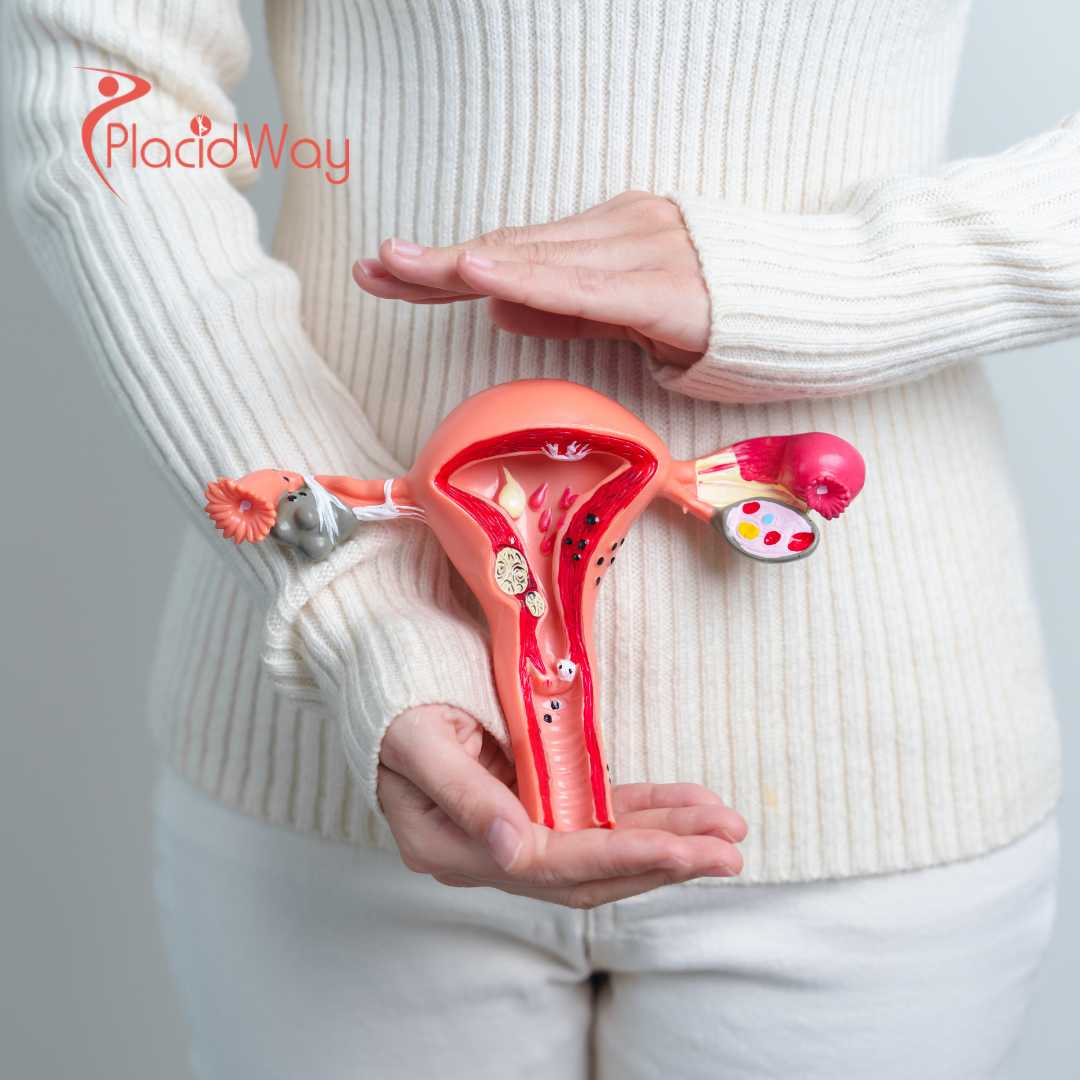
Price starting from $10,000
Stem Cell for Ovarian Rejuvenation in Bangkok, Thailand
- Stem Cell Treatment for Ovarian Rejuvenation, Stem Cell Therapy for Longevity
Bangkok, Thailand
Price starting from $10,000
Anti Aging Stem Cell Treatment in Japan
- Anti Aging Stem Cell Treatments, Stem Cell Therapy for Longevity
Japan
Explore Stem Cell Therapy for Longevity: Stories, Testimonials, and Procedures
Watch in-depth videos covering everything from Stem Cell Therapy for Longevity success stories to detailed procedure explanations. Learn what to expect and hear from real patients.
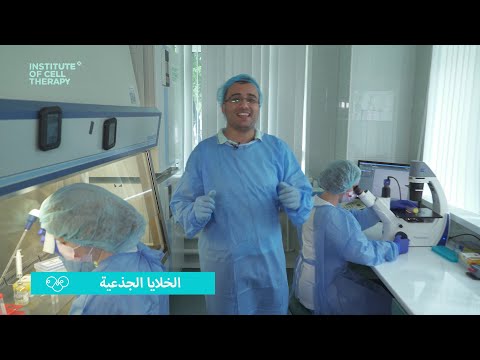
Anti‑Aging & Regeneration: Comprehensive Stem Cell Therapy Guide Ukraine
Stem Cell Therapy for Longevity
Institute of Cell Therapy
Ukraine
Everything Men Should Know About Stem Cell Therapy for Erectile Dysfunction in Mexico
Stem Cell Therapy for Longevity
CellsTime Clinique Guadalajara
Mexico
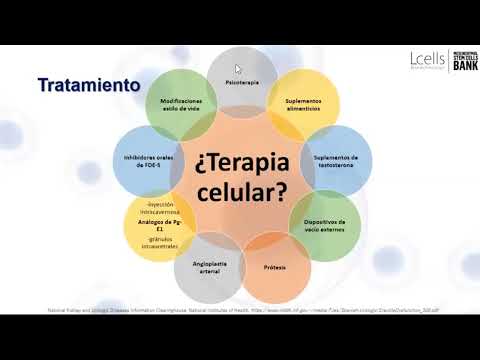
Restore Your Vitality: Ultimate Guide to Stem Cell Therapy for ED in Mexico
Stem Cell Therapy for Longevity
CellsTime Clinique Guadalajara
Mexico
Turning Back Time: A Guide to Stem Cell Therapy for Anti-Aging in Slovakia
Stem Cell Therapy for Longevity
CellCenter - Stem Cell Therapy in Bratislava and Malacky, Slovakia
Slovakia
Learn More with These Stem Cell Therapy for Longevity Articles
Take a look at these interesting articles, stories and research that will help you learn more about Stem Cell Therapy for Longevity.

Regrow Confidence: Hair Loss Stem Cell Therapy in Japan Helping Patients from Vietnam Restore Their Look
PlacidWay Medical Tourism
- Stem Cell Therapy for Longevity
Japan

A New Source of Strength: Japan’s Immune Cell Therapy for Patients from Manila
PlacidWay Medical Tourism
- Stem Cell Therapy for Longevity
Japan

How Aging Affects Stem Cells: What It Means for Regenerative Medicine in Bangkok, Thailand
EDNA Wellness - Surgeon-Led Stem Cell Clinic in Bangkok Thailand
- Stem Cell Therapy
Thailand

Quantum Biohack: Transforming Regenerative Healthcare and Longevity Medicine in Mexico’s Riviera Maya
Quantum Biohack
- Stem Cell Therapy for Longevity
Mexico







