


Stem Cell Therapy for Longevity in Japan
Stem cell treatments in Tokyo significantly improve deep scars and regenerate skin tissue, but complete erasure is rarely guaranteed. Therapies promote collagen production and cellular repair, offering permanent improvements in skin texture and tone.

Key Takeaways: Scar Healing & Skin Regeneration
- Cellular Repair: Treatments target the root cause of scarring by replacing damaged tissue with healthy structural proteins.
- Permanent Changes: The newly generated collagen and elastin provide long-lasting structural improvements to the skin.
- Advanced Technology: Japanese facilities utilize state-of-the-art laboratory cultivation to ensure maximum cell viability.
- Safety Standards: Strict governmental regulations make Japan one of the safest global destinations for regenerative medicine.
- Holistic Results: Beyond scar reduction, the therapy improves overall skin elasticity, pigmentation, and hydration.
How does stem cell therapy in Japan work for deep scar healing?
The therapy introduces powerful regenerative cells into scarred areas to break down rigid fibrous tissue. These cells then secrete growth factors that stimulate your body to produce healthy, flexible skin layers.
When you undergo stem cell therapy in Japan for scar treatment, the primary mechanism relies on cellular communication. Deep scars are essentially areas where the body rushed its healing process, laying down thick, disorganized bundles of collagen. Regenerative cells identify these damaged areas and release chemical signals called exosomes and growth factors directly into the surrounding tissue.
These biological signals act as instructions for your local skin cells. They command the local fibroblasts to stop producing the rigid scar tissue and begin synthesizing highly organized, youthful collagen and elastin. Over time, this process systematically remodels the scarred area from the inside out, replacing tough fibrous bands with soft, pliable skin.
Additionally, the introduced cells promote angiogenesis, which is the formation of new blood vessels. Poor blood supply often leaves deep scars looking pale or discolored. By restoring proper blood flow to the damaged site, the therapy helps normalize skin tone and brings essential nutrients needed for sustained tissue regeneration.
What types of stem cells are used for skin regeneration in Tokyo?
Medical professionals primarily utilize Adipose-Derived Mesenchymal Stem Cells for dermatological procedures. These are harvested from the patient own fat tissue because they are highly concentrated and excellent at skin repair.
In dermatological applications, specialists overwhelmingly prefer using cells extracted from your own body to eliminate any risk of immune rejection. The most common source is adipose tissue, or body fat. Fat contains a remarkably high concentration of regenerative cells compared to bone marrow, making it an ideal harvesting site for skin therapies.
Once a small amount of fat is harvested via a mini-liposuction procedure, the laboratory separates the regenerative cells from the fat cells. These mesenchymal cells possess a unique ability to differentiate into various structural tissues, including the fibroblasts necessary for skin repair. Their primary function is to modulate inflammation and orchestrate tissue remodeling.
Some advanced facilities also isolate cultured fibroblasts specifically for facial rejuvenation. By taking a tiny biopsy behind the ear, laboratories multiply millions of your own collagen-producing cells. When injected back into scars or aging skin, these dedicated cells immediately begin weaving a new support matrix for your epidermis.
Japanese laboratories are globally recognized for their cell expansion techniques. They can take a tissue sample the size of a grain of rice and cultivate tens of millions of potent, viable cells within just a few weeks without losing their regenerative power.
How much does stem cell treatment cost in Japan for skin repair?
The stem cell treatment cost in Japan for skin regeneration typically ranges from four thousand to fifteen thousand dollars. Pricing varies greatly depending on cell cultivation requirements and the size of the treatment area.
Understanding the financial commitment is crucial for patients considering international options. The base price usually covers the initial medical consultation, the fat or skin biopsy extraction, and the highly specialized laboratory processing. If your treatment requires cultivating cells over several weeks to multiply their numbers, the cost will lean toward the higher end of the spectrum.
Unlike standard cosmetic injections, regenerative medicine involves complex biotechnology. You are paying for strict clean-room laboratory standards, expert cell biologists, and precise application techniques. Many international visitors find that bundling their scar treatment with overall facial rejuvenation provides the best value for their investment.
Below is a general estimate of regenerative dermatological procedures. Keep in mind that comprehensive packages often include pre-procedure blood work, translation assistance, and post-care follow-ups.
| Treatment Type | Estimated Cost (USD) | Best For |
|---|---|---|
| PRP / Exosome Therapy | $1,500 - $3,500 | Mild acne scars, texture improvement |
| Uncultured Adipose Therapy | $4,000 - $8,000 | Moderate surgical scars, facial volume |
| Cultured Cell Therapy | $9,000 - $15,000+ | Deep trauma scars, full skin regeneration |
What is the recovery time for stem cell skin treatments?
Physical downtime is remarkably short, usually lasting only three to five days for minor swelling and bruising to subside. However, the biological regeneration process continues internally for several months.
The immediate recovery period following the application procedure is quite manageable. Because the treatment relies on natural biological processes rather than harsh surgical excisions, surface trauma is minimal. Patients typically experience mild redness, slight swelling, and possible pinpoint bruising at the injection sites, which easily resolves within a few days.
If fat was harvested from your abdomen or thighs, you will wear a small compression garment over that specific area for about a week to ensure smooth healing. Most international patients feel completely comfortable exploring the city or returning to normal social activities within forty-eight hours of their clinical visit.
It is important to manage your expectations regarding the visible timeline. While the physical downtime is brief, cellular remodeling requires patience. Your body is actively breaking down dense scar tissue and weaving a fresh collagen matrix. You will notice gradual softening of the scars around week four, with peak regenerative results appearing between three and six months post-treatment.
Are the results of stem cell therapy for scars permanent?
The structural repair achieved on deep scars is considered permanent. Once the damaged fibrous tissue is replaced with healthy collagen, the scar will not revert to its original rigid state.
When addressing the permanence of regenerative medicine, we must separate scar healing from general anti-aging. For deep scars caused by trauma, acne, or surgery, the cellular changes are structurally permanent. The therapy fundamentally alters the architecture of the dermis, dissolving the dense fibrous bands and laying down a normal, healthy cellular matrix.
Once this healthy tissue is established, the scar is physically remodeled forever. It will remain flatter, softer, and better integrated with the surrounding skin. The treated area essentially becomes healthy skin again, meaning it will behave and age exactly like the rest of your natural skin tissue.
However, while the scar repair is lasting, the overall skin will continue to undergo the natural aging process over the years. Environmental factors like sun exposure and natural collagen depletion will eventually affect the treated area just as they affect untreated areas. For overall skin vitality, some patients choose to undergo maintenance booster sessions every few years.
What makes a stem cell clinic in Japan better for skin regeneration?
Any highly rated stem cell clinic in Japan operates under the Act on the Safety of Regenerative Medicine. This ensures unparalleled laboratory standards, guaranteed cell viability, and extreme safety protocols for international patients.
The Japanese government heavily regulates regenerative medicine, classifying these therapies under strict legal frameworks that many other countries lack. Facilities must pass rigorous inspections by government-approved committees to legally culture and administer biological therapies. This guarantees that the laboratory environment is sterile and the cell counting techniques are precise.
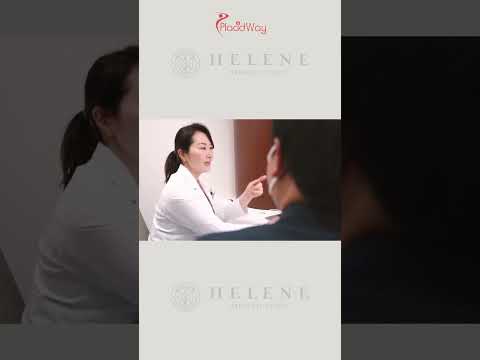
When seeking high-end care, you will find renowned institutions like HELENE - Stem Cell Clinic in Tokyo, Japan, leading the way in personalized biological treatments. Such facilities employ dedicated cell culturists who monitor your tissue samples daily. They ensure that the cells reinjected into your skin are robust, highly active, and capable of maximum tissue repair. For those exploring options, you can research top-rated stem cell treatment facilities in Tokyo to see the level of sophistication available.
Furthermore, Japanese medical culture places a heavy emphasis on meticulous detail and patient safety. Consultations are exhaustive, ensuring every patient understands the biological science behind their treatment. The combination of cutting-edge biotechnology and flawless clinical hygiene makes Tokyo a premier global hub for regenerative dermatology.
Is stem cell therapy safe for sensitive or acne-prone skin?
Yes, the therapy is exceptionally safe for sensitive and acne-prone skin types. Because the treatment uses your own biological material, there is virtually zero risk of allergic reaction or chemical irritation.
Traditional scar treatments, such as deep chemical peels or aggressive laser resurfacing, can sometimes trigger severe inflammation or hyperpigmentation in highly sensitive skin. Regenerative therapies circumvent these issues entirely. Since the active ingredients are derived from your own body, your immune system recognizes them instantly, eliminating the threat of allergic rejection.
For individuals with active or prone-to-breakout skin, the therapy offers a distinct advantage due to its immunomodulatory properties. Mesenchymal cells naturally calm chronic tissue inflammation. By regulating the local immune response, the treatment can actually decrease redness and create a healthier, more balanced skin barrier that is less susceptible to future acne flare-ups.
Dermatologists often recommend this approach for patients who have exhausted traditional topical treatments. Instead of stripping the skin barrier away to force regeneration, biological therapies build the skin up from the dermal layers, strengthening its resilience while gently fading old acne marks and deeper pitted scars.
How many sessions are required for optimal scar healing?
Mild to moderate scarring typically requires only one comprehensive treatment using highly concentrated cultured cells. Severe trauma or deep pitted scars may require a series of two to three sessions spaced several months apart.
- Single Cultured Session: If the laboratory cultivates millions of cells over a few weeks, a single massive application often provides sufficient regenerative power for noticeable repair.
- Uncultured Series: Procedures utilizing uncultured extracts usually require a series of three sessions to achieve the same cumulative effect.
- Scar Severity: Deep ice-pick acne scars or thick burn contractures demand more biological remodeling and naturally require supplementary treatments.
- Spacing Out Treatments: Medical professionals mandate a waiting period of at least three to six months between sessions to allow the first wave of collagen synthesis to complete.
- Maintenance Protocols: Even after achieving desired scar reduction, patients occasionally return yearly for exosome boosters to maintain overall skin vitality.
Why is medical tourism in Japan popular for regenerative medicine?
Medical tourism in Japan thrives because the country offers legally regulated biological therapies that are often restricted in Western nations, combined with world-renowned precision, cleanliness, and advanced scientific research.
Many countries strictly limit regenerative treatments to specific orthopedic issues or prohibit cell expansion entirely. Japan adopted progressive legislation early on, creating a safe, legally sound environment for both domestic and international patients to access advanced aesthetic and healing therapies without regulatory hurdles.
The appeal goes beyond legal availability. Japanese medical professionals are celebrated for their meticulous nature and aesthetic precision. For cosmetic regeneration and scar healing, this translates into highly customized treatment plans. Laboratories utilize robotic assistance and precise algorithmic monitoring to ensure that the cultivated tissues are perfect before they are ever reintroduced to the patient.
Additionally, the overall experience of traveling to Tokyo provides immense peace of mind. The infrastructure is flawlessly efficient, the medical facilities feel like luxury hotels, and the inherent culture of hospitality ensures that international patients feel respected and cared for throughout their medical journey.
Why Choose PlacidWay for your stem cell journey to Japan?
PlacidWay connects international patients with fully vetted, government-approved regenerative facilities, ensuring transparent pricing, verified medical credentials, and comprehensive patient advocacy throughout the treatment process.
Navigating foreign healthcare regulations and finding a genuinely reputable facility can be overwhelming. PlacidWay simplifies this complex process by acting as your dedicated medical liaison. Here is why patients trust us with their regenerative health journey:
- Rigorous Medical Vetting: We partner exclusively with facilities that possess official certifications from the Japanese Ministry of Health, Labor and Welfare, guaranteeing uncompromising laboratory standards.
- Transparent Pricing Models: International healthcare costs can be confusing. We negotiate comprehensive medical packages that clearly outline laboratory fees, extraction costs, and application procedures with absolutely zero hidden clinical charges.
- Expert Doctor Selection: We match your specific scar healing needs with board-certified dermatologists and regenerative medicine specialists who have documented success in advanced cellular therapies.
- Seamless Pre-Consultations: Our team facilitates remote consultations, allowing you to share photographs and medical history with top specialists to determine your candidacy before making any commitments.
- Dedicated Patient Advocacy: From explaining complex biological procedures to assisting with medical record translations, our support team ensures you are fully informed and confident at every step of your clinical journey.
Frequently Asked Questions
Do I need a medical visa for stem cell treatments in Tokyo?
Many international patients can enter Japan for short-term treatments using a standard tourist visa or visa waiver program depending on their nationality. For extensive treatment plans requiring multiple visits or prolonged stays, a specialized medical stay visa might be necessary, which your chosen facility can help arrange through official guarantors.
Can stem cell therapy treat old surgical scars effectively?
Yes, regenerative therapies can significantly improve the appearance of old surgical scars. By introducing fresh biological material into the aged scar tissue, the treatment breaks down rigid collagen fibers and stimulates the production of healthy new skin cells, making the scar softer, flatter, and closer to your natural skin tone.
Are there age restrictions for skin regeneration treatments in Japan?
Most facilities require patients to be at least eighteen years old to undergo regenerative therapies for cosmetic purposes. There is typically no upper age limit, provided the patient is in good overall health, though older patients might experience a slightly slower cellular response compared to younger individuals.
Can I combine stem cell therapy with laser resurfacing?
Combining therapies is highly recommended and frequently performed by leading dermatologists. Laser resurfacing creates controlled micro-injuries that break down scar tissue, while the subsequent application of regenerative cells accelerates healing, reduces post-laser redness, and maximizes collagen synthesis for superior results.
How long do I need to stay in Tokyo for a complete treatment cycle?
A typical stay ranges from five to ten days depending on the extraction method used. This timeframe allows for the initial consultation, tissue extraction, laboratory processing, the actual application procedure, and a final follow-up evaluation to ensure proper healing has begun before you travel home.
Does stem cell therapy hurt during the application process?
The procedure involves minimal discomfort. Facilities use topical numbing creams or local anesthesia prior to extractions and injections. Patients generally report feeling slight pressure or mild stinging during the application, but it is highly tolerable and requires no general anesthesia.
What pre-treatment medical tests are required in Japanese clinics?
Comprehensive blood work is mandatory to screen for infectious diseases like HIV, Hepatitis B, and Hepatitis C before any tissue extraction can occur. Some facilities may also request an electrocardiogram or general health history questionnaire to ensure you are a safe candidate for the procedure.
Can stem cell therapy help with severe burn scars?
Regenerative medicine shows incredible promise for burn victims by restoring elasticity to tight contracture scars and improving skin texture. While severe burn scars require multiple intensive sessions and may never completely vanish, the therapy greatly enhances tissue mobility and reduces the painful tightness associated with thermal injuries.
Are there financing options for international patients in Tokyo?
Japanese medical facilities generally require upfront payment and do not offer direct financing to international visitors due to credit verification challenges. However, many patients secure medical loans through financial institutions in their home countries before traveling, and major credit cards are widely accepted.
How quickly will I see visible improvements in my skin texture?
Initial improvements in skin hydration and brightness can appear within three to four weeks. However, significant structural changes, such as the flattening of scars and increased skin thickness, take three to six months to become fully visible as the body naturally rebuilds its collagen network.
Start Your Skin Regeneration Journey in Japan Today
* Responses typically within 24 hours. Privacy guaranteed.
.jpg)


.png)
.png)
.png)













Share this listing