
What treatment


20+ Key FAQs on stem cell therapy for longevity in Japan
Questions About stem cell therapy for longevity in Japan? Start Here
Trusted Medical Tourism Platform Since 2007
.png)
How Much Does Longevity Stem Cell Therapy in Tokyo Cost for South Korean Patients Traveling From Seoul?
A comprehensive, high-dose (100 million+ cells) IV treatment typically costs $12,000 to $25,000 USD. Because South Korea strictly regulates cell culturing for general anti-aging, patients fly just 2 hours to Tokyo to legally access these advanced, youth-restoring cellular therapies at state-of-the-art Japanese clinics. You have been feeling the subtle but undeniable shifts. Your energy crashes earlier in the afternoon. Your sleep is not as deep, your joints ache just a bit more after a weekend hike, and your skin is losing that effortless elasticity. You eat well, you exercise, and you probably have access to some of the finest hospitals in the world right there in Seoul. Yet, when it comes to true, cellular-level anti-aging, you are hitting a regulatory brick wall. It is incredibly frustrating to live in a medical powerhouse like South Korea but be told that high-dose, cultured stem cell therapy for longevity is restricted. You have likely heard whispers among your peers about weekend trips to Japan. They come back looking vibrant, thinking sharper, and raving about regenerative medicine. But you are cautious. You are asking yourself: How much does longevity stem cell therapy in Tokyo cost for South Korean patients traveling from Seoul in 2026? Is the lab quality actually safe? Is it worth the international travel? I completely understand your hesitation. Trusting a foreign clinic with your biology is a massive leap of faith. This guide is written specifically for you. I am going to walk you through the honest costs, the legal reasons why Tokyo is your best option, and exactly what to expect. No medical jargon without plain-English explanations. Just the clarity you need to make a confident decision about investing in your future health. Quick Facts: Longevity Stem Cell Therapy (Seoul vs. Tokyo) High-Dose Cultured MSCs (Seoul) Largely Restricted/Unavailable for pure anti-aging High-Dose Cultured MSCs (Tokyo) $12,000 - $25,000 USD Typical Cell Count Yield Seoul: 1-5 Million (Uncultured) | Tokyo: 100-200+ Million (Cultured) Regulatory Framework Seoul: Strict Bioethics Law | Tokyo: Regulated ASRM (Legal Culturing) Procedure Downtime 1-2 days for both locations Flight Travel Time ~2 to 2.5 Hours (Gimpo to Haneda) Treatment Efficacy Window Benefits peak at 3-6 months, lasting 1-3 years Adverse Complication Rate < 1% (Extremely rare with autologous cells) What Exactly Is Regenerative Longevity Therapy and How Does It Work? Longevity stem cell therapy involves extracting a tiny amount of your own fat, isolating the healing stem cells, multiplying them in a lab by the millions, and returning them to your body via an IV drip to repair aging tissues and reduce inflammation. When we talk about anti-aging stem cell therapy, we are usually talking about Mesenchymal Stem Cells (MSCs). Think of MSCs as your body's internal repair crew. When you are young, you have a massive army of them, quickly fixing tissue damage and keeping inflammation low. As you age, this army shrinks dramatically. The therapy simply replenishes your supply. Here is exactly how the medical process unfolds in a modern Tokyo clinic: The Extraction (Mini-Liposuction): A doctor uses local anesthesia to extract a very small amount of fat (about 10-20cc) from your abdomen or thighs. Fat tissue is incredibly rich in MSCs. Cell Isolation and Culturing: This is where Japan shines. The clinic sends your fat to a highly regulated Cell Processing Center (CPC). Over 3 to 4 weeks, scientists isolate the stem cells and culture (multiply) them. They turn a few million cells into a massive therapeutic dose of 100 to 200 million cells. Quality Check: Before administration, the lab tests the cells to ensure over 95% viability and absolute sterility. The Infusion: You return to the clinic, sit in a comfortable chair, and receive your multiplied cells through a simple intravenous (IV) drip. It takes about 1 to 2 hours. Cellular Homing: Once in your bloodstream, the stem cells act like biological homing pigeons. They naturally seek out areas of high inflammation and tissue damage in your body, initiating repair processes from your brain down to your joints. Unlike cosmetic surgeries that only pull back the skin to hide aging, IV stem cell therapy works from the inside out. It addresses systemic inflammation, which is the root cause of the aging process. Why Choose Systemic Stem Cell Therapy Over Other Anti-Aging Options? Systemic stem cell therapy addresses the root cause of aging (cellular degradation and inflammation) rather than just treating symptoms. It offers whole-body rejuvenation, better sleep, sharper cognition, and joint repair, which no single supplement or cosmetic surgery can provide. Comprehensive Health: Supplements like NMN or resveratrol are great, but they only provide raw materials to aging cells. Stem cell therapy introduces millions of entirely new, youthful cells to actively repair damage. Cognitive Function: Many patients report the "lifting of brain fog" within weeks of treatment. Stem cells promote angiogenesis (new blood vessel formation), improving blood flow to the brain. Natural Appearance: Instead of the frozen look of excessive Botox or the pulled look of a facelift, stem cells improve skin elasticity and collagen production globally. You look like a rested, healthier version of yourself. Joint and Tissue Repair: If you suffer from nagging shoulder pain or stiff knees, circulating MSCs naturally target these inflammatory sites, offering relief that painkillers merely mask. Energy and Vitality: By reducing systemic inflammation (often called "inflammaging"), your mitochondria function better, giving you the sustained, natural energy you remember having in your thirties. Cost of Anti-Aging Stem Cell Therapy in Tokyo Compared to Seoul Because culturing cells for anti-aging is restricted in Seoul, you cannot buy a comparable high-dose treatment locally. In Tokyo, a premium 100-million cell package costs $12,000 to $25,000, offering immense biological value that simply is not legally accessible in Korea. When looking at the numbers, it is crucial to understand that we are not comparing apples to apples. If you visit a clinic in Gangnam, they might offer you an SVF (Stromal Vascular Fraction) treatment for $5,000 to $10,000. But SVF is uncultured. You are only getting a few million cells at most. To achieve true systemic longevity benefits, medical consensus points to doses of 1 to 2 million cells per kilogram of body weight. You absolutely need cell culturing to reach that number, and that is why you travel to Tokyo. Procedure Component Seoul, South Korea Tokyo, Japan The "Why" Factor Uncultured Stem Cells (SVF) $5,000 - $10,000 $4,000 - $8,000 Available in both, but yields low cell counts. Cultured High-Dose MSC IV (100M+ Cells) Heavily Restricted $12,000 - $20,000 Japan's ASRM laws allow commercial culturing for wellness. Exosome Add-On Therapy $2,000 - $5,000 $3,000 - $6,000 Often bundled in Tokyo for skin rejuvenation. NK Cell (Immune) Therapy Limited Availability $8,000 - $12,000 Used alongside MSCs to fight precancerous cells. Full Longevity Package (MSCs + Exosomes + NK) N/A $25,000 - $35,000+ The ultimate executive health package. Why are the rules so different? South Korea has incredibly strict bioethics laws. Culturing stem cells involves manipulating them outside the body, which Korean authorities heavily restrict unless treating specific, severe diseases (like ALS or osteoarthritis under certain conditions). Japan took a different route in 2014 by passing the Act on the Safety of Regenerative Medicine. This created a highly regulated but accessible market, allowing certified labs to operate safely at scale. You are paying for the advanced laboratory labor, the specialized culturing media, and the rigorous safety testing. Is Stem Cell Treatment in Japan Safe for Korean Patients? Yes. Japanese clinics operate under strict government oversight. Because you are using your own (autologous) cells, the risk of rejection or allergic reaction is almost zero (under 1%). The main risk is laboratory contamination, which Japan prevents through mandatory certified Cell Processing Centers. Safety is the absolute most important factor when you are dealing with regenerative medicine. Traveling abroad for healthcare can feel daunting, but when it comes to stem cells, Japan is arguably the safest destination in the world. Let us look at the specific quality metrics that protect you. Quality Metric Seoul Standard Tokyo Standard Notes Lab Certification KFDA / Bioethics Act ASRM Certified CPCs Japan requires dedicated sterile processing centers. Cell Viability Rate Varies > 95% Guarantee Tokyo labs rigorously test cell life before infusion. Immune Rejection Risk Near 0% (Autologous) Near 0% (Autologous) Using your own fat ensures your body accepts the cells. Patient Support Native Language Dedicated Korean Translation Top clinics provide medical interpreters. Here is why you can rest easy: No Rejection: Because the clinic uses autologous cells (cells taken from your own body), your immune system will not attack them. There is virtually zero risk of graft-versus-host disease. Government Mandated Safety: Under Japan's ASRM, clinics cannot culture cells in a back room. They must use specialized Cell Processing Centers that operate at ISO cleanroom standards, eliminating infection risks. Detailed Reporting: After your cells are cultured, reputable clinics will provide you with a laboratory report showing exactly how many cells were grown, their viability percentage, and proof of sterilization testing. Medical Tourism Infrastructure: Tokyo has been refining its medical tourism approach for over a decade. Premium clinics have dedicated Korean-speaking medical coordinators who stay by your side during every appointment. As long as you choose a clinic fully licensed by the Japanese Ministry of Health, Labour and Welfare, you are receiving world-class, uncompromising medical care. The Complete Timeline for Stem Cell Tourism in Japan from Korea The process requires two short trips to Tokyo spaced about a month apart. The first trip is for consultation and a 30-minute fat extraction. The second trip is for your relaxing IV infusion. Fitting international medical care into a busy schedule in Seoul is easier than you think. Since Gimpo (GMP) to Haneda (HND) is essentially a commuter flight, many executives do this without missing a beat. Phase 1: Initial Remote Consultation (From Home): You will share your medical history, recent blood work, and goals via a secure video call with the Tokyo clinic's medical team. Phase 2: Trip One - Extraction (1 Day in Tokyo): You fly in, meet the doctor, finalize your plan, and undergo a quick mini-liposuction to harvest the fat. You can fly back to Seoul the same evening or the next morning. Phase 3: The Culturing Period (3-4 Weeks at Home): While you go about your life in Seoul, Japanese scientists are meticulously multiplying your cells from a few million to a therapeutic army of 100+ million. Phase 4: Trip Two - The Infusion (1-2 Days in Tokyo): You return to the clinic. An IV is placed, and over 1 to 2 hours, your youth-restoring cells are infused into your bloodstream. You rest, have a nice dinner in Ginza, and fly home. Important logistical considerations: Travel Documents: Check current visa requirements, though South Koreans generally enjoy visa-free entry for short visits to Japan. Language Barrier: Always confirm your clinic provides a medical interpreter. Do not rely on Google Translate for medical procedures. Follow-up: Ask the clinic for a comprehensive discharge summary in English or Korean so your primary care doctor in Seoul can keep it on file. Activities: Avoid intense workouts or saunas for a few days after the fat extraction, but otherwise, your life remains completely uninterrupted. Who is the Ideal Candidate for Regenerative Medicine in Tokyo in 2026? The ideal candidate is a health-conscious individual between 40 and 70 experiencing general signs of aging, fatigue, or mild joint pain, who wants to invest in preventative longevity care. Stem cell therapy is powerful, but it is not magic, and it is not for everyone. It is vital to set realistic expectations. You are likely a great candidate if you have: A desire to address systemic aging, fatigue, and declining energy levels. Noticeable "brain fog," memory sluggishness, or poor sleep quality. Chronic but mild joint pain, inflammation, or sports injuries that heal slowly. A proactive mindset regarding preventative health and longevity. Enough body fat to allow for a 10-20cc extraction (even very lean people usually have enough). The budget to invest $12,000+ without financial strain. You may need to reconsider or undergo strict medical clearance if you have: Active Cancer: Stem cells promote growth. While they don't cause cancer, you generally cannot receive MSC therapy if you have active tumors, as it could potentially aid tumor vascularization. Acute Infections: Any severe, active infection must be resolved before treatment. Severe Bleeding Disorders: Since a mini-liposuction is required, clotting disorders must be managed. Unrealistic Expectations: Stem cells will dramatically improve your vitality and internal health, but they will not make a 60-year-old look 25 again overnight. Severe Heart Failure: Late-stage organ failure requires specialized, condition-specific treatment rather than general anti-aging IV protocols. If you fit the criteria, the next step is reaching out for a no-obligation remote assessment. Frequently Asked Questions You probably still have a few lingering thoughts. We have gathered the most common questions South Korean patients ask before booking their flights to Tokyo. These cover everything from specific pricing structures to solo travel safety. How much does longevity stem cell therapy in Tokyo cost for South Korean patients traveling from Seoul in 2026? In 2026, longevity stem cell therapy in Tokyo costs between $12,000 and $25,000 USD for a comprehensive, high-dose cultured treatment. In Seoul, similar high-dose cultured treatments for general anti-aging are largely unavailable or cost upwards of $35,000+ due to strict regulations, making the quick trip to Japan highly cost-effective. Is stem cell treatment in Japan safe for Korean patients? Yes, it is highly safe. Japan regulates regenerative medicine under the strict Act on the Safety of Regenerative Medicine (ASRM). Clinics must use certified Cell Processing Centers (CPCs), ensuring a 99% sterile environment and cellular viability rates exceeding 95%. Plus, you are using your own tissue, practically eliminating rejection risks. What is the recovery time for longevity stem cell therapy? Physical recovery from the mini-liposuction (fat extraction) takes 2 to 3 days of mild soreness, similar to a deep bruise. The IV infusion itself requires zero downtime. You can fly back to Seoul the same afternoon and resume normal activities immediately. Why can't I get high-dose cultured stem cells for anti-aging in Seoul? South Korea has stringent bioethics laws that heavily restrict the culturing (multiplying) of stem cells for general anti-aging or cosmetic purposes without an underlying severe disease. Japan's legal framework allows for safe, regulated cell culturing for longevity, drawing thousands of international patients annually. What happens if something goes wrong after I return to Korea? Adverse reactions to your own (autologous) stem cells are incredibly rare (under 1%). However, reputable Tokyo clinics provide detailed post-treatment medical reports in Korean or English, allowing your local physician in Seoul to monitor your health seamlessly. Any post-extraction bruising is minor and resolves quickly. Can I get stem cell IV therapy if I have autoimmune issues? Often, yes. Mesenchymal Stem Cells (MSCs) are immunomodulatory, meaning they can actually help balance an overactive immune system, which is why they are studied for conditions like lupus and rheumatoid arthritis. However, a detailed medical consultation and blood test are required to ensure it is the right approach for your specific condition. Which areas of Tokyo are best for medical tourism? Ginza, Shinjuku, and Minato City are the premium hubs for regenerative medicine in Tokyo. These areas host top-tier, ASRM-certified clinics with multilingual staff accustomed to treating international patients from South Korea, combining excellent medical care with high-end hospitality. Will my local doctor in Seoul provide follow-up care? Yes, most physicians in Seoul will monitor your general health, blood markers, and inflammation levels after your trip. Because you are simply monitoring overall wellness rather than treating a surgical site, routine check-ups are straightforward. Just provide them with your Japanese lab reports. How do I verify if a Tokyo stem cell clinic is reputable? Look for clinics holding a Class II or Class III ASRM certification from the Japanese Ministry of Health, Labour and Welfare. They should use dedicated Cell Processing Centers and provide transparent data on their cell viability and counts. Avoid clinics that promise "miracle cures" or do not offer proper medical translation. Is it safe to travel from Seoul to Tokyo for medical treatments alone? Absolutely. The flight is only 2 to 2.5 hours, and Tokyo is one of the safest cities globally. The procedures (a small fat extraction and an IV drip) are minimally invasive, so you will be fully capable of navigating the airport, train systems, and hotel on your own without a companion. How many trips from Seoul to Tokyo are required for stem cell therapy? Typically, two trips are needed. Trip one is a single day for consultation and a minor fat tissue extraction. After 3 to 4 weeks of cell culturing in the lab, you return for trip two, which takes 1 to 2 days for the actual IV infusion. Can I finance stem cell treatments abroad? While international medical financing can be tricky, some specialized medical tourism agencies offer payment plans. However, most Korean patients use personal savings or premium credit cards, as the cost in Japan offers immense value compared to the restricted, overly expensive backdoor options back home. Ready to Rewind the Clock? You have done the research. You know that true anti-aging happens at the cellular level, and you know Tokyo is the safest, most effective place to get it done. The only thing left is taking the first step. Request a free consultation today and get a personalized longevity plan with exact pricing. Get My Free Quote No obligation. No pressure. Just honest answers from regenerative medicine specialists. References International Society for Stem Cell Research (ISSCR). "Guidelines for Stem Cell Research and Clinical Translation." PlacidWay Medical Tourism. "Stem Cell Therapy Cost in Japan: A Complete Guide" Medical Disclaimer Important: This article is for informational purposes only and is not medical advice. Consult a licensed physician before undergoing any stem cell or regenerative medicine procedure. Individual results vary. Seek immediate medical attention if you experience severe swelling, fever, or signs of infection after any medical procedure....
Read more details

.png)
Why Are Wealthy Chinese Patients Choosing Osaka for Exclusive Stem Cell Longevity Programs Over Domestic Clinics?
Discerning patients seek Japan's legally regulated framework, which boasts a 99% safety record for regenerative medicine. Compared to domestic options, Osaka clinics offer 40-70% lower transparent pricing and advanced culturing techniques that yield up to 95% cell viability, ensuring elite patients receive premium, strictly monitored anti-aging results. You have worked incredibly hard to build your wealth and secure your family's future, but lately, you might be noticing the undeniable signs of aging. The fatigue lingers a bit longer, your sleep isn't as restorative, and you are starting to worry that the relentless pace of your life is catching up with your physical health. You want the absolute best anti-aging and vitality treatments available. Yet, the unregulated, highly commercialized landscape of regenerative medicine at home leaves you feeling anxious. You are likely wondering, why are wealthy Chinese patients choosing Osaka for exclusive stem cell longevity programs over domestic clinics? You are not alone in this hesitation. Handing over your health your single most valuable asset requires absolute trust. You have likely heard stories of exorbitant prices in domestic VIP clinics promising miracles without medical transparency. You deserve honest, data-backed information before making a decision. In this guide, I will walk you through exactly what makes Japanese regenerative medicine the global gold standard for anti-aging. From strict government safety laws to clear, surprising cost comparisons, you will discover the real reasons why discerning patients are quietly flying to Japan, empowering you to make a confident choice for your own vitality. Quick Facts: Stem Cell Clinics in Japan vs China Average Cost for Premium IV Anti-Aging (China VIP) $50,000 - $100,000+ Average Cost for Premium IV Anti-Aging (Osaka) $15,000 - $30,000 Regulatory Oversight Gray area / Unstandardized (China) vs. Strict MHLW Federal Laws (Japan) Verified Cell Viability Rate Often unverified (China) vs. 90-95%+ certified (Japan) Severe Complication Rate Unknown/Unreported locally vs. <1% heavily tracked in Japan What Exactly Is a Stem Cell Longevity Program and How Does It Work? A stem cell longevity program uses your body's own master cells (Mesenchymal Stem Cells) to repair damaged tissue, reduce systemic inflammation, and reboot your immune system. The cells are harvested, multiplied by millions in a lab over 3-4 weeks, and infused back into your body to reverse cellular aging. A stem cell longevity program is not magic, but it is the cutting edge of biological science. As we age, our natural reserve of stem cells depletes. These master cells are responsible for finding inflammation and repairing damaged tissues. By the time you are 50, your body has only a fraction of the stem cells it had at birth. Japanese regenerative medicine aims to replenish this supply. Here is how the medical process safely unfolds in Osaka: Comprehensive Screening: You undergo rigorous blood work and genetic testing to ensure you are a healthy candidate. Japanese protocols do not skip this step. Cell Harvesting: A small amount of fat tissue (usually from the abdomen) is gently extracted under local anesthesia. This contains your dormant Mesenchymal Stem Cells (MSCs). Precision Culturing: In an ISO-certified, government-regulated laboratory, your cells are isolated, purified, and multiplied from a few thousand to over 100 million potent cells. This takes about 3 to 4 weeks. Intravenous (IV) Infusion: You return to the clinic to receive your freshly cultured cells via a comfortable IV drip. The cells travel throughout your bloodstream, seeking out inflammation and stimulating organ and tissue repair. Unlike surface-level cosmetic treatments that just pull your skin tight, stem cell therapy works on a cellular level. It tackles the root cause of aging—cellular degradation—offering systemic benefits like improved organ function, balanced immunity, and profound energy restoration. Why travel to Japan for stem cells instead of staying local? Patients choose Osaka for guaranteed legal safety, superior cell culturing technology, genuine privacy, and an escape from the aggressive upselling found in domestic clinics. Japan offers a holistic, medical-first approach rather than a purely commercial one. Traveling abroad for a medical procedure is a big decision. But for anti-aging stem cell treatments Osaka provides benefits that simply cannot be matched by remaining at home: Guaranteed Cell Potency: In Japan, the law mandates strict tracking of cell viability. You receive a certificate proving you are getting 100 million live, active cells. Domestic clinics often fail to provide transparent cell counts. Holistic Health, Not Just Aesthetics: Japanese longevity programs focus on your internal organs, vascular health, and immune system first. The radiant, youthful appearance is a natural byproduct of internal health, rather than a superficial fix. Absolute Discretion and Privacy: High-net-worth individuals value their privacy. Osaka’s exclusive clinics operate on a strict appointment-only basis, ensuring you never sit in a crowded waiting room. Zero Commercial Pressure: Domestic VIP clinics are notorious for aggressive sales tactics and pushing unnecessary "add-on" supplements. Japanese medical culture is deeply rooted in ethics; doctors will only recommend what is scientifically justified. Convenient Luxury: The flight from major Chinese cities to Osaka is just 2 to 4 hours. You can recover in a serene, culturally comfortable environment with world-class hospitality, making the medical trip feel like a restorative vacation. How much does the cost of stem cell therapy in Osaka compare to domestic options? You can save 40-70% by choosing Japan. An exclusive, full-body stem cell longevity program in Osaka costs $15,000-$30,000. In China, unregulated VIP health clubs often charge $50,000-$100,000 for treatments of unverified quality. Let us look closely at the numbers, because this is where the biggest misconceptions lie. Many people assume that traveling to a premier Japanese clinic will be drastically more expensive. In reality, the unregulated "black market" or VIP health sector in China has artificially inflated prices to astronomical levels to create a false sense of prestige. Procedure China VIP Price Osaka Price Savings % Autologous Stem Cell IV (Anti-aging) $40,000-$80,000 $15,000-$25,000 40-65% Targeted Joint Rejuvenation $25,000-$40,000 $10,000-$15,000 50-60% Comprehensive Longevity Package (Cells + NK) $80,000-$150,000 $30,000-$45,000 60-70% NK Cell Immune Therapy $35,000-$60,000 $12,000-$20,000 50-65% Cell Banking (Per Year) $5,000-$10,000 $1,500-$3,000 60-70% Why is Japan vastly more affordable while being higher quality? It comes down to market regulation. In Japan, stem cell therapy is considered a medical treatment, with prices stabilized by a competitive, highly regulated healthcare market. You are paying for top-tier laboratory time, expert doctors, and cleanroom facilities. In China's unregulated sector, you are often paying massive marketing markups, broker fees, and "prestige pricing" designed to make the treatment seem elite, regardless of the actual medical quality. Are Japanese stem cell quality standards really higher than domestic clinics? Yes. Japanese clinics operate under the strict Act on the Safety of Regenerative Medicine (ASRM). They must report every single procedure to the government. Infection rates are virtually zero, and cell viability is scientifically validated before infusion. I understand your fear. It is terrifying to think about injecting biological material into your body without knowing exactly where it came from or how it was handled. Safety is the primary reason wealth managers and private doctors recommend Japanese regenerative medicine to their clients. Quality Metric Domestic (China) Destination (Osaka) Notes Legal Oversight Vague/Unstandardized Strict PMDA/MHLW Laws Japan has explicit regenerative medicine laws Cell Culturing Labs Often outsourced/unverified ISO-Certified Cleanrooms Japan enforces sterile lab environments Cell Viability Guarantee Rarely provided 90-95%+ with documentation You see your cell count on paper Severe Complication Risk Unknown < 1% Adverse events must be legally reported in Japan Doctor Qualifications Variable Certified MHLW Specialists Specialized training required Here is what gives Japanese clinics the definitive edge: Government Certification: Every facility offering stem cells in Japan must hold a Class I, II, or III certification from the Ministry of Health. You can literally look up the clinic's compliance status. No Animal Products: Subpar clinics often use animal serums to culture cells quickly, which raises the risk of severe allergic reactions. Top Osaka clinics use only your own blood serum (autologous serum) to multiply your cells safely. No Tumor Risk: Japanese labs heavily screen out any abnormal cells before multiplying them. Using your own adult mesenchymal stem cells (rather than embryonic cells) means the risk of tumor formation is effectively zero. Ethical Medical Culture: Japanese doctors prioritize the Hippocratic Oath. If they believe a treatment will not benefit you, or if it carries a risk, they will politely decline to treat you. You are a patient first, not a customer. To ensure this safety, always ask to see a clinic’s MHLW certification number before making a deposit. This simple step filters out the marketing noise from the genuine medical providers. What is the timeline and recovery time for stem cell treatments? The entire process takes 4 to 6 weeks, requiring two short trips to Japan. Immediate physical recovery is just 24-48 hours, while your cells work internally to rejuvenate your body over the next 3 to 6 months. Because you are busy running businesses or managing your lifestyle, you do not have time for months of downtime. Stem cell therapy is remarkably minimally invasive. Here is the typical timeline: Trip 1: Harvesting (1-2 Days in Osaka): You arrive for your blood tests and a minor fat extraction (liposuction) from your abdomen under local anesthesia. The extraction takes less than an hour. You can fly home the next day. The Waiting Period (3-4 Weeks at Home): While you are back home, scientists in an Osaka cleanroom are carefully multiplying your stem cells to reach the 100 million+ count needed for maximum anti-aging benefits. Trip 2: Infusion (1-2 Days in Osaka): You return to the clinic to receive your cells via a relaxing IV drip, which takes about 1 to 2 hours. Cellular Regeneration (3-6 Months): The cells migrate to areas of inflammation, repairing tissue, improving vascular flow, and boosting energy levels. Results compound over time. Important considerations to keep in mind: Travel planning: Premium clinics provide visa assistance letters to expedite your medical visa processing. Language barriers: Look for clinics that provide dedicated Chinese-speaking medical concierges so nothing is lost in translation. Follow-up care: You will be given detailed, translated medical records. Your local doctor in China can easily perform the 3-month and 6-month bloodwork check-ups. Immediate side effects: You might feel slightly fatigued or have a mild, low-grade fever for 24 hours after the infusion. This is normal; it is your immune system responding to the new cellular activity. Insurance: Anti-aging stem cell therapy is elective and not covered by health insurance. Plan to pay entirely out of pocket. Understanding stem cell longevity candidate eligibility Ideal candidates are generally healthy individuals aged 40-70 looking to combat fatigue, improve immunity, and reverse systemic aging. You will be disqualified if you have active cancer, severe active infections, or certain advanced autoimmune diseases. Stem cell therapy is powerful, but it is not for everyone. Japanese clinics are strict about who they accept to ensure the highest safety and efficacy rates. You are likely a great candidate if you: Are between 40 and 70 years old (though younger and older patients are evaluated case-by-case). Are experiencing chronic fatigue, brain fog, or generalized weakness. Have mild to moderate joint pain or osteoarthritis you wish to treat naturally. Want to proactively protect against age-related degenerative diseases. Have realistic expectations that this is a gradual, internal healing process. Are generally healthy without active malignant diseases. You may need to reconsider if you have: Active cancer: Stem cells promote cell growth. While they don't cause cancer, they could theoretically accelerate existing tumors. A strict 5-year cancer-free window is usually required. Severe autoimmune diseases: Depending on the flare-up state, adding stem cells could have unpredictable immune responses. Active acute infections: Conditions like pneumonia or acute hepatitis must be fully resolved before treatment. Bleeding disorders: Since a minor liposuction is required, severe hemophilia or uncontrolled bleeding risks are disqualifiers. Uncontrolled severe diabetes: Poor blood sugar control severely impairs cell viability and healing. Pregnancy: Stem cell therapy is strictly prohibited during pregnancy and breastfeeding. The smartest next step is an initial remote consultation. You can send your recent blood work and medical history to an Osaka clinic for review before you spend a single dollar on flights or deposits. Frequently Asked Questions If you are exploring Japanese regenerative medicine for the first time, you probably have a lot of practical questions about the logistics, safety, and comparisons to what you know at home. We have compiled the 12 most common questions wealthy international patients ask to help you plan confidently. Why are wealthy Chinese patients choosing Osaka for exclusive stem cell longevity programs over domestic clinics? Patients choose Osaka because Japan has strict, government-regulated safety standards for regenerative medicine. Osaka clinics offer transparent pricing ($15,000-$30,000) and up to 95% verified cell viability, successfully avoiding the exorbitant markups and unregulated risks frequently found in domestic VIP clinics. Are Japanese regenerative medicine treatments safe for anti-aging? Yes. Japan enacted the strict Act on the Safety of Regenerative Medicine (ASRM), meaning all facilities, labs, and doctors must be heavily vetted by the Ministry of Health, Labour and Welfare (MHLW). Consequently, the severe complication rate is incredibly low, at less than 1%. What is the recovery time for stem cell treatments in Japan? The physical recovery time for stem cell treatments via IV infusion is just 24 to 48 hours for mild fatigue or a low-grade fever. Most patients return to their normal executive activities immediately, while profound cellular regeneration continues internally for 3 to 6 months. What happens if I experience complications after stem cell therapy in Osaka? Reputable Japanese clinics provide post-treatment monitoring for up to 12 months. Because you use your own cells, rejection is virtually impossible. However, if minor issues arise, Japanese doctors coordinate closely with international patient liaisons to advise your local physician and manage your care safely. Can I get stem cell therapy in Japan if I have existing health conditions? It depends heavily on the specific condition. Active cancer, severe acute infections, or advanced autoimmune disorders generally disqualify you to ensure your safety. A thorough pre-screening via comprehensive blood tests will accurately determine your eligibility before you book your trip. Which locations are best for stem cell anti-aging in Japan? Osaka and Tokyo are the undisputed premier destinations. Osaka is particularly favored for its world-class certified laboratories, slightly more private and exclusive clinic environments suited for high-net-worth individuals, and exceptional, warm hospitality. Will my local doctor in China provide follow-up care? Yes, most local doctors can easily handle routine blood work and health checks after you return. Premium Japanese clinics provide comprehensive, medically translated reports detailing your procedure that you can seamlessly share with your private physician at home. How do I know if Japanese stem cell clinics meet high quality standards? You must look for clinics that explicitly hold a Class I, II, or III certification under Japan's Ministry of Health, Labour and Welfare (MHLW). Furthermore, ensure they process cells in ISO-certified cleanrooms and provide a written guarantee of cell viability post-culturing. Is it safe to travel solo to Japan for stem cell longevity treatments? Absolutely. Japan consistently ranks as one of the safest countries globally. Furthermore, premium clinics in Osaka offer end-to-end medical concierge services, including private airport transfers, dedicated medical translators, and hotel coordination, making solo travel entirely effortless. How many trips to Osaka will I need for the complete stem cell process? Most autologous (using your own cells) treatments require exactly two trips. Trip one (1-2 days) covers your consultation and fat cell harvesting. Trip two, scheduled roughly 3 to 4 weeks later (1-2 days), is for your final, multiplied stem cell infusion. How much does the cost of stem cell therapy in Osaka compare to China? An exclusive longevity program in Osaka costs between $15,000 and $30,000. In stark contrast, unregulated VIP clinics in China often charge $50,000 to over $100,000 for treatments lacking verified cell counts, meaning you actually save 40-70% by choosing Japan. How do Japanese stem cell quality standards differ from those in China? Japan strictly monitors laboratory cell viability, sterile culturing environments, and medical advertising through stringent federal laws. Domestic clinics in China often operate in a regulatory gray area, which frequently leads to inconsistent cell counts and unverified medical efficacy. Ready to Invest in Your Longevity? You have done the research. You understand the undeniable medical advantages of Japan's regulated framework over unregulated domestic clinics. The only thing left is taking the first step. Request a free, confidential consultation today and receive a personalized treatment plan. Get My Free Quote No obligation. No pressure. Absolute privacy guaranteed. References International Society for Stem Cell Research (ISSCR). "Guidelines for Stem Cell Research and Clinical Translation." National Institutes of Health (NIH). "Mesenchymal Stem Cells in Anti-aging and Regenerative Medicine." PlacidWay Medical Tourism. "Stem Cell Therapy in Japan - A Complete Guide" Medical Disclaimer Important: This article is for informational purposes only and is not intended to serve as medical advice. Stem cell therapy is an advanced medical procedure. Always consult a licensed, board-certified medical professional before undergoing any regenerative treatment. Individual results vary significantly based on age, genetics, and lifestyle. Seek immediate medical attention if you experience severe shortness of breath, high fever, or allergic reactions following any medical procedure....
Read more details.jpg)
How long do the anti-aging results of a non-surgical stem cell facelift in Tokyo actually last?
The anti-aging results of a non-surgical stem cell facelift in Tokyo typically last between three to five years. This longevity depends on cellular regeneration rates, lifestyle factors, and the overall quality of the stem cells utilized. Key Takeaways For Cellular Facial Rejuvenation In Tokyo Extended Longevity: Results endure far longer than traditional dermal fillers often remaining visible for up to five years. Natural Restoration: The procedure uses autologous cells to stimulate your bodys inherent collagen and elastin production networks. Strict Safety Standards: Japanese regulatory frameworks ensure world class laboratory processing and injection safety protocols. Minimal Downtime: By avoiding scalpel incisions patients return to their normal daily routines within a few short days. Holistic Anti Aging: The treatment improves not just facial volume but also skin texture pigmentation and structural elasticity. What Exactly Is A Non Surgical Stem Cell Facelift In Japan? A stem cell facelift in Japan is an advanced anti aging treatment that harnesses mesenchymal cells harvested from your own body to naturally restore facial volume and elasticity without using scalpel incisions. This innovative approach to anti aging completely revolutionizes how we treat facial degradation over time. Instead of pulling and cutting skin like a traditional surgical lift the medical team extracts a small amount of adipose tissue typically from the abdomen or thighs. This fat is then processed in highly specialized laboratories to isolate pure concentrated regenerative cells which are subsequently injected back into specific structural points of the face. Once injected these powerful biological agents begin communicating with surrounding facial tissues. They trigger a massive surge in localized collagen synthesis angiogenesis which is the formation of new blood vessels and cellular turnover. This biological cascading effect fundamentally reverses chronological aging at a microscopic level rather than simply masking it through superficial stretching. Because the procedure relies entirely on the patients own biological material the risk of allergic reaction or systemic rejection is virtually non existent. The skin gradually thickens regains its youthful bounce and develops a radiant glow over several months showcasing why this specific methodology has become the gold standard for regenerative aesthetic medicine across Asia. Did You Know? The regenerative cells used in these therapies possess a homing mechanism. When injected into the face they naturally detect areas of inflammation and tissue degradation actively migrating to the most damaged dermal layers to begin their targeted repair process. How Much Does A Stem Cell Facelift Cost In Japan Compared To Other Regions? The average stem cell facelift cost in Japan ranges between seven thousand and fifteen thousand dollars depending on the extraction method and laboratory processing quality which is highly competitive globally. Understanding the financial investment required for cellular anti aging treatments requires looking at the comprehensive value provided. In North America and parts of Western Europe similar regenerative therapies can easily exceed twenty thousand dollars due to heavy regulatory overheads and clinical franchise fees. Japanese medical facilities manage to keep costs optimized without ever sacrificing the integrity or safety of the biological processing. The price you pay typically encompasses the initial comprehensive health screening the minor liposuction procedure required for cell harvesting the intricate laboratory cultivation phase and the final precise facial injections. Premium packages often bundle dedicated post operative care including hyperbaric oxygen sessions which are highly beneficial for cellular survival and integration. When analyzing these costs one must consider the longevity of the results. Traditional hyaluronic acid fillers require top ups every nine to twelve months compounding into a massive expense over half a decade. The cellular lift requires a larger upfront investment but yields structural improvements that last years making it a profoundly cost effective strategy for long term facial youthfulness. Global Destination Estimated Cost Range USD Laboratory Processing Standard Japan $7000 to $15000 Ultra High Government Regulated United States $15000 to $25000 High FDA Monitored United Kingdom $12000 to $18000 High EMA Compliant How Do Patients Select The Right Stem Cell Facelift Clinic In Japan? Choosing the ideal stem cell facelift clinic in Japan involves verifying government medical accreditations examining the caliber of their in house cultivation laboratories and assessing the physicians specific anti aging expertise. Finding a reputable medical facility is the most critical step in your regenerative journey. The technological equipment utilized to separate and count live cells makes a tremendous difference in your aesthetic outcome. Superior clinics operate meticulously clean ISO certified laboratories to ensure maximum cellular viability before the reinjection phase begins. International patients prioritizing advanced regenerative care frequently choose specialized facilities like HELENE - Stem Cell Clinic in Tokyo, Japan to ensure they receive optimal cellular vitality and expert application. These premier institutions seamlessly blend intensive scientific research with bespoke patient care protocols offering an unparalleled standard of medical safety. Furthermore a credible institution will never promise miraculous overnight transformations. Instead they conduct a thorough microscopic analysis of your skin architecture provide realistic chronological timelines for collagen development and offer transparent data regarding their previous clinical success rates for facial rejuvenation. Why Is Medical Tourism In Japan Becoming Popular For Regenerative Anti Aging Treatments? Medical tourism in Japan is surging because the country legally permits highly advanced cellular cultivation techniques combining pioneering biological science with deep cultural emphasis on hospitality and patient safety. The global reputation of Japanese healthcare rests on precision technology and rigorous government oversight. Several years ago the Japanese government enacted specific progressive legislation designed to safely accelerate the clinical application of regenerative medicine. This allowed top tier medical researchers to legally offer cellular therapies that remain tied up in bureaucratic red tape elsewhere in the world. Beyond the legal framework international visitors are drawn by the meticulous nature of Japanese clinical practice. Physicians here dedicate immense amounts of time to mapping out facial anatomy ensuring that every micro injection is placed at the exact correct depth to stimulate the underlying SMAS layer and dermal networks effectively. The entire experience is characterized by extreme professionalism and cleanliness. Foreign visitors benefit from comprehensive care packages that pair complex medical procedures with the serene recovery environment found only in Tokyo. The integration of advanced biological science with traditional wellness practices creates an ideal ecosystem for profound aesthetic recovery. Expert Insight The structural differences in facial aging require a customized approach. Japanese clinicians excel at recognizing subtle asymmetrical volume loss utilizing cellular injections not just to fill hollows but to actively rebuild the microscopic scaffolding that holds the skin tight against gravity. What Is The Typical Recovery Time For A Non Surgical Stem Cell Facelift In Japan? Because a stem cell facelift in Japan requires no cutting or general anesthesia the acute recovery period is remarkably brief usually requiring just three to five days of mild social downtime. Immediately following the localized cellular injections patients generally experience minor swelling and a sensation of fullness across the treated areas. There may also be slight tenderness at the tiny donor site where the fat was gently harvested. These initial symptoms are entirely normal and indicate that the cellular integration process has begun. During the first seventy two hours the injected tissues are actively establishing new blood supplies to keep the transplanted cells viable. Medical staff instruct patients to sleep with their heads slightly elevated and to avoid strenuous cardiovascular exercises that might drastically spike blood pressure. Any localized bruising usually fades behind light makeup by the fourth or fifth day. Unlike invasive surgical lifts that demand weeks of hiding behind bandages and enduring painful drain tubes this regenerative method allows you to enjoy light tourism activities almost immediately. True aesthetic maturation happens silently beneath the surface over the next three to four months as robust new collagen networks firm up the dermal layers naturally. Are There Any Side Effects Associated With Regenerative Facial Treatments In Tokyo? Side effects from cellular facelifts are incredibly mild and transient because the procedure uses your bodys own natural tissues entirely eliminating the risk of allergic reactions or synthetic material rejection. Mild Edema: Temporary swelling around the injection sites is standard and typically resolves completely within an initial three day window. Localized Bruising: Very minor bruising may occur where the micro needles penetrate the skin but it remains easily concealable. Harvest Site Tenderness: The abdominal or thigh area where the fat was extracted might feel slightly sore akin to a mild workout fatigue. Zero Rejection Risk: Utilizing autologous biological material guarantees that your immune system will successfully accept the transplanted cellular matrix. Infection Prevention: Japanese clinical sterilization protocols are phenomenally strict making post procedural bacterial infections extraordinarily rare events. How Do Stem Cells Naturally Rejuvenate Facial Skin Without Surgery? These biological agents operate as microscopic repair mechanisms releasing powerful growth factors that awaken dormant skin cells command new vascular formation and drastically upregulate natural collagen production. The mechanics of cellular aging involve a gradual decline in the body ability to produce healthy robust structural proteins. By age forty the natural cellular turnover rate slows down immensely leading to thinning skin volume loss and deep wrinkle formation. Reintroducing a massive concentration of vital mesenchymal cells directly into the facial tissue forcefully reverses this sluggish biological clock. Once settled into the facial fat pads and dermal layers these intelligent cells begin paracrine signaling. They release localized chemical messengers that instruct surrounding aged skin cells to behave younger and regenerate faster. This communication network prompts the creation of fresh elastin fibers pulling the skin tighter from the inside out without altering the fundamental shape of your face. Simultaneously the process encourages angiogenesis developing tiny new vascular networks that flood the facial tissues with essential nutrients and hydration. This internal vascular upgrade is precisely what gives patients that highly coveted luminous youthful glow fundamentally repairing sun damaged textures and erasing severe dullness permanently. Who Is The Ideal Candidate For Stem Cell Facial Rejuvenation In Tokyo? The best candidates are men and women typically between the ages of thirty five and sixty who are experiencing moderate facial volume depletion skin thinning and early signs of structural sagging. Moderate Laxity: Individuals who notice early jowl formation or hollowing cheeks but whose skin retains enough elasticity to benefit from cellular tightening. Surgical Hesitancy: Patients seeking profound anti aging results but who strictly wish to avoid scalpel interventions general anesthesia and long surgical recoveries. Adequate Donor Fat: Candidates must possess a small amount of harvestable adipose tissue usually from the midsection or flanks to yield viable cells. Non Smokers: Optimal cellular survival requires excellent blood oxygenation making non smokers the absolute perfect demographic for this specific therapy. Realistic Expectations: Those who understand that true biological regeneration takes several months to visibly manifest unlike the instant unnatural stretch of surgery. Why Choose PlacidWay For Your Regenerative Medicine Journey To Tokyo? PlacidWay connects discerning patients with internationally accredited regenerative centers ensuring absolute medical transparency exceptional safety protocols and seamless communication with top tier medical specialists. Rigorous Facility Vetting: We meticulously verify that every partnered clinic maintains strict government licenses and operates pristine advanced biological processing laboratories. Transparent Financial Structures: Our patients receive comprehensive inclusive quotes preventing unexpected medical charges and ensuring complete financial predictability before committing to any treatment. Comprehensive Record Coordination: We facilitate the secure transfer of your preliminary medical records enabling the specialist to review your unique cellular profile thoroughly before you arrive. Dedicated Patient Advocacy: Our specialized coordinators bridge linguistic and cultural gaps guaranteeing that your precise aesthetic goals are clearly understood by the medical team. Risk Free Consultation Process: We provide an entirely unbiased platform to explore various treatment methodologies allowing you to evaluate physician expertise without initial financial obligations. Frequently Asked Questions Do stem cell facelifts in Tokyo require general anesthesia? These regenerative procedures are generally performed under local anesthesia or mild sedation rather than general anesthesia. This approach minimizes risks and allows patients to remain comfortable while avoiding the extended recovery periods associated with deep unconsciousness. Can I combine a stem cell facial with other non invasive treatments in Japan? Many patients combine their cellular treatments with therapies like radiofrequency skin tightening or laser therapy to maximize their anti aging outcomes. Physicians usually recommend sequencing these treatments carefully so that thermal devices do not damage the newly injected viable cells. How soon will I see visible results from my regenerative facial in Tokyo? Initial improvements in skin tone and hydration appear within three to four weeks as the injected plasma and cells settle. However the true structural improvements driven by new collagen production become most visible after three to six months following the cellular therapy. Are the stem cells used in Japanese clinics my own or from a donor? The vast majority of regenerative facial treatments utilize autologous cells which means they are harvested directly from your own fat tissue or bone marrow. This eliminates the risk of allergic reactions or tissue rejection ensuring a perfectly biocompatible rejuvenation process. Do I need multiple sessions for optimal facial rejuvenation in Japan? Most individuals achieve highly satisfactory and long lasting results from a single comprehensive session. Depending on the severity of skin laxity and volume loss a practitioner might suggest a minor touch up session a year later to further boost collagen networks. What dietary restrictions should I follow after my stem cell procedure in Tokyo? Doctors strongly advise avoiding highly processed foods excessive sugar and alcohol for at least two weeks post treatment to minimize systemic inflammation. An anti inflammatory diet rich in antioxidants omega three fatty acids and hydration supports optimal cellular survival and tissue integration. How does smoking affect the longevity of my stem cell facelift results? Smoking drastically reduces the lifespan of newly transplanted cells by constricting blood vessels and depriving facial tissues of essential oxygen. Patients who smoke often see their regenerative results fade twice as fast as non smokers making nicotine cessation crucial for lasting outcomes. Is it safe to fly out of Tokyo immediately after the facial injections? While it is technically possible to fly within forty eight hours specialists generally recommend staying in the city for three to five days. This allows the medical team to conduct a follow up evaluation and ensures that cabin pressure changes do not exacerbate initial facial swelling. How is the regulatory framework for regenerative medicine structured in Japan? Japan operates under the highly strict Act on the Safety of Regenerative Medicine which requires all facilities offering cellular therapies to pass rigorous government inspections. This legal framework guarantees that laboratories processing human tissue adhere to the highest global safety and sterilization standards. Can stem cell therapy in Japan help with severe acne scars? Yes the regenerative properties of mesenchymal cells are highly effective at repairing damaged skin structures and reducing the depth of atrophic acne scars. By stimulating targeted angiogenesis and localized tissue repair the treatment smooths out uneven textures while restoring lost facial volume. Start Your Transformative Anti Aging Journey Today Do not leave your facial rejuvenation to chance. PlacidWay connects you directly with internationally recognized clinics specializing in cellular medicine. Receive a comprehensive medical evaluation explore optimized treatment plans and begin your path toward natural lasting youth. Get Your Free Quote Strict privacy protocols observed. Preliminary medical reviews are provided without obligation....
Read more detailsDiscover your treatment options with a free, no-obligation quote!
Get your quote now!.jpg)
Can stem cell treatments in Tokyo completely heal deep scars and permanently regenerate skin tissue?
Stem cell treatments in Tokyo significantly improve deep scars and regenerate skin tissue, but complete erasure is rarely guaranteed. Therapies promote collagen production and cellular repair, offering permanent improvements in skin texture and tone. Key Takeaways: Scar Healing & Skin Regeneration Cellular Repair: Treatments target the root cause of scarring by replacing damaged tissue with healthy structural proteins. Permanent Changes: The newly generated collagen and elastin provide long-lasting structural improvements to the skin. Advanced Technology: Japanese facilities utilize state-of-the-art laboratory cultivation to ensure maximum cell viability. Safety Standards: Strict governmental regulations make Japan one of the safest global destinations for regenerative medicine. Holistic Results: Beyond scar reduction, the therapy improves overall skin elasticity, pigmentation, and hydration. How does stem cell therapy in Japan work for deep scar healing? The therapy introduces powerful regenerative cells into scarred areas to break down rigid fibrous tissue. These cells then secrete growth factors that stimulate your body to produce healthy, flexible skin layers. When you undergo stem cell therapy in Japan for scar treatment, the primary mechanism relies on cellular communication. Deep scars are essentially areas where the body rushed its healing process, laying down thick, disorganized bundles of collagen. Regenerative cells identify these damaged areas and release chemical signals called exosomes and growth factors directly into the surrounding tissue. These biological signals act as instructions for your local skin cells. They command the local fibroblasts to stop producing the rigid scar tissue and begin synthesizing highly organized, youthful collagen and elastin. Over time, this process systematically remodels the scarred area from the inside out, replacing tough fibrous bands with soft, pliable skin. Additionally, the introduced cells promote angiogenesis, which is the formation of new blood vessels. Poor blood supply often leaves deep scars looking pale or discolored. By restoring proper blood flow to the damaged site, the therapy helps normalize skin tone and brings essential nutrients needed for sustained tissue regeneration. What types of stem cells are used for skin regeneration in Tokyo? Medical professionals primarily utilize Adipose-Derived Mesenchymal Stem Cells for dermatological procedures. These are harvested from the patient own fat tissue because they are highly concentrated and excellent at skin repair. In dermatological applications, specialists overwhelmingly prefer using cells extracted from your own body to eliminate any risk of immune rejection. The most common source is adipose tissue, or body fat. Fat contains a remarkably high concentration of regenerative cells compared to bone marrow, making it an ideal harvesting site for skin therapies. Once a small amount of fat is harvested via a mini-liposuction procedure, the laboratory separates the regenerative cells from the fat cells. These mesenchymal cells possess a unique ability to differentiate into various structural tissues, including the fibroblasts necessary for skin repair. Their primary function is to modulate inflammation and orchestrate tissue remodeling. Some advanced facilities also isolate cultured fibroblasts specifically for facial rejuvenation. By taking a tiny biopsy behind the ear, laboratories multiply millions of your own collagen-producing cells. When injected back into scars or aging skin, these dedicated cells immediately begin weaving a new support matrix for your epidermis. Did You Know? Japanese laboratories are globally recognized for their cell expansion techniques. They can take a tissue sample the size of a grain of rice and cultivate tens of millions of potent, viable cells within just a few weeks without losing their regenerative power. How much does stem cell treatment cost in Japan for skin repair? The stem cell treatment cost in Japan for skin regeneration typically ranges from four thousand to fifteen thousand dollars. Pricing varies greatly depending on cell cultivation requirements and the size of the treatment area. Understanding the financial commitment is crucial for patients considering international options. The base price usually covers the initial medical consultation, the fat or skin biopsy extraction, and the highly specialized laboratory processing. If your treatment requires cultivating cells over several weeks to multiply their numbers, the cost will lean toward the higher end of the spectrum. Unlike standard cosmetic injections, regenerative medicine involves complex biotechnology. You are paying for strict clean-room laboratory standards, expert cell biologists, and precise application techniques. Many international visitors find that bundling their scar treatment with overall facial rejuvenation provides the best value for their investment. Below is a general estimate of regenerative dermatological procedures. Keep in mind that comprehensive packages often include pre-procedure blood work, translation assistance, and post-care follow-ups. Treatment Type Estimated Cost (USD) Best For PRP / Exosome Therapy $1,500 - $3,500 Mild acne scars, texture improvement Uncultured Adipose Therapy $4,000 - $8,000 Moderate surgical scars, facial volume Cultured Cell Therapy $9,000 - $15,000+ Deep trauma scars, full skin regeneration What is the recovery time for stem cell skin treatments? Physical downtime is remarkably short, usually lasting only three to five days for minor swelling and bruising to subside. However, the biological regeneration process continues internally for several months. The immediate recovery period following the application procedure is quite manageable. Because the treatment relies on natural biological processes rather than harsh surgical excisions, surface trauma is minimal. Patients typically experience mild redness, slight swelling, and possible pinpoint bruising at the injection sites, which easily resolves within a few days. If fat was harvested from your abdomen or thighs, you will wear a small compression garment over that specific area for about a week to ensure smooth healing. Most international patients feel completely comfortable exploring the city or returning to normal social activities within forty-eight hours of their clinical visit. It is important to manage your expectations regarding the visible timeline. While the physical downtime is brief, cellular remodeling requires patience. Your body is actively breaking down dense scar tissue and weaving a fresh collagen matrix. You will notice gradual softening of the scars around week four, with peak regenerative results appearing between three and six months post-treatment. Are the results of stem cell therapy for scars permanent? The structural repair achieved on deep scars is considered permanent. Once the damaged fibrous tissue is replaced with healthy collagen, the scar will not revert to its original rigid state. When addressing the permanence of regenerative medicine, we must separate scar healing from general anti-aging. For deep scars caused by trauma, acne, or surgery, the cellular changes are structurally permanent. The therapy fundamentally alters the architecture of the dermis, dissolving the dense fibrous bands and laying down a normal, healthy cellular matrix. Once this healthy tissue is established, the scar is physically remodeled forever. It will remain flatter, softer, and better integrated with the surrounding skin. The treated area essentially becomes healthy skin again, meaning it will behave and age exactly like the rest of your natural skin tissue. However, while the scar repair is lasting, the overall skin will continue to undergo the natural aging process over the years. Environmental factors like sun exposure and natural collagen depletion will eventually affect the treated area just as they affect untreated areas. For overall skin vitality, some patients choose to undergo maintenance booster sessions every few years. What makes a stem cell clinic in Japan better for skin regeneration? Any highly rated stem cell clinic in Japan operates under the Act on the Safety of Regenerative Medicine. This ensures unparalleled laboratory standards, guaranteed cell viability, and extreme safety protocols for international patients. The Japanese government heavily regulates regenerative medicine, classifying these therapies under strict legal frameworks that many other countries lack. Facilities must pass rigorous inspections by government-approved committees to legally culture and administer biological therapies. This guarantees that the laboratory environment is sterile and the cell counting techniques are precise. When seeking high-end care, you will find renowned institutions like HELENE - Stem Cell Clinic in Tokyo, Japan, leading the way in personalized biological treatments. Such facilities employ dedicated cell culturists who monitor your tissue samples daily. They ensure that the cells reinjected into your skin are robust, highly active, and capable of maximum tissue repair. For those exploring options, you can research top-rated stem cell treatment facilities in Tokyo to see the level of sophistication available. Furthermore, Japanese medical culture places a heavy emphasis on meticulous detail and patient safety. Consultations are exhaustive, ensuring every patient understands the biological science behind their treatment. The combination of cutting-edge biotechnology and flawless clinical hygiene makes Tokyo a premier global hub for regenerative dermatology. Is stem cell therapy safe for sensitive or acne-prone skin? Yes, the therapy is exceptionally safe for sensitive and acne-prone skin types. Because the treatment uses your own biological material, there is virtually zero risk of allergic reaction or chemical irritation. Traditional scar treatments, such as deep chemical peels or aggressive laser resurfacing, can sometimes trigger severe inflammation or hyperpigmentation in highly sensitive skin. Regenerative therapies circumvent these issues entirely. Since the active ingredients are derived from your own body, your immune system recognizes them instantly, eliminating the threat of allergic rejection. For individuals with active or prone-to-breakout skin, the therapy offers a distinct advantage due to its immunomodulatory properties. Mesenchymal cells naturally calm chronic tissue inflammation. By regulating the local immune response, the treatment can actually decrease redness and create a healthier, more balanced skin barrier that is less susceptible to future acne flare-ups. Dermatologists often recommend this approach for patients who have exhausted traditional topical treatments. Instead of stripping the skin barrier away to force regeneration, biological therapies build the skin up from the dermal layers, strengthening its resilience while gently fading old acne marks and deeper pitted scars. How many sessions are required for optimal scar healing? Mild to moderate scarring typically requires only one comprehensive treatment using highly concentrated cultured cells. Severe trauma or deep pitted scars may require a series of two to three sessions spaced several months apart. Single Cultured Session: If the laboratory cultivates millions of cells over a few weeks, a single massive application often provides sufficient regenerative power for noticeable repair. Uncultured Series: Procedures utilizing uncultured extracts usually require a series of three sessions to achieve the same cumulative effect. Scar Severity: Deep ice-pick acne scars or thick burn contractures demand more biological remodeling and naturally require supplementary treatments. Spacing Out Treatments: Medical professionals mandate a waiting period of at least three to six months between sessions to allow the first wave of collagen synthesis to complete. Maintenance Protocols: Even after achieving desired scar reduction, patients occasionally return yearly for exosome boosters to maintain overall skin vitality. Why is medical tourism in Japan popular for regenerative medicine? Medical tourism in Japan thrives because the country offers legally regulated biological therapies that are often restricted in Western nations, combined with world-renowned precision, cleanliness, and advanced scientific research. Many countries strictly limit regenerative treatments to specific orthopedic issues or prohibit cell expansion entirely. Japan adopted progressive legislation early on, creating a safe, legally sound environment for both domestic and international patients to access advanced aesthetic and healing therapies without regulatory hurdles. The appeal goes beyond legal availability. Japanese medical professionals are celebrated for their meticulous nature and aesthetic precision. For cosmetic regeneration and scar healing, this translates into highly customized treatment plans. Laboratories utilize robotic assistance and precise algorithmic monitoring to ensure that the cultivated tissues are perfect before they are ever reintroduced to the patient. Additionally, the overall experience of traveling to Tokyo provides immense peace of mind. The infrastructure is flawlessly efficient, the medical facilities feel like luxury hotels, and the inherent culture of hospitality ensures that international patients feel respected and cared for throughout their medical journey. Why Choose PlacidWay for your stem cell journey to Japan? PlacidWay connects international patients with fully vetted, government-approved regenerative facilities, ensuring transparent pricing, verified medical credentials, and comprehensive patient advocacy throughout the treatment process. Navigating foreign healthcare regulations and finding a genuinely reputable facility can be overwhelming. PlacidWay simplifies this complex process by acting as your dedicated medical liaison. Here is why patients trust us with their regenerative health journey: Rigorous Medical Vetting: We partner exclusively with facilities that possess official certifications from the Japanese Ministry of Health, Labor and Welfare, guaranteeing uncompromising laboratory standards. Transparent Pricing Models: International healthcare costs can be confusing. We negotiate comprehensive medical packages that clearly outline laboratory fees, extraction costs, and application procedures with absolutely zero hidden clinical charges. Expert Doctor Selection: We match your specific scar healing needs with board-certified dermatologists and regenerative medicine specialists who have documented success in advanced cellular therapies. Seamless Pre-Consultations: Our team facilitates remote consultations, allowing you to share photographs and medical history with top specialists to determine your candidacy before making any commitments. Dedicated Patient Advocacy: From explaining complex biological procedures to assisting with medical record translations, our support team ensures you are fully informed and confident at every step of your clinical journey. Frequently Asked Questions Do I need a medical visa for stem cell treatments in Tokyo? Many international patients can enter Japan for short-term treatments using a standard tourist visa or visa waiver program depending on their nationality. For extensive treatment plans requiring multiple visits or prolonged stays, a specialized medical stay visa might be necessary, which your chosen facility can help arrange through official guarantors. Can stem cell therapy treat old surgical scars effectively? Yes, regenerative therapies can significantly improve the appearance of old surgical scars. By introducing fresh biological material into the aged scar tissue, the treatment breaks down rigid collagen fibers and stimulates the production of healthy new skin cells, making the scar softer, flatter, and closer to your natural skin tone. Are there age restrictions for skin regeneration treatments in Japan? Most facilities require patients to be at least eighteen years old to undergo regenerative therapies for cosmetic purposes. There is typically no upper age limit, provided the patient is in good overall health, though older patients might experience a slightly slower cellular response compared to younger individuals. Can I combine stem cell therapy with laser resurfacing? Combining therapies is highly recommended and frequently performed by leading dermatologists. Laser resurfacing creates controlled micro-injuries that break down scar tissue, while the subsequent application of regenerative cells accelerates healing, reduces post-laser redness, and maximizes collagen synthesis for superior results. How long do I need to stay in Tokyo for a complete treatment cycle? A typical stay ranges from five to ten days depending on the extraction method used. This timeframe allows for the initial consultation, tissue extraction, laboratory processing, the actual application procedure, and a final follow-up evaluation to ensure proper healing has begun before you travel home. Does stem cell therapy hurt during the application process? The procedure involves minimal discomfort. Facilities use topical numbing creams or local anesthesia prior to extractions and injections. Patients generally report feeling slight pressure or mild stinging during the application, but it is highly tolerable and requires no general anesthesia. What pre-treatment medical tests are required in Japanese clinics? Comprehensive blood work is mandatory to screen for infectious diseases like HIV, Hepatitis B, and Hepatitis C before any tissue extraction can occur. Some facilities may also request an electrocardiogram or general health history questionnaire to ensure you are a safe candidate for the procedure. Can stem cell therapy help with severe burn scars? Regenerative medicine shows incredible promise for burn victims by restoring elasticity to tight contracture scars and improving skin texture. While severe burn scars require multiple intensive sessions and may never completely vanish, the therapy greatly enhances tissue mobility and reduces the painful tightness associated with thermal injuries. Are there financing options for international patients in Tokyo? Japanese medical facilities generally require upfront payment and do not offer direct financing to international visitors due to credit verification challenges. However, many patients secure medical loans through financial institutions in their home countries before traveling, and major credit cards are widely accepted. How quickly will I see visible improvements in my skin texture? Initial improvements in skin hydration and brightness can appear within three to four weeks. However, significant structural changes, such as the flattening of scars and increased skin thickness, take three to six months to become fully visible as the body naturally rebuilds its collagen network. Start Your Skin Regeneration Journey in Japan Today Discover the advanced healing power of Japanese regenerative medicine. PlacidWay connects you with verified, top-tier medical facilities offering cutting-edge scar repair. Get your free, no-obligation assessment, receive customized treatment plans from renowned specialists, and restore your skin with confidence. Get Your Free Quote * Responses typically within 24 hours. Privacy guaranteed....
Read more details-cell-therapy-in-Japan-actually-improve-skin-health-and-appearance-(2).jpg)
Can Natural Killer (NK) cell therapy in Japan actually improve skin health and appearance?
Natural Killer cell therapy in Japan improves skin health by actively eliminating aging senescent cells. This advanced cellular renewal reduces inflammation, boosts natural collagen, and restores a youthful, radiant complexion safely and effectively. Key Takeaways: Aesthetic Benefits of Cellular Immunology Root-Cause Rejuvenation: Therapy targets senescent cells, stopping the inflammatory signals that cause skin to age and sag. Safety and Purity: Treatments use your own autologous immune cells, completely eliminating the risk of allergic reactions. Regulatory Excellence: Procedures are strictly monitored by the Japanese government ensuring world-leading safety standards. Holistic Healing: Beyond glowing skin, patients experience profound improvements in systemic energy and immunity. Zero Downtime: The outpatient intravenous infusion allows patients to continue their travel itinerary immediately. How does NK cell therapy in Japan rejuvenate aging skin? NK cell therapy in Japan targets and destroys aging senescent cells that cause skin degradation. This targeted cellular cleansing allows healthy skin cells to flourish and produce abundant collagen naturally. Natural Killer cells act as the frontline defense mechanism of our immune system. When successfully cultivated and reintroduced into the body, they actively seek out cells that have completely stopped dividing and are secreting harmful inflammatory signals. These zombie cells degrade the structural integrity of the skin over time. By effectively eliminating these harmful biological elements, the dermal microenvironment becomes significantly healthier. The dramatic reduction in both systemic and localized inflammation means that chronic redness, uneven skin tone, and premature wrinkling are addressed at their fundamental biological root rather than just being superficially masked. Furthermore, clearing out damaged tissue stimulates the body to autonomously replace it. This internal detoxification triggers natural fibroblasts to ramp up the production of vital elastin and collagen, leading to remarkably firmer, more resilient, and deeply rejuvenated skin over the following regenerative months. Did You Know? Senescent cells secrete a toxic mix of proteins known as SASP (Senescence-Associated Secretory Phenotype). By utilizing immunology to clear these cells, you are literally stopping the chemical process that breaks down facial collagen. What is the average NK cell therapy cost in Japan? The average NK cell therapy cost in Japan ranges from $15,000 to $25,000 per comprehensive treatment cycle. This investment includes blood extraction, highly specialized laboratory culturing, and intravenous administration. Initial medical consultations and comprehensive blood profiling to assess your baseline cellular health usually cost between $500 and $1,000. The primary cost driver is the incredibly complex laboratory cultivation process where millions of robust Natural Killer cells are multiplied over two to three weeks. Intravenous infusion sessions are meticulously monitored by licensed medical professionals, ensuring maximum absorption and paramount safety during the procedure. Post-treatment nutritional support and follow-up vitality assessments are often bundled seamlessly into premium regenerative tourism packages. While the NK cell therapy cost in Japan might seem substantial, it offers genuine long-term biological age reversal rather than temporary cosmetic fixes. Treatment Component Estimated Cost (USD) Description Initial Consultation & Screening $500 - $1,000 Comprehensive blood work and immune profiling. Cell Cultivation & Processing $12,000 - $18,000 Two to three weeks of dedicated laboratory expansion. Intravenous Infusion Therapy $2,500 - $6,000 Medical administration and post-treatment monitoring. How to choose the best NK cell therapy clinic in Japan? Finding a reliable NK cell therapy clinic in Japan requires verifying government accreditation and laboratory standards. Patients should prioritize facilities equipped with in-house cell processing centers for maximum viability. The Japanese government strictly regulates all regenerative medicine under the robust Act on the Safety of Regenerative Medicine. Any prospective facility must hold specific certifications from the Ministry of Health, Labour and Welfare to legally cultivate, manage, and administer human immune cells. Superior facilities often integrate advanced diagnostic technology with their cellular therapies. For example, prominent institutions like Cell Grand Clinic in Osaka, Japan offer comprehensive cellular profiling. You can explore this highly rated stem cell and NK cell facility in Japan to thoroughly understand the pinnacle of precision medicine available to international patients today. Finally, exceptional clinical teams maintain transparent success metrics and offer detailed, personalized medical protocols. They never promise overnight cosmetic miracles but instead provide scientifically backed timelines detailing exactly how your fortified immune system will gradually repair tissue damage and improve overall skin vitality. What makes medical tourism in Japan ideal for regenerative treatments? Engaging in medical tourism in Japan offers patients access to globally unmatched biotechnology and pristine clinical hygiene. The country has pioneered cellular therapeutics with decades of rigorous clinical research. Japan stands at the absolute forefront of regenerative medicine and immunology globally. The national dedication to clinical precision, patient safety, and technological advancement means that biological treatments are performed with unparalleled meticulousness. Visitors benefit directly from medical protocols that are often years ahead of other developed nations. The local healthcare infrastructure is meticulously organized to support international medical tourists. From bilingual medical coordinators assisting with translations to luxurious, stress-free recovery environments, the entire experience is seamlessly designed. This holistic approach ensures that your body can focus entirely on deep healing and cellular regeneration. Beyond the undeniable clinical excellence, the serene cultural environment contributes significantly to patient recovery. Combining cutting-edge medical science with the tranquil, respectful, and healing culture of the region creates a uniquely restorative environment that maximizes the physical efficacy of immune-boosting therapies. What is the process of receiving NK cell therapy in Japan? The protocol for NK cell therapy in Japan involves a systematic process of extraction, cultivation, and reinfusion. This highly controlled medical cycle typically spans three to four weeks from start to finish. The journey begins with a minor blood draw, usually taking about fifty milliliters, from which your native Natural Killer cells are carefully isolated. These isolated cells are strictly transferred to an ultra-sterile cleanroom laboratory where they are exposed to specific immunological growth factors. Over a meticulous period of two to three weeks, these baseline cells multiply exponentially into billions of hyper-active immune warriors. Once the optimal cell count and activity levels are validated, the cells are purified and prepared in a specialized saline solution for safe infusion. The final step is a comfortable, outpatient intravenous drip lasting approximately one to two hours, requiring absolutely zero medical downtime. Patients are closely monitored during the infusion to ensure optimal comfort and immediate physiological integration of the renewed immune cells. How long does it take to see skin improvements after NK cell therapy in Japan? Noticeable skin improvements after NK cell therapy in Japan typically begin to emerge within four to eight weeks. Optimal anti-aging results continue to visibly develop over several months as cellular turnover occurs. Because this therapy works at a fundamental biological level, the aesthetic results are not instantaneous like dermal fillers or botox. The newly infused immune cells must first circulate thoroughly, identify deeply embedded senescent tissues, and begin the internal clearing process. This systemic detoxification is the crucial first phase of your treatment. By the second month, patients frequently report a significant reduction in systemic fatigue and a highly noticeable enhancement in skin luminosity. The clearing of inflammatory zombie cells allows the dermal layers to retain internal moisture much more effectively, noticeably reducing the appearance of fine lines, redness, and general dullness. From months three through six, the long-term aesthetic benefits become highly visible. As the body naturally upregulates internal collagen and elastin synthesis in response to the profoundly healthier microenvironment, the facial skin regains structural firmness, bounce, elasticity, and a profoundly youthful texture that radiates health. Are there any risks associated with NK cell therapy in Japan? Because NK cell therapy in Japan utilizes your own biological material, the risk of allergic reaction or rejection is virtually non-existent. It is widely considered one of the safest regenerative procedures globally. The autologous nature of this treatment is its absolute greatest safety feature. You are simply receiving a masterfully supercharged version of your own native immune system. The body recognizes these cells immediately upon entry, entirely eliminating the severe complications often associated with foreign tissue transplants or harsh synthetic pharmaceutical drugs. Mild side effects are incredibly rare and typically benign in nature. Some international patients might experience a slight, transient fever or mild physical fatigue on the evening immediately following the infusion. This is actually viewed as a highly positive biological indicator that the immune system has been successfully activated and is beginning its regenerative work. The strictest safety protocols are rigorously enforced at every recognized facility. Regular government audits, advanced contamination prevention systems in laboratories, and rigorous cell viability testing guarantee that every single infusion is perfectly safe, pure, and biologically ready to optimize your long-term health. Expert Insight Unlike aggressive surgical procedures that physically traumatize the skin to force repair, cellular immunology works peacefully in harmony with your body, creating a genuinely trauma-free pathway to profound aesthetic rejuvenation. Can I combine NK cell therapy in Japan with other cosmetic treatments? Yes, patients frequently combine NK cell therapy in Japan with non-invasive cosmetic procedures to maximize their aesthetic outcomes. This synergistic approach effectively addresses aging from both the inside and the outside. Many international patients strategically plan their medical itineraries to include advanced dermatological treatments like laser resurfacing, high-intensity focused ultrasound, or clinical microneedling. When these external modalities are performed alongside internal cellular therapy, the visible improvements in skin texture and tone are remarkably amplified. The biological logic underlying this dual approach is profound. While modern cosmetic devices safely stimulate the skin surface to repair itself locally, the newly infused immune cells ensure that the entire body has the maximum internal resources necessary to heal rapidly and produce the absolute highest quality collagen possible during the recovery phase. However, it is critically important to coordinate these diverse treatments carefully with your central medical team. Typically, doctors strongly recommend completing the cellular infusion first, allowing the internal anti-inflammatory benefits to fully take effect, thereby dramatically reducing physical downtime and enhancing the final results of any subsequent superficial cosmetic work. Why choose PlacidWay for your NK cell therapy in Japan? PlacidWay provides a secure, transparent, and highly personalized pathway to access top-tier NK cell therapy in Japan. We effectively bridge the gap between international patients and elite regenerative medicine facilities. Exclusive Network Verification: We maintain an exclusive medical network of rigorously vetted, government-certified institutions that specialize specifically in advanced cellular cultivation and immunology. Seamless Clinical Coordination: Our dedicated medical patient coordinators facilitate secure medical record transfers, ensuring the Japanese specialists can evaluate your specific candidacy thoroughly prior to any financial commitment. Absolute Price Transparency: We expertly negotiate transparent, all-inclusive medical packages so patients clearly understand every single clinical fee, laboratory cost, and consultation charge upfront without hidden surprises. Dedicated Patient Advocacy: Patients receive continuous, highly responsive multilingual advocacy throughout their clinical journey, guaranteeing perfectly clear communication between you and your specialized cellular immunology team. Empowered Decision Making: We empower you directly with comprehensive medical educational resources and independent verified clinic reviews, allowing you to confidently make a medically sound decision regarding your regenerative investments. Frequently Asked Questions Is NK cell therapy in Japan legally approved for anti-aging and skin health? Yes, regenerative therapies are highly regulated and legally approved under the Act on the Safety of Regenerative Medicine. Any facility offering NK cell therapy in Japan must pass stringent government inspections and possess special certification from the Ministry of Health, Labour and Welfare, ensuring utmost safety for anti-aging applications. Do I need a special medical visa for medical tourism in Japan to receive NK cell treatments? For short-term treatments lasting under 90 days, citizens from many countries can enter as standard tourists. However, if your medical tourism in Japan requires an extended stay for prolonged cultivation and multiple infusions, you can apply for a specific Medical Stay Visa, which requires a guarantor and an official treatment plan from your chosen medical institution. How many sessions of NK cell therapy in Japan do I need for optimal skin rejuvenation? Most international patients achieve remarkable skin health benefits from a single, high-density infusion cycle of NK cell therapy in Japan. However, depending on your biological age and systemic cellular degradation, specialists might recommend a follow-up booster session six to twelve months later to maintain and enhance the regenerative momentum. What is the difference between stem cells and NK cell therapy in Japan for skin appearance? While stem cells primarily focus on regenerating new tissue and repairing localized damage, NK cell therapy in Japan acts as a systemic cleanser. It targets and destroys senescent zombie cells that cause widespread aging and inflammation. Using both therapies synergistically is often considered the gold standard for comprehensive biological age reversal. Can foreign patients easily access an accredited NK cell therapy clinic in Japan? Absolutely. The medical infrastructure is exceptionally welcoming to international visitors. A reputable NK cell therapy clinic in Japan will typically provide dedicated bilingual coordinators, translated medical documents, and tailored schedules that accommodate international flight arrivals and necessary laboratory wait times. What age group benefits the most from NK cell therapy in Japan for aesthetic purposes? Individuals between the ages of 40 and 65 often report the most dramatic visible improvements. During this phase of life, the accumulation of senescent cells accelerates, leading to rapid skin aging. Administering NK cell therapy in Japan during these years effectively halts this cellular degradation and significantly restores dermal vitality. Does international health insurance cover the NK cell therapy cost in Japan? Because it is classified as an elective, advanced regenerative and anti-aging procedure, standard health insurance policies typically do not cover the NK cell therapy cost in Japan. Patients should be prepared to fund this treatment out-of-pocket, viewing it as a premier investment in their long-term health and biological preservation. What post-treatment care is required after receiving NK cell therapy in Japan? The post-treatment requirements are wonderfully minimal. Following your NK cell therapy in Japan, doctors advise resting for the remainder of the day and staying well-hydrated to help flush out the destroyed senescent cells. You can resume normal activities, including international travel, as early as the very next day without any physical restrictions. Are the skin improvements from NK cell therapy in Japan considered permanent? The elimination of existing senescent cells is permanent, meaning the specific internal damage they were causing is halted. However, the natural aging process will eventually create new aging cells over time. Therefore, while the results of NK cell therapy in Japan are incredibly long-lasting compared to topical treatments, they are not permanently immune to future biological aging. How do specialists ensure the quality of cultured cells during NK cell therapy in Japan? Quality control is paramount. During the cultivation phase of NK cell therapy in Japan, cells are grown in state-of-the-art, ISO-certified cleanrooms. Medical scientists utilize advanced flow cytometry to count the exact number of active cells and strictly test for any bacterial or viral contamination before approving the batch for patient reinfusion. Begin Your Cellular Rejuvenation Journey Today Unlock the ultimate secret to anti-aging and vibrant skin health. PlacidWay connects you exclusively with Japan's top-tier, legally certified immunology clinics. Obtain a comprehensive, zero-obligation medical evaluation and personalized cellular therapy package designed perfectly for your regenerative goals. Request Your Free Medical Quote * Medical evaluations are completely confidential. Expect a specialized response within 24 hours....
Read more details.jpg)
What Are the Expected Results of Using Japanese Stem Cell Therapy for Facial Rejuvenation?
Expected results of stem cell therapy for facial rejuvenation in Japan include reduced wrinkles, improved skin elasticity, and restored volume. Patients typically see a glowing complexion and natural anti-aging effects lasting up to two years. Key Takeaways: Regenerative Skincare Natural Restoration: Stimulates your own collagen and elastin production. Progressive Results: Skin improvements continue to develop over three to six months. Strict Safety Laws: Japanese clinics operate under rigorous government regenerative medicine acts. Minimal Downtime: Return to normal activities much faster than traditional facial surgeries. Holistic Approach: Treats skin texture, pigmentation, and volume loss simultaneously. What specific results can I expect from stem cell therapy for facial rejuvenation in Japan? You can expect comprehensive cellular renewal resulting in faded fine lines, diminished age spots, and firmer skin contours. The transformative effects become increasingly visible over several months as new tissue regenerates. When you undergo stem cell therapy for facial rejuvenation in Japan, the outcomes are fundamentally different from superficial cosmetic treatments. Instead of simply masking aging symptoms, the procedure addresses cellular decline. Within the first few weeks, patients typically notice an enhanced skin radiance and a deeply hydrated appearance. This initial glow is caused by the sudden influx of growth factors communicating with your existing skin cells to repair local damage and improve blood circulation. By the third month, structural changes become highly apparent. The newly introduced mesenchymal stem cells actively trigger fibroblasts, which are the cells responsible for creating collagen and elastin. As collagen layers rebuild, fine lines around the eyes and mouth begin to smooth out. The increased elastin restores the skin snap-back quality, lifting mild sagging along the jawline and cheeks without the need for surgical pulling or cutting. Long-term results, peaking around six months post-treatment, include a significant reduction in hyperpigmentation and sun damage. Because the therapy stimulates angiogenesis, which is the creation of new capillary blood vessels, your facial tissues receive constant, improved oxygenation. This sustained biological youthfulness provides a refreshed, naturally vibrant look that avoids the frozen or over-filled appearance sometimes associated with synthetic injectables. How does stem cell therapy for facial rejuvenation work in Japan? The procedure involves extracting a small amount of your fat, isolating the powerful regenerative cells in a laboratory, and carefully reinjecting them into targeted facial areas to repair and rebuild aging tissue. The journey of cellular restoration begins with a minor extraction process. Medical professionals will perform a very gentle mini-liposuction under local anesthesia to harvest a small quantity of adipose tissue, usually from your abdomen or inner thighs. Adipose tissue is utilized because it contains an incredibly high concentration of dormant regenerative cells compared to bone marrow, making it the ideal source for facial aesthetics. Once the fat is collected, it is immediately transferred to a specialized, highly sterile Cell Processing Center. Japanese biomedical engineers use advanced centrifuge protocols and enzymatic breakdown processes to separate the pure, potent mesenchymal cells from the fat lipids and blood. In some advanced protocols, these cells are cultured over a few weeks to multiply their numbers exponentially, ensuring a massive regenerative dose is prepared for your skin. The final phase is the strategic application. The physician uses micro-needling techniques or ultra-fine injection cannulas to distribute the concentrated cell serum across the face. They focus on areas with volume loss, deep rhytids, and textual irregularities. Once embedded in the dermal layers, these smart cells detect tissue damage and release cytokines, orchestrating a massive biological repair sequence that literally turns back the biological clock of your facial skin. Did You Know? Japanese researchers have been global pioneers in cellular biology. The discovery of induced pluripotent stem cells by Dr. Shinya Yamanaka, which won the Nobel Prize in Medicine, solidified the nation as a premier destination for groundbreaking regenerative medical technologies. What is the stem cell therapy for facial rejuvenation cost in Japan compared to other countries? The stem cell therapy for facial rejuvenation cost in Japan typically ranges from $4,000 to $10,000 USD. This represents a highly competitive value given the elite technological standards when compared to Western pricing. Understanding the financial investment is crucial for international patients planning their medical journey. In the United States or Western Europe, similar advanced cellular cultivation and reinjection procedures can easily exceed $15,000 due to high administrative costs and differing regulatory environments. Japan offers a pricing structure that balances affordability with unparalleled medical excellence and technological sophistication. The total price fluctuates based on several medical variables. If the protocol requires intensive laboratory expansion where cells are cultured for several weeks to multiply, the cost naturally increases. Conversely, same-day extraction and purification methods tend to be more economical. Additionally, comprehensive packages that include full-face treatment versus targeted areas like under-eye hollows will affect the final quotation provided by the center. Country Estimated Cost Range (USD) Regulatory Standard Level Japan $4,000 - $10,000 Exceptional (Government Certified) United States $8,000 - $15,000+ High (FDA Regulated) South Korea $3,500 - $8,000 Very High United Kingdom $7,000 - $12,000 High How do I choose a stem cell therapy for facial rejuvenation clinic in Japan? Selecting the right stem cell therapy for facial rejuvenation clinic in Japan requires verifying their Ministry of Health certification, reviewing their laboratory processing capabilities, and assessing their experience with international patients. Due to strict national legislation, regenerative medicine cannot be practiced by just any dermatology or cosmetic surgery office. You must verify that the facility complies strictly with the Act on the Safety of Regenerative Medicine. This governmental oversight ensures that the facility undergoes rigorous annual inspections and maintains impeccably high standards for cell handling, significantly minimizing any risk of contamination or procedural failure. When researching your options, it is highly beneficial to look for institutions known for exceptional laboratory standards. For instance, you might explore the renowned Cell Grand Clinic in Osaka, Japan, which many international patients consider the best stem cell clinic for facial rejuvenation in Japan due to its pioneering cultivation techniques and dedication to personalized cellular therapies. Additionally, evaluate the support infrastructure the center provides for overseas visitors. Top-tier medical institutions will offer comprehensive pre-arrival consultations via video call, transparent quotations without hidden laboratory fees, and professional in-house translation services. The ideal provider will patiently explain the entire biological process and set realistic expectations for your specific aesthetic goals. What makes medical tourism in Japan ideal for stem cell treatments? Medical tourism in Japan thrives due to the country offering unparalleled medical safety regulations, cutting-edge biotechnology infrastructure, and a culture deeply rooted in meticulous care and profound patient respect. The primary driver for international patients choosing this destination is absolute trust. The Japanese healthcare system is globally recognized for its stringent quality control and ethical practices. Unlike some unregulated destinations where cellular therapies are sold with miraculous promises but lack scientific backing, Japanese providers must present extensive clinical data to the government before offering any regenerative treatment to the public. Furthermore, the integration of advanced technology into patient care is seamless. Facilities utilize the latest generation of automated cell counters, ultra-clean room environments, and precise delivery mechanisms that maximize cell survival rates during injection. This technological superiority directly translates to better, more consistent aesthetic outcomes for the patient. Finally, the cultural emphasis on hospitality ensures a stress-free recovery environment. Medical tourists benefit from impeccable clinical hygiene, gentle bedside manners, and the opportunity to recover safely in a highly developed, peaceful, and culturally rich nation. The combination of elite science and serene environment creates the perfect ecosystem for healing and rejuvenation. Is stem cell therapy for facial rejuvenation in Japan safe for all skin types? Yes, because the procedure utilizes your own biological material, it is incredibly safe and completely eliminates the risk of allergic reactions or rejection across all skin tones and ethnic backgrounds. One of the most significant advantages of autologous cellular treatment is its universal compatibility. Unlike certain laser therapies or deep chemical peels that carry risks of hyperpigmentation or scarring for individuals with darker skin tones, injecting your own cultivated cells presents no such danger. The biological material is already recognized by your immune system, making adverse immunological responses practically impossible. Furthermore, the therapy adapts to the specific needs of different skin profiles. For individuals struggling with thin, fragile skin caused by aging, the growth factors effectively thicken the dermal matrix. For those with thicker, oilier skin dealing with enlarged pores or textual roughness, the cellular repair mechanisms normalize skin function and refine the surface texture beautifully. Safety is further amplified by the rigorous pre-screening protocols enforced by Japanese specialists. Before any extraction takes place, doctors conduct thorough blood tests and medical history reviews to ensure the patient is in good systemic health. This comprehensive evaluation guarantees that the harvested cells will be vigorous enough to provide the desired aesthetic improvements safely. How long is the recovery after stem cell therapy for facial rejuvenation in Japan? Recovery is remarkably swift, usually requiring only three to five days of mild social downtime. Patients may experience slight redness and minimal swelling, which rapidly subsides, allowing a quick return to normal life. Because the procedure relies entirely on micro-injections rather than surgical incisions, the trauma to facial tissues is minimal. On the first day following the injections, you can expect some mild puffiness and perhaps tiny pinpoint marks where the needle entered the skin. This swelling is actually a positive sign, indicating that the local inflammatory response is activating the newly introduced cells to begin their repair work. By the third day, the majority of the visible swelling dissipates. Any slight bruising that might occur is easily concealable with light mineral makeup, though doctors recommend keeping the skin clean and product-free for the initial forty-eight hours to ensure the micro-channels heal perfectly. You are generally cleared to fly back to your home country within a week of the final procedure. Post-treatment care is straightforward but crucial for optimal results. Specialists will advise you to avoid strenuous exercise, excessive heat exposure like saunas, and direct ultraviolet sunlight for a couple of weeks. Maintaining strict hydration and adhering to the gentle skincare regimen provided by your medical team ensures the cellular graft integrates successfully into your facial tissues. Are results from stem cell therapy for facial rejuvenation in Japan permanent? The structural improvements are highly long-lasting, essentially resetting your skin biological clock. While it cannot completely stop future chronological aging, the renewed collagen foundation typically provides benefits lasting several years. To understand the longevity of this treatment, it helps to view it as biological age reversal rather than a temporary cosmetic fix. Traditional dermal fillers break down and are metabolized by the body within six to twelve months, returning the face to its exact previous state. Regenerative cells, however, create living, breathing tissue. The new collagen networks and blood vessels constructed by these cells become a permanent part of your facial architecture. However, no medical intervention can permanently halt the natural progression of time. While your skin is structurally younger and healthier post-treatment, it will continue to age from this newly restored baseline. Factors such as genetics, lifestyle choices, smoking, and sun exposure will dictate how quickly natural aging resumes its course over the subsequent years. To maximize and extend the transformative effects, many international patients opt for periodic maintenance. Returning for smaller, less intensive booster sessions utilizing exosomes or platelet-rich plasma every couple of years can continuously signal the skin to maintain its elevated cellular activity, preserving the youthful glow indefinitely. How does Japanese stem cell therapy compare to traditional surgical facelifts? A facelift mechanically pulls and removes sagging skin but ignores skin quality. Regenerative therapy restores the actual cellular health, texture, and volume of the tissue, providing a more natural, holistic youthfulness without scalpels. The philosophical approach between these two procedures is completely distinct. A traditional rhytidectomy addresses gravity by excising excess skin and tightening underlying muscles. While highly effective for severe structural sagging, it does nothing to improve the biological condition of the dermis. The patient may have tighter skin, but that skin remains thin, sun-damaged, and chronologically old in its texture and tone. Regenerative injections focus entirely on biological restoration. They recreate the fat pads that have atrophied over time, smoothing out hollowed cheeks and deep nasolabial folds from the inside out. Furthermore, the therapy actively reverses signs of surface aging, eradicating dullness, shrinking pores, and generating a luminous complexion that a scalpel simply cannot achieve. For patients with mild to moderate laxity who wish to avoid general anesthesia, visible scarring, and weeks of painful surgical recovery, cellular therapy represents the ultimate alternative. It offers a subtle, undeniable enhancement where friends will notice you look incredibly rested and vibrant, rather than appearing visibly operated upon. Why choose PlacidWay for your stem cell therapy for facial rejuvenation in Japan? PlacidWay connects you exclusively with fully accredited Japanese regenerative centers, ensuring transparent pricing, seamless medical record transfers, and dedicated advocacy for your aesthetic journey. Organizing advanced medical care overseas requires precision, trust, and deep industry knowledge. PlacidWay acts as your reliable partner, entirely removing the guesswork and stress from selecting international healthcare providers. Here is how we ensure your medical experience is flawless from start to finish: Rigorous Facility Vetting: We partner exclusively with institutions that hold valid certifications from the Japanese Ministry of Health, guaranteeing they meet the highest global standards for cellular processing and patient safety. Complete Price Transparency: Through our platform, you receive detailed, all-inclusive quotations upfront, protecting you from hidden laboratory fees or unexpected post-operative costs often encountered in complex treatments. Seamless Medical Record Coordination: We facilitate the secure transfer of your preliminary medical history and imaging to top specialists abroad, allowing doctors to determine your candidacy before you make any commitments. Personalized Treatment Customization: We help articulate your specific aesthetic goals to overseas specialists, ensuring the proposed medical protocol aligns perfectly with your expectations for facial enhancement. Dedicated Patient Advocacy: Our support team remains continuously available throughout your medical journey, serving as an impartial advocate to ensure you receive the elite standard of care you deserve. Frequently Asked Questions About Regenerative Facial Treatments Is anesthesia required for stem cell facial rejuvenation in Tokyo? Local anesthesia is typically used during both the fat extraction and the facial injection phases of the procedure. Doctors in Tokyo prioritize patient comfort, ensuring the process is virtually painless while avoiding the risks associated with general anesthesia. Can I wear makeup after a stem cell facial treatment in Japan? Patients are generally advised to avoid wearing makeup for at least twenty four to forty eight hours following the injections. This precaution prevents infection at the micro-injection sites and allows the skin to begin its initial healing phase undisturbed. How long should I stay in Japan for my stem cell facial procedure? International patients should plan to stay in the country for at least seven to ten days. This timeframe accommodates the initial consultation, the minor fat harvesting procedure, cell processing time, the actual facial injections, and the crucial post-operative follow-up. Are my own stem cells used for facial rejuvenation in Japanese clinics? Yes, certified regenerative medicine facilities use autologous mesenchymal stem cells, which means they are harvested directly from your own body, usually from abdominal or thigh fat. This guarantees maximum compatibility and eliminates the risk of immune rejection. Do Japanese regenerative clinics treat acne scars with stem cells? Regenerative treatments are highly effective for acne scarring. The growth factors released by the injected cells promote intense collagen remodeling and tissue repair, which gradually fills in atrophic scars and dramatically smoothes the overall skin texture. Is the stem cell extraction process painful? The extraction is performed using a minimally invasive mini-liposuction technique under local anesthesia, so you will not feel pain during the process. Some mild soreness or bruising at the donor site may occur afterward, but it is easily managed with standard pain relievers. Can I combine stem cell therapy with dermal fillers in Japan? Many specialists prefer to perform regenerative therapies standalone to allow the natural biological processes to take effect. However, some customized treatment plans may carefully integrate hyaluronic acid fillers for immediate volume correction while waiting for the cellular results to develop. What are the age restrictions for stem cell facial rejuvenation in Japan? While there is no strict upper age limit, the ideal candidates are usually between thirty and sixty five years old. Younger patients often use it preventatively, while older patients use it for restorative purposes, though doctors evaluate cellular health individually during consultations. How do Japanese clinics cultivate stem cells for facial treatments? Facilities utilize highly advanced Cell Processing Centers that adhere to strict government regulations. The harvested cells are isolated, purified, and sometimes multiplied in a sterile environment using cutting-edge biotechnology to ensure high viability before reinjection. Are language barriers an issue for medical tourists in Japan? Premium regenerative centers catering to international patients employ dedicated in-house medical translators. These professionals assist throughout the entire journey, ensuring you fully understand the medical protocols, consent forms, and aftercare instructions without any miscommunication. Start Your Cellular Rejuvenation Journey Today Experience the pinnacle of anti-aging science. Let PlacidWay connect you with elite, certified regenerative medicine specialists to design your personalized treatment plan. Access transparent pricing and secure your path to lasting, natural beauty. Get Your Free Quote * Responses typically within 24 hours. Total privacy guaranteed....
Read more details
What makes Japan's stem cell therapy the best option for anti-aging treatments?
Japan leads in stem cell therapy for anti aging due to strict government regulations ensuring safety, advanced tissue engineering, and highly purified mesenchymal cells that regenerate aging tissues at a cellular level with maximum clinical efficacy. Key Takeaways: Regenerative Excellence Regulatory Superiority: The government legally enforces rigorous safety standards for all cellular cultivation. Advanced Technology: Laboratories utilize world class cleanrooms to ensure perfect cellular viability. Holistic Rejuvenation: Treatments target systemic inflammation, boosting energy, cognition, and skin elasticity. Autologous Focus: Using your own biological material guarantees zero risk of immune rejection. Seamless Patient Experience: Clinics provide comprehensive care from deep health screenings to ongoing follow ups. How does stem cell therapy for anti aging in Japan rejuvenate the human body? The treatment introduces concentrated mesenchymal cells into the bloodstream to repair damaged tissues and stimulate collagen. This biological regeneration addresses the root causes of biological decline rather than just masking superficial symptoms. Understanding the mechanism behind stem cell therapy for anti-aging in Japan requires looking at cellular biology. As we age, our natural reservoir of regenerative cells depletes significantly. This reduction leads to slower healing, decreased collagen production, and increased systemic inflammation. By harvesting healthy cells, expanding them in a controlled laboratory setting, and reintroducing them into the body, physicians can effectively turn back the biological clock. These newly introduced cells possess a unique homing ability, meaning they naturally migrate to areas of acute inflammation and tissue damage across various organ systems. Once these cells reach their target destinations, they do not just replace dead cells; they act as biological conductors. They secrete powerful growth factors, cytokines, and exosomes that awaken the dormant cells already present in your body. This paracrine effect stimulates the native tissue to repair itself, leading to thicker dermal layers, improved vascular health, and enhanced neurological function. Patients report feeling a profound sense of internal vitality that directly translates to an improved external appearance. Furthermore, Japanese protocols heavily emphasize the quality of the cellular expansion phase. The goal is to cultivate cells that retain their youthful vigor without undergoing chromosomal mutations during multiplication. The advanced bioengineering techniques utilized in these facilities ensure that the final intravenous infusion delivers maximum therapeutic power, restoring the optimal cellular communication that naturally diminishes as humans grow older. Expert Insight Asian regenerative protocols distinguish themselves by focusing on holistic cellular harmony. Rather than spot treating a single cosmetic issue, systemic intravenous applications resolve low grade chronic inflammation, which modern science identifies as the primary driver of rapid biological aging. What determines the stem cell therapy cost in Japan for international patients? The price generally ranges from fifteen thousand to thirty thousand dollars depending on the required cell count and facility tier. Factors include laboratory cultivation methods, extensive prior health screenings, and premium supportive therapies. When evaluating the stem cell therapy cost in Japan, patients must understand that they are investing in cutting edge biotechnology and uncompromising safety standards. The bulk of the financial investment goes directly into the laboratory cultivation process. Growing millions of viable, healthy cells in a strictly regulated cleanroom environment requires expensive proprietary mediums, constant monitoring by highly trained bioengineers, and exhaustive genetic testing to ensure absolute purity before administration. Another major factor influencing the overall expense is the level of personalized medical screening provided. Top tier facilities conduct deep biochemical analyses, tumor marker tests, and full body imaging before approving a patient for treatment. This ensures the therapy is both safe and tailored to the unique biological needs of the individual. Post treatment care, which may include nutritional IV drips, hyperbaric oxygen sessions, and ongoing medical consultations, also contributes to the final package price. While the initial cost may seem substantial compared to traditional cosmetic procedures, the long term physiological benefits offer unparalleled value. Patients are effectively investing in systemic health extension rather than temporary aesthetic fixes. Below is a general breakdown of what patients might expect when budgeting for their regenerative journey. Treatment Component Estimated Cost Range (USD) What Is Included Pre Treatment Screening $1,500 - $3,000 Deep blood panels, tumor markers, biological age testing. Cellular Harvesting & Cultivation $10,000 - $18,000 Adipose extraction, cleanroom expansion to 100M+ cells. Intravenous Administration $3,000 - $6,000 Physician guided infusion, monitoring, vital tracking. Supportive Therapies $1,000 - $3,000 Exosome add ons, vitamin infusions, lymphatic drainage. How do you identify a highly reputable stem cell clinic in Japan? A certified facility must hold direct approval from the Ministry of Health Labour and Welfare. Patients should verify in house laboratory standards, strict medical board certifications, and a successful track record of treating international patients safely. Selecting the right stem cell clinic in Japan is the most critical decision a patient will make during their regenerative journey. The foremost indicator of excellence is strict compliance with national law. Facilities must be officially registered and granted a specific license to cultivate and administer cellular materials. This government oversight ensures that the clinic operates under the highest ethical and medical standards available globally, preventing unauthorized or unsafe experimental practices. Beyond basic legal compliance, discerning patients should evaluate the technological infrastructure of the facility. The finest centers operate their own dedicated cell processing centers rather than outsourcing the cultivation process to third party commercial labs. This internal control guarantees that the fragile cellular material never leaves the secure, sterile environment, completely eliminating the risks associated with transportation and temperature fluctuations. Patients seeking unparalleled care often pursue advanced stem cell treatment at Cell Grand Clinic in Osaka Japan, an establishment renowned for its meticulous scientific protocols and luxurious patient experience. Finally, transparency and physician credentials play a vital role. World class centers are entirely transparent about their cellular survival rates, cultivation timelines, and potential outcomes. The attending physicians should possess extensive backgrounds in immunology, regenerative medicine, and internal health. They must take the time to explain the biological mechanics of the procedure clearly, ensuring the patient holds realistic expectations regarding their unique rejuvenation timeline. Did You Know? In Japanese regenerative medicine, the metric known as cell viability is paramount. Elite laboratories can achieve viability rates exceeding ninety five percent. This means that nearly every single cell administered is fully alive, active, and capable of initiating rapid tissue repair upon entering your bloodstream. Why is medical tourism in Japan considered the safest globally for regenerative medicine? The nation enforces strict legislative acts that legally bind clinics to flawless safety protocols. This guarantees that all cultivated biomaterials are thoroughly tested for genetic stability and infectious diseases before any patient administration. The landscape of medical tourism in Japan is distinctly different from other popular destinations. While some regions attract patients through aggressive pricing and lax oversight, this nation attracts health seekers through absolute clinical precision and unyielding legal frameworks. In recent years, the government implemented comprehensive legislation specifically designed to govern regenerative therapies. This legal framework requires exhaustive peer review by certified institutional review boards before any clinic can offer treatments to the public. This stringent oversight extends to every single step of the patient journey. From the moment the initial tissue sample is extracted to the final intravenous drip, the entire process is meticulously documented and heavily audited. Laboratories undergo unannounced government inspections to verify their cleanroom air quality, sterilization procedures, and staff credentials. For international visitors, this provides immense peace of mind, knowing they are protected by one of the most rigorous health ministries on the planet. Furthermore, the cultural dedication to hospitality and exactitude profoundly enhances patient safety. Medical professionals here are renowned for their incredible attention to detail. They leave nothing to chance. Pre treatment diagnostic panels are astonishingly thorough, ensuring that any underlying contraindications are discovered well before treatment begins. This uncompromising dedication to patient welfare is precisely why discerning global citizens choose this destination for their most vital health investments. What specific biological aging signs can this regenerative treatment effectively improve? Patients routinely experience vastly enhanced skin elasticity, deeply restored energy levels, and highly improved joint mobility. The systemic cellular infusion targets multiple organs simultaneously, leading to comprehensive physiological restoration. Unlike superficial cosmetic procedures that merely stretch or freeze aging skin, cellular regeneration rebuilds the foundation of youth from within. Patients who undergo comprehensive protocols report transformative changes that span both aesthetic appearance and internal vitality. Key improvements include: Dermal Rejuvenation: Accelerated collagen and elastin synthesis diminishes fine lines, tightens sagging skin, and restores a luminous, even complexion that topical creams simply cannot achieve. Metabolic Energy Restoration: By mitigating chronic cellular inflammation, patients experience a profound resurgence in daily stamina, banishing the persistent fatigue commonly associated with advancing age. Cognitive Clarity: Improved microvascular circulation and neural support often result in sharper mental focus, enhanced memory retention, and the elimination of age related brain fog. Musculoskeletal Repair: The homing effect directs healing agents to inflamed joints and micro tears in muscles, dramatically reducing chronic aches and restoring fluid physical mobility. Immune System Modulation: The therapy rebalances immune responses, optimizing the bodies natural defense mechanisms against illness while preventing autoimmune hyperactivity. Are there any dangerous side effects associated with receiving regenerative therapies abroad? When performed in highly regulated clinical environments, adverse risks are exceptionally minimal and mostly limited to mild fatigue or temporary infusion site redness. Using autologous cells completely removes the danger of severe immune rejection. A common concern among international patients involves the physical safety of injecting biological material. It is crucial to understand that reputable facilities almost exclusively utilize autologous protocols for anti aging purposes. Autologous means the biological material is harvested directly from your own body, typically from a small sample of abdominal fat. Because the immune system recognizes its own DNA, the risk of graft versus host disease or immune rejection is completely zero. The actual side effects experienced by patients are generally mild and transient. Following the intravenous infusion, it is normal to feel a sense of lethargy or mild flu like symptoms for twenty four to forty eight hours. This is actually a positive physiological sign indicating that the newly introduced cells are actively stimulating the immune system and beginning the complex work of tissue repair. Some minor bruising or tenderness at the blood draw or fat extraction site is also expected but resolves swiftly. The only true dangers in regenerative medicine arise when patients choose unregulated clinics in developing nations that utilize unverified allogeneic sources or operate unsanitary laboratories. By strictly choosing government approved facilities with immaculate safety records, international visitors entirely bypass the risks of bacterial contamination, genetic mutation, or adverse medical events, ensuring a perfectly secure path to rejuvenation. Fun Fact Mesenchymal cells have a unique property called immune privilege. This means that even if a specialized treatment requires donor cells, they naturally evade immune detection, making them incredibly versatile tools for complex medical healing without triggering dangerous inflammatory responses. How does Japanese laboratory cell cultivation differ from methods used in other countries? Leading laboratories utilize state of the art bio cleanrooms and highly proprietary culture mediums that multiply cells rapidly without inducing genetic mutation. This results in extraordinarily viable cells that integrate perfectly into the body. The secret to the unparalleled success of these treatments lies hidden inside the laboratory. The cultivation of biological material is an incredibly delicate science. In many regions, commercial labs use animal derived serums to force rapid cellular multiplication. While this yields a high cell count quickly, it often results in exhausted, prematurely aged cells that lose their regenerative potency by the time they reach the patient. Japanese bioengineers completely reject this flawed methodology. Instead, elite facilities utilize highly sophisticated, animal free culture mediums. These specialized liquids nourish the extracted material perfectly, allowing the cells to divide and multiply in a stable, stress free environment. This meticulous process takes significantly longer usually three to four weeks but it preserves the youthful vitality and pristine genetic integrity of every single cell. The result is a therapeutic dose of immense biological power. Additionally, the air purification standards in these processing centers mirror those used in microchip manufacturing. Known as ISO certified cleanrooms, these environments filter out microscopic airborne contaminants, guaranteeing absolute sterility. Before release, the cultivated batches undergo rigorous flow cytometry testing to verify their exact phenotype and ensure zero bacterial presence, a level of quality control that sets the global benchmark for excellence. What is the typical timeline and recovery process for an anti aging cellular procedure? The clinical procedure demands very minimal downtime, allowing visitors to resume normal activities almost immediately. Full cellular regeneration and highly visible aesthetic anti aging results manifest gradually over the course of three to six months. The patient journey is typically divided into two distinct visits. During the first trip, the individual undergoes comprehensive medical screening and the minor harvesting procedure. Extracting adipose tissue is a swift outpatient process performed under local anesthesia, taking less than an hour. Following this, the patient is free to explore the city or fly home immediately, as the laboratory requires several weeks to cultivate the extracted sample into a massive therapeutic dose. The second visit occurs approximately four weeks later for the actual administration. The intravenous infusion itself is a remarkably relaxing experience, usually lasting between one to two hours. Patients recline in comfortable suites while the millions of cultivated cells are gently introduced into their bloodstream. Post treatment recovery is virtually non existent. Doctors advise avoiding strenuous athletic activity and excessive alcohol consumption for a few days, but otherwise, normal life resumes instantly. It is important to manage expectations regarding the manifestation of results. Cellular repair is a profound biological process, not an overnight cosmetic trick. Patients usually notice improved sleep and energy levels within the first three weeks. However, visible aesthetic changes such as thicker skin, reduced wrinkles, and enhanced hair quality emerge steadily as the stimulated collagen matrix rebuilds itself, peaking around the six month mark and persisting for years. Why Choose PlacidWay to coordinate your regenerative medical journey? PlacidWay connects discerning clients with globally accredited healthcare providers while offering total transparency in pricing and clinical quality. Our expert team ensures you receive world class care without the stress of navigating foreign systems alone. Embarking on a complex medical journey across the globe requires flawless coordination, deep industry knowledge, and an unwavering advocate in your corner. PlacidWay eliminates the guesswork and anxiety associated with seeking advanced therapies abroad. Here is why thousands trust our platform for their health transformation: Uncompromising Provider Vetting: We categorically refuse to partner with unverified institutions. Every facility in our network has passed rigorous background checks regarding their medical licenses, laboratory certifications, and historical patient outcomes. Seamless Medical Record Transfer: Our team facilitates the secure and accurate translation and transfer of your previous medical histories, ensuring your chosen specialist has complete insight into your unique biological profile before your consultation begins. Absolute Price Transparency: We advocate strongly on your behalf to secure comprehensive treatment packages. We eliminate hidden clinic fees and unexpected surcharges, providing you with a clear, honest financial understanding from day one. Dedicated Patient Advocacy: You are never alone during your health journey. Our patient coordinators serve as your personal liaisons, bridging any communication gaps with medical staff and ensuring all your clinical questions are answered thoroughly. Streamlined Provider Coordination: We synchronize all complex scheduling requirements between multiple medical departments, laboratories, and consulting physicians, ensuring your treatment timeline flows perfectly without unnecessary delays. Frequently Asked Questions Do I need a special medical visa for regenerative treatments in Tokyo or Osaka? Many international patients visiting for short term regenerative procedures can enter using a standard tourist visa or visa waiver program depending on their nationality. For extended protocols requiring multiple infusions over several months, the government offers a specific Medical Stay Visa that permits longer durations and multiple entries for healthcare purposes. Are mesenchymal stem cells used in Japanese anti aging therapies ethically sourced? Yes, all cellular materials used in licensed facilities strictly adhere to national ethical guidelines. Most rejuvenation protocols utilize autologous cells, meaning they are harvested directly from your own adipose tissue or bone marrow, completely eliminating ethical concerns associated with embryonic sources while ensuring perfect biocompatibility. Can I combine regenerative therapy with exosome treatments during my visit? Combining these modalities is highly encouraged by leading specialists in the country. Exosomes act as cellular messengers that enhance the communication and efficacy of the administered stem cells, often resulting in accelerated tissue repair, superior collagen synthesis, and more profound overall rejuvenation outcomes. How long do the anti aging effects of this cellular therapy last? The longevity of results varies based on individual biology, lifestyle, and environmental factors, but most patients enjoy sustained vitality and cosmetic improvements for eighteen to thirty six months. Maintaining a healthy diet, managing stress, and protecting skin from UV damage can significantly extend these regenerative benefits. What age is ideal to start regenerative medicine in Asia? While there is no strict age limit, specialists generally recommend starting preventative regenerative protocols between the ages of thirty five and forty five. Initiating therapy during this window helps preserve existing cellular function and delays the onset of severe age related degeneration, though older patients still receive substantial restorative benefits. Do Japanese medical centers use autologous or allogeneic materials? The vast majority of anti aging protocols prioritize autologous materials harvested from the patient to ensure zero risk of immune rejection. However, highly regulated and screened allogeneic materials derived from umbilical cord tissue are also legally available for specific systemic conditions, provided the facility holds the appropriate specialized licenses. Is comprehensive blood testing required before receiving regenerative treatments? Rigorous pre treatment screening is a mandatory legal requirement under national safety laws. Patients must undergo extensive blood work including complete blood counts, viral panels, and tumor marker assessments to confirm they are optimal candidates and to ensure the cultivation process yields the healthiest possible cellular expansion. How does this cellular therapy improve skin elasticity and reduce wrinkles? The infused cells actively seek out areas of tissue damage and inflammation, releasing powerful growth factors that stimulate native fibroblasts. This biological mechanism drastically upregulates the natural production of collagen and elastin, directly restoring dermal thickness, smoothing fine lines, and restoring a youthful structural matrix to the skin. Will my home country health insurance cover regenerative therapies abroad? Because these protocols are primarily classified as elective anti aging or wellness procedures, traditional health insurance providers rarely offer coverage. Patients should plan to finance these treatments independently, though many find the exceptional quality and advanced technology available overseas offers immense value for their personal health investment. How quickly can I safely fly home after an intravenous infusion? Intravenous administration is remarkably gentle, and most individuals are medically cleared to board a flight within forty eight hours post treatment. Specialists advise taking this short rest period to monitor for any minor localized reactions and to ensure the body begins the cellular integration process in a low stress environment. Unlock Your Biological Potential Today Do not compromise on your vitality. PlacidWay connects you directly with elite, government accredited laboratories specializing in advanced cellular rejuvenation. Secure your personalized treatment plan and discover exclusive medical tourism packages crafted for your ultimate health transformation. Get Your Free Quote * Secure medical consultation. Responses typically within 24 hours. Complete privacy guaranteed....
Read more detailsDiscover your treatment options with a free, no-obligation quote!
Get your quote now!.jpg)
How does PRP skin rejuvenation in Japan compare to traditional anti-aging facials?
PRP skin rejuvenation in Japan uses your own blood platelets to stimulate deep cellular turnover and collagen production, offering long-lasting, natural results. In contrast, traditional facials only treat the superficial skin layer for temporary glow. Key Takeaways: Advanced Aesthetics in East Asia Cellular Healing: Plasma therapy works at the dermal level to actively reverse aging, unlike topical creams used in standard facials. Strict Regulations: The Japanese Ministry of Health tightly governs all blood-based regenerative procedures, ensuring unmatched safety. Cost Efficiency: Access premium cellular therapies at highly competitive prices compared to Western nations. Autologous Safety: Using your own biological material eliminates the risk of allergic reactions common with synthetic facial chemicals. Long-Term Value: While standard facials last weeks, regenerative treatments provide structural skin improvements lasting over a year. How does PRP skin rejuvenation in Japan scientifically differ from traditional cosmetic facials? Traditional facials cleanse and moisturize the epidermis temporarily. PRP skin rejuvenation in Japan extracts growth factors from your blood and injects them into the dermis, triggering actual tissue regeneration and sustained collagen synthesis. When evaluating skincare options, understanding the depth of treatment is crucial. Standard anti-aging facials performed at spas utilize topical serums, steam, and massage to temporarily plump the outermost layer of the skin, known as the epidermis. While these treatments leave you looking refreshed for a few days, they cannot penetrate deep enough to address the root causes of aging, such as collagen degradation and elastin loss. Conversely, the regenerative approach taken by medical professionals utilizes your bodys own biological machinery. A small sample of your blood is drawn and spun in a highly advanced centrifuge to isolate platelet-rich plasma. This golden fluid is packed with specialized proteins called growth factors. When reintroduced into targeted areas of the face, these growth factors send urgent signals to your stem cells, commanding them to repair damaged tissue and construct brand new collagen networks. This biological response means the improvements you see are not cosmetic illusions; they are structural upgrades to your skin architecture. The cutting-edge medical protocols utilized across the country ensure that the maximum yield of viable platelets is extracted, leading to thicker, firmer, and more luminous skin that continuously improves over several months. Feature Traditional Anti-Aging Facials Regenerative Plasma Therapy Depth of Action Superficial (Epidermis only) Deep Structural (Dermis layer) Active Ingredients Synthetic peptides, hyaluronic acid, vitamins Autologous human growth factors Longevity of Results One to three weeks Twelve to eighteen months Primary Outcome Temporary glow, surface hydration True collagen synthesis, scar reduction What is the expected PRP skin rejuvenation cost in Japan for international patients? The average PRP skin rejuvenation cost in Japan ranges from $400 to $900 per session. This is highly competitive when compared to Western prices, offering premium medical-grade safety and advanced centrifugation technology for a fraction of the cost. Financial planning is a vital part of seeking aesthetic treatments abroad. When assessing the financial landscape, patients are often pleasantly surprised by the affordability of premium dermatological care in East Asia. The cost structure is highly transparent, typically avoiding the hidden facility fees frequently encountered in North American or European healthcare systems. The exact price per session fluctuates based on several logical variables. These include the geographic location of the facility, the reputation and board-certification status of the administering dermatologist, and the specific methodology used to deliver the plasma. For example, injecting the plasma directly into deep wrinkles requires different skill sets and time commitments compared to applying it topically via a micro-needling device. Furthermore, many international patients opt for comprehensive bundle packages. Purchasing a treatment plan that includes three to four sessions generally reduces the per-session cost significantly. These packages often encompass pre-treatment consultations, specialized numbing agents, and post-procedure soothing masks, ensuring you receive a holistic and cost-effective medical experience. Did You Know? Because the national health insurance system does not cover elective cosmetic procedures, private facilities operate in a highly competitive free market. This competition drives the PRP skin rejuvenation cost in Japan down while simultaneously pushing the quality of customer service and technological investment to world-leading heights. How do I choose the most reliable PRP skin rejuvenation clinic in Japan? Select a PRP skin rejuvenation clinic in Japan that holds official accreditation from the Ministry of Health. Look for board-certified dermatologists, strict sterilization protocols, and comprehensive pre-treatment blood evaluations to ensure optimal safety. Identifying an elite facility for your aesthetic journey requires looking beyond glossy marketing brochures. The paramount indicator of a superior facility is its legal compliance and governmental accreditation. The government maintains extremely rigid laws governing the handling of human blood and regenerative tissues. Any reputable establishment will prominently display their official registration numbers, proving they meet stringent biomedical safety protocols. Another critical factor is the technological infrastructure housed within the building. The efficacy of your treatment is directly tied to the quality of the centrifuge used to isolate your platelets. Top-tier medical centers invest heavily in cutting-edge separation technology that prevents platelet damage during the spinning process, guaranteeing a potent serum rich in active growth factors. For instance, Cell Grand Clinic in Osaka, Japan is frequently noted for maintaining exceptional standards in regenerative aesthetics. When utilizing a dedicated medical facilitation platform, you can easily secure appointments at a top regenerative medicine center offering facial rejuvenation, ensuring your treatment is managed by internationally recognized experts in a pristine clinical environment. What makes medical tourism in Japan ideal for advanced skincare treatments? Medical tourism in Japan combines the renowned cultural concept of Omotenashi (unrivaled hospitality) with world-leading medical technology. Patients experience pristine hygiene standards, extreme precision, and holistic care environments that accelerate recovery. The global rise of aesthetic travel has highlighted specific regions that excel in patient care, and East Asia stands out prominently. The cultural philosophy of Omotenashi dictates an extraordinary level of attentiveness and preemptive care for guests. When this philosophy is applied to the medical sector, it results in an unparalleled patient experience where every anxiety is addressed, and every comfort is provided before the patient even has to ask. Furthermore, the societal dedication to cleanliness and precision translates perfectly into dermatological practice. Sterile environments are maintained with obsessive detail, drastically minimizing any risk of post-procedural infection. The doctors themselves are renowned for their meticulous attention to detail, treating facial aesthetics as a precise science requiring exact measurements and delicate handling. Finally, participating in cross-border healthcare here allows patients to recover in a peaceful, culturally rich environment. The stress-free atmosphere, combined with access to healthy, anti-inflammatory traditional diets, genuinely assists the body in the cellular healing process required after regenerative dermal therapies. What is the standard recovery timeline for platelet-rich plasma facials in Japanese clinics? Recovery is remarkably swift. Most patients experience redness akin to a mild sunburn for twenty-four to forty-eight hours. By day three, normal activities and makeup application can resume, with cellular glow developing over the following weeks. Day One: Immediate Aftermath. Your face will feel tight, warm, and appear visibly red. This is the deliberate inflammatory response necessary to wake up dormant stem cells. Day Two: Subsiding Erythema. The initial redness transitions to a lighter pink hue. Minor pinpoint bruising might become visible at specific injection sites, but swelling begins to drastically reduce. Day Three to Four: Peeling and Resurfacing. If micro-needling was utilized, you might experience very light flaking of dead epidermal cells. At this stage, approved mineral makeup can safely camouflage any lingering discoloration. Week Two and Beyond: Collagen Synthesis. The visible recovery is complete, and the invisible biological work hits its peak. You will begin to notice a substantial improvement in skin texture, firmness, and natural hydration levels. Are there any notable side effects of regenerative plasma therapy compared to topical facial treatments? Because the treatment is entirely autologous (using your own biological material), the risk of allergic reaction or rejection is virtually zero. Minor, temporary side effects include localized bruising, slight swelling, and transient redness at the application sites. Safety is often the primary concern for individuals transitioning from standard spa facials to medical-grade dermatological procedures. The most significant advantage of this specific cellular therapy is its autologous nature. Traditional facials often utilize harsh chemical exfoliants, synthetic fragrances, or animal-derived collagens, all of which carry a substantial risk of triggering contact dermatitis or severe allergic reactions in sensitive individuals. By relying exclusively on your isolated platelets, you entirely bypass the risk of hypersensitivity. Your immune system inherently recognizes the injected fluid as its own, welcoming it back into the tissue without resistance. The only side effects encountered are mechanical in nature, stemming from the needles used to deliver the serum. These mechanical side effects are universally mild and self-resolving. A skilled practitioner will minimize trauma, but capillary disruption can occasionally result in small bruises that fade within a week. The strict sterilization protocols mandated in authorized facilities ensure that the risk of bacterial infection—the only other potential complication—is mitigated to an absolute minimum. How many sessions of plasma skin treatments are required for optimal anti-aging results in Japan? While subtle improvements are visible after a single visit, dermatologists universally recommend an initial series of three to four sessions, spaced four weeks apart, to establish a robust collagen foundation. Managing expectations regarding the timeline of results is crucial for patient satisfaction. Unlike hyaluronic acid dermal fillers that physically push up wrinkles instantly, regenerative medicine is a biological process that requires patience. Cellular repair and collagen maturation take time to weave strong, new structural proteins within the dermis. For individuals targeting fine lines, early signs of volume loss, or mild acne scarring, a protocol of three initial treatments provides the cumulative stimulation necessary to overhaul the skin texture comprehensively. Waiting roughly one month between each visit aligns perfectly with the natural cellular turnover cycle of human skin, allowing the doctor to build upon the progress generated by the previous session. Once the initial intensive phase is completed and maximum rejuvenation is achieved, patients transition into a maintenance phase. Because the natural aging process never fully halts, returning for a single booster session every twelve to eighteen months is highly advised. This periodic influx of fresh growth factors acts to continuously stall degradation and maintain your youthful complexion indefinitely. Can regenerative plasma treatments be safely combined with other aesthetic dermatology procedures? Yes, combining therapies is a highly popular and effective strategy. Doctors frequently pair plasma applications with micro-needling or fractional laser resurfacing to dramatically multiply the collagen-boosting effects and accelerate overall dermal healing. In modern aesthetic medicine, combination therapies often yield synergistic results that far exceed what a single modality could achieve alone. When doctors apply concentrated plasma during a micro-needling session, the microscopic channels created by the needles serve as perfect delivery pathways. The serum travels deep into the dermis immediately, soothing the targeted trauma and supercharging the regenerative response. Similarly, patients undergoing intensive fractional laser resurfacing for severe sun damage or deep pigmentation often incorporate their own biological serum into the post-laser care routine. Laser treatments inherently cause controlled thermal damage to strip away old skin; applying growth factors immediately afterward speeds up the healing time exponentially and vastly reduces the duration of post-laser redness. Consulting with your chosen specialist during your initial assessment will determine which combination suits your specific dermatological needs. They will map out a customized timeline ensuring that combining treatments maximizes your cosmetic outcome without overwhelming your immune system or prolonging your recovery period needlessly. Why Choose PlacidWay for Booking Your Skin Rejuvenation in Japan? PlacidWay removes the complexity of international healthcare by connecting you exclusively with rigorously vetted, globally accredited medical professionals. We ensure transparent pricing, dedicated patient advocacy, and seamless pre-treatment medical evaluations. Navigating foreign healthcare systems for cosmetic enhancement requires absolute trust and specialized knowledge. PlacidWay serves as your dedicated medical advocate, ensuring that your pursuit of aesthetic perfection is underpinned by uncompromising safety and professional integrity. Here is why patients globally rely on our expertise: Uncompromising Facility Vetting: We conduct exhaustive background checks on every partner institution. We demand proof of governmental accreditation, verifiable safety records, and strict adherence to international biomedical handling standards before allowing them onto our platform. Transparent Financial Negotiation: Language barriers often lead to unexpected medical bills. We secure pre-negotiated, comprehensive treatment packages that clearly outline all medical costs upfront, protecting you from hidden facility fees or surprise consultation charges. Expert Medical Record Review: Before you commit to any procedure, our platform facilitates the secure transfer and translation of your medical history. This allows top-tier dermatologists to review your profile and confirm your candidacy for cellular therapies remotely. Dedicated Patient Advocacy: Our support team acts as your personal liaison with the clinical staff. We ensure that your aesthetic goals are clearly communicated to the attending physician, bridging any cultural or linguistic gaps seamlessly. Verification of Specialist Credentials: We guarantee that the doctor managing your cellular extraction and injection holds legitimate board certifications in dermatology or plastic surgery, safeguarding you against underqualified practitioners. Frequently Asked Questions Is PRP skin rejuvenation in Japan painful when performed at specialized clinics? Most patients report minimal discomfort during their regenerative sessions. Japanese dermatology specialists utilize high-strength topical numbing creams applied thirty to forty-five minutes before the procedure begins. Because the needles used for the injection or micro-needling process are extremely fine, the sensation is typically described as a mild scratching or tingling feeling rather than actual pain. How long do the anti-aging results of a PRP facial in Japan typically last? The longevity of your results depends on your individual cellular response and skincare routine, but typically, outcomes last between twelve to eighteen months. Unlike standard cosmetic treatments that offer temporary hydration, platelet therapies physically rebuild collagen networks in your dermis. Maintenance sessions scheduled once a year can prolong these youthful effects indefinitely. Do Japanese medical facilities use specialized centrifuges for preparing platelet-rich plasma? Yes, medical facilities across the country utilize highly advanced, medical-grade centrifuges that are heavily regulated by the health ministry. These machines are precisely calibrated to separate red blood cells from the plasma without damaging the fragile platelets. This advanced technology ensures a much higher concentration of growth factors compared to older, standard laboratory equipment. Can international patients easily communicate with medical staff during dermatological procedures in Tokyo or Osaka? Communication is generally seamless when booking through dedicated medical tourism facilitators. Premier facilities catering to international visitors maintain in-house certified medical translators who are fluent in English and other major languages. They remain with you from the initial consultation through the entire procedure to ensure you fully understand every step of your skincare journey. What age is most appropriate to start preventative PRP skin therapies in Japan? While regenerative treatments are highly effective for patients in their forties and fifties seeking to reverse visible aging, many dermatologists recommend starting in your late twenties or early thirties as a preventative measure. Initiating therapy early helps maintain robust collagen production and delays the onset of fine lines, volume loss, and cellular degradation. Are there specific pre-procedure dietary restrictions before getting a plasma facial in Japan? Doctors strongly advise patients to stay heavily hydrated in the days leading up to their appointment, as well-hydrated blood yields a higher volume of usable plasma. You should avoid alcohol, green tea, and anti-inflammatory medications like ibuprofen for at least forty-eight hours beforehand, as these can interfere with platelet function and increase the risk of minor bruising. Will my face look overly swollen immediately following micro-needling with plasma in Japan? You can expect mild to moderate redness resembling a sunburn immediately following your session, accompanied by slight swelling. This is a completely normal inflammatory response indicating that the cellular healing cascade has begun. The redness typically subsides within twenty-four to forty-eight hours, and most patients feel comfortable returning to normal public activities shortly after. Does Japanese medical law strictly regulate the use of blood-based cosmetic treatments? The country has some of the strictest medical guidelines globally regarding regenerative and blood-based therapies. Any facility offering autologous blood treatments must be thoroughly inspected and registered with the Ministry of Health, Labour and Welfare. This strict oversight guarantees that all sterilization, processing, and injection protocols meet the highest possible international safety standards. How soon can I apply makeup after receiving regenerative skin injections in Japan? Dermatologists strictly advise waiting at least twenty-four to forty-eight hours before applying any cosmetics to the treated area. Because the procedure creates microscopic channels in the epidermis, applying makeup too soon can introduce bacteria and cause irritation or infection. Once the initial healing window passes, you should use clean brushes and non-comedogenic mineral makeup. Is it safe to fly back home immediately after a platelet-rich plasma session in Japan? While it is medically safe to fly the day after your procedure, experts highly recommend waiting at least two to three days before taking a long-haul flight. Airplane cabins have extremely dry air and different cabin pressures, which can exacerbate post-procedure swelling and dehydrate your healing skin. Staying a few extra days ensures you can attend a follow-up assessment and recover comfortably. Unlock Your Cellular Youth with Expert Care Stop investing in temporary facial treatments. Connect with the finest regenerative medical specialists abroad through PlacidWay. Secure transparent pricing, verified safety protocols, and personalized treatment evaluations from globally accredited dermatologists. Let us guide your journey to natural, lasting aesthetic perfection. Get Your Free Quote * Responses typically within 24 hours. Privacy guaranteed....
Read more details.jpg)
How does stem cell therapy in Osaka work to increase cellular longevity and prevent aging-related diseases?
Stem cell therapy in Japan works by introducing cultured mesenchymal stem cells into the body to repair damaged tissues, reduce inflammation, and stimulate cellular regeneration, effectively slowing aging and preventing degenerative diseases. Key Takeaways: Anti-Aging Regenerative Medicine Cellular Rejuvenation: Treatments replace senescent cells and boost the natural production of collagen and vital proteins. Systemic Healing: Intravenous administration allows cells to home in on internal inflammation and worn-out organs. Legal Safety: The government mandates rigorous safety protocols, making the country a secure destination for regenerative care. Autologous Safety: Utilizing the patients own adipose tissue eliminates the risk of allergic reactions and immune rejection. Cognitive Protection: Therapies show significant potential in enhancing memory, focus, and delaying age-related neurological decline. How do mesenchymal cells used for stem cell therapy in Japan target aging tissues? Mesenchymal cells naturally migrate to areas of inflammation and damage through a process called homing. They then release growth factors that stimulate surrounding cells to heal and regenerate. Understanding cellular aging is the first step in recognizing the power of regenerative treatments. As the human body ages, native cells progressively lose their ability to divide and repair themselves effectively. This state of biological exhaustion leads to tissue degradation, wrinkles, joint pain, and the onset of chronic diseases. When highly viable mesenchymal cells are introduced into the bloodstream through stem cell therapy in Japan, they act as an intelligent, automated repair system. These advanced cells possess specialized surface receptors that constantly scan the body for chemical signals emitted by damaged or aging tissues. Once they detect these inflammatory markers, they navigate directly to these specific areas. Upon arrival, they attach to the tissue matrix and immediately begin the structural restoration process. This precisely targeted approach ensures that the therapy focuses entirely on the organs and systems that require the most urgent rejuvenation. Instead of merely physically replacing old cells, they perform a complex biological function known as paracrine signaling. They secrete a powerful cocktail of cytokines, growth factors, and extracellular vesicles into the surrounding environment. This paracrine effect essentially wakes up the dormant native cells, instructing them to resume their youthful functions, increase protein synthesis, and extend overall cellular longevity across the entire body. What is the typical stem cell therapy cost in Japan for anti-aging treatments? The stem cell therapy cost in Japan generally ranges from $15,000 to $35,000 depending on the number of cells cultured and the specific anti-aging protocols required. Understanding the financial investment is crucial for international patients seeking to optimize their health span. The price spectrum reflects the highly personalized nature of modern regenerative medicine. A foundational preventative treatment designed for early-stage anti-aging might sit at the lower end of this scale, while comprehensive systemic rejuvenation requiring hundreds of millions of meticulously cultured cells will approach the higher end of the pricing tier. The comprehensive fee typically encompasses several critical phases of the medical journey. This includes initial specialized consultations with board-certified physicians, comprehensive blood panels, the minor liposuction procedure required to harvest adipose tissue, and the highly sophisticated laboratory cultivation process. Japanese laboratories adhere strictly to elite Good Manufacturing Practice standards, which guarantees exceptional cellular purity and viability. When comparing these figures on a global scale, patients discover that the overall value provided in East Asia is exceptional. While similar elite treatments in Western countries might carry exorbitant price tags without the same level of federal oversight and standardization, the regulated pricing structures here ensure that patients receive scientifically validated therapies without facing unnecessary financial inflation. Why is Osaka becoming a top destination for medical tourism in Japan? Osaka combines world-class medical infrastructure with a rich cultural experience, making it an ideal hub for medical tourism in Japan. Patients enjoy cutting-edge regenerative medicine alongside excellent hospitality. The Kansai region has rapidly emerged as a global powerhouse for biomedical research and clinical excellence. The city hosts some of the most prestigious academic and research institutions dedicated entirely to immunology and tissue engineering. This dense concentration of scientific expertise directly translates into superior clinical outcomes for visiting international patients seeking advanced longevity protocols. Beyond the sterile environment of the laboratory, the city offers an incredibly supportive and enriching atmosphere for holistic recovery. Patients undergoing comprehensive anti-aging protocols require a stress-free environment to maximize their therapeutic benefits. The local culture emphasizes meticulous hospitality, serene urban landscapes, and a nutrient-rich traditional diet that perfectly complements advanced longevity treatments. Furthermore, the logistical convenience of the region cannot be overstated. With direct international flights, highly efficient public transportation systems, and numerous luxury accommodations tailored specifically for recovering patients, the entire journey is designed for supreme comfort. This seamless integration of top-tier healthcare and premium travel amenities cements its status as a premier destination for health-conscious travelers. How does one select a highly regulated stem cell clinic in Japan? Selecting a certified stem cell clinic in Japan requires verifying their Ministry of Health, Labour and Welfare approval and checking their laboratory standards for cell cultivation. The foremost indicator of a reputable facility is strict and verifiable adherence to national regenerative medicine laws. Patients must proactively ensure that the facility holds an official provision number issued directly by the national government. This documentation proves that the facilitys specific treatment protocols have been extensively scrutinized and approved by an independent certified committee for absolute safety and efficacy. When exploring regenerative medicine options, discerning patients often look for highly rated facilities like Cell Grand Clinic in Osaka, Japan which adheres to the strictest national safety protocols. Facilities of this elite caliber maintain unyielding standards regarding comprehensive patient screening, meticulous cell processing, and dedicated post-treatment monitoring to guarantee optimal anti-aging results. Another vital factor to consider is the inherent quality of the cell processing center. The most distinguished facilities either operate their own ultra-clean rooms or partner exclusively with elite external laboratories. You should always inquire about the documented viability rate of the cells upon administration, as highly specialized cultivation techniques are strictly required to ensure the cells remain robust and biologically active when reintroduced into your body. What are the main benefits of anti-aging stem cell therapy in Japan? The primary benefits include enhanced energy levels, improved skin elasticity, reduced joint pain, and strengthened immune function against age-related diseases. Dermatological Rejuvenation: Significantly boosts natural collagen and elastin production leading to tighter, brighter, and visibly more youthful skin without invasive surgery. Inflammation Reduction: Dramatically reduces systemic chronic inflammation which medical science identifies as a primary driver of cardiovascular issues and overall biological aging. Cognitive Enhancement: Improves daily cognitive function by promoting the growth of new neural pathways and ensuring better blood flow to the brain, helping prevent memory loss. Orthopedic Repair: Accelerates the microscopic repair of worn-out cartilage and connective joint tissues to restore physical mobility and eliminate chronic aches. Immune Optimization: Enhances overall immune system regulation to better fight off seasonal infections and protect against autoimmune dysfunctions triggered by aging. Vitality Restoration: Increases mitochondrial cellular energy production resulting in noticeably reduced daily fatigue, improved sleep patterns, and much better physical stamina. How long does it take to see results from stem cell therapy in Japan? Most patients notice initial improvements in energy and sleep within three to four weeks, while deep tissue regeneration and skin improvements become visible after three to six months. The journey toward cellular youth is a gradual and deeply biological process rather than an overnight cosmetic fix. The initial phase of recovery is characterized by profound systemic anti-inflammatory effects. During the first month after the intravenous administration, the newly introduced cells actively neutralize inflammatory markers throughout the bloodstream. Patients routinely report feeling significantly more rested, experiencing improved sleep architecture, and noticing a distinct elimination of brain fog. The secondary phase involves actual cellular repair and structural improvements. Starting around the second month and peaking near the sixth month, the paracrine signaling reaches its maximum efficacy. During this window, patients observe tangible physical changes. Joint mobility increases, chronic aches dissipate, and dermatological improvements manifest as skin regains its youthful thickness and elasticity due to sustained collagen generation. The final phase represents the long-term preventative benefits that sustain overall longevity. Even after the physical improvements have stabilized, the newly optimized cellular environment continues to protect against age-related cellular degradation. To help visualize this progression, please review the standardized timeline table below. Timeframe Biological Phase Patient Experience Weeks 1 to 4 Systemic Anti-Inflammation Better sleep quality, reduced daily fatigue, mental clarity, and minor reductions in joint stiffness. Months 2 to 4 Active Tissue Regeneration Visible skin tightening, significant improvement in joint mobility, and enhanced physical stamina. Months 5 to 12 Cellular Stabilization Maintained vitality, robust immune resistance to common illnesses, and continued anti-aging protection. Are there any side effects associated with stem cell therapy in Japan? Since stem cell therapy in Japan primarily uses autologous cells derived from the patients own body, the risk of allergic reaction or severe immune rejection is virtually eliminated. Safety is the primary concern for anyone pursuing advanced medical treatments abroad. The fundamental reason this therapy is exceptionally safe is the reliance on autologous materials. Autologous means the cells are harvested entirely from your own biological tissue, rather than from an external donor. Because the immune system perfectly recognizes its own biological signature, there is zero risk of Graft-Versus-Host Disease or dangerous systemic rejection. While severe complications are exceedingly rare, patients should be aware of minor, temporary physiological responses. Following the initial adipose tissue extraction, slight bruising, tenderness, or mild swelling at the abdominal harvest site is completely normal and resolves within days. Following the intravenous administration of the expanded cells, some individuals experience a mild flu-like fatigue or a very slight elevation in body temperature for twenty-four hours as the body integrates the sudden influx of regenerative activity. Furthermore, the strict national regulations heavily mitigate the risk of contamination. All cell cultivation occurs under severe sterility protocols monitored by independent inspectors. Physicians also conduct comprehensive pre-treatment blood screens to ensure you do not possess any underlying conditions, such as active tumors, which could theoretically be stimulated by growth factors, thereby securing an exceptionally safe treatment pathway. Did You Know? In Japanese clinics, scientists use advanced flow cytometry to count the exact number of living cells before they are administered to the patient. This ensures that you receive a precise biological dose, often guaranteeing a minimum viability rate of over ninety-five percent for maximum anti-aging efficacy. What makes the legal framework for stem cell therapy in Japan so unique? Japan enacted the Act on the Safety of Regenerative Medicine which provides a fast-track yet highly regulated pathway for cellular treatments to reach patients safely and legally. The global landscape of regenerative medicine is often fraught with either extreme regulatory gridlock or dangerous lack of oversight. Japan uniquely solved this dilemma in 2014 by implementing groundbreaking national legislation specifically designed for cellular therapies. This forward-thinking legal framework officially recognizes the immense potential of regenerative treatments and aims to make them accessible while enforcing non-negotiable safety standards. Under this specific act, medical facilities cannot simply decide to offer cellular therapies. They must submit massive amounts of clinical data, procedural blueprints, and laboratory schematics to a certified Special Committee for Regenerative Medicine. Only after passing this exhaustive multidisciplinary review does the national health ministry grant permission to treat patients. This sets the nation apart from many other destinations where regulations remain vague and unenforced. This regulated environment fosters rapid medical innovation while perfectly maintaining patient safety. It allows experienced physicians to utilize cutting-edge cell expansion techniques that might take decades to clear regulatory hurdles in Western countries. Consequently, international patients can legally access the most advanced longevity science available today without compromising on clinical safety or ethical standards. How do exosomes enhance the results of stem cell therapy in Japan? Exosomes are microscopic vesicles secreted by stem cells that carry potent growth factors and genetic material directly to aging cells to supercharge the rejuvenation process. In the cutting-edge landscape of anti-aging medicine, exosomes represent the absolute forefront of cellular technology. Exosomes are not actual cells; rather, they are tiny extracellular bubbles produced by robust mesenchymal cells. These microscopic packages contain highly concentrated doses of messenger RNA, vital proteins, and specific growth factors. They function as the primary communication network between cells, delivering critical repair instructions directly to damaged tissues. Many elite facilities now seamlessly combine pure cell administration with supplemental exosome therapy to create a powerful synergistic effect. Because exosomes are significantly smaller than whole cells, they possess the unique ability to penetrate tissue barriers much more efficiently, including crossing the blood-brain barrier. This makes them incredibly valuable for targeting neurodegenerative aging and deep-seated systemic inflammation. By integrating exosomes into the standard protocol, physicians can essentially flood the body with the specific chemical signals required for youthfulness. This combination leads to faster, more profound, and longer-lasting anti-aging results. The exosomes prep the bodily environment, making the native tissues highly receptive to the structural repairs carried out by the larger mesenchymal cells. Why Choose PlacidWay for your stem cell therapy in Japan? PlacidWay provides a secure and transparent platform to connect international patients with the most reputable and government-approved regenerative medicine centers safely. Regulatory Verification: We meticulously verify that all partner clinics hold current and valid approvals from the national Ministry of Health, Labour and Welfare to ensure your absolute safety. Financial Transparency: Our specialized platform ensures complete transparency regarding the stem cell therapy cost in Japan so you avoid unexpected laboratory or administrative hidden fees. Expert Connections: We connect you directly with highly acclaimed board-certified regenerative medicine specialists for comprehensive remote pre-treatment consultations. Medical Coordination: Our dedicated patient care team facilitates the seamless and secure transfer of your personal medical records to ensure highly accurate candidate assessment. Protocol Comparison: We expertly help you compare different advanced treatment protocols so you can choose the optimal anti-aging approach tailored for your specific biological needs. Patient Advocacy: We provide continuous advocacy and dedicated support throughout your entire medical timeline to guarantee your complete satisfaction and wellbeing. Frequently Asked Questions Who is an ideal candidate for anti-aging stem cell therapy in Japan? Ideal candidates are adults experiencing signs of chronic fatigue, early cognitive decline, joint degradation, or general physical aging. Patients must be in relatively stable health and free from active cancers or severe systemic infections to undergo treatment safely. How are cells harvested for stem cell therapy in Japan? Physicians typically perform a minimally invasive mini-liposuction under local anesthesia to extract a small amount of adipose fat tissue from the abdomen or thighs. This tissue contains a rich concentration of mesenchymal cells that are then isolated and cultivated. Can stem cell therapy in Japan help prevent neurodegenerative conditions? Yes, regenerative medicine shows incredible promise in neuroprotection. The introduced cells release neurotrophic factors that reduce brain inflammation, improve cerebral blood flow, and stimulate the repair of neural pathways, which may delay the onset of conditions like dementia. Is intravenous administration common for stem cell therapy in Japan? Intravenous IV drip is the most common and effective method for overall systemic anti-aging. This allows the regenerative cells to circulate throughout the entire bloodstream and naturally home in on various organs and tissues experiencing inflammation or degradation. How many days are required for stem cell therapy in Japan? International patients should plan for two separate visits. The first visit takes about two to three days for consultation and tissue harvesting. The second visit occurs roughly four weeks later for the actual cell administration, requiring another two to three days. Does stem cell therapy in Japan utilize bone marrow or adipose tissue? While both are legally permitted, adipose tissue is predominantly used for anti-aging purposes. Fat tissue yields a significantly higher quantity of robust mesenchymal cells compared to bone marrow, and the extraction process is much less painful for the patient. Will I need multiple sessions of stem cell therapy in Japan? Many patients achieve profound anti-aging results with a single comprehensive treatment plan. However, to maintain optimal cellular youth and continuous disease prevention, some longevity experts recommend undergoing a booster session every one to two years depending on biological aging markers. How are cells expanded before stem cell therapy in Japan? The extracted cells are sent to specialized government-approved clean rooms where they are placed in a nutrient-rich culture medium. Over several weeks, they multiply exponentially from a few million to hundreds of millions of highly active, youthful cells. What lifestyle changes support the outcomes of stem cell therapy in Japan? To maximize cellular integration, patients are advised to follow an anti-inflammatory diet, abstain from smoking and excessive alcohol consumption, maintain healthy sleep hygiene, and engage in moderate cardiovascular exercise to promote optimal blood circulation. How easily can foreigners access stem cell therapy in Japan? Access is highly streamlined through certified medical tourism facilitators. International patients can obtain specialized medical visas if necessary, and top-tier facilities provide dedicated translation services, comprehensive medical record reviews, and coordinated care plans tailored for overseas visitors. Start Your Cellular Rejuvenation Journey Today Do not leave your longevity to chance. PlacidWay connects you with the most elite, government-accredited regenerative clinics globally. Get a free, no-obligation quote, receive a personalized longevity plan from board-certified specialists, and unlock exclusive medical packages designed for your ultimate health. Get Your Free Quote * Responses typically within 24 hours. Strict medical privacy guaranteed....
Read more details.jpg)
What are the long-term anti-aging benefits of using stem cells for facial rejuvenation in Osaka?
The long-term anti-aging benefits of stem cells for facial rejuvenation in Osaka include enhanced collagen production, improved skin elasticity, and sustained volume restoration. Results can last for years by addressing cellular aging at its source. Key Takeaways: Regenerative Medicine in Japan Cellular Restoration: Treatments rebuild the structural foundation of the skin rather than masking symptoms. Natural Integration: Autologous cells eliminate the risk of rejection or allergic reactions. Sustained Longevity: Results mature over months and provide anti-aging effects lasting three to five years. Regulatory Safety: Japanese clinics follow some of the strictest regenerative medicine laws globally. Holistic Care: Clinics offer comprehensive health assessments alongside aesthetic improvements. The pursuit of youth and vitality has evolved dramatically over the past decade. Gone are the days when invasive surgical facelifts or temporary synthetic fillers were the only options for addressing skin laxity and volume loss. Today, regenerative medicine offers a profound alternative that works harmoniously with human biology. By utilizing the incredible potential of mesenchymal stem cells, modern medicine can literally turn back the biological clock on aging tissues. Understanding how this process works requires looking at the cellular level of dermal degradation. As we age, our fibroblast cells lose their ability to produce sufficient collagen and elastin. This leads to the structural collapse we recognize as wrinkles, sagging, and hollow cheeks. Introducing youthful, potent regenerative cells into these depleted areas triggers a natural healing response, essentially teaching the skin how to behave youthfully once again. What makes stem cell facial rejuvenation in Japan highly effective for long-term anti-aging? The effectiveness stems from the unique ability of mesenchymal cells to promote angiogenesis and stimulate dormant fibroblasts. This creates a continuous cycle of collagen renewal that naturally combats intrinsic aging factors. The core success of stem cell facial rejuvenation in Japan lies in cellular communication. When highly concentrated autologous cells are introduced into the dermal matrix, they release growth factors and cytokines. These microscopic messengers signal surrounding aging cells to increase their metabolic activity. This biological awakening leads to angiogenesis, which is the formation of new blood vessels that deliver vital oxygen and nutrients to previously oxygen-starved tissues. Furthermore, these potent cells actively replace damaged tissue by differentiating into specialized skin cells. Over a period of several months, the skin matrix physically thickens. This thickening is not artificial swelling but genuine biological tissue growth. Patients notice a significant improvement in skin turgor, a reduction in pore size, and a softening of severe hyperpigmentation caused by sun damage. Because the biological improvements become a permanent part of your facial anatomy, the aging clock is effectively reset. While the skin will naturally continue to age from this new, rejuvenated baseline, the dramatic improvements in texture and volume persist far longer than traditional cosmetic interventions. This foundational repair makes it the ultimate strategy for sustainable youthfulness. How does the stem cell facial rejuvenation cost in Japan compare to Western countries? The stem cell facial rejuvenation cost in Japan generally ranges between $4,000 and $10,000. This pricing is highly competitive, often providing savings of thirty to fifty percent compared to equivalent treatments in North America. Initial Consultation and Screening: Comprehensive blood work and medical evaluations to ensure patient suitability for regenerative therapies. Adipose Tissue Harvesting: The safe, minimally invasive mini-liposuction procedure performed by specialized surgeons to collect rich fat tissue. Laboratory Processing: Utilizing advanced centrifugation and enzymatic separation in certified clean rooms to isolate millions of viable mesenchymal cells. Precision Injection Application: The meticulous process of strategically injecting the cultured cells into specific facial planes for optimal volume restoration. Post-Procedure Follow-Up: Continued monitoring and aftercare treatments designed to accelerate healing and maximize cellular integration. Country/Region Estimated Cost Range (USD) Laboratory Technology Level United States $8,000 - $15,000 Very High Japan (Osaka) $4,000 - $10,000 Very High United Kingdom $7,500 - $13,000 High Australia $6,500 - $12,000 High What is the process of extracting and processing cells at a stem cell facial rejuvenation clinic in Japan? The procedure involves a minimally invasive fat extraction, usually from the abdomen, followed by advanced cell isolation. The purified cells are then strategically injected into targeted facial areas to rebuild tissue. Every reputable stem cell facial rejuvenation clinic in Japan follows a meticulously detailed protocol to ensure the highest cell survival rate. The journey begins with the harvesting phase. A physician administers local anesthesia to a donor site rich in adipose tissue, typically the lower abdomen or inner thighs. Using a specialized micro-cannula, a small amount of fat is gently aspirated. This technique ensures that the delicate cell walls remain intact during removal. Once the adipose tissue is collected, it is immediately transferred to a highly controlled laboratory setting. Here, biomedical experts utilize specialized enzymatic digestion and centrifugation techniques. This separates the vital regenerative mesenchymal cells from the surrounding lipid and blood materials. For instance, Cell Grand Clinic in Osaka, Japan utilizes state-of-the-art incubation protocols to ensure that millions of viable, highly active cells are prepared for the patient. You can explore options for an advanced stem cell therapy clinic in Japan to understand the high standards of laboratory processing. The final step is the re-administration of these potent cells. The physician uses ultra-fine needles or micro-cannulas to inject the cellular matrix directly into the deeper dermal planes of the face. By mapping the exact areas of volume loss, such as the nasolabial folds, under-eye hollows, and jawline, the physician essentially sculpts the face using the patient's own biological material. How does medical tourism in Japan enhance the stem cell therapy experience for international patients? Engaging in medical tourism in Japan allows patients to access world-class healthcare infrastructure. Osaka combines cutting-edge regenerative medicine with a culturally rich, tranquil environment ideal for recovery. Choosing to pursue medical tourism in Japan offers a unique blend of technological superiority and renowned hospitality. Japanese medical facilities operate under a culture of intense precision and unwavering commitment to patient safety. International patients are immediately struck by the impeccable cleanliness, the advanced diagnostic equipment, and the highly personalized attention they receive from medical staff. This structured environment significantly lowers procedure anxiety. Beyond the clinical excellence, the recovery experience in a city like Osaka is profoundly beneficial. Patients can recuperate in high-end accommodations while enjoying a serene cultural atmosphere. The traditional Japanese diet, rich in antioxidants and healthy proteins, naturally supports the cellular healing process post-procedure. The peaceful surroundings of local gardens and quiet neighborhoods offer a stress-free environment, which is clinically proven to aid in faster recovery. Furthermore, local clinics dedicated to international patients often provide comprehensive concierge services. This includes dedicated medical translators who ensure perfect communication between you and your specialized physician. Every detail regarding medical history, procedural expectations, and aftercare instructions is conveyed with absolute clarity, ensuring a seamless and confident medical journey. What are the primary differences between stem cell therapy and traditional dermal fillers? While traditional fillers offer immediate but temporary volume by occupying physical space, stem cells provide progressive and permanent tissue regeneration. This makes regenerative therapy a superior choice for true anti-aging. The cosmetic industry has relied heavily on hyaluronic acid dermal fillers for decades. Fillers work mechanically; they are a synthetic gel injected under the skin to physically push the tissue upward, masking wrinkles and hollows. However, the body naturally metabolizes these foreign substances, meaning the volumizing effect gradually fades over six to twelve months, requiring continuous, costly maintenance sessions. Regenerative therapy operates on an entirely different biological principle. When autologous cells are injected, they do not just sit in the tissue. They actively integrate with the local dermal environment. They signal your body to generate structural proteins and form microvascular networks. The volume created over the ensuing months is composed of your very own living tissue, which behaves naturally when you smile, speak, and emote. Additionally, while fillers only address volume loss in localized spots, regenerative cells improve the overall quality of the skin envelope. Patients routinely observe a luminous glow, a reduction in fine lines across the entire face, and significant improvements in skin elasticity properties that synthetic gels simply cannot achieve. Did You Know? Adipose (fat) tissue contains up to five hundred times more mesenchymal regenerative cells than bone marrow. This makes the gentle mini-liposuction technique not only less painful but biologically superior for harvesting cells aimed at facial rejuvenation. Are there any specific age limits or ideal candidates for stem cell anti-aging treatments in Osaka? There is no strict age limit for these procedures, but patients between thirty-five and sixty-five often witness the most dramatic improvements. Healthy adults experiencing volume loss and skin laxity are the ideal candidates. Because the therapy relies entirely on the patient's own biological mechanisms, there is no maximum age barrier provided the individual is in good general health. In their late thirties and early forties, patients use this therapy defensively to halt early signs of collagen degradation and maintain optimal skin thickness. Early intervention ensures the cellular matrix remains robust, preventing deep structural collapse from occurring in the first place. For patients in their fifties and sixties, the treatment becomes distinctly restorative. During menopause, estrogen levels drop, leading to a rapid decline in skin elasticity and moisture retention. Regenerative treatments directly counteract this by repopulating the dermis with active fibroblasts. These patients experience profound improvements in reversing hollow temples, sunken cheeks, and deep marionette lines. The ideal candidate must have sufficient body fat for the initial harvest, which is rarely an issue as only a small amount is required. Individuals who are non-smokers and maintain a stable weight tend to have healthier cells, leading to more robust engraftment and superior cosmetic outcomes. Comprehensive pre-operative blood screens ensure that the patient's cellular vitality meets the requirements for a successful procedure. How long does it take to see visible results from facial stem cell injections? Initial improvements in skin texture appear within three to four weeks. The most significant lifting and volumizing effects develop progressively over three to six months as new collagen forms within the dermis. Week One to Two: Following the resolution of minor swelling, the skin begins to exhibit a noticeable, healthy radiance caused by improved localized blood flow. Month One: Superficial improvements become evident. Fine lines around the eyes and mouth begin to soften as early cellular signaling triggers initial hydration changes. Month Three: Structural changes commence. Patients notice a distinct firming of the jawline and improved volume in the mid-face as the injected cells establish a new collagen matrix. Month Six: The peak of the tissue regeneration cycle. The skin envelope feels thicker and far more resilient, with deep folds significantly elevated and smoothed. Year One and Beyond: The new tissue has fully matured and integrated. The anti-aging effects stabilize, providing a continuously youthful appearance that ages naturally moving forward. What safety protocols govern stem cell cosmetic procedures in Japanese clinics? Every certified clinic operates under rigorous regulations set by the Japanese Ministry of Health, Labour and Welfare. This ensures the absolute highest standards of cell processing, sterility, and international patient safety. Japan is globally recognized for enacting the Act on the Safety of Regenerative Medicine. This groundbreaking legislation requires any facility offering cellular treatments to pass exhaustive government inspections. Clinics must prove the efficacy of their protocols, the safety of their cell culturing equipment, and the specialized credentials of their medical staff. This highly regulated environment eliminates the risks associated with unverified offshore clinics. The laboratory protocols enforced are identical to those used in major transplant hospitals. Cell isolation and multiplication occur within Class 100 clean rooms, ensuring absolute sterility to prevent contamination. Biological samples are meticulously tracked using advanced barcoding systems, guaranteeing that a patient only receives their specific autologous tissue. Constant monitoring of incubation temperatures and oxygen levels ensures maximum cellular viability. Because the procedure exclusively utilizes autologous cells, the risks of communicable diseases or immune rejection are fundamentally zero. The body recognizes the injected material as its own, eliminating the need for immunosuppressant medications or harsh chemical stabilizers. This unparalleled commitment to biological purity is why international patients confidently travel to Japan for aesthetic medicine. Why choose PlacidWay for organizing your stem cell anti-aging treatment in Japan? PlacidWay provides a secure and transparent pathway for international patients seeking regenerative medicine. Our global platform connects you exclusively with fully accredited, top-tier medical facilities and certified specialists. Navigating international healthcare systems requires extensive knowledge and trusted connections. PlacidWay removes the complexity and uncertainty from your medical journey, ensuring you receive world-class care. Here is how our comprehensive service protects and empowers patients: Rigorous Facility Vetting: We partner exclusively with clinics that possess official government certification for regenerative medicine, ensuring uncompromising standards of laboratory safety and surgical expertise. Direct Medical Communication: Our platform facilitates secure, direct consultations between you and lead Japanese bioscientists to discuss your medical history and aesthetic goals prior to commitment. Complete Financial Transparency: We provide highly detailed cost breakdowns that include facility fees, laboratory processing, and physician charges, completely eliminating unexpected financial surprises. Verified Patient Outcomes: Access extensive databases of genuine patient testimonials, before-and-after case studies, and detailed doctor portfolios to make an empowered, informed decision. Dedicated Care Coordination: Our patient support specialists advocate for your needs from the initial inquiry through the entire post-procedure recovery monitoring phase. Frequently Asked Questions How long do the effects of stem cell facial rejuvenation last? The results of stem cell treatments can last anywhere from three to five years, and sometimes longer. Because the procedure utilizes your own biological material to regenerate dermal tissue, the newly formed collagen and blood vessels age naturally with you, offering far greater longevity than synthetic fillers. Is the fat extraction process painful during stem cell therapy? The extraction process is minimally invasive and performed under local anesthesia or light sedation, ensuring patient comfort. Most individuals report only a mild pressure sensation during the mini-liposuction, followed by minor soreness akin to a light workout in the donor area for a few days. Can I wash my face immediately after stem cell injections? Medical professionals advise waiting at least twenty-four hours before washing your face. This brief waiting period allows the microscopic injection sites to seal properly, minimizing any risk of infection and ensuring the regenerative cells remain undisturbed in their targeted locations. What is the recovery time for stem cell facial treatments in Osaka? Social downtime is remarkably brief, typically ranging from three to five days. Patients might experience slight redness, mild swelling, or pinpoint bruising at the injection sites, all of which naturally subside within the first week, allowing a swift return to daily activities. Are there any side effects associated with facial stem cell therapy? Because the treatment uses autologous cells harvested from your own body, the risk of allergic reactions or immune rejection is virtually eliminated. The only common side effects are temporary localized swelling and minor bruising related to the injection process itself. How many sessions are required for optimal anti-aging results? Most patients achieve their desired anti-aging results with just a single comprehensive session. However, depending on the severity of volume loss and skin laxity, a physician might recommend a secondary touch-up session after six to twelve months for maximum cellular integration. Can stem cell therapy correct deep facial wrinkles and folds? Yes, mesenchymal stem cells are particularly effective at addressing deep structural volume loss. By rebuilding the underlying tissue matrix and stimulating continuous collagen production, the therapy plumps deep folds naturally from the inside out. What makes Osaka a preferred destination for regenerative medicine? Osaka is a global hub for biotechnology and advanced medical research. The city hosts some of the most technologically advanced laboratories and strictly regulated clinics, offering international patients access to cutting-edge regenerative treatments in a highly safe environment. How do Japanese clinics ensure the purity of cultured stem cells? Clinics operate under the stringent guidelines of the Japanese Ministry of Health, Labour and Welfare. Cells are isolated and multiplied in specialized clean rooms using state-of-the-art centrifugation and incubation technologies to guarantee maximum viability and absolute sterility. Will my face look overly inflated after the stem cell procedure? Unlike synthetic fillers that can sometimes cause unnatural puffiness, stem cells integrate organically into your existing tissue. The treatment restores your natural youthful contours by repairing cellular damage, resulting in a refreshed and entirely natural appearance. Start Your Transformation Journey in Japan Today Don't leave your anti-aging goals to temporary fixes. PlacidWay connects you with Japan's top-rated, strictly regulated regenerative medicine clinics. Get a free, transparent quote, receive a customized cellular treatment plan from certified bioscientists, and unlock exclusive medical tourism options tailored to your needs. Get Your Free Quote * Responses typically within 24 hours. Privacy guaranteed....
Read more details.jpg)
Is stem cell anti-aging treatment in Tokyo safer and more effective than traditional cosmetic surgery?
Yes, stem cell anti-aging treatment in Tokyo is exceptionally safe and often preferred over traditional surgery. It uses your bodys own cells to regenerate tissue naturally without scalpels, offering long-lasting rejuvenation without surgical risks. Key Takeaways: Cellular Rejuvenation vs Surgery Natural Regeneration: Therapy rebuilds collagen at a cellular level rather than stretching old skin. Zero Incisions: Bypasses the risks of general anesthesia, scarring, and nerve damage associated with facelifts. Government Oversight: Japan possesses the worlds strictest legal framework for regenerative medicine safety. Systemic Benefits: Treatments often combine facial rejuvenation with whole-body vitality improvements. Minimal Downtime: Patients return to daily activities in days rather than weeks. How does stem cell therapy for anti-aging work compared to traditional facelifts? Stem cell therapy regenerates structural proteins from within using harvested biological material, whereas traditional facelifts merely alter physical skin positioning by cutting and pulling. A surgical facelift addresses the symptoms of aging by removing excess skin and physically tightening the underlying muscles. While this can provide immediate and dramatic contouring, it does nothing to improve the actual quality, thickness, or cellular health of the skin itself. The stretched skin continues to age, often resulting in a thinned, translucent appearance over time. This surgical route carries inherent risks, including hematomas, visible scarring, and prolonged recovery periods. Conversely, engaging in a stem cell anti-aging treatment in Japan focuses on biological age reversal. Specialists extract a small amount of your adipose (fat) tissue, isolate the mesenchymal stem cells, and cultivate them in advanced laboratories. When these millions of multiplied cells are reintroduced to your face via micro-injections, they actively seek out damaged tissue and begin a massive regenerative response. These cells secrete powerful growth factors that stimulate fibroblasts, the cells responsible for producing fresh collagen and elastin. The result is a profound improvement in skin texture, a reduction in fine lines, and a restoration of youthful facial volume. Because the process relies entirely on your bodys innate healing mechanisms, the outcome is incredibly natural, avoiding the artificial windblown look sometimes associated with extensive cosmetic surgery. What is the average stem cell anti-aging treatment cost in Japan? The stem cell anti-aging treatment cost in Japan generally falls between $15,000 and $25,000, reflecting the highly specialized laboratory culturing and physician expertise required. Initial Consultation and Blood Work: Comprehensive health screenings ensure you are an ideal candidate, assessing infectious diseases and baseline cellular health. Tissue Extraction Protocol: A localized mini-liposuction procedure safely harvests a few grams of abdominal fat under sterile conditions. Advanced Cell Culturing: The most significant portion of the cost covers the 3 to 4 weeks your cells spend in a highly regulated Cell Processing Center being multiplied to therapeutic levels. Physician Administration: Board-certified specialists carefully map the face and inject the viable cells using precise microneedle techniques. Cell Banking Fees: Many patients opt to freeze their remaining youth cells for future treatments, which incurs an annual cryogenic storage fee. What makes a stem cell anti-aging clinic in Japan world-class? A premier stem cell anti-aging clinic in Japan combines government-certified laboratories with globally recognized regenerative physicians to guarantee unmatched biological safety and aesthetic precision. Japan has established itself as the absolute pinnacle of regenerative medicine. The clinics operating at the highest level do not treat cellular therapy as a simple aesthetic add-on; they operate as advanced biomedical research centers. These facilities utilize proprietary culturing mediums that do not rely on animal derivatives, significantly increasing cell viability and eliminating cross-species contamination risks. Patients seeking highly regulated stem cell therapy facilities in Tokyo often choose renowned centers like HELENE - Stem Cell Clinic in Tokyo, Japan for their exceptional safety standards. Clinics of this caliber employ pristine, ISO-certified clean rooms to ensure the absolute purity of the cultured cells before they are ever reintroduced to the patient. Furthermore, world-class clinics provide highly customized treatment plans. Rather than a one-size-fits-all approach, specialists analyze your specific dermal degradation patterns. They strategically calculate the exact cell count required for different zones of the face, neck, or hands, ensuring that the regenerative power is concentrated exactly where it will deliver the most profound rejuvenating impact. Did You Know? In Japan, the extraction and culturing of cells are legally recognized as distinct medical procedures requiring entirely separate licenses. This strict division of labor ensures that the biologists handling your cell culture are solely focused on cellular health without distraction. Are the physical results of regenerative cellular medicine permanent? Cellular treatments permanently alter your skins baseline by generating new tissue, meaning you will always look younger than if you had not received the therapy, though natural aging continues. It is scientifically inaccurate to claim any treatment stops the clock completely. However, cellular rejuvenation fundamentally rewinds the clock. When multiplied cells are injected, they integrate into your dermal matrix and survive as permanent, healthy additions to your tissue. They actively replace dead or senescent cells that were causing the visible signs of aging. Because the newly synthesized collagen, elastin, and vascular networks are biologically real, they do not dissolve or wear off in a few months like hyaluronic acid fillers or neurotoxins. The visual improvements peak around 3 to 6 months post-injection as the cells complete their structural rebuilding, and these dramatic improvements typically endure for 3 to 5 years. After this period, your skin continues its natural chronological aging process starting from this newly improved, rejuvenated baseline. Many patients leverage cell banking to undergo minor touch-up injections every few years, creating a continuous loop of cellular refreshment that effectively pauses drastic visual aging indefinitely. What safety regulations govern regenerative medicine in Tokyo? The Japanese government enforces the stringent Act on the Safety of Regenerative Medicine, mandating rigorous clinic licensing, independent ethical committee reviews, and severe processing standards. Ministry Licensing: Facilities must apply for and receive distinct licenses from the Ministry of Health, Labour and Welfare to handle biological tissues. Ethical Committee Approval: Every specific treatment protocol must be independently reviewed and approved by a certified regenerative medicine ethics committee. Cell Processing Centers: Culturing must occur in specialized CPCs that meet extreme air purity and sterilization requirements, equivalent to semiconductor manufacturing cleanrooms. Physician Certification: Only doctors who have completed dedicated regenerative medicine training programs are legally permitted to prescribe and administer these therapies. Mandatory Reporting: Clinics are required by law to submit regular reports on patient outcomes and cellular processing data to national health authorities to monitor long-term safety. Feature Japan (ASRM Regulated) Many Western Countries Legal Framework Fully legalized & strictly regulated Often restricted or considered experimental Cell Expansion Permitted in certified labs (millions of cells) Often limited to same-day, uncultured extraction Safety Oversight Mandatory Ministry of Health reporting Varies widely by state or region Can adipose-derived cells reverse severe photoaging and deep wrinkles? Yes, these potent cells are exceptionally effective at repairing UV-damaged skin by releasing paracrine factors that rebuild the dermal matrix and diminish deep-set wrinkles naturally. Photoaging, caused by prolonged exposure to ultraviolet radiation, fundamentally destroys the collagen fibers within the dermis, leading to leathery skin, hyperpigmentation, and deep crevices. Traditional topical treatments simply cannot penetrate deeply enough to repair this structural damage. Cultured adipose-derived cells are injected directly into this damaged matrix, bypassing the epidermal barrier completely. Once situated in the damaged zones, the cells initiate the paracrine effect. They release a cascade of healing exosomes, cytokines, and growth factors that command surrounding dormant cells to wake up and begin repairing the UV damage. This process actively clears out fragmented, damaged collagen and replaces it with tightly woven, healthy collagen bundles. Over a period of several months, this profound internal remodeling pushes outward, significantly softening deep wrinkles from the inside and restoring the skins natural elasticity and luminous tone. Patients with severe sun damage often see the most dramatic, life-changing transformations from this cellular intervention compared to simple surface-level chemical peels or lasers. How long is the recovery period after receiving cellular rejuvenation injections? Recovery is astonishingly minimal, usually requiring just 1 to 3 days of mild swelling or redness, allowing patients to resume normal life almost immediately. One of the most appealing aspects of choosing regenerative medicine over cosmetic surgery is the virtual elimination of downtime. Traditional facelifts require weeks of hiding from the public eye, managing drains, extensive bruising, and significant pain management. Cellular treatments operate on a completely different paradigm of minimally invasive care. The injection process utilizes ultra-fine needles or micro-cannulas to distribute the cultured cells. Because there is no cutting, no tissue removal, and no general anesthesia, bodily trauma is kept to an absolute minimum. Patients may experience slight pinpoint redness at the injection sites and minor swelling as the nutrient-rich fluid settles into the facial tissues. Most individuals feel completely comfortable returning to social settings or remote work the very next day. Clinical guidelines simply advise avoiding heavy cardiovascular exercise, extreme heat like saunas, and harsh facial massages for roughly a week to allow the newly introduced cells to securely anchor themselves within the dermal environment. Why is medical tourism in Japan expanding rapidly for these specific therapies? Global patients are fueling medical tourism in Japan because the nation legalized and regulated commercial cell culturing years ahead of Western countries, offering unparalleled expertise and safety. Regulatory Advantage: While the US and Europe highly restrict expanding cells in labs for cosmetic use, Japan created a legal, safe pathway for this superior treatment. Scientific Pioneers: Japan is home to Nobel Prize-winning research in stem cell biology, translating into clinical protocols that are years ahead of the global curve. Hospitality and Precision: Japanese medical culture is globally renowned for its meticulous attention to detail, impeccable hygiene, and high standard of patient care known as Omotenashi. Aesthetic Philosophy: Japanese clinics emphasize subtle, natural enhancement rather than obvious alteration, aligning perfectly with the results of regenerative medicine. Comprehensive Wellness: Travelers can combine advanced facial rejuvenation with systemic IV therapies to improve overall energy, immunity, and longevity during their stay. Why Choose PlacidWay for your regenerative medicine journey? PlacidWay ensures you connect exclusively with fully accredited, top-tier medical facilities in Tokyo, providing seamless access to vetted specialists without any guesswork. Strict Facility Vetting: We perform rigorous background checks to ensure every partner clinic holds the mandatory Ministry of Health certifications and complies perfectly with the ASRM guidelines. Direct Access to Specialists: We bypass lengthy administrative hurdles to connect you directly with board-certified regenerative medicine physicians for personalized consultations. Transparent Pricing Models: We provide comprehensive, itemized breakdowns of your treatment packages so you understand the exact costs of cell culturing, injections, and banking without hidden fees. Pre-Consultation Medical Review: Our team securely coordinates the transfer of your preliminary medical records to the Japanese specialists, confirming your candidacy before you ever commit to a procedure. Dedicated Patient Support: From initial inquiry to post-procedure follow-up, our medical facilitators help you navigate complex clinical protocols and bridge any communication gaps with international medical staff. Frequently Asked Questions Is it safe to fly immediately after receiving stem cell injections in Tokyo? Yes, it is generally safe to fly within 24 to 48 hours after localized facial injections. Unlike major cosmetic surgery, there is no risk of deep vein thrombosis from general anesthesia, though patients should stay hydrated during the flight. What is the difference between PRP and cultured stem cells in Japanese clinics? Platelet-Rich Plasma uses growth factors from your blood to stimulate existing cells temporarily. Cultured therapy extracts specific mesenchymal cells from fat, multiplies them in a lab by the millions, and injects them to fundamentally create new tissue. Do Japanese clinics use autologous or allogeneic stem cells for anti-aging? For cosmetic rejuvenation, clinics strictly utilize autologous cells, meaning they are harvested directly from your own body, usually from a tiny sample of abdominal fat, eliminating any risk of immune rejection. How many millions of cells are typically injected for facial rejuvenation? Depending on the clinic and the severity of aging, a standard facial protocol in Tokyo might involve injecting between 10 million and 30 million highly viable, cultured mesenchymal cells into the targeted dermal layers. Are there any age restrictions for undergoing this therapy in Japan? There is no strict upper age limit, as long as the patient is in general good health. However, because cellular vitality naturally declines with age, experts often recommend banking cells in your 30s or 40s, though patients in their 70s still see significant benefits. Can treatments in Tokyo help with hair thinning as well as skin aging? Absolutely. Many top-tier clinics offer specialized scalp injections using your cultured cells and exosomes. These treatments rejuvenate dormant hair follicles, increase blood supply to the scalp, and significantly improve hair density. How long does the cell culturing process take in Japanese laboratories? After the initial fat extraction, it typically takes 3 to 5 weeks for the Cell Processing Center to isolate, purify, and multiply your cells to the therapeutic volume required. You will return for the injection phase once culturing is complete. Will I experience immune rejection from the procedure? Because the procedure uses your own autologous biological material, the risk of immune rejection, allergic reaction, or disease transmission is virtually non-existent, making it incredibly safe compared to synthetic fillers. Do clinics in Tokyo offer intravenous treatments alongside local facial injections? Yes, many comprehensive anti-aging programs combine localized micro-injections for the face with systemic intravenous drips. The IV administration targets internal organ repair, inflammation reduction, and overall vitality enhancement. How do I verify if a Japanese clinic is licensed to perform cellular therapy? You should ask to see their certification under the Act on the Safety of Regenerative Medicine. Legitimate facilities will have publicly available licensing numbers from the Ministry of Health, Labour and Welfare for specific cell processing protocols. Transform Your Skin at the Cellular Level in Tokyo Unlock the future of anti-aging. Connect with fully certified, world-renowned regenerative specialists through PlacidWay. Secure your personalized treatment plan and discover exclusive pricing for the safest, most advanced cellular rejuvenation programs available globally. Get Your Free Quote Now * Secure, confidential, and no-obligation. Expect a response within 24 hours....
Read more details.jpg)
How Long Do the Results of a Non-Surgical Stem Cell Facelift in Tokyo Actually Last?
The results of a non-surgical stem cell facelift in Tokyo typically last between 2 to 5 years. This longevity relies on the continuous regeneration of collagen and elastin, triggered by your own mesenchymal stem cells rejuvenating aging skin tissues. Key Takeaways: Regenerative Facial Aesthetics Natural Longevity: Outcomes endure 2 to 5 years by continuously promoting biological tissue repair. Autologous Safety: Uses your own body fat, eliminating risks of rejection or allergic reactions. Cellular Rejuvenation: Improves skin texture, reduces pigmentation, and restores structural volume simultaneously. Minimal Downtime: Return to daily activities within 3 to 7 days, avoiding the heavy scars of traditional surgery. Strict Oversight: Japanese clinics operate under highly regulated, government-monitored safety protocols. What exactly is a stem cell facelift in Japan and how does it work? The procedure extracts mesenchymal stem cells from your adipose tissue, processes them, and injects them back into your face. This triggers biological tissue regeneration rather than just mechanically stretching the skin. A stem cell facelift in Japan represents a massive leap forward in anti-aging science. Rather than making incisions to pull the skin tight, medical professionals harvest a small amount of your own body fat, usually from the abdomen or thighs. This fat is rich in regenerative properties that, when properly isolated, possess the remarkable ability to heal and rebuild aging tissues from the inside out. Once the fat is harvested, highly specialized laboratory technicians process the tissue to separate the mesenchymal cells from the standard fat cells. In some advanced protocols, these cells are cultured and multiplied to increase their potency. The purified, supercharged cellular matrix is then strategically micro-injected into areas of the face experiencing volume loss, deep wrinkles, or structural degradation. The magic happens in the months following the procedure. The newly introduced cells signal your body to dramatically increase the production of collagen and elastin while establishing a new blood supply to the area. This biological awakening leads to a thicker dermis, smoother texture, and a youthful glow that synthetic fillers simply cannot replicate over the long term. Did You Know? The phrase stem cell facelift is technically a marketing term. Medically, the procedure is known as Autologous Fat Transfer with Adipose-Derived Stem Cells. It does not lift sagging muscle like a surgical facelift, but rather inflates and regenerates the tissue canvas, creating a lifted illusion through restored volume. What factors influence how long the effects of a stem cell facelift last? Longevity depends heavily on your metabolic health, sun protection habits, and the initial quality of the harvested adipose tissue. Proper lifestyle maintenance ensures the newly formed collagen matrix remains intact for years. Understanding the variables that dictate the lifespan of your facial rejuvenation is essential for setting realistic expectations. Because this is a biological treatment relying on your living cells, your daily habits play a crucial role. The most impactful factors include: • Metabolic Rate and Weight Fluctuations: Because the treatment uses fat cells as a carrier, extreme weight loss can diminish the volume in your face, reducing the longevity of the results. • Ultraviolet Light Exposure: Unprotected sun exposure rapidly degrades the newly formed collagen and elastin. Daily application of high SPF sunscreen is mandatory to protect your investment. • Smoking and Nicotine Usage: Nicotine constricts blood vessels, starving the newly injected cells of the oxygen they need to survive and multiply, which can cause the treatment to fail prematurely. • Baseline Cellular Health: Patients who maintain an anti-inflammatory diet and stay well-hydrated generally provide higher-quality donor fat, leading to a stronger regenerative response. • Age at Time of Treatment: While effective for many ages, patients in their late 30s to early 50s often see longer-lasting results because their baseline cellular vitality is naturally higher than patients in their 70s. Lifestyle Factor Impact on Treatment Longevity Recommended Action Sun Exposure Accelerates collagen breakdown Daily SPF 50+, wear hats outdoors Weight Stability Preserves injected fat volume Maintain weight within a 5-pound variance Smoking Habits Starves cells of essential oxygen Cease all nicotine use completely How much does a stem cell facelift cost in Japan compared to other countries? The stem cell facelift cost in Japan generally ranges from $8,000 to $15,000 USD, which includes cell harvesting, processing, and application. This represents a significant value considering the rigorous safety protocols and advanced technology used. Financial planning is a critical component of seeking regenerative care abroad. The overall expense is directly tied to the complexity of the laboratory work required to process your biological material. Standard fat transfers without specialized cellular isolation are cheaper, but authentic regenerative protocols that concentrate and culture your cells require highly specialized equipment and pristine laboratory conditions. When comparing prices globally, the Asian market offers remarkable value. In the United States or Western Europe, similar highly regulated autologous therapies can easily exceed $20,000 USD due to steep laboratory fees and massive overhead costs. Japan provides an optimal balance, delivering state-of-the-art technological precision and world-renowned medical expertise at a much more accessible price point for international visitors. Patients should always ask for comprehensive quotes. Your estimate should bundle the initial medical consultations, the localized anesthesia, the surgical harvesting of the fat, the clean-room laboratory processing, and the final precision injection process. Uncovering hidden fees early ensures you can focus entirely on your healing and aesthetic transformation. What should I look for when choosing a stem cell facelift clinic in Japan? Selecting the right stem cell facelift clinic in Japan requires verifying their Ministry of Health certification and their onsite cell processing capabilities. It is crucial to choose facilities that specialize specifically in autologous regenerative medicine. Identifying an elite medical facility requires looking past glossy marketing materials and focusing on strict clinical capabilities. Facilities like HELENE - Stem Cell Clinic in Tokyo, Japan represent the pinnacle of this highly regulated industry. Patients seeking advanced stem cell treatments for facial rejuvenation in Tokyo can benefit from such established centers that prioritize safety above all else. When evaluating your options, insist on the following criteria: • Government Accreditation: The facility must hold valid certification under the Japanese Act on the Safety of Regenerative Medicine, proving they adhere to severe ethical and safety standards. • Onsite Cell Processing Centers: Elite clinics process biological material in their own specialized clean rooms rather than shipping it to third-party labs, ensuring higher cell viability and eliminating contamination risks. • Specialized Medical Staff: Ensure the injections are performed by board-certified dermatologists or plastic surgeons who possess distinct training in cellular placement and facial anatomy. • Transparent Outcome Galleries: Ask to see long-term before-and-after portfolios that show patients 12 to 24 months post-procedure, proving the enduring nature of their regenerative techniques. • Comprehensive Aftercare Protocols: Top providers offer detailed post-treatment plans, regular follow-up consultations, and clear guidance on how to maximize your cellular retention. Is medical tourism in Japan safe for advanced regenerative skin treatments? Participating in medical tourism in Japan for regenerative therapies is extremely safe due to the strict Act on the Safety of Regenerative Medicine. The country enforces rigorous oversight on all cell-based therapies to ensure optimal patient outcomes. Japan has positioned itself as a global powerhouse in the field of regenerative medicine. Following groundbreaking Nobel Prize-winning research by local scientists, the government created a comprehensive legal framework entirely dedicated to regulating cellular therapies. This means that unlike in some lightly regulated destinations, clinics operating within this system are scrutinized heavily, making the environment incredibly secure for international patients. Beyond legal frameworks, Japanese medical culture places immense value on precision, hygiene, and hospitality. Operating theaters resemble cutting-edge technology hubs, utilizing the latest in sterility protocols and sterilization equipment. The meticulous nature of Japanese practitioners ensures that fat harvesting and cellular injection are performed with minimal trauma to surrounding tissues. For visitors, navigating the healthcare landscape is made accessible through comprehensive international patient departments. Top facilities provide dedicated medical concierges and licensed translators who guide you through medical intake forms, consent documents, and post-operative instructions. This structural support guarantees that you are fully informed and perfectly comfortable throughout your entire regenerative journey. What is the recovery process like after receiving stem cell facial therapy? Recovery from a non-surgical regenerative facial is minimal, typically involving only 3 to 5 days of mild swelling and minor bruising at the injection sites. Most patients comfortably return to their daily routines within a week. One of the primary reasons patients opt for autologous cell therapies over traditional scalpels is the exceptionally brief downtime. While you are undergoing a medical procedure, the absence of large incisions means your body spends its energy regenerating tissue rather than healing major surgical wounds. Here is what you can realistically expect during your recovery phase: • The First 24 Hours: You will experience localized tenderness at the fat harvest site (usually the belly) and slight puffiness in the face. Sleeping with your head elevated helps reduce immediate fluid retention. • Days 2 to 4: Facial swelling typically peaks during this window. Small, pin-prick bruises may appear around the injection zones, which can be easily hidden with mineral makeup once cleared by your doctor. • The One Week Mark: Most visible swelling subsides entirely. Patients feel confident returning to work and normal social interactions, noting an immediate plumping effect. • Exercise Restrictions: Strenuous cardiovascular workouts and heavy lifting should be avoided for at least two weeks to prevent elevating blood pressure and causing secondary swelling. • Harvest Site Care: The area where fat was extracted will feel like you performed a heavy abdominal workout. Wearing a mild compression garment for a few days aids in rapid contour healing. Can I combine a stem cell facelift with other non-surgical aesthetic procedures? Yes, combining regenerative cell injections with therapies like radiofrequency skin tightening or hyaluronic acid dermal fillers is highly effective. These complementary procedures can provide immediate volume while the cellular regeneration takes full effect. Creating a bespoke anti-aging plan often involves stacking complementary therapies to address different layers of facial aging simultaneously. While cellular injections excel at improving tissue quality and addressing volume loss, surface-level skin issues like severe hyperpigmentation or active dynamic wrinkles might require additional modalities for a truly comprehensive rejuvenation. Many specialists encourage pairing cellular therapy with neurotoxins (to stop repetitive muscle movements that cause deep lines) or specialized energy-based devices. However, timing is everything. Because you are injecting living biological material into your face, introducing harsh heat treatments like deep ablative lasers or intense radiofrequency too soon afterward could potentially damage the fragile newly grafted cells. Typically, physicians recommend completing any aggressive skin resurfacing treatments several weeks prior to your regenerative injections. Once your facial ecosystem is primed and healed, the introduced cells have an optimal environment to thrive. Always consult extensively with your lead practitioner to map out a safe, sequenced timeline that maximizes the benefits of all chosen interventions. Expert Insight Top aesthetic specialists warn against manipulating the face heavily in the weeks following a cellular transfer. Avoid aggressive facial massages, extreme sauna heat, or mechanical exfoliation tools, as the transferred fat network needs profound stillness to successfully establish its new blood supply. Who is the ideal candidate for an autologous stem cell facelift procedure? The perfect candidate is someone between 35 and 65 experiencing mild to moderate skin laxity, volume loss, and fine lines. They must have enough viable body fat to harvest and be in overall good health. Regenerative aesthetics are incredibly powerful, but they are not a universal solution for every degree of aging. Patient selection is paramount for achieving high satisfaction rates. You might be the perfect candidate for this transformative procedure if you match the following profiles: • Experiencing Volume Deflation: Patients noticing hollow cheeks, thinning under-eye areas, or deep nasolabial folds benefit immensely from the plumping effect of autologous fat transfers. • Adequate Adipose Reserves: You must have a small but sufficient pocket of harvestable fat on your body. Very frail or excessively lean individuals might lack the necessary donor material to create a robust cellular mixture. • Realistic Surgical Expectations: Candidates must understand that cellular regeneration is a gradual biological process. It does not provide the instant, dramatic tension of a surgical face pulling procedure. • Seeking Natural Textural Improvements: Those suffering from sun damage, rough skin texture, and dullness find that the regenerative properties vastly improve skin luminosity alongside the added volume. • Committed Non-Smokers: Because the survival of the transferred material depends entirely on establishing micro-circulation, candidates must be completely free from nicotine use well before and after the procedure. Why Choose PlacidWay for your stem cell facelift in Japan? Booking your stem cell facelift in Japan through PlacidWay ensures you receive care from thoroughly vetted, internationally accredited regenerative medicine professionals. We advocate for your health and financial security throughout the entire consultation process. Navigating the complex world of international regenerative medicine requires profound industry knowledge and reliable advocacy. PlacidWay removes the guesswork from cross-border healthcare, connecting you directly with globally recognized medical pioneers. Here is why discerning patients trust PlacidWay for their aesthetic journeys: Rigorous Facility Vetting: We partner exclusively with medical institutions that possess valid governmental certifications and uphold uncompromising safety records in regenerative protocols. Direct Specialist Access: Through our platform, you gain immediate access to top-tier dermatologists and cellular scientists, allowing you to ask vital medical questions before making any commitments. Complete Financial Transparency: We advocate against hidden medical fees by presenting you with comprehensive, bundled pricing structures that clearly outline your exact clinical expenses. Secure Medical Record Transfers: Our encrypted systems ensure your previous medical history, lab results, and aesthetic goals are safely transmitted to your chosen medical team for accurate preliminary assessments. Dedicated Patient Advocacy: Our support team remains at your side conceptually from your first inquiry until your final medical follow-up, ensuring your healthcare experience remains entirely stress-free. Frequently Asked Questions About Regenerative Facial Aesthetics Do stem cell facelifts in Tokyo require general anesthesia? No, regenerative facial treatments typically do not require general anesthesia. The fat harvesting and facial injection processes are comfortably performed using local anesthesia and mild sedation, ensuring a safe experience with a significantly reduced risk of complications. Are there any age restrictions for getting a stem cell facelift in Japan? While there is no strict legal age limit, optimal candidates are usually between 35 and 65 years old. Younger patients might not need cellular regeneration yet, and older patients might have severely depleted cellular vitality, though individual health assessments ultimately determine eligibility. How soon will I notice improvements after a regenerative facelift procedure? Initial volume improvements are visible immediately due to the fat transfer carrier, but the true cellular regeneration begins showing around the 3 to 4-week mark. Skin texture, elasticity, and glow continue to improve progressively over the following 6 to 12 months as new collagen forms. Does the Japanese government regulate stem cell therapy clinics? Yes, Japan has some of the strictest regulations globally under the Act on the Safety of Regenerative Medicine. Any facility offering these therapies must be heavily vetted, certified, and continuously monitored by the Ministry of Health, Labor and Welfare to ensure maximum patient safety. Can stem cells completely replace traditional surgical facelifts? For patients with severe skin sagging and deep structural drooping, a surgical excision of skin is still necessary. However, for those with mild to moderate laxity who want to avoid surgery, regenerative injections offer an excellent alternative by restoring lost volume and improving tissue quality. Are the stem cells used derived from my own body or a donor? Premium aesthetic facilities exclusively use autologous cells, meaning they are harvested directly from your own body fat. This eliminates the risk of allergic reactions, immune rejection, or transmitting communicable diseases, making it an incredibly safe aesthetic enhancement method. Will my face look overly inflated or unnatural after the treatment? Unlike aggressive use of synthetic dermal fillers, autologous cellular transfers blend perfectly with your existing tissues. The goal is biological rejuvenation rather than simply inflating the skin, resulting in a naturally refreshed appearance that never looks overly tight or artificially altered. Can international patients easily communicate with medical staff in Tokyo? Top-tier aesthetic centers catering to international visitors provide professional in-house medical translators. These experts ensure that every detail of your consultation, medical history, and post-operative instructions is perfectly understood, completely eliminating any language barriers during your care. What happens if I lose weight after my stem cell facial fat grafting? Because the transferred material behaves like living fat tissue, significant weight loss can cause the newly grafted volume in your face to decrease. Patients are highly advised to reach and maintain a stable, healthy weight before undergoing regenerative facial fat transfers to preserve their desired results. Are follow-up sessions mandatory to maintain the regenerative results? Follow-up sessions are not strictly mandatory but are highly recommended to maximize longevity. Many specialists suggest returning for minor touch-ups or combining the results with non-invasive skin tightening therapies every few years to compound the anti-aging benefits. Begin Your Regenerative Anti-Aging Journey Today Do not trust your facial rejuvenation to just anyone. PlacidWay connects you with globally recognized specialists operating safely in cutting-edge international clinics. Contact us today to receive a customized medical evaluation and explore world-class regenerative treatments tailored specifically for your aesthetic goals. Get Your Free Medical Quote * Secure, private, and confidential. Responses provided within 24 hours....
Read more details.png)
How Much Does Longevity Therapy in Japan Cost?
Longevity therapy in Japan typically ranges from $3,000 to $50,000 per session, depending on whether you choose NMN infusions, NK cell therapy, or advanced stem cell treatments. Japan has quietly become the world's leading destination for advanced regenerative medicine and longevity treatments. If you are reading this, you are likely wondering if the investment is worth it and, more importantly, what the actual numbers look like. The cost of longevity therapy in Japan varies significantly based on the technology used, but generally, you can expect to pay anywhere from $3,000 for basic wellness infusions to upwards of $50,000 for comprehensive stem cell protocols. Unlike many other countries, Japan operates under the strict Act on the Safety of Regenerative Medicine, meaning you are paying for treatments that are government-regulated, safe, and highly effective. People flock to Japan not just for the technology, but for the holistic approach to aging. It isn't just about looking younger; it is about extending your "healthspan"—the number of years you live in good health. Whether you are interested in NK (Natural Killer) Cell Therapy to boost your immunity against cancer or Mesenchymal Stem Cells (MSC) to repair worn-out joints and tissues, understanding the pricing structure is the first step. In this guide, we will break down every cost associated with these therapies, compare them to US prices, and help you navigate your journey to a longer, healthier life without any hidden financial surprises. What types of longevity therapies are available in Japan? The most common therapies include Stem Cell Therapy (MSC), NK (Natural Killer) Cell Therapy for immunity, Exosome Therapy, and NMN (Nicotinamide Mononucleotide) IV drips. Japan is a playground for advanced biotechnology. The primary treatments driving medical tourism are Stem Cell Therapy, where doctors harvest your own cells (autologous) or use donor cells (allogeneic) to repair damaged tissues. This is the heavy hitter of longevity, targeting systemic aging, joint pain, and organ function. Another major player is NK Cell Therapy. Originally designed for cancer treatment, it is now widely used for "preventive longevity" to clean up senescent cells (zombie cells) and boost the immune system. Additionally, NMN (Nicotinamide Mononucleotide) infusions have gained massive popularity for boosting NAD+ levels, which naturally decline as we age, helping to restore energy and cognitive sharpness. What is the cost of Stem Cell Therapy in Japan? Stem Cell Therapy in Japan generally costs between $10,000 and $40,000 per session, with price variations based on the cell source (adipose, bone marrow, or umbilical cord) and cell count. When asking about the price of stem cell therapy, the answer depends heavily on the "cell count" and the "source." A standard treatment involving 100 million to 200 million mesenchymal stem cells (MSCs) typically falls in the $15,000 to $25,000 range. Premium packages that include multiple sessions or higher cell counts can reach up to $40,000. It is important to note that Japan's Ministry of Health strictly regulates cell processing centers (CPCs). This regulation ensures that the cells you receive are viable and safe, which justifies the higher price point compared to unregulated markets. You are paying for verified potency and sterility, which is crucial for effective anti-aging results. How does the cost compare to the USA and Europe? Japan is often 30-50% cheaper than the USA for similar quality treatments, offering stem cell packages for $15,000 that might cost $25,000 to $50,000 in American clinics. One of the main reasons patients fly to Japan is the value for money. In the USA, stem cell therapy for longevity is often restricted or operates in a legal grey area, driving prices up due to scarcity and liability insurance. In Japan, the government supports the industry, creating a competitive market that keeps prices reasonable. Here is a detailed cost comparison for common longevity treatments: Treatment Type Cost in USA (Approx.) Cost in Japan (Approx.) Potential Savings Stem Cell Therapy (200m Cells) $25,000 - $50,000 $15,000 - $25,000 ~40% NK Cell Therapy (Immunity) $15,000 - $30,000 $5,000 - $12,000 ~60% NMN IV Therapy (Per Session) $800 - $1,500 $300 - $800 ~50% Exosome Therapy $5,000 - $10,000 $2,500 - $6,000 ~40% Comprehensive Health Checkup $3,000 - $7,000 $1,500 - $3,500 ~50% How much does NK (Natural Killer) Cell Therapy cost? NK Cell Therapy in Japan typically ranges from $5,000 to $12,000 per session, often cultivated from the patient's own blood to boost immune function. NK Cell Therapy is a cornerstone of Japanese longevity medicine. The process involves drawing your blood, isolating the Natural Killer cells, multiplying them in a lab to the billions, and infusing them back into your body. This "supercharges" your immune system to hunt down potential cancer cells and senescent cells. A single session usually costs around $5,000 to $7,000. However, many clinics recommend a course of 3 to 6 sessions for maximum longevity benefits, which can bring the total package price to around $15,000 to $30,000. Considering the preventative nature of this therapy against serious diseases, many patients view it as a necessary health investment. What is the price of NMN infusions in Japan? NMN intravenous drips generally cost between $300 and $800 per session, with full courses of 5-10 sessions offering discounted package rates. For those looking for a less invasive entry into longevity, NMN (Nicotinamide Mononucleotide) IV therapy is the go-to choice. NMN is a precursor to NAD+, a molecule essential for energy metabolism and DNA repair. While oral supplements are available, IV infusions ensure 100% bioavailability. A single "rejuvenation drip" takes about 30 to 60 minutes and costs roughly $300 to $800 depending on the dosage (usually 100mg to 300mg). Many executives and travelers schedule these drips upon arrival in Japan to combat jet lag and boost mental clarity before meetings or sightseeing. Are there hidden costs I should be aware of? Yes, potential hidden costs include initial consultation fees ($100-$300), pre-treatment blood tests ($200-$500), and translation services if the clinic staff does not speak fluent English. When budgeting for longevity therapy, do not look at just the procedure price. Almost every reputable clinic will require a comprehensive blood panel before treating you to ensure you are a good candidate. This screening can cost anywhere from $200 to $500. Additionally, while many top clinics in Japan have English-speaking staff, some specialized anti-aging centers may require a medical interpreter, which can cost $50 to $100 per hour. Always ask for a "net price" quote that includes consultation, lab work, and medication to avoid surprises at the cashier. Does Japanese health insurance cover longevity therapy? No, longevity and anti-aging treatments are considered elective cosmetic or wellness procedures and are not covered by Japanese National Health Insurance. The Japanese healthcare system is excellent, but it is strictly designed for treating illness, not for life extension or enhancement. Therefore, stem cell therapy, NK cells, and NMN drips are 100% out-of-pocket expenses. You will not be able to claim these on international travel insurance either, as they are deemed elective. However, some private "medical tourism insurance" policies might cover complications arising from treatments, though they won't cover the treatment itself. It is best to budget this as a private investment in your personal health capital. What makes Japan’s longevity technology superior? Japan leads due to the "Act on the Safety of Regenerative Medicine," which allows for faster approval of safe cell therapies and enforces strict culturing standards. Japan is unique because the government actively promotes regenerative medicine. The Act on the Safety of Regenerative Medicine (enacted in 2014) established a clear legal framework that allows clinics to offer advanced cell therapies as long as they are licensed and reviewed by a specialized committee. This means that unlike in other countries where you might be getting "experimental" treatments in a backroom, in Japan, you are receiving therapies that have passed rigorous safety reviews. The technology for cell culturing in Japan is also advanced, allowing for higher cell survival rates after infusion, which directly correlates to better results. Is Exosome Therapy available and what does it cost? Yes, Exosome Therapy is widely available and typically costs between $2,500 and $6,000 per session, offering a cell-free alternative for tissue repair and inflammation reduction. Exosomes are the "messenger" particles released by stem cells that tell other cells to repair themselves. Because they are not actual cells, they carry fewer risks and are easier to administer. This therapy is gaining traction in Japan for facial rejuvenation and systemic inflammation reduction. The cost is generally lower than full stem cell therapy, sitting in the $2,500 to $6,000 range. It is an excellent middle-ground option for patients who want the benefits of regenerative signals without the higher cost or biological complexity of live cell transplants. How many sessions do I need for effective results? Most patients see optimal results with 1 to 3 sessions of stem cells or NK cells per year, while NMN therapy is often recommended as a monthly maintenance protocol. Longevity is not a "one and done" deal. For stem cell therapy, a single large dose might be sufficient for a year or two, but many doctors recommend a booster session every 12 to 18 months to maintain the regenerative effects. For NK cell therapy, a course of 6 infusions spaced two weeks apart is often the standard protocol for immune resetting. When calculating the total cost, you must factor in whether you will need to return to Japan for follow-ups or if the initial treatment is sufficient for your goals. Are the treatments painful? Most longevity treatments are minimally invasive; IV drips are painless, while stem cell harvesting (via fat or bone marrow) involves local anesthesia and mild discomfort. Fear of pain is a common concern, but Japanese clinics excel in patient comfort (Omotenashi). IV therapies like NMN or expanded stem cell infusions feel no different than getting a vitamin drip. You can read, sleep, or work during the process. If you choose autologous stem cell therapy derived from fat, there will be a mini-liposuction procedure. This is done under local anesthesia, so you won't feel pain during the extraction, though you might feel sore—like after a heavy workout—for a few days afterward. The extraction of bone marrow is slightly more invasive but is managed well with sedation. How do I verify a clinic's legitimacy in Japan? You can verify a clinic by asking for their Ministry of Health license number specifically for regenerative medicine, which all legal providers must display. Due to the popularity of these treatments, it is vital to avoid unlicensed providers. Every clinic legally authorized to provide regenerative medicine in Japan must submit their treatment plans to the Ministry of Health, Labour and Welfare. When inquiring, specifically ask, "Is your regenerative medicine plan approved by the Ministry of Health?" A legitimate clinic will be happy to show you their certification number. If they hesitate or give vague answers, consider that a major red flag and look elsewhere. What is the "Omotenashi" service standard in medical tourism? Omotenashi is the Japanese philosophy of wholehearted hospitality, meaning medical tourists receive exceptional care, privacy, and attention to detail throughout their treatment. One "intangible" value included in the cost is the incredible level of service, known as Omotenashi. In Japanese clinics, you aren't just a number. The nurses and doctors anticipate your needs before you even ask. From private recovery suites to assistance with transport and accommodation, the experience is designed to be stress-free. This reduces cortisol levels, which is ironically beneficial for the therapy itself. You are paying for a premium, VIP healthcare experience that is rare to find in the bustling hospitals of the West. Can I combine longevity therapy with a vacation? Yes, minimal downtime makes it easy to combine therapy with a trip; simply schedule treatments at the start of your stay and enjoy Kyoto or Tokyo while you recover. Japan is a bucket-list destination, and combining health with leisure is a growing trend. Since most longevity treatments like IV drips or exosome injections have zero downtime, you can leave the clinic and head straight to a sushi dinner or a temple visit. However, if you undergo a fat tissue extraction for stem cells, you might need 24 hours of rest. Plan your itinerary so that the "heavy lifting" of sightseeing happens a day or two after your procedure. This allows your body to focus energy on the initial healing response. What is the best way to book a consultation? The best approach is to use a medical tourism facilitator or contact clinics directly via their international patient desks to arrange a preliminary video call. Navigating the Japanese medical system can be daunting due to language barriers. The most efficient route is to use a trusted platform that connects international patients with accredited clinics. This ensures that communication is clear and that pricing is transparent. Start by requesting a remote consultation. You can send your medical history and goals to the doctor, who will then recommend a specific protocol and give you a precise quote. This prevents you from flying all the way to Japan only to find out you aren't a candidate for the therapy. Ready to invest in your future health? Japan offers a unique blend of cutting-edge science, strict safety regulations, and deep cultural respect for health. While the cost is significant, the potential to extend your vitality and quality of life makes it a compelling choice for many. Want to find the best longevity clinics in Japan?...
Read more detailsShare with AI
Share this page with AI assistants to get summaries and insights


Table of Contents
- How Much Does Longevity Stem Cell Therapy in Tokyo Cost for South Korean Patients Traveling From Seoul?
- Why Are Wealthy Chinese Patients Choosing Osaka for Exclusive Stem Cell Longevity Programs Over Domestic Clinics?
- How long do the anti-aging results of a non-surgical stem cell facelift in Tokyo actually last?
- Can stem cell treatments in Tokyo completely heal deep scars and permanently regenerate skin tissue?
- Can Natural Killer (NK) cell therapy in Japan actually improve skin health and appearance?
Explore Stem Cell Therapy for Longevity: Stories, Testimonials, and Procedures
Watch in-depth videos covering everything from Stem Cell Therapy for Longevity success stories to detailed procedure explanations. Learn what to expect and hear from real patients.
Safe and Reliable Stem Cell Therapy in Tokyo Japan by Helene Clinic
Stem Cell Therapy for Longevity
HELENE - Stem Cell Clinic
Tokyo, Japan
Optimizing Stem Cell Therapy with Lifestyle Support in Tokyo Japan by Helene Clinic
Stem Cell Therapy for Longevity
HELENE - Stem Cell Clinic
Tokyo, Japan
Comprehensive Stem Cell Therapy Consultations in Tokyo Japan by Helene Clinic
Stem Cell Therapy for Longevity
HELENE - Stem Cell Clinic
Tokyo, Japan
Personalized Stem Cell Therapy Consultations in Tokyo Japan by Helene Clinic
Stem Cell Therapy for Longevity
HELENE - Stem Cell Clinic
Tokyo, Japan
Unlock the Best Stem Cell Therapy for Longevity Packages Just for You
Discover the ultimate Stem Cell Therapy for Longevity packages designed to meet your health and wellness goals. Choose the perfect fit for your journey.

Price starting from $9,500
Stem Cell Therapy for Longevity Package in Petaling Jaya, Malaysia by Live Stem Cell Asia
Live Stem Cell Asia - Premier Stem Cell Clinic in Malaysia
- Stem Cell Therapy for Longevity
Petaling Jaya, Malaysia

Price starting from $9,800
Stem Cell Therapy for Longevity Package in Kuala Lumpur, Malaysia by FirstCell
FirstCell Malaysia
- Stem Cell Therapy for Longevity
Kuala Lumpur, Malaysia

Price starting from $1,850
Stem Cell Therapy for Facial Rejuvenation Package in Bangkok, Thailand by Vega Clinic
Vega Stem Cell Clinic in Bangkok Thailand
- Stem Cell Therapy for Longevity
Bangkok, Thailand

Price starting from $10,000
Stem Cell Therapy for Hair Loss Package in Tokyo Japan by Helene Clinic
HELENE - Stem Cell Clinic
- Stem Cell Therapy for Longevity
Tokyo, Japan
Transformative Stem Cell Therapy for Longevity Experiences: Dive into Procedure Insights
Discover the power of Stem Cell Therapy for Longevity through compelling patient experiences. Uncover detailed insights into procedures, recovery journeys, and life-changing results.

Price starting from $10,000
Anti Aging Stem Cell Treatment in Japan
- Anti Aging Stem Cell Treatments, Stem Cell Therapy for Longevity
Japan
.png)
Price starting from $10,000
Stem Cell Therapy for Erectile Dysfunction in Japan
- Stem Cell Treatment for Erectile Dysfunction, Stem Cell Therapy for Longevity
Japan
.png)
Price starting from $10,000
Stem Cell Therapy for Hair Loss in Japan
- Stem Cell Treatment for Hair Loss, Stem Cell Therapy for Longevity
Japan
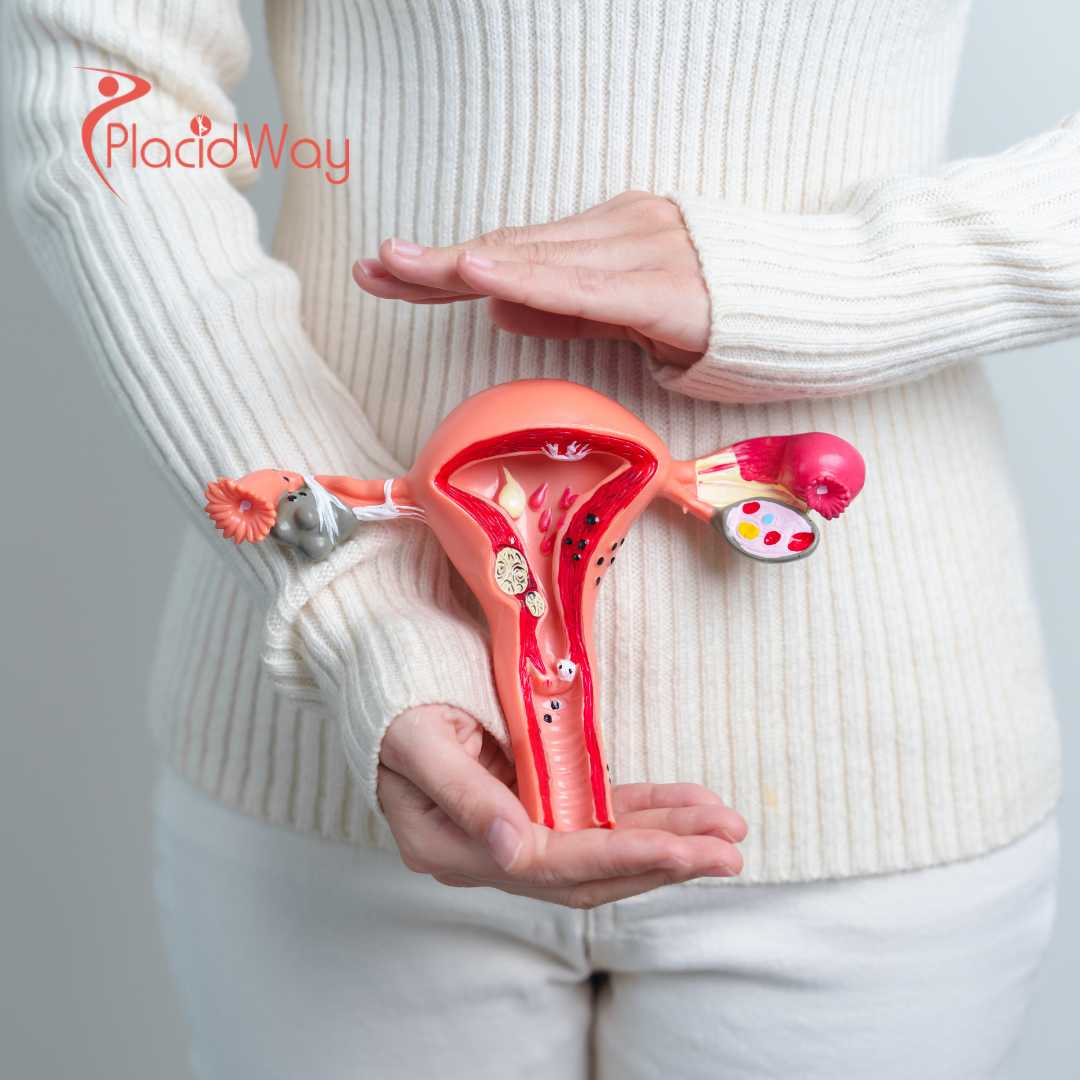
Price starting from $10,000
Stem Cell for Ovarian Rejuvenation in Bangkok, Thailand
- Stem Cell Treatment for Ovarian Rejuvenation, Stem Cell Therapy for Longevity
Bangkok, Thailand







