


Why More U.S. Patients Are Choosing Artificial Disc Replacement in Mexico Over Spinal Fusion
U.S. patients increasingly choose artificial disc replacement in Mexico over fusion to preserve spine mobility and avoid adjacent segment disease, all while saving up to 70% on healthcare costs without compromising on world-class surgical quality.
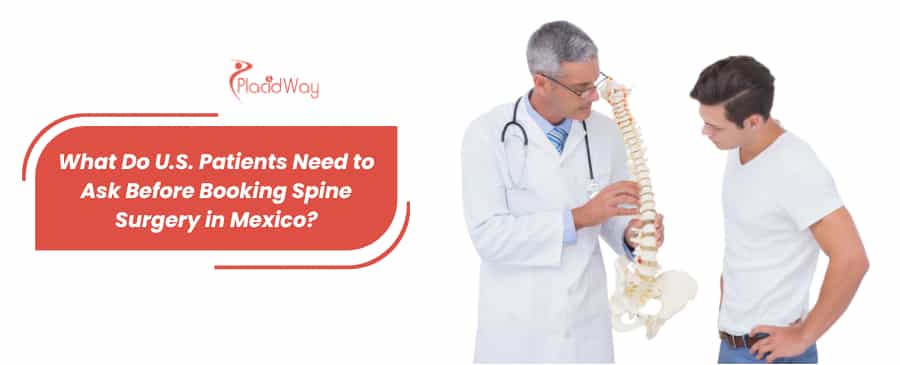
Key Takeaways: Spine Surgery Options and Benefits
- Motion Preservation: Artificial discs maintain natural spine flexibility unlike rigid spinal fusion.
- Financial Savings: Patients save tens of thousands of dollars on uninsured or underinsured procedures.
- Rapid Recovery: Prosthetic disc patients typically return to daily activities faster than fusion patients.
- Premium Implants: Surgeons utilize world-renowned titanium and polymer devices for lasting durability.
- Specialized Care: English-speaking medical teams provide personalized, distraction-free patient attention.
Why do patients prefer artificial disc replacement over traditional spinal fusion?
This procedure preserves natural spine motion and flexibility, unlike spinal fusion which permanently locks vertebrae together and drastically limits everyday physical movement.
Traditional fusion involves removing the damaged disc and placing bone graft material between the vertebrae to encourage them to grow together into one solid bone. While this relieves nerve pressure and stabilizes the spine, it permanently eliminates all movement at that specific spinal segment. This lack of mobility can restrict daily activities and change how a patient bends or twists during routine tasks.
Disc replacement utilizes an advanced prosthetic device designed to perfectly mimic the natural biomechanical function of a healthy disc. The artificial joint allows for continuous flexion, extension, and rotation. Maintaining this natural biomechanics helps patients return to physically demanding jobs or highly active lifestyles much more effectively than those who undergo solid bone fusion.
Furthermore, preserving natural motion significantly reduces the stress placed on the adjacent spinal levels above and below the surgical site. Spinal fusion often accelerates wear and tear on these neighboring discs, leading to a problematic condition known as adjacent segment disease. By avoiding this extra mechanical stress, patients greatly reduce their overall risk of needing subsequent spine operations in the future.
What is the average Artificial Disc Replacement cost in Mexico?
The average Artificial Disc Replacement cost in Mexico ranges from $12,000 to $18,000 per level, representing massive savings compared to exorbitant North American prices.
In the United States, patients without adequate insurance coverage often face debilitating bills ranging from $40,000 to over $60,000 for a single-level disc replacement. These prices reflect inflated hospital facility fees, astronomical administrative overhead, and complex insurance billing practices. This heavy financial burden forces many individuals to live with chronic pain rather than seeking the modern surgical intervention they desperately need.
Conversely, the Artificial Disc Replacement cost in Mexico is structured around transparent, all-inclusive pricing models designed specifically for cash-paying international patients. These comprehensive packages generally encompass the surgeon fees, operating room time, anesthesiology, a premium prosthetic implant, and the initial inpatient hospital stay. Patients know exactly what they will pay before they even board their flight.
The dramatic price difference does not indicate a reduction in medical quality or safety standards. Healthcare economics dictate that the lower cost of living, reduced malpractice insurance premiums for doctors, and streamlined administrative processes allow these world-class facilities to offer premium surgical care at a fraction of the cost found north of the border.
How do I choose a safe Artificial Disc Replacement clinic in Mexico?
Selecting a safe Artificial Disc Replacement clinic in Mexico requires verifying rigorous international accreditations and reviewing the specialized fellowship training of the attending neurosurgeon.
When researching healthcare facilities abroad, patients should prioritize hospitals that hold prestigious international certifications such as Joint Commission International. Facilities earning these high-level accreditations must pass exhaustive inspections evaluating their sterilization protocols, emergency response capabilities, and overall patient safety measures. An accredited Artificial Disc Replacement clinic in Mexico operates under the exact same stringent safety frameworks as a highly rated American hospital.
The qualifications of the surgical team are equally vital to ensuring a safe and successful outcome. Prospective patients must look for neurosurgeons or orthopedic spine specialists who have completed advanced fellowship training specifically dedicated to motion preservation technology. Many leading doctors operating in these regions have spent years training alongside top spine experts in the United States, Canada, or Germany.
Finally, a secure clinical environment is characterized by the presence of modern diagnostic and surgical technology. Top-tier clinics utilize advanced imaging modalities, computer-assisted surgical navigation, and continuous intraoperative neuromonitoring to protect nerve function throughout the procedure. These technological investments demonstrate a profound commitment to achieving optimal surgical precision and maximizing patient safety.
Why is medical tourism in Mexico booming for complex spine procedures?
The landscape of medical tourism in Mexico is expanding rapidly because it offers immediate access to top-tier healthcare facilities and highly affordable out-of-pocket pricing for complex care.
One primary catalyst driving the expansion of medical tourism in Mexico is the complete elimination of long waiting lists for elective surgeries. In many countries with socialized medicine or overburdened private networks, patients endure agonizing months waiting for a simple consultation. Traveling internationally allows patients suffering from severe nerve compression to schedule their vital procedures almost immediately, preventing further neurological damage.
Geographic proximity plays a monumental role for North American patients seeking relief from chronic back or neck pain. Short, direct flights to major medical hubs simplify the logistics of traveling while physically compromised. The convenience of crossing the border for world-class medical attention eliminates the exhausting physical toll associated with long-haul international flights to other distant medical destinations.
Furthermore, the entire medical hospitality ecosystem is tailored to provide exceptional, stress-free patient experiences. Bilingual care coordinators, dedicated nursing staff, and luxurious recovery environments create a holistic healing atmosphere. This concierge-level approach ensures patients focus entirely on their physical rehabilitation rather than stressing over language barriers or navigating complex hospital bureaucracies.
Are globally recognized implants used for Artificial Disc Replacement in Mexico?
Yes, reputable centers performing Artificial Disc Replacement in Mexico exclusively utilize high-quality, internationally approved prosthetic implants sourced from leading global medical device manufacturers.
Patient anxiety regarding the quality of surgical materials used abroad is common but largely unfounded when choosing elite medical institutions. Top spine centers rely on the exact same proprietary disc replacement models utilized by premier surgical teams worldwide. These prosthetic devices undergo rigorous biomechanical testing to ensure they can withstand decades of repetitive spinal movement without structural failure.
Surgeons performing Artificial Disc Replacement in Mexico select implants constructed from ultra-durable materials such as medical-grade titanium alloys and advanced polyethylene core structures. These specific materials are chosen for their profound biocompatibility, meaning the human body accepts the implant without triggering adverse immune responses or rejection complications over the long term.
Prior to finalizing any surgical agreement, patients are encouraged to request specific details regarding the exact brand and model of the disc intended for their procedure. Transparent healthcare providers readily supply this vital information, allowing patients to conduct independent research and verify the safety track record of the proposed prosthetic device before committing to the operation.
What is the recovery timeline for artificial disc surgery compared to fusion?
Patients recover from disc replacement much faster than fusion, usually resuming light activities within a few short weeks instead of waiting several painful months for spinal bones to fully fuse.
The immediate postoperative experience for disc replacement is notably less traumatic than traditional fusion. Because the surgeon does not need to harvest bone graft material from the patient's hip or wait for a solid biological fusion to occur, the early stages of healing are significantly accelerated. Many patients are encouraged to stand and walk within mere hours of waking up from general anesthesia.
During the first few weeks, individuals experience standard surgical soreness at the incision site and mild muscle spasms, which are effectively managed with temporary oral medications. Unlike fusion patients who often require rigid external bracing to immobilize the spine, disc replacement patients benefit from early, gentle movement. This early mobilization promotes vital blood flow to the surgical area and prevents painful muscle stiffness.
Complete integration of the implant and resolution of severe nerve pain symptoms happens progressively. While patients can typically return to office-based work within two to four weeks, intense physical labor or high-impact athletic activities must be avoided for approximately three months. A dedicated physical therapy regimen is crucial during this timeline to safely rebuild core strength and maximize the functional lifespan of the new artificial joint.
Who qualifies as an ideal candidate for this spinal procedure?
Ideal candidates are adults suffering from severe symptomatic disc degeneration who possess strong bone density and do not have widespread facet joint arthritis or underlying spinal instability.
The evaluation process begins by identifying the specific source of neurological pain. Ideal candidates typically suffer from a herniated, bulging, or severely degenerated disc at one or two specific spinal levels that causes radiating pain, numbness, or weakness in the arms or legs. Importantly, these patients must have exhausted conservative treatments like physical therapy and epidural steroid injections before considering surgical intervention.
Bone quality is a paramount factor in determining surgical candidacy. The artificial implant relies on strong, healthy vertebral bones to anchor securely in place. Individuals suffering from severe osteoporosis or significant metabolic bone diseases are generally disqualified from this procedure, as weakened bones cannot reliably support the mechanical stress of the prosthetic device, leading to a high risk of implant subsidence.
Furthermore, the surrounding spinal architecture must remain relatively healthy. Patients presenting with advanced arthritis in the posterior facet joints, severe scoliosis, or existing spinal instability are better suited for traditional fusion procedures. A comprehensive MRI evaluation allows the surgical team to thoroughly inspect these structural elements and determine if motion preservation is the safest and most effective clinical pathway.
What are the potential risks of undergoing spine surgery abroad?
While modern spine surgery is highly successful, risks include standard surgical complications like infection alongside the unique logistical challenge of coordinating long-distance follow-up care.
Any invasive spinal procedure carries inherent biological risks regardless of the geographic location of the hospital. These generalized surgical complications include the possibility of adverse reactions to general anesthesia, deep vein thrombosis, localized post-operative infections, or very rarely, unintended injury to surrounding nerve tissues. Expert surgical teams minimize these risks through rigorous preoperative testing and strict adherence to sterile operating protocols.
A specific risk related to prosthetic implants involves the potential for device migration or mechanical failure over time. Although modern materials are incredibly durable, extreme physical trauma or improper bone healing can occasionally cause the artificial disc to shift from its intended position. Regular monitoring through updated diagnostic imaging ensures any structural changes are identified and addressed promptly.
The most prominent challenge for international patients is establishing effective postoperative communication once they return home. Managing delayed complications or seeking rehabilitation guidance requires seamless collaboration between the foreign surgical team and local healthcare providers. Securing comprehensive medical documentation and establishing a local medical contact prior to travel heavily mitigates this geographical barrier to ongoing care.
Why Choose PlacidWay for your spine surgery abroad?
PlacidWay connects you with globally accredited healthcare providers while offering completely transparent pricing and dedicated patient advocacy throughout your entire international medical journey.
- Elite Medical Network: We provide direct access to highly specialized, internationally certified spine surgeons who focus exclusively on advanced motion preservation techniques.
- Financial Transparency: Our platform ensures complete financial clarity by offering upfront, all-inclusive pricing packages to help you avoid unexpected or hidden medical bills.
- Rigorous Safety Standards: We meticulously vet every partner clinic for strict adherence to international safety, hygiene, and technological facility protocols.
- Seamless Care Coordination: Our dedicated medical support team assists in securely transferring your medical records and facilitating direct virtual consultations with your chosen specialist.
- Patient Empowerment: We supply objective clinical data, authentic patient reviews, and comprehensive hospital profiles to enable you to make confident, informed healthcare decisions.
Frequently Asked Questions About Artificial Disc Replacement in Mexico
Is it safe to travel to Mexico for spine surgery?
Traveling for spine surgery is completely safe when you select internationally accredited hospitals and board-certified neurosurgeons. Major medical hubs in the country adhere strictly to global healthcare protocols, utilizing the same advanced surgical equipment and sterile environments found in top-tier American or European healthcare facilities.
Can I get a dual-level disc replacement in Mexico?
Yes, highly skilled neurosurgeons routinely perform multi-level disc replacements for patients suffering from extensive spinal degeneration. Proper diagnostic imaging, including recent MRI and X-ray scans, is required to determine if treating two adjacent spinal levels simultaneously is the most effective clinical approach for your specific condition.
Do Mexican hospitals use FDA-approved artificial discs?
Top private hospitals dedicated to international patients exclusively utilize prosthetic discs manufactured by leading global medical device companies. These implants meet rigorous international safety standards and are identical to the high-quality, biologically compatible devices implanted by leading spine specialists in the United States.
What is the typical hospital stay for ADR in Mexico?
Most patients require a short inpatient hospital stay ranging from one to three days following their procedure to monitor vital signs and manage initial pain. Following discharge from the medical facility, patients generally recover in a nearby comfortable hotel for an additional seven to ten days before receiving medical clearance to fly home.
Will my US insurance cover disc replacement in Mexico?
The majority of standard domestic health insurance plans do not provide out-of-network coverage for elective surgical procedures performed internationally. However, the deeply discounted self-pay package prices often cost significantly less than the high deductibles and coinsurance fees associated with undergoing the exact same surgery domestically.
How soon can I fly back to the US after spine surgery?
Surgeons typically require international patients to remain in the local area for approximately ten to fourteen days post-operation to ensure proper initial healing and staple removal. Flying too soon introduces risks related to cabin pressure changes and prolonged sitting, so clearance is only granted after a final thorough physical evaluation.
What happens if I need post-operative care back home?
Patients are strongly advised to establish a relationship with a local primary care physician or physical therapist prior to departing for their international surgery. The surgical team abroad will provide comprehensive medical records, operative notes, and specific rehabilitation guidelines in English to ensure seamless continuity of care upon your return.
Are Mexican spine surgeons internationally board-certified?
Many elite neurosurgeons catering to international patients hold dual board certifications and have completed extensive fellowship training programs in the United States or Western Europe. They frequently participate in global medical societies, ensuring their surgical techniques remain at the absolute forefront of modern spinal preservation technology.
Can I combine lumbar and cervical disc replacement in one trip?
While technically possible, surgeons rarely recommend addressing both the cervical neck and lumbar lower back regions during a single operative session due to excessive physical trauma. Medical professionals prioritize patient safety and optimal healing, usually advising staging the surgeries several months apart to allow the body adequate recovery time.
What pre-operative tests are required before traveling?
Patients must provide a comprehensive medical history alongside high-resolution MRI scans taken within the last six months to determine initial surgical candidacy. Upon arrival at the international destination, the medical facility will conduct fresh blood work, electrocardiograms, and physical evaluations to confirm the patient is completely healthy for general anesthesia.
Restore Your Spine Mobility Today
* Responses typically within 24 hours. Privacy guaranteed.








.png)
.png)
.png)











Share this listing