
Affordable Dental Implants in Egypt: Full Cost
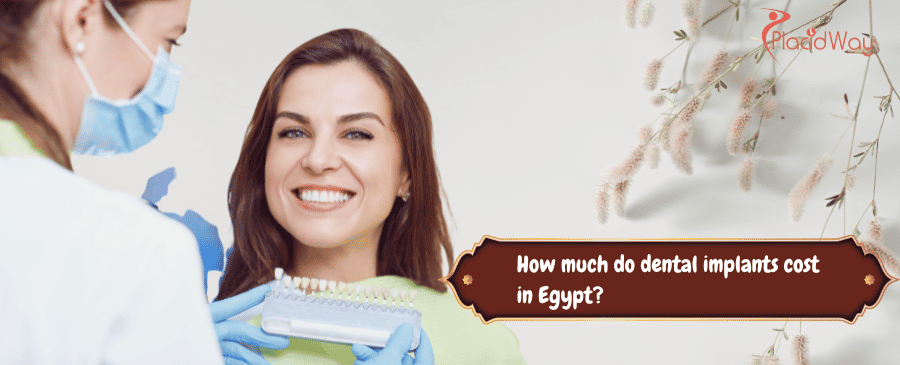
Restoring your smile after tooth loss is a major decision that often comes with a significant financial commitment. As the cost of restorative dentistry continues to rise in many Western countries, more patients are looking internationally for accessible options. If you are exploring dental implants in Egypt, you probably have numerous questions about pricing, quality, the procedure itself, and what to expect from traveling abroad for dental care.
This comprehensive guide breaks down the financial estimates, treatment timelines, and medical considerations you need to understand. Deciding to pursue care overseas requires careful planning, a clear understanding of your own oral health, and a realistic view of what the process entails from start to finish.
Key Takeaways
- The average price for a single implant with a crown falls between $400 and $900.
- Treatment typically requires two separate trips spaced several months apart to allow the jawbone to heal.
- Many clinics use internationally recognized titanium implant brands and durable zirconia crowns.
- Not everyone is a suitable candidate; sufficient jawbone density and healthy gums are required for success.
- Patients must budget for travel, accommodations, and potential local follow-up care if complications arise back home.
What factors affect the total cost of dental implants in Egypt?
While the advertised price for an implant might look highly appealing, final costs fluctuate based on individual medical needs. An implant system has three distinct parts: the titanium post that goes into the bone, the abutment that connects the post to the tooth, and the visible crown. Sometimes quotes only include the post, so you should always ask for a comprehensive breakdown.
Preliminary treatments are a major variable. If a tooth has been missing for a long time, the underlying jawbone often deteriorates. In such cases, you may require a bone graft or a sinus lift to create a sturdy foundation for the titanium post. These preparatory surgeries require extra materials, extended surgical time, and a longer healing period, naturally adding to the overall expense.
The materials you choose also influence the final bill. Standard porcelain-fused-to-metal crowns are usually the most economical choice. However, many patients opt for full zirconia crowns because they offer superior durability and a more natural translucency that closely mimics real teeth. Upgrading to premium materials or requesting internationally branded implant systems will increase your baseline estimate.
Are there hidden fees when traveling to Egypt for dental work?
When calculating your total budget, focus on the entire journey rather than just the medical bill. A reputable dental implant clinic in Egypt will be transparent about their clinical fees, but out-of-pocket travel costs fall entirely on the patient. Since traditional implant procedures require two separate visits, you need to budget for double the airfare and hotel stays.
At the clinic, ask if the initial consultation and 3D CBCT scans are included in your quote. These detailed x-rays are mandatory for safe surgical planning and are sometimes billed separately. You will also need local currency to pay for prescription antibiotics, anti-inflammatory medications, and special antibacterial mouthwashes required for your post-surgery recovery.
Furthermore, patients should set aside an emergency contingency fund. Traveling abroad carries inherent uncertainties, and flight delays, extended hotel stays due to slower-than-expected initial healing, or the need for a local dentist back home to adjust a bite issue all represent realistic potential costs.
Am I a good candidate for dental implants?
Dental implants are an invasive surgical procedure, and not everyone is medically suited for them. A comprehensive evaluation by a qualified dental professional is necessary to determine your eligibility. The primary requirement is having enough jawbone to securely anchor the titanium post. If you have severe bone loss, you may need grafting procedures before an implant can even be considered.
Your overall health plays a critical role in the success of the procedure. Conditions like uncontrolled diabetes, autoimmune disorders, or a history of radiation therapy to the head and neck can impair healing and significantly increase the risk of implant failure. Patients taking certain medications, such as bisphosphonates for osteoporosis, also face unique risks that must be discussed with a doctor.
Lifestyle factors are equally important. Heavy smoking restricts blood flow to the gums, severely disrupting the healing process and leading to a much higher rate of implant complications. Dentists strongly advise quitting smoking several weeks before and after the surgery to give the implant the best possible environment for successful integration.
What happens during the dental implant procedure?
The journey to a restored smile happens in distinct phases. During the initial surgical phase, the dentist numbs the area with local anesthesia, makes a small incision in the gum line, and carefully drills a space into the jawbone. The titanium implant is inserted, and the gums are stitched closed to protect the site. If a damaged tooth is still present, it may be extracted during this same visit.
Following surgery, the body enters a critical biological phase called osseointegration. Over a period of three to six months, your natural jawbone cells grow around and fuse to the microscopic surface of the titanium post. This fusion is what gives the implant its remarkable stability, allowing it to function much like a natural tooth root.
Once osseointegration is confirmed via x-ray, you undergo the restorative phase. The dentist attaches a small connector piece known as an abutment to the implant. Finally, impressions are taken to fabricate a customized crown that matches the color, shape, and bite of your surrounding natural teeth. The crown is then cemented or screwed securely into place.
How long do I need to stay in Egypt for treatment?
Planning your travel schedule accurately is essential for a smooth experience. For traditional implants, the initial trip involves the surgical placement of the titanium posts. You will typically arrive, undergo the surgery within the first couple of days, and remain in the country for a brief observation period to ensure no immediate signs of infection or severe bleeding develop.
You then return to your home country while osseointegration takes place. This waiting period cannot be rushed, as loading a crown onto an implant too early can cause the implant to shift and fail. Three to six months later, depending on your body's healing rate, you will return for the second phase.
During the second trip, the focus is entirely restorative. The dentist will expose the implant, attach the abutment, and take molds for the dental lab. Fabricating a customized crown usually takes a few days. Once the crown is ready, it is fitted, adjusted for your bite, and secured. Planning for slightly longer stays provides a buffer in case laboratory work requires minor revisions.
Are the materials used in Egypt safe and comparable to those at home?
A common concern regarding medical care abroad is the quality of the materials used. The dental manufacturing industry is highly globalized. Leading dental implant brands manufactured in Europe, the United States, and South Korea are routinely imported and used by established clinics worldwide. Titanium is universally used because of its documented biocompatibility and ability to fuse with human bone.
When selecting a provider, you have the right to ask exactly which brand of implant system they intend to use. Well-known global brands come with traceability, meaning your implant has a specific lot and serial number. This documentation is highly valuable, as any dentist back in your home country will easily recognize the system if you ever need a crown adjusted or replaced years down the line.
The materials used for the visible crown, such as zirconia or E-max porcelain, are also sourced from international suppliers. The quality of the final tooth depends not only on the raw material but also on the skill of the local dental laboratory technicians who sculpt and color-match the crown to your natural teeth.
What are the potential risks and complications?
While dental implants have a high overall success rate in suitable candidates, they carry the same inherent risks as any oral surgery. Infection is a primary concern. If bacteria enter the surgical site during healing, it can lead to peri-implantitis, a condition that destroys the bone supporting the implant and may result in the loss of the device.
Surgical precision is vital because the jaw contains important anatomical structures. In the lower jaw, drilling too deep can disturb the inferior alveolar nerve, potentially causing temporary or persistent numbness, tingling, or pain in the lips, chin, and gums. In the upper jaw, an implant can sometimes protrude into the sinus cavity, leading to chronic sinus issues if not addressed.
Traveling for surgery adds another layer of complexity regarding aftercare. If you develop severe pain, ongoing bleeding, or a fever after returning home, you must seek immediate attention from a local dentist or doctor. Having a plan for domestic follow-up care is essential, as the clinic that performed your surgery will be thousands of miles away if a sudden complication arises.
How should I choose a dental implant clinic in Egypt?
Thorough research is your best defense against subpar medical care. Do not base your decision solely on the lowest price. Look for specialists, such as oral and maxillofacial surgeons or periodontists, who have extensive specific training in implantology rather than general dentistry.
Hygiene and sterilization protocols should be non-negotiable. Modern clinics use hospital-grade autoclaves to sterilize instruments and strictly adhere to cross-contamination prevention guidelines. During your initial virtual consultation, ask how they handle sterilization and whether they possess any international accreditations or quality management certifications.
Communication is another critical factor. You need to be able to understand your diagnosis, the proposed treatment plan, and all postoperative instructions clearly. A reputable clinic will have fluent English-speaking staff or dedicated medical translators. They should also willingly provide written estimates, realistic expectations regarding outcomes, and answers to any questions you have about their emergency protocols.
What does the recovery process look like?
Immediately following the placement of the titanium post, you can expect localized swelling, minor bruising, and some discomfort once the anesthesia wears off. Dentists typically prescribe pain relievers and antibiotics to manage symptoms and prevent infection. Applying ice packs to your face intermittently during the first 24 to 48 hours can help reduce facial swelling.
Dietary adjustments are necessary to protect the surgical site. You will need to stick to a soft-food diet consisting of soups, smoothies, yogurt, and mashed vegetables for the first week or two. It is critical to avoid chewing directly on the implant site. Furthermore, you must avoid using straws, as the suction can disturb blood clots and impede the initial healing phase.
Long-term maintenance dictates the lifespan of your new implant. While the artificial tooth cannot decay, the gums surrounding it remain vulnerable to periodontal disease. Daily brushing, flossing, and the use of antimicrobial mouthwashes are mandatory. You must also commit to regular professional cleanings and checkups with your local dentist to ensure the tissues surrounding the implant remain healthy.
Why is medical tourism in Egypt popular for dental procedures?
The concept of medical tourism in Egypt has expanded rapidly as patients discover the financial benefits of undergoing treatments abroad. The primary driver is the favorable exchange rate and lower local cost of living, which allows modern clinics to offer treatments at a fraction of Western prices without necessarily compromising on technology or material quality.
Additionally, the geographic location makes it accessible for patients traveling from Europe, the Middle East, and parts of Africa. Major cities like Cairo and Alexandria, as well as resort towns along the Red Sea like Hurghada and Sharm El-Sheikh, house clinics specifically tailored to international visitors. This allows patients to recover in a more relaxing environment.
However, patients must balance tourism with their medical needs. Walking extensively in the hot sun immediately after oral surgery can elevate blood pressure and increase bleeding risks. Swimming in public pools or the ocean while you have fresh surgical incisions introduces a severe risk of infection. Sightseeing should be kept light and scheduled appropriately around your recovery guidelines.
Why Choose PlacidWay for Medical Tourism?
PlacidWay is a global medical tourism platform dedicated to helping patients research and connect with international healthcare providers.
- Global Connections: Provides access to a wide network of international dental clinics and medical facilities.
- Transparent Estimates: Helps patients gather clear price quotes to compare costs across different regions.
- Detailed Profiles: Features informative clinic profiles outlining provider credentials and available treatments.
- Direct Communication: Facilitates initial virtual consultations between patients and overseas healthcare teams.
- Informed Choices: Offers educational resources to help patients understand procedures and plan their medical travel independently.
Frequently Asked Questions
Can I get full-mouth dental implants in Egypt?
Yes, many clinics offer full-arch rehabilitations like All-on-4 or All-on-6. These procedures replace an entire arch of teeth using four to six implants as anchors for a fixed bridge. Suitability depends on your jawbone density and overall oral health.
Do I need a bone graft before getting an implant?
You may need a bone graft if your jawbone lacks the volume or density to support an implant securely. A dentist determines this by reviewing your 3D CBCT scans before surgery.
Is the implant procedure painful?
The procedure is typically performed under local anesthesia so you do not feel pain during the surgery. Mild soreness, swelling, and discomfort are common during the first few days of recovery and can usually be managed with over-the-counter pain relievers.
How long do dental implants usually last?
With proper oral hygiene and regular dental checkups, the titanium implant post can last for decades. The attached crown may experience natural wear and tear and could need replacement after 10 to 15 years.
Can I travel and sightsee immediately after surgery?
Rest is highly recommended for the first 48 hours to minimize swelling and bleeding. After a few days, light sightseeing is usually fine, but you should avoid strenuous activities, heavy lifting, or swimming in public pools until cleared by your dentist.
Will my domestic insurance cover implants in Egypt?
Most domestic dental insurance policies do not cover care received abroad. Some providers may reimburse a portion of the treatment if you have global coverage, but you should verify this directly with your insurance company beforehand.
What kind of crowns are available?
Clinics typically offer porcelain-fused-to-metal crowns, full porcelain, and zirconia crowns. Zirconia is highly popular due to its strength and natural appearance, though it often costs slightly more.
What happens if my implant fails after I return home?
If complications like infection or failure occur after returning home, you will need to seek care from a local dentist or oral surgeon. This highlights the need to budget for potential domestic follow-up care.
How soon can I eat normal food?
You should stick to a soft-food diet for the first few weeks to avoid putting pressure on the healing surgical site. You can gradually return to a normal diet as the bone heals, though your dentist will provide specific timelines based on your progress.
Are there age limits for getting implants?
There is no strict upper age limit for implants as long as the patient is in good health and has sufficient bone density. Implants are not recommended for children or young teens whose jawbones are still actively growing.
Ready to Explore Your Dental Options?
Compare treatment estimates and connect with qualified clinics internationally.
Request Treatment InformationReferences
- Dental Implants – American Dental Association (ADA)
- Dental Implant Surgery Risks and Preparation – Mayo Clinic
- Dental Implants: What You Should Know – U.S. Food and Drug Administration (FDA)
- Medical Tourism Travel Information – Centers for Disease Control and Prevention (CDC)
- Osseointegration: An Update – National Center for Biotechnology Information (NCBI)
- Global Oral Health Information – FDI World Dental Federation




















Share this listing