
Dental Veneers Prices in Cairo, Egypt
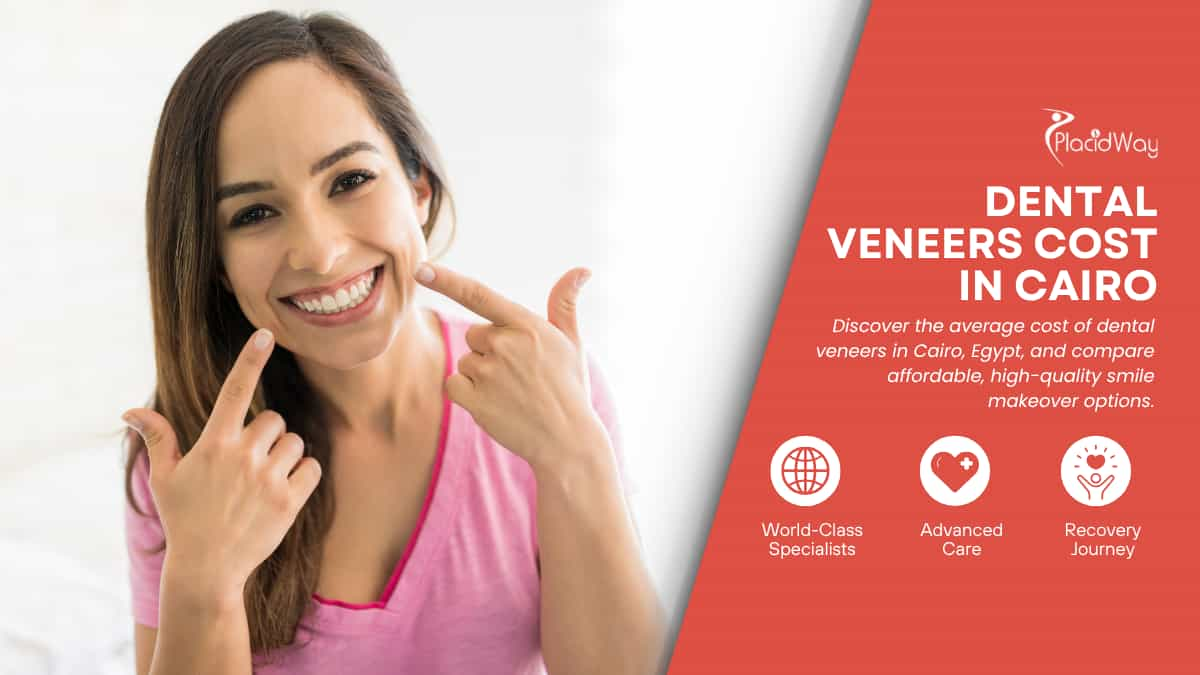
The average dental veneers cost in Cairo typically ranges from $150 to $400 per tooth. This price varies depending on the materials used, such as porcelain or composite resin, case complexity, and the chosen dental facility's location.
Key Takeaways
- Patients can expect significant savings on cosmetic dental procedures compared to North American and European healthcare markets.
- The total expense depends heavily on the chosen material, with E-max and Zirconia ceramics costing more than composite resins.
- Thoroughly researching the treating prosthodontist's credentials is a mandatory step for ensuring aesthetic and structural success.
- International visitors must factor in the cost of flights, accommodation, and potential local aftercare into their overall budget.
- Proper maintenance and regular dental checkups in your home country are essential for the longevity of your restorations.
Why Is the Dental Veneers Cost in Cairo Lower Than in Other Countries?
The competitive pricing is primarily driven by lower regional living expenses and favorable currency exchange rates rather than a reduction in clinical quality.
A major factor contributing to the affordable dental veneers cost in Cairo is the overall macroeconomic landscape of the region. The operational overhead for running a modern medical facility, including commercial real estate, administrative staff salaries, and domestic utilities, is substantially lower than in Western nations. These reduced baseline expenses allow providers to offer services at a fraction of the cost.
Additionally, the strength of foreign currencies against the Egyptian Pound provides a massive financial advantage for international travelers. When patients convert Dollars, Euros, or Pounds, their purchasing power increases exponentially. This economic shift makes premium, imported dental materials far more accessible for the average international patient seeking comprehensive cosmetic work.
Finally, the government has actively encouraged the development of a robust healthcare export sector. By fostering a competitive environment among specialized clinics, facilities are incentivized to maintain high standards of care while keeping out-of-pocket expenses reasonable to attract a steady flow of international visitors.
What Types of Dental Veneers in Cairo Are Available for Patients?
Patients seeking dental veneers in Cairo can typically choose between highly durable porcelain, translucent E-max, Zirconia, or cost-effective composite resin materials.
Porcelain veneers remain the gold standard in cosmetic dentistry due to their exceptional durability and natural light-reflecting properties. These ultra-thin ceramic shells are custom-milled in a dental laboratory to cover the front surface of the teeth, effectively masking severe discoloration, minor chips, and slight misalignments. Materials like E-max (lithium disilicate) offer superior strength and aesthetic vitality.
Zirconia is another premium option frequently offered by modern facilities. Known for its incredible fracture resistance, Zirconia is often recommended for patients who have a heavy bite or a history of teeth grinding (bruxism). While it is immensely strong, some specialists argue it may lack the slight translucency of E-max, making material selection a highly individualized clinical decision.
Composite resin is a more budget-friendly alternative that can often be applied in a single visit without extensive laboratory involvement. The dentist directly sculpts the resin onto the tooth surface and hardens it with a specialized light. While more affordable, composite materials are generally more susceptible to staining and typically have a shorter clinical lifespan than their ceramic counterparts.
| Material Type | Durability | Aesthetics | Preparation Required |
|---|---|---|---|
| Porcelain (E-max) | High (10-15 years) | Excellent, highly translucent | Moderate enamel removal (0.3-0.5mm) |
| Zirconia | Very High | Good, slightly opaque | Moderate enamel removal |
| Composite Resin | Moderate (5-7 years) | Good, prone to staining | Minimal to no enamel removal |
What Is Included in the Dental Veneers Cost in Egypt?
A standard estimate for the dental veneers cost in Egypt usually covers the consultation, tooth preparation, temporary restorations, and final laboratory-crafted ceramics.
Understanding what your quoted price entails is crucial for accurate financial planning. Most reputable facilities will provide a comprehensive package that begins with a detailed clinical assessment and digital smile design. The core fee generally includes the clinical time required to prepare the natural teeth, the physical fabrication of the permanent veneers, and the specialized bonding agents used to adhere them securely.
Patients are typically provided with temporary resin veneers to protect their sensitive prepared teeth while the permanent ceramics are being manufactured. The cost of placing and eventually removing these temporaries is ordinarily rolled into the total per-tooth estimate provided by the treating specialist.
However, you must be aware of common exclusions. Preparatory treatments such as professional periodontal scaling, treating existing cavities, or preliminary teeth whitening are often billed as separate, line-item expenses. Diagnostic x-rays or 3D scans may also incur additional fees depending on the facility's specific billing policies.
Did You Know?
Digital Smile Design (DSD) technology allows patients to see a virtual 3D mockup of their final results before any irreversible enamel removal takes place, ensuring the proposed aesthetic aligns with the patient's expectations.
How Can I Choose a Safe Dental Veneers Clinic in Cairo?
Selecting a reliable dental veneers clinic in Cairo requires verifying the dentist's specialized training in prosthodontics and confirming the facility's sterilization protocols.
Patient safety and aesthetic success depend heavily on the specific credentials of the treating professional. Cosmetic dentistry is an intricate field; therefore, patients should actively seek out specialists holding advanced degrees in prosthodontics or restorative dentistry, rather than relying solely on general practitioners who offer aesthetic services as a secondary offering.
Evaluating the clinical infrastructure is equally vital. Before committing to a procedure, prospective patients should inquire about the center's infection control protocols. A trustworthy clinic will willingly demonstrate compliance with international hygiene standards, utilizing hospital-grade sterilization equipment (autoclaves) and strictly employing single-use disposable tools where appropriate.
Transparency regarding materials is another hallmark of a safe facility. The chosen provider should readily disclose the brand names and origins of the ceramic blocks or composite resins they utilize. Facilities that use FDA-cleared or CE-certified materials provide an added layer of assurance regarding the biocompatibility and durability of the final restorations.
How Does Medical Tourism in Cairo Benefit Dental Patients?
Engaging in medical tourism in Cairo allows international patients to access highly experienced specialists and advanced dental technology at deeply discounted rates.
- Financial Viability: Patients can achieve comprehensive smile makeovers that would otherwise be financially out of reach in their home countries.
- High Clinical Volume: Specialists catering to international visitors handle a massive volume of complex cosmetic cases, refining their aesthetic skills and clinical efficiency.
- Advanced Diagnostics: Many facilities heavily invest in in-house CAD/CAM technology, 3D printing, and panoramic imaging to streamline the international patient experience.
- Multidisciplinary Care: Larger centers often house endodontists, periodontists, and prosthodontists under one roof, allowing for coordinated, comprehensive treatment plans.
- Cultural Experience: Medical travel offers the unique opportunity to recover while exploring historic landmarks and experiencing a rich cultural environment.
Expert Insight
Patients traveling for cosmetic dentistry should always ask for physical documentation or a "material passport" that identifies the exact brand of ceramics used, which is critical if future repairs are needed locally.
How Long Does It Take to Get Dental Veneers in Egypt?
The entire process for placing dental veneers in Egypt generally takes between 5 and 10 days, requiring at least two major clinical appointments.
The timeline for cosmetic restorations is dictated by the biological requirements of tooth preparation and the technical requirements of laboratory fabrication. The initial visit involves the consultation, precise enamel reduction, and taking digital or physical impressions of the prepared teeth. Temporary veneers are then placed to protect the sensitive dentin.
Following this first appointment, the dental laboratory requires several days to expertly craft, color-match, and glaze the custom ceramics. Some clinics equipped with advanced in-house CAD/CAM milling machines (like CEREC) may be able to expedite this process, occasionally offering same-day or next-day turnarounds, though this is less common for large, multi-tooth cases.
The final appointment involves removing the temporaries, thoroughly cleaning the underlying teeth, and permanently bonding the new restorations in place using specialized dental cements. The dentist will make necessary bite adjustments and ensure the margins are perfectly sealed to prevent future decay.
Are There Additional Expenses When Visiting a Dental Veneers Clinic in Egypt?
Beyond the clinical fees paid directly to a dental veneers clinic in Egypt, patients must meticulously budget for international flights, accommodation, and unforeseen medical needs.
- Travel and Lodging: Airfare, hotel stays for a minimum of a week, and daily local transportation can add a significant amount to the overall out-of-pocket expenses.
- Prerequisite Dental Work: If a clinical examination reveals active decay, receding gums, or the need for a root canal, these issues must be treated at an additional cost before proceeding.
- Protective Night Guards: Specialists strongly recommend purchasing a custom-fitted occlusal guard to protect the new ceramics from nighttime grinding, which usually incurs a separate fee.
- Travel Insurance: Standard travel insurance does not cover elective medical complications. Specialized medical tourism insurance may be necessary for financial peace of mind.
- Local Aftercare: Budgeting for post-treatment checkups or minor bite adjustments with a dentist in your home country is a necessary step in the recovery process.
Important Consideration
Never attempt to fit complex dental work into a tightly scheduled vacation. Healing times can vary, and laboratory delays occasionally happen. Always allow a buffer of a few extra days before your scheduled flight home.
What Are the Potential Risks of Traveling for Cosmetic Dentistry?
Elective cosmetic dentistry carries inherent clinical risks such as post-operative sensitivity, material fracture, and the logistical challenge of managing complications from abroad.
The most fundamental risk associated with traditional veneers is the irreversible nature of the procedure. Because healthy enamel must be removed to accommodate the ceramic shell, the tooth will require a permanent covering for the rest of the patient's life. If a restoration eventually fails, it must be replaced, leading to a lifelong commitment to maintenance.
Post-operative tooth sensitivity is a common occurrence as the nerve reacts to the preparation process and the bonding chemicals. While this usually subsides within a few weeks, severe or prolonged pain may indicate a deeper issue, such as nerve inflammation, which could necessitate unexpected root canal therapy.
From a travel perspective, continuity of care is a major hurdle. If a veneer debonds (falls off) or cracks shortly after you return home, resolving the issue requires intervention from a local domestic provider. Because they did not perform the original work, they will charge standard domestic fees to fix the problem, which can quickly negate any initial savings.
How Should I Maintain My Restorations After Returning Home?
Maximizing the lifespan of your new smile requires excellent daily oral hygiene, wearing a protective night guard, and avoiding habits that can fracture ceramics.
- Non-Abrasive Hygiene: Use a soft-bristled toothbrush and a non-abrasive gel toothpaste to prevent scratching the polished surface of the ceramic.
- Daily Flossing: Plaque can easily accumulate at the margins where the veneer meets the natural tooth line, leading to severe underlying decay if not meticulously flossed.
- Avoid Hard Foods: Refrain from biting directly into hard objects like ice, hard candies, or tough nuts, which can cause the delicate ceramic edges to chip or shear off entirely.
- Wear an Occlusal Guard: If you clench or grind your teeth during sleep (bruxism), wearing a custom-fitted night guard is mandatory to prevent devastating fractures to your restorations.
- Routine Professional Care: Schedule checkups and professional cleanings every six months with a local hygienist to monitor the health of the underlying tooth structure and gums.
Why Choose PlacidWay for Medical Tourism in Egypt?
PlacidWay facilitates safe and transparent medical travel by connecting patients with vetted, highly specialized dental centers focused on international standards.
- Provides direct access to verified clinic profiles, allowing patients to thoroughly review specialist accreditations and facility infrastructure before committing.
- Assists in securing transparent, itemized pricing estimates to ensure patients can accurately budget for their medical expenses without hidden surprises.
- Offers a vast directory of globally recognized centers that utilize FDA-cleared and CE-certified materials for reliable clinical outcomes.
- Supplies comprehensive educational resources to help patients understand realistic treatment timelines, clinical risks, and post-operative care requirements.
- Enables direct communication between the prospective patient and the international healthcare provider to discuss specific clinical needs and expectations.
Frequently Asked Questions
Can I get a full set of veneers in a single trip to Cairo?
Yes, patients can typically complete their veneer treatment during a single trip lasting 7 to 10 days, allowing adequate time for initial preparation, laboratory fabrication, and final bonding.
Do I need to have my teeth shaved down for veneers overseas?
Most traditional porcelain veneers require the removal of a thin layer of natural tooth enamel (typically 0.3mm to 0.5mm) to ensure the restoration sits flush against the gum line without appearing bulky.
How long do porcelain veneers typically last if placed in Egypt?
When crafted from high-quality, internationally recognized ceramics and maintained with strict oral hygiene, porcelain veneers can typically last 10 to 15 years before requiring repair or replacement.
What happens if a veneer cracks after I fly back home?
If a restoration chips or cracks after you return home, you will need to seek immediate care from a domestic dentist, which will result in out-of-pocket expenses for replacement or repair.
Are the ceramic materials used in Cairo internationally certified?
Reputable dental facilities typically use CE-certified or FDA-cleared materials imported from global manufacturers, but patients must explicitly request documentation verifying the brand and origin.
Can I combine my veneer treatment with teeth whitening?
Yes, many specialists recommend professionally whitening surrounding natural teeth prior to color-matching the new veneers, ensuring a seamless and consistent aesthetic result across your smile.
Will local anesthetics be used during the veneer preparation phase?
Local anesthesia is standard during the enamel reduction phase to ensure patient comfort. The final bonding appointment may or may not require anesthesia depending on individual tooth sensitivity.
Can gum disease prevent me from getting veneers abroad?
Active periodontal (gum) disease must be fully treated and resolved before any cosmetic restorations can be safely applied, which may delay treatment or require prerequisite procedures.
Do Cairo dental clinics accept international health insurance?
Cosmetic dentistry is rarely covered by any health insurance. Patients should expect to pay out-of-pocket, though many clinics accept major international credit cards.
How soon after the final placement can I travel on an airplane?
Since veneers do not involve invasive oral surgery or extractions, patients are generally safe to fly within 24 to 48 hours after the final bonding process is completed.
Compare Cosmetic Dental Options Worldwide
Explore verified clinic profiles, review specialist credentials, and request transparent treatment estimates to make an informed, confident decision about your healthcare journey.
Request Treatment InformationDisclaimer: The pricing data provided is based on general estimates and is subject to change based on individual case complexity. Medical outcomes vary, and international travel for healthcare carries inherent logistical and clinical risks. Always consult with a licensed healthcare provider before making medical decisions.
References
- Veneers Overview – American Dental Association (ADA)
- Medical Tourism Safety Guidelines – Centers for Disease Control and Prevention (CDC)
- Dental Veneers – National Health Service (NHS)
- Oral Health Fact Sheet – World Health Organization (WHO)
- Guidelines on Quality in Dentistry – FDI World Dental Federation
- Clinical Longevity of Ceramic Veneers – National Center for Biotechnology Information (NCBI)
- Dental Devices Regulations – U.S. Food and Drug Administration (FDA)



















Share this listing