


Learn About Finding Dental Implants Clinics in Havana, Cuba
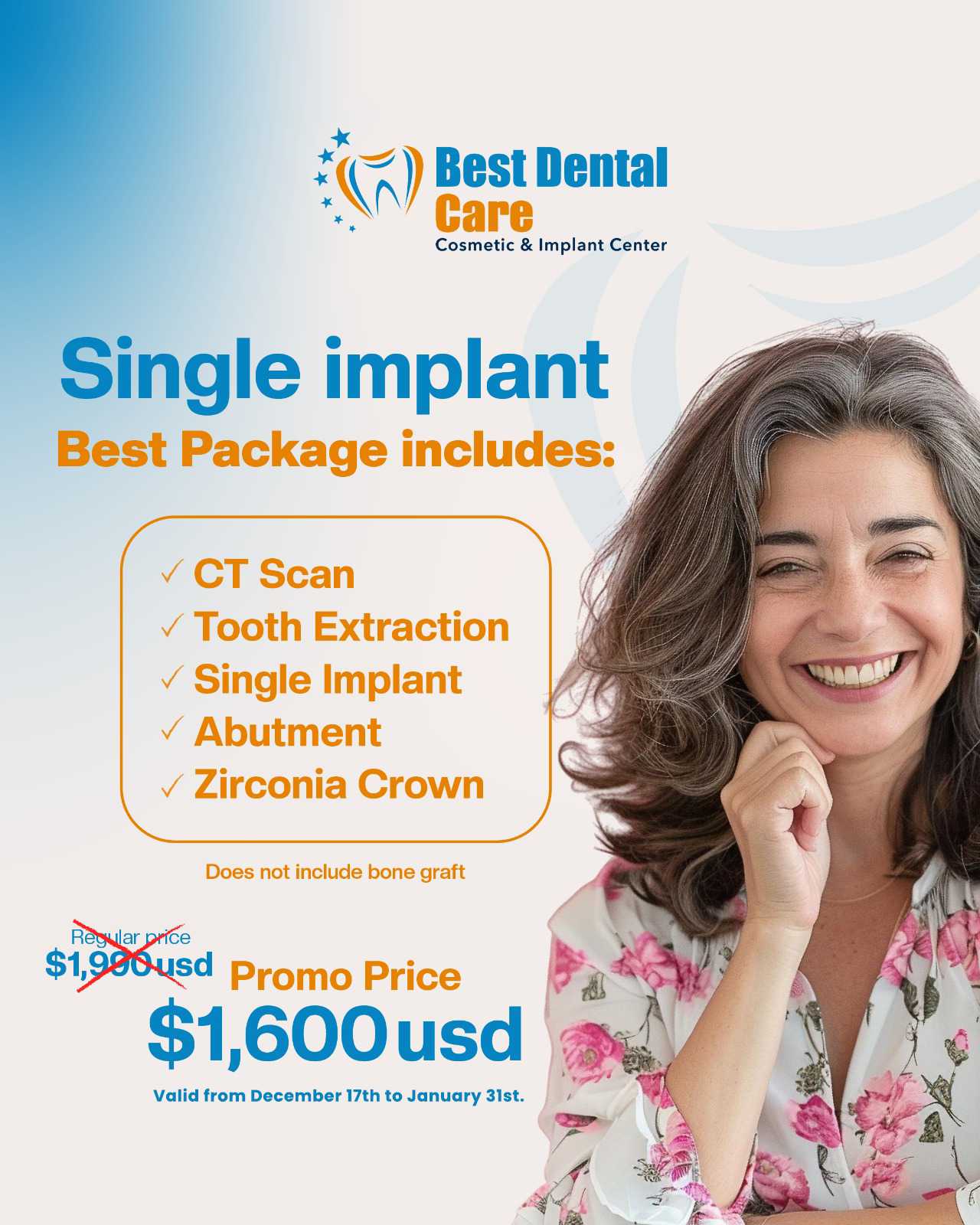
Finding the best Dental Implants clinic in Havana involves looking for internationally trained specialists offering high-quality titanium posts. Treatment costs typically range from $600 to $1,200 per implant, providing excellent value.
Key Takeaways: Dental Restoration in the Caribbean
- Cost Effectiveness: Patients routinely save between fifty to seventy percent compared to North American or European prices.
- Premium Materials: Specialists utilize globally recognized biocompatible titanium and premium zirconia materials.
- Expert Surgeons: Oral surgeons undergo rigorous training, often holding international certifications and advanced degrees.
- Comprehensive Care: Facilities offer advanced diagnostics including 3D CBCT scans for precise surgical planning.
- Holistic Experience: Combine top-tier oral healthcare with a peaceful recovery in a rich cultural destination.
How much do Dental Implants cost in Cuba compared to other countries?
The Dental Implants cost in Cuba is exceptionally affordable, generally ranging from $600 to $1,200 per tooth. This represents a massive saving compared to the $3,000 to $5,000 typically charged in the United States or Canada.
Understanding the financial benefits of seeking oral healthcare abroad is the first step for many international patients. The primary reason patients flock to the Caribbean for these procedures is the undeniable cost advantage. Because the overall cost of living and operational overhead for medical facilities are significantly lower, these savings are passed directly to the patient without compromising the quality of care or the materials used.
When evaluating the total Dental Implants cost in Cuba, it is important to consider what is included in the price. A comprehensive quote usually encompasses the titanium post, the surgical placement, the abutment, and the final porcelain or zirconia crown. In Western countries, these elements are often billed separately, causing the final bill to skyrocket. By choosing a destination known for affordable healthcare, patients can often restore an entire arch of teeth for the price of just one or two teeth back home.
Furthermore, the affordability extends beyond the single tooth replacement. Complex restorative procedures, such as All-on-4 or All-on-6 full mouth restorations, are highly sought after. Patients needing extensive bone grafting or sinus lifts will also find these supplementary surgical procedures to be a fraction of the cost. This makes achieving a perfect, functional smile an accessible reality rather than an impossible financial burden.
When comparing prices globally, always ensure you are comparing similar brands and materials. The top specialists abroad utilize the exact same globally renowned titanium brands used by your local dentist, proving that lower prices do not equate to lower quality.
What types of materials are used for Dental Implants in Cuba?
Practitioners performing Dental Implants in Cuba strictly use biocompatible, medical-grade titanium for the root posts and high-durability porcelain or zirconia for the visible crowns to ensure longevity.
A common misconception about receiving healthcare abroad is that lower costs mean inferior materials. This is entirely false when visiting a reputable facility. The success of any restorative oral surgery relies heavily on the quality of the materials inserted into the jawbone. Top-tier professionals utilize medical-grade titanium alloys because they possess a unique property that allows them to fuse seamlessly with human bone tissue, a process known as osseointegration.
For the visible portion of the tooth, aesthetics and durability are equally prioritized. Zirconia is highly favored for its incredible strength and natural translucency, mimicking the light-reflecting properties of natural enamel. Porcelain fused to metal is also an option, though solid zirconia is often recommended for molars that endure heavy chewing forces. Patients receiving Dental Implants in Cuba can expect materials that resist staining and chipping over decades of use.
The abutment, which is the connector piece between the titanium post and the final crown, is also selected with precision. Depending on the aesthetic requirements, especially for front teeth, specialists might use tooth-colored ceramic abutments instead of metal ones to prevent any dark lines from showing at the gum line. This meticulous attention to material science ensures that the final result is both biologically sound and visually stunning.
Titanium was first discovered to integrate with bone completely by accident in the 1950s by an orthopedic surgeon. Today, it remains the gold standard material for joint replacements and oral restorations worldwide due to its absolute rejection resistance.
How long does the dental implant procedure take for international patients?
The standard process usually requires two separate visits. The first trip involves surgical placement and takes about three to five days. A healing period of three to six months follows before the second trip to attach the final crowns.
Planning a trip for restorative oral surgery requires understanding the biological timeline of bone healing. During the first visit, the focus is entirely on diagnostics and the surgical insertion of the titanium posts. Advanced imaging is used to map out the jaw, avoiding nerves and sinus cavities. The actual surgery for a single tooth can take less than an hour, but patients are advised to stay in the country for a few days to ensure the initial healing phase progresses without complications.
Once the titanium posts are placed beneath the gums, the patient returns home to allow osseointegration to occur. This vital phase takes anywhere from three to six months. During this time, the jawbone grows around the micro-threads of the titanium post, locking it firmly into place. Rushing this process can lead to failure, which is why reputable specialists insist on this waiting period before applying the heavy chewing forces of a permanent crown.
The second visit is generally much simpler and completely non-invasive. The surgeon will uncover the healed post, attach the connecting abutment, and take digital impressions of your mouth. Custom zirconia or porcelain crowns are then milled in a laboratory to match the exact color and shape of your surrounding teeth. Within a few days of this second trip, the final prosthetics are secured, and the patient leaves with a fully restored, fully functional smile.
Are dentists in the region internationally certified to perform oral surgery?
Yes, professionals performing these procedures undergo extensive medical education, often completing specialized oral surgery residencies and obtaining certifications from international boards to maintain global standards.
A primary concern for anyone traveling for healthcare is the expertise of the medical staff. Rest assured, the educational standards for medical and dental professionals in this region are remarkably high. Practitioners specializing in restorative procedures do not merely hold basic degrees; they complete rigorous post-graduate specializations in maxillofacial surgery, periodontics, and implantology. This intensive training ensures they possess a deep understanding of facial anatomy and bone structures.
Many top-tier specialists who operate at any premier Dental Implants clinic in Havana actively participate in international symposiums and continuous education programs. It is common to find practitioners who have completed fellowships in Europe or the Americas. This global exposure guarantees that they are well-versed in the latest surgical techniques, digital dentistry workflows, and minimally invasive protocols that enhance patient comfort and outcome predictability.
Furthermore, leading facilities maintain strict internal quality controls. Peer review, case study presentations, and adherence to global sterilization protocols are standard practices. When international patients seek care, they are treated by dedicated teams of specialists rather than general practitioners, ensuring that experts who place hundreds of titanium posts annually are the ones managing their complex restorative needs.
What is the success rate for dental restorations in the area?
The success rate for dental procedures in Cuba consistently exceeds ninety-five percent. This high rate is achieved through meticulous pre-surgical planning, advanced 3D imaging, and strict adherence to post-operative care.
Clinical success in restorative dentistry is heavily dependent on proper diagnosis and meticulous execution. The overwhelmingly positive outcomes for patients traveling for these services stem from the comprehensive diagnostic phase. Before any surgery begins, specialists utilize 3D Cone Beam Computed Tomography scanners. This technology provides a highly detailed, three-dimensional view of the patient's jawbone, allowing the surgeon to assess bone density and pinpoint the optimal angle and depth for insertion.
Another factor contributing to the high success rate of dental procedures in Cuba is the strict patient selection and preparation process. If a patient presents with insufficient bone volume or active periodontal disease, these issues are addressed first. Bone grafting or targeted antibiotic therapies are utilized to create a healthy, robust foundation. Surgeons refuse to compromise on the biological requirements, ensuring that when the titanium post is finally placed, it has the best possible environment to integrate.
Finally, patient education plays a crucial role. Following the surgery, patients receive detailed instructions on oral hygiene and dietary restrictions. The integration process requires the post to remain undisturbed by heavy forces or bacterial infection. Because patients are given clear, actionable aftercare guidelines and follow-up support, the risk of early failure or peri-implantitis is drastically minimized, resulting in a permanent, healthy restoration.
How does medical tourism in Cuba benefit international patients?
Engaging in medical tourism in Cuba provides a unique blend of highly affordable, world-class healthcare combined with the opportunity to recover in a warm, culturally rich, and stress-free Caribbean environment.
The concept of traveling for healthcare is not just about saving money; it is about upgrading the entire patient experience. The healthcare infrastructure in this region is uniquely tailored to accommodate international visitors. Facilities dedicated to medical tourism in Cuba employ multilingual staff, patient care coordinators, and specialized concierge teams who ensure that every aspect of the medical journey, from consultation to final discharge, is handled with extreme professionalism and empathy.
Beyond the clinical excellence, the environment plays a significant role in patient recovery. Stress is a known inhibitor of healing and immune function. By removing patients from their hectic daily routines and placing them in a tranquil, tropical setting, their bodies are better equipped to heal post-surgery. Exploring vibrant historic streets, enjoying temperate weather, and experiencing local hospitality transforms a clinical necessity into a rejuvenating wellness retreat.
This holistic approach is particularly beneficial for those undergoing extensive procedures. Rather than recovering in isolation at home, patients engaging in medical tourism in Havana can relax in comfortable accommodations, supported by an infrastructure that understands their specific post-operative needs. The seamless integration of premium healthcare and restorative leisure creates an unparalleled value proposition for international patients.
Is it safe to undergo oral surgery procedures in Havana?
Patient safety is the highest priority. Facilities follow stringent international sterilization protocols, utilize modern surgical suites, and employ highly monitored anesthesia practices to guarantee a secure, infection-free environment.
When considering surgical interventions abroad, safety and hygiene standards are understandably at the forefront of a patient's mind. Premier facilities dedicated to international clientele operate surgical suites that rival or exceed those found in Western hospitals. These centers utilize state-of-the-art autoclaves for instrument sterilization, disposable surgical barriers, and strict cross-contamination protocols. Infection control is managed meticulously to ensure a completely sterile operating environment.
Furthermore, safety extends to the surgical techniques themselves. Minimally invasive approaches are heavily favored. By utilizing computer-guided surgery, specialists can place the titanium posts through a tiny, precise opening in the gum tissue rather than making large incisions. This greatly reduces tissue trauma, bleeding, and post-operative pain, drastically lowering the risk of infection and accelerating the overall healing timeline.
Anesthesia and pain management are also handled with the utmost care. Specialized anesthesiologists closely monitor patients during procedures requiring deep sedation. Comprehensive pre-surgical health screenings, including blood tests and cardiac evaluations when necessary, are conducted to ensure patients are fit for surgery. This rigorous attention to medical safety protocols ensures every patient experiences a safe, comfortable, and successful procedure.
What aftercare and recovery steps are needed following implant surgery?
Successful recovery requires adhering to a soft food diet, taking prescribed antibiotics, avoiding smoking, and maintaining meticulous oral hygiene. These steps are critical to ensure the titanium post successfully fuses with the jawbone.
The immediate hours and days following the surgical placement are crucial for setting the stage for long-term success. Patients are typically prescribed a combination of antibiotics to prevent infection and anti-inflammatory medications to manage swelling and discomfort. Cold compresses applied to the cheek can significantly reduce initial inflammation. During this first week, strenuous physical activity must be avoided to prevent throbbing and bleeding at the surgical site.
Dietary modifications are one of the most important aspects of the aftercare protocol. For the first few weeks, the jawbone must not be subjected to heavy chewing forces, as micro-movements can disrupt the delicate process of osseointegration. Patients must consume soft, nutrient-dense foods like smoothies, lukewarm soups, and mashed vegetables. Hard, crunchy, or extremely hot foods should be completely eliminated from the diet until the surgeon provides clearance.
Meticulous oral hygiene is mandatory to keep the surgical area free from harmful bacteria. While direct brushing of the surgical site is usually avoided initially, patients are instructed to use specialized antimicrobial mouthwashes. Crucially, smoking is strictly prohibited. Nicotine constricts blood vessels, drastically reducing the blood flow needed for bone healing and greatly increasing the risk of failure. Adhering strictly to these guidelines ensures a smooth, complication-free recovery.
Why Choose PlacidWay for booking a Dental Implants clinic in Havana?
PlacidWay removes the guesswork from seeking healthcare abroad by connecting you strictly with rigorously vetted specialists. Our platform ensures transparent pricing, high safety standards, and dedicated advocacy for your medical journey.
Navigating the global healthcare landscape requires a trusted partner to ensure safety, quality, and transparency. Seeking out a Dental Implants clinic in Havana independently can be overwhelming. PlacidWay exists to bridge that gap, providing a seamless, secure, and highly supportive experience for international patients seeking restorative oral healthcare.
- Strict Facility Vetting: We perform comprehensive background checks on all partner facilities. We ensure that every listed clinic possesses up-to-date government registrations, utilizes modern technology, and employs internationally board-certified specialists with proven track records of excellence.
- Transparent, All-Inclusive Pricing: Financial surprises have no place in healthcare. PlacidWay negotiates directly with providers to offer clear, itemized quotes that cover all clinical aspects of your procedure, guaranteeing you receive the promised affordability without hidden clinical fees.
- Dedicated Patient Coordination: From your initial inquiry until you return home with a restored smile, our dedicated patient care team is available to answer questions, transfer medical records, and facilitate communication between you and the surgical team.
- Digital Consultation Facilitation: We arrange virtual consultations and help you securely transmit your dental X-rays or 3D scans to the specialists abroad. This allows you to receive a precise diagnosis and customized treatment plan before you even leave your home.
- Continuous Patient Advocacy: Your safety and satisfaction are our primary concerns. By utilizing our platform, you have a globally recognized advocate ensuring that the highest standards of care, sterilization, and ethical medical practices are rigorously maintained throughout your treatment.
Frequently Asked Questions About Oral Surgery and Medical Tourism
Can I get full mouth dental implants like All-on-4 in Havana?
Yes, many advanced dental facilities in Havana offer full mouth restoration solutions, including the popular All-on-4 technique. This procedure involves placing four strategically angled titanium posts in the jaw to support a fixed full-arch prosthesis, providing a permanent and natural-looking replacement for missing teeth.
Do dental facilities in Havana provide warranties for their implant work?
Reputable dental centers catering to international patients typically provide warranties on the titanium implant posts and the final prosthetic crowns. The exact duration and terms of the guarantee depend on the specific facility, but it generally covers material defects or integration failures under normal healing conditions.
How do I communicate with dentists in Cuba if I do not speak Spanish?
Language barriers are rarely an issue because facilities focusing on international patients employ bilingual staff and dentists who are fluent in English. Additionally, patient coordinators are usually available to assist with translations during consultations, ensuring you fully understand your treatment plan.
Are there hidden fees associated with oral surgery in Cuba?
Transparency is a key focus for established medical tourism providers. When you receive a comprehensive quote, it typically includes the consultation, panoramic X-rays, surgical placement, abutments, and final crowns. However, patients should ask if bone grafting, sinus lifts, or post-operative medications are billed separately.
Can I safely combine a vacation with my dental treatment in Cuba?
Combining a vacation with dental treatment is one of the main appeals of visiting the Caribbean. However, it is advised to enjoy strenuous tourist activities or beach days before your surgery. After the implant placement, you should rest, avoid sun exposure, and follow a soft diet for several days to ensure proper healing.
What payment methods are typically accepted by Havana dental centers?
Payment methods can vary, but most facilities treating international visitors accept major credit cards, wire transfers, and sometimes cash in designated foreign currencies. It is highly recommended to confirm the accepted payment methods and currency requirements with your chosen provider prior to your arrival.
Do I need a special visa to travel to Cuba for oral health services?
Most international visitors travel to the country using a standard tourist card or visa, which covers stays for medical or dental procedures. Depending on your nationality and the length of your expected treatment, you should check with the local consulate to ensure you have the correct documentation for your visit.
How soon can I eat normal food after getting my teeth replaced?
Immediately following surgery, you must adhere to a strict soft food diet, consuming items like soups, yogurt, and mashed vegetables. As the surgical site heals over the first few weeks, you can gradually reintroduce firmer foods. Normal, hard foods should be avoided until the final crowns are securely placed months later.
Are bone grafts available if my jawbone is too thin for surgery?
Absolutely. If a 3D CBCT scan reveals inadequate bone density or volume, oral surgeons can perform bone grafting or a sinus lift prior to or simultaneously with the implant placement. This ensures the titanium post has a strong, stable foundation for successful long-term osseointegration.
What makes Havana a preferred destination for dental restorations?
Havana has become a highly sought-after destination due to its unique combination of highly educated medical professionals, strict healthcare standards, and significantly lower treatment costs. Patients enjoy receiving world-class restorative care while experiencing the rich culture, history, and relaxing environment of the Caribbean.




.png)
.jpg)












Share this listing