
Cost for All on 4 Dental Implants in Mumbai
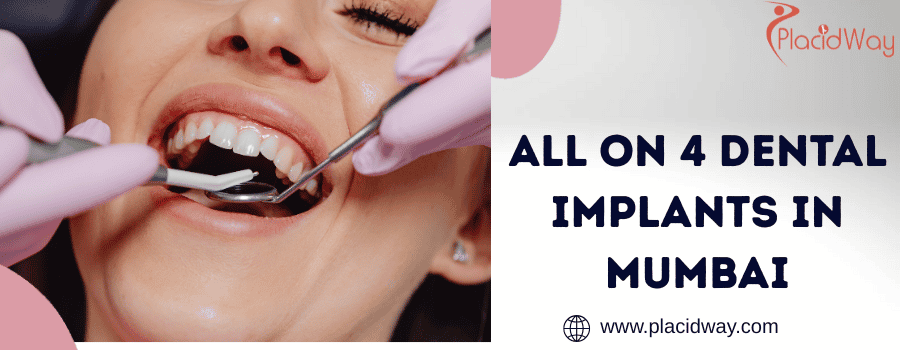
For individuals experiencing extensive tooth loss, full-arch restoration can be a transformative treatment. When researching options, understanding the details regarding All on 4 Dental Implants in Mumbai, India can help you make a well-informed decision. As a major metropolitan hub with an advanced medical infrastructure, Mumbai has become a prominent destination for international patients seeking complex restorative dentistry.
Navigating the landscape of international dental care involves evaluating costs, understanding the surgical protocols, and knowing what to expect during the healing phase. This guide will explore the estimated costs, patient suitability, safety considerations, and the logistics of pursuing oral rehabilitation abroad.
Key Takeaways
- Cost estimates for a single arch generally fall between $3,500 and $5,500 in Mumbai.
- The procedure typically requires two separate trips to India, spaced several months apart.
- Thorough diagnostic imaging and a professional consultation are required to determine candidate eligibility.
- Outcomes depend heavily on individual bone density, general health, and adherence to aftercare protocols.
- International patients must factor in travel, accommodation, and potential local follow-up costs.
What are All-on-4 dental implants and how do they work?
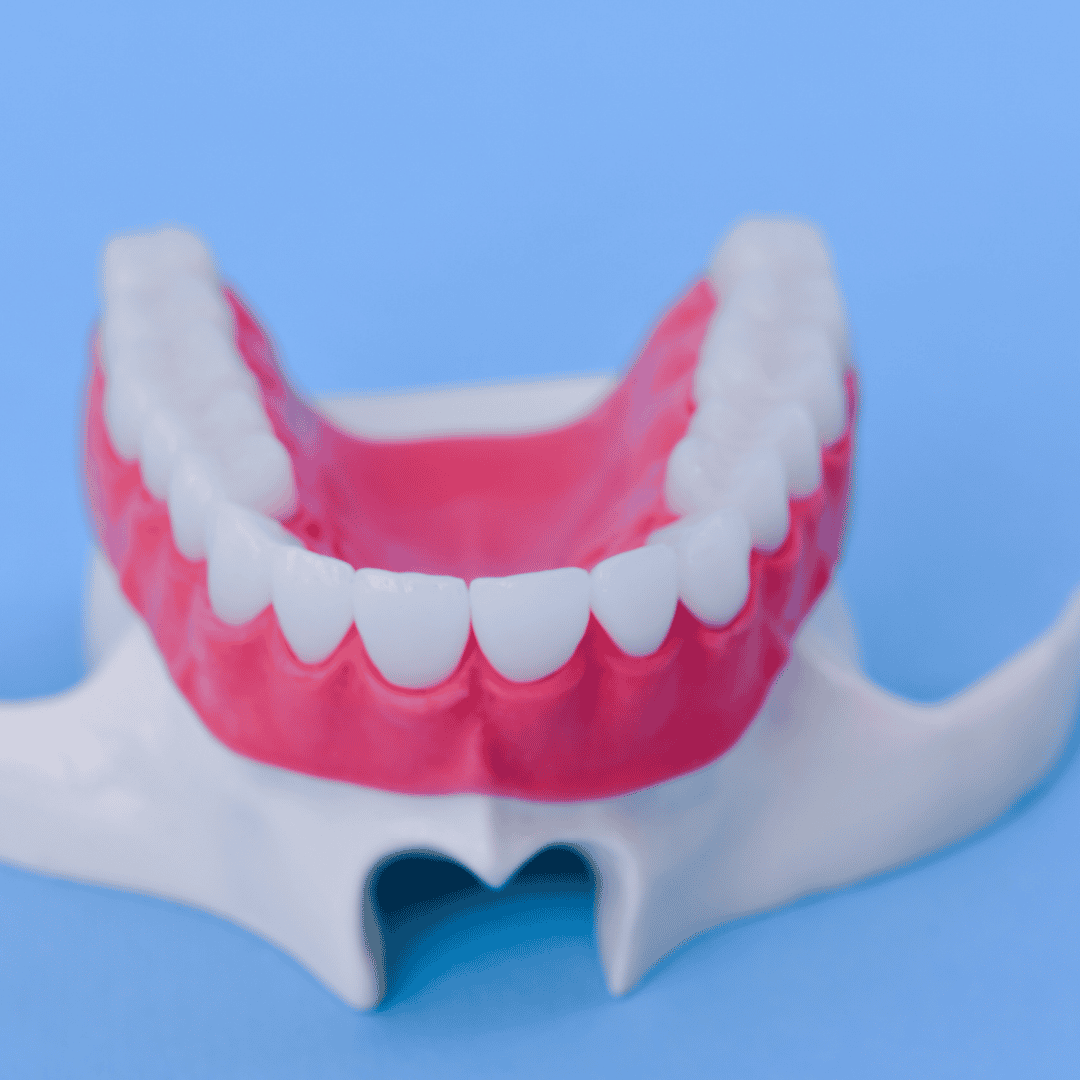
Unlike traditional methods that might require an individual implant for each missing tooth, this technique maximizes the use of available bone. The two anterior (front) implants are placed vertically, while the two posterior (back) implants are tilted at an angle—usually between 30 and 45 degrees. This angulation is a key feature because it often allows the surgeon to bypass areas of low bone density and avoid complex bone grafting procedures.
Once the titanium posts are surgically embedded in the jaw, they serve as sturdy anchors. Through a process known as osseointegration, the jawbone gradually grows around and bonds with the titanium over several months. This biological fusion is what eventually provides the strength needed to support a permanent, fixed prosthetic bridge, allowing patients to bite and chew more naturally than they typically could with removable dentures.
What factors influence the All-on-4 dental implants cost in Mumbai, India?
- Implant Brands: Premium international brands (such as Nobel Biocare or Straumann) generally cost more than local or lesser-known implant systems.
- Prosthetic Materials: The permanent teeth can be made from acrylic, porcelain, or solid zirconia. Zirconia is highly durable and aesthetically pleasing, making it more expensive than a standard acrylic bridge.
- Preliminary Procedures: If a patient requires multiple tooth extractions, treatment for periodontal disease, or unforeseen minor bone shaping, these will add to the overall estimate.
- Diagnostic Imaging: Comprehensive 3D CBCT scans and digital planning are essential for safe implant placement and carry their own fees.
- Surgeon Expertise: Highly specialized prosthodontists or oral and maxillofacial surgeons with extensive experience may command higher professional fees.
Who is typically considered a suitable candidate for this procedure?
Eligibility goes beyond just the condition of a patient's mouth. An oral surgeon must conduct a thorough medical evaluation because systemic health conditions can severely impact the body's ability to heal. For instance, individuals with uncontrolled diabetes, autoimmune disorders, or those undergoing certain cancer treatments may face a higher risk of delayed healing or implant failure.
Additionally, active gum disease (periodontitis) must be fully treated and resolved before implants can be placed. The bacteria responsible for gum disease can easily infect the tissues around the new implants, leading to a complication known as peri-implantitis. Patients who smoke are also heavily advised to quit, as tobacco use constricts blood vessels in the gums and significantly reduces the chances of successful osseointegration.
Never assume you are an ideal candidate based solely on online research. Only a qualified dental professional can properly assess your bone volume and anatomical structures using 3D radiographic imaging to confirm if full-arch implants are a viable, safe option for you.
What is the standard treatment timeline when traveling to Mumbai?
The initial phase of treatment requires traveling to Mumbai for the surgical placement of the implants. During this first visit, which usually necessitates a stay of 7 to 10 days, the surgeon performs any necessary extractions, inserts the four titanium posts into the jawline, and often attaches a temporary, lightweight acrylic bridge. This temporary bridge allows you to maintain aesthetic appearance and minimal function while you heal.
After returning home, the critical osseointegration phase occurs. It typically takes three to six months for the bone to heal tightly around the implants. Once your local dentist or your surgical team confirms the implants are fully integrated and stable, you will return to Mumbai for the second phase. This final trip, also lasting roughly a week to ten days, involves taking final impressions, fabricating the permanent, high-strength prosthetic bridge, and making precision adjustments to ensure a comfortable bite.
What are the potential risks and complications of full-arch implants?
While advancements in digital planning have improved the predictability of outcomes, no medical procedure is completely risk-free. Immediate surgical risks include localized bleeding, swelling, and bruising, which are common and usually temporary. A more serious, though less common, risk involves damage to the inferior alveolar nerve in the lower jaw, which can result in temporary or permanent numbness or tingling in the lips, chin, or tongue.
Long-term complications can also arise. If a patient neglects oral hygiene, bacteria can accumulate and cause peri-implantitis, an inflammatory condition that can destroy the supporting bone and ultimately lead to the loss of the implant. Additionally, excessive bite forces—especially in patients who grind their teeth (bruxism)—can cause the prosthetic bridge to chip or fracture over time. Discussing these risks openly with your chosen provider is essential for making an informed decision.
How do you evaluate an All-on-4 dental implants clinic in Mumbai, India?
- Specialist Credentials: Look for clinics where the procedure is performed by qualified prosthodontists, periodontists, or oral and maxillofacial surgeons rather than general dentists.
- Technology and Equipment: Advanced clinics utilize in-house 3D Cone Beam Computed Tomography (CBCT) scanners and digital intraoral scanners to precisely map the jawbone prior to surgery.
- Sterilization Protocols: Ensure the facility strictly adheres to international sterilization guidelines (such as those outlined by ISO or national health accreditation boards) to minimize infection risks.
- Communication and Support: Assess the clinic's ability to communicate fluently in your language and their willingness to provide clear, detailed, written treatment plans and cost estimates.
- Aftercare Planning: A responsible provider will discuss how to handle post-operative care once you return home and will coordinate with a local dentist if complications arise.
What should patients expect during the recovery period?
The days immediately following the surgery are crucial for healing. Dentists typically prescribe antibiotics to prevent infection, alongside pain medications and specific antimicrobial mouth rinses. You will be instructed to avoid vigorous rinsing, spitting, or drinking through a straw, as these actions can disrupt the surgical sites. Resting and avoiding strenuous physical activity during the first week can also help minimize bleeding and swelling.
Perhaps the most vital aspect of recovery is dietary modification. Because the implants are stabilizing in the bone, putting heavy chewing pressure on the temporary bridge can cause the implants to shift and fail. Patients must adhere to a strict soft-food or liquid diet—consuming items like smoothies, soups, mashed potatoes, and yogurt—for several weeks or even months, as dictated by the surgical team. Only after the permanent bridge is attached and integration is confirmed can a normal diet slowly be resumed.
Are there alternative treatments to the All-on-4 method?
For patients who cannot undergo invasive surgery or face severe budgetary constraints, traditional removable dentures remain a functional, albeit less stable, alternative. While they do not prevent bone loss like implants do, they provide immediate aesthetic restoration. Another intermediate option is the implant-retained overdenture (sometimes called "snap-on" dentures). This involves placing two to four implants that a removable denture snaps onto, offering better stability than traditional dentures but still requiring daily removal for cleaning.
Conversely, if a patient has excellent bone density and requires maximum stability—particularly in the larger upper jaw—a specialist might recommend an All-on-6 approach. This system utilizes six implants instead of four, distributing the bite force more evenly across the jaw. However, placing more implants increases the overall cost and the complexity of the surgery, making a personalized evaluation critical to choosing the right path.
Why is medical tourism in India popular for this procedure?
The economic realities of healthcare overhead mean that clinic operating costs, staff salaries, and laboratory fees are substantially lower in Mumbai compared to cities in North America, Europe, or Australia. These reduced operational expenses allow clinics to offer treatments utilizing premium international implant brands at a fraction of the cost found in Western countries, without necessarily compromising the quality of the materials used.
Furthermore, India has a robust educational system for dental professionals, with many specialists seeking advanced certifications or fellowships abroad before returning to practice in major hubs like Mumbai. English is widely spoken in professional medical settings, easing the communication barriers that can sometimes complicate international healthcare. However, it is important to remember that travel logistics, flight costs, accommodations, and the physical toll of flying post-surgery must all be carefully weighed against the anticipated financial savings.
Why Choose PlacidWay for Medical Tourism in Mumbai?
Researching international dental treatments can be overwhelming. PlacidWay acts as an informational platform to help patients navigate their global healthcare options.
- Extensive Provider Network: PlacidWay offers access to a broad directory of clinics and specialized dental professionals operating in Mumbai.
- Informational Resources: The platform provides detailed profiles on medical facilities, outlining their available technologies and listed services.
- Transparent Inquiries: Patients can use the platform to request direct cost estimates and proposed treatment plans from multiple international clinics for comparison.
- Educational Content: Access to articles, patient guides, and procedure overviews helps individuals understand the steps involved in dental tourism.
- Facilitated Communication: PlacidWay assists in initiating the first point of contact between the patient and the international healthcare provider's coordination team.
Frequently Asked Questions
Is the All-on-4 dental implant procedure painful?
The procedure is performed under local anesthesia, and sometimes conscious sedation, so patients typically do not feel pain during the surgery. Post-operative discomfort and swelling are common but can usually be managed with prescribed pain relievers.
Will I get my new teeth on the same day as the surgery?
Many patients receive a temporary, lighter acrylic bridge on the same day the implants are placed. However, this is a provisional prosthesis. The final, permanent bridge is attached several months later after the jawbone has fully healed and integrated with the implants.
How long do All-on-4 dental implants last?
The titanium implants themselves can potentially last a lifetime with excellent oral hygiene and regular dental check-ups. The prosthetic teeth (the bridge) undergo daily wear and tear and may need to be replaced or repaired after 10 to 15 years.
Is bone grafting required for this specific technique?
One of the primary advantages of the All-on-4 technique is that it often eliminates the need for bone grafting by angling the posterior implants. However, if bone loss is extremely severe, grafting may still be necessary to provide a stable foundation.
What materials are used for the permanent prosthetic bridge?
Permanent bridges are commonly crafted from high-quality materials such as solid zirconia, porcelain fused to metal, or an acrylic resin over a titanium framework. Each material has different aesthetic qualities, durability levels, and price points.
How do I maintain oral hygiene with a fixed full-arch bridge?
Maintenance requires daily brushing, using a water flosser to clean beneath the bridge, and using specialized interdental brushes or super floss. Routine professional cleanings at a dental clinic are also essential to prevent peri-implantitis.
Do I need a special visa to travel to India for dental treatments?
International patients typically travel to India on an e-Medical Visa or a standard Tourist Visa, depending on their country of origin and the duration of their stay. It is advisable to check current Indian immigration guidelines before booking flights.
Can individuals who smoke undergo full-arch implant surgery?
While smokers can sometimes receive implants, smoking significantly impairs healing and increases the risk of implant failure and infection. Dental professionals strongly advise quitting smoking several weeks before and after the procedure.
What should I do if I experience a complication after returning to my home country?
It is vital to establish a relationship with a local dentist or prosthodontist in your home country before traveling. If a complication arises, you should seek immediate evaluation locally and request that your home dentist coordinate with your surgical team in Mumbai.
Are there financing options available for international patients?
Most international clinics require out-of-pocket payment via credit card, wire transfer, or cash. However, many patients secure financing through third-party medical loans or home equity lines of credit in their own country prior to traveling.
Ready to Explore Your Dental Options?
Connect with specialized clinics and request detailed treatment information to evaluate your full-arch restoration choices.
Request Treatment InformationReferences
- Dental Implants Overview – American Dental Association (ADA)
- Patient Guide to Dental Implants – American College of Prosthodontists
- Dental Implant Surgery: Risks and Results – Mayo Clinic
- The "All-on-4" Concept for Implant Rehabilitation – Journal of Prosthodontic Research (NCBI)
- Understanding Peri-Implant Diseases – FDI World Dental Federation
- Health Information for Travelers to India – Centers for Disease Control and Prevention (CDC)


















Share this listing