
Living with chronic pain or a degenerative condition often means searching globally for advanced, affordable treatments that offer real clinical hope. Many international patients are discovering that stem cell therapy in Mumbai, India provides access to world-class regenerative medicine at a fraction of the cost found in the West, typically ranging between $4,000 and $12,000. When making this critical health decision, ensuring your chosen clinic strictly follows Indian Council of Medical Research (ICMR) guidelines and holds National Accreditation Board for Hospitals (NABH) certification is the key to a safe, medically sound experience. This comprehensive guide walks you through everything you need to know about pursuing regenerative care safely in one of India’s most advanced medical hubs.
Quick Summary: Stem Cell Therapy in Mumbai, India
- Estimated Cost: Typically ranges from $4,000 to $12,000 USD, depending on the condition and treatment protocol.
- Safety Overview: Generally safe when performed for approved conditions under strict Indian Council of Medical Research (ICMR) guidelines using autologous (your own) cells.
- Ideal Candidate: Patients seeking regenerative support for specific orthopedic joint issues, select neurological conditions, or autoimmune disorders, who have realistic expectations.
- Recovery Time: Initial physical recovery usually takes 2 to 7 days, while cellular regeneration and noticeable improvements may take 3 to 6 months.
- Why Mumbai, India: Offers highly specialized hematologists and regenerative medicine experts, cutting-edge cGMP-compliant labs, and significantly lower healthcare costs compared to Western nations.
- Important Caution: Always verify that the hospital is NABH accredited and the specialist is registered with the National Medical Commission (NMC). Avoid clinics making "guaranteed cure" claims.
Why Choose Stem Cell Therapy in Mumbai, India
Deciding to travel across borders for medical care requires immense trust, especially when dealing with complex health challenges. Patients choose stem cell therapy in Mumbai, India because the city combines highly trained specialists, advanced laboratory infrastructure, and compassionate care systems tailored to international visitors. The medical ecosystem here is highly regulated, offering a blend of traditional medical excellence and modern regenerative research.
International patients typically travel to Mumbai from the United States, the United Kingdom, Australia, the Middle East, and various African nations. These patients are often driven by a combination of high domestic healthcare costs, long waiting lists, and limited access to specialized regenerative therapies at home.
- Cost Efficiency: Access complex medical treatments at a fraction of Western prices without compromising on clinical quality.
- Expert Specialists: Mumbai is home to doctors who have trained globally and are heavily involved in regenerative medicine research.
- Advanced Infrastructure: Top hospitals feature cGMP-compliant (Current Good Manufacturing Practice) cell processing laboratories.
- Regulatory Oversight: Reputable clinics operate under the strict ethical and clinical guidelines set by the ICMR.
- Comprehensive Care: Many hospitals offer dedicated international patient departments providing interpreters, visa assistance, and airport transfers.
Patient Demographics for Medical Travel
The landscape of cross-border healthcare is continuously evolving. According to documented 2024 medical tourism reports, Mumbai remains a primary hub for patients seeking advanced therapies. Understanding who travels for these procedures can help you feel more confident in your own decision-making process.
Recent data indicates that the largest segment of patients traveling to India for regenerative treatments originates from the Middle East and Africa, driven by the need for specialized care not available locally. Concurrently, a growing percentage of patients from the US and UK travel specifically to bypass prohibitive out-of-pocket costs. The bar chart below visualizes these 2024 inbound demographic trends.
Inbound Patient Origins for Regenerative Medicine in India (2024 Data)
Source: Aggregated 2024 Indian healthcare travel reports indicating regional volume distribution.
Understanding How the Treatment Works
To make an informed choice about stem cell therapy in Mumbai, India, you must understand the clinical process. The treatment utilizes the body's natural healing mechanisms to repair damaged tissues, reduce inflammation, and modulate the immune system. Doctors most commonly utilize Mesenchymal Stem Cells (MSCs) for regenerative purposes.
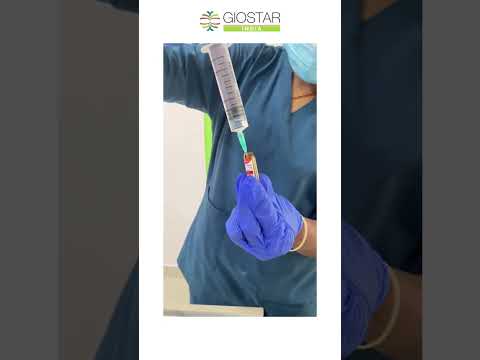
In highly regulated Indian hospitals, doctors prioritize autologous treatments. This means the stem cells are harvested from your own body, typically from your bone marrow or adipose (fat) tissue. Using your own cells significantly minimizes the risk of rejection or severe immune reactions, aligning with the safety protocols recommended by national medical bodies.
Clinical Insight: Once harvested, your cells are processed in a sterilized, cGMP-compliant laboratory to isolate and concentrate the stem cells. These concentrated cells are then carefully injected into the targeted area—such as a damaged joint—often using ultrasound or fluoroscopy guidance for exact placement.
Conditions Commonly Assessed for Treatment
Regenerative medicine is not a universal cure. Your specialist in Mumbai will carefully evaluate your medical history to determine if you are a viable candidate. The ICMR categorizes stem cell treatments into permitted, restricted, and investigational uses. It is crucial to have a transparent consultation to understand what is clinically possible for your specific condition.
Patients typically travel for conditions where conventional medicine offers limited long-term relief. Below is a breakdown of the primary medical areas where regenerative therapies are frequently applied and studied in Indian clinical settings.
| Medical Category | Specific Conditions | Clinical Intent of Therapy |
|---|---|---|
| Orthopedics | Osteoarthritis, cartilage defects, sports injuries, tendonitis | May help reduce joint inflammation, manage pain, and support natural tissue repair processes. |
| Neurology | Multiple Sclerosis, Parkinson's disease, Spinal cord injuries | Investigational use aimed at neuroprotection, immunomodulation, and slowing disease progression. |
| Autoimmune | Rheumatoid arthritis, Lupus | Aims to modulate the immune system response and decrease systemic inflammation. |
Age Distribution of Patients Seeking Care
Patient age significantly impacts the body's cellular healing capacity. Based on 2024-2025 clinical registries, there is a distinct trend in the age demographics of those seeking stem cell therapy in Mumbai, India. The majority of patients fall into the middle-to-older age brackets, primarily dealing with age-related degenerative conditions.
The line graph below highlights recent data regarding patient age distribution. The peak volume occurs between ages 45 and 65, aligning with the onset of severe osteoarthritis and certain neurodegenerative symptoms where patients seek alternatives to invasive joint replacement surgeries or heavy pharmacological regimens.
Age Demographics of Patients Seeking Regenerative Care (2024-2026 Trend)
Source: Derived from 2024-2025 clinic registry trends highlighting peak treatment age groups.
Cost of Stem Cell Therapy: Global Comparison
Financial transparency is critical when planning medical travel. The cost of stem cell therapy in Mumbai, India is significantly lower than in many Western countries due to lower administrative costs, favorable exchange rates, and a highly competitive domestic healthcare market. However, a lower price does not equate to lower quality if you choose a properly accredited facility.
Prices vary widely depending on the complexity of your diagnosis, the number of cell injections required, the length of your hospital stay, and whether you require additional rehabilitative therapies. It is essential to request a detailed, itemized quote from your chosen provider before traveling to ensure there are no hidden fees.
| Country | Estimated Minimum Cost (USD) | Estimated Maximum Cost (USD) |
|---|---|---|
| Mumbai, India | $4,000 | $12,000 |
| United States | $15,000 | $40,000+ |
| United Kingdom | $12,000 | $30,000+ |
| Australia | $10,000 | $25,000+ |
Financial Warning: When reviewing packages, explicitly ask if the quoted price covers the initial pre-operative diagnostic tests, laboratory cell-culturing fees, hospital accommodation, and post-treatment medications. Many deeply discounted "deals" exclude the expensive lab processing costs.
How to Verify Hospital Credentials
Your safety depends heavily on the facility where the procedure is performed. India has a robust national regulatory system that ensures healthcare facilities maintain strict hygiene, ethical, and clinical standards. When searching for stem cell therapy in Mumbai, India, your first priority should be national accreditations over marketing claims.
Do not simply rely on glossy websites. Request official license numbers and verify them through the respective Indian government web portals. A trustworthy clinic will happily provide all compliance documents during your initial consultation.
- NABH Accreditation: The National Accreditation Board for Hospitals & Healthcare Providers is the benchmark for quality and safety in India. Always choose a NABH-accredited facility.
- ICMR Compliance: Ensure the clinic strictly adheres to the Indian Council of Medical Research (ICMR) National Guidelines for Stem Cell Research.
- CDSCO Approval: If specialized medical devices or processed cellular products are used, they should fall under the purview of the Central Drugs Standard Control Organization (CDSCO).
- Clean Room Certifications: The hospital’s cell processing laboratory should hold ISO certifications for cleanroom environments (typically ISO Class 5 or higher) to prevent cell contamination.
Selecting and Verifying Your Doctor
Equally important to the hospital's standards are the credentials of your treating physician. Stem cell administration requires highly specialized training, often bridging hematology, orthopedics, or neurology. General practitioners are not qualified to perform complex cell extractions or guided reinjections.
During your vetting process, ask detailed questions about the doctor's specific experience with regenerative treatments. You have the right to request proof of their medical registration and specialized board certifications before agreeing to any treatment plan.
Doctor Credential Checklist
- NMC Registration: Verify that the doctor is actively registered with the National Medical Commission (formerly the Medical Council of India).
- Specialty Board Certification: The doctor should hold a specialized degree (e.g., MS Orthopaedics, MD Medicine, DM Neurology) recognized by Indian medical authorities.
- Procedure Volume: Ask how many times they have performed stem cell therapy for your specific condition in the past year.
- Transparent Communication: A reputable doctor will clearly explain the potential risks, rather than making unrealistic guarantees.
Safety, Risks, and Complications
No medical procedure is entirely risk-free. While stem cell therapy in Mumbai, India is generally considered safe when using autologous cells in an accredited facility, there are biological and procedural risks that you must consider. A comprehensive pre-screening process is designed to minimize these risks.
Complications often arise when unverified clinics use poorly processed allogeneic (donor) cells or fail to maintain strict sterile environments. It is vital to report any unusual symptoms, such as sudden fever or extreme swelling, to your medical team immediately after your procedure.
| Potential Risk | Clinical Cause | How Top Hospitals Prevent It |
|---|---|---|
| Infection | Contamination during cell extraction, lab processing, or reinjection. | Use of cGMP-compliant ISO cleanrooms and strict sterile surgical protocols. |
| Injection Site Pain | Tissue trauma from the needle during extraction (bone marrow/fat) or reinjection. | Use of local anesthetics, ultrasound-guided precision, and post-op pain management protocols. |
| Failure to Improve | The cells do not successfully engraft or the disease pathology is too advanced. | Rigorous patient selection; treating only candidates with realistic physiological chances of response. |
Navigating Travel and Visas to India
Traveling to India for healthcare requires specific logistical preparation. The Indian government has streamlined the process for medical tourists through the e-Medical Visa program. This visa category allows you to enter the country specifically for treatment and often permits multiple entries, which is crucial if your therapy requires follow-up visits.
To secure an e-Medical Visa, you will need an official invitation letter from a recognized, licensed hospital in Mumbai. Many top-tier NABH hospitals have dedicated international patient coordinators who will supply this documentation and guide you through the local registration process upon arrival.
Travel Tip: Always arrive in Mumbai a few days before your scheduled procedure. This allows your body to adjust to the new time zone, mitigates travel fatigue, and ensures your resting baseline is accurate for pre-operative blood tests and evaluations.
Understanding the Recovery Timeline
Healing from regenerative therapy is a gradual, cellular process. Unlike traditional surgery, where physical tissues are mechanically repaired, stem cells require time to reduce inflammation and signal the body's natural restorative pathways. Managing your expectations regarding the timeline is vital for a positive experience.
Your doctor will provide a strict post-treatment protocol. Adhering to this protocol—especially regarding physical activity and medication—is crucial. Anti-inflammatory drugs (NSAIDs) are often restricted during the initial recovery phase, as inflammation is actually a necessary part of the stem cell signaling process.
| Timeframe | Patient Experience | Action Required by Patient |
|---|---|---|
| Days 1 to 3 | Mild to moderate soreness at the extraction and injection sites. Possible fatigue. | Strict rest. Avoid all strenuous activity. Take prescribed pain relievers (avoiding NSAIDs if instructed). |
| Weeks 1 to 4 | Soreness fades. Joint or targeted area may feel "full" or slightly stiff. | Gradual return to light daily activities. Begin prescribed, gentle physical therapy. Do not overexert. |
| Months 3 to 6 | Potential noticeable improvements in pain reduction and mobility as cellular repair progresses. | Maintain a healthy lifestyle, continue targeted physiotherapy, and attend virtual follow-ups with your Mumbai specialist. |
Planning Your Aftercare and Return Home
Your medical journey does not end when you board the plane home. Proper aftercare coordination between your specialist in Mumbai and your local primary care physician is essential for tracking your progress and managing any delayed complications.
Before leaving India, ensure you have a comprehensive discharge summary translated into English (if necessary). This document must include exact details of the cell harvest, the volume of cells injected, lab pathology reports, and the specific guidelines for your rehabilitation over the coming months. Schedule your virtual follow-up appointments before you leave the hospital.
Frequently Asked Questions
Patients considering stem cell therapy in Mumbai, India naturally have many questions. Below are clear, medically cautious answers to the most common queries international patients ask during their research phase.
Is stem cell therapy permanently curative?
No responsible doctor will guarantee a permanent cure. While the treatment can significantly reduce inflammation, manage pain, and promote tissue healing, the longevity of the results varies greatly depending on the severity of your underlying condition and your overall health.
Are treatments in India regulated by the government?
Yes. The Indian Council of Medical Research (ICMR) sets strict national guidelines for regenerative medicine. Furthermore, top hospitals must be licensed by local health authorities and often carry National Accreditation Board for Hospitals (NABH) certification.
How long do I need to stay in Mumbai?
In many cases, patients are advised to stay in Mumbai for 7 to 14 days. This timeframe allows for initial consultations, necessary lab work, the procedure itself, and a few days of immediate post-procedure monitoring before flying.
Can I travel alone for this procedure?
While possible, it is highly recommended to travel with a companion. The treatment, especially if bone marrow is extracted, can leave you temporarily fatigued and sore, making navigating airports and hotels difficult on your own.
Do hospitals in Mumbai have English-speaking staff?
Yes. Major NABH-accredited hospitals catering to international medical tourists have fluent English-speaking doctors, nurses, and dedicated patient coordinators. Language barriers are rarely an issue in top-tier medical facilities in Mumbai.
Is it safe to fly immediately after treatment?
Your doctor will advise against flying for at least 48 to 72 hours post-procedure. The pressure changes in aircraft cabins and the prolonged sitting can increase the risk of blood clots or exacerbate swelling at the injection sites.
What is the difference between autologous and allogeneic cells?
Autologous cells are harvested from your own body, significantly reducing the risk of rejection. Allogeneic cells come from a donor. Reputable clinics in India primarily use autologous cells to adhere to maximum safety protocols.
Why do prices vary so much between clinics?
Cost variations typically reflect the hospital's infrastructure, the doctor's expertise, the technology used in the cell-processing cleanroom, and whether the quoted package includes hospital stay, diagnostics, and aftercare.
Will my health insurance cover the cost in India?
Most Western health insurance providers consider stem cell therapy for orthopedic or neurological conditions to be experimental or elective and typically do not cover cross-border treatments. Expect to pay out-of-pocket.
What should I do if I experience a complication back home?
Before leaving Mumbai, establish a communication protocol with your clinic. If you experience an emergency, you must seek immediate care at a local hospital in your home country and provide them with your detailed Indian discharge summary.
Take the Next Step in Your Health Journey
Navigating international healthcare options can feel daunting. PlacidWay can help you confidently compare NABH-accredited providers, understand itemized treatment costs, and ask the right clinical questions before you travel.
Request Free Information from ClinicsDisclaimer
Disclaimer: This information is for educational purposes only and does not replace professional medical advice. Always consult a qualified healthcare provider before making medical decisions.
References
- National Guidelines for Stem Cell Research – Indian Council of Medical Research (ICMR)
- Quality Standards for International Patients – National Accreditation Board for Hospitals & Healthcare Providers (NABH)
- Indian Medical Register Verification – National Medical Commission (NMC)
- Medical Device & Laboratory Regulations – Central Drugs Standard Control Organization (CDSCO)
- Medical Value Travel Demographics and Trends – Ministry of Tourism, Government of India (2024)
- e-Medical Visa Requirements for Medical Tourists – Government of India Portal
- Healthcare Policy and Patient Safety Standards – Ministry of Health and Family Welfare, India
























Share this listing