
If you are struggling with chronic joint pain or seeking alternative medical treatments, exploring affordable regenerative medicine in Mexico often brings up questions about safety and facility legitimacy. Understanding the cost of stem cell treatments abroad is important, but identifying clinics holding verified COFEPRIS licenses for cellular therapy is critical for your wellbeing. This guide helps you navigate government certifications, evaluate board-certified specialists, and compare treatment protocols so you can make a secure, confident healthcare decision.
Quick Answer Summary
- Estimated Cost: Typically ranges between $3,500 and $8,500 USD per session, depending on the cell source, joint count, and specific medical protocol.
- Safety Overview: Generally safe when performed in regulated environments, but you must ensure the clinic is explicitly licensed for regenerative medicine.
- Ideal Candidate: Adults experiencing degenerative conditions like osteoarthritis, sports injuries, or specific autoimmune disorders who have not responded to conservative therapies.
- Recovery Time: Most patients resume light, daily activities within 2 to 3 days, while deeper tissue remodeling may take several weeks to months.
- Why Choose Cancun: Offers a combination of advanced medical infrastructure, highly accessible direct international flights, and significantly lower out-of-pocket medical costs compared to North America.
- Important Caution: Always verify that the medical facility holds a current, active license from COFEPRIS (Mexico's federal health regulatory agency) specifically for stem cell handling and application.
Why International Patients Choose Stem Cell Therapy in Cancun, Mexico
Seeking medical care across borders requires careful consideration, but thousands of patients travel to Mexico annually for regenerative medicine. The primary motivation is accessing expanded treatment options that may be heavily restricted or financially out of reach in their home countries. Rather than settling for limited therapies, you can explore comprehensive cellular treatments in a highly developed medical tourism hub.
Patients visiting Cancun for these procedures generally arrive from the United States and Canada. High out-of-pocket costs and restrictive insurance policies at home drive this decision. Furthermore, Cancun offers immediate access to internationally trained specialists operating within modern medical centers.
- Significantly lower treatment costs compared to US clinics.
- Access to expanded mesenchymal stem cell (MSC) expansion protocols.
- Geographic proximity with short, direct flights from major North American cities.
- Availability of bilingual medical staff and dedicated patient coordinators.
- Integration of recovery with a relaxing, low-stress environment.
- Shorter wait times for consultations and specialized procedures.
Projected International Patient Arrivals for Regenerative Medicine in Mexico (2024-2026)
Recent projections highlight a steady increase in cross-border patients utilizing Mexican healthcare infrastructure for wellness and regenerative therapies.
Understanding How Stem Cell Therapy Works
Cellular therapies utilize the body's natural healing mechanisms to repair damaged tissues and reduce inflammation. When you receive treatment, concentrated cellular material is injected directly into the targeted area or administered intravenously. These cells secrete growth factors and proteins that signal your existing tissues to begin the regeneration process.
In Mexican clinics, mesenchymal stem cells (MSCs) are the most commonly utilized cellular type. These may be autologous, meaning they are harvested from your own fat tissue or bone marrow, or they may be allogeneic, sourced from rigorously screened donated umbilical cord tissue. Your medical team will recommend a specific source based on your diagnosis and overall health profile.
One distinct advantage in Mexico is the legal allowance for cellular expansion under strict regulatory oversight. This means laboratories can cultivate your cells to produce much higher yields than typical same-day procedures available in heavily restricted regions, potentially offering a more robust therapeutic dose.
Patient Demographics: Who is Traveling to Cancun for Stem Cells?
Understanding the demographic profile of patients seeking cellular treatments helps contextualize the medical tourism landscape. A large portion of travelers are older adults seeking alternatives to joint replacement surgeries. Chronic musculoskeletal conditions are the primary driver for medical travel to this region.
Based on recent cross-border health utilization data from 2024, the patient base skews slightly toward males for orthopedic complaints, while females represent a larger portion of those seeking treatments for autoimmune and anti-aging protocols. Examining these trends reveals that patients are highly focused on improving mobility and preserving their quality of life.
Age Distribution of Orthopedic Regenerative Medicine Patients (2024-2025)
Common Conditions Addressed by Clinics in Cancun
Regenerative therapies are not a universal cure. A qualified healthcare provider will evaluate your medical history to determine if you are an appropriate candidate. Many clinics in the region focus on specific therapeutic areas where cellular therapies have shown promising localized effects.
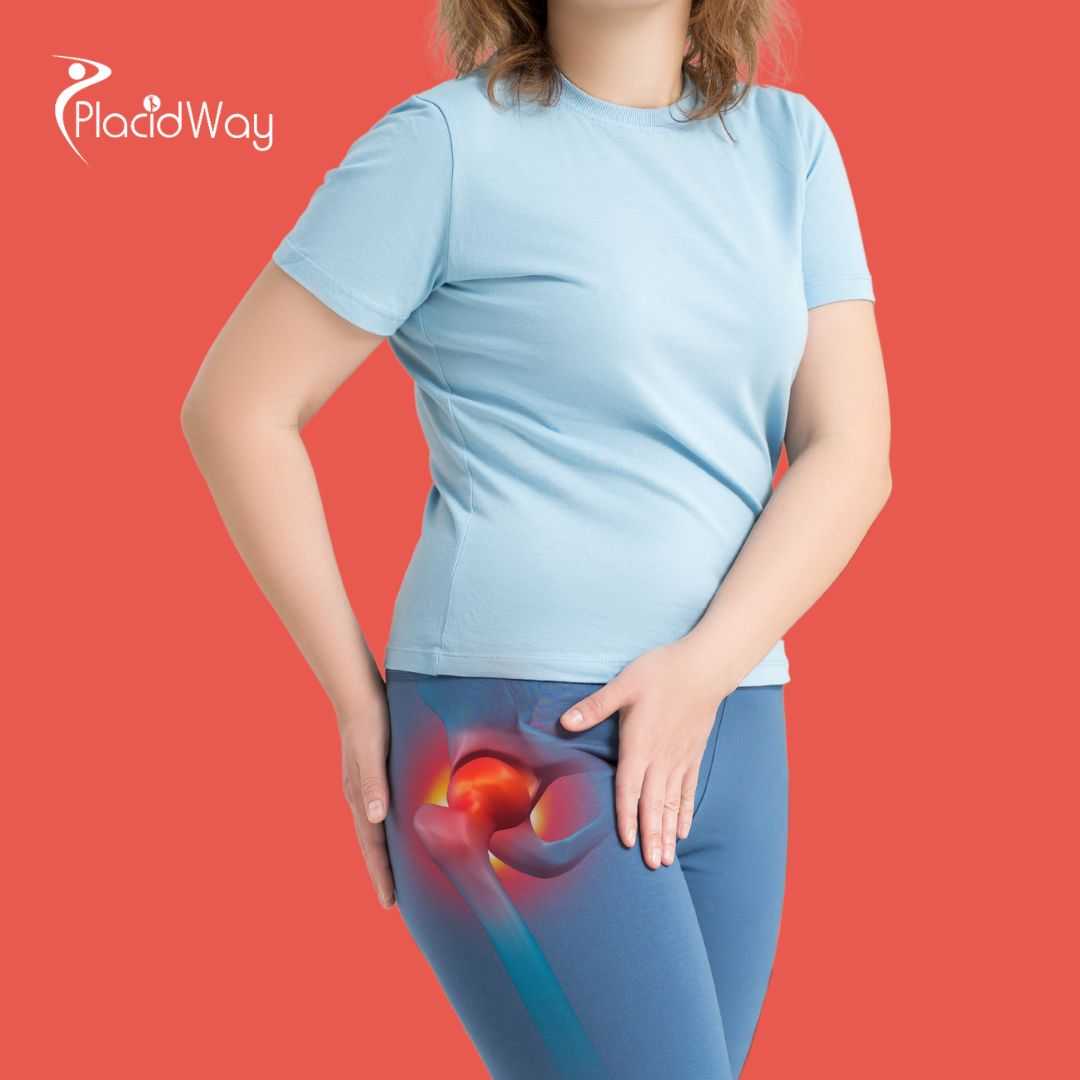
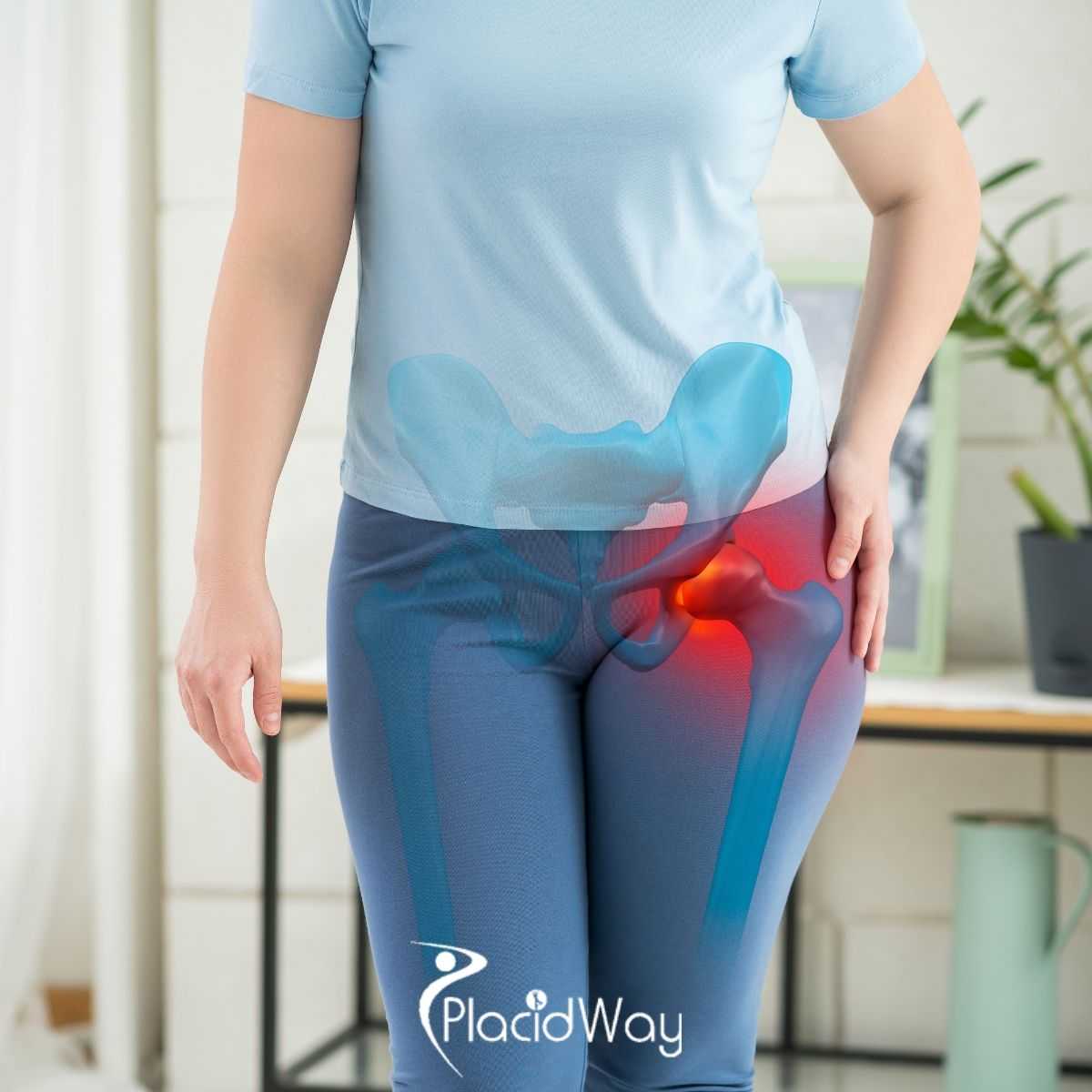
Orthopedic conditions remain the most common reason patients seek this treatment. Injecting MSCs directly into a damaged knee or shoulder joint can help modulate the immune response and promote a healthier joint environment. Your doctor may also discuss treatments for certain chronic inflammatory conditions.
| Medical Category | Common Conditions Targeted | Typical Application Method |
|---|---|---|
| Orthopedic | Osteoarthritis, Tendonitis, Cartilage damage | Intra-articular (joint) injection |
| Autoimmune | Rheumatoid Arthritis, Lupus | Intravenous (IV) infusion |
| Neurological | Multiple Sclerosis, Neuropathy (varies) | IV infusion or Intrathecal (specialized) |
Estimating the Cost of Stem Cell Therapy in Cancun
Pricing transparency is a major concern when planning cross-border healthcare. The cost of cellular therapy in Mexico is generally substantially lower than in the United States, but you should be wary of prices that seem unusually cheap. Quality biologic materials and certified laboratory processes require a baseline level of investment.
Your total expenditure will depend heavily on the dosage (cell count), the origin of the cells, and the complexity of the procedure. Be sure to ask your chosen provider for a written, itemized quote. Many facilities bundle consultations, local transfers, and follow-up care into a comprehensive package.
Targeted Joint Injection
Typically $3,500 - $5,000 USD
Often used for isolated osteoarthritis (e.g., one knee or shoulder). Usually includes a standard dosage of expanded MSCs and local anesthesia.
Comprehensive Systemic Protocol
Typically $6,000 - $8,500+ USD
Utilized for systemic or autoimmune conditions. Involves high-yield cellular expansion, IV administration, and extended monitoring.
Mexican Healthcare Regulations: Understanding COFEPRIS
The safety of your procedure depends entirely on the regulatory environment of the clinic you choose. In Mexico, medical devices, biologics, and cellular therapies are governed by COFEPRIS (Comisión Federal para la Protección contra Riesgos Sanitarios). This federal health authority functions similarly to the FDA in the United States.
Not all hospitals or doctor's offices are legally permitted to handle regenerative materials. A facility must hold a specific, active regenerative medicine license issued by COFEPRIS to process, store, and apply stem cells. You have the right to request this documentation before committing to any treatment plan.
Do not accept treatments in hotel rooms, unverified med-spas, or general practitioners' offices that cannot produce a COFEPRIS cellular therapy permit. Proper biological storage requires specialized, regulated laboratory equipment to prevent contamination and ensure cell viability.
How to Choose a Safe Stem Cell Clinic in Cancun, Mexico
Selecting the right facility requires looking beyond marketing brochures and polished websites. You must evaluate the operational standards and medical infrastructure of the clinic. Highly reputable facilities operate within or are affiliated with established hospitals that have emergency protocols in place.
When interviewing potential providers, use a structured approach to verify their safety standards. Legitimate medical organizations will readily share their credentials and explain their standard operating procedures.
| Vetting Criteria | What to Look For |
|---|---|
| Government Licensing | Active COFEPRIS license for regenerative medicine. |
| Laboratory Standards | On-site clean room or verified partnership with a licensed biologic bank. |
| Hospital Affiliation | Access to an ICU or structured emergency transfer protocol. |
| Accreditation | Consejo de Salubridad General (CSG) certification is a strong national indicator of quality. |
Selecting a Qualified Stem Cell Specialist or Surgeon
The success of your treatment is directly tied to the expertise of the administering physician. Cellular therapy requires precise anatomical knowledge, especially for joint injections where image guidance (like ultrasound or fluoroscopy) is necessary to ensure correct placement. Do not assume that every doctor in a clinic is a specialist.
Verify that your physician is board-certified in a relevant specialty, such as orthopedics, rheumatology, or sports medicine, rather than general practice. Furthermore, check their registration with the Mexican national medical council. A qualified specialist will offer a thorough pre-treatment consultation to explain why you are or are not a suitable candidate.
Always ask the provider for their "Cédula Profesional" number. This is the official Mexican medical license registration. You can independently verify this number through the Mexican Secretariat of Public Education (SEP) online portal to confirm their degree and specialty.
Evaluating Risks and Potential Complications
No medical procedure is entirely risk-free, and you must maintain realistic expectations regarding the outcomes. While minimally invasive, cellular injections can present side effects. Understanding these risks helps you prepare for recovery and know when to seek medical assistance.
Most common side effects include temporary swelling, mild pain at the injection site, and fatigue. More severe complications, though rare in regulated environments, can include infection or adverse immune reactions. Your doctor should provide a comprehensive informed consent document detailing all possible outcomes.
- Infection: Can occur at the injection site if sterile protocols are not strictly followed.
- Bleeding or Bruising: Common but generally minor, especially in deep joint injections.
- Failure to Improve: The treatment may not yield the desired pain relief or tissue regeneration in every patient.
- Immune Reaction: Extremely rare with autologous cells, but possible with poorly screened allogeneic materials.
Step-by-Step Patient Journey and Recovery Timeline
Knowing what to expect upon arrival in Cancun helps alleviate travel anxiety. Reputable clinics provide a structured itinerary detailing your medical appointments and rest periods. The clinical process usually spans a few days, allowing time for initial diagnostics, the procedure itself, and careful post-treatment monitoring.
Recovery is generally swift, but cellular healing happens at a microscopic level over several months. You will be advised to restrict strenuous activities while your body integrates the new cellular signals. Follow-up consultations, often conducted via telehealth once you return home, are a critical component of successful care.
| Timeframe | Biological Process | Patient Sensation | Required Activity Level |
|---|---|---|---|
| Day 1 - 3 | Acute inflammatory response at injection site. | Mild stiffness, swelling, or localized soreness. | Strict rest. Avoid anti-inflammatory medications. |
| Weeks 1 - 4 | Cellular signaling and initial tissue modulation. | Gradual reduction in baseline pain levels. | Light daily activities; structured physical therapy may begin. |
| Months 3 - 6 | Ongoing tissue remodeling and collagen production. | Noticeable improvements in mobility and comfort. | Return to normal exercise and lifestyle routines. |
Travel Logistics and Medical Visas for Cancun
Traveling to Mexico for medical purposes is straightforward for most North American citizens. Cancun International Airport (CUN) receives numerous daily direct flights from major cities across the US and Canada. This connectivity minimizes travel fatigue, which is highly beneficial before and after medical procedures.
A standard tourist visa (FMM), typically granted upon arrival, is sufficient for short-term medical treatments lasting less than 180 days. However, you should inform border officials that you are visiting for medical consultations if asked. Ensure your passport is valid for at least six months beyond your planned return date.
Preparing Your Medical Records for International Review
To accurately assess your eligibility, Mexican specialists need access to your recent medical history. Attempting to get a diagnosis solely based on symptoms over the phone is not a safe practice. You must gather and securely transmit your local medical files prior to booking any travel.
Request copies of recent MRI or X-ray reports, blood work panels, and notes from your primary care physician detailing previous conservative treatments. Reputable clinics use secure, encrypted patient portals to review these documents. This rigorous pre-screening ensures that you do not travel internationally for a procedure that will not benefit your specific condition.
Frequently Asked Questions
Is stem cell therapy in Cancun, Mexico safe?
When performed in COFEPRIS-licensed facilities by board-certified specialists, the procedure is generally safe. However, safety depends entirely on the clinic's adherence to strict sterilization and biologic handling protocols. Always verify facility credentials.
What types of stem cells are used in Mexican clinics?
Clinics typically use mesenchymal stem cells (MSCs). These can be autologous (derived from your own bone marrow or adipose tissue) or allogeneic (ethically sourced from donated, heavily screened umbilical cord tissue).
How much does stem cell therapy cost in Cancun compared to the US?
Treatments in Cancun typically range from $3,500 to $8,500 USD, depending on the protocol. This is often 50% to 70% lower than similar, sometimes more restricted, cellular expansion procedures offered in the United States.
Are stem cell clinics in Cancun regulated by the government?
Yes. Legitimate clinics must hold a specific license from COFEPRIS, the Mexican federal health authority. This ensures the laboratory and medical team meet national safety standards for handling human biological material.
Am I a candidate for regenerative treatments?
Eligibility varies by condition. Ideal candidates generally suffer from degenerative joint issues or specific autoimmune conditions and have not found relief through conventional medicine. A specialist must evaluate your MRIs and medical history to confirm suitability.
How long does a stem cell procedure take?
The actual injection or IV infusion usually takes less than a few hours. However, you should plan to stay in Cancun for 3 to 5 days to allow time for pre-procedure blood work, consultations, and immediate post-treatment monitoring.
Can I fly immediately after receiving stem cell injections?
Doctors generally recommend waiting 24 to 48 hours before flying. Changes in cabin pressure and prolonged sitting can increase swelling and discomfort at the injection site. Rest is vital during the initial acute inflammatory phase.
Do Mexican clinics use ethically sourced stem cells?
Regulated facilities strictly use ethically sourced cells. Allogeneic cells come from donated umbilical cords collected from healthy, full-term pregnancies with explicit maternal consent. The materials undergo rigorous infectious disease screening.
What is the typical recovery time after treatment?
Most patients experience minor soreness for a few days and resume light activities within a week. However, the cellular signaling and tissue repair process continues internally for 3 to 6 months before optimal results are typically noticed.
How do I verify a clinic's COFEPRIS license?
You should ask the clinic directly for a copy of their COFEPRIS regenerative medicine permit. You can cross-reference the provided license number on the official Mexican government health portals or consult with medical tourism facilitators for verification.
Ready to Explore Your Treatment Options?
Navigating international healthcare choices can be challenging. PlacidWay can help you compare highly rated providers, understand your exact treatment costs, and request essential information directly from verified clinics.
Request Information TodayDisclaimer: This information is for educational purposes only and does not replace professional medical advice. Always consult a qualified healthcare provider before making medical decisions.
References
- Mesenchymal Stem Cells in Regenerative Medicine – National Center for Biotechnology Information (NCBI)
- Regulatory Framework for Biological Products – Federal Commission for the Protection against Sanitary Risk (COFEPRIS, Mexico)
- Mexico Healthcare Infrastructure and Patient Volume Profile – Medical Tourism Association
- Cellular & Gene Therapy Products Overview – U.S. Food and Drug Administration (FDA)
- Clinical Outcomes of Orthopedic Cellular Therapies (2024 Update) – Journal of Orthopaedic Translation
- What is Cell Therapy? Global Standards – International Society for Cell & Gene Therapy (ISCT)
- Travel Health Guidelines for Mexico – Centers for Disease Control and Prevention (CDC)






















Share this listing