
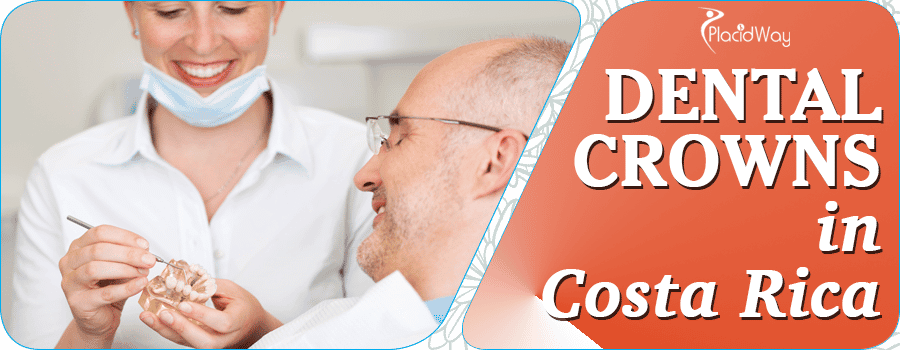
You may feel anxious about restoring your smile, but finding affordable restorative dental care abroad can help you regain your confidence safely. Traveling for dental crowns in Costa Rica offers international patients a unique blend of highly trained prosthodontists and advanced clinic technology at significantly lower costs than in North America. When evaluating your options, reviewing local clinic credentials and verifying the dentist's active registration with the Colegio de Cirujanos Dentistas de Costa Rica will help you make a secure, informed decision.
Quick Answer Summary: Dental Crowns in Costa Rica
- Estimated Cost: Typically ranges from $350 to $600 USD per crown, depending on the material and clinic.
- Safety Overview: Generally safe when performed at clinics authorized by the Ministerio de Salud de Costa Rica.
- Ideal Candidate: Patients needing restorative work for weakened, cracked, or severely decayed teeth.
- Recovery Time: Most patients resume normal activities within 24 hours, with mild sensitivity lasting a few days.
- Main Reason for Travel: High-quality restorative dentistry utilizing advanced materials (like Zirconia) at a fraction of US prices.
- Certifications to Verify: Always look for active registration with the Colegio de Cirujanos Dentistas de Costa Rica (CCDCR) and PROMED membership.
Primary Reasons Patients Choose Dental Crowns in Costa Rica
Many individuals seek restorative dental treatments abroad due to the high out-of-pocket expenses in their home countries. Costa Rica has emerged as a leading destination for these procedures, combining stringent national healthcare standards with warm hospitality. Patients evaluate both the quality of care and the overall travel experience when making this healthcare decision.
Understanding the driving factors behind this trend can help you determine if cross-border care aligns with your dental needs. The motivations for traveling extend beyond mere financial savings, encompassing specialized expertise and advanced dental technology.
- Significant Cost Savings: Procedures cost notably less than in the United States and Canada without compromising material quality.
- Qualified Specialists: Many Costa Rican prosthodontists complete post-graduate training in North America or Europe.
- Advanced Technology: Top clinics utilize CAD/CAM technology and 3D imaging for precise, same-day crowns.
- Proximity and Accessibility: Short, direct flights from major US and Canadian cities make travel manageable.
- Bilingual Healthcare Staff: Established clinics employ fluent English speakers, eliminating stressful language barriers.
Origin Countries of International Dental Patients in Costa Rica (2024 Data)
Recent 2024 medical travel datasets indicate that North Americans make up the vast majority of inbound dental patients to Costa Rica.
Patient Demographics for Dental Crowns in Costa Rica
Understanding who typically travels for restorative dentistry can provide helpful context for your own journey. According to 2024-2025 cross-border healthcare reports, the demographic profile of patients seeking dental crowns in Costa Rica skews toward middle-aged and older adults. These age groups often face the cumulative effects of dental wear, requiring extensive and costly rehabilitation.
Many of these patients lack comprehensive dental insurance in their home countries or have policies with strict annual maximums. Consequently, they look abroad to afford complete treatment plans rather than delaying necessary clinical care.
Age Distribution of Dental Tourists in Costa Rica (2024-2025 Trends)
This line graph illustrates the percentage of international patients seeking restorative dental care based on age brackets, highlighting the concentration in the 45-64 range.
How Dental Crowns Function in Restorative Dentistry
A dental crown acts as a protective cap placed securely over a damaged or weakened tooth. This procedure aims to restore the tooth's shape, size, strength, and overall appearance. In Costa Rica, specialized dentists perform this procedure to salvage teeth compromised by severe decay, large fillings, or root canal therapy.
The success of the restoration depends heavily on the materials used and the precision of the clinical fit. Costa Rican dental laboratories utilize the same highly rated, biocompatible materials commonly found in top North American clinics.
Cost Considerations for Dental Crowns in Costa Rica
Financial transparency is critical when planning medical travel. The cost of dental crowns in Costa Rica generally ranges between $350 and $600 USD per tooth, depending entirely on the chosen material and the clinic's location. This often represents a 50% to 70% reduction compared to standard pricing in the United States and Canada.
While the initial procedure price is appealing, you must account for the full spectrum of travel-related expenses. Flights, lodging in San José or Liberia, transportation, and daily meals will impact your total investment.
| Material Type | Est. Cost in Costa Rica (USD) | Est. Cost in USA (USD) |
|---|---|---|
| Porcelain-Fused-to-Metal (PFM) | $350 - $450 | $1,000 - $1,500 |
| Full Porcelain (E.max) | $450 - $550 | $1,200 - $1,800 |
| Solid Zirconia | $450 - $600 | $1,500 - $2,500 |
Verifying Clinic Credentials in Costa Rica
Patient safety must remain your highest priority when selecting a healthcare facility abroad. The Costa Rican government maintains strict regulatory oversight over medical and dental practices to protect both citizens and international visitors. Before booking any treatment, you should verify the clinic’s licensing status through official national channels.
Reputable clinics will proudly display their operational permits and actively provide their license numbers upon request. You should look for facilities authorized directly by the Ministerio de Salud de Costa Rica (Ministry of Health).
- Ministerio de Salud License: The mandatory government permit required for any clinic to operate legally.
- PROMED Membership: Indicates the clinic adheres to the Council for the International Promotion of Costa Rica Medicine’s quality standards.
- On-Site Sterilization Protocols: Ensure the clinic follows strict autoclave and cross-contamination prevention standards.
- Transparent Quoting: Safe clinics provide itemized, written quotes outlining all clinical fees prior to your arrival.
Selecting a Qualified Dental Surgeon in Costa Rica
The longevity of your dental crowns heavily relies on the expertise of the attending dentist or prosthodontist. In Costa Rica, the dental profession is governed by the national medical council specifically designated for dentistry. Every practicing dentist must hold an active registration with this authoritative body.
You can verify a practitioner’s credentials by checking the registry of the Colegio de Cirujanos Dentistas de Costa Rica (CCDCR). This national board ensures that the dentist has completed accredited education and remains in good professional standing.
The Step-by-Step Procedure for Dental Crowns in Costa Rica
Understanding the clinical workflow helps alleviate anxiety and allows you to plan your travel timeline accurately. Traditional crown placement in Costa Rica typically requires two separate clinic visits spread over several days. During the first appointment, your dentist will administer local anesthesia, shape the affected tooth, and take detailed impressions.
The dental laboratory then fabricates the permanent crown, a process taking two to five days depending on the clinic's workflow. Once the crown is ready, you return for the final fitting, bite adjustment, and permanent cementation.
| Appointment Stage | Clinical Action | Patient Experience |
|---|---|---|
| Visit 1: Preparation | Tooth reshaping and physical or digital impressions. | Numbness from anesthesia; placement of a temporary crown. |
| Laboratory Phase | Fabrication of the permanent restoration. | Mild sensitivity; requires gentle chewing on the temporary crown. |
| Visit 2: Cementation | Removal of temporary, fitting and bonding of final crown. | Bite evaluation; immediate restoration of normal chewing function. |
Same-Day Dental Crowns and CAD/CAM Technology in Costa Rica
Many modern clinics in Costa Rica now feature on-site CAD/CAM (Computer-Aided Design and Computer-Aided Manufacturing) technology. Systems like CEREC allow dentists to design, mill, and place a high-quality ceramic crown in a single visit. This technology dramatically reduces the time international patients need to spend at the dental office.
Instead of messy traditional molds, the dentist uses an intraoral scanner to capture a precise 3D image of your tooth. While highly convenient, same-day crowns may not be recommended for structurally complex molars that require the extreme durability of layered laboratory zirconia.
Advantages of CAD/CAM
- Requires only one clinical visit.
- Eliminates the need for temporary crowns.
- Uses precise digital impressions instead of putty.
Potential Limitations
- May lack the aesthetic translucency of lab-layered porcelain.
- Not suitable for teeth requiring extensive subgingival work.
- Slightly higher cost at some clinics due to technology fees.
Potential Risks of Dental Crowns in Costa Rica
All medical and dental procedures carry inherent risks, regardless of where they are performed. When undergoing restorative dentistry in Costa Rica, you must be aware of potential clinical complications to make an informed choice. Even with the highest standards of care, issues such as post-operative sensitivity or nerve inflammation can occur.
In rare cases, the tooth may eventually require a root canal if the internal pulp becomes irritated during the preparation phase. Understanding these risks allows you to discuss prevention protocols thoroughly with your chosen provider.
- Allergic Reactions: Rare sensitivity to specific metals or bonding cements.
- Bite Misalignment: Discomfort if the crown sits slightly too high, requiring adjustment.
- Crown Loosening: The underlying cement can wash out over time, causing the crown to detach.
- Infection: Decay can still develop at the margin where the crown meets the natural tooth.
Recovery Timeline and Aftercare Guidelines
The healing process following the placement of dental crowns in Costa Rica is generally straightforward and brief. Most patients experience mild tissue tenderness around the gums where the tooth was prepared. This localized inflammation typically subsides within three to five days and can be managed with over-the-counter pain relievers.
Your dentist will provide specific instructions regarding oral hygiene and dietary restrictions immediately following cementation. Adhering to these guidelines ensures the bonding agent cures completely and the soft tissues heal optimally.
Combining Dental Crowns with Other Treatments in Costa Rica
International patients often maximize their travel investment by bundling multiple dental procedures into a single trip. Costa Rican dental facilities frequently manage comprehensive full-mouth restorations for complex cases. If a tooth is too severely damaged to support a crown, your dentist may recommend extraction followed by an implant.
Additionally, patients frequently combine restorative work with cosmetic enhancements like teeth whitening or porcelain veneers. Coordinating these combined treatments requires meticulous planning and a detailed pre-travel consultation with your clinical team.
| Related Procedure | Clinical Purpose |
|---|---|
| Root Canal Therapy | Treats infected dental pulp before placing a protective crown. |
| Dental Implants | Replaces the entire tooth root to support an implant-retained crown. |
| Bone Grafting | Rebuilds jawbone density to support future restorations. |
Travel and Health Considerations for Costa Rica
Proper travel planning ensures a stress-free environment for your medical care. Costa Rica features two primary international airports: Juan Santamaría International Airport (SJO) near San José, and Daniel Oduber Quirós International Airport (LIR) in Liberia. Most major dental clinics are clustered in the greater San José metropolitan area, specifically in districts like Escazú and Santa Ana.
Visitors from the United States and Canada typically do not require a visa for stays up to 90 days, though a valid passport is mandatory. Always consult your healthcare provider regarding general travel vaccinations recommended for Central America.
- Flight Accessibility: Direct flights are widely available from major hubs in Florida, Texas, and New York.
- Accommodations: Many clinics partner with nearby recovery hotels that offer transport services.
- Climate: Costa Rica has a tropical climate; pack comfortable, breathable clothing for your clinic visits.
- Currency: While the local currency is the Colón, US dollars and major credit cards are universally accepted in dental clinics.
Understanding Revision Policies and Guarantees in Costa Rica
A crucial aspect of receiving healthcare abroad is understanding what happens if complications arise after you return home. Reputable dental clinics in Costa Rica typically provide written warranties covering the physical failure of the crown material. However, these policies often require you to return to Costa Rica for the revision work to be performed.
The warranty usually covers clinical errors or material fractures but does not cover subsequent damage caused by poor oral hygiene or trauma. Before committing to treatment, always ask the clinic to outline their complication management protocol in writing.
Evaluating the Longevity of Your Dental Crowns
Patients often wonder how long their new restorations will last once completed in Costa Rica. With diligent home care and regular professional cleanings, dental crowns typically remain functional for 10 to 15 years. High-strength materials, such as monolithic zirconia, have demonstrated exceptional clinical survival rates in recent prosthodontic literature.
Your personal habits heavily influence the lifespan of the restoration. Clenching your jaw, grinding your teeth at night (bruxism), or using your teeth as tools can severely damage even the strongest porcelain.
- Maintain Oral Hygiene: Brush twice daily and floss carefully around the crown margins to prevent secondary decay.
- Wear a Nightguard: If you suffer from bruxism, a custom nightguard protects both natural teeth and ceramic restorations.
- Attend Routine Exams: Visit your local dentist every six months to monitor the integrity of the crown's margins.
Frequently Asked Questions About Dental Crowns in Costa Rica
How many days do I need to stay in Costa Rica for dental crowns?
For traditional crowns requiring laboratory fabrication, patients typically stay in Costa Rica for 5 to 7 days. If the clinic utilizes CAD/CAM technology for same-day crowns, a shorter trip of 3 to 4 days may be sufficient. Always consult your chosen provider for a personalized itinerary.
Are the materials used in Costa Rica the same as in the USA?
Yes, leading dental clinics in Costa Rica source their materials from the exact same global manufacturers used by US dentists. High-grade Zirconia, E.max porcelain, and biocompatible bonding agents are standard in authorized facilities.
Is it safe to travel to Costa Rica for dental procedures?
Costa Rica is widely considered one of the safer medical tourism destinations in Latin America. Safety depends largely on vetting the clinic carefully, ensuring the facility is licensed by the Ministerio de Salud, and following standard international travel precautions.
Can I use my US dental insurance in Costa Rica?
Most US dental insurance plans do not directly pay international providers. However, some PPO plans may reimburse a portion of the cost out-of-network. You should request detailed, coded invoices from your Costa Rican clinic to submit for potential reimbursement.
Do dentists in Costa Rica speak fluent English?
The vast majority of dentists catering to international patients are fully bilingual. Many leading prosthodontists have completed advanced fellowships or specialized training programs in the United States, ensuring clear and comfortable medical communication.
Will the dental crown procedure be painful?
The procedure itself is performed under local anesthesia and should not be painful. You may experience some mild gum tenderness and sensitivity to hot or cold temperatures for a few days after the local anesthetic wears off.
How do I verify a Costa Rican dentist's credentials?
You can request the dentist's national registration number and verify their active, good standing with the Colegio de Cirujanos Dentistas de Costa Rica (CCDCR). This acts as the national regulatory board for all dental professionals in the country.
What happens if my dental crown cracks after I return home?
Most reputable clinics provide a written guarantee covering the structural integrity of the crown. However, you will typically need to travel back to Costa Rica for the free replacement. Discuss the exact terms of the revision policy before treatment.
What is the best material for a molar dental crown?
Solid Zirconia is generally recommended for molars due to its exceptional resistance to the heavy chewing forces in the back of the mouth. Your prosthodontist will evaluate your specific bite mechanics to recommend the most durable option.
Are hidden fees common for dental work in Costa Rica?
Licensed, high-quality clinics prioritize transparency and will provide an itemized quote before you travel. To avoid surprises, ask specifically if the quote includes consultation fees, temporary crowns, x-rays, and the final clinical placement.
Ready to Restore Your Smile in Costa Rica?
Navigating international dental care can feel complex, but you don't have to do it alone. PlacidWay can help you compare highly rated providers, understand treatment costs, and request essential information from certified clinics in Costa Rica.
Request Your Free ConsultationDisclaimer
Disclaimer: This information is for educational purposes only and does not replace professional medical advice. Always consult a qualified healthcare provider before making medical decisions.
References
- Registry of Professional Dentists – Colegio de Cirujanos Dentistas de Costa Rica (CCDCR)
- Healthcare Facility Licensing Guidelines – Ministerio de Salud de Costa Rica
- Travel Health Information for Costa Rica – Centers for Disease Control and Prevention (CDC)
- Guidelines on Restorative Dentistry and Dental Crowns – American College of Prosthodontists
- Dental Devices and Materials Overview – U.S. Food and Drug Administration (FDA)
- Global Patient Safety Guidelines – World Health Organization (WHO)
- Tourism Demographics and International Travel Data (2024 Updates) – Instituto Costarricense de Turismo (ICT)



























Share this listing