


Contents
Replacing a missing tooth should not require a second mortgage—or a blind leap into the first overseas quote. Costa Rica is often compared by patients from the United States and Canada because flight access is practical and implant fees can be lower, especially when several teeth or a full arch need treatment.
A single implant fixture currently averages about $815, with most quotes between $650 and $980. Full-arch All-on-4 treatment averages about $10,275, commonly ranging from $7,900 to $12,650. These figures may not include the abutment, crown, extractions, bone grafting, temporary teeth, sedation, travel, or follow-up care, so the written treatment plan matters more than the headline number.
Safety checks should come before sightseeing. Confirm that the clinic has a current Costa Rican Ministry of Health operating permit, known as a Permiso de Funcionamiento or habilitación, and verify that each treating dentist is actively registered with the Colegio de Cirujanos Dentistas de Costa Rica. Compare the options below by total treatment, credentials, timeline, and aftercare—not price alone.
A dental implant package can simplify planning, but “all-inclusive” is not a clinical definition. Ask for a written breakdown showing the implant fixture, abutment, crown or bridge, scans, anesthesia, extractions, grafting, temporary teeth, medicines, airport transfers, hotel nights, and postoperative reviews.
Confirm how many trips are required and what happens if healing changes the original plan. A lower package price may cover only surgery, while a higher one may include the final restoration and travel support. Compare the packages below line by line to find the option that fits your treatment needs, schedule, and realistic total budget.
Price starting from $650
Dental Implant Package Cost in San Jose, Costa Rica by American Dental Care
Americas Dental Care
- Dentistry
San Jose, Costa Rica
Dental Implants Cost in Costa Rica
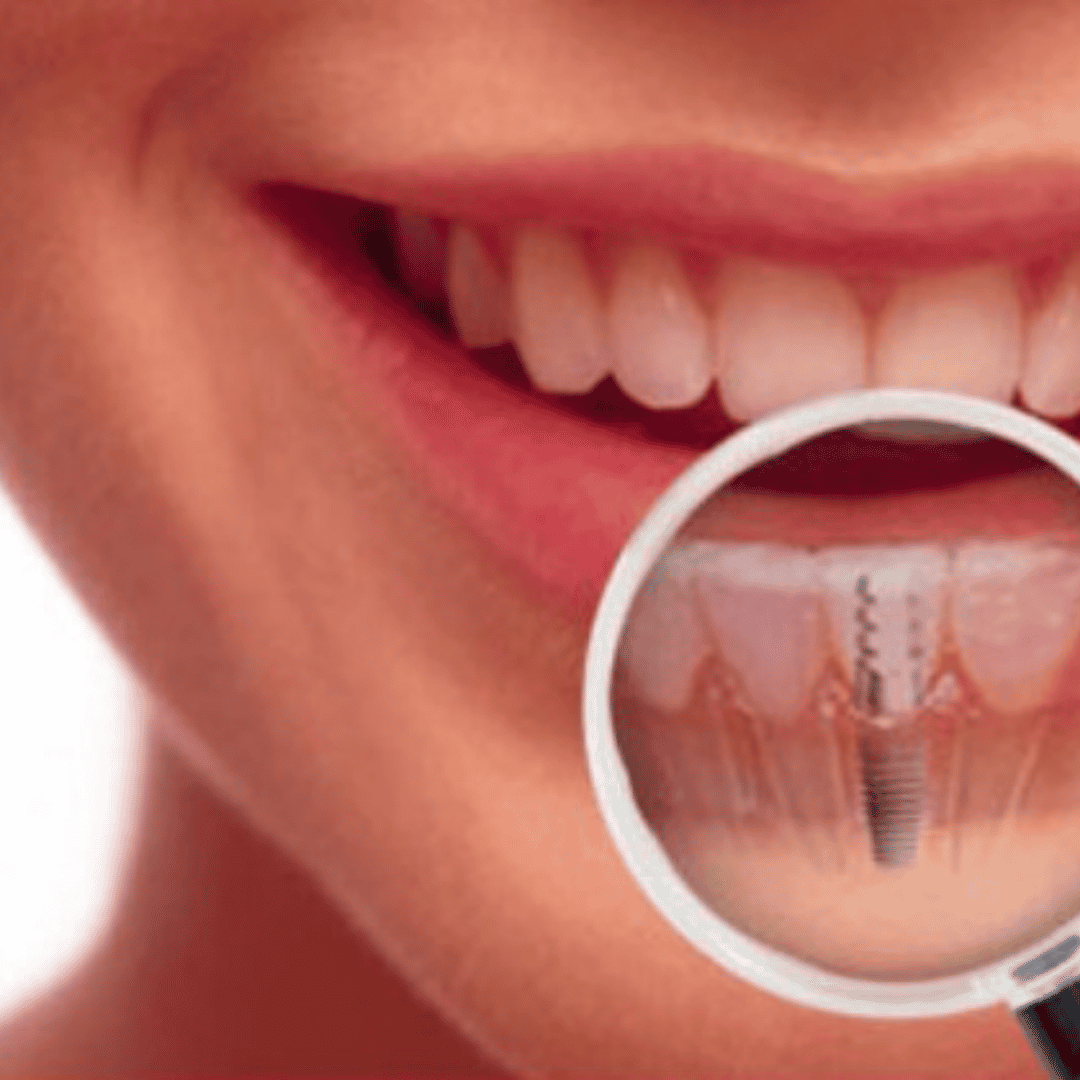
A single dental implant fixture in Costa Rica averages about $815, with most 2026 quotes between $650 and $980. All-on-4 treatment averages about $10,275, with common quotes from $7,900 to $12,650.
The final bill depends on whether the quote includes the abutment and crown, CBCT imaging, extractions, bone grafting, a sinus lift, sedation, temporary teeth, or the final bridge. Flights, hotels, meals, and treatment after returning home are normally separate unless clearly included. Compare the costs below by total inclusions and clinical plan, not by the starting figure alone.
Dental Implants Centers Cost Comparison in Costa Rica
| Provider | Procedure | Price |
|---|---|---|
| Americas Dental Care | Dental Implants, Dentistry | $650 |
Dental Implants Cost Comparison in Costa Rica
| Country | Procedure | Price |
|---|---|---|
| Canada | Dental Implants, Dentistry | $3000 |
| United States | Dental Implants, Dentistry | $3500 |
A polished waiting room tells you very little about implant safety. Start with verifiable basics: a current Ministry of Health operating permit for the clinic and active registration for every treating dentist with the Colegio de Cirujanos Dentistas de Costa Rica.
Ask who performs the surgery, how instruments are sterilized, where emergency care is available, which implant system will be used, and whether you will receive its brand, size, and lot details. Request written complication and follow-up policies before paying a deposit. Use the clinics below to compare licensing, clinical capability, communication, and aftercare—not décor or promises.
Americas Dental Care
San Jose, Costa Rica
Costa Rica Medical Trip
San Jose,Escazu, Costa Rica
Aesthetic Dental Care Costa Rica
Escazu, Costa Rica
Art Dental Care
San José,Escazu, Costa Rica
Videos can help you judge how clearly a clinic explains implant treatment, but a smooth edit is not proof of safe care. Look for footage showing the actual facility, imaging equipment, treatment-planning process, sterilization areas, recovery guidance, and the people performing each stage.
Pay attention to whether the dentist discusses limitations, healing time, bone quality, and possible extra procedures rather than showing only dramatic before-and-after images. A useful video should help you prepare better questions for a live consultation. Review the videos below as supporting information, then verify every important claim directly with the clinic.

Five stars are quick to read; the details are where the useful evidence lives. Give more weight to recent reviews from patients who received the same implant treatment, especially those describing temporary teeth, pain control, unexpected costs, follow-up, and communication after returning home.
Look for patterns across several platforms rather than relying on one glowing story. Reviews cannot confirm licensing or predict your result, and before-and-after photos may not show complications or long-term function. Compare the reviews below for consistency and specifics, then check credentials, treatment plans, and aftercare separately.

How much does one dental implant cost in Costa Rica?
Implant placement averages about $815, with most quotes between $650 and $980. This may cover only the implant fixture placed in the jaw. Ask whether the abutment, crown, scans, anesthesia, medicines, and follow-up appointments are included before comparing it with another quote.
Does the Costa Rica implant price include the crown and abutment?
Not always. Some clinics quote the implant fixture separately from the abutment and visible crown. Request an itemized plan that identifies every component, the material used for the crown, laboratory fees, temporary teeth, and any conditions that could increase the price.
Is it safe to get dental implants in Costa Rica?
Safety depends on the individual clinic, dentist, diagnosis, infection-control practices, and follow-up plan. Verify the clinic’s Ministry of Health operating permit and the treating dentist’s registration with the Colegio de Cirujanos Dentistas de Costa Rica. Accreditation or licensing reduces uncertainty but cannot guarantee a particular result.
How can I verify a dentist’s license in Costa Rica?
Ask for the dentist’s full legal name and professional registration number. Confirm their active status with the Colegio de Cirujanos Dentistas de Costa Rica rather than relying on a clinic biography. Also ask who will perform each stage because the consultation, surgery, grafting, and final restoration may involve different professionals.
How many trips to Costa Rica are needed for dental implants?
Many implant cases require a surgical visit followed by a later visit for the permanent crown or bridge after the bone has healed. Additional trips may be needed for bone grafting or complications. Immediate-loading treatment may shorten the schedule for selected patients, but it is not suitable for everyone.
How long should I stay in Costa Rica after implant surgery?
Your dentist should set the stay according to the number of implants, sedation, grafting, temporary restoration, and planned postoperative review. Remain close enough to return to the clinic if swelling, bleeding, bite problems, or temporary-teeth issues develop. Do not book your departure before receiving the proposed clinical schedule.
Can I receive same-day dental implants in Costa Rica?
Some clinics offer immediate placement or temporary teeth on the day of surgery for suitable patients. Eligibility depends on bone quality, infection, implant stability, bite forces, smoking, and general health. “Same-day teeth” often refers to a temporary restoration, not the final permanent bridge or crown.
What happens if I need a bone graft or sinus lift?
Bone grafting or a sinus lift can increase the price, healing time, number of appointments, and travel required. Ask whether the procedure can be performed with implant placement or must heal first. The clinic should explain the graft material, expected timeline, alternatives, risks, and additional charges in writing.
What dental records should I send before traveling?
Clinics may request recent panoramic X-rays, a CBCT scan, photographs, dental history, medical conditions, allergies, medications, and information about smoking or previous implants. A remote review can support initial planning, but the final diagnosis and price may change after an in-person examination and new imaging.
Which implant brand should a Costa Rica clinic use?
There is no single brand that is right for every patient. Ask whether the system has documented clinical use, locally available replacement parts, and support in your home country. After surgery, obtain an implant record showing the manufacturer, model, dimensions, placement location, and lot or reference number.
What happens if an implant fails after I return home?
Ask this before treatment. The clinic’s written policy should explain who pays for examination, removal, replacement, grafting, laboratory work, and repeat travel. A warranty may cover a component while excluding flights, hotels, medicines, bone loss, smoking-related problems, or treatment by another dentist.
Can I fly home immediately after dental implant surgery?
Do not choose your return flight using a generic timeline. Your dentist should consider the extent of surgery, sedation, bleeding, swelling, sinus involvement, and whether an early review is required. Build enough time into the trip to complete the recommended postoperative check before leaving Costa Rica.
How much are full mouth dental implants in Costa Rica?
Considering full mouth dental implants can be a life-changing decision, restoring not just your smile but also your confidence and ability to enjoy food. If you're exploring options, you've likely heard about the significant cost savings available with dental tourism in Costa Rica. Indeed, undergoing full mouth dental implant procedures in Costa Rica can be substantially more affordable than in countries like the US or Canada, without compromising on quality. Many patients find that they can save thousands, even tens of thousands, of dollars. This comprehensive guide will answer all your pressing questions about full mouth dental implants in Costa Rica, from the typical costs and what influences them, to the procedure itself, safety considerations, and finding the right clinic. We aim to provide you with the expert insights you need to make an informed decision about your dental health journey. How Much Do Full Mouth Dental Implants Typically Cost in Costa Rica? “The typical cost for full mouth dental implants in Costa Rica ranges from approximately $15,000 to $30,000. This can vary based on the specific procedure, materials, and clinic.” The primary attraction for many considering dental implants in Costa Rica is the significant cost difference compared to North America or Europe. While in the US, a full mouth restoration could set you back $45,000 to $80,000 or even more, Costa Rica offers a much more accessible price point. For example, procedures like All-on-4 dental implants in Costa Rica (a common full mouth solution) might cost between $8,500 and $14,000 per arch. This means a full mouth restoration using the All-on-4 technique could be in the $17,000 to $28,000 range. It's crucial to get a personalized quote, as "full mouth" can mean different things for different patients. It might involve replacing all teeth in the upper jaw, the lower jaw, or both. The number of implants required (e.g., All-on-4, All-on-6, All-on-8) will also significantly impact the final price. What Factors Influence the Cost of Full Mouth Dental Implants in Costa Rica? “Several factors influence the cost of full mouth dental implants in Costa Rica, including the number of implants needed, the type and brand of implants, the material for the final prosthetics (crowns or bridges), any necessary preparatory procedures like bone grafts or extractions, and the chosen dental clinic's expertise and technology.” Understanding these factors will help you better interpret quotes and plan your budget: Number and Type of Implants: The most common full mouth solutions involve placing 4 to 8 implants per jaw (e.g., All-on-4, All-on-6, or All-on-8). More implants generally mean higher costs. The brand of implants (e.g., Straumann, Nobel Biocare, Zimmer) also plays a role, with premium brands often costing more. Prosthetic Materials: The artificial teeth (crowns, bridges, or dentures) attached to the implants can be made from various materials like acrylic, composite resin, porcelain fused to metal (PFM), or zirconia. Zirconia and high-quality porcelain are typically the most durable and aesthetically pleasing, but also the most expensive. Preparatory Procedures: Not everyone is an immediate candidate for dental implants. You might need: Tooth Extractions: Removing failing teeth before implant placement. Bone Grafting: If you have insufficient jawbone density, a bone graft is needed to create a solid foundation for the implants. This adds to the cost and treatment time. Sinus Lifts: For upper jaw implants, a sinus lift may be required if the sinus cavity is too close to where implants need to be placed. Clinic and Dentist Expertise: Highly experienced surgeons and clinics equipped with advanced technology (like 3D CBCT scanners and computer-guided surgery systems) may charge more, but this often translates to better outcomes and precision. Sedation Options: The type of anesthesia or sedation used during the surgery can also affect the cost. What is Generally Included in a Full Mouth Dental Implant Package in Costa Rica? “A full mouth dental implant package in Costa Rica typically includes the initial consultation, 3D dental tomography (CBCT scan), the surgical placement of implants and abutments, any necessary tooth extractions, temporary prostheses, and the final permanent prostheses. Some packages may also include medication, local anesthesia, and airport/hotel transfers.” When comparing quotes from different dental clinics in Costa Rica, it's essential to understand what's included in the package price. A comprehensive package for full mouth restoration often covers: Initial Examination and Diagnostics: This includes a thorough oral exam, X-rays, and often a 3D Cone Beam CT (CBCT) scan for precise planning. Treatment Planning: Detailed discussion of your treatment plan. Surgical Procedures: This covers the cost of any necessary extractions, bone grafting (if quoted), and the surgical placement of the dental implants and abutments. Implant Materials: The cost of the titanium or zirconia implants themselves. Temporary Prosthesis: You'll likely receive a temporary set of teeth to wear during the healing period (osseointegration). Final Prosthesis: The fabrication and fitting of your permanent, custom-made crowns, bridges, or implant-supported dentures. Anesthesia: Local anesthesia is standard. IV sedation or general anesthesia might be extra. Post-Operative Care: Follow-up appointments immediately after the surgery. Medications: Often includes initial pain medication and antibiotics. Some clinics catering to dental tourism in Costa Rica may also include services like airport pickup, hotel arrangements or discounts, and a dedicated patient coordinator. Always clarify these details. Are Full Mouth Dental Implants in Costa Rica of High Quality? “Yes, full mouth dental implants in Costa Rica can be of very high quality. Many Costa Rican dentists are highly trained, often in the US or Europe, and clinics frequently use internationally recognized implant brands and state-of-the-art technology.” Costa Rica has invested heavily in its dental tourism sector, and reputable clinics adhere to international standards of care. Here’s why you can expect high quality: Dentist Qualifications: Many dentists in Costa Rica specializing in implantology have received postgraduate training from prestigious institutions in the United States, Europe, or other developed countries. They are often members of international dental associations. Materials and Brands: Top dental clinics in Costa Rica use the same high-quality implant systems (like Nobel Biocare, Straumann, Zimmer Biomet) and prosthetic materials (like zirconia and Emax porcelain) that are used in the US and Canada. Technology: Leading clinics are equipped with advanced diagnostic and treatment technology, including 3D CBCT imaging, intraoral scanners, CAD/CAM systems for in-house milling of restorations, and laser dentistry. This technology allows for more precise planning, minimally invasive surgery, and better outcomes. Accreditation: Some clinics seek and achieve accreditation from international bodies, which signifies their commitment to quality and safety. However, it's crucial to do your research and choose an accredited and reputable clinic. Is Costa Rica a Good and Safe Destination for Dental Tourism, Specifically for Implants? “Yes, Costa Rica is widely regarded as a good and safe destination for dental tourism, especially for complex procedures like full mouth dental implants. The country boasts skilled, often US-trained dentists, modern clinics, significant cost savings, and a welcoming environment for international patients.” Costa Rica has built a strong reputation in the medical and dental tourism industry for several reasons: Cost-Effectiveness: As discussed, the savings are a primary driver. Quality of Care: High standards are maintained by many top clinics. Experienced Professionals: A large pool of dentists experienced in treating international patients. Many are bilingual (English and Spanish). Proximity and Accessibility: Relatively easy to travel to from North America. Beautiful Destination: Patients can combine their dental treatment with a recovery vacation in a tropical paradise. Safety: Costa Rica is generally a safe country for tourists, and dental clinics prioritize patient safety and hygiene, often adhering to U.S. sterilization protocols. Of course, like traveling anywhere, it's wise to take standard precautions and research your chosen clinic thoroughly. How Do I Choose a Reliable Dental Clinic for Full Mouth Implants in Costa Rica? “To choose a reliable dental clinic for full mouth implants in Costa Rica, research their dentists' credentials and experience, look for patient reviews and testimonials, check for international accreditations, inquire about the technology and implant brands they use, and ensure clear communication and transparent pricing.” Selecting the right clinic is paramount for a successful outcome. Consider these steps: Dentist's Credentials and Experience: Verify the qualifications, training (especially in implantology and oral surgery), and years of experience of the dentists who will be performing your procedure. Patient Reviews and Testimonials: Look for reviews on independent platforms, clinic websites, and forums. Before-and-after photos of previous full mouth cases can also be insightful. Accreditations and Affiliations: Check if the clinic is accredited by organizations like the American Association for Accreditation of Ambulatory Surgery Facilities (AAAASF) or has affiliations with reputable international dental associations. Technology and Materials: Ensure the clinic uses modern diagnostic tools (like CBCT scans) and high-quality, well-known implant brands and prosthetic materials. Communication: The clinic staff and dentists should communicate clearly in English (or your preferred language), be responsive to your questions, and provide detailed treatment plans. Transparent Pricing: Get a detailed, itemized quote upfront. Understand what is and isn't included, and inquire about payment policies and any potential additional costs. Virtual Consultation: Many clinics offer online consultations to discuss your case before you travel. What Are the Potential Risks and Success Rates of Full Mouth Dental Implants? “The potential risks of full mouth dental implants, though generally low with experienced surgeons, include infection, implant failure (osseointegration failure), nerve damage, sinus issues (for upper jaw implants), and complications from anesthesia. Success rates for dental implants are typically very high, often cited as 95-98% when performed by qualified professionals and with proper aftercare.” While dental implants are a highly successful and predictable treatment, like any surgical procedure, there are potential risks: Infection: The surgical site can become infected if not properly cared for. Implant Failure: In rare cases, the implant may not fuse properly with the jawbone (osseointegration failure). This is more common in smokers or individuals with certain medical conditions like uncontrolled diabetes. Nerve Damage: There's a small risk of damage to nearby nerves, which could cause temporary or, rarely, permanent numbness or tingling in the teeth, gums, lips, or chin. Sinus Communication: For implants in the upper jaw, there's a possibility of the implant protruding into the sinus cavity, which may require further treatment. Peri-implantitis: An inflammatory condition affecting the gums and bone around the implant, similar to gum disease around natural teeth. Good oral hygiene is crucial to prevent this. Reputable clinics in Costa Rica take meticulous steps to minimize these risks through careful planning using 3D imaging, sterile surgical techniques, and thorough post-operative instructions. Discuss these risks with your chosen dentist. What Does the Full Mouth Dental Implant Procedure Involve in Costa Rica? “The full mouth dental implant procedure in Costa Rica typically involves several stages: an initial consultation and planning (often including 3D scans), surgical placement of the implants, a healing period for osseointegration (3-6 months), and finally, the attachment of the permanent custom-made teeth (crowns, bridges, or dentures).” A full mouth dental implant journey usually unfolds in these phases: Initial Consultation and Planning: Thorough examination of your oral health, including teeth, gums, and jawbone. 3D CBCT scans and digital impressions to assess bone density and plan implant placement precisely. Discussion of your goals, treatment options (e.g., All-on-4, All-on-6), materials, and costs. Creation of a personalized treatment plan. Preparatory Work (if needed): Extraction of any remaining failing teeth. Bone grafting or sinus lift procedures if there's insufficient bone. This may require a separate healing period before implants can be placed. Implant Placement Surgery: The dentist surgically places the titanium or zirconia implants into your jawbone under local anesthesia or sedation. The number of implants will depend on your specific plan (e.g., 4, 6, or 8 per arch). In many All-on-4 cases, a temporary, fixed prosthesis (a set of temporary teeth) can be attached on the same day or shortly after surgery. Osseointegration (Healing Period): This is a crucial phase where the implants fuse with your jawbone. It typically takes 3 to 6 months. You'll wear your temporary teeth during this time and need to follow a soft diet initially. Final Prosthesis Placement: Once osseointegration is complete, you'll return to the clinic. New impressions or digital scans are taken to create your final, permanent teeth (crowns, bridges, or a fixed denture). These are custom-designed for optimal fit, function, and aesthetics and are then securely attached to the implants. This process often requires two trips to Costa Rica, a few months apart, to allow for healing. How Long is the Recovery Time for Full Mouth Dental Implants? “Initial recovery after full mouth dental implant surgery typically involves a few days to a week of swelling, bruising, and discomfort, managed with medication. Full healing and osseointegration, before permanent teeth are placed, takes about 3 to 6 months.” Recovery occurs in stages: Immediate Post-Surgery (First Week): Expect some swelling, bruising, minor bleeding, and discomfort. Pain medication and antibiotics will be prescribed. You'll be advised to eat soft foods and follow specific oral hygiene instructions. Most patients can manage daily activities within a few days. Short-Term Healing (2-4 Weeks): Swelling and bruising will significantly reduce. You can gradually introduce more textured foods, but still avoid very hard or chewy items. Osseointegration Period (3-6 Months): This is the biological healing phase where the bone fuses to the implants. You won't feel pain during this time, but it's vital for the long-term success of the implants. You'll wear your temporary teeth during this period. After Final Prosthesis Placement: There might be a short adjustment period as you get used to your new, permanent teeth. Your dentist in Costa Rica will provide detailed post-operative care instructions tailored to your specific full mouth procedure. What Types of Full Mouth Dental Implants Are Available in Costa Rica? “The types of full mouth dental implants available in Costa Rica primarily include implant-supported full bridges (like All-on-4, All-on-6, or All-on-8 systems) and implant-supported overdentures. These solutions use either titanium or zirconia implants.” The most common and effective full mouth dental implant solutions offered in Costa Rica are: All-on-4® Treatment Concept: This popular technique uses four strategically placed dental implants in each jaw (upper or lower) to support a full arch of fixed, permanent teeth. Often, the rear implants are tilted to maximize bone contact and avoid vital structures, sometimes eliminating the need for bone grafting. All-on-6 or All-on-8: Similar to All-on-4, but utilizing six or eight implants per arch. This may be recommended for patients with greater jawbone density or for those desiring even more distributed support for their prosthetic teeth. Implant-Supported Overdentures: These are dentures that clip or snap onto a few dental implants (typically 2 to 4 per jaw). While removable for cleaning, they offer much better stability and retention than traditional dentures. Full Mouth Reconstruction with Individual Implants and Crowns/Bridges: In some cases, a more extensive approach involving numerous individual implants, each supporting a crown or small bridge, might be used. This is typically more complex and costly. The materials for the implants themselves are usually titanium (the industry standard due to its biocompatibility and strength) or sometimes zirconia (a ceramic, metal-free alternative). The final teeth can be made from acrylic, porcelain-fused-to-metal (PFM), or full zirconia for superior aesthetics and durability. Are There Financing Options for Dental Implants in Costa Rica? “While dental clinics in Costa Rica may not offer direct financing to international patients in the same way local banks do, many patients explore options like personal loans, medical credit cards, or financing through specialized medical tourism loan companies in their home country to cover the cost of full mouth dental implants.” Paying for full mouth dental implants, even at Costa Rica's more affordable prices, can still be a significant investment. Here are common ways patients finance their treatment: Personal Savings: The most straightforward option. Credit Cards: Many clinics accept major credit cards. Some patients use cards with 0% introductory APR offers or rewards programs. Medical Credit Cards: Companies like CareCredit (primarily US-based) offer financing specifically for healthcare expenses, though their international applicability may vary. Personal Loans: Obtaining a personal loan from a bank or credit union in your home country. Home Equity Line of Credit (HELOC): If you own a home, this could be an option. Third-Party Medical Loan Companies: Some companies specialize in financing for medical procedures abroad. It's crucial to research these lenders thoroughly and understand their terms and interest rates. Clinic Payment Plans: While less common for the full amount for international patients, some clinics might offer short-term payment plans for portions of the treatment or work with specific financing partners. Always discuss payment options with the clinic beforehand. Are There Hidden Costs I Should Be Aware Of for Dental Implants in Costa Rica? “Potential hidden costs for dental implants in Costa Rica could include charges for unplanned preparatory procedures (like extensive bone grafting if not initially quoted), fees for upgraded materials if you change your mind, costs for IV sedation if not included, and travel/accommodation expenses. Always request a detailed, all-inclusive quote.” While reputable dental clinics in Costa Rica strive for transparency, it's wise to clarify what your initial quote covers. Potential areas where additional costs might arise include: Unexpected Complexity: If during the examination or surgery, a more complex issue is found (e.g., needing more extensive bone grafting than initially anticipated), this could increase costs. A good clinic will discuss this with you before proceeding. Material Upgrades: If you initially opted for standard prosthetic materials and later decide to upgrade to premium options like full zirconia, there will be an additional charge. Anesthesia Choices: Basic local anesthesia is usually included. If you opt for IV sedation or general anesthesia, this may be an extra fee. Medications: While initial post-op medications are often included, long-term or specific prescriptions might not be. Follow-up Care Back Home: Factor in the cost of any follow-up visits or maintenance with your local dentist once you return home. Travel and Accommodation: These are separate from the dental treatment cost itself and include flights, lodging, food, and local transportation. Contingency Funds: It's always a good idea to have a small contingency fund for any unexpected travel or personal expenses. To avoid surprises, ask for a comprehensive treatment plan that itemizes all foreseeable costs and explicitly states what is not included. What Does Aftercare and Maintenance for Full Mouth Dental Implants Entail? “Aftercare for full mouth dental implants involves diligent oral hygiene (brushing twice daily, flossing or using interdental cleaners, and possibly an antimicrobial mouth rinse), regular dental check-ups and professional cleanings (at least twice a year), and avoiding very hard or sticky foods, especially initially. This ensures the longevity of your Costa Rica dental implants.” Proper aftercare is crucial for the long-term success of your full mouth dental implants: Oral Hygiene: Brushing: Brush at least twice a day with a soft-bristled toothbrush and non-abrasive toothpaste. Cleaning Around Implants: Special attention is needed to clean around the implants and under the prosthesis. Your dentist may recommend specific tools like interdental brushes, water flossers (oral irrigators), or super floss. Mouth Rinse: An antimicrobial mouth rinse may be recommended, especially in the initial healing phase. Regular Dental Check-ups: Visit your local dentist (or return to Costa Rica if preferred) for regular check-ups and professional cleanings, typically every 6 months. They will monitor the health of your implants, gums, and prosthesis. Diet: While your new teeth will be strong, avoid chewing ice, cracking nuts, or using your teeth as tools to prevent damage to the prosthetic. Initially, after surgery and even after the final prosthesis is placed, you might be advised to avoid extremely hard or sticky foods. Night Guard: If you clench or grind your teeth (bruxism), your dentist may recommend a custom night guard to protect your implants and prosthesis. Avoid Smoking: Smoking significantly increases the risk of implant complications and failure. Your dental clinic in Costa Rica will provide you with detailed, personalized aftercare instructions. Following these diligently will help ensure your implants last for many years, potentially a lifetime. How Do Costa Rica Dental Implant Costs Compare to the US and Canada? “Costa Rica dental implant costs for full mouth procedures are typically 50-70% lower than in the US and Canada. For example, a full mouth restoration that might cost $50,000 - $80,000+ in the US could range from $15,000 - $30,000 in Costa Rica for comparable quality and materials.” The cost savings are substantial. Here's a general idea: All-on-4 Dental Implants (per arch): Costa Rica: $8,500 - $15,000 US/Canada: $20,000 - $30,000+ Full Mouth Restoration (both arches with All-on-4/6): Costa Rica: $15,000 - $30,000 US/Canada: $45,000 - $80,000+ Single Dental Implant (including crown): Costa Rica: $800 - $1,600 US/Canada: $3,000 - $5,000+ The lower cost of full mouth dental implants in Costa Rica is not due to lower quality but rather to factors like: Lower cost of living and operational overhead for clinics (rent, salaries). Lower lab fees. A competitive dental market catering to international patients. Even when factoring in travel and accommodation, the overall savings for dental tourism in Costa Rica for extensive procedures like full mouth implants are usually very significant. Ready to explore your options for full mouth dental implants in Costa Rica and achieve the smile you've always wanted? Discover world-class dental clinics and personalized treatment plans through PlacidWay. Connect with leading dental professionals in Costa Rica today and take the first step towards a confident, new you!
What is the Average Price of Dental Implants in San Jose, Costa Rica?
The average cost of a single dental implant in San Jose, Costa Rica, ranges from $710 to $1,600, including the implant, abutment, and crown. This is a significant saving compared to the United States, where the same procedure can cost between $3,000 and $5,000. Are you considering dental implants but are put off by the high prices in your home country? San Jose, Costa Rica, has become a top destination for dental tourism, offering world-class care at a fraction of the cost. The city is home to numerous internationally accredited dental clinics and highly skilled surgeons who provide high-quality services. The appeal isn't just the low cost but also the comprehensive care and modern facilities available. This guide will provide a detailed breakdown of the average cost of dental implants in San Jose, Costa Rica, answer your most pressing questions about the procedure, and explain why this destination is a smart choice for your dental needs. You will learn about the price differences for various types of implants, what is included in the cost, and how you can save thousands of dollars without compromising on the quality of your new smile. Whether you need a single tooth replacement or a full mouth restoration, understanding the pricing structure in San Jose will help you plan your dental trip with confidence. What is the average price of a single dental implant in San Jose, Costa Rica? The average price of a single dental implant in San Jose, Costa Rica, ranges from $710 to $1,600. This price typically includes the titanium implant, the abutment, and the final crown, making it a highly cost-effective option. The cost of a single dental implant in San Jose, Costa Rica, is one of the main reasons for its popularity. While prices can vary based on the clinic and the specific brand of implant used, the average price remains consistently low compared to the US or Canada. A single implant in the United States can cost upwards of $5,000, which means you can save over 70% by having the procedure done in Costa Rica. This price often covers the entire process, from the surgical placement of the implant to the final crown, providing a straightforward and transparent cost structure. How much do All-on-4 dental implants cost in San Jose, Costa Rica? The cost for All-on-4 dental implants in San Jose typically ranges from $8,500 to $15,000 per arch. This comprehensive procedure offers significant savings compared to the US, where it can cost $20,000 to $30,000 or more per arch. All-on-4 is a popular full-arch restoration option that uses four implants to support a full set of fixed teeth. The cost of All-on-4 dental implants in San Jose, Costa Rica, is a major draw for patients needing extensive dental work. The price difference between Costa Rica and Western countries is most dramatic for full mouth restorations. Many clinics offer all-inclusive packages that cover the implants, the final prosthesis, temporary dentures, and sometimes even transportation and initial consultations. This makes a full smile makeover financially accessible for many people. What is the price of All-on-6 or All-on-8 dental implants in Costa Rica? All-on-6 dental implants in San Jose, Costa Rica, range from $9,000 to $14,000 per arch, while All-on-8 can start at around $13,000. These procedures are priced lower than the United States, where they can cost over $26,000. For patients who require more implants for enhanced stability and bone support, All-on-6 and All-on-8 are excellent options. The cost of dental implants in San Jose, Costa Rica, for these procedures remains incredibly competitive. The higher number of implants means a more complex surgery and a slightly higher price point, but the savings compared to the US are still substantial. These procedures are often part of a full mouth restoration plan, and clinics in San Jose are well-equipped to handle them with high success rates. Why are dental implants so much cheaper in San Jose, Costa Rica? The lower cost of dental implants in San Jose, Costa Rica, is a result of a lower cost of living and reduced operational expenses for clinics. This includes lower labor costs, real estate prices, and insurance fees, which do not compromise the quality of care. Many people wonder how clinics in Costa Rica can offer such low prices without sacrificing quality. The answer lies in the country's economic structure. The lower cost of living in Costa Rica directly translates to lower overhead for dental practices. This includes everything from rent and staff salaries to laboratory fees and dental supply costs. Unlike in the US, where high insurance costs and operational expenses drive up prices, Costa Rican clinics can pass on these savings directly to their patients. This allows them to use the same high-quality materials and technology as US clinics while offering a more affordable price. Are the materials and technology used in San Jose clinics high-quality? Yes, many leading dental clinics in San Jose use the same high-quality materials and technologies as clinics in the US and Europe. They often use internationally recognized brands for implants like Nobel Biocare, Straumann, and Zimmer. The quality of care in San Jose is a key factor in its popularity as a dental tourism destination. Reputable clinics understand that international patients are seeking both affordability and quality. As such, they invest in modern equipment and use premium materials. Many clinics in San Jose are accredited by international organizations and adhere to strict safety and sterilization protocols. You can find clinics that use advanced technology like 3D CT scans, CAD/CAM technology for crowns, and digital smile design to ensure precise and successful outcomes. What factors can influence the final cost of dental implants? The final cost of your dental implant procedure can be influenced by several factors, including the number of implants, the need for preparatory procedures like bone grafts or extractions, the brand of implant used, and the type of final restoration (e.g., zirconia vs. acrylic). While clinics provide a clear initial quote, the final price can change based on your specific needs. Here are some of the most common factors that influence the final cost: Bone Grafts and Sinus Lifts: If you have insufficient bone density in your jaw, you may need a bone graft or a sinus lift before the implant can be placed. These additional procedures can add to the total cost. Extractions: If you need to have a tooth or multiple teeth removed before the implant surgery, this will be an extra charge. Brand of Implant: Premium implant brands like Nobel Biocare or Straumann may cost more than other brands, though the success rates are typically very high across the board for reputable clinics. Type of Prosthesis: A full arch of teeth can be made from different materials, such as zirconia, which is highly durable and aesthetic but more expensive, or acrylic, which is a more budget-friendly option. How long should I plan to stay in San Jose for a dental implant procedure? For a single dental implant, a patient typically needs two separate trips to San Jose. The first trip requires a stay of 3-5 days for implant placement, followed by a 4-6 month healing period. The second trip is for the final crown and requires a stay of 5-8 days. The dental implant process is not a one-day procedure. It requires a healing period for the implant to fuse with your jawbone, a process called osseointegration. This is why most patients plan for two trips. The first trip is for the initial surgery, and the second is for the final restoration. This timeline ensures the best possible outcome and long-term success of your implant. However, some clinics offer "same-day" implants for specific cases, which can reduce your travel time. What is typically included in an all-inclusive dental implant package? All-inclusive dental implant packages in San Jose often include the surgeon's fee, the implant, abutment, and crown, anesthesia, pre-operative exams, medications during your stay, and all required follow-up appointments at the clinic. To make the process easier for international patients, many clinics offer comprehensive packages. This transparent pricing model helps you budget accurately and avoids any surprise costs. Some packages may even include airport transfers and assistance with booking local accommodations. It is important to confirm with the clinic exactly what is included in the package before you book. This ensures you know what to expect and can plan your budget accordingly. Are dental surgeons in San Jose, Costa Rica, well-qualified? Yes, many of the top dental surgeons in San Jose are highly qualified, with specialized training from institutions in the United States or other Western countries. They are often board-certified and members of international dental associations. The professional credentials of Costa Rican dentists are a source of pride for the country's medical tourism industry. Many have trained and gained experience in the US, Europe, and Canada, bringing a high level of expertise back to their home country. Reputable clinics will be transparent about their dentists' qualifications and professional affiliations. You should always ask for the surgeon's CV and look at their before-and-after portfolios to feel confident in your choice. How can I find a reputable dental clinic in San Jose, Costa Rica? You can find a reputable dental clinic in San Jose by checking for international accreditations, reading patient reviews on unbiased platforms, and having a virtual consultation to assess their professionalism and communication. Choosing the right clinic is the most important step in your dental tourism journey. You should look for clinics that have certifications from organizations like the Joint Commission International (JCI) or the American Dental Association (ADA). Patient testimonials and reviews on independent websites are also a good indicator of a clinic's reputation. A virtual consultation with the clinic's staff and the surgeon is a great way to ask questions, discuss your treatment plan, and ensure you feel comfortable with their approach before you travel. Ready to get your new smile at a price you can afford? Explore PlacidWay to connect with the leading dental clinics in San Jose, Costa Rica, and receive your free, personalized quote today.
Dental implant care is usually a team effort, not a one-person show. Depending on your case, the team may include an oral and maxillofacial surgeon, periodontist, prosthodontist, or a dentist with documented implant training.
Verify active registration with the Colegio de Cirujanos Dentistas de Costa Rica and ask who will place the implant, perform grafting, design the bite, and fit the final crown or bridge. Request evidence of relevant postgraduate training and experience with cases similar to yours. Compare the professionals below by verified qualifications, role in treatment, communication, and responsibility for follow-up.
Costa Rica works best for dental patients who treat the journey as healthcare first and vacation second. The country is particularly practical for people traveling from the United States and Canada because of its position in Central America and international flight connections. Patients from nearby Latin American countries and parts of Europe may also consider Costa Rica when the value of extensive implant treatment justifies the longer journey.
Costa Rica has two main international gateways. Juan Santamaría International Airport, or SJO, is near San José and is generally the more practical arrival point for clinics in the Central Valley. Daniel Oduber Quirós International Airport, or LIR, serves Liberia and the Guanacaste region. Check the clinic’s exact location before selecting an airport; Costa Rica may look compact on a map, but road journeys can take longer than expected.
| Travel Planning Point | What to Confirm |
|---|---|
| Airport | Use SJO for most San José and Central Valley clinics. Consider LIR for treatment in Liberia or Guanacaste. |
| Entry documents | Carry a valid passport, any required visa, proof of return or onward travel, and evidence of sufficient funds. Requirements depend on nationality. |
| Number of visits | Confirm whether treatment requires one visit, two staged visits, or an additional trip after graft healing. |
| Accommodation | Stay close enough to attend postoperative checks and return quickly if temporary teeth, swelling, bleeding, or bite problems need attention. |
| Local transport | Arrange a clinic transfer, registered taxi, or trusted driver, particularly when sedation is planned. Do not expect to drive yourself afterward. |
| Records for home | Collect X-rays, CBCT files, surgical notes, prescriptions, implant details, laboratory information, and written aftercare instructions before departure. |
Allow Time for Healing, Not Just Treatment
Implant treatment often takes place in stages because the jawbone needs time to bond with the implant. This healing process can take several months, and bone grafting may extend it further. Some patients qualify for immediate temporary teeth, but “same-day” treatment does not necessarily mean the permanent restoration is finished or that follow-up is optional.
Avoid building an ambitious sightseeing schedule around surgery. Keep the first part of your stay flexible and follow your dentist’s instructions about food, exercise, swimming, alcohol, smoking, and oral hygiene. Beaches and rainforests will still be there after your postoperative check.
Prepare for Follow-Up Before Leaving Home
Identify a dentist near home who is willing to review your records and provide routine maintenance. Ask the Costa Rica clinic how remote follow-up works, which symptoms require urgent attention, and who is responsible if the implant, temporary tooth, or final restoration needs adjustment after you leave. Planning this before treatment is much easier than searching for help during a complication.
The next step is not choosing the cheapest quote; it is getting comparable treatment plans. Share recent dental images, your medical history, medications, smoking status, and the number of teeth you want replaced. Ask each clinic to identify what is confirmed, what may change after an examination, and which charges are conditional. This information is educational and does not replace an examination, diagnosis, or personalized advice from a licensed dental professional. Prices and treatment plans can change after clinical assessment and imaging.Compare Your Dental Implant Options Carefully

.png)
.png)
.png)










Share this listing