
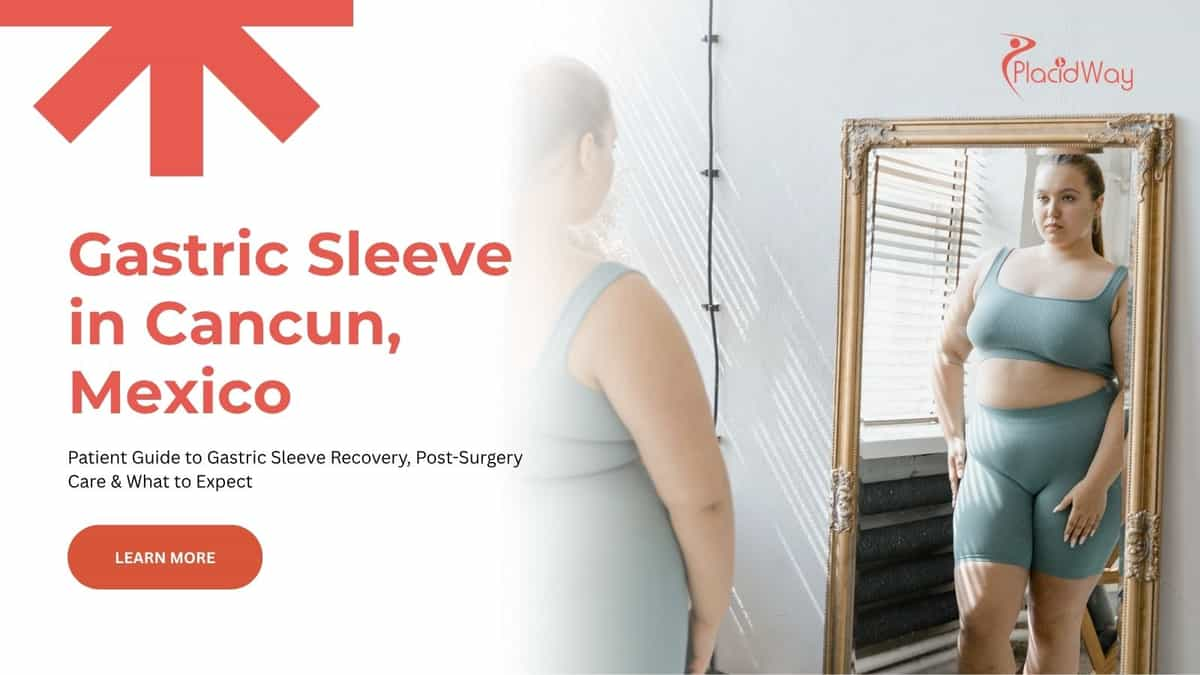
Struggling with weight loss and facing exorbitant healthcare costs at home can leave you feeling frustrated when you know a bariatric procedure could improve your health. Many international patients find that traveling to Mexico offers a practical path forward without compromising on medical safety or clinical quality. When researching facilities abroad you should always look for transparent all inclusive pricing and verify that the surgical center holds active COFEPRIS licensing and national CSG accreditation.
- Estimated Cost: Typically ranges between $4,000 and $6,000 USD for an all-inclusive package.
- Safety Overview: Highly safe when performed in a CSG-accredited hospital by a board-certified bariatric surgeon.
- Ideal Candidate: Individuals with a BMI over 30 who have not achieved long-term weight loss through diet and exercise alone.
- Recovery Time: Most patients return to desk work within two weeks and resume normal activities within four to six weeks.
- Main Reason Patients Choose Cancun: A combination of highly qualified surgeons, affordable out-of-pocket costs, and a peaceful recovery environment.
- Important Caution: Always verify that your surgeon is registered with the Mexican College of Surgery for Obesity and Metabolic Diseases (CMCOEM).
Why International Patients Choose Gastric Sleeve Surgery in Cancun Mexico
Medical tourism for bariatric care has grown significantly over the past decade. Patients from the United States and Canada frequently cross borders to access specialized treatments that are either too expensive or excluded by their local health insurance policies. Cancun has emerged as a premier destination due to its modern medical infrastructure and direct flight access from most major North American airports.
Choosing to undergo a major metabolic procedure in another country requires careful consideration. Patients are naturally drawn to locations where they can receive multidisciplinary care including preoperative consultations surgical intervention and nutritional follow up in one seamless package.
Primary Motivations for Travel
- Avoidance of long medical waitlists in public healthcare systems
- Substantial out of pocket savings compared to domestic prices
- Access to highly experienced surgeons with massive case volumes
- Availability of all inclusive packages covering logistics and care
- The opportunity to recover in a private stress free environment
- Multilingual medical staff trained in international patient care
Common Patient Origins
- United States particularly border states and the East Coast
- Canada due to delayed elective surgery schedules
- United Kingdom seeking private healthcare alternatives
- Various Caribbean nations requiring specialized surgical facilities
- Patients seeking specialized revision bariatric surgery
- Self paying individuals lacking local bariatric insurance coverage
The convergence of clinical excellence and hospitality makes the recovery process much smoother for medical travelers. Hospitals in the region have tailored their services to meet international standards ensuring that communication logistics and clinical protocols align with what North American patients expect.
Patient Demographics and Medical Tourism Trends in Cancun
Recent data published in global bariatric registries throughout 2024 highlights a steady increase in metabolic surgery tourism. Patients traveling for these procedures are generally well researched and proactive about their health. The demographic profile shows a broad age range with a significant concentration of individuals in their mid thirties to late fifties.
Understanding these demographics provides insight into why specialized surgical centers focus on specific comorbidities such as type two diabetes hypertension and sleep apnea. The data reflects a patient base that is primarily motivated by long term health improvements rather than purely cosmetic goals.
2024 International Bariatric Patient Age Distribution in Mexico
Data reflects documented 2024 inbound medical tourism demographics for metabolic care in major Mexican hubs.
According to clinical registry data females typically represent a larger portion of the demographic seeking this specific intervention although male participation has been steadily increasing. The decision to travel is largely driven by a lack of comprehensive local insurance options for metabolic diseases.
Understanding How the Gastric Sleeve Procedure Works
Laparoscopic sleeve gastrectomy is a minimally invasive surgical procedure designed to facilitate significant weight loss. During the operation the surgeon removes approximately seventy five to eighty percent of the stomach leaving behind a narrow tube or sleeve that resembles the shape of a banana. This physical reduction serves a dual purpose in managing obesity and metabolic dysfunction.
By restricting the physical volume of the stomach patients naturally consume smaller portions of food before feeling comfortably full. However the mechanical restriction is only one part of the clinical success associated with this procedure.
The Biological Mechanism of Weight Loss
The surgery involves removing the gastric fundus which is the upper part of the stomach. This specific region is primarily responsible for producing ghrelin often referred to as the hunger hormone. By excising this tissue your body experiences a dramatic decrease in ghrelin levels which significantly reduces physical hunger and helps manage cravings during the postoperative weight loss phase.
Because the digestive pathway remains unaltered the risk of severe malabsorption is generally lower than with procedures like the gastric bypass. Nutrients continue to be absorbed normally through the intestinal tract making long term nutritional management slightly more straightforward for many patients.
Who Is a Good Candidate for Bariatric Surgery in Cancun
Determining your medical eligibility is the first critical step before planning any travel for surgery. Bariatric interventions are powerful medical tools but they are not suitable for everyone. Clinics rely on internationally recognized clinical guidelines to evaluate each prospective patient prioritizing safety and long term outcome viability.
The evaluation process begins well before you book a flight. Reputable surgical teams require comprehensive medical histories recent blood panels and detailed questionnaires to ensure your body can safely handle general anesthesia and the physical demands of recovery.
Standard Clinical Eligibility Checklist
- A Body Mass Index indicating clinical obesity generally over thirty or thirty five depending on associated conditions.
- Presence of obesity related comorbidities such as high blood pressure sleep apnea or insulin resistance.
- A documented history of unsuccessful attempts at medically supervised weight loss through diet and exercise alone.
- Commitment to lifelong dietary modifications daily vitamin supplementation and regular medical follow ups.
- Absence of severe untreated psychological conditions that may interfere with postoperative dietary adherence.
- No history of severe unmanaged gastroesophageal reflux disease which may contraindicate the sleeve technique.
If your medical history reveals specific contraindications your surgeon may recommend an alternative bariatric technique or advise against surgery entirely. Full transparency during your preoperative consultation is essential for your safety and success.
Analyzing the Cost of Gastric Sleeve Surgery in Cancun Mexico
Financial considerations are often the primary catalyst for patients seeking healthcare options across borders. The cost of metabolic interventions in the United States or Canada can be prohibitive often exceeding twenty thousand dollars when factoring in hospital fees anesthesia and surgical consultations. In contrast Mexican clinics offer highly competitive pricing structures.
These lower costs do not reflect a reduction in medical quality but rather the differing economic realities overhead expenses and malpractice insurance structures within the local healthcare system. Facilities typically package their services to provide cost certainty for traveling patients.
| Country of Treatment | Estimated Procedure Cost USD | Estimated Additional Fees USD |
|---|---|---|
| United States | $16,000 to $25,000 | Variable anesthesia and facility fees |
| Canada | $15,000 to $20,000 | Travel within province if paying privately |
| Cancun Mexico | $4,000 to $6,000 | Generally all-inclusive standard packages |
It is critical to request an itemized written quote from any facility you contact. Knowing exactly what is included protects you from unexpected expenses upon arrival and allows you to make an accurate destination comparison.
Hidden Costs to Watch for When Planning Your Bariatric Trip
While all inclusive medical packages offer excellent value patients must still budget for logistical and incidental expenses that fall outside the clinical quote. Failing to account for these variables can add unnecessary stress to your recovery period.
Thorough financial planning involves looking at the entire journey from your front door to the hospital bed and back home again. Preoperative requirements travel logistics and postoperative necessities all carry distinct price tags.
Common Out of Pocket Expenses
Be sure to budget for preoperative blood work and cardiac clearance exams required by your home physician before travel. You must also factor in round trip airfare passport renewal fees travel medical insurance specialized high protein nutritional supplements for your liquid diet phase and prescription medications required once you return to your home country.
Additionally if a travel companion accompanies you their daily food and entertainment expenses will be separate from your hospital package. Some clinics include a hotel stay for your companion while others charge a supplemental fee.
How to Choose a Safe and Certified Bariatric Clinic in Cancun
Selecting the right surgical facility is the most important decision you will make in your medical tourism journey. Mexico has a robust healthcare regulatory system and understanding how to identify properly licensed hospitals is essential for your safety.
Avoid relying solely on social media influencers or glossy marketing materials. Instead focus your research on objective national licensing bodies and established clinical accreditations that demonstrate a facility adheres to strict sanitary and emergency protocols.
Essential Facility Credentials to Verify
- COFEPRIS Licensing: The Federal Commission for the Protection against Sanitary Risk is the national regulatory body. Every operating clinic must hold a current COFEPRIS license.
- CSG Accreditation: The General Health Council provides national hospital certification based on rigorous quality and safety standards similar to international hospital boards.
- Intensive Care Unit: Ensure the facility has a fully equipped ICU on site in the rare event of a surgical emergency.
Facilities that cater to international patients should also offer clear protocols for complication management and transparent revision policies. A high quality clinic will gladly provide their license numbers upon request for independent verification.
Verifying Your Bariatric Surgeon Credentials in Mexico
The expertise of your operating surgeon directly influences both the safety of your procedure and the quality of your long term results. Mexican medical education and specialty training are rigorous but standards can vary among individual practitioners. It is your responsibility to verify their qualifications.
A general surgeon is not necessarily a specialized bariatric surgeon. You want a professional who has dedicated their clinical practice to metabolic medicine and performs these specific interventions daily.
| Credential to Verify | Significance for Patient Safety |
|---|---|
| Medical Degree and Cedula Profesional | The official national license allowing the doctor to practice medicine legally. |
| General Surgery Certification | Demonstrates completion of standard surgical residency and foundational training. |
| CMCOEM Registration | Confirms specialized training and peer recognition in obesity and metabolic surgery. |
| Annual Case Volume | Indicates the surgeon has current highly repetitive experience minimizing technical errors. |
Do not hesitate to ask the clinic coordinator for the surgeon's exact credential numbers. You can verify a doctor's national registration through official government medical portals online adding an extra layer of confidence to your decision.
Essential Steps to Prepare for Weight Loss Surgery Abroad
Success in the operating room begins weeks before your scheduled flight. Preoperative preparation is designed to optimize your physical health reduce surgical risks and mentally prepare you for the lifelong lifestyle changes that follow.
One of the most vital steps is the preoperative liver reduction diet. Most patients are required to follow a strict low carbohydrate high protein liquid or semi liquid diet for two to four weeks prior to their procedure date.
Why the Liver Shrinking Diet is Mandatory
Patients struggling with obesity frequently develop fatty liver disease causing the liver to become enlarged and heavy. Because the liver sits directly over the stomach an enlarged liver makes it very difficult and dangerous for the surgeon to access the surgical site laparoscopically. Following your pre-op diet shrinks the liver reducing the risk of internal bleeding and complications during surgery.
Alongside dietary changes you will need to cease smoking completely stop taking specific blood thinning medications as advised by your doctor and prepare your home environment with the necessary liquids and vitamins for your return.
What to Expect During Your Hospital Stay in Cancun
When you arrive for your procedure the clinical team will guide you through a highly structured medical itinerary. Most comprehensive packages include private transportation from the airport directly to the hospital or hotel ensuring you are cared for from the moment you land.
The typical timeline involves preoperative testing on your first day followed immediately by surgery or surgery the following morning. The procedure itself usually takes between one and two hours under general anesthesia.
Day One and Surgery
You will undergo final blood tests an EKG and a consultation with the anesthesiologist. Once cleared you will be prepped for surgery. You will wake up in the recovery room and be closely monitored for pain and nausea before being moved to your private hospital room.
Day Two and Leak Test
The day after surgery medical staff will encourage you to walk to promote circulation. You will typically undergo a fluoroscopy leak test where you swallow a specialized dye to ensure the new stomach staple line is perfectly sealed. Once passed you will begin sipping clear liquids.
After a standard stay of one to two nights in the hospital you are typically discharged to a designated recovery hotel. Nursing staff or medical coordinators generally check on you daily until you are medically cleared to board your flight home.
The Gastric Sleeve Recovery Timeline and Postoperative Care
Healing from laparoscopic metabolic interventions requires patience and strict adherence to your surgeon's guidelines. The initial recovery phase focuses on tissue healing hydration and preventing complications while your body adapts to drastically reduced caloric intake.
While the small incisions on your abdomen heal relatively quickly the internal staple line requires several weeks to fully stabilize. Rest is crucial during this period though gentle frequent walking is mandatory to prevent blood clots.
| Recovery Timeframe | Patient Activity Level | Clinical Focus |
|---|---|---|
| Days 1 to 7 | Frequent short walks excessive rest limited energy. | Hydration pain management monitoring for signs of infection. |
| Weeks 2 to 3 | Light normal activities desk work may resume. | Transition to thicker liquids and pureed foods managing fatigue. |
| Weeks 4 to 6 | Increasing energy moderate exercise permitted. | Transition to soft foods establishing long term vitamin habits. |
| Months 3 to 6 | Normal active lifestyle heavy lifting permitted. | Rapid weight loss monitoring nutritional blood levels adapting to physical changes. |
You may experience emotional fluctuations during the first few weeks due to rapid hormonal shifts and physical fatigue. This is a normal physiological response and establishing a support system before you travel can help you navigate this phase.
Dietary Changes and Nutritional Support After Surgery
Your relationship with food will fundamentally change after intervention. Because your stomach capacity is reduced to roughly the size of an egg you must prioritize nutrient dense foods over empty calories to prevent malnutrition and muscle loss.
The postoperative diet progresses through strict phases to protect your healing stomach. Rushing these phases can cause severe pain nausea vomiting and potentially dangerous staple line leaks.
The Phased Postoperative Diet
- Phase 1 Clear Liquids: Water diluted apple juice clear broths and sugar free gelatin.
- Phase 2 Full Liquids: Protein shakes smooth soups thinned yogurt and milk.
- Phase 3 Pureed Foods: Blended lean meats mashed beans scrambled eggs and pureed vegetables.
- Phase 4 Soft Foods: Flaky fish soft cooked vegetables and tender poultry.
- Phase 5 Solid Diet: Gradual reintroduction of standard healthy foods focusing on protein first always.
Chewing food thoroughly and eating slowly become non negotiable habits. Furthermore you must separate eating and drinking by at least thirty minutes to prevent flushing food prematurely out of your small stomach pouch.
Potential Risks and How Cancun Clinics Manage Complications
No surgical intervention is entirely free of risk. While laparoscopic bariatric methods are statistically very safe patients must understand the potential clinical complications and evaluate how their chosen facility handles emergencies.
Early complications can include bleeding adverse reactions to anesthesia or infection at the incision sites. The most serious specific risk is a gastric leak where stomach fluids escape through the surgical staple line into the abdominal cavity.
Warning Signs That Require Immediate Attention
You must seek immediate emergency medical care if you experience a sustained high fever severe and escalating abdominal pain rapid heart rate shortness of breath or inability to keep any fluids down. High quality clinics manage these risks by performing mandatory postoperative leak tests and requiring patients to stay locally for several days before flying.
When researching facilities inquire about medical complications insurance. Some comprehensive packages include short term policies that cover the cost of emergency stabilization or extended hospital stays in Mexico should an unforeseen event occur.
Comparing Cancun with Other Medical Tourism Destinations for Weight Loss
Patients evaluating cross border healthcare frequently compare multiple cities. Tijuana is arguably the most famous border town for metabolic interventions however Cancun offers distinct advantages for specific types of travelers.
While border cities cater heavily to drive-in patients from California and Texas coastal destinations appeal to those flying from the Midwest East Coast and Canada. The environment also plays a role in patient preference.
| Comparison Factor | Cancun Medical Hubs | Northern Border Clinics |
|---|---|---|
| Travel Logistics | Requires flying into an international airport. | Accessible by car or short walk across the border. |
| Recovery Environment | Tropical quiet resort oriented atmosphere. | Busy urban transit oriented environment. |
| Clinical Standards | Governed by the same national COFEPRIS regulations. | Governed by the same national COFEPRIS regulations. |
| Package Inclusions | Often includes airport transfers and resort hotel stays. | Often includes border shuttle and city hotel stays. |
Your choice depends on your starting location budget and personal comfort preferences. Regardless of the city the clinical vetting process regarding facility licensing and surgeon certification remains exactly the same.
Traveling to Cancun for Medical Care and Visa Requirements
Logistical preparation is just as important as clinical preparation when seeking healthcare abroad. The local international airport handles millions of travelers annually and offers direct flights from dozens of North American cities making the journey relatively simple.
Most citizens of the United States Canada and the European Union do not require a specialized medical visa for short term healthcare visits. A valid passport and standard tourist entry are typically sufficient for surgical trips lasting under a month.
Travel Health and Safety Tips
Ensure your passport is valid for at least six months beyond your travel dates. Pack loose fitting comfortable clothing that will not press against your abdominal incisions during the flight home. Always keep your medical records surgical clearance and emergency contact numbers printed and accessible in your carry on luggage.
It is highly recommended to arrange your flight schedules carefully. Opt for direct flights whenever possible to minimize travel fatigue and reduce the physical stress of navigating connecting airports while recovering from surgery.
Frequently Asked Questions About Gastric Sleeve in Cancun
How much weight can I expect to lose with a gastric sleeve in Cancun
Most patients typically lose between sixty and seventy percent of their excess body weight within the first twelve to eighteen months. Your individual results depend heavily on your commitment to the postoperative diet exercise routine and long term lifestyle changes.
Is gastric sleeve surgery safe in Mexico
Yes the procedure is generally very safe when performed by a board certified bariatric surgeon in a facility licensed by COFEPRIS and accredited by the CSG. Following all preoperative and postoperative medical guidelines further reduces your risks.
How long do I need to stay in Cancun for bariatric surgery
Patients are usually required to stay for a minimum of four to six nights. This typically includes one or two nights in the hospital for the procedure and monitoring followed by several nights in a local hotel to ensure you are stable before flying.
What is the difference between gastric bypass and gastric sleeve
A sleeve gastrectomy only removes a portion of the stomach to restrict food intake. A gastric bypass also alters the digestive tract by rerouting the intestines which introduces a malabsorptive element for greater weight loss but requires stricter vitamin management.
Will my insurance cover gastric sleeve surgery in Mexico
Most traditional US and Canadian health insurance policies do not cover elective treatments performed abroad. However some specialized medical tourism plans or employer self funded healthcare plans may offer partial reimbursement depending on the specific policy details.
How soon can I fly after weight loss surgery
Surgeons generally clear patients to fly three to five days after the procedure once the mandatory leak test is passed and pain is well controlled. You must walk frequently during the flight to prevent blood clots.
What happens if I experience complications after returning home
In the event of a medical emergency you must go to your nearest local hospital. Before traveling you should establish contact with a local primary care physician or bariatric specialist who agrees to provide your long term follow up care.
Can I drink tap water in Cancun after my procedure
No you should strictly consume bottled or properly purified water during your stay. Protecting your healing stomach from potential local bacteria is essential to prevent severe gastrointestinal distress during your immediate recovery.
How do I verify my bariatric surgeon is board certified in Mexico
You can verify your doctor by requesting their Cedula Profesional number and checking it against the Mexican government registry online. You should also confirm they hold active membership with the CMCOEM metabolic surgery board.
What dietary restrictions will I have immediately after surgery
You will be restricted to a strict clear liquid diet for the first several days progressing slowly to full liquids pureed foods and soft foods over several weeks. Solid foods are typically reintroduced four to six weeks postoperatively.
Ready to explore your bariatric treatment options in Cancun? PlacidWay can help you compare highly rated providers understand all-inclusive costs and securely request information from certified clinics.
Request Free Clinic InformationDisclaimer: This information is for educational purposes only and does not replace professional medical advice. Always consult a qualified healthcare provider before making medical decisions.
References
- Bariatric Surgery Procedures – American Society for Metabolic and Bariatric Surgery
- Medical Tourism Guidelines – Centers for Disease Control and Prevention
- Long-Term Outcomes of Laparoscopic Sleeve Gastrectomy – National Center for Biotechnology Information
- Global Bariatric Registry Report 2024 – International Federation for the Surgery of Obesity
- National Health Regulations – Federal Commission for the Protection against Sanitary Risk (COFEPRIS)
- Surgeon Certification Directory – Mexican College of Surgery for Obesity and Metabolic Diseases (CMCOEM)
























Share this listing