

Many international patients struggle with the high out-of-pocket costs of cosmetic dentistry at home, prompting them to explore options abroad. If you are considering traveling for your smile restoration, understanding the treatment process, realistic costs, and essential clinic certifications is critical for a safe experience. By verifying local regulatory approvals like COFEPRIS and reviewing a dentist’s Cédula Profesional, you can make an informed, confident decision about your care in Mexico.
Quick Answer Summary
- Estimated Cost: Typically ranges between $350 and $550 USD per tooth, depending on the material and case complexity.
- Safety Overview: Generally safe when performed in clinics certified by COFEPRIS and by dentists holding a valid Cédula Profesional.
- Ideal Candidate: Adults with healthy gums seeking to address severe discoloration, minor misalignment, or chipped teeth.
- Recovery Time: Most patients return to normal activities immediately, with minor tooth sensitivity subsiding within a few days.
- Main Reason for Travel: Accessing quality cosmetic dentistry at a fraction of the cost found in the US and Canada while recovering in a major tourism hub.
- Important Caution: Always verify that the clinic uses high-grade dental materials and provides a clear, written warranty before beginning treatment.
Introduction to Dental Veneers in Cancun, Mexico
Deciding to undergo a cosmetic dental procedure involves careful consideration, especially when traveling abroad. Many patients seek options outside their home countries to manage expenses without compromising on the quality of their dental care. Cancun has developed a robust medical tourism infrastructure, combining modern clinical facilities with an environment conducive to relaxation.
Patients traveling for cosmetic dentistry often evaluate multiple destinations, but certain factors make specific locations stand out. Understanding these motivations can help you determine if this path aligns with your healthcare goals.
- Significant cost differences for extensive cosmetic treatments compared to domestic prices.
- Proximity and direct flight availability from major North American cities.
- Access to bilingual dental specialists who regularly treat international patients.
- Clinic utilization of modern dental technologies, such as 3D scanning and CAD/CAM milling.
- The ability to complete treatment in a single trip, often within a week.
- Opportunities to recover in a calm, hospitable environment away from daily stressors.
Understanding the Dental Veneer Procedure
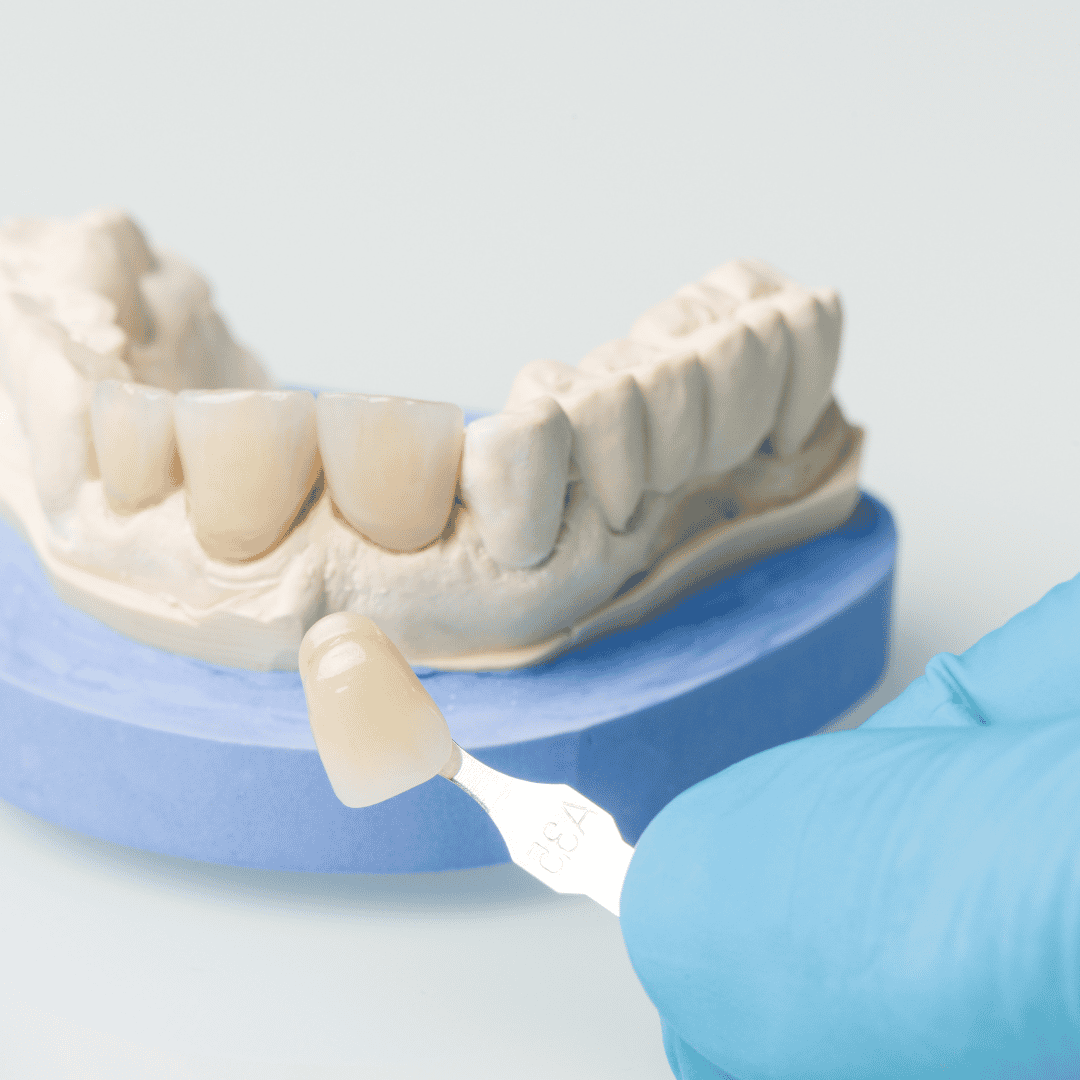
Dental veneers are ultra-thin, custom-made shells designed to cover the front surface of your teeth. These restorations improve the appearance of your smile by altering the color, shape, size, or length of the teeth. They are permanently bonded to your natural teeth using specialized dental cement.
To accommodate the veneer, a dentist typically must remove a small amount of the original tooth enamel. This preparation ensures the veneer sits flush with your surrounding teeth and looks completely natural. The amount of enamel removed varies based on the specific type of veneer chosen.
Clinical Takeaway
Because enamel does not regenerate, traditional veneer placement is an irreversible procedure. You must be committed to maintaining the veneers and replacing them if they sustain damage over time.
Modern clinics use digital impressions instead of traditional putty. A specialized scanner creates an accurate 3D model of your mouth. This model is then sent to a dental laboratory, or processed in-house, to fabricate your custom restorations with precise margins.
Estimated Cost of Treatment and Comparisons
Affordability remains a primary driver for patients exploring cosmetic dentistry abroad. While exact prices depend on the chosen material, the dentist's experience, and the clinic's location, the overall financial commitment is often significantly lower in Mexico.
When reviewing treatment quotes, you must ensure that all fees are transparent. Ask whether the quoted price includes consultations, digital imaging, temporary veneers, and local anesthesia. Hidden fees can quickly inflate your initial budget.
| Treatment Component | Estimated Cost in US/Canada (USD) | Estimated Cost in Cancun (USD) |
|---|---|---|
| Porcelain Veneer (per tooth) | $1,000 - $2,500 | $400 - $550 |
| Composite Veneer (per tooth) | $400 - $800 | $150 - $300 |
| E-max Veneer (per tooth) | $1,200 - $2,800 | $450 - $600 |
| Initial Consultation & X-rays | $150 - $300 | Often Included or $50 |
Your overall travel budget must also account for flights, accommodations, and local transportation. Many specialized clinics offer assistance with travel logistics, though you should always verify these costs independently before making a deposit.
Selecting a Qualified Dental Clinic
Your safety and the longevity of your treatment depend entirely on the quality of the facility you choose. Relying solely on marketing materials or promotional websites is insufficient when making healthcare decisions. You must look for verifiable, government-issued credentials.
In Mexico, the primary regulatory body overseeing healthcare facilities is COFEPRIS (Federal Commission for the Protection against Sanitary Risk). A clinic operating legally must hold a current COFEPRIS license, ensuring it meets strict hygiene, equipment, and operational standards.
Clinic Verification Checklist
- Valid COFEPRIS operating license displayed in the clinic.
- In-house sterilization protocols using modern autoclaves.
- Transparent infection control guidelines available upon request.
- Use of internationally recognized dental material brands.
- Clear, written policies regarding treatment revisions or warranty.
While international accreditations can indicate a commitment to global standards, national licensing is the legal baseline. Prioritize clinics that are transparent about their regulatory standing and openly share their registration details with prospective patients.
Evaluating Your Dentist's Credentials
The skill of your dental provider directly impacts the functional and aesthetic outcome of your veneers. Cosmetic dentistry requires a blend of clinical precision and artistic execution. Therefore, vetting your dentist’s professional background is paramount.
Every licensed healthcare professional in Mexico receives a Cédula Profesional, a unique registration number issued by the Secretariat of Public Education (SEP). You can legally request this number and verify it through the official government registry before agreeing to treatment.
Additionally, look for memberships in recognized professional societies. Registration with the Asociación Dental Mexicana (ADM) indicates that the dentist is engaged with the national medical community and adheres to its ethical guidelines. Continuing education in prosthodontics or cosmetic dentistry further demonstrates a commitment to modern clinical practices.
Patient Demographics and Treatment Trends
Understanding who travels for cosmetic dentistry provides valuable context regarding cross-border healthcare patterns. Recent data from 2024 to 2026 highlights specific demographic groups frequently seeking care outside their home networks, largely driven by restricted domestic insurance coverage for aesthetic procedures.
The majority of these traveling patients originate from North America, specifically seeking treatments that improve their smile aesthetics while maintaining structural oral health. Below is a representation of the age distribution among international patients seeking cosmetic dental care.
Age Distribution of Cross-Border Cosmetic Dental Patients (2024-2026 Data)
Note: Data reflects verified cross-border patient demographics for elective dental procedures between 2024 and 2026. Values indicate the percentage of total international patient volume.
Additionally, clinical mobility indices track the year-over-year volume of patients crossing borders for dental care. The following line graph illustrates the steady increase in patient volume seeking specialized dental services from 2024 through early 2026, demonstrating growing confidence in regulated international providers.
Cross-Border Dental Patient Volume Index (2024 Base = 100)
Note: Index values indicate relative growth in international patient volumes accessing treatments in regulated clinical hubs. Base year 2024 equals 100.
The Clinical Timeline
For international patients, time is an important factor. Standard protocols usually require patients to stay in the destination for five to seven days, depending on whether the clinic has an in-house laboratory.
The process generally spans two to three clinical visits. Your first visit includes a comprehensive examination, digital scanning, and the preparation of your teeth. You will leave this appointment wearing temporary restorations while your permanent ones are milled.
| Timeline | Clinical Process | Patient Experience |
|---|---|---|
| Day 1 | Initial consultation, X-rays, 3D scanning, and treatment planning. | Discussion of aesthetic goals; no discomfort. |
| Day 2 | Tooth preparation under local anesthesia and placement of temporary covers. | Mild numbness from anesthesia; slight sensitivity later. |
| Days 3-4 | Laboratory fabrication of permanent restorations. | Free time for rest; must avoid hard or sticky foods. |
| Day 5 | Removal of temporaries, trial fit, and final bonding of permanent restorations. | Bite adjustment; immediate aesthetic results. |
Some clinics equipped with CAD/CAM technology may offer same-day or next-day placements, though this is typically limited to smaller cases or specific materials. Always confirm the required stay duration during your initial consultation.
Evaluating Material Options
The type of material you select dictates the durability, aesthetic quality, and cost of your treatment. Your dentist will recommend a specific material based on your bite alignment, aesthetic goals, and budget constraints.
Porcelain is widely considered the gold standard for natural light reflection and stain resistance. E-max, a type of pressed ceramic, offers exceptional strength, making it ideal for patients with heavier bites. Composite resin is a more affordable alternative that requires less tooth preparation, though it is more prone to chipping and staining over time.
Porcelain
Highly stain-resistant and mimics natural enamel transparency. Can last 10 to 15 years with excellent oral hygiene.
E-Max (Lithium Disilicate)
Exceptionally durable and strong. Often recommended for anterior teeth due to its natural appearance and structural integrity.
Composite Resin
Applied directly to the tooth. More affordable and easily repairable, but typically requires replacement sooner than ceramic options.
Determining Patient Eligibility
Not everyone is a suitable candidate for this cosmetic procedure. A thorough evaluation by a qualified prosthodontist or cosmetic dentist is essential to determine if this treatment will yield long-term success without compromising your oral health.
Ideal candidates have a sufficient amount of healthy enamel and maintain excellent periodontal (gum) health. If you have active tooth decay, gum disease, or a history of severe root canal infections, these underlying issues must be resolved before proceeding with aesthetic enhancements.
Additionally, patients who chronically grind or clench their teeth (bruxism) may not be suitable candidates unless they commit to wearing a protective night guard. The immense pressure generated by grinding can easily chip or fracture ceramic restorations, leading to premature failure.
Identifying Clinical Risks
Like any medical or dental procedure, applying artificial shells to your natural teeth carries inherent risks. While severe complications are uncommon when performed by experienced professionals, you must be aware of potential adverse outcomes.
Because enamel is removed, your teeth may become more sensitive to hot and cold temperatures. In most cases, this sensitivity subsides within a few weeks, but for some patients, it can be long-lasting. Furthermore, if the bonding agent fails or the tooth structure decays underneath, the restoration can detach or fracture.
| Potential Risk | Clinical Cause | Prevention Protocol |
|---|---|---|
| Temperature Sensitivity | Removal of protective enamel layer. | Conservative tooth preparation; use of desensitizing toothpaste. |
| Fracture or Chipping | Biting hard objects or nocturnal grinding (bruxism). | Avoiding hard foods; wearing a custom night guard. |
| Underlying Decay | Poor marginal seal allowing bacteria to enter. | Precise digital impressions and stringent oral hygiene. |
| Gum Inflammation | Improperly fitted margins irritating gum tissue. | Thorough evaluation by a certified prosthodontist. |
Managing Your Recovery and Aftercare
Post-treatment care is crucial for the longevity of your new smile. Once the final restorations are bonded, you can generally eat and speak normally, though your bite may feel slightly different for the first few days as your mouth adjusts.
For the first 48 hours, stick to softer foods to allow the dental cement to fully cure. Avoid extremely hot or cold beverages if you experience heightened sensitivity. You must also refrain from using your teeth as tools to open packaging or biting into hard items like ice, hard candies, or unpeeled apples.
Essential Maintenance
Your restorations do not exempt you from standard dental hygiene. You must continue to brush twice daily with a non-abrasive toothpaste, floss carefully, and attend regular dental cleanings to protect the underlying tooth structure and gum health.
Planning Your Healthcare Journey
Traveling for medical care requires logistical preparation beyond standard vacation planning. Start by securing a clear, itemized treatment plan from your chosen provider before booking your travel arrangements.
When selecting accommodations, look for hotels located near the dental clinic to minimize transit time after your appointments. Many reputable clinics provide concierge services, offering discounted hotel rates and complimentary transportation between the airport, hotel, and clinic.
You should also verify your travel health insurance coverage. While standard travel insurance covers flight cancellations and lost luggage, you may need a specialized medical tourism policy to cover potential complications related to elective procedures.
Frequently Asked Questions
How many days do I need to stay in Cancun for dental veneers?
Typically, patients need to stay for five to seven days. This timeframe allows for the initial consultation, tooth preparation, laboratory fabrication, and the final placement of the permanent restorations.
Do dental veneers look natural or obviously fake?
When custom-made using high-quality materials like E-max or layered porcelain, they reflect light similarly to natural enamel. Your dentist will match the shade and shape to complement your facial features.
Will the procedure cause significant pain?
The preparation phase is performed under local anesthesia, meaning you should not feel pain during the procedure. Mild soreness and temperature sensitivity are common for a few days following treatment.
How do I verify a Mexican dentist's credentials?
You can ask the clinic for the dentist's Cédula Profesional (national license number) and verify it through the official Mexican government registry online. Also, look for memberships in the ADM (Mexican Dental Association).
Can I replace my existing veneers during this trip?
Yes. Removing and replacing old or damaged restorations is a common procedure. However, the dentist must evaluate the underlying tooth structure to ensure it remains healthy enough to support a new restoration.
What happens if a veneer chips after I return home?
Reputable clinics provide written warranties. If a failure occurs due to material defects shortly after placement, the clinic typically covers the replacement cost, though you may need to cover travel expenses. Always discuss revision policies beforehand.
Are there hidden fees I should watch out for?
Always request an itemized quote. Ensure the price includes X-rays, local anesthesia, temporary covers, and laboratory fees. Some clinics quote a base price but charge extra for these essential components.
Can I whiten my veneers later if they stain?
No. Ceramic and porcelain materials do not respond to traditional teeth whitening treatments. You must choose your desired shade carefully before the final bonding process.
Is it safe to drink the local water after dental work?
It is generally recommended for all international travelers in Mexico to consume bottled or filtered water. Following oral surgery or tooth preparation, use bottled water for rinsing to avoid potential bacterial exposure.
Do I need a passport or visa for dental travel?
Citizens of the US and Canada require a valid passport to enter Mexico by air. A tourist visa is typically granted upon arrival, allowing for stays suitable for standard dental treatments.
Ready to Explore Your Dental Options?
Navigating international healthcare choices can feel complicated. PlacidWay can help you compare vetted dental clinics, review precise cost estimates, and connect directly with qualified specialists in Cancun.
Disclaimer: This information is for educational purposes only and does not replace professional medical advice. Always consult a qualified healthcare provider before making medical decisions.
References
- Longevity of Porcelain Veneers: A Clinical Review – National Center for Biotechnology Information (NCBI)
- Travel Health Guidelines for Mexico – Centers for Disease Control and Prevention (CDC)
- Federal Commission for the Protection against Sanitary Risk Regulations – COFEPRIS
- Professional Dental Standards and Ethics – Asociación Dental Mexicana (ADM)
- National Registry of Professionals (Cédula Profesional) – Secretariat of Public Education (SEP)
- Patient Guide to Dental Veneers – American College of Prosthodontists
- Global Medical Tourism and Cross-Border Dental Care Trends (2024-2026 Data Insights) – NCBI Healthcare Policy Data


























Share this listing