

If joint pain from osteoarthritis is limiting your daily life and you are looking for alternatives to traditional joint replacement surgery, stem cell therapy in Mexico offers a compelling option to explore. Many international patients travel south to access advanced regenerative treatments that are often cost-prohibitive or heavily restricted back home. This guide will help you understand the true costs, verify essential COFEPRIS clinic licenses, and determine if you are a suitable candidate for this procedure.
Quick Answer Summary
- Estimated Cost: Typically ranges between $3,500 and $7,000 USD per joint, depending on the cell source and clinic protocol.
- Safety & Credentials: Providers must hold specific licenses from COFEPRIS (Mexico's federal health regulator) for regenerative medicine and cellular handling.
- Ideal Candidate: Adults with mild to moderate osteoarthritis who have not found relief from conservative treatments like physical therapy or cortisone shots.
- Recovery Time: Most patients return to light activities within a few days, though optimal joint tissue stabilization can take 3 to 6 weeks.
- Why Choose Mexico: Significant cost savings compared to the US or Canada, combined with access to highly specialized, regulated regenerative clinics.
- Important Caution: Stem cell therapy is not a guaranteed cure for osteoarthritis and may not be effective for severe, bone-on-bone joint deterioration.
Why Patients Travel for Stem Cell Therapy for Osteoarthritis in Mexico
Living with osteoarthritis can be exhausting. When physical therapy, weight management, and steroid injections no longer provide relief, your doctor might suggest joint replacement. However, many patients prefer to delay major surgery if possible. This is where regenerative medicine enters the conversation.
In recent years, Mexico has emerged as a prominent destination for international patients seeking joint preservation treatments. The reasons for this migration go beyond simple cost savings. Patients are actively looking for alternative cellular therapies that face strict regulatory bottlenecks or lack insurance coverage in the United States and Canada.
- Financial Accessibility: Treatments in Mexico typically cost 50% to 70% less than equivalent out-of-pocket procedures in the US.
- Access to Advanced Protocols: Mexican clinics often utilize expanded mesenchymal stem cells (MSCs) from ethically sourced umbilical cord tissue, a protocol highly regulated in other countries.
- Shorter Wait Times: Patients can often schedule their consultations and procedures within weeks rather than waiting months for specialist appointments back home.
- Comprehensive Care Packages: Many clinics cater specifically to medical tourists, providing ground transportation, hotel accommodations, and dedicated patient coordinators.
- Geographic Proximity: For North American patients, border cities like Tijuana or major hubs like Cancun and Mexico City are only a short flight away.
Patient Demographics in Orthopedic Medical Tourism (2024-2026 Data)
Understanding who travels for regenerative medicine provides helpful context for your own decision-making. Recent documented healthcare travel patterns from 2024 show that the demand for stem cell therapy for osteoarthritis is primarily driven by active aging populations from the United States and Canada.
According to cross-border medical travel registries updated in early 2024, the majority of outbound patients seeking joint injections in Mexico fall between the ages of 50 and 69. These individuals typically lead active lifestyles—enjoying golf, tennis, or hiking—and seek therapies that might help them maintain their mobility without undergoing invasive orthopedic surgery.
Patient Age Distribution for Regenerative Joint Treatments in Mexico (2024)
A secondary trend observed into 2025 and 2026 is the steady year-over-year increase in North American patients seeking cross-border regenerative treatments. As traditional insurance models continue to restrict coverage for experimental cellular therapies, patients increasingly turn to well-regulated international hubs to manage their osteoarthritis symptoms.
Projected Growth of Outbound NA Patients for Regenerative Care (Index 2024=100)
Understanding Stem Cell Therapy for Osteoarthritis
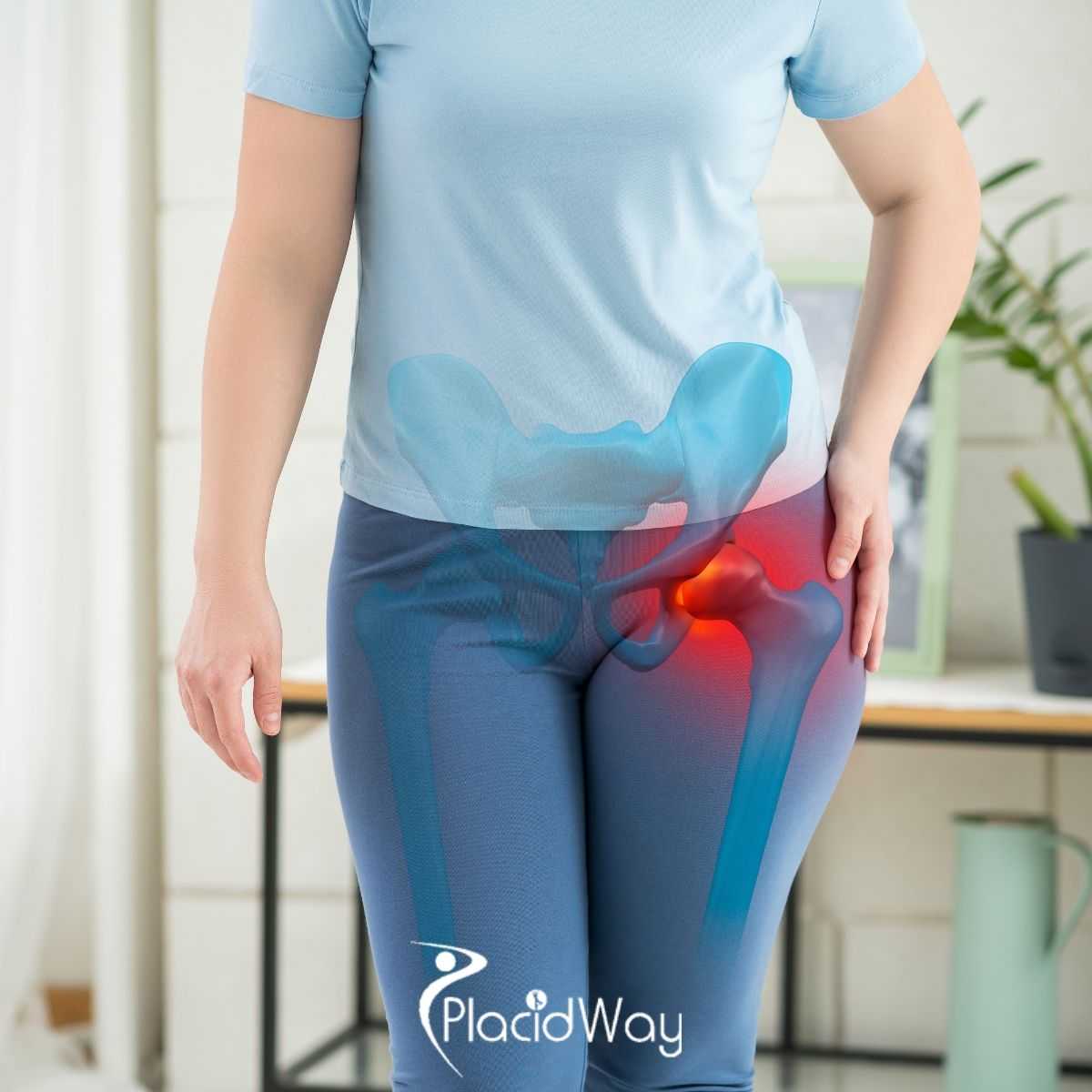
Osteoarthritis is a degenerative joint disease characterized by the breakdown of cartilage, the protective tissue that cushions the ends of bones. As this cartilage wears away, bones begin to rub against each other, causing pain, inflammation, and stiffness. Your body has a limited natural capacity to regenerate this specialized tissue.
Stem cell therapy aims to address this biological deficit. The treatment involves injecting concentrated stem cells directly into the affected joint space. These cells have unique properties: they can modulate the immune system, decrease local inflammation, and potentially stimulate the body's native repair mechanisms to heal damaged tissues.
How It Works Scientifically
When Mesenchymal Stem Cells (MSCs) are introduced into an osteoarthritic joint, they do not simply turn into new cartilage instantly. Instead, they act as cellular managers. They release cytokines and growth factors that calm the hostile, inflammatory environment in the joint. By altering this environment, they create favorable conditions for your existing cells to repair damaged tissue and prevent further cartilage degradation.
Types of Stem Cells Used in Mexico
When you research clinics in Mexico, you will encounter different biological protocols. The type of cell source used significantly impacts the cost, the procedure steps, and the medical outcomes. It is crucial to understand these variations before making a decision.
Generally, clinics offer either autologous treatments (using your own cells) or allogeneic treatments (using donor cells). Your doctor will recommend the best approach based on your age, the severity of your osteoarthritis, and your overall health profile.
| Cell Type | Source Material | Procedure Detail | Common Usage |
|---|---|---|---|
| Autologous Bone Marrow | Patient's own hip bone | Requires a bone marrow aspiration procedure before the joint injection. | Often used in younger patients with healthy, robust native stem cells. |
| Autologous Adipose | Patient's own fat tissue | Requires a mini-liposuction procedure, typically from the abdomen. | Used when larger cell volumes are needed, but requires surgical extraction. |
| Allogeneic Umbilical Cord (Wharton's Jelly) | Donated umbilical cords from healthy, screened births | Pre-processed in a lab. No extraction required from the patient. Injected directly. | Highly popular in Mexico. Preferred for older patients whose own cells may be depleted or aged. |
Are You a Good Candidate for Stem Cell Therapy?
Not everyone with joint pain is an ideal candidate for regenerative medicine. Responsible clinics in Mexico will require a comprehensive medical review, including recent X-rays or MRI scans, before approving you for travel. Proper patient selection is the cornerstone of treatment safety and success.
You may be considered an excellent candidate if you have mild to moderate osteoarthritis, maintain a healthy immune system, and are not currently undergoing cancer treatments. Patients who have small cartilage tears or localized joint defects often respond well to the anti-inflammatory properties of cellular therapy.
Conversely, if your osteoarthritis has progressed to the severe "bone-on-bone" stage, your doctor may advise against stem cell therapy. At this advanced stage, the joint architecture is so degraded that cellular injections are unlikely to provide meaningful relief, and a surgical joint replacement may be the only viable clinical option.
Cost of Stem Cell Therapy for Osteoarthritis in Mexico
Cost is a primary factor driving medical tourism. In countries like the United States, stem cell treatments for orthopedic conditions are typically considered experimental by insurance providers, leaving patients to pay entirely out-of-pocket. The financial burden can be overwhelming.
In Mexico, the cost structure is entirely different due to lower administrative overhead, favorable exchange rates, and a regulated environment that allows for the streamlined production of cellular therapeutics. However, you should be wary of prices that seem suspiciously low, as the processing and quality control of stem cells require sophisticated, expensive laboratory environments.
| Location / Treatment Type | Estimated Cost (USD) per Joint |
|---|---|
| United States (Bone Marrow/Adipose) | $6,000 - $12,000 |
| United States (Umbilical Cord MSCs) | $8,000 - $15,000+ (Highly restricted) |
| Mexico (Autologous Bone Marrow/Adipose) | $3,500 - $5,500 |
| Mexico (Umbilical Cord MSCs) | $4,500 - $7,500 |
Understanding What Is Included in Treatment Packages
When you receive a quote for Stem Cell Therapy for Osteoarthritis in Mexico, it is vital to ask for an itemized breakdown. Many top-tier clinics offer all-inclusive packages designed to remove the stress of navigating a foreign country, but package inclusions can vary widely from provider to provider.
A comprehensive, transparent package typically includes the pre-procedure medical consultation, the actual stem cell vials (often priced by the million count of cells), the clinical facility fees, and the doctor's injection fee. Furthermore, premium packages usually cover ground transfers from the nearest airport, two or three nights of hotel accommodation, and a post-treatment follow-up plan.
Always ask about hidden costs. Clarify if pre-treatment diagnostic imaging (like a new MRI) is included in the quote or if you need to bring your own. Ask if the use of image-guided injection technology, such as fluoroscopy or ultrasound, incurs an additional facility charge.
How to Choose a Safe Hospital or Clinic in Mexico
Safety should be your foremost priority when evaluating healthcare options abroad. Mexico has a robust healthcare infrastructure, but the quality of facilities can vary. You must verify that the clinic you choose complies with national health regulations specifically mandated for regenerative medicine.
The most critical entity you need to look for is COFEPRIS (Comisión Federal para la Protección contra Riesgos Sanitarios). This is the Mexican equivalent of the FDA. For a clinic to legally administer stem cell therapy, they must hold a specific COFEPRIS license for regenerative medicine and cellular handling.
Essential Clinic Credentials
- Active COFEPRIS License for Cellular Therapy
- Affiliated with a licensed, regulated stem cell laboratory
- Clear protocols for infection control and biohazard waste
- On-site emergency medical equipment
Optional but Recommended
- Certification by the General Health Council (CSG)
- International Patient Department
- In-house imaging (Ultrasound/X-ray)
- Bilingual staff and interpreters
How to Verify Your Stem Cell Doctor in Mexico
The success of your osteoarthritis treatment depends heavily on the skill of the physician performing the joint injection. Stem cells must be placed precisely within the joint capsule to be effective. A simple blind injection performed by an inexperienced practitioner can result in wasted cells and clinical failure.
First, verify the doctor’s basic medical license, known in Mexico as a Cédula Profesional. This registration number can be checked via the official government registry. Your treating physician should ideally be a board-certified orthopedic surgeon, a rheumatologist, or a sports medicine specialist with documented training in regenerative therapies.
Ask the doctor about their experience specifically with Stem Cell Therapy for Osteoarthritis. Inquire about how many joint injections they perform annually and what imaging guidance they use. A qualified specialist will always use ultrasound or fluoroscopy to guide the needle exactly into the damaged joint space.
The Treatment Process: Step-by-Step in Mexico
Knowing what to expect can significantly reduce travel anxiety. The treatment process is generally straightforward and is typically performed on an outpatient basis, meaning you will not need to stay overnight in a hospital bed.
Upon arrival, you will have an in-depth medical consultation. The doctor will physically examine your joint, review your medical history, and analyze your imaging. If you are cleared for the procedure, you will move to a sterile treatment room. If you are receiving umbilical cord cells, the pre-prepared vial will be thawed and prepared for injection.
The injection itself takes only a few minutes. The doctor will clean the joint area, apply a local anesthetic to numb the skin, and use imaging technology to guide the needle. You may feel mild pressure as the fluid enters the joint space. Afterward, you will rest in a recovery room for an hour before being discharged to your hotel.
Recovery Timeline After Stem Cell Injections
Recovery from regenerative joint injections is quite different from surgical recovery. There are no large incisions to heal, and you will not require months of intensive physical therapy to regain basic mobility. However, you must follow strict guidelines to allow the cells to attach and begin their biological work.
For the first few days, you may experience increased swelling, stiffness, and mild pain in the injected joint. This is a normal inflammatory response as the cells activate. Your doctor will likely instruct you to avoid anti-inflammatory medications (like Ibuprofen) during this window, as they can interfere with the healing process.
| Timeframe | Biological Process | Patient Sensation | Action Required |
|---|---|---|---|
| Days 1-3 | Acute cellular activation and initial joint inflammation. | Mild to moderate joint soreness and swelling. | Rest the joint. Use ice packs only if directed. Avoid NSAIDs. |
| Weeks 1-2 | Cells begin modulating the joint environment. | Soreness fades. Joint may feel back to baseline. | Gentle range-of-motion activities. Avoid heavy lifting or impact. |
| Weeks 3-6 | Tissue stabilization and continued anti-inflammatory action. | Gradual decrease in chronic osteoarthritis pain. | Gradual return to normal activities and light exercise. |
| Months 3-6 | Maximum biological benefit typically reached. | Improved mobility, less stiffness, and reduced daily pain. | Maintain a healthy weight and engage in low-impact joint strengthening. |
Potential Risks and Safety Considerations
While stem cell therapy is generally considered safe and less risky than invasive joint replacement, it is not risk-free. You are undergoing a medical procedure in a foreign country, and you must weigh the clinical risks objectively.
The most common side effects are temporary joint pain and swelling at the injection site. However, more severe risks include joint infection, bleeding, or nerve damage if the injection is administered improperly. This underscores the necessity of choosing a highly trained specialist who uses sterile techniques and imaging guidance.
Realistic Expectations
You must understand that stem cell therapy is not a magical cure. It may significantly reduce your pain and improve your quality of life, but it will not give you the joints of a twenty-year-old. If your cartilage is severely depleted, the treatment may fail to provide relief, and you may still require surgery in the future.
Complementary Treatments Often Combined
To maximize the efficacy of Stem Cell Therapy for Osteoarthritis, many Mexican clinics utilize combination protocols. By integrating other regenerative substances, doctors attempt to create the most optimal healing environment possible within the joint space.
Platelet-Rich Plasma (PRP) is commonly injected alongside stem cells. PRP is derived from your own blood and contains high concentrations of growth factors that act as a fertilizer for the stem cells, enhancing their activity. Additionally, some clinics may use Hyaluronic Acid injections to provide immediate mechanical lubrication to the dry, arthritic joint while the stem cells take effect over time.
Frequently Asked Questions
Is Stem Cell Therapy for Osteoarthritis approved by the FDA?
In the United States, the FDA has not approved stem cell therapies for the treatment of osteoarthritis. They consider many cellular expansion protocols to be unapproved biological drugs. This regulatory stance is the primary reason many North Americans seek this specific therapy in Mexico, where COFEPRIS regulates and permits these specialized treatments under different national guidelines.
How long do the results of stem cell therapy last?
Clinical outcomes vary significantly based on your age, lifestyle, and the initial severity of your osteoarthritis. In many cases, patients report significant pain relief and improved joint function lasting anywhere from 1 to 3 years. Some patients require a booster injection after a few years to maintain their mobility.
Is the treatment painful?
The joint injection itself is generally well-tolerated. Local anesthetics are used to numb the injection site, so you may only feel mild pressure. If you are undergoing an autologous bone marrow extraction or liposuction as part of your protocol, you will experience soreness at those specific extraction sites for a few days.
Can I travel back home the same day as the procedure?
While it is physically possible for some outpatient procedures, doctors highly recommend staying near the clinic for at least 24 to 48 hours. This allows you to rest the joint immediately after the injection and permits the medical team to conduct a brief follow-up check before you navigate the physical stresses of airport travel.
Are umbilical cord stem cells safe to use from another person?
Mesenchymal stem cells (MSCs) derived from Wharton's Jelly in umbilical cords are immune-privileged. This means they do not express the complex markers that typically trigger immune rejection in your body. Furthermore, licensed COFEPRIS laboratories strictly screen all donor tissue for infectious diseases before processing the cells.
Does medical insurance cover stem cell therapy in Mexico?
Standard health insurance policies from the US and Canada do not generally cover elective regenerative treatments performed abroad. You should expect to pay for your stem cell therapy in Mexico out-of-pocket. However, some patients utilize Health Savings Accounts (HSAs) to offset travel and medical expenses, though you must verify eligibility with your tax advisor.
What happens if the treatment does not work?
If you do not experience pain relief after the full biological healing window (typically 3 to 6 months), you may need to reassess your orthopedic options. The failure of stem cell therapy does not usually prevent you from undergoing traditional joint replacement surgery later. Always discuss contingency plans with your doctor prior to treatment.
How do I know the clinic is using live stem cells?
Reputable COFEPRIS-licensed clinics will provide you with a certificate of analysis from their laboratory. This document verifies the cell count, the viability percentage (the number of living cells), and the sterility of the batch used for your specific joint injection.
Can I have both knees treated at the same time in Mexico?
Yes, bilateral treatments are quite common. Because the cells are prepared in vials, doctors can easily treat both osteoarthritic knees during the same appointment. Treating both joints simultaneously saves you the cost and time of scheduling a second trip to Mexico.
Do I need to stop my medications before the procedure?
Your doctor will require a full medication review. You will typically be instructed to stop taking NSAIDs (like Ibuprofen or Naproxen) and systemic corticosteroids for a certain period before and after the injection, as these drugs suppress the necessary cellular inflammation required for the stem cells to function properly.
Ready to Explore Your Options?
Navigating healthcare abroad can be overwhelming. PlacidWay can help you compare vetted, licensed clinics in Mexico, understand treatment costs, and request personalized information directly from certified doctors.
Request Free Clinic InformationDisclaimer: This information is for educational purposes only and does not replace professional medical advice. Always consult a qualified healthcare provider before making medical decisions.
References
- Stem cells: What they are and what they do – Mayo Clinic
- Stem Cell Therapy for Arthritis – Arthritis Foundation
- FDA Warns About Stem Cell Therapies – U.S. Food and Drug Administration
- Mesenchymal Stem Cells in Osteoarthritis Therapy (2024 Clinical Review) – National Institutes of Health
- Regenerative Medicine and Cellular Therapy Regulations – COFEPRIS (Mexico)
- Demographics and Growth in Cross-Border Medical Care (2024 Data) – Patients Beyond Borders





















Share this listing