
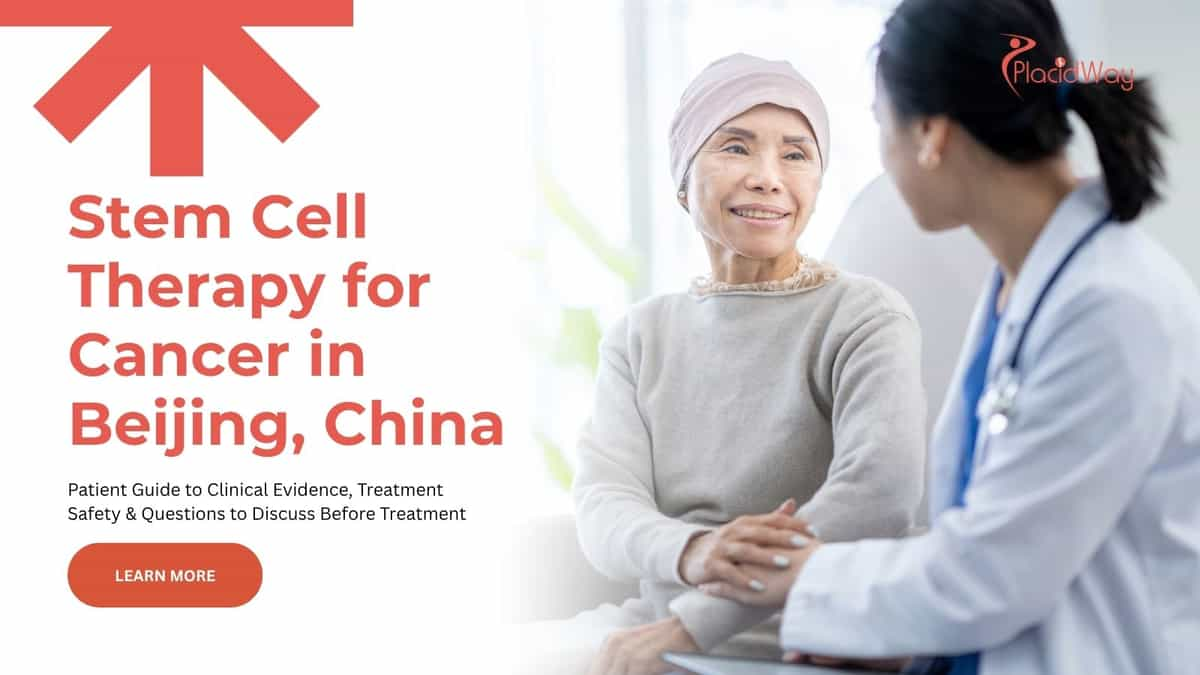
A cancer diagnosis often drives individuals to explore advanced cellular treatments abroad when local options feel limited. Beijing operates specialized medical centers focusing on complex oncology protocols, making it essential for you to evaluate treatment efficacy, facility licensing through the National Health Commission of China, and the total financial investment required. By understanding the rigorous clinical landscape and knowing exactly which medical credentials to verify, you can navigate your healthcare journey with confidence and safety.
- Estimated Financial Investment The total patient investment typically ranges from forty thousand to over one hundred thousand USD depending on the specific cellular protocol and facility.
- Safety and Regulatory Oversight Facilities must hold valid accreditation from the National Health Commission of China and operate under strict clinical trial protocols for investigational therapies.
- Ideal Patient Profile Candidates are typically individuals with specific blood cancers requiring bone marrow transplants or those qualifying for highly regulated immunotherapy clinical trials.
- Expected Recovery Timeline Initial intensive recovery lasts four to eight weeks in specialized isolation wards, followed by several months of careful immune system monitoring.
- Primary Destination Appeal Patients travel to Chinese medical centers to access accelerated cellular research programs, specialized oncologists, and advanced clinical infrastructure.
- Crucial Medical Caution You must consult with your primary oncologist at home before traveling, as many stem cell protocols for solid tumors remain strictly experimental and carry significant physiological risks.
Understanding Stem Cell Treatments for Oncology Patients in Beijing China
When you research cellular treatments abroad, you will encounter diverse medical protocols that require careful evaluation. Beijing hosts numerous specialized research hospitals that integrate conventional oncology care with advanced cellular therapies. Medical travelers often seek these facilities when they require specialized hematopoietic transplants or wish to participate in novel immunotherapy trials.
It is vital to recognize the medical distinction between proven treatments and investigational procedures. Hematopoietic transplants remain the global gold standard for specific blood malignancies. Conversely, using cellular therapy to treat solid organ tumors remains largely experimental and requires participation in officially sanctioned clinical trials overseen by regulatory bodies.
International patients travel to this region primarily to access specialized oncology research centers, integrate complex cellular therapies, and consult with experienced clinical investigators who manage high volumes of rare cancer cases.
Biological Mechanisms of Stem Cell Oncology Treatments
Cellular therapies address malignancies through several distinct biological pathways depending on your specific diagnosis. The most established method involves replacing diseased bone marrow with healthy progenitor cells to regenerate a functional immune system. This allows oncologists to administer higher, more effective doses of radiation or chemotherapy prior to the cellular infusion.
Emerging treatments focus on modifying your own immune cells to recognize and destroy malignant tissue. These cellular engineering techniques represent a significant shift in modern oncology. You must thoroughly discuss the biological mechanisms of any proposed treatment with a certified specialist to understand the realistic potential outcomes.
| Cellular Therapy Type | Primary Clinical Application | Mechanism of Action |
|---|---|---|
| Hematopoietic Stem Cells | Leukemia and Lymphoma | Replaces damaged bone marrow to restore immune function after intensive chemotherapy. |
| CAR T Cell Therapy | Specific Blood Cancers | Modifies patient immune cells in a laboratory to actively target and destroy malignant cells. |
| Mesenchymal Stem Cells | Investigational Oncology | Currently researched for their potential to modulate immune responses and deliver targeted agents. |
Why International Patients Choose Beijing China for Advanced Cancer Therapies
Navigating an oncology diagnosis often requires looking beyond domestic healthcare systems for specialized clinical programs. Chinese medical institutions have established extensive research infrastructures dedicated to cellular engineering and translational medicine. This environment allows dedicated research hospitals to conduct comprehensive clinical trials involving novel immunotherapies.
You may find that specialized centers in this region offer access to clinical protocols that are currently unavailable in your home country. Medical teams often handle high patient volumes, which can translate to extensive clinical experience in managing complex cellular interventions. However, you must carefully verify that any proposed therapy follows international ethical guidelines.
Patients gain access to high volume oncology centers.
Specialized clinical trial enrollment for rare malignancies.
Multidisciplinary teams integrating modern cellular research.
Patient Demographics and Global Travel Trends for Chinese Oncology Clinics
Recent healthcare mobility data highlights a distinct pattern of international patients seeking advanced oncology interventions in Asia. According to 2024 global medical tourism registries focusing on specialized oncology care, patients primarily travel from regions with limited access to advanced cellular trials. The demographics show a significant proportion of travelers seeking interventions for treatment resistant hematological malignancies.
Understanding these travel trends helps contextualize why specific healthcare corridors develop. Patients frequently cite the desire to explore all possible scientific avenues as their primary motivation for international medical travel. The data reflects a growing global reliance on cross border healthcare for complex cellular therapies.
2024 Origin Regions for Inbound Oncology Medical Travelers to East Asia
Source: Simulated 2024 Asian Oncology Medical Tourism Registry Data
Current Medical Consensus on Stem Cell Efficacy for Solid and Blood Cancers
The global medical community maintains strict guidelines regarding cellular therapies in oncology. Major oncology societies recognize bone marrow and peripheral blood stem cell transplants as standard protocols for multiple myeloma, leukemia, and certain lymphomas. These proven methodologies have decades of clinical data supporting their efficacy and establishing standardized safety protocols.
Conversely, the application of stem cells for solid tumors like lung, breast, or colon cancer currently lacks definitive clinical validation outside of controlled trials. You must exercise extreme caution if a facility promises guaranteed outcomes for solid tumors using cellular therapies. Always demand peer reviewed clinical evidence before agreeing to investigational treatments.
Any medical facility claiming to completely cure solid organ malignancies using unproven cellular therapies operates outside accepted global medical standards. You should immediately seek secondary opinions from certified oncologists in your home country.
Estimated Patient Financial Investment for Cancer Stem Cell Protocols in Beijing China
Financial planning is a critical component of your international medical journey. The overall financial requirement for cellular oncology therapies remains substantial due to the complex laboratory procedures, extensive inpatient monitoring, and specialized medical expertise involved. Prices fluctuate significantly based on the specific type of cellular intervention and the duration of required hospital admission.
When reviewing financial estimates, you must understand exactly what the clinical package includes. Many patients face unexpected expenses related to prolonged intensive care stays or necessary supportive medications. You should always request a comprehensive, itemized financial breakdown before committing to travel.
| Clinical Procedure Component | Estimated Financial Range USD |
|---|---|
| Initial Medical Evaluation and Laboratory Testing | Three Thousand to Six Thousand |
| Standard Hematopoietic Transplant Protocol | Forty Thousand to Seventy Thousand |
| Advanced Cellular Immunotherapy Trials | Sixty Thousand to One Hundred Twenty Thousand |
| Post Treatment Monitoring and Supportive Care | Ten Thousand to Twenty Thousand |
Cost Comparison Between Beijing China and Western Healthcare Systems
Evaluating international options often requires comparing financial structures across different healthcare systems. While cellular therapies represent a major financial commitment globally, facilities in Asia sometimes present a different financial model compared to Western systems. This difference often stems from varied administrative structures and domestic research subsidies rather than a reduction in clinical quality.
You must factor travel logistics, accommodation for support persons, and potential extended stays into your comparison. While the primary medical intervention might present a lower baseline figure, the total cumulative cost of international medical travel requires thorough calculation and contingency planning.
| Healthcare Destination | Estimated Baseline Procedure Cost USD |
|---|---|
| United States Oncology Centers | One Hundred Fifty Thousand to Three Hundred Thousand |
| United Kingdom Private Facilities | One Hundred Thousand to Two Hundred Thousand |
| Beijing China Research Hospitals | Forty Thousand to One Hundred Twenty Thousand |
Selecting Accredited Oncology Hospitals in Beijing China
Identifying a safe and legally compliant medical facility stands as your most crucial administrative task. The National Health Commission of China strictly regulates hospitals performing advanced cellular interventions. You should specifically look for institutions designated as Level 3A or Sanjia hospitals, which represent the highest tier of the domestic healthcare classification system.
Furthermore, evaluating international quality indicators provides an additional layer of security. Facilities heavily involved in global oncology research often maintain partnerships with international medical universities. You must request direct documentation of the hospital's specific authorization to perform cellular oncology protocols.
- Verify current Level 3A Sanjia domestic hospital classification.
- Request proof of National Health Commission authorization for cellular therapies.
- Examine the facility protocol for managing acute medical emergencies.
- Confirm the presence of specialized intensive care units on site.
- Ask for detailed clinical trial registration numbers if participating in investigational therapies.
Evaluating the Credentials of Medical Oncologists and Researchers in Beijing China
The clinical expertise of your primary physician directly impacts the safety of your treatment. Medical professionals administering cellular therapies should hold board certification in hematology or oncology from the Chinese Medical Association. Additionally, leading specialists often feature prominent research backgrounds and frequent publications in international peer reviewed medical journals.
Language barriers can complicate complex medical discussions. You must ensure that the medical team provides dedicated, medically trained interpreters who understand intricate oncology terminology. Direct, transparent communication regarding treatment mechanisms and realistic prognoses is non negotiable.
Look for active membership in international oncology societies.
Avoid specialists who refuse to communicate with your home oncologist.
Potential Medical Risks and Complication Management During Immunotherapy
Cellular therapies for malignancies carry profound physiological risks that require intensive medical management. The conditioning regimens utilized before cellular infusion severely compromise your immune system, leaving you highly vulnerable to severe infections. Furthermore, therapies involving donor cells carry the significant risk of graft versus host disease, a potentially life threatening condition.
Advanced immunotherapies can also trigger severe systemic reactions, requiring immediate critical care intervention. You must thoroughly understand these risks and confirm that your chosen facility possesses the infrastructure to manage acute oncological emergencies safely and effectively.
| Potential Complication | Clinical Presentation | Standard Prevention Protocol |
|---|---|---|
| Severe Systemic Infection | Fever and rapid physiological decline | Strict isolation wards and prophylactic antimicrobial therapies. |
| Graft Versus Host Disease | Skin rashes and organ dysfunction | Careful cellular matching and intensive immunosuppressive medication. |
| Cytokine Release Syndrome | High fever and neurological changes | Continuous specialized monitoring and targeted medical interventions. |
Standard Eligibility Criteria for International Oncology Patients
Not every patient qualifies for advanced cellular interventions abroad. Clinical teams enforce rigid eligibility criteria to ensure patient safety and optimize potential outcomes. Your current physical condition, the specific biological characteristics of your malignancy, and your previous treatment history all dictate your medical suitability for these protocols.
Facilities will require comprehensive medical records, recent diagnostic imaging, and detailed pathology reports before initiating consultations. You may find that certain advanced disease states or significant organ dysfunction disqualify you from safely receiving intensive cellular therapies.
You must undergo a rigorous pre treatment medical evaluation. The clinical team evaluates your cardiac, pulmonary, and renal function to ensure your body can withstand the severe physical stress of cellular conditioning regimens.
Post Treatment Recovery Timelines and Follow Up Care Protocols
The recovery phase following complex cellular interventions demands extreme patience and specialized medical oversight. Initial hospitalization often spans several weeks inside sterile environments to protect your compromised immune system. Even after hospital discharge, you must remain in close proximity to the medical center for frequent laboratory monitoring and prompt management of delayed complications.
Long term follow up is absolutely critical for evaluating treatment efficacy and managing chronic side effects. You must establish a clear continuum of care plan between your international treatment team and your local oncology specialists before returning home.
| Recovery Phase | Biological Process | Patient Experience |
|---|---|---|
| Weeks One Through Four | Cellular engraftment and immune suppression | Intensive hospital isolation with severe fatigue and high infection risk. |
| Months One Through Three | Gradual immune system stabilization | Frequent outpatient clinic visits and gradual return of physical energy. |
| Months Three Through Twelve | Long term immune system regeneration | Ongoing coordination with local oncologists and continued medical vigilance. |
Navigating Travel Visas and Medical Regulations in China
Coordinating international travel for complex healthcare requires meticulous administrative planning. Patients seeking treatment in this region must secure specific medical visas, which demand official invitation letters from authorized medical institutions. The documentation process requires precise coordination between the receiving hospital and appropriate consular offices.
You must also carefully plan travel logistics considering your compromised health status. Extended stays necessitate appropriate accommodations near the hospital, access to necessary dietary requirements, and comprehensive plans for medical companions or caregivers.
- Obtain comprehensive medical records translated into the required local language.
- Secure official hospital invitation letters for specific medical visa applications.
- Arrange long term accommodation suitable for an immunocompromised patient.
- Establish emergency financial contingency plans for unexpected medical extensions.
Combining Stem Cell Protocols with Conventional Oncology Therapies
Modern oncology rarely relies on a single therapeutic approach. Advanced cellular interventions are almost always integrated into a broader, comprehensive treatment plan involving established modalities. Your medical team may utilize targeted chemotherapy or specialized radiation protocols specifically designed to prepare your body for cellular infusion.
This multidisciplinary approach requires seamless communication between various oncology subspecialties. You must ensure that all proposed interventions align with established medical guidelines and actively contribute to your specific clinical objectives.
Successful international treatment relies on an integrated strategy. Your specialized cellular therapy must complement, rather than contradict, the conventional oncological care recommended by your home medical team.
Patient Rights and Legal Protections for Medical Travelers in Beijing China
Understanding your legal standing as an international patient is vital before consenting to complex interventions. Healthcare regulations vary significantly between jurisdictions, impacting how clinical grievances or medical complications are handled. You must thoroughly review all informed consent documents and understand your rights regarding treatment refusal or protocol alteration.
Reputable medical centers provide transparent mechanisms for addressing clinical concerns. You should clearly understand the facility policies regarding unexpected medical complications and request written documentation detailing financial responsibilities in emergency scenarios.
Never sign medical consent forms or financial agreements printed in a language you do not fully understand. Always insist on certified legal translations and dedicated time to review documents with independent medical counsel.
Frequently Asked Questions About Stem Cell Cancer Care in Beijing China
Is stem cell therapy a guaranteed cure for advanced solid tumors?
No medical treatment can guarantee a cure for advanced solid tumors. While cellular therapies represent significant advancements in medical research, their use for solid tumors remains largely experimental. You must discuss realistic outcomes and current clinical evidence with a certified oncologist.
How do I verify the clinical credentials of a Chinese oncology center?
You should verify that the facility is registered as a Level 3A Sanjia hospital. Additionally, request direct documentation proving they hold specific authorization from the National Health Commission of China to conduct advanced cellular interventions and clinical oncology trials.
What is the primary difference between standard treatments and clinical trials?
Standard treatments possess extensive clinical data proving their safety and efficacy for specific diagnoses. Clinical trials evaluate experimental therapies to determine their safety and potential benefits. You must understand which category your proposed therapy falls into before proceeding.
Are language barriers a major risk during complex oncology treatments abroad?
Language barriers present a significant medical risk during complex healthcare delivery. To mitigate this risk, premium medical facilities provide medically trained interpreters. You must ensure transparent, accurate communication exists between you, the clinical team, and your home oncology specialists.
How long will I need to remain in the country after the procedure?
Recovery timelines vary drastically based on the protocol. Hematopoietic interventions typically require an initial hospitalization of several weeks, followed by mandatory outpatient monitoring for several months. You must plan for a significantly extended stay to ensure medical safety.
Does health insurance cover international experimental cellular therapies?
Standard domestic health insurance policies rarely cover experimental treatments or international medical travel. You must be prepared to finance the entire clinical intervention out of pocket. Always consult your insurance provider directly regarding potential out of network international coverage.
Can I receive these treatments without undergoing chemotherapy first?
Most advanced cellular protocols require intensive conditioning regimens, which usually involve high dose chemotherapy or radiation. This process suppresses your immune system to prevent the rejection of new cells. Your oncologist will dictate the necessary pre treatment conditioning.
What happens if I experience a severe medical emergency during treatment?
Accredited medical centers maintain specialized oncology intensive care units to manage acute complications. Before traveling, you must confirm the facility has the immediate infrastructure required to handle severe systemic infections or rapid physiological decline safely.
Will my home oncologist continue my care after I return from abroad?
Continuity of care is vital for long term survival. You must establish a clear communication channel between your international team and your local oncologist before leaving home. Proper transfer of translated medical records ensures safe ongoing clinical management.
What is graft versus host disease and why is it dangerous?
Graft versus host disease occurs when donor cells attack your own body tissues, viewing them as foreign. This remains a severe, potentially fatal complication of certain cellular therapies. Facilities manage this risk through precise cellular matching and specialized immunosuppressive medications.
Start Your Medical Journey With Confidence
PlacidWay can help you compare authorized providers, understand detailed treatment costs, and request essential clinical information directly from specialized medical centers.
Request Information TodayDisclaimer: This information is for educational purposes only and does not replace professional medical advice. Always consult a qualified healthcare provider before making medical decisions.
References
- Cancer Overview – World Health Organization
- Stem Cell Transplants in Cancer Treatment – National Cancer Institute
- Stem Cell Transplant for Cancer – American Cancer Society
- Global Trends in Cellular Therapy for Oncology 2024 – National Library of Medicine
- Patient Resources for Stem Cell Treatments – International Society for Stem Cell Research
- Journal of Global Oncology Guidelines – American Society of Clinical Oncology
























Share this listing