


Watching your child navigate the challenges of autism spectrum disorder often leads families to explore advanced medical options beyond their home borders. If you are researching stem cell therapy for autism spectrum disorder in China, you likely have urgent questions about how the treatment works, what the financial commitment looks like, and how to verify clinic safety. This guide walks you through the realistic costs, the specific National Health Commission (NHC) licenses to look for, and the essential clinical facts you need to make an informed, confident decision for your family.
Quick Summary: What You Need to Know Before Traveling
- Estimated Cost: Typically ranges from $15,000 to $28,000 USD for a comprehensive treatment package, varying by the number of infusions and hospital amenities.
- Required Certifications: Always verify that the facility is licensed by the Chinese National Health Commission (NHC) and that stem cell protocols comply with National Medical Products Administration (NMPA) guidelines.
- Safety Overview: While generally well-tolerated, it is an investigational treatment; risks include mild fever, fatigue, or localized injection site reactions.
- Ideal Candidate: Children with diagnosed autism spectrum disorder whose families understand that this is a complementary therapy aimed at symptom management, not a definitive cure.
- Recovery Time: Most patients resume normal light activities within 2 to 3 days, though full integration of behavioral improvements may take months.
- Why Patients Choose China: Access to advanced umbilical cord-derived mesenchymal stem cells (UC-MSCs), experienced multidisciplinary medical teams, and comprehensive neurological rehabilitation programs.
Exploring Stem Cell Treatments for Autism Abroad
Making healthcare decisions for a child with autism spectrum disorder involves careful research, emotional resilience, and weighing complex medical information. Families often look toward stem cell therapy for autism in China when standard behavioral therapies and medications yield limited improvements. International clinics frequently offer access to specialized cell processing laboratories and multidisciplinary treatment protocols that may not be available or approved in your home country.
Patients and their families typically travel for this procedure due to several critical factors:
- Access to specific cell types: Clinics in China heavily utilize Umbilical Cord Mesenchymal Stem Cells (UC-MSCs), which are known for their immunomodulatory properties.
- Comprehensive care packages: Many facilities combine cell infusions with intensive occupational, speech, and physical therapies during the stay.
- Regulatory environment: China has established specific clinical frameworks for stem cell research and translation, allowing certain licensed hospitals to offer these therapies safely.
- Cost considerations: While still a significant investment, comprehensive packages are often more transparently priced compared to private experimental trials in the West.
- Multidisciplinary expertise: Leading international hospitals staff pediatric neurologists, immunologists, and rehabilitation specialists in one location.
Families primarily travel from the United States, the United Kingdom, Australia, and Southeast Asia. The journey requires meticulous planning, from securing medical visas to confirming the regulatory standing of your chosen facility.
Medical Tourism Trends and Patient Demographics
The landscape of cross-border healthcare is constantly evolving. Based on recent 2024 healthcare travel datasets focusing on pediatric neurology and stem cell treatments in East Asia, families from specific regions are increasingly seeking these specialized therapies. The data reflects a growing willingness among parents to travel internationally for comprehensive, multidisciplinary autism care programs.
2024 International Patient Origin for Pediatric Stem Cell Therapy in East Asia
Source: Aggregated 2024 regional medical travel demographic reports for pediatric regenerative care.
Clinical observations from recent studies also track the ongoing response of pediatric patients to mesenchymal stem cell therapies. The primary clinical motivation for travel is the potential management of neuroinflammation, which researchers believe plays a role in autism symptoms. Below is a line graph illustrating the average reported reduction in Childhood Autism Rating Scale (CARS) scores over a 12-month post-treatment period, based on 2024 published observational data.
Average CARS Score Trends Post-Treatment Over 12 Months (2024 Clinical Data)
Source: Aggregated 2024 clinical observation data for pediatric UC-MSC therapy.
The Science Behind Stem Cell Therapy for Autism
To make an informed decision, it is essential to understand the biological mechanisms proposed by medical researchers. Autism spectrum disorder is a complex neurodevelopmental condition. While its exact cause remains unknown, current medical literature points to neuroinflammation and immune system dysregulation as significant contributing factors in many children.
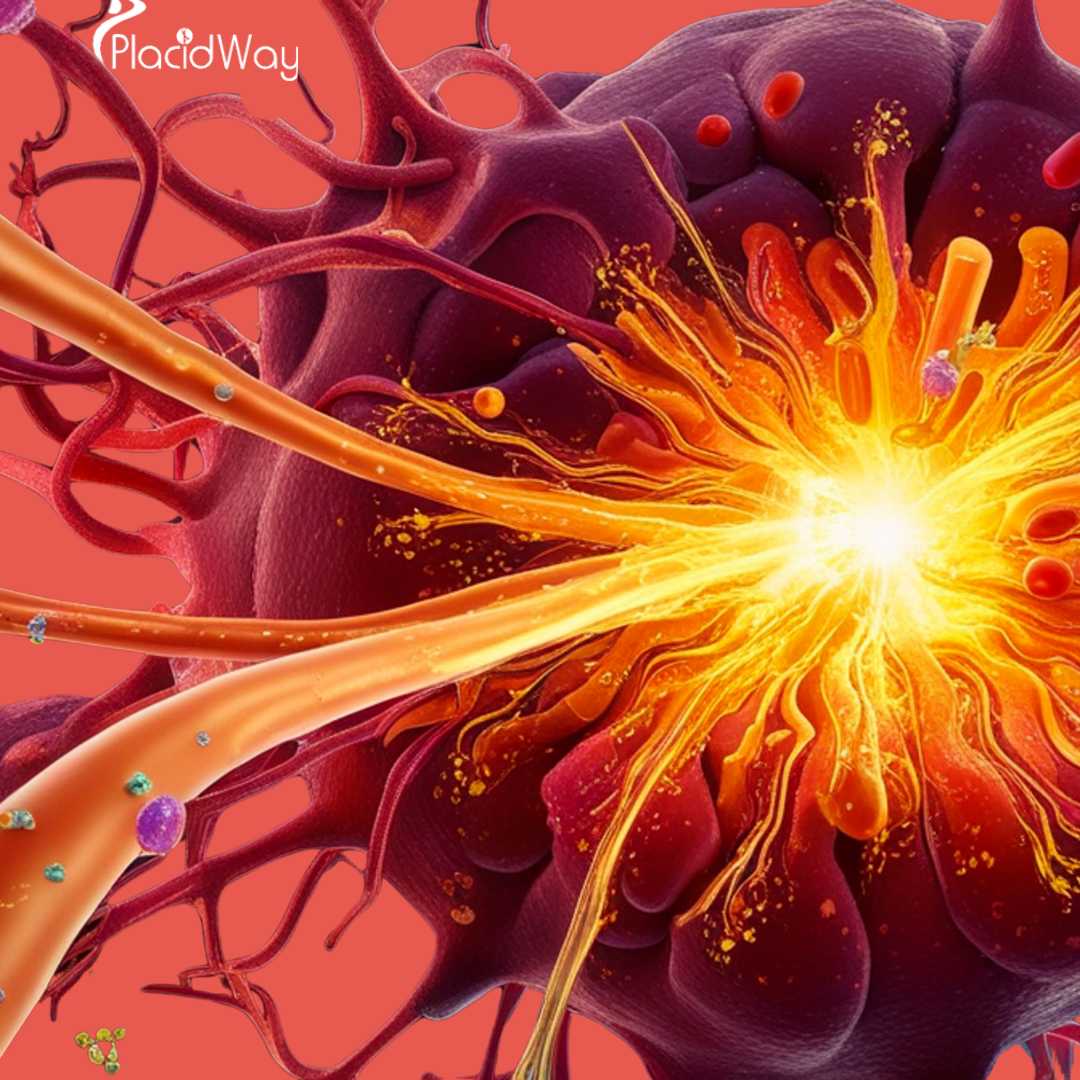
Stem cell therapy for autism aims to address these underlying biological issues rather than merely masking symptoms. The treatment primarily relies on the immunomodulatory and paracrine effects of stem cells. When introduced into the body, these cells release specific proteins, cytokines, and growth factors that may help regulate the immune system, reduce inflammation in the brain, and promote the repair of damaged neural tissues.
It is crucial to set realistic expectations. The cells do not typically replace brain tissue directly. Instead, they act as cellular communicators, potentially creating an environment conducive to natural healing. Your child's doctor may recommend this therapy to help improve social communication, reduce repetitive behaviors, or enhance cognitive focus, though results vary widely depending on the individual's baseline diagnosis.
Medical Tip: Always ask your provider to explain the exact biological goals of the treatment for your child's specific case. Understanding whether the goal is immune regulation, neuro-protection, or both will help you gauge treatment success.
Types of Stem Cells Used in Chinese Clinics
Not all stem cell treatments are identical. The type of cells utilized plays a major role in the safety and potential efficacy of the procedure. In licensed Chinese medical facilities, doctors predominantly use Mesenchymal Stem Cells (MSCs). These cells are preferred because they are ethically sourced, easily expanded in a laboratory, and possess strong anti-inflammatory properties.
The most common source is Umbilical Cord Tissue (UC-MSCs). These cells are harvested from healthy, full-term pregnancies after strict maternal screening for infectious diseases and genetic anomalies. UC-MSCs are widely used because they are considered "immune-privileged," meaning they have a very low risk of triggering a rejection response in the recipient, even without matching blood types.
In some specific cases, doctors may recommend autologous bone marrow or adipose-derived stem cells, meaning they are taken from the patient's own body. However, for young children with autism, UC-MSCs are often preferred because they eliminate the need for an invasive surgical extraction procedure on the child.
The Comprehensive Treatment Process
Traveling to a foreign country for medical care requires a clear understanding of what happens upon arrival. A reputable medical program in China will follow a structured, multi-day protocol designed to maximize safety and therapeutic benefit.
Typically, a complete program lasts between 10 to 21 days, allowing ample time for the cell infusions, medical monitoring, and adjunctive therapies. Below is a general timeline of what you can expect during your stay at a licensed facility.
| Treatment Phase | Timeframe | Clinical Action | Patient Experience |
|---|---|---|---|
| Comprehensive Evaluation | Days 1-2 | Blood tests, neurological exams, immune panel screening. | Child undergoes testing; family meets with the multidisciplinary medical team. |
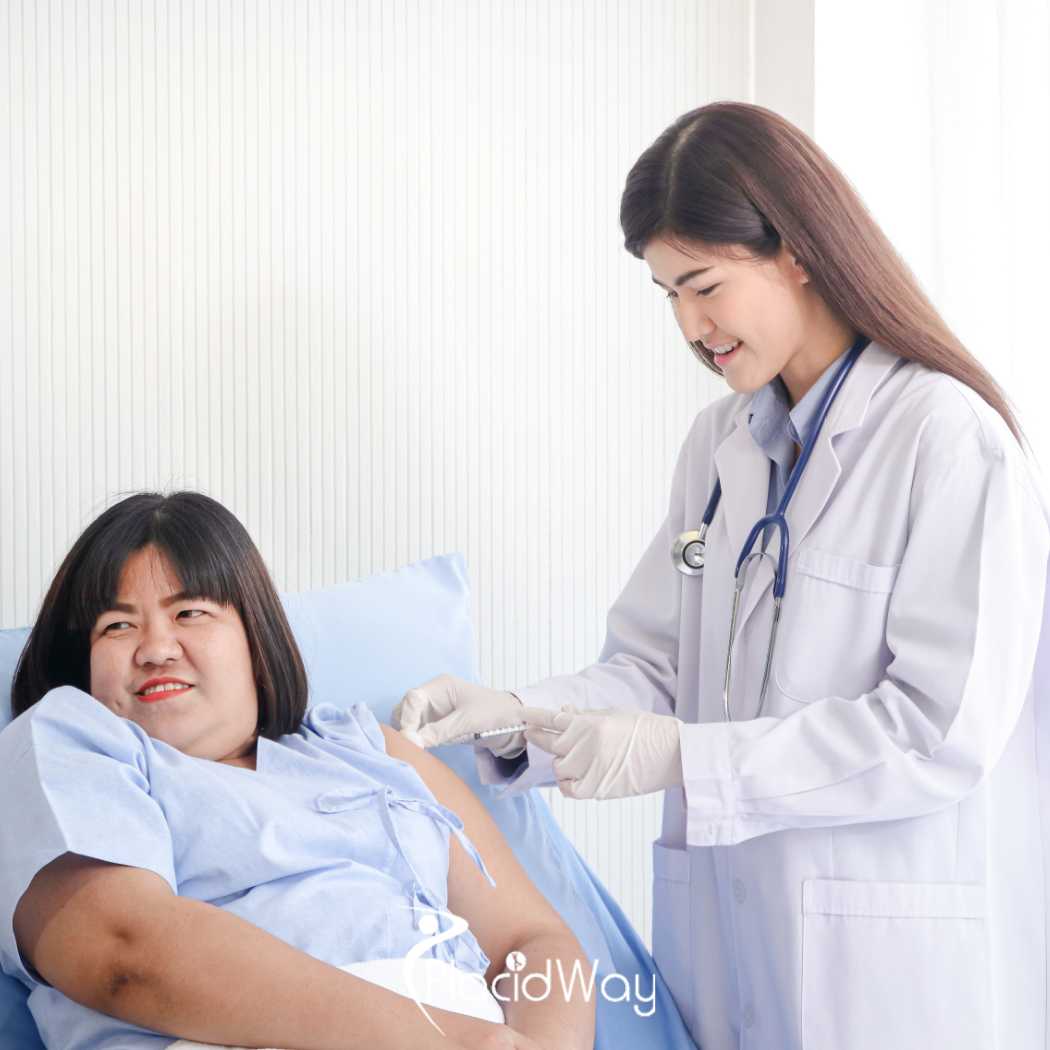
| First Infusion | Day 3 or 4 | Intravenous (IV) or intrathecal administration of UC-MSCs. | Child is closely monitored for 4-6 hours. May experience mild fatigue. |
| Rehabilitation Therapies | Ongoing | Daily occupational, speech, and physical therapy sessions. | Engaging in structured play and skill-building activities to support brain plasticity. |
| Subsequent Infusions | Spaced 3-5 days apart | Delivery of remaining stem cell doses per the doctor's protocol. | Routine monitoring continues; parents track daily behavioral changes. |
| Discharge and Planning | Final 2 Days | Final bloodwork, doctor consultation, and aftercare plan delivery. | Receiving medical records in English and instructions for continued care at home. |
Expected Recovery and Post-Treatment Timeline
Understanding the recovery phase helps set realistic expectations for both the immediate post-procedure period and the long-term journey. Because stem cell therapy for autism relies on biological processes like reducing inflammation and promoting neural repair, results are rarely instantaneous.
In the first week following the final infusion, your child may feel more tired than usual. Mild, low-grade fevers are relatively common as the immune system interacts with the newly introduced cells. During this time, the primary action required from parents is to ensure the child rests, stays hydrated, and avoids excessive physical exertion.
Clinical improvements—such as better eye contact, increased attention span, or reduced hyperactivity—may begin to manifest anywhere from three to twelve months post-treatment. This delayed response occurs because the cells need time to exert their paracrine effects and stimulate the body's natural healing mechanisms. Your doctor will likely recommend a structured follow-up schedule, often involving video consultations and updated behavioral assessments submitted from your home country.
Cost of Stem Cell Therapy for Autism in China
Financial transparency is one of the most critical aspects of medical travel. Evaluating the cost of stem cell therapy for autism involves looking beyond the base price of the procedure. In China, most specialized international clinics offer comprehensive packages designed to cover all medical and therapeutic needs during your stay.
The estimated cost for a full treatment protocol in China typically ranges from $15,000 to $28,000 USD. This price variation depends on the number of cell infusions required, the specific cell count administered, the inclusion of intensive rehabilitation therapies, and the length of hospital stay. Unlike stand-alone treatments in some Western countries, these packages often include inpatient accommodation, meals for the patient and a caregiver, airport transfers, and interpreter services.
It is essential to request an itemized written quote before traveling. Ensure you understand what is excluded, such as international airfare, medical visa fees, and medications prescribed upon discharge.
| Cost Component | Estimated Range (USD) | Typical Inclusions |
|---|---|---|
| Medical Protocol & Cell Infusions | $12,000 - $18,000 | Pre-treatment screening, cell laboratory fees, physician fees, administration of UC-MSCs. |
| Rehabilitation & Adjunctive Therapies | $2,000 - $5,000 | Daily occupational, speech, and physical therapies; hyperbaric oxygen therapy (if prescribed). |
| Hospital Stay & Logistics | $1,000 - $5,000 | VIP or standard private room, meals, local transport, dedicated interpreter. |
| Total Estimated Package | $15,000 - $28,000 | Comprehensive all-inclusive care (excluding airfare/visas). |
Cost Comparison for Autism Stem Cell Treatments
When researching options, families frequently compare destinations to balance affordability with clinical quality. The cost differences are largely driven by local laboratory infrastructure, labor costs, and regulatory frameworks governing medical tourism.
In the United States, stem cell treatments for autism are heavily restricted and largely confined to private, self-funded clinical trials or off-label use in specific states, often costing upwards of $15,000 to $30,000 just for the cell administration, without comprehensive inpatient therapies. Similarly, destinations like Panama or Mexico are popular among North American patients, with treatment packages typically ranging from $20,000 to $30,000.
China often provides a highly competitive alternative. The robust national investment in biotechnology has created efficient stem cell processing capabilities. Consequently, patients traveling to China often receive a higher volume of cells and more extensive daily rehabilitation support for a comparable or lower total price than they would find in the Americas.
How to Choose a Licensed Hospital in China
Selecting the right medical facility is the most critical step in ensuring patient safety. The healthcare ecosystem in China is highly regulated, and not all clinics are authorized to administer cellular therapies to international patients. You must prioritize government licensing over marketing claims.
When evaluating a hospital, the primary credential to look for is approval by the National Health Commission (NHC) of China. The NHC is the supreme health regulatory body, and facilities must pass rigorous inspections to maintain their licenses. Additionally, the stem cell laboratory producing the treatments should comply with standards set by the National Medical Products Administration (NMPA) or hold Good Manufacturing Practice (GMP) certification to ensure cell purity and viability.
While international accreditations such as Joint Commission International (JCI) or Temos represent excellent quality markers, they are not strictly necessary if the hospital is a highly rated, government-regulated "Tier 3 Grade A" (Sanji Jia Deng) hospital, which is the highest classification in the Chinese healthcare system.
Checklist: Verifying Hospital Quality
- Is the hospital designated as a Tier 3 Grade A facility in China?
- Does the clinic hold an active license from the National Health Commission (NHC)?
- Are the stem cells processed in a GMP-certified laboratory?
- Does the facility have an on-site Intensive Care Unit (ICU) for pediatric emergencies?
- Do they provide transparent, itemized pricing in writing?
Verifying Your Stem Cell Specialist and Doctor
The expertise of the physician overseeing the treatment protocol directly impacts both safety and clinical outcomes. Stem cell therapy for pediatric neurological conditions requires specialized knowledge that spans multiple medical disciplines.
Your primary consulting doctor should be a board-certified pediatric neurologist, immunologist, or a specialist registered with the Chinese Medical Doctor Association (CMDA). You have the right to ask for the doctor's medical license number and a summary of their clinical experience specific to cellular therapies and autism spectrum disorder.
Ensure that the medical team has a proven track record. Ask about their annual case volume for this specific procedure and how they handle potential complications. A reputable specialist will never guarantee a cure; instead, they will thoroughly explain the realistic potential benefits, discuss the limitations of the treatment, and help you understand how the therapy aligns with your child's specific diagnosis.
Patient Safety and Potential Treatment Risks
Patient safety must be at the forefront of any medical decision. While umbilical cord-derived mesenchymal stem cell therapy is generally well-tolerated in pediatric populations, no medical procedure is completely risk-free. It is critical to have an open discussion with your doctor about potential adverse events.
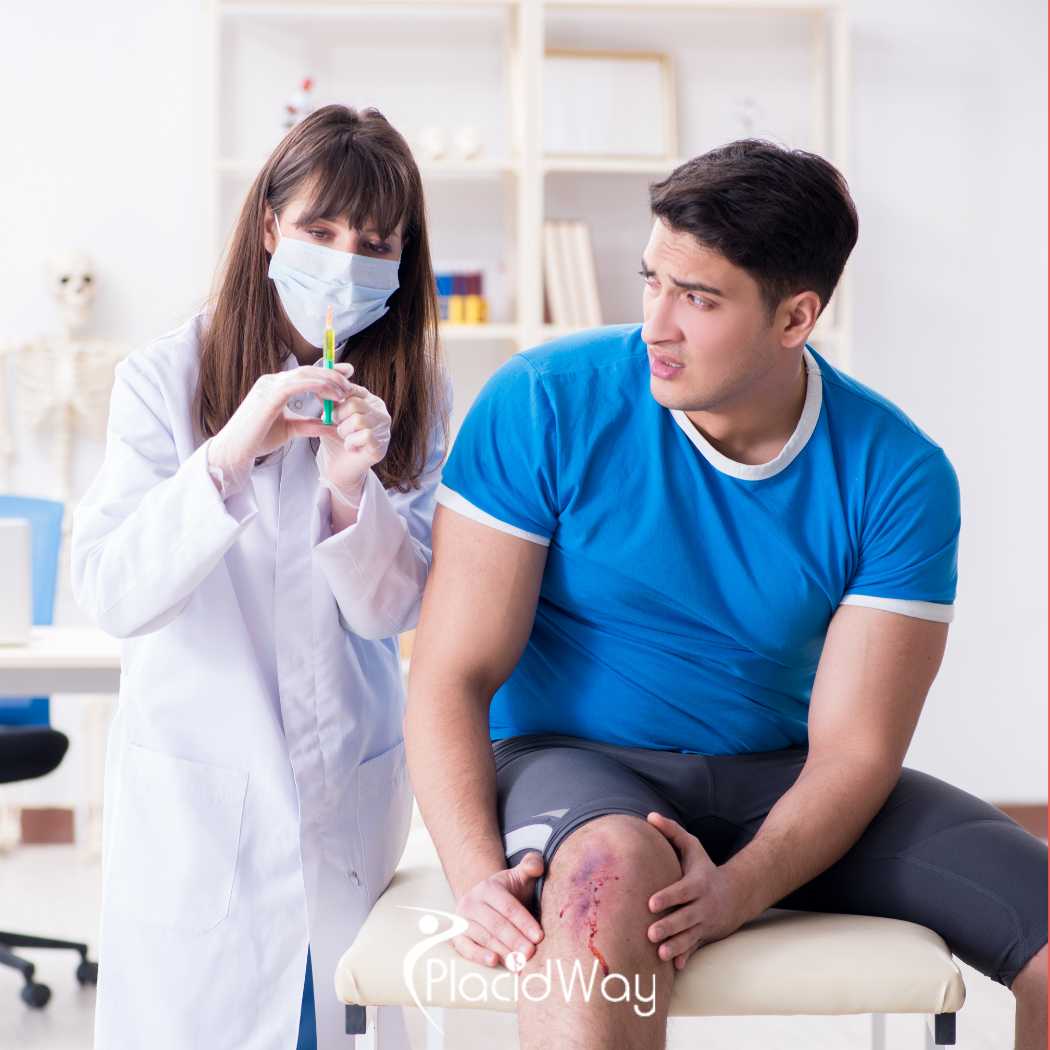
The most common side effects are transient and mild. Following an intravenous or intrathecal infusion, a child may experience a mild fever, localized pain or bruising at the injection site, and temporary fatigue. These symptoms typically resolve within 24 to 48 hours with standard medical management.
More severe complications are rare but can include allergic reactions or infections, particularly if the treatment is administered via a lumbar puncture (intrathecal injection). This underscores the importance of choosing a fully equipped, NHC-licensed hospital that has rigorous infection control protocols and immediate access to pediatric emergency care if needed.
Safety Warning: Avoid any clinic that claims their stem cell treatments are "100% safe" or "guaranteed to cure autism." Medical science strictly prohibits such absolute claims for investigational therapies. Always seek treatment at facilities equipped to handle unexpected medical emergencies.
Managing Contraindications and Eligibility
Not every child with an autism diagnosis is an ideal candidate for stem cell therapy. A responsible medical facility will conduct a thorough pre-screening process to assess eligibility and ensure the treatment will not cause harm.
Certain pre-existing medical conditions serve as strict contraindications. For instance, children with active infections, severe bleeding disorders, or compromised immune systems may not be approved for treatment. Additionally, if a child has a history of severe adverse reactions to anesthesia or intravenous procedures, the medical team must evaluate the risks against the potential benefits.
To determine eligibility, you will typically need to provide your child's recent medical records, current medication list, diagnostic reports, and recent bloodwork to the Chinese medical team prior to traveling. This remote assessment helps prevent unnecessary travel and ensures the clinical protocol is safely tailored to your child's biological profile.
Travel Logistics and Medical Visas for China
Traveling to China for specialized medical care requires detailed logistical planning. Unlike a standard vacation, medical travel necessitates coordinating clinic admission dates with visa approvals and flight schedules.
Most international patients require an "S2" visa, which is issued for short-term private affairs, including medical treatment, or an "L" tourist visa, depending on the duration of stay and your home country's specific consular agreements. The hospital will provide a formal invitation letter and a medical acceptance document, which you must submit to the Chinese embassy or consulate during your visa application process.
Consider the physical demands of long-haul flights on a child with autism. Many families arrange for fast-track services at the airport, request special seating, and work closely with the hospital's international patient coordinator to ensure a smooth transition from the airport directly to the medical facility upon arrival.
Integrating Stem Cell Therapy with Behavioral Treatments
Stem cell therapy is most effective when viewed as a complementary component of a broader, comprehensive care plan. It does not replace the need for established behavioral interventions; rather, it aims to create a more optimal neurological foundation for learning and development.
Many families report that following the cellular therapy, their children become more receptive to Applied Behavior Analysis (ABA), speech therapy, and occupational therapy. The biological reduction in neuroinflammation may help improve focus and decrease sensory overload, allowing behavioral therapists to make greater progress.
Before leaving the clinic in China, the medical team should provide a structured aftercare plan. This plan will outline how to integrate the child back into their routine therapies at home and establish a timeline for follow-up assessments to track behavioral and cognitive changes over the next 6 to 12 months.
Pros and Cons of Traveling to China for Treatment
Deciding to pursue stem cell therapy in China requires balancing the potential medical benefits with the inherent challenges of international travel. Below is a structured grid to help you evaluate the key factors.
Pros of Treatment in China
- Access to high-quality, GMP-certified Umbilical Cord Mesenchymal Stem Cells (UC-MSCs).
- Comprehensive inpatient packages that include extensive daily rehabilitation therapies.
- Highly experienced multidisciplinary teams in top-tier (Tier 3 Grade A) hospitals.
- Cost-effective all-inclusive pricing compared to private trials in North America.
Cons to Consider
- Significant logistical effort required for long-haul travel and medical visa acquisition.
- Language and cultural barriers, requiring reliance on clinic interpreters.
- The treatment remains investigational, and clinical outcomes vary widely by patient.
- Follow-up care must be managed remotely once you return to your home country.
Frequently Asked Questions
To further assist in your research, we have compiled answers to the most common questions families ask when considering stem cell therapy for autism spectrum disorder in China.
Is stem cell therapy a guaranteed cure for autism?
No. Stem cell therapy is not a cure for autism. It is an investigational, complementary treatment designed to manage symptoms by potentially reducing neuroinflammation and regulating the immune system. Results vary widely from patient to patient.
Are the stem cells used in China safe for children?
When performed in an NHC-licensed, Tier 3 hospital, the use of ethically sourced Umbilical Cord Mesenchymal Stem Cells (UC-MSCs) is generally well-tolerated. However, like any medical procedure, it carries risks such as fever, infection, or localized pain, which is why a comprehensive pre-screening is mandatory.
How many treatments will my child need?
The number of infusions depends on the clinic’s specific protocol and your child’s evaluation. Most comprehensive packages in China include 4 to 6 infusions spaced over a two-to-three-week inpatient stay.
What is the ideal age for a child to receive this treatment?
Many clinics prefer treating children between the ages of 3 and 12, as this aligns with a critical window of neuroplasticity. However, eligibility is based on a thorough medical review rather than age alone.
How is the therapy administered?
Stem cells are typically administered via intravenous (IV) drip or intrathecal injection (a lumbar puncture). The method is chosen by the physician based on the specific clinical goal, such as targeting systemic inflammation versus central nervous system pathways.
Will health insurance cover the cost of stem cell therapy in China?
Generally, no. Because the treatment is considered investigational or experimental by most Western medical boards, international health insurance policies rarely cover the cost. Families typically pay entirely out-of-pocket.
How long does it take to see behavioral improvements?
Biological healing processes take time. While some parents report minor changes within weeks, significant behavioral improvements—such as enhanced focus or reduced hyperactivity—usually take 3 to 9 months to become apparent.
What happens if there is a medical emergency during treatment?
This is why hospital credentials matter. Reputable Tier 3 Grade A hospitals have fully equipped pediatric Intensive Care Units (ICUs) and emergency protocols in place to manage severe allergic reactions or other complications immediately.
Can my child continue standard therapies after stem cells?
Yes. Doctors strongly advise continuing Applied Behavior Analysis (ABA), speech, and occupational therapies after returning home. Stem cell therapy is intended to enhance the brain's receptivity to these standard educational and behavioral interventions.
Do Chinese clinics provide medical interpreters?
Yes, leading international hospitals that cater to medical tourists employ full-time, medical-grade English translators. They assist during all doctor consultations, daily therapies, and administrative processes to ensure clear communication.
Next Steps in Your Medical Journey
Navigating international healthcare options can feel complex, but you do not have to do it alone. PlacidWay can help you compare licensed providers in China, understand detailed treatment costs, ask the right medical questions, and review all your treatment options.
Request Information from ClinicsDisclaimer: This information is for educational purposes only and does not replace professional medical advice. Always consult a qualified healthcare provider before making medical decisions.
References
- Autism Stem Cell Clinical Trials – ClinicalTrials.gov
- Regulations on Medical Institutions – National Health Commission of the People's Republic of China (NHC)
- Efficacy and Safety of Mesenchymal Stem Cells in Autism (2024 Publication) – Stem Cell Research & Therapy
- Guidelines for Unproven Cellular Therapies – International Society for Cell & Gene Therapy (ISCT)
- International Travel and Health Guidelines – World Health Organization
- Pathogenesis of Autism and Neuroinflammation (2024 Research) – PubMed















Share this listing