Stem Cell Therapy in China

Publish date: Modified date: Medically reviewed by: Dr. Alejandro Fernando on Aug 25, 2026 Author: Pinki Sharma

Experience Price

$17,000 Price starting from
Stem Cell Therapy in China

Contents

China’s cell-therapy landscape is large enough to make a simple online search feel like a maze. There are research hospitals, commercial programs, approved medicines for narrowly defined uses, and claims that can sound far broader than the evidence behind them. For patients travelling from East and Southeast Asia, the Middle East, Europe, North America, and elsewhere, the real task is not finding a clinic. It is understanding precisely what the clinic is offering for your diagnosis.

China-based stem cell packages may start from US$17,000, while more complex programs can cost considerably more. Price is not a measure of clinical evidence or safety. It can change with the condition, cell type, route of administration, admission length, diagnostics, rehabilitation, and follow-up. Ask for a written, itemized estimate before planning travel.

Clinic verification should begin with local oversight: confirm the hospital’s legal licence, treating doctor’s credentials, and the exact regulatory or research pathway for the proposed product. China’s National Medical Products Administration (NMPA) has approved a mesenchymal stromal cell therapy for a specific form of steroid-refractory acute graft-versus-host disease. That approval does not automatically apply to unrelated conditions or products.

A package called stem cell therapy can describe very different care. It should spell out the diagnosis being addressed, the cell product, source, dose or number of administrations, route of delivery, expected stay, monitoring, and aftercare. Ask whether the offer is established treatment, a registered clinical study, or another form of clinical use and request that answer in writing. Compare the packages below by what they explain, what they include, and how responsibly they address uncertainty.

`

Stem cell therapy packages in China may begin at US$17,000, with some programs priced up to US$30,000 or more. A broad price range is expected because this is not one standard treatment and some interventions involve longer admissions, repeat procedures, or rehabilitation.

Request an itemized quote covering consultations, tests, product preparation, administration, hospital observation, medicines, interpretation, accommodation, and follow-up. If an offer is presented as clinical research, ask how research-related costs are handled and obtain the consent materials before paying. Compare the costs below by clinical content and safety support not price alone.

Stem Cell Therapy Centers Cost Comparison in China

Provider Procedure Price
Beijing Tiantan Puhua International Hospital, Ltd in China Stem Cell Treatment for Autism, Stem Cell Therapy $17000
Beijing Tiantan Puhua International Hospital, Ltd in China Stem Cell Treatment for Cerebral Palsy, Stem Cell Therapy $17000

Stem Cell Therapy Cost Comparison in China

Country Procedure Price
United States Stem Cell Treatment for Cerebral Palsy, Stem Cell Therapy $35000
United States Stem Cell Treatment for Cancer, Stem Cell Therapy $140000

A hospital name, impressive building, or international-patient desk is not enough. Ask for the facility’s legal name and licence details, the treating doctor’s full name and specialty, the product’s origin, and the exact plan for complications. If the treatment is a clinical study, request the study registration, ethics approval, eligibility criteria, and the principal investigator’s contact details.

Verify any claim of hospital grade, quality certification, or international accreditation directly. A responsible clinic will also explain product handling, infection-control procedures, emergency capability, and how your doctor at home will receive records. Use the clinic listings below to compare these essentials.
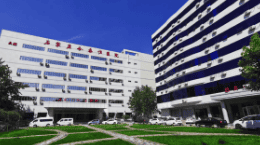
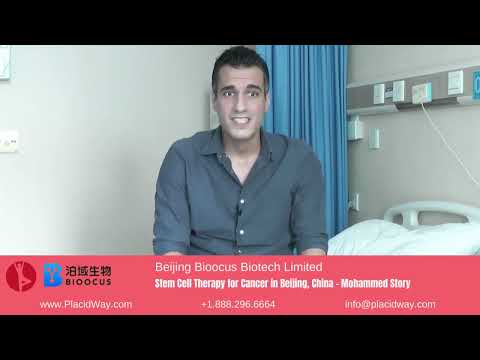
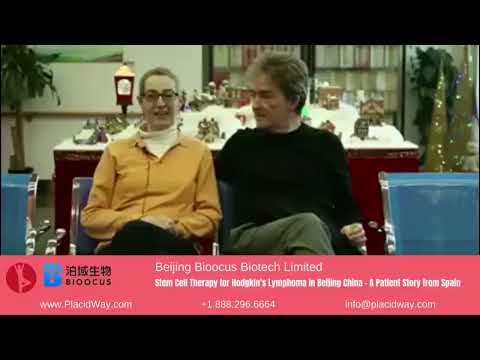
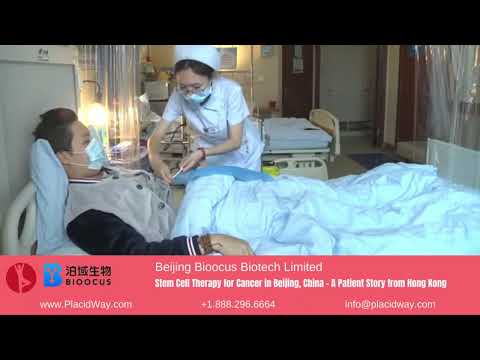
A useful video should name the condition, identify the treating specialist, explain the treatment pathway, and discuss risks and limits. It should not imply that a regulator’s approval of one cell product approves every stem cell program in China. Watch the videos below for orientation, then use them to prepare direct questions about product origin, research status, monitoring, and follow-up. Written answers are more useful than broad assurances.

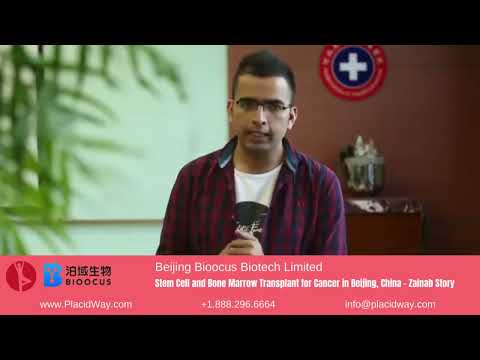
Reviews can be useful for practical details: whether records were translated accurately, appointments ran on time, staff explained consent, and the family had support. They cannot prove that a cell-based intervention is effective for your diagnosis. Look for signs of careful care rather than dramatic outcomes transparent costs, time to ask questions, realistic expectations, and a clear route for follow-up. Compare reviews below alongside the clinical and regulatory information.

Is stem cell therapy approved in China?

Approval depends on the specific product and indication. China’s NMPA has conditionally approved a mesenchymal stromal cell therapy for steroid-refractory acute graft-versus-host disease in eligible patients aged 14 and older. This does not mean that cell-based treatments for unrelated conditions are approved or proven.

How much does stem cell therapy cost in China?

Packages may begin around US$17,000, while complex programs can be US$30,000 or more. The right comparison depends on diagnosis, cell product, route of administration, admission, testing, rehabilitation, and follow-up. Request a detailed written estimate before travelling.

How do I verify a stem cell clinic in China?

Confirm the hospital’s legal identity and licence, the doctor’s specialty and hospital position, the cell product’s source, and the regulatory pathway. For a study, request ethics approval, registration, eligibility criteria, and informed-consent documents. Verify accreditation claims with the issuing body.

Can a clinical study charge patients for stem cell treatment in China?

Do not assume that a paid offer is a clinical trial, or that a clinical trial is the same as established treatment. If a provider says your care is research, ask for written details of all charges, the consent form, the research institution, and the ethical and regulatory approvals before you agree.

What information should I receive before treatment?

You should receive an explanation of your diagnosis, intended treatment goal, product type and source, administration method, known and uncertain risks, alternatives, expected stay, total costs, consent process, and follow-up plan. You should have time to consult your own doctor.

Are stem cell programs in Beijing or Shanghai better?

There is no city-wide answer. Compare the specific hospital, specialist team, product pathway, emergency support, interpreter services, and follow-up plan. A well-documented program that fits your diagnosis is more important than a famous city or a convenient airport.

What are the risks of stem cell treatment?

Risks depend on the product and method. They may include infection, immune reactions, bleeding or pain from procedures, and complications related to the underlying illness. Newer approaches can also have important uncertainties. A provider should explain the specific risks, not describe the treatment as risk-free.

Do I need a visa for treatment in China?

Entry rules depend on your passport, destination, length of stay, and current policy. Check with the Chinese embassy, consulate, or official visa service that applies to you before booking. Do not rely on a clinic’s general statement about visa eligibility.

How long should I stay in China after treatment?

Stay length depends on the treatment plan and your medical condition. Ask the hospital for a written schedule including pre-treatment assessment, observation, clearance to fly, and final follow-up. Build in a buffer rather than booking a return flight immediately after a procedure.

Will my insurance cover stem cell therapy in China?

Coverage for planned overseas care is often limited, especially for treatments considered investigational. Contact your insurer before travel and request a written decision. Ask the hospital about deposits, cancellation terms, and costs if additional care becomes necessary.

What Options are Available in China for Stem Cell Medical Tourism?

Considering medical treatment abroad can be a significant decision, and for those exploring advanced options like regenerative medicine, China has emerged as a major destination. For years, the country has been at the forefront of stem cell therapy, attracting thousands of international patients seeking innovative treatments for conditions that may have limited options elsewhere. China's appeal lies in a combination of advanced research, a wide variety of available stem cell treatments, and significantly lower costs compared to North America and Europe. Many top-tier hospitals and specialized clinics are equipped with modern technology and staffed by experienced professionals dedicated to the field of regenerative medicine. If you're wondering what stem cell medical tourism in China looks like, it involves traveling to the country to receive therapies that use the body's own regenerative power to repair damaged tissues and restore function. These treatments address a vast spectrum of health issues, from debilitating neurological diseases like cerebral palsy and multiple sclerosis to chronic conditions such as diabetes and osteoarthritis. The journey for a medical tourist is often streamlined, with many clinics offering comprehensive packages that include the treatment itself, accommodations, and supportive therapies. This guide will walk you through everything you need to know about the options, costs, safety, and process of seeking stem cell therapy in China. What Exactly is Stem Cell Therapy? "Stem cell therapy is a form of regenerative medicine that uses stem cells to repair or replace damaged cells and tissues. These unique cells can develop into many different cell types, helping to restore function and promote healing in the body." Stem cell therapy is a revolutionary approach in medicine that harnesses the power of stem cells to treat a wide range of diseases and injuries. Stem cells are the body's raw materials — special cells from which all other cells with specialized functions are generated. Under the right conditions, they divide to form more cells called daughter cells. These daughter cells either become new stem cells (self-renewal) or become specialized cells (differentiation) with a more specific function, such as blood cells, brain cells, heart muscle, or bone cells. The primary goal of stem cell therapy is to leverage this regenerative capability. When introduced into a damaged area of the body, these cells can help to: Repair damaged tissue by replacing dead or malfunctioning cells. Reduce inflammation, which is a common factor in many chronic diseases. Modulate the immune system to stop it from attacking healthy cells, which is crucial for autoimmune disorders. This therapy offers hope for conditions once considered untreatable, aiming to address the root cause of the disease rather than just managing symptoms. Why is China a Popular Destination for Stem Cell Tourism? "China is a popular destination for stem cell tourism due to its combination of advanced research, a wide variety of available treatments, significantly lower costs (often 50-70% less than in the West), and a well-developed medical tourism infrastructure." Several key factors make China a leading hub for medical tourists seeking stem cell treatments. The most significant driver is cost-effectiveness. Treatments in China can be substantially more affordable than in countries like the United States or the UK, without compromising on the quality of care or technology. This financial accessibility opens the door for many patients who might otherwise be unable to afford such advanced therapies. Beyond cost, China has invested heavily in biotechnology and regenerative medicine. This has led to the establishment of state-of-the-art facilities and the development of innovative treatment protocols. Other reasons for its popularity include: Advanced Technology: Many Chinese hospitals and clinics are equipped with the latest medical technology and adhere to international standards. Experienced Specialists: The country is home to a large number of scientists and doctors who specialize in stem cell research and clinical application. Variety of Treatments: China offers a broad range of stem cell therapies for numerous conditions, giving patients more options. Shorter Waiting Times: Patients can often receive treatment more quickly in China compared to their home countries where regulatory processes or waiting lists can cause long delays. How Much Does Stem Cell Treatment Cost in China? "The cost of stem cell treatment in China typically ranges from $9,000 to $35,000 USD. The final price depends on the specific condition being treated, the type and number of stem cells used, and the duration of the treatment program." One of the most compelling reasons patients choose China for stem cell therapy is the significant cost savings. While prices can vary widely, they are consistently lower than in most Western nations. The cost is influenced by several factors, including the complexity of the patient's condition, the number of stem cell injections required, and the inclusion of other supportive therapies like physical therapy or acupuncture. Here is a comparison of average costs for common treatments in China versus the USA to illustrate the potential savings: Stem Cell Treatment Average Cost in China (USD) Average Cost in USA (USD) Autism $9,500 - $19,000 $20,000 - $50,000 Multiple Sclerosis $29,000 - $35,000 $50,000 - $100,000 Kidney Failure $9,000 - $12,500 $25,000 - $50,000 Diabetes $12,500 - $17,000 $20,000 - $40,000 Brain Injury $20,000 - $25,000 $40,000 - $80,000 It's important to request a detailed quote from the clinic that outlines all included services to avoid unexpected expenses. What Types of Stem Cells Are Used in Chinese Clinics? "The most common types of stem cells used in China are Umbilical Cord-Derived Mesenchymal Stem Cells (UC-MSCs), Bone Marrow-Derived Stem Cells (BMSCs), and Adipose-Derived Stem Cells (ADSCs). UC-MSCs are particularly prevalent due to their potency and low risk of rejection." Clinics in China utilize various types of stem cells, chosen based on the patient's specific medical condition. The source of the stem cells is crucial as different types have different properties and therapeutic potential. Umbilical Cord-Derived Mesenchymal Stem Cells (UC-MSCs): This is the most widely used type in China. Collected from the umbilical cords of healthy, screened donors after birth, these cells are considered very young, highly potent, and have immunomodulatory properties, which means they are less likely to be rejected by the patient's body. They are used for a wide array of conditions. Bone Marrow-Derived Stem Cells (BMSCs): These cells are harvested from a patient's own bone marrow (autologous) or a donor's (allogeneic). They have a long history of use in treating blood disorders but are also applied in regenerative medicine for orthopedic and neurological conditions. Adipose-Derived Stem Cells (ADSCs): These are taken from a patient's own fat tissue. They are abundant and relatively easy to harvest, making them a popular choice for orthopedic and cosmetic applications. The choice of stem cell type is a critical part of the treatment plan, and your doctor will recommend the best option after a thorough medical evaluation. What Neurological Conditions Can Be Treated? "Stem cell therapy in China is used to treat a wide range of neurological conditions, including Parkinson's disease, multiple sclerosis (MS), spinal cord injury, cerebral palsy, ataxia, Batten disease, and traumatic brain injury, with the goal of repairing nerve damage and improving function." China has become a center of hope for patients with neurological disorders, which are often difficult to treat with conventional medicine. Stem cell therapy for neurological conditions aims to regenerate damaged nerve cells, reduce inflammation in the brain and spinal cord, and improve motor and cognitive functions. By introducing new stem cells, clinics aim to create a healing environment that can lead to functional recovery. Some of the key neurological conditions addressed include: Spinal Cord Injury: To help repair the damaged cord and potentially restore some motor function. Cerebral Palsy: To improve motor control and reduce spasticity. Multiple Sclerosis (MS): To modulate the immune system and repair nerve damage caused by the disease. Parkinson's Disease: To replace the dopamine-producing cells lost to the disease, thereby improving movement control. Ataxia: To improve coordination, balance, and speech. Treatment protocols are often intensive, combining stem cell injections with extensive rehabilitation therapies to maximize potential improvements. Is Stem Cell Therapy for Autism Available in China? "Yes, several clinics in China offer stem cell therapy for autism. The treatment focuses on regulating the immune system, reducing inflammation, and improving brain connectivity, which may lead to improvements in social interaction, communication, and behavior." Stem cell therapy for autism is an emerging area of treatment offered in China. The underlying theory is that autism may be linked to immune system dysregulation and inflammation in the brain. Stem cells, particularly UC-MSCs, are used for their ability to modulate the immune system and reduce inflammation. The goal is to create a better environment for brain function and neural connectivity. Parents considering this treatment should understand that it is still considered experimental. However, many families have reported positive changes in their children, including: Improved eye contact and social engagement. Enhanced communication skills and speech. Reduced repetitive behaviors. Better focus and concentration. Treatment is typically combined with other supportive therapies like behavioral therapy and speech therapy. Are Stem Cell Treatments in China Safe and Regulated? "Stem cell treatments in China are becoming more regulated. The government has implemented stricter guidelines to ensure patient safety and treatment efficacy. Reputable clinics operate within government-approved hospitals and adhere to high standards for cell processing and quality control." The safety and regulation of stem cell clinics have been a valid concern for medical tourists. In the past, China's regulatory environment was quite relaxed, leading to a proliferation of clinics with varying standards. However, the landscape has changed significantly. The Chinese government, through the National Health Commission (NHC), has introduced stricter regulations to govern the field. These new rules aim to: Ensure that clinical trials are based on sound scientific evidence. Require that treatments are only offered in certified, high-grade hospitals. Forbid advertising of unproven claims. Improve the protection and informed consent of patients. While the industry is now better regulated, it is still crucial for patients to do their due diligence. Choosing a clinic that is transparent about its procedures, is affiliated with a major hospital, and has a long history of treating international patients is key to ensuring a safe experience. What is the Process for a Medical Tourist? "The process typically begins with an online consultation and medical record review. Upon arrival, the patient undergoes a full medical evaluation, followed by a personalized treatment plan that includes stem cell injections and supportive therapies over several weeks." The journey for an international patient is generally well-structured. Initial Consultation: This usually happens remotely. You will submit your medical records, and the clinic's medical team will review your case to determine if you are a suitable candidate. Treatment Plan and Quotation: If you are accepted, the clinic will provide a detailed treatment plan, including the type of stem cells, number of injections, duration of stay, and a full cost breakdown. Travel and Arrival: The clinic often assists with visa invitation letters and arranging airport pickup. Upon arrival, you will be taken to the hospital or your accommodation. Pre-Treatment Evaluation: You will undergo a comprehensive medical examination, including blood tests and imaging, to confirm the treatment plan. Treatment Phase: This phase typically lasts 3-6 weeks. It involves multiple stem cell injections (often via IV drip or targeted injections) and daily supportive therapies like physiotherapy, acupuncture, or hyperbaric oxygen therapy. Follow-up: After returning home, the clinic will typically schedule follow-up calls to monitor your progress. How Do I Choose a Reputable Clinic? "To choose a reputable clinic, look for facilities that are part of a government-accredited hospital, have extensive experience treating international patients, provide transparent pricing, and can connect you with past patients for testimonials. Verify their cell processing standards and the qualifications of their medical team." Selecting the right clinic is the most critical step in your medical tourism journey. Here are some key factors to consider: Accreditation and Affiliation: Choose a clinic that operates within a large, accredited hospital. This ensures a higher level of oversight and safety. Experience: How long has the clinic been treating international patients with your specific condition? Experience matters. Transparency: The clinic should be open about its treatment protocols, the source and type of stem cells used, and potential risks. They should provide clear, itemized pricing. Patient Testimonials: Ask to be connected with previous patients. Hearing about their firsthand experiences can provide invaluable insight. Medical Team: Research the doctors and scientists. What are their qualifications and experience in the field of regenerative medicine? Ready to explore world-class Stem Cell Treatments at affordable prices in China? PlacidWay Medical Tourism connects you with top-certified clinics and experienced specialists offering personalized regenerative care. Contact us today to get a free quote and begin your journey toward healing.  

Stem cell treatment should never be separated from the doctor who understands the condition you live with. Depending on your diagnosis, that may mean a haematologist, neurologist, orthopaedic specialist, rehabilitation physician, oncologist, or another relevant consultant. Ask who determines eligibility, who performs or supervises treatment, and who responds if your condition changes.

Compare the doctors below by specialty training, current hospital role, experience with your diagnosis, and willingness to communicate with your home physician. Be careful with promises of recovery, broad “anti-aging” claims, or advice to stop established treatment without independent medical input.

Your practical plan depends on the city where the treating hospital is located. Beijing, Shanghai, Guangzhou, Shenzhen, and Hainan are among the places international patients may consider, but the hospital’s ability to manage your exact condition matters more than the destination itself. Arrange the medical plan before flights, leave time for assessment, and keep a family member or trusted contact informed.

Planning step What to confirm
Before booking Obtain a written treatment outline, total estimate, appointment schedule, expected stay, and direct hospital contact.
Medical records Bring recent reports, imaging, pathology where relevant, medication list, allergies, and a short summary from your treating doctor.
Language support Confirm a qualified medical interpreter and ask whether your consent forms, discharge summary, and prescriptions will be available in English.
Entry and medicines Check entry requirements for your passport with official Chinese consular sources. Carry personal medicines in original packaging with prescriptions and a doctor’s letter.
Return home Arrange follow-up locally before travel. Ask when it is safe to fly and how post-treatment concerns will be handled across time zones.

International payments, local transport, internet access, and mobile translation can all take setup time. Confirm your payment method with the hospital before arrival and choose accommodation near the treating facility if appointments are spread over several days. For complex health needs, travelling with a companion can make communication and recovery easier.

Compare Your China Treatment Options

Share your diagnosis, recent reports, and the questions you need answered. You can request treatment information and a written estimate, then compare the proposed product, specialist oversight, expected stay, and follow-up plan before deciding whether travelling is appropriate for you.

Request Free Quote

Medical Disclaimer

This page is for general education and comparison only; it is not medical advice, a diagnosis, or a recommendation to undergo treatment. Cell-based therapies may be approved for narrow indications, under research, or otherwise unsuitable for a particular patient. Outcomes vary. Do not delay, stop, or change prescribed treatment without advice from your own clinician. Seek urgent medical care for serious or worsening symptoms.

References

Stem Cell Therapy in China thumbnail

About Experience

  • Translations: EN AR ZH RU ID JA VI TH
  • Price Range: $17,000 - $17,000
  • Treatment: Stem Cell Therapy
  • Location: China
  • Clinics: Beijing Puhua International Hospital- Stem Cell Center, Shijiazhuang Hetaiheng Kidney Hospital,
  • Packages Stem Cell Therapy for Autism Package in Beijing, China by Puhua International Hospital,
  • Overview

Trusted Medical Tourism Platform Since 2007

60+
Countries
2k+
Clinics
19.5k+
Reviews
2.5k+
Qualified Doctors
1.1M+
Patients Served Since 2007