


Nati's Triumph: Stem Cell Therapy for Hodgkin's Lymphoma in Beijing, China
Nati’s Triumph: Stem Cell Therapy for Hodgkin's Lymphoma in Beijing, China is a remarkable testament to medical innovation and human resilience. When standard oncology protocols failed to halt his aggressive blood cancer, Nati faced an incredibly daunting and uncertain prognosis. Refusing to surrender to refractory disease, he embarked on a life-saving journey across the globe to discover advanced immunotherapy options. This inspiring narrative highlights how cutting-edge medical tourism is revolutionizing cancer care. By seeking treatment overseas, patients are accessing world-class, affordable medical interventions precisely when they need them the most.
Video Chapters & Quick Navigation
The Relentless Battle: Understanding Hodgkin's Lymphoma
Hodgkin's Lymphoma is a specialized and aggressive form of cancer that originates within the lymphatic system, a crucial component of the body's immune network. The disease is distinctly characterized by the presence of abnormal, mutated cells known as Reed-Sternberg cells. These malignant cells rapidly multiply, compromising the patient's ability to naturally fight off infections and diseases.
For many patients, the initial symptoms are deceptively subtle, often presenting as painless swelling of the lymph nodes in the neck, armpits, or groin. However, as the lymphoma progresses, patients typically experience severe systemic symptoms, including drenching night sweats, unexplained weight loss, and profound fatigue. Recognizing these symptoms early is critical for successful intervention.
The Function of the Lymphatic System
To fully comprehend the severity of Hodgkin's Lymphoma, one must understand the vital role of the lymphatic system. It functions as a drainage network that balances bodily fluids and houses white blood cells called lymphocytes. When cancer infiltrates this system, it gains a direct pathway to spread throughout the entire body.
The mutation of B-lymphocytes into malignant Reed-Sternberg cells effectively hijacks the immune system's localized command centers. This leads to tumor formations within the lymph nodes, spleen, and bone marrow. Over time, the structural integrity of the patient's immune defenses crumbles under the weight of the expanding malignancy.
Facing the Abyss: When Standard Treatments Fail
The conventional first-line therapies for Hodgkin's Lymphoma generally involve a rigorous combination of systemic chemotherapy and localized radiation. For a significant percentage of patients, these aggressive chemical interventions successfully push the cancer into long-term remission. Unfortunately, this is not the universal outcome for every individual battling the disease.
As detailed in the video at , Nati faced the terrifying reality of refractory Hodgkin's Lymphoma. Refractory disease means the cancer stubbornly resists initial treatment protocols, continuing to spread despite maximum therapeutic dosages. In other cases, patients may achieve brief remission only to experience a devastating relapse months or years later.
The Limitations of Salvage Chemotherapy
When primary treatments fail, oncologists typically pivot to "salvage chemotherapy," utilizing even more toxic chemical cocktails. While this approach attempts to eradicate resistant cancer cells, it simultaneously inflicts massive collateral damage on healthy tissues and organs. The human body can only endure a finite amount of toxicity before organ failure becomes an imminent threat.
Patients with refractory lymphoma are frequently left physically depleted and emotionally exhausted by continuous, ineffective treatments. The toxic burden accumulated from endless rounds of failed chemotherapy dramatically reduces their overall quality of life. At this critical juncture, exploring advanced alternative treatments for Hodgkin's Lymphoma becomes a matter of urgent survival.
Why Choose Beijing? The Rise of Advanced Oncology Medical Tourism
When domestic medical options are exhausted, thousands of patients look across international borders for a lifeline. Beijing, China has rapidly emerged as a dominant global hub for advanced medical tourism, particularly in the highly specialized fields of hematology and oncology. The city combines massive government healthcare investments with rapid implementation of groundbreaking medical technologies.
Unlike some Western healthcare systems burdened by slow bureaucratic approvals, China's medical sector fosters highly accelerated clinical application of innovative therapies. Top-tier hospitals in Beijing boast dedicated international patient wings designed specifically to cater to medical tourists. These specialized facilities offer a seamless fusion of world-class medical expertise and VIP patient services.
State-of-the-Art Medical Infrastructure
The medical infrastructure available for stem cell therapy in Beijing rivals, and in some cases surpasses, the finest research hospitals in North America and Europe. Facilities are equipped with ultra-modern high-efficiency particulate air (HEPA) filtered isolation wards. These sterile environments are absolutely essential for protecting profoundly immunocompromised transplant patients from life-threatening airborne pathogens.
Furthermore, leading Chinese oncologists frequently train at top global medical institutions before returning to practice in Beijing. This cross-pollination of international expertise ensures that patients receive therapies based on the latest global consensus in oncology. It is this combination of technology and talent that draws patients like Nati to the East.
The Science Behind Hematopoietic Stem Cell Transplants
Stem cell therapy for blood cancer is a highly complex, multi-stage medical procedure designed to essentially reboot a patient's entire immune system. Specifically, it utilizes hematopoietic stem cells, which are the fundamental biological building blocks that create all other blood cells in the human body. By replacing diseased bone marrow with healthy stem cells, the body can begin to generate cancer-free lymphocytes.
There are two primary categories of stem cell transplants utilized in oncology: autologous and allogeneic. As highlighted in the video at , the specific protocol selected depends heavily on the individual's cancer staging and bone marrow viability. Both methods require extraordinary clinical precision and meticulous post-operative monitoring.
Autologous vs. Allogeneic Transplants
In an autologous stem cell transplant, a patient's own healthy stem cells are harvested and cryogenically preserved before they undergo high-dose chemotherapy. Once the cancer and diseased marrow are eradicated, the patient's own cells are infused back into their bloodstream to regenerate the immune system. This method effectively eliminates the risk of cell rejection since the biological material belongs to the patient.
Conversely, an allogeneic transplant relies on stem cells harvested from a genetically matched donor, such as a sibling or an unrelated registry volunteer. This approach offers a unique biological advantage known as the "graft-versus-tumor" effect. In this scenario, the newly transplanted donor immune cells actively recognize and attack any remaining lymphoma cells in the patient's body.
The Crucial Conditioning Phase
Before any stem cells can be transplanted, the patient must endure the conditioning phase, which is arguably the most intense part of the treatment. Conditioning involves administering lethal doses of chemotherapy, and sometimes total body irradiation, to completely wipe out the existing, cancerous bone marrow. This creates the necessary biological "space" for the new stem cells to engraft and thrive.
This phase leaves the patient entirely without an active immune system, rendering them incredibly vulnerable to simple infections. The exceptional sterile protocols and dedicated isolation units found in top Beijing hospitals are paramount during this critical window. It is a calculated medical risk that paves the way for a potential cure.
Comparing Treatment Modalities: Standard vs. Advanced Therapy
To fully appreciate the magnitude of Nati's decision to pursue treatment abroad, it is helpful to compare the differing modalities of cancer care. Standard treatments focus on managing disease progression, while advanced stem cell therapies aim for complete systemic restoration. The table below outlines the core differences between these two medical approaches.
| Clinical Aspect | Standard Chemotherapy | Stem Cell Therapy (HSCT) |
|---|---|---|
| Primary Mechanism | Chemically poisons rapidly dividing cells, including healthy tissue. | Eradicates diseased marrow and replaces it with healthy, blood-forming cells. |
| Immune System Impact | Severely suppresses immune function temporarily during treatment cycles. | Completely reboots and regenerates a brand new, functional immune system. |
| Application Focus | Used as a first-line defense or for palliative management of symptoms. | Utilized for refractory or relapsed blood cancers when standard care fails. |
| Long-Term Potential | High risk of relapse in aggressive or mutated lymphoma variations. | Offers the highest statistical probability for permanent, long-term remission. |
Nati's Treatment Timeline: A Journey of Courage
The decision to leave home and travel thousands of miles for intensive medical care is never made lightly. As Nati explains at , arriving in Beijing brought a mixture of deep anxiety and profound hope. Navigating a foreign country while physically weakened by cancer required immense personal fortitude and family support.
Upon admission to the international oncology ward, Nati underwent an exhaustive series of baseline diagnostics. The medical team needed to precisely map the extent of his lymphoma and assess his overall organ function before proceeding. This meticulous preparation is a hallmark of the high-quality medical tourism experience provided by elite Chinese hospitals.
The Stem Cell Harvesting Process
Because Nati was deemed a candidate for an autologous transplant, the first major physical hurdle was the stem cell harvesting phase. He received specialized growth factor injections over several days to stimulate his bone marrow to produce an abundance of stem cells. These vital cells were then pushed out of the marrow and into his peripheral bloodstream.
During a procedure called apheresis, a machine continuously circulated Nati's blood, meticulously separating and collecting the precious stem cells. The collected cells were carefully frozen and stored in a specialized laboratory. This process, while physically exhausting, secured the biological key to Nati's future recovery.
Transplant Day: "Cell Day"
In the oncology community, the day the stem cells are infused is universally celebrated as a patient's new biological birthday. After surviving the grueling conditioning chemotherapy, Nati received his thawed stem cells through a central venous catheter. As detailed at , the actual infusion process is surprisingly anticlimactic, resembling a standard blood transfusion.
However, the internal biological magic had just begun. These resilient stem cells intuitively navigated through Nati's bloodstream, ultimately finding their way back into the hollow spaces of his bones. Once settled, they began the arduous task of engraftment, slowly producing the healthy red blood cells, white blood cells, and platelets he desperately needed.
The Financial Reality: Why Medical Tourism Makes Sense
Beyond the undeniable clinical expertise, the financial aspect of seeking stem cell therapy for Hodgkin's Lymphoma in China cannot be overstated. In the United States, an autologous stem cell transplant can easily generate medical bills exceeding $350,000. For uninsured or underinsured patients, this exorbitant cost creates an insurmountable barrier to life-saving care.
Conversely, the cost of an advanced stem cell transplant in Beijing is often a mere fraction of Western prices. Comprehensive medical packages frequently encompass the entire clinical procedure, extended hospital stays in isolation wards, and required pharmaceutical support. This dramatic price disparity is driven by lower operational costs and government subsidies, not by a reduction in medical quality.
Overcoming Insurance Hurdles
Many patients find themselves trapped in vicious administrative battles with domestic health insurance companies. Insurers frequently deny coverage for stem cell therapy, labeling it "experimental" or insisting patients undergo multiple failed rounds of cheaper, standard care first. Cancer, however, does not wait for bureaucratic appeals.
By leveraging international medical tourism, patients can bypass these restrictive insurance protocols altogether. Out-of-pocket payments for comprehensive treatment in China are often significantly less than the deductibles and co-pays associated with prolonged oncology care in the West. This financial accessibility allows patients to take immediate, aggressive action against their disease.
Holistic Support and The Road to Engraftment
The success of a stem cell transplant relies heavily on the quality of post-operative care and holistic support. Following his infusion, Nati spent several highly monitored weeks in a protective isolation unit. During this critical window, known as the neutropenic phase, his immune system was practically non-existent.
The nursing staff in Beijing provided round-the-clock monitoring, carefully tracking his vital signs and administering prophylactic antibiotics to prevent catastrophic infections. As mentioned at , the profound empathy and dedication of the international medical team played a massive role in Nati's psychological endurance. Healing from such intense trauma requires both physical medicine and compassionate human connection.
Bridging the Cultural Divide
A common concern for medical tourists is the potential for significant language and cultural barriers during complex medical treatments. Top hospitals in Beijing actively mitigate this by providing dedicated, multilingual patient coordinators. These essential staff members act as continuous liaisons between the patient, their family, and the primary oncology team.
From translating complex medical jargon into easily understandable terms, to assisting with specialized dietary requests, these coordinators ensure patients feel safe and understood. Nati’s experience was smoothed significantly by this specialized concierge support, allowing him to focus entirely on his internal healing process rather than logistical stress.
Long-Term Monitoring and Life After Lymphoma
Engraftment marks the turning point, but the journey to full remission is a marathon, not a sprint. Even after Nati's blood counts recovered sufficiently to allow him to fly home, his medical journey continued. Advanced oncology care protocols dictate rigorous, ongoing blood monitoring and periodic PET scans to ensure the lymphoma remains completely eradicated.
Today, Nati's immune system is robust, generating healthy cells entirely free from the Reed-Sternberg mutation. His triumphant return to health underscores the incredible potential of advanced immunotherapy for blood cancer. Global healthcare boundaries are dissolving, offering unprecedented hope to those who dare to seek a second chance at life overseas.
Ready to Explore Advanced Oncology Treatments Abroad?
You do not have to fight this battle alone. PlacidWay Medical Tourism connects patients worldwide with top-tier international oncology centers offering life-saving stem cell therapies at accessible prices. Discover your options today.
REQUEST FREE INFORMATION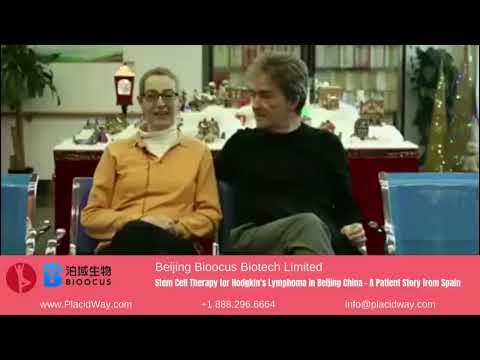

.png)


.png)
.png)









Share this listing