
Contents
When conventional treatments stall out, it is entirely normal to look beyond your own borders for a path forward. For many dealing with chronic, degenerative, or autoimmune conditions, that search leads straight to Beijing, where regenerative medicine is advancing rapidly. Traveling to China for stem cell therapy isn't just about booking a flight; it is about making a fiercely informed, deeply personal medical decision.
If you are exploring this option, expect baseline procedure costs to start around $17,000. While price is absolutely a factor, your safety dictates everything. Do not be swayed by sleek websites alone. Dig into the clinic’s actual credentials, ensuring they are strictly regulated by China’s National Medical Products Administration (NMPA) and hold verifiable, local laboratory accreditations. You deserve total transparency regarding cell sourcing and physician expertise before you ever pack a bag. Take a look at the comprehensive options listed below to see what aligns safely with your specific health journey.
Piecing together hotel stays, language barriers, and hospital transfers while managing a health condition is a logistical puzzle you do not need. That is exactly why inclusive medical tourism packages exist in Beijing. However, a solid package should actively remove friction from your clinical care, covering dedicated medical translators, airport-to-hospital transport, and essential post-treatment monitoring. Avoid bundles that prioritize tourist sightseeing over actual clinical rest and transparent lab fees. You need a package built around a strict medical protocol, not a vacation. Take a moment to review the treatment packages listed below side by side, comparing the clinical inclusions to find the best fit.

Price starting from $17,000
Stem Cell Therapy for Autism Package in Beijing, China by Puhua International Hospital
Beijing Tiantan Puhua International Hospital, Ltd in China
- Stem Cell Therapy
Beijing,China
Let’s talk numbers right away, because nobody managing a chronic illness should be blindsided by hidden medical bills. In Beijing, baseline stem cell treatments start at $17,000. This figure naturally fluctuates depending on your specific diagnosis, the required cell count, and whether your protocol demands multiple days of administration. While this requires a substantial financial commitment, it is often more accessible than parallel experimental treatments in the West. The absolute key is demanding itemized transparency know exactly what laboratory fees and specialist consultations are included. Review the detailed cost breakdowns below to clearly understand your financial options before taking the next step.
Stem Cell Therapy Centers Cost Comparison in Beijing, China
| Provider | Procedure | Price |
|---|---|---|
| Beijing Tiantan Puhua International Hospital, Ltd in China | Stem Cell Treatment for Autism, Stem Cell Therapy | $17000 |
| Beijing Tiantan Puhua International Hospital, Ltd in China | Stem Cell Treatment for Cerebral Palsy, Stem Cell Therapy | $17000 |
| Beijing Tiantan Puhua International Hospital, Ltd in China | CAR-T Cell Therapy (Chimeric Antigen Receptor T-Cell), Stem Cell Therapy | $150000 |
Stem Cell Therapy Cost Comparison in China
| Country | Procedure | Price |
|---|---|---|
| United States | Stem Cell Treatment for Cerebral Palsy, Stem Cell Therapy | $35000 |
| United States | Stem Cell Treatment for Cancer, Stem Cell Therapy | $140000 |
A beautiful waiting room and an enthusiastic international coordinator are nice, but they do not guarantee medical safety. When evaluating a regenerative medicine center in Beijing, you must look directly at their laboratory standards. Does the facility operate its own Good Manufacturing Practice (GMP) certified lab, or are they outsourcing cell cultivation? Can they provide independent validation of cell viability and safety screening? You are looking for uncompromising clinical rigor, so verify their local health department licenses. Take your time to compare the highly vetted, licensed clinics below to see which facility offers the transparency and safety you deserve.
Shijiazhuang Hetaiheng Kidney Hospital
Beijing,China
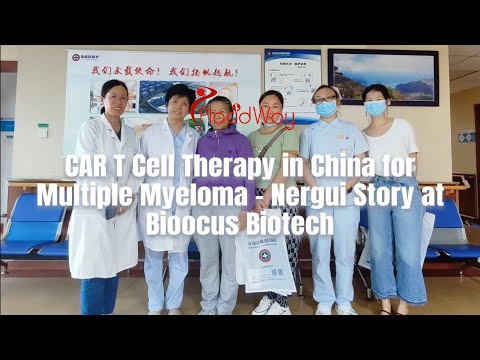
Medical marketing copy is easy to write, but active cleanrooms and actual patient outcomes are much harder to fake. Before flying halfway across the globe, you need visual confirmation of where you will be treated. Video tours bridge the massive gap between a static brochure and reality. They provide crucial context about a Beijing hospital's hygiene standards, the technology in their cell expansion labs, and how the medical staff actually interacts with international patients. It is an essential step in building genuine trust. Watch the facility tours and patient stories below to get a realistic look at the clinical environment.

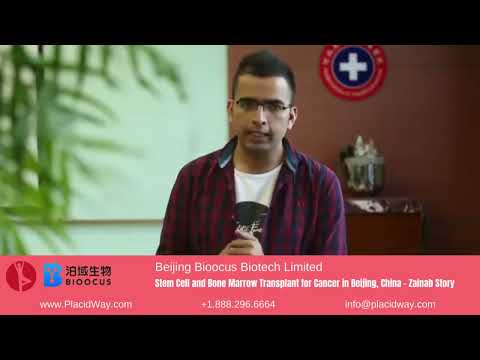
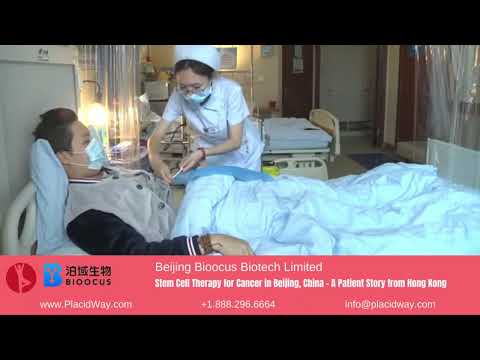
Five-star ratings are everywhere, but the real truth of an international medical journey lives in the unvarnished details of patient stories. You need to hear from people who have navigated the exact same path to China. Authentic reviews reveal the nuances of care. Did the medical translator accurately convey complex health data? How responsive was the Beijing clinical team when questions arose weeks after the patient flew home? You want to read about both the clinical triumphs and the practical logistical hurdles of receiving therapy abroad. Browse through the unedited patient reviews below to weigh the real-world experiences of past patients.

Is stem cell therapy strictly regulated in Beijing?
What types of stem cells are most commonly used for international patients in China?
How are the stem cells screened for diseases in Chinese labs?
Will I face a severe language barrier at the hospital?
How long should I expect to stay in Beijing for my treatment?
Do I need a special medical visa for China?
Is it safe to fly back home immediately after the stem cell injections?
What specific conditions do people travel to Beijing to treat with stem cells?
How do I pay for my treatment and daily expenses in Beijing?
Will the Beijing clinic provide follow-up care once I return to my home country?
What is the Average Price of Stem Cell Therapy for MS in Beijing, China?
Direct Answer: The average estimated price of stem cell therapy for MS in Beijing, China ranges between $20,000 and $50,000 USD. This cost varies heavily depending on the specific type of stem cell treatment required, the duration of hospital stay, and individual medical needs. Multiple sclerosis (MS) is a complex, chronic neurological condition that affects the central nervous system. As patients explore various management strategies alongside conventional therapies, many look into regenerative options abroad. Pursuing stem cell therapy for MS in Beijing, China has become an option for those researching alternative approaches. Understanding the estimated stem cell therapy for MS cost in Beijing, China, alongside the potential risks, medical logistics, and realistic expectations, is a necessary first step for anyone considering this journey. Key Takeaways Estimated costs range from $20,000 to $50,000 USD, though final pricing depends on individual treatment protocols. Available protocols primarily include Mesenchymal Stem Cell (MSC) therapy and Hematopoietic Stem Cell Transplantation (HSCT). Stem cell therapy is not a guaranteed cure for MS, and outcomes vary widely among patients. Consulting with your primary neurologist is essential before deciding to travel for cellular therapies abroad. Patients must factor in additional costs such as flights, visas, long-term accommodation, and required local aftercare. 1. What factors influence the cost of MS stem cell treatment in Beijing? The final price is heavily influenced by the specific therapy protocol (such as MSCs versus HSCT), the length of hospitalization, and the need for pre-treatment testing or specialized post-care. When requesting an estimate from a stem cell clinic in Beijing, China, you will likely receive a customized quote based on your specific medical history. The type of cells utilized plays a major role in pricing. Treatments utilizing Mesenchymal Stem Cells (MSCs), which aim to modulate the immune system and reduce inflammation, often sit at the lower to middle end of the pricing spectrum. In contrast, Hematopoietic Stem Cell Transplantation (HSCT) involves extracting your own stem cells, undergoing aggressive chemotherapy to suppress the immune system, and reintroducing the stem cells. Because HSCT requires intensive care, extended hospitalization, and rigorous infection control, it typically commands a much higher price. Furthermore, your baseline health condition might necessitate extra diagnostic imaging, specific supportive medications, or physical rehabilitation during your stay, all of which adjust the total expense. 2. What types of stem cell therapies are available for MS patients in China? Facilities in Beijing typically offer either Hematopoietic Stem Cell Transplantation (HSCT) or various forms of Mesenchymal Stem Cell (MSC) therapies derived from umbilical cord tissue, bone marrow, or adipose tissue. HSCT is an established, intensive procedure primarily aimed at patients with highly active relapsing-remitting MS (RRMS) who have not responded to conventional disease-modifying therapies. The goal of HSCT is to essentially "reboot" the immune system so it stops attacking the central nervous system. Because it involves chemotherapy, the physical toll is substantial, and patients require careful medical monitoring. Conversely, MSC therapy is often sought for its less invasive nature. MSCs are multipotent cells that researchers believe may help reduce neuroinflammation and promote tissue repair, though they are largely considered investigational. These cells can be harvested from the patient's own fat or bone marrow (autologous) or sourced from donated umbilical cord tissue (allogeneic). Your eligibility for either approach depends entirely on your specific MS subtype, disease progression, and overall physical health. Expert Insight: Medical organizations emphasize that while HSCT has shown clinical efficacy for specific subsets of MS patients, MSC therapies are still undergoing clinical trials to fully establish standard safety and efficacy protocols. Always discuss the evidence base of any proposed treatment with your home neurologist. 3. Who is typically considered a suitable candidate for this treatment? Suitable candidates are often those with relapsing-remitting MS who experience rapid disease progression despite using standard disease-modifying therapies, provided they are in good enough general health to tolerate the procedure. Candidacy depends heavily on the type of MS. For intensive treatments like HSCT, neurologists generally look for patients who have active inflammation visible on MRI scans and are experiencing frequent clinical relapses. Patients with progressive forms of MS (Primary Progressive or Secondary Progressive without active inflammation) often do not respond as well to HSCT, as the neurodegenerative phase of the disease may continue even if the immune system is reset. Eligibility for MSC therapy may have different criteria, but a thorough medical evaluation is always mandatory. A reputable facility will review your complete medical records, recent MRI scans, blood work, and comprehensive neurological history before suggesting treatment. Patients with severe co-existing medical conditions, active infections, or a history of certain cancers may be contraindicated for stem cell therapies. 4. How does the cost in Beijing compare to alternative medical destinations? Beijing often provides a mid-range pricing option compared to other global medical hubs, generally being more affordable than treatments in North America but sometimes carrying higher costs than destinations in Latin America or Southeast Asia. When analyzing medical tourism in China, it helps to look at the broader global landscape. In the United States or parts of Western Europe, complex stem cell protocols (especially HSCT) can easily exceed $100,000 USD and are often restricted by strict clinical trial enrollment criteria or insurance limitations. In contrast, Beijing offers specialized centers dedicated to international patients at a more accessible price point. However, Beijing is not the only destination for this care. Countries like Mexico, India, and Colombia also host clinics offering similar procedures, sometimes starting closer to the $15,000 to $25,000 range. When evaluating costs, patients must weigh the clinic's facility standards, the experience of the medical staff, and the specific regulations governing cellular therapy in each respective country. Destination Estimated Cost Range (USD) Key Considerations United States $80,000 - $125,000+ Strict eligibility, mostly restricted to clinical trials. Beijing, China $20,000 - $50,000 Variety of MSC and HSCT options for international patients. Mexico $15,000 - $35,000 Proximity to North America, focus on HSCT and MSCs. *Note: The prices listed above are estimates for educational purposes and do not represent guaranteed quotes. Medical fees fluctuate based on individual case complexity. 5. What are the potential risks and complications associated with the procedure? Risks vary significantly by treatment type; HSCT carries severe risks including life-threatening infections, while MSC therapies carry risks of infusion reactions, fever, or the possibility that the treatment provides no clinical benefit. Safety is the primary concern when considering experimental or intensive medical procedures abroad. HSCT involves high-dose chemotherapy, which depletes the white blood cells. This leaves patients severely immunocompromised and highly susceptible to viral, bacterial, and fungal infections during the recovery phase. There are also risks of organ toxicity, bleeding complications, and in severe cases, mortality related to the treatment process. Therapies involving MSCs generally bypass the need for chemotherapy, making them less physically taxing, but they are not risk-free. Potential complications include mild to moderate reactions at the injection site, transient fevers, headaches, and allergic reactions. The most significant "risk" for many patients considering MSC therapy is a financial one: the therapy may not halt disease progression or improve existing neurological deficits. Individual results vary heavily, and no reputable clinic will guarantee a cure. 6. How long do patients typically need to stay in Beijing for treatment and recovery? Treatment duration depends on the protocol; MSC therapy may require a stay of 2 to 4 weeks, whereas HSCT requires a much longer commitment of 4 to 8 weeks due to the extensive recovery period. Medical travel requires careful logistical planning. For MSC treatments, patients typically spend the first few days undergoing baseline testing and evaluations. The cell infusions are spread out over a couple of weeks, followed by a short period of observation before the patient is cleared to fly home. This timeline is generally manageable for those traveling with a support companion. HSCT is a much longer undertaking. The process involves stem cell mobilization and harvesting, followed by chemotherapy conditioning, the stem cell transplant itself, and an extended period of strict isolation while the immune system rebuilds. Patients must remain near the medical facility until their blood counts reach safe levels, allowing them to travel on an airplane without severe infection risks. You must factor these long accommodation stays into your overall budget. 7. What should international patients expect regarding post-treatment aftercare? Aftercare is vital and must be managed by your local healthcare providers once you return home; this includes routine blood work, neurological monitoring, and physical rehabilitation. Treatment does not end when you leave Beijing. In fact, the months following stem cell therapy are a critical period for recovery and monitoring. If you undergo HSCT, you will likely need ongoing support from a local hematologist and neurologist to monitor your immune system recovery and manage any lingering fatigue or delayed complications. Vaccinations usually need to be completely redone once the immune system has stabilized. If you receive MSC therapy, regular follow-ups with your home neurologist are necessary to evaluate disease progression via MRI scans and clinical assessments. It is imperative to establish a relationship with a local doctor willing to oversee your aftercare before you travel. Traveling abroad for medical care without a solid post-treatment plan in your home country can leave you vulnerable if complications arise. Important Consideration: Always request detailed medical records, discharge summaries, and a comprehensive list of medications administered during your stay in Beijing. Your home physicians will need these documents translated into your native language to provide safe and effective follow-up care. 8. Are the results of stem cell therapy for MS permanent? No medical authority considers stem cell therapy a permanent cure for MS; while some patients achieve long-term remission, others may experience disease activity returning over time. Multiple sclerosis is an unpredictable disease, and responses to cellular therapies reflect that variability. Clinical data regarding HSCT shows that a significant percentage of carefully selected patients experience a halt in inflammatory disease activity (no new MRI lesions or clinical relapses) for several years. However, this is not a universal outcome, and some patients do relapse eventually. For MSC therapies, the long-term durability of the effects is still being studied in clinical trials. Some patients report improvements in fatigue, mobility, or spasticity that last for months, while others may not notice significant changes. Patients should approach this treatment aiming for disease stabilization rather than a definitive, lifelong cure. 9. How can international patients prepare for medical travel to Beijing? Preparation involves securing the proper medical visas, arranging accessible accommodation, organizing comprehensive medical records, and consulting a travel health specialist. Traveling to China for medical reasons requires thorough administrative and physical preparation. Ensure your passport is valid for at least six months beyond your planned stay, and work with the clinic to obtain the necessary invitation letters required for an appropriate visa. Because MS can severely impact mobility, you should verify that your planned flights, airport transfers, and hotel accommodations are fully wheelchair accessible if needed. From a health perspective, visit a travel medicine clinic well in advance of your departure. They can advise you on safe food and water practices and discuss any specific travel health risks related to the region. Finally, compile a complete digital and physical folder of your medical history, including recent MRI discs, blood test results, and a current medication list. 10. What should patients look for when evaluating a stem cell clinic in Beijing, China? Patients should seek out clinics with transparent medical protocols, clearly documented credentialing, multidisciplinary neurological teams, and comprehensive pre-treatment evaluation processes. Choosing the right facility is a critical safety measure. You should look for hospitals or specialized centers that employ board-certified neurologists, immunologists, and intensive care specialists. A reputable clinic will be transparent about their safety protocols, the source and cultivation methods of their stem cells, and the potential risks involved in the treatment. Avoid facilities that promise a 100% success rate, market the treatment as completely risk-free, or pressure you into making immediate financial deposits. A responsible medical provider will encourage you to take time to make an informed decision and will willingly coordinate with your primary doctors at home. Why Choose PlacidWay for Medical Tourism in China? Navigating international healthcare options requires accurate information. PlacidWay serves as a global medical resource platform designed to help patients research their options factually. Access to Clinic Profiles: PlacidWay provides detailed information about international medical facilities, including their specializations and facility standards. Cost Comparisons: The platform allows users to review estimated cost ranges across various global destinations to better plan their medical budgets. Direct Provider Connections: Patients can use the platform to contact healthcare providers directly and request detailed, personalized medical information. Educational Resources: PlacidWay offers comprehensive guides on what to expect when pursuing medical tourism, covering procedural basics and logistical considerations. Initial Information Gathering: The service facilitates a streamlined way for patients to gather initial insights before consulting with their home physicians. Frequently Asked Questions Does health insurance cover stem cell therapy for MS in China? Most Western health insurance plans do not cover the cost of stem cell therapy for multiple sclerosis performed abroad, especially if the treatment is considered experimental. Patients typically pay out-of-pocket. What language support is typically available in Beijing hospitals? Many international departments within Beijing hospitals offer English-speaking medical staff and dedicated interpreters to help international patients communicate clearly with their healthcare team. Can I travel alone for MS treatment in Beijing? While it is physically possible to travel alone, doctors highly recommend bringing a companion. MS symptoms, combined with the fatigue of international travel and medical procedures, make having a support person essential. How are stem cells administered for multiple sclerosis? Depending on the specific protocol, stem cells are typically administered either intravenously (through an IV) or via a lumbar puncture (intrathecally) directly into the spinal canal. Do I need a specific visa for medical treatment in China? Yes, international patients usually need a specific visa to enter China for medical purposes. You will likely need to apply for an L-visa (tourist) or an S-visa/M-visa depending on your country of origin and the clinic's invitation letter. Can diet or medication interfere with stem cell therapy? Certain immunosuppressants, steroids, or other MS medications can interfere with stem cell treatments. Your treating neurologist will provide specific instructions on which medications to pause or adjust before your arrival. What is the difference between HSCT and MSC therapies? HSCT involves intensive chemotherapy to wipe out the immune system before rebooting it with blood-forming stem cells. MSC therapy uses mesenchymal stem cells to potentially modulate the immune system without the need for harsh chemotherapy. Are stem cell treatments for MS in China FDA-approved? No. The US FDA only regulates medical products within the United States. In China, medical procedures and cellular therapies are regulated by the National Medical Products Administration (NMPA). How soon might patients notice changes after treatment? Responses vary widely by individual. Some patients report subtle changes within a few weeks, while for others, evaluating the therapy's effect on disease progression takes several months to a year. Some may experience no benefit. Can I combine stem cell therapy with my current MS medications? This depends entirely on the specific therapy you receive and your doctor's medical advice. Many disease-modifying therapies (DMTs) must be temporarily stopped, while symptom-management medications might continue. Compare Treatment Options for MS Gather information, request estimated costs, and learn more about cellular therapies available internationally to make an informed healthcare decision. Request Treatment Information References Stem Cells and MS – National Multiple Sclerosis Society Multiple Sclerosis Information Page – National Institute of Neurological Disorders and Stroke (NINDS) Patient Guide to Stem Cell Treatments – International Society for Stem Cell Research (ISSCR) Traveler's Health: China – Centers for Disease Control and Prevention (CDC) Clinical Trials for Multiple Sclerosis – National Institutes of Health (NIH) Medical Tourism Q&A – World Health Organization (WHO) Medical Disclaimer: The information provided in this article is for educational and informational purposes only and does not constitute medical advice. Stem cell therapies for Multiple Sclerosis, including HSCT and MSC treatments, involve significant risks, may be considered experimental, and are not guaranteed to improve symptoms or halt disease progression. Outcomes vary heavily by individual. Always consult with a qualified, board-certified neurologist or healthcare professional in your home country before making any decisions regarding your health or traveling abroad for medical treatment.
How Much is the Cost of Stem Cell Therapy for Parkinson in Beijing, China?
The estimated cost of stem cell therapy for Parkinson's disease in Beijing, China, typically ranges from $15,000 to $35,000 per treatment cycle. Prices vary based on the stem cell type, clinic facility, and the patient's specific medical needs. Living with Parkinson's disease often drives patients and their families to seek out innovative and alternative treatments worldwide. If you are researching stem cell therapy for Parkinson in Beijing, China, you are likely looking for information on what these treatments entail, how much they cost, and what the scientific community says about their safety and effectiveness. Over the last decade, China has heavily invested in biotechnology and stem cell research, drawing international attention from patients seeking options outside their home countries. However, it is crucial to approach this topic with realistic expectations. Stem cell therapy for neurodegenerative diseases remains largely experimental. Understanding the potential financial commitment, the investigational nature of the treatment, and the logistics of traveling abroad is essential before making any healthcare decisions. Key Takeaways Costs generally range from $15,000 to $35,000, though complex cases or extended stays may increase the price. Treatment is considered investigational; there is currently no internationally recognized stem cell cure for Parkinson's disease. Protocols often utilize mesenchymal stem cells (MSCs) or neural stem cells, usually administered via IV or lumbar puncture. Patients should anticipate a stay of 10 to 21 days for evaluations, treatment, and initial observation. Consulting your primary neurologist before pursuing overseas medical care is absolutely essential for your safety. 1. What factors affect the stem cell therapy for Parkinson cost in Beijing, China? The price of stem cell therapy depends on the number of cell injections, the specific type of cells used, the facility's standards, and any required neurological evaluations. When evaluating the stem cell therapy for Parkinson cost in Beijing, China, it becomes apparent that pricing is rarely uniform. Facilities set their prices based on the complexity of their specific protocols. For instance, a program offering a single intravenous infusion of mesenchymal stem cells will typically cost less than a comprehensive, multi-week program involving intrathecal injections, intensive physical rehabilitation, and extended inpatient care. Other variables that influence the final cost include: Cell Source and Cultivation: Expanding and rigorously testing stem cells in a laboratory requires high-level biotechnology, which adds to the expense. Pre-treatment Diagnostics: Thorough neurological exams, MRI scans, and blood work are usually required to assess suitability. Inpatient Care: Many packages include room and board in a specialized medical facility for the patient and a companion. 2. What types of stem cells are typically utilized for Parkinson's? Clinics in Beijing often utilize mesenchymal stem cells (MSCs) or neural stem cells, though protocols vary significantly between facilities and ongoing clinical trials. Researchers investigating treatments for Parkinson's disease primarily focus on replacing damaged dopamine-producing neurons or protecting existing ones from further degeneration. In Beijing, many experimental treatments rely on Mesenchymal Stem Cells (MSCs). These cells are typically harvested from umbilical cord tissue, bone marrow, or adipose (fat) tissue. They are favored in many trials because they are generally easier to harvest and may have immunomodulatory properties that help reduce inflammation in the brain. Some more advanced research institutions may explore neural stem cells, which have the theoretical potential to differentiate directly into neurons. However, it is vital to understand that the behavior of stem cells once introduced into the human body can be unpredictable, and standardizing cell types and dosages remains a significant hurdle in global clinical research. 3. Is stem cell therapy a guaranteed cure for Parkinson's disease? No, stem cell therapy is currently an investigational treatment for Parkinson's disease, and there is no medically recognized cure at this time. It is crucial to approach any claims of a "cure" with extreme caution. Global health authorities, including the International Society for Stem Cell Research (ISSCR), emphasize that while stem cells hold incredible promise for the future, current therapies for neurodegenerative diseases are experimental. They have not yet been proven safe or effective in large-scale, randomized, controlled clinical trials. Patients pursuing this treatment are often hoping for symptom management—such as reduced tremors, improved motor function, or a slower progression of the disease. However, outcomes vary drastically from patient to patient. Some individuals report temporary improvements, while others experience no clinical benefit. Therefore, this therapy should only be considered an investigational attempt rather than a definitive medical solution. Important Consideration: Never discontinue or alter your standard Parkinson's medications (such as Levodopa) to pursue experimental treatments. Doing so can lead to a severe worsening of motor and non-motor symptoms. 4. What is usually included in a treatment package? A typical package often includes the stem cell injections, pre-treatment neurological testing, hospital stay, basic medications, and airport transfers. Facilities catering to international patients usually bundle their services to make the process easier for travelers. When evaluating a stem cell therapy for Parkinson clinic in Beijing, China, you should carefully review the itemized breakdown of what is included. A comprehensive package frequently covers: Initial consultations and review of your home-country medical records. Pre-treatment lab work, blood tests, and vital sign monitoring. The stem cell cultivation and administration procedures. Inpatient accommodation for a specified number of days. Basic supportive therapies, which may include physical therapy or traditional Chinese medicine (acupuncture). Always ask explicitly what happens if unforeseen medical complications arise, as emergency medical care or extended hospital stays may incur significant additional costs outside the quoted package. 5. How long is the expected stay for medical tourism in Beijing, China? International patients should anticipate staying in Beijing for 10 to 21 days to complete medical evaluations, the treatment protocol, and initial observation. Participating in medical tourism in Beijing, China for a complex neurological condition is not a brief trip. The body requires time to undergo pre-screening, receive the treatments, and be monitored for immediate adverse reactions. Typically, the first few days are dedicated to consultations, imaging, and lab work to ensure you are healthy enough for the procedure. The administration of the stem cells may happen in a single day or be spaced out over several days. Following the treatment, a mandatory observation period of several days ensures that any immediate complications—such as fever, allergic reactions, or infection at the injection site—can be managed promptly by the medical team before you are cleared to fly home. 6. What are the potential risks and complications of this treatment? Potential risks include infection at the injection site, immune rejection, tumor formation, and unforeseen worsening of neurological symptoms. Patient safety must always be the top priority. Because stem cell therapy for Parkinson's is investigational, the long-term safety profile is not fully understood. It is absolutely essential to discuss these risks with an independent, appropriately qualified healthcare professional before traveling. Risks associated with unproven stem cell treatments may include: Infection: Any invasive procedure, especially a lumbar puncture, carries a risk of introducing bacteria into the central nervous system. Immune Reaction: If the stem cells are from a donor (allogeneic), the body's immune system may attack them, causing severe inflammation. Inappropriate Cell Growth: Transplanted cells can theoretically multiply unchecked, potentially leading to the formation of tumors or unwanted tissue types. 7. How do patients prepare for treatment in China? Preparation involves consulting your local neurologist, gathering detailed medical records, and undergoing thorough pre-screening to determine if you are a suitable candidate. Preparation begins long before boarding a flight. First, you must have an open and honest conversation with the physician currently managing your Parkinson's. They can help you understand whether you are well enough to travel and undergo experimental procedures. Once you decide to explore options, you will need to gather comprehensive medical records. This typically includes recent MRI scans, a detailed history of your Parkinson's progression, a complete list of current medications (including dosages), and reports on any other existing health conditions (such as diabetes or heart disease). Clinics abroad will review these documents to perform an initial remote assessment of your eligibility. 8. How is the stem cell procedure actually administered? Depending on the clinic's protocol, stem cells may be administered via intravenous (IV) drip or intrathecal injection into the spinal canal to reach the central nervous system. Because Parkinson's disease affects the brain, delivering stem cells to the central nervous system is a complex challenge due to the blood-brain barrier. Clinics employ different administration methods based on their specific research protocols. An intravenous (IV) infusion is the least invasive method, where cells are dripped into a vein over a few hours. However, many experts debate how effectively IV-administered cells can reach the brain. A more targeted approach is an intrathecal injection, commonly known as a lumbar puncture or spinal tap. In this procedure, cells are injected directly into the cerebrospinal fluid, allowing them a more direct route to the brain. This method carries higher risks, including spinal headaches, bleeding, and nerve damage. 9. What should patients expect regarding follow-up and aftercare? Aftercare requires ongoing monitoring by a local neurologist in your home country, as well as continued use of prescribed Parkinson's medications and physical therapy. Medical care does not end once you return home. Because you are receiving an investigational treatment abroad, it is highly likely that your home-country doctors will need to monitor you for any delayed side effects or complications. Ensure you bring back fully translated, detailed medical reports detailing the exact type, quantity, and administration method of the cells you received. You will need to continue your standard disease management plan, including taking your prescribed Levodopa or other medications. Physical therapy, speech therapy, and routine neurological check-ups remain critical components of managing Parkinson's disease, regardless of any alternative therapies you pursue. Why Choose PlacidWay for Medical Tourism? Navigating international healthcare options can be overwhelming. PlacidWay serves as a global medical tourism resource to help patients research and compare facilities. Educational Platform: Access comprehensive information about various medical procedures and international destinations. Global Network: Compare healthcare facilities and medical programs across different countries to find options that align with your needs. Cost Transparency: Review estimated pricing models from various international centers to better understand potential medical expenses. Direct Communication: Connect with international clinics to ask specific questions about their protocols, technologies, and patient requirements. Multilingual Support Resources: Access resources that help bridge communication gaps when exploring healthcare options in foreign countries. Frequently Asked Questions (FAQs) Is stem cell therapy for Parkinson's fully approved in China? Stem cell therapy for Parkinson's disease is generally considered an investigational treatment in China, just as it is in most parts of the world. While some hospitals and research centers operate under specific regional approvals or clinical trial guidelines, it is not a universally standardized or globally approved cure. Will I need a medical visa for treatment in Beijing? Most international patients traveling for medical care will need to apply for a specific visa, such as an L (Tourist) or S (Private Visit) visa, depending on the length of stay and the clinic's official documentation. You should consult the nearest Chinese embassy with your medical invitation letter for exact requirements. Can health insurance cover stem cell treatment in China? Because stem cell therapy for Parkinson's is largely classified as experimental or investigational, standard domestic and international health insurance plans typically do not cover the procedure or associated travel costs. Patients usually pay entirely out-of-pocket. Do Beijing clinics provide English translation services? Many facilities that cater to international patients provide in-house English-speaking coordinators or translation services to help explain medical procedures, consent forms, and daily instructions. It is highly recommended to confirm this availability before booking. How many stem cell sessions are generally recommended? The number of sessions varies widely depending on the clinic's specific protocol and the patient's condition. Some programs involve a single intensive treatment cycle over a few weeks, while others may suggest multiple visits spread across several months. Are there hidden fees I should look out for? While reputable facilities provide comprehensive quotes, patients should always ask if pre-treatment neurological scans (like MRIs), specialized blood tests, post-treatment medications, and extended hospital stays are included in the base package or billed separately. How long after treatment might someone notice changes? Because this is an investigational therapy, outcomes are highly unpredictable. Some patients report subjective improvements in stiffness or tremors within weeks, while others may experience no noticeable changes at all. Results are never guaranteed. Can I stop taking Levodopa after stem cell therapy? No. Stem cell therapy is not a replacement for traditional Parkinson's medications. You should never alter, reduce, or stop your prescribed medications, such as Levodopa, without direct supervision and guidance from your primary neurologist. What happens if I experience a complication back home? If complications arise after returning home, you must seek immediate care from your local healthcare providers or an emergency department. It is crucial to provide your local medical team with detailed records of the exact treatment you received abroad. Are mesenchymal stem cells safe for neurological conditions? Mesenchymal stem cells (MSCs) are widely researched for their potential anti-inflammatory properties, but their safety and efficacy for neurodegenerative diseases like Parkinson's are still being evaluated in clinical trials. Unproven therapies carry risks of infection, immune reaction, and unforeseen complications. Explore Your Medical Options Safely Gather the information you need to make an informed decision about healthcare abroad. Compare options, request estimates, and connect with global facilities. Request Treatment Information Medical Disclaimer: The information provided in this article is for educational purposes only and does not constitute medical advice, diagnosis, or treatment planning. Stem cell therapy for Parkinson's disease is considered investigational by major global health authorities and is not a recognized cure. Outcomes, risks, and recovery vary significantly by patient. Always consult with a qualified neurologist or primary healthcare provider before considering any experimental medical treatments or traveling abroad for healthcare. References Patient Resources regarding Stem Cell Treatments – International Society for Stem Cell Research (ISSCR) Stem Cells and Parkinson's Disease – Parkinson's Foundation FDA Warns About Stem Cell Therapies – U.S. Food and Drug Administration Stem Cells and Parkinson's Research – The Michael J. Fox Foundation for Parkinson's Research Clinical Trials of Stem Cell Therapy for Parkinson's Disease (Review) – National Institutes of Health (NIH) / PubMed Questions and Answers on Medical Tourism – World Health Organization (WHO) Mesenchymal Stem Cells for Neurological Disorders – Stem Cells Translational Medicine Journal
Regenerative medicine is a highly nuanced field, meaning your treating physician in China needs to be far more than just a general practitioner. You require a specialist who deeply understands your underlying condition. Do not hesitate to verify their specific credentials. Where did they train, and are they actively publishing peer-reviewed research on stem cell protocols? A trustworthy doctor will gladly discuss the realistic limitations and potential risks of the therapy, rather than just selling you on the benefits. Evaluate the medical specialists below to find a doctor whose clinical expertise and ethical approach directly match your diagnosis.

Traveling to China for medical care is a significant life event, requiring careful logistical planning alongside your health preparations. Beijing has rapidly become a global powerhouse for biotechnology and stem cell research, largely due to heavy government backing and a regulatory environment that expedites the clinical application of regenerative therapies. Patients frequently travel here from North America, Europe, Australia, and the Middle East—regions where strict regulatory red tape often keeps promising cell therapies locked in clinical trials for decades.
Arrival and Logistics
Beijing is highly accessible via two world-class transit hubs: Beijing Capital International Airport (PEK) and the newer, sprawling Beijing Daxing International Airport (PKX). Navigating a massive foreign city while dealing with a health condition is daunting, which is why your accredited clinic will almost always arrange a dedicated, English-speaking driver to meet you directly at the arrivals gate. This immediate support bypasses the stress of navigating the city's vast transit network on your own.
Estimated Flight Times to Beijing
| Departure Region | Average Flight Duration | Common Routing |
|---|---|---|
| North America (West Coast) | 11 - 13 Hours | Direct flights available (SFO/LAX to PEK) |
| North America (East Coast) | 14 - 16 Hours | Usually requires 1 stop (via Tokyo or Seoul) |
| Western Europe | 10 - 12 Hours | Direct flights available (LHR/FRA to PEK) |
| Australia | 11 - 12 Hours | Direct flights available (SYD/MEL to PEK) |
Important Travel Considerations
- Visas are Mandatory: Most international travelers require a visa to enter China. Depending on the length of your clinical protocol, you will need either a standard Tourist Visa (L Visa) or a Medical/Private Visit Visa (S2 Visa). Your clinic will provide an official invitation letter to expedite this.
- Digital Payments Rule the City: Cash is rarely used in Beijing, and foreign credit cards are often not accepted at local restaurants or shops. Before you fly, download Alipay or WeChat and bind your international card to ensure you can pay for daily incidentals effortlessly.
- Digital Communication: Many standard Western apps (like Google, WhatsApp, and Facebook) are blocked in China. You will need to arrange a reliable VPN prior to departure or purchase an international e-SIM with data roaming to stay connected with your family.


















Share this listing