
Understanding the Cost of Stem Cell Therapy for Parkinson’s in Beijing, China
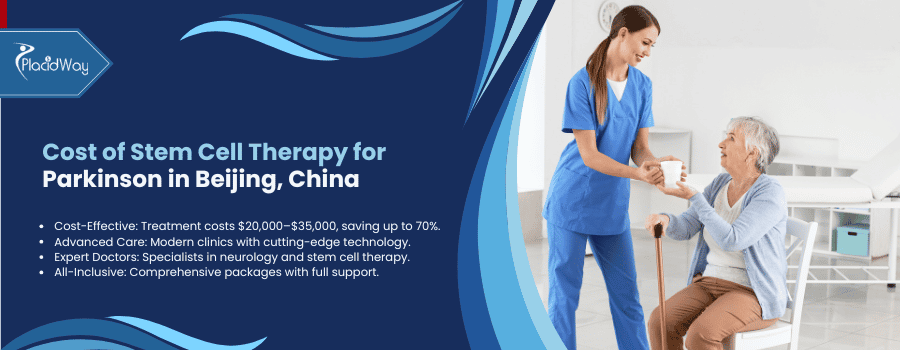
Living with Parkinson's disease often drives patients and their families to seek out innovative and alternative treatments worldwide. If you are researching stem cell therapy for Parkinson in Beijing, China, you are likely looking for information on what these treatments entail, how much they cost, and what the scientific community says about their safety and effectiveness. Over the last decade, China has heavily invested in biotechnology and stem cell research, drawing international attention from patients seeking options outside their home countries.
However, it is crucial to approach this topic with realistic expectations. Stem cell therapy for neurodegenerative diseases remains largely experimental. Understanding the potential financial commitment, the investigational nature of the treatment, and the logistics of traveling abroad is essential before making any healthcare decisions.
Key Takeaways
- Costs generally range from $15,000 to $35,000, though complex cases or extended stays may increase the price.
- Treatment is considered investigational; there is currently no internationally recognized stem cell cure for Parkinson's disease.
- Protocols often utilize mesenchymal stem cells (MSCs) or neural stem cells, usually administered via IV or lumbar puncture.
- Patients should anticipate a stay of 10 to 21 days for evaluations, treatment, and initial observation.
- Consulting your primary neurologist before pursuing overseas medical care is absolutely essential for your safety.
1. What factors affect the stem cell therapy for Parkinson cost in Beijing, China?
When evaluating the stem cell therapy for Parkinson cost in Beijing, China, it becomes apparent that pricing is rarely uniform. Facilities set their prices based on the complexity of their specific protocols. For instance, a program offering a single intravenous infusion of mesenchymal stem cells will typically cost less than a comprehensive, multi-week program involving intrathecal injections, intensive physical rehabilitation, and extended inpatient care.
Other variables that influence the final cost include:
- Cell Source and Cultivation: Expanding and rigorously testing stem cells in a laboratory requires high-level biotechnology, which adds to the expense.
- Pre-treatment Diagnostics: Thorough neurological exams, MRI scans, and blood work are usually required to assess suitability.
- Inpatient Care: Many packages include room and board in a specialized medical facility for the patient and a companion.
2. What types of stem cells are typically utilized for Parkinson's?
Researchers investigating treatments for Parkinson's disease primarily focus on replacing damaged dopamine-producing neurons or protecting existing ones from further degeneration. In Beijing, many experimental treatments rely on Mesenchymal Stem Cells (MSCs). These cells are typically harvested from umbilical cord tissue, bone marrow, or adipose (fat) tissue. They are favored in many trials because they are generally easier to harvest and may have immunomodulatory properties that help reduce inflammation in the brain.
Some more advanced research institutions may explore neural stem cells, which have the theoretical potential to differentiate directly into neurons. However, it is vital to understand that the behavior of stem cells once introduced into the human body can be unpredictable, and standardizing cell types and dosages remains a significant hurdle in global clinical research.
3. Is stem cell therapy a guaranteed cure for Parkinson's disease?
It is crucial to approach any claims of a "cure" with extreme caution. Global health authorities, including the International Society for Stem Cell Research (ISSCR), emphasize that while stem cells hold incredible promise for the future, current therapies for neurodegenerative diseases are experimental. They have not yet been proven safe or effective in large-scale, randomized, controlled clinical trials.
Patients pursuing this treatment are often hoping for symptom management—such as reduced tremors, improved motor function, or a slower progression of the disease. However, outcomes vary drastically from patient to patient. Some individuals report temporary improvements, while others experience no clinical benefit. Therefore, this therapy should only be considered an investigational attempt rather than a definitive medical solution.
4. What is usually included in a treatment package?
Facilities catering to international patients usually bundle their services to make the process easier for travelers. When evaluating a stem cell therapy for Parkinson clinic in Beijing, China, you should carefully review the itemized breakdown of what is included. A comprehensive package frequently covers:
- Initial consultations and review of your home-country medical records.
- Pre-treatment lab work, blood tests, and vital sign monitoring.
- The stem cell cultivation and administration procedures.
- Inpatient accommodation for a specified number of days.
- Basic supportive therapies, which may include physical therapy or traditional Chinese medicine (acupuncture).
Always ask explicitly what happens if unforeseen medical complications arise, as emergency medical care or extended hospital stays may incur significant additional costs outside the quoted package.
5. How long is the expected stay for medical tourism in Beijing, China?
Participating in medical tourism in Beijing, China for a complex neurological condition is not a brief trip. The body requires time to undergo pre-screening, receive the treatments, and be monitored for immediate adverse reactions.
Typically, the first few days are dedicated to consultations, imaging, and lab work to ensure you are healthy enough for the procedure. The administration of the stem cells may happen in a single day or be spaced out over several days. Following the treatment, a mandatory observation period of several days ensures that any immediate complications—such as fever, allergic reactions, or infection at the injection site—can be managed promptly by the medical team before you are cleared to fly home.
6. What are the potential risks and complications of this treatment?
Patient safety must always be the top priority. Because stem cell therapy for Parkinson's is investigational, the long-term safety profile is not fully understood. It is absolutely essential to discuss these risks with an independent, appropriately qualified healthcare professional before traveling.
Risks associated with unproven stem cell treatments may include:
- Infection: Any invasive procedure, especially a lumbar puncture, carries a risk of introducing bacteria into the central nervous system.
- Immune Reaction: If the stem cells are from a donor (allogeneic), the body's immune system may attack them, causing severe inflammation.
- Inappropriate Cell Growth: Transplanted cells can theoretically multiply unchecked, potentially leading to the formation of tumors or unwanted tissue types.
7. How do patients prepare for treatment in China?
Preparation begins long before boarding a flight. First, you must have an open and honest conversation with the physician currently managing your Parkinson's. They can help you understand whether you are well enough to travel and undergo experimental procedures.
Once you decide to explore options, you will need to gather comprehensive medical records. This typically includes recent MRI scans, a detailed history of your Parkinson's progression, a complete list of current medications (including dosages), and reports on any other existing health conditions (such as diabetes or heart disease). Clinics abroad will review these documents to perform an initial remote assessment of your eligibility.
8. How is the stem cell procedure actually administered?
Because Parkinson's disease affects the brain, delivering stem cells to the central nervous system is a complex challenge due to the blood-brain barrier. Clinics employ different administration methods based on their specific research protocols.
An intravenous (IV) infusion is the least invasive method, where cells are dripped into a vein over a few hours. However, many experts debate how effectively IV-administered cells can reach the brain. A more targeted approach is an intrathecal injection, commonly known as a lumbar puncture or spinal tap. In this procedure, cells are injected directly into the cerebrospinal fluid, allowing them a more direct route to the brain. This method carries higher risks, including spinal headaches, bleeding, and nerve damage.
9. What should patients expect regarding follow-up and aftercare?
Medical care does not end once you return home. Because you are receiving an investigational treatment abroad, it is highly likely that your home-country doctors will need to monitor you for any delayed side effects or complications. Ensure you bring back fully translated, detailed medical reports detailing the exact type, quantity, and administration method of the cells you received.
You will need to continue your standard disease management plan, including taking your prescribed Levodopa or other medications. Physical therapy, speech therapy, and routine neurological check-ups remain critical components of managing Parkinson's disease, regardless of any alternative therapies you pursue.
Why Choose PlacidWay for Medical Tourism?
Navigating international healthcare options can be overwhelming. PlacidWay serves as a global medical tourism resource to help patients research and compare facilities.
- Educational Platform: Access comprehensive information about various medical procedures and international destinations.
- Global Network: Compare healthcare facilities and medical programs across different countries to find options that align with your needs.
- Cost Transparency: Review estimated pricing models from various international centers to better understand potential medical expenses.
- Direct Communication: Connect with international clinics to ask specific questions about their protocols, technologies, and patient requirements.
- Multilingual Support Resources: Access resources that help bridge communication gaps when exploring healthcare options in foreign countries.
Frequently Asked Questions (FAQs)
Is stem cell therapy for Parkinson's fully approved in China?
Stem cell therapy for Parkinson's disease is generally considered an investigational treatment in China, just as it is in most parts of the world. While some hospitals and research centers operate under specific regional approvals or clinical trial guidelines, it is not a universally standardized or globally approved cure.
Will I need a medical visa for treatment in Beijing?
Most international patients traveling for medical care will need to apply for a specific visa, such as an L (Tourist) or S (Private Visit) visa, depending on the length of stay and the clinic's official documentation. You should consult the nearest Chinese embassy with your medical invitation letter for exact requirements.
Can health insurance cover stem cell treatment in China?
Because stem cell therapy for Parkinson's is largely classified as experimental or investigational, standard domestic and international health insurance plans typically do not cover the procedure or associated travel costs. Patients usually pay entirely out-of-pocket.
Do Beijing clinics provide English translation services?
Many facilities that cater to international patients provide in-house English-speaking coordinators or translation services to help explain medical procedures, consent forms, and daily instructions. It is highly recommended to confirm this availability before booking.
How many stem cell sessions are generally recommended?
The number of sessions varies widely depending on the clinic's specific protocol and the patient's condition. Some programs involve a single intensive treatment cycle over a few weeks, while others may suggest multiple visits spread across several months.
Are there hidden fees I should look out for?
While reputable facilities provide comprehensive quotes, patients should always ask if pre-treatment neurological scans (like MRIs), specialized blood tests, post-treatment medications, and extended hospital stays are included in the base package or billed separately.
How long after treatment might someone notice changes?
Because this is an investigational therapy, outcomes are highly unpredictable. Some patients report subjective improvements in stiffness or tremors within weeks, while others may experience no noticeable changes at all. Results are never guaranteed.
Can I stop taking Levodopa after stem cell therapy?
No. Stem cell therapy is not a replacement for traditional Parkinson's medications. You should never alter, reduce, or stop your prescribed medications, such as Levodopa, without direct supervision and guidance from your primary neurologist.
What happens if I experience a complication back home?
If complications arise after returning home, you must seek immediate care from your local healthcare providers or an emergency department. It is crucial to provide your local medical team with detailed records of the exact treatment you received abroad.
Are mesenchymal stem cells safe for neurological conditions?
Mesenchymal stem cells (MSCs) are widely researched for their potential anti-inflammatory properties, but their safety and efficacy for neurodegenerative diseases like Parkinson's are still being evaluated in clinical trials. Unproven therapies carry risks of infection, immune reaction, and unforeseen complications.
Explore Your Medical Options Safely
Gather the information you need to make an informed decision about healthcare abroad. Compare options, request estimates, and connect with global facilities.
Request Treatment InformationReferences
- Patient Resources regarding Stem Cell Treatments – International Society for Stem Cell Research (ISSCR)
- Stem Cells and Parkinson's Disease – Parkinson's Foundation
- FDA Warns About Stem Cell Therapies – U.S. Food and Drug Administration
- Stem Cells and Parkinson's Research – The Michael J. Fox Foundation for Parkinson's Research
- Clinical Trials of Stem Cell Therapy for Parkinson's Disease (Review) – National Institutes of Health (NIH) / PubMed
- Questions and Answers on Medical Tourism – World Health Organization (WHO)
- Mesenchymal Stem Cells for Neurological Disorders – Stem Cells Translational Medicine Journal



























Share this listing