


Comprehensive Stem Cell Treatment for Autism in Beijing, China
Securing effective Stem Cell Treatment for Autism in Beijing, China is becoming a priority for many families seeking advanced regenerative medicine solutions for Autism Spectrum Disorder (ASD). As medical research advances, Beijing has emerged as a global hub for cellular therapies, offering state-of-the-art facilities that utilize Mesenchymal Stem Cells (MSCs) to potentially alleviate symptoms associated with autism. By choosing this destination, patients gain access to highly specialized medical protocols that focus on neural regeneration and immunomodulation, which are central to modern ASD therapeutic approaches.
The decision to pursue Stem Cell Treatment for Autism in Beijing, China is often driven by the combination of medical expertise and cost-efficiency available in the region. Unlike many Western countries where regulations may restrict the availability of certain cellular therapies, Beijing offers authorized, hospital-based treatments under strict safety guidelines. Families looking for alternatives to traditional behavioral therapies often find that Beijing’s medical institutions provide a holistic environment where advanced science meets compassionate care, making high-quality treatment accessible at a fraction of the global average cost.
Key Highlights of Autism Regenerative Therapy in Beijing
- Advanced Cellular Technology: Clinics in Beijing utilize high-quality Umbilical Cord Mesenchymal Stem Cells (UC-MSCs), known for their superior regenerative capabilities and safety profile for pediatric patients.
- Significant Cost Savings: Patients can save between 40% to 60% on treatment costs compared to available experimental therapies in the United States or Europe without compromising on safety standards.
- Experienced Medical Teams: Beijing is home to neuro-regenerative specialists who have performed thousands of stem cell procedures, ensuring a high level of expertise in treating neurodevelopmental disorders.
- Comprehensive Care Approach: The treatment packages typically include not just the injection, but also supportive therapies such as Traditional Chinese Medicine (TCM) and rehabilitation to maximize results.
- Regulated Environment: Major hospitals offering this procedure in Beijing adhere to strict biological laboratory standards to ensure the purity, potency, and sterility of the stem cells used.
- Short Recovery Time: The minimally invasive nature of the procedure allows families to return home relatively quickly, minimizing the disruption to the child's routine and schooling.
Cost Overview and Comparison for Stem Cell Treatment for Autism in Beijing, China
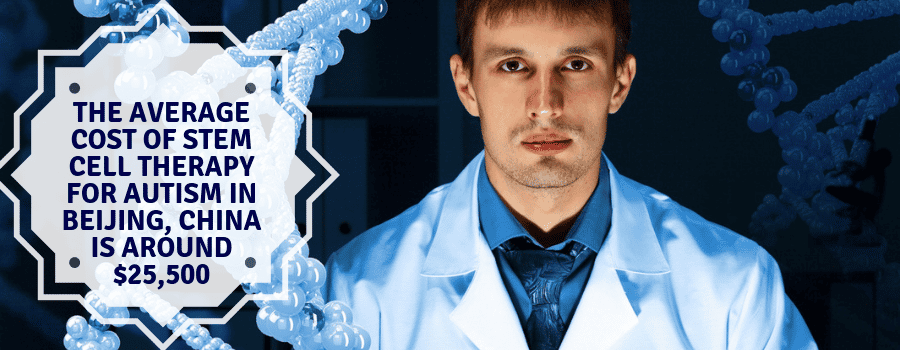
The financial aspect of medical care is a crucial factor for families, and the Stem Cell Treatment for Autism in Beijing, China stands out for its affordability. While prices can fluctuate based on the specific number of cell counts required and the patient's weight, Beijing consistently offers a more economical price point than other developed nations. This cost difference is largely due to the lower cost of living and operational overheads in China, rather than a reduction in medical quality.
| Country | Estimated Cost (USD) | Estimated Savings |
|---|---|---|
| Beijing, China | $15,000 - $25,000 | - |
| United States | $35,000 - $60,000+ | 50% - 60% |
| United Kingdom | $30,000 - $50,000 | 40% - 50% |
| Canada | $32,000 - $55,000 | 45% - 55% |
Note: The prices listed above are estimates and may vary depending on the complexity of the procedure, the number of stem cell injections required, and the specific condition of the patient.
What’s Included in the Stem Cell Treatment for Autism Package
- Comprehensive Medical Evaluation: Complete neurological assessments, blood work, and general health screenings prior to the procedure to ensure patient safety.
- Stem Cell Procedure: Administration of Umbilical Cord Mesenchymal Stem Cells (UC-MSCs) via Intravenous (IV) drip or Intrathecal injection (lumbar puncture) as determined by the specialist.
- Hospital Stay: In-patient accommodation at the medical facility for the duration of the treatment observation period (typically 3 to 7 days).
- Medical Team Fees: Professional fees for the lead neurologist, stem cell specialists, anesthesiologists, and nursing staff dedicated to the patient's care.
- Medications and Supplies: All necessary medical supplies, disposables, and medications required during the hospital stay and immediate post-treatment phase.
- Translation Services: English-speaking medical coordinators or translators to assist with communication between the family and the local medical staff.
What’s Not Included in the Stem Cell Treatment for Autism Package
- International Travel: Round-trip airfare to and from Beijing, China is the responsibility of the patient and their family.
- Accommodation Outside Hospital: Hotel stays before admission or after discharge for recovery or tourism purposes are not included.
- Visa Fees: Costs associated with obtaining a Chinese medical or tourist visa for the patient and accompanying family members.
- External Meals and Personal Expenses: Meals outside of the hospital dietary plan, laundry, phone calls, and sightseeing expenses are not covered.
- Travel Insurance: Comprehensive travel and medical complication insurance is highly recommended but must be purchased independently.
Understanding Stem Cell Treatment for Autism in Beijing
Before committing to the procedure, it is vital to understand the scientific basis and methodology of Stem Cell Treatment for Autism in Beijing. This therapy is considered a form of regenerative medicine designed to repair neural damage and improve immune system regulation.
- Purpose of Treatment: The primary goal is to address the underlying biological issues often found in autism, such as hypoperfusion (low blood flow) in the brain and chronic neuroinflammation. Stem cells help by modulating the immune system and promoting better blood flow and neural connectivity.
- Type of Stem Cells Used: Most top-tier clinics in Beijing utilize Umbilical Cord Mesenchymal Stem Cells (UC-MSCs). These are allogeneic cells (from a healthy donor), which are "immunologically privileged," meaning they are rarely rejected by the recipient's body and do not require heavy immunosuppressant drugs.
- Mechanism of Action: Once introduced into the body, these cells migrate to areas of inflammation. They release trophic factors that encourage the repair of damaged tissue, reduce gut and brain inflammation, and stimulate the growth of new blood vessels (angiogenesis).
- Methods of Administration: The cells are typically administered via Intravenous (IV) infusion, which is non-invasive and painless, or via Intrathecal injection (into the spinal canal) to ensure the cells bypass the blood-brain barrier for maximum effectiveness in the central nervous system.
- Expected Recovery Time: The procedure itself is quick, taking only a few hours. Physical recovery is almost immediate, though patients are observed for a few days. The "biological recovery" or the time it takes to see results typically spans from 3 to 6 months post-treatment.
- Success Rate Indicators: While "cure" is not the correct term, clinical data from Beijing indicates that a significant percentage of patients show improvements in eye contact, attention span, social interaction, and reduction in repetitive behaviors.
Who Is the Ideal Candidate for Stem Cell Treatment for Autism?
- Diagnosed with ASD: The patient must have a confirmed medical diagnosis of Autism Spectrum Disorder from a qualified physician or neurologist.
- Age Considerations: While treatment can be administered to adults, the most significant improvements are often observed in children and adolescents (ages 3 to 18) due to higher neuroplasticity.
- Free of Active Infections: Candidates must not have active viral or bacterial infections (such as pneumonia or severe flu) at the time of treatment.
- No Cancer History: Patients with a history of cancer or active malignancy are generally excluded from stem cell therapies due to safety protocols.
- Stable General Health: The child should be in good general health with stable vital signs, ensuring they can tolerate the travel and the minor sedation sometimes required for lumbar punctures.
- Family Support: An ideal candidate has a supportive family willing to continue behavioral, speech, and occupational therapies at home, which work synergistically with the stem cell treatment.
Day-by-Day Itinerary for Your Stem Cell Treatment for Autism in Beijing
- Day 1: Arrival and Admission: Arrive in Beijing. Transfer to the hospital facility. Complete admission paperwork, initial consultation with the lead specialist, and undergo pre-treatment blood tests and physical checks.
- Day 2: Preparation and Baseline Assessment: Detailed neurological evaluation to establish a baseline. The medical team prepares the specific stem cell culture. The patient rests and acclimates to the hospital environment.
- Day 3: First Stem Cell Administration: The first round of stem cells is administered, typically via IV infusion. The process takes about 30 to 60 minutes. Vital signs are monitored closely for several hours post-procedure.
- Day 4: Observation and Adjunctive Therapy: A rest day combined with supportive therapies such as hyperbaric oxygen therapy (if included) or light rehabilitation sessions. Doctors monitor for any immediate reactions.
- Day 5: Second Stem Cell Administration (If Applicable): For protocols requiring multiple doses, the second administration (IV or Intrathecal) occurs on this day. This maximizes the therapeutic load.
- Day 6: Final Evaluation: Post-treatment review by the lead doctor. Discussion of discharge instructions, nutritional advice, and supplements. Final check of the injection site.
- Day 7: Discharge and Departure: The patient is discharged from the hospital. Families may choose to fly home immediately or stay in a local hotel for a few extra days of sightseeing before departure.
What to Expect from Your Stem Cell Treatment for Autism in Beijing
Managing expectations is key to a successful medical journey. Families undergoing Stem Cell Treatment for Autism in Beijing should understand that this therapy is an intervention to improve quality of life, not a guaranteed overnight cure. Immediate physical effects are rare; however, some parents report better sleep patterns and reduced hyperactivity within the first few weeks. The treatment acts as a foundation that helps the brain become more receptive to learning and social cues.
The most significant changes are usually cumulative and appear over 3 to 6 months following the procedure. Parents should look for subtle milestones: prolonged eye contact, new words or sounds, reduced aggression, better gut health, and an increased ability to follow instructions. To maximize these gains, it is absolutely critical that the child engages in intensive educational and behavioral therapy upon returning home, as the "boosted" brain is primed to learn new skills during this window.
Post-Stem Cell Treatment for Autism Recovery in Beijing
- Immediate Physical Recovery: Most children resume normal activities within 24 hours. If a lumbar puncture was used, lying flat for 4-6 hours post-procedure is required to prevent headaches.
- Potential Side Effects: Minor side effects may include low-grade fever, fatigue, or a headache, which typically resolve within 48 hours. These are signs of the immune system responding to the cells.
- Dietary Recommendations: A clean, anti-inflammatory diet (gluten-free, casein-free if applicable) is highly recommended to support the stem cells' activity and reduce systemic inflammation.
- Follow-Up Communication: The Beijing clinic will usually schedule remote follow-ups (via email or video call) at the 1, 3, and 6-month marks to track progress and adjust recommendations.
- Avoid Toxins: It is crucial to avoid exposure to heavy metals, severe air pollution, and highly processed foods during the critical 3-month post-treatment phase.
Why Choose Beijing, China for Stem Cell Treatment for Autism?
- World-Class Research Hub: Beijing is at the forefront of stem cell research, with hospitals often collaborating with top universities to refine MSC protocols specifically for neurological disorders.
- High Volume Experience: Unlike Western clinics that may see a few cases a year, Beijing hospitals treat hundreds of international autism patients annually, providing doctors with unparalleled practical experience.
- Accessible Advanced Therapies: Treatments involving specific cell lines that are still in early trial phases in the US are available as standard medical care in regulated Beijing facilities.
- Integrative Medicine: Chinese hospitals excel at combining modern stem cell technology with Traditional Chinese Medicine (acupuncture, herbal therapies), offering a unique dual approach to healing.
- Infrastructure and Safety: The top international hospitals in Beijing are modern, hygienic, and equipped with the latest medical technology, rivaling the best facilities in Europe and North America.
Explore Beijing While You Recover: Top Attractions for Patients
- The Summer Palace: A vast ensemble of lakes, gardens, and palaces. It is a peaceful location ideal for a relaxing walk with a child, offering plenty of open space away from city noise.
- Temple of Heaven Park: This large park is known for its serenity. It is a great place to witness local culture, such as Tai Chi, in a calm environment that is usually sensory-friendly.
- Mutianyu Great Wall: If the family is up for an excursion, this section of the Great Wall is less crowded than Badaling. It offers a cable car ride and a slide down, which can be a fun, engaging activity for children.
- Beijing Olympic Park: Home to the Bird's Nest and Water Cube, this area offers massive pedestrian-only zones where children can run freely and safely.
- Beijing Zoo (Panda House): Seeing the Giant Pandas is a highlight for many children. The zoo is large, so planning a visit to just the Panda house can prevent fatigue.
FAQs About Stem Cell Treatment for Autism in Beijing, China
1. Is Stem Cell Treatment for Autism legal in Beijing?
Yes, stem cell therapy is legally practiced in approved hospitals in Beijing. The Chinese government regulates the industry, and treatments using Mesenchymal Stem Cells (MSCs) are permitted in designated medical institutions.
2. What is the success rate of this procedure in Beijing?
While results vary individually, clinics report that approximately 70% to 80% of patients experience some level of improvement. Common improvements include better sleep, increased attention span, and reduced aggressive behavior.
3. Are the stem cells used ethically sourced?
Yes. Beijing clinics primarily use Umbilical Cord Mesenchymal Stem Cells (UC-MSCs) derived from the umbilical cords of healthy newborns after scheduled C-sections. The mothers donate the tissue voluntarily, and no embryos are harmed or involved.
4. How many stem cells will my child receive?
Dosage is calculated based on body weight. A typical protocol in Beijing might involve 1 to 2 million cells per kilogram of body weight, often split into multiple injections to ensure safety and maximum absorption.
5. Is the procedure painful for the child?
IV infusions are generally painless, similar to a standard blood draw. If an intrathecal (lumbar) injection is required, mild sedation or local anesthesia is used to ensure the child is comfortable and does not feel pain.
6. Can we speak to the doctor before flying to Beijing?
Absolutely. Most international patient departments in Beijing hospitals facilitate a video consultation or a review of medical records prior to travel to confirm eligibility and discuss the treatment plan.
7. How long do we need to stay in Beijing?
The average required stay is between 7 to 10 days. This allows time for pre-procedure testing, the treatment itself, and a few days of post-treatment observation to ensure stability before flying home.
8. Will language be a barrier during treatment?
Top medical tourism hospitals in Beijing provide English-speaking coordinators and translation services as part of the package, ensuring clear communication between parents and the medical team.
9. Can this treatment cure Autism?
No reputable doctor will claim to "cure" autism. Stem cell therapy is a management tool designed to repair biological damage and improve symptoms, helping the child function better and respond more effectively to educational therapies.
10. Are there any long-term risks?
Umbilical Cord MSCs have a strong safety profile with no known long-term adverse effects such as tumor formation. The cells are cleared from the body naturally over time after performing their regenerative function.
Take the Next Step for Your Child's Future with PlacidWay
Navigating international medical care can be complex, but PlacidWay simplifies the process, connecting you directly with certified stem cell experts in Beijing. Here is how we assist you:
- ✓ Direct Access to Top Specialists: We partner only with accredited hospitals in Beijing that have a proven track record in treating Autism Spectrum Disorder safely.
- ✓ Transparent Pricing: Get detailed, itemized quotes directly from the clinic with no hidden fees, ensuring you understand exactly what the package covers.
- ✓ Personalized Coordination: Our patient support team helps facilitate communication between you and the doctor to answer all your medical questions before you commit.
- ✓ Free Consultation Assistance: We help arrange initial remote assessments to determine if your child is a suitable candidate for the procedure.
- ✓ Trusted by Thousands: Join the thousands of families who have successfully utilized PlacidWay to find affordable, high-quality medical care abroad.


.png)









Share this listing