


From Hong Kong to Improvement: A Patient's Tale of Stem Cell Therapy for Cancer in Beijing, China
Receiving a complex oncology diagnosis forces individuals to search the globe for the most innovative and effective clinical interventions available today. For many, that desperate search leads directly to the rapidly advancing field of cellular medicine. Discover the profound journey of a patient who traveled from Hong Kong to undergo stem cell therapy for cancer in Beijing, China.
By exploring medical tourism for alternative cancer treatments in Asia, patients are accessing world-class immunological therapies and regenerative care that may not be available in their home regions. Watch this compelling narrative to understand how specialized medical facilities in mainland China are offering renewed hope, personalized cellular protocols, and comprehensive holistic support to international patients fighting severe malignancies.
Video Chapters & Quick Navigation
The Urgent Search for Advanced Cancer Care
A cancer diagnosis is an incredibly pivotal moment that drastically alters the trajectory of a person's life. Standard oncology treatments, such as aggressive chemotherapy and broad-spectrum radiation, have long been the established baseline for fighting malignancies. However, these traditional modalities often come with severe, debilitating side effects that significantly diminish a patient's overall quality of life.
When conventional medicine exhausts its options or when the side effects become unbearable, patients frequently begin looking for alternative cancer treatments in Asia. This quest for better health outcomes drives many individuals to research customized cellular interventions. As highlighted at in the video, the determination to survive often pushes families to explore innovative medical frontiers outside their immediate geographic regions.
The Limitations of Conventional Oncology
Traditional systemic treatments target rapidly dividing cells, which unfortunately includes healthy tissues alongside malignant tumors. This lack of precision often leads to compromised immune systems, extreme chronic fatigue, and secondary complications that complicate the healing process. Patients facing these harsh realities are increasingly motivated to seek therapies that focus on immune system restoration rather than sheer cellular destruction.
Furthermore, local medical systems often have rigid, strictly regulated protocols that prevent the immediate adoption of cutting-edge clinical trials. Patients in heavily bureaucratized medical environments may experience frustrating delays when trying to access experimental or newly approved targeted therapies. This exact limitation is what prompts individuals in regions like Hong Kong to look toward the rapidly expanding medical infrastructure in mainland China.
Understanding Stem Cell Therapy for Cancer
Stem cell therapy represents a paradigm shift in how modern medicine approaches the treatment of complex oncological conditions. Instead of merely poisoning the body in hopes of killing the cancer first, regenerative medicine utilizes the body's own biological mechanisms to fight disease. Stem cells possess the unique ability to develop into various specialized cell types, offering incredible potential for repairing tissue damage caused by traditional cancer therapies.
In the context of oncology, cellular medicine is highly nuanced and involves much more than generic stem cell infusions. Treatments often involve hematopoietic stem cell transplantation (HSCT), which aims to rebuild a healthy immune system after intensive chemotherapy has eradicated the diseased marrow. The explanation provided at illustrates how introducing healthy, robust cells can drastically change a patient's prognosis and recovery timeline.
How Cellular Medicine Fights Malignancy
One of the most promising avenues within this field is the use of engineered immune cells, such as CAR-T therapy, which falls under the broader umbrella of cellular medicine. In these highly specialized procedures, a patient's own immune cells are harvested, reprogrammed in a state-of-the-art laboratory to recognize specific cancer antigens, and then reintroduced into the bloodstream. These supercharged cells act as a highly targeted biological army that exclusively hunts down malignant tumors.
Additionally, mesenchymal stem cells (MSCs) are frequently utilized for their powerful anti-inflammatory properties and their ability to modulate immune responses. While MSCs are not typically used to directly kill cancer cells, they play a vital role in supporting the patient's physiological resilience during harsh treatments. They help mitigate systemic inflammation, repair damaged organ tissues, and significantly improve the patient's daily functional capacity.
Why Beijing is a Global Hub for Regenerative Medicine
Over the past decade, Beijing has aggressively positioned itself at the absolute forefront of global biotechnology and advanced medical research. The Chinese government has heavily subsidized the life sciences sector, resulting in the construction of world-class medical facilities that rival any top-tier hospital in North America or Europe. This massive influx of funding has accelerated clinical trials and the clinical application of regenerative therapies.
For international patients seeking advanced oncology care, the medical centers in Beijing offer a unique combination of high-tech infrastructure and highly experienced specialists. As mentioned at , many of the leading oncologists and stem cell researchers in China have been educated at prestigious global institutions before returning home. They bring with them a wealth of international knowledge, combining Western clinical precision with innovative domestic research.
State-of-the-Art Medical Facilities
The oncology hospitals in Beijing are meticulously designed to handle complex, specialized medical tourism cases with exceptional efficiency. These centers feature dedicated international patient wings equipped with multi-lingual staff, premium accommodations, and advanced diagnostic laboratories. From ultra-high-resolution PET scans to next-generation genomic sequencing, the diagnostic capabilities available in these hospitals ensure that every treatment plan is grounded in precise biological data.
Moreover, the regulatory environment in China allows for a more streamlined transition from successful clinical trials to compassionate use for critically ill patients. While safety protocols remain strictly enforced, the bureaucratic hurdles that often delay life-saving treatments in the West are significantly reduced. This agility is a massive draw for patients facing aggressive cancers who simply do not have the luxury of waiting years for local drug approvals.
The Patient Journey: From Hong Kong to Beijing
Making the decision to leave home for critical medical care is never an easy choice, especially when navigating the emotional weight of a severe diagnosis. For a patient traveling from Hong Kong to mainland China, the journey involves careful logistical planning, extensive medical consultations, and immense emotional preparation. The narrative shared in the video at beautifully captures the initial trepidation mixed with the profound hope of finding a better solution.
Despite the geographical proximity, the medical systems in Hong Kong and Beijing operate under vastly different frameworks. Hong Kong's public healthcare system is highly respected but notoriously burdened by long waiting times for specialized oncology interventions. Private care in Hong Kong is exceptionally expensive, pushing many middle-class families to look toward Beijing for more accessible, innovative, and cost-effective cellular therapies.
Logistics and Medical Coordination
The physical transit from Hong Kong to Beijing is highly efficient, facilitated by direct flights and an extensive high-speed rail network. However, the true complexity lies in the seamless transfer of comprehensive medical records, biopsy slides, and historical imaging data. Specialized medical tourism facilitators often step in to ensure that Beijing oncologists have a complete, translated medical history before the patient even boards their flight.
Upon arrival, patients are typically greeted by a dedicated medical concierge who handles all ground transportation, hospital admissions, and preliminary orientations. This high level of personalized support completely removes the stress of navigating a massive, unfamiliar city while dealing with physical illness. The focus remains entirely on healing, resting, and preparing the body for the intensive regenerative treatments ahead.
Comprehensive Cancer Treatment Protocols in China
One of the defining characteristics of leading cancer hospitals in Beijing is their dedication to integrative and personalized medical protocols. Medical teams do not view stem cell therapy as an isolated magic bullet, but rather as a critical component of a comprehensive, multi-disciplinary approach. Patient care plans are developed by a tumor board consisting of oncologists, immunologists, nutritionists, and stem cell researchers.
These specialized protocols often combine the latest advancements in cellular medicine with supportive therapies designed to maximize the body's receptiveness to the treatment. As detailed at , the integration of targeted therapies significantly improves the overall efficacy of the stem cell infusions. To better understand this approach, it is helpful to contrast standard practices with these integrative models.
| Treatment Feature | Standard Western Oncology | Integrative Cellular Medicine in Beijing |
|---|---|---|
| Primary Focus | Maximum tumor destruction via chemical toxicity. | Immune system empowerment and targeted cell death. |
| Personalization | Standardized protocols based on broad cancer stages. | Highly individualized protocols based on deep genomic profiling. |
| Regenerative Support | Minimal focus on tissue repair during active treatment. | Active use of stem cells to repair collateral tissue damage. |
| Access to Innovation | Often delayed by prolonged local bureaucratic approvals. | Rapid translation of clinical research into active patient care. |
Cost Comparison: Oncology Treatments in Asia vs. the West
The financial toxicity associated with advanced cancer care is a universally recognized crisis that devastates families globally. In regions like the United States or within top-tier private facilities in Hong Kong, cellular treatments like CAR-T therapy can exceed half a million dollars. This exorbitant price tag completely alienates the vast majority of patients from receiving potentially life-saving medical interventions.
Conversely, the cost of stem cell therapy for cancer in Beijing is considerably more accessible without sacrificing clinical quality. Because China possesses a massive domestic biotechnology manufacturing sector, the supply chain costs for synthesizing and cultivating advanced cellular products are drastically lower. Patients traveling to Beijing for advanced regenerative oncology can expect several distinct financial advantages:
- Reduced Laboratory Costs: Domestic cell cultivation facilities drastically lower the overhead associated with importing biological materials.
- All-Inclusive Medical Packages: Leading hospitals often bundle diagnostics, hospital stays, medical fees, and post-treatment medications into a transparent, flat-rate pricing model.
- Affordable Extended Stays: The cost of living and long-term hotel accommodations in Beijing is significantly lower than in comparable Western medical hubs, making lengthy recovery periods financially viable.
- Accessible Advanced Imaging: Routine PET scans and MRIs are priced at a fraction of the cost found in US or UK medical systems.
Navigating the Recovery Process and Post-Treatment Care
Undergoing advanced cellular therapy is merely the first phase of a comprehensive journey toward long-term remission and restored health. The immediate recovery period following stem cell transplantation or targeted immunotherapy requires meticulous monitoring to prevent infections and manage immune responses. As discussed at , international patients in Beijing benefit from prolonged inpatient monitoring to ensure absolute safety during the critical engraftment phase.
The highly trained nursing staff in dedicated international wards are exceptionally skilled at managing the complex physiological shifts that occur post-treatment. Patients receive continuous nutritional support, tailored physical therapy, and psychological counseling to address the holistic impact of surviving severe illness. This comprehensive oversight ensures that any potential complications are identified and neutralized immediately, safeguarding the patient's delicate immune system.
Long-Term Health Management
Once a patient is stabilized and cleared to return home to Hong Kong, the medical relationship with the Beijing specialists does not simply end. Leading oncology centers utilize advanced telemedicine platforms to conduct continuous follow-up care, reviewing ongoing bloodwork and imaging scans remotely. This hybrid approach to long-term health management bridges the geographical divide, ensuring patients maintain continuous access to their primary regenerative specialists.
Furthermore, patients are given incredibly detailed post-discharge protocols that encompass dietary guidelines, supplement schedules, and precise immune-boosting strategies. The integration of traditional Chinese medical philosophy, which emphasizes balance and holistic vitality, often plays a supporting role in this phase. By strictly adhering to these comprehensive recovery blueprints, patients can maximize the long-term efficacy of their cellular treatments.
Choosing the Right Medical Tourism Facilitator
Attempting to coordinate complex international medical care independently can be an overwhelming endeavor, fraught with language barriers and logistical pitfalls. Partnering with an experienced medical tourism facilitator is absolutely essential for patients seeking specialized oncology treatments in foreign jurisdictions. These professional organizations serve as the vital bridge between international patients and the highly selective advanced treatment centers in Beijing.
A reputable facilitator rigorously vets medical facilities, ensuring they possess the necessary international accreditations, proven clinical track records, and transparent ethical standards. They handle the intricate details of medical visa acquisitions, translation of complex oncology records, and the negotiation of transparent, all-inclusive medical packages. As noted at , this logistical support allows the patient and their family to focus 100% of their energy on health and recovery.
Moreover, facilitators provide an invaluable layer of advocacy for the patient throughout the entirety of their medical journey. Should any discrepancies arise regarding treatment expectations or billing, the facilitator steps in to resolve the issues swiftly on behalf of the patient. This peace of mind is incredibly valuable when navigating the inherently stressful landscape of advanced global healthcare and international medical travel.
Explore Advanced Cancer Treatment Options Today
You do not have to accept the limitations of standard medical protocols. PlacidWay Medical Tourism connects patients worldwide with highly accredited, cutting-edge regenerative and oncology centers in Beijing. Discover your personalized treatment options and take the first step toward comprehensive cellular healing.
REQUEST YOUR FREE MEDICAL CONSULTATION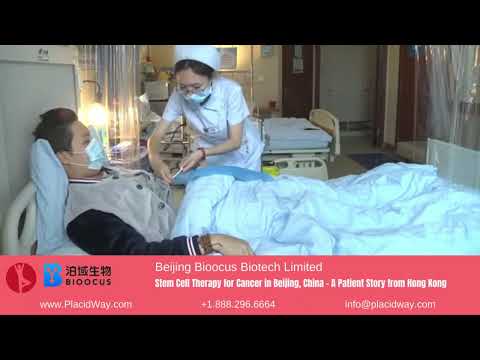





.png)










Share this listing