


Comprehensive Guide to Advanced Pediatric Cerebral Palsy Treatment at BPHI
Discovering that a child has a severe neurological condition is a life-altering moment for any parent. Families tirelessly search the globe for viable medical solutions when conventional local therapies fall short of expectations. In this detailed exploration, we witness how a Cerebral Palsy Child lives a Better Life after Several Times Treatment at BPHI (Beijing Puhua International Hospital). By combining cutting-edge neurobiology with intensive rehabilitation, international medical facilities are rewriting the prognosis for severe pediatric brain injuries. Watch to understand the profound clinical and emotional milestones achieved through dedicated, repetitive neurological interventions.
Video Chapters & Quick Navigation
Understanding the Complex Challenges of Pediatric Cerebral Palsy
Cerebral palsy is not a single disease, but rather a complex group of neurological disorders that affect movement, muscle tone, and posture. It is caused by damage that occurs to the immature, developing brain, most often before or during birth. For families facing this diagnosis, the immediate landscape is often filled with overwhelming medical terminology and limited local treatment options.
Traditional treatments primarily focus on symptom management rather than addressing the underlying neurological deficits. This often leaves parents seeking alternative and more advanced international interventions for pediatric developmental delays. By exploring global healthcare options, families can uncover innovative therapies that aim to significantly improve a child's quality of life.
Identifying Early Signs and Developmental Delays
The earliest indicators of cerebral palsy usually manifest as delayed developmental milestones in infancy and early childhood. Parents might notice that their child struggles to roll over, sit up, crawl, or walk within the expected timeframes. Additionally, abnormal muscle tone—either excessive stiffness known as spasticity or extreme floppiness known as hypotonia—is highly prevalent.
Early intervention is widely considered crucial by leading pediatric neurologists worldwide. When interventions are introduced during the critical window of early childhood brain development, the potential for positive neuroplastic changes increases exponentially. Catching these signs early empowers parents to seek comprehensive neuro-rehabilitation programs abroad without delay.
The Limitations of Conventional Therapies
In many Western medical systems, standard protocols for cerebral palsy rely heavily on basic physical therapy, orthopedic surgeries, and muscle relaxants like Baclofen. While these methods are essential for preventing severe contractures, they do little to repair the actual damaged neural pathways in the brain. Families often reach a plateau in their child's progress, prompting a search for more proactive medical solutions.
This therapeutic plateau is exactly what drives families to research hospitals equipped with regenerative medicine capabilities. The goal shifts from merely preventing physical decline to actively promoting motor skill acquisition and cognitive development. Advanced facilities bridge this gap by offering therapies that stimulate internal cellular repair.
Why Families Choose Beijing Puhua International Hospital (BPHI)
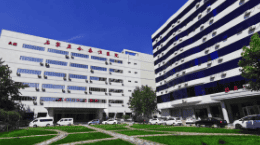
Beijing Puhua International Hospital has garnered a global reputation as a premier destination for severe neurological conditions. As seen at in the video, BPHI operates on a foundation of multidisciplinary care that goes far beyond standard clinical practices. They combine the latest advancements in regenerative neurology with deeply personalized, intensive rehabilitation programs.
Patients from the United States, Europe, and the Middle East travel to BPHI specifically for its unique convergence of Eastern and Western medical philosophies. This integrative approach ensures that every aspect of the child’s physical, neurological, and emotional well-being is addressed simultaneously. The hospital's track record with international patients makes it a beacon of hope for complex cases.
A Multidisciplinary Medical Approach
Treating severe pediatric brain injury requires an orchestra of medical specialists working in perfect unison. At BPHI, a child's care team typically consists of neurologists, neurosurgeons, pediatricians, specialized physiotherapists, and traditional medicine practitioners. This collaborative environment ensures that treatment plans are highly individualized and dynamic.
Instead of fragmented care where specialists rarely communicate, BPHI conducts daily multidisciplinary rounds. If a child shows sudden improvement in muscle tone, the physical therapy team immediately adjusts their exercises, while the neurology team monitors cellular responses. This real-time adaptability is a massive differentiator in the realm of pediatric cerebral palsy treatments.
Innovative Treatment Protocols for Cerebral Palsy at BPHI
The cornerstone of BPHI’s success lies in its willingness to utilize scientifically backed, innovative protocols that go beyond standard care models. At , the medical staff explains how they leverage the body's natural regenerative capabilities. These protocols are designed to wake up dormant brain cells and encourage the formation of new neural connections.
These advanced stem cell therapies for brain injury in children are meticulously administered in highly controlled clinical environments. The overarching clinical objective is to replace damaged tissue, reduce systemic neuro-inflammation, and provide the necessary biological scaffolding for neurological recovery. Repeated treatments compound these benefits over time.
Stem Cell Therapy and Neural Regeneration
Mesenchymal and neural stem cells are at the forefront of BPHI's regenerative medicine program. When introduced into the patient's system, these cells migrate toward areas of brain injury, a process medically known as homing. Once there, they secrete vital neurotrophic factors that protect existing neurons and stimulate the growth of new blood vessels.
The success rate of stem cell treatment for cerebral palsy is heavily dependent on the quality of the cells and the precision of the delivery method. BPHI utilizes state-of-the-art laboratory facilities to culture these cells safely. Families often report that after receiving these infusions, their children exhibit heightened alertness and improved motor control.
Intensive Occupational and Physical Therapy
Cellular regeneration must be paired with rigorous physical training to achieve functional independence. The brain needs to be taught how to use its newly formed or repaired neural pathways through repetitive motion. BPHI’s physical therapy regimen is incredibly intensive, often involving several hours of targeted exercises daily.
Occupational therapy focuses on fine motor skills and activities of daily living, enabling children to eventually feed or dress themselves. The therapists use specialized equipment, such as suspension systems and sensory integration rooms, to safely push the children past their previous physical limitations. This hard work is essential for translating cellular repair into visible, everyday improvements.
The Life-Changing Results: Measuring Patient Progress Over Multiple Visits
One of the most profound takeaways from the video, highlighted around , is the reality that significant neurological recovery is a marathon, not a sprint. The title itself notes that the child lives a better life after several times treatment at BPHI. Neurological healing requires patience, persistence, and often, multiple medical interventions spread over years.
During a patient's first visit, the primary goal is often to halt degradation and begin the process of reducing severe spasticity. Subsequent visits build upon this newly established neurological foundation, focusing on advanced motor skill acquisition. Tracking this progress objectively is vital for adjusting future treatment parameters.
Motor Function and Cognitive Enhancements
Parents universally look for improvements in Gross Motor Function Classification System (GMFCS) levels. Decreased spasticity allows for better joint alignment, reducing the agonizing pain many CP children experience daily. As physical discomfort fades, children naturally become more interactive and cognitively engaged with their surroundings.
Speech and swallowing functions, often severely impaired in spastic quadriplegia, also frequently show marked improvement. The relaxation of facial and throat muscles allows children to vocalize better and consume nutrients more safely. These seemingly small clinical victories translate into massive quality-of-life upgrades for the entire family unit.
| Clinical Parameter | Before Treatment at BPHI | After Multiple Treatment Sessions |
|---|---|---|
| Muscle Tone (Spasticity) | Severe rigidity, inability to unbend limbs voluntarily. | Noticeable relaxation, easier daily stretching routines. |
| Core Stability | Unable to sit unassisted; poor head control. | Ability to maintain an upright seated position for short durations. |
| Cognitive Engagement | Lethargic, minimal eye contact or response to stimuli. | Increased alertness, tracking objects visually, smiling. |
| Quality of Sleep | Frequently interrupted by muscle spasms and pain. | Prolonged, restful sleep contributing to better daytime energy. |
Integrating Traditional Chinese Medicine with Modern Neurology
What truly sets BPHI apart on the global medical stage is its seamless integration of Traditional Chinese Medicine (TCM) alongside Western allopathic treatments. Discussed near , this holistic approach recognizes that the body is an interconnected energetic and biological system. TCM aims to optimize blood flow and nerve conduction naturally.
By using ancient techniques verified by modern observation, BPHI practitioners can enhance the efficacy of stem cell protocols. The combination therapy ensures that the microenvironment of the child's brain is highly receptive to cellular regeneration. This dual approach provides a comprehensive healing environment that cannot be replicated by single-modality clinics.
Acupuncture and Meridian Stimulation
Pediatric acupuncture is administered by highly specialized practitioners who understand the delicate nature of a child's nervous system. The insertion of ultra-fine needles at specific meridian points helps to stimulate paralyzed or weakened nerve pathways. Clinical observations suggest this helps in significantly reducing localized muscle spasticity.
Furthermore, customized herbal decoctions are often formulated to support internal organ health and boost the child’s immune system during their stay. These herbal protocols are rigorously tested for safety and are designed to complement, not interfere with, the advanced neurological medications. This synergistic approach maximizes the patient's overall healing potential.
Traveling for Specialized Care: Navigating Medical Logistics
Embarking on a journey across the globe with a severely disabled child is a daunting prospect for any family. However, organizations specializing in global medical tourism streamline this complex process. They assist in converting a stressful medical expedition into a highly organized, supportive journey focused entirely on the child's recovery.
Facilities like BPHI have dedicated international patient departments that handle everything from medical visa invitations to airport transfers in specialized wheelchair-accessible vehicles. This logistical support is crucial for parents who are already exhausted by their child’s daily care routines. The goal is to remove administrative burdens so families can focus on the rehabilitation process.
Accommodation and In-Hospital Patient Support
BPHI is designed to accommodate international families for extended stays, often lasting from three to six weeks per treatment cycle. The hospital provides comfortable, family-friendly VIP suites that feel less like a clinical ward and more like an accessible apartment. Having the primary caregivers stay in the same room as the child minimizes separation anxiety and fosters a secure healing environment.
Dedicated translators and cultural liaisons are available around the clock to ensure seamless communication between the parents and the medical staff. Nutritional needs, dietary restrictions, and specific cultural preferences are accommodated with utmost respect. This comprehensive support network allows families to feel secure and understood in a foreign country.
The Importance of Family and Emotional Support
The journey of raising and seeking treatment for a child with cerebral palsy takes a tremendous emotional toll on the parents and siblings. Recognizing this, comprehensive international treatment programs incorporate psychological support systems for the entire family. Healing the child physically is only one part of the equation; sustaining the family's mental resilience is equally critical.
Connecting with other international families in the hospital wards provides an unexpected but invaluable support network. Sharing stories, coping mechanisms, and witnessing mutual progress fosters a profound sense of global community. Parents often leave BPHI not just with a healthier child, but with lifelong friendships forged in the crucible of shared medical hardship.
Empowering Parents as Co-Therapists
During their extended stay at BPHI, parents are not merely bystanders; they are actively trained to become co-therapists for their child. Physical and occupational therapists spend dedicated time teaching parents how to perform daily stretching routines and mobility exercises safely. This empowerment ensures that the intensive therapy does not stop the moment the family boards their flight home.
Understanding the biomechanics of their child's condition allows parents to handle them more confidently and prevent painful muscle contractures at home. The hospital provides detailed, customized home-care manuals upon discharge. This educational transition is a vital component of the treatment's long-term success strategy.
The Long-Term Outlook for Children Receiving Repetitive Treatments
As beautifully demonstrated in the video, returning for multiple treatment sessions yields compounding medical benefits. The initial visit often breaks the cycle of neurological degradation, while subsequent visits push the boundaries of the child's neuroplastic potential. A Cerebral Palsy Child lives a Better Life after Several Times Treatment at BPHI because the brain is given repeated, structured opportunities to rewire itself.
The ultimate goal of these advanced pediatric cerebral palsy treatments abroad is to maximize independence and minimize suffering. While cerebral palsy currently has no absolute cure, the definition of a "better life" is constantly being rewritten by medical science. Every new ability gained—whether it’s holding a spoon, maintaining eye contact, or standing assisted—is a monumental victory.
Continuous Care and Future Medical Horizons
Upon returning home, BPHI’s medical team continues to monitor the child’s progress through telemedicine consultations. Families are encouraged to send video updates of the child's motor functions so neurologists can track long-term improvements. This continuous loop of care ensures that the child is always progressing toward their next developmental milestone.
The landscape of regenerative neurology is advancing at an unprecedented pace. Families who integrate into systems like BPHI position their children at the forefront of medical breakthroughs. By embracing these comprehensive neuro-rehabilitation programs, parents are actively building a brighter, more capable future for their beloved children.
Seeking Advanced Treatment for Cerebral Palsy?
If your child is facing severe neurological challenges and conventional therapies have reached their limits, explore the world-class, multidisciplinary treatments available at Beijing Puhua International Hospital. PlacidWay Medical Tourism is here to guide your family through every step of this life-changing medical journey.
GET A FREE MEDICAL CONSULTATION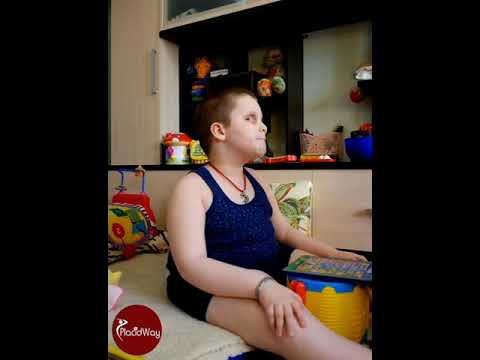

.png)










Share this listing