


A Father's Tale: Micaela's Journey Through Stem Cell Treatment for Cerebral Palsy in Beijing China
Receiving a pediatric neurological diagnosis is a moment that forever changes a family's trajectory. For years, parents have been told that managing symptoms is the only path forward. However, this powerful story explores how one family refused to accept those limitations by seeking stem cell treatment for cerebral palsy in Beijing China. This inspiring narrative chronicles a father's relentless pursuit of healing for his daughter, Micaela, highlighting the profound medical advancements available abroad. Watch to understand how cutting-edge regenerative medicine is offering unprecedented hope for pediatric neurological conditions.
Video Chapters & Quick Navigation
The Harsh Reality of a Cerebral Palsy Diagnosis
When a child is diagnosed with cerebral palsy, parents are thrust into an overwhelming world of medical terminology and uncertain futures. Cerebral palsy is an umbrella term for a group of disorders affecting a person's ability to move and maintain balance and posture. It is primarily caused by abnormal brain development or damage to the developing brain.
For Micaela's father, hearing this diagnosis felt like the world had come to a sudden halt, a sentiment he shares openly at in the video. The initial prognosis often paints a bleak picture centered solely on managing physical decline rather than promoting active healing. Parents are frequently told that the brain damage is static and irreversible.
This traditional perspective focuses heavily on mitigating secondary complications like muscle spasticity and joint deformities. However, it fails to address the core neurological deficit, leaving parents desperate for alternative treatments for cerebral palsy that target the root cause.
Understanding the Limitations of Traditional Therapies
Standard care for pediatric cerebral palsy in the West heavily relies on physical therapy, occupational therapy, and pharmacological interventions. While these modalities are absolutely crucial for maintaining joint mobility and preventing severe contractures, they do not repair the damaged neural tissue. Medications like Baclofen or Botox injections offer temporary relief from muscle stiffness but come with their own set of side effects.
Orthopedic surgeries are also common to lengthen muscles or realign bones, yet these are highly invasive and require agonizing recovery periods. Micaela's family realized early on that these conventional methods would only help her cope with her condition, not conquer it. They needed a medical breakthrough that could potentially regenerate damaged brain cells and restore lost motor functions.
This realization is what pushes thousands of families annually to research medical tourism for neurological conditions. They seek therapies that push the boundaries of modern science, moving beyond mere symptom management toward actual physiological restoration.
The Promise of Stem Cell Treatment for Pediatric Cerebral Palsy
Regenerative medicine has introduced a paradigm shift in how we approach incurable neurological conditions. Stem cell therapy for pediatric cerebral palsy operates on the principle of neuroplasticity and cellular regeneration. Stem cells are unique because they have the remarkable ability to develop into many different cell types in the body during early life and growth.
How Mesenchymal Stem Cells Facilitate Brain Repair
In the context of cerebral palsy, Mesenchymal Stem Cells (MSCs) are often utilized due to their potent immunomodulatory and anti-inflammatory properties. When introduced into the body, these cells migrate to areas of tissue damage through a process known as homing. Once they reach the injured areas of the brain, they secrete neurotrophic factors that stimulate the body's natural healing mechanisms.
This process encourages angiogenesis, which is the formation of new blood vessels, thereby increasing oxygen and nutrient delivery to dormant brain tissues. Furthermore, stem cell therapy helps reduce neuroinflammation, which is a significant barrier to cognitive and motor development in children with CP. As Micaela's father explains at , discovering the science behind this gave their family renewed hope.
Why Beijing, China is a Leading Hub for Stem Cell Therapy
Many parents wonder why families travel halfway across the globe for medical care. The answer lies in the distinct regulatory and clinical environment in Asia. Beijing, China has emerged as a global epicenter for advanced regenerative medicine, particularly for neurological disorders. The regulatory frameworks in China have historically allowed for the rapid translation of stem cell research from the laboratory into clinical practice.
Hospitals in Beijing are equipped with state-of-the-art laboratories that cultivate highly viable, ethically sourced stem cells, typically derived from umbilical cord blood or tissue. These facilities combine cutting-edge cellular biology with comprehensive, intensive rehabilitation programs. Western countries often restrict stem cell applications to clinical trials with extremely narrow inclusion criteria, leaving many children with CP ineligible for treatment.
Medical tourism in Beijing for neurological conditions offers a streamlined, patient-centric approach. International patients receive VIP care, access to bilingual medical staff, and customized treatment protocols that are simply unavailable or prohibitively expensive in their home countries.
Micaela’s Comprehensive Stem Cell Protocol in Beijing
The journey to healing is rigorous and multifaceted. When Micaela arrived in Beijing, the medical team did not just administer stem cells; they developed a holistic, multi-disciplinary protocol. The process began with exhaustive neurological assessments, MRI scans, and metabolic testing to pinpoint the exact regions of brain injury.
Administration and Supportive Therapies
The actual administration of the stem cells is usually performed via intravenous (IV) infusions and, in some cases, lumbar punctures. A lumbar puncture allows the stem cells to bypass the blood-brain barrier, delivering the regenerative cells directly into the cerebrospinal fluid. This direct route maximizes the concentration of cells reaching the central nervous system.
As documented in the video at , the cellular therapy was paired with an intensive daily regimen of supportive therapies. These included traditional Chinese medicine, acupuncture, hyperbaric oxygen therapy (HBOT), and specialized neuro-rehabilitation. HBOT is particularly critical as it floods the brain with pure oxygen, creating an optimal environment for the newly introduced stem cells to thrive and engraft.
Traditional CP Treatments vs. Stem Cell Therapy
| Feature | Traditional Therapies (West) | Stem Cell Protocol (Beijing) |
|---|---|---|
| Primary Goal | Symptom management, preventing deformities. | Cellular regeneration, neuro-repair. |
| Interventions | Physical therapy, Botox, orthopedic surgery. | IV/Lumbar stem cells, HBOT, neuro-rehab. |
| Focus on Brain | Indirect; treats the physical manifestations. | Direct; targets the damaged neurological tissue. |
Breakthroughs and Milestones: Documenting Micaela's Progress
The results of stem cell therapy are rarely instantaneous, but they are often profound. Over the weeks and months following the treatment, Micaela's parents began noticing subtle yet undeniable changes. The first signs of improvement typically manifest as a reduction in muscle spasticity. Children often experience a newfound looseness in their limbs, allowing for greater range of motion.
For Micaela, the progress extended beyond just physical attributes. Cognitive enhancements were clearly visible. Her father passionately describes these milestones around , noting improvements in her eye contact, vocalization, and overall awareness of her surroundings. These cognitive leaps are a direct result of the neurotrophic support provided by the umbilical cord blood stem cells.
Furthermore, physical therapists noted an increase in her core strength and head control. These foundational physical improvements are essential building blocks for independent sitting, crawling, and eventually walking. Witnessing a child conquer milestones that doctors previously deemed impossible is the ultimate validation for parents who risked everything to travel abroad.
The Financial Aspect: Cost of Stem Cell Therapy for Cerebral Palsy
One of the most pressing questions for any family considering this journey is the financial burden. The cost of stem cell therapy for cerebral palsy in the United States, if available through private experimental clinics, can be astronomically high, often exceeding $50,000 to $80,000 for a single round without comprehensive rehabilitation.
In contrast, medical centers in Beijing offer all-inclusive packages that are significantly more structured and cost-effective. A standard treatment protocol, which includes multiple stem cell injections, daily intensive rehabilitation, hospital accommodations, and airport transfers, generally ranges from $20,000 to $35,000. While this is still a substantial investment, the sheer volume of therapy and the high cell counts administered provide immense value.
Families often turn to community fundraising, medical grants, and specialized medical tourism facilitators to help bridge the financial gap. Organizations like PlacidWay are instrumental in negotiating transparent pricing, ensuring families are not hit with hidden medical fees upon arrival in China.
Navigating Medical Tourism: Traveling to Beijing for Neurological Care
Traveling halfway across the world with a child who has severe motor impairments requires meticulous planning. The logistics of medical tourism for pediatric patients go far beyond booking a standard flight. Families must arrange for medical visas, coordinate translation services, and ensure their child's specific dietary and physical needs are met during transit.
Beijing's premier international hospitals are well-versed in easing this transition. They typically provide dedicated case managers who assist families from the moment they step off the plane. These case managers help navigate the cultural differences, translate medical briefings, and assist with daily living requirements inside the hospital's international wards.
Essential Preparation Tips for Parents
- Comprehensive Medical Records: Ensure all recent MRI scans, EEG reports, and physical therapy evaluations are translated and sent to the Beijing medical team well in advance.
- Travel Accommodations: Request special mobility assistance from airlines, including wheelchair access to the aircraft seat and priority boarding.
- Post-Treatment Planning: Stem cell therapy requires ongoing physical therapy back home to maximize the benefits. Line up specialized local therapists before departing for China.
The Psychological Impact on the Family Unit
It is crucial to acknowledge the profound psychological journey of the parents. Caregiver burnout is a silent epidemic among families dealing with severe cerebral palsy. The relentless cycle of doctor appointments, fighting insurance companies, and witnessing their child's daily struggles takes a massive emotional toll.
Traveling to Beijing often acts as an emotional reset for these families. Surrounded by dedicated medical professionals who believe in the possibility of improvement, parents experience a resurgence of hope. The hospital environment in China often fosters a unique community among international medical tourists. Parents from different corners of the globe bond over their shared struggles and celebrate each other's children's milestones.
As Micaela's father reflects on his journey, his story serves as a beacon of light for others trapped in the despair of a static diagnosis. His willingness to document the highs and lows of the treatment provides an invaluable resource for the global cerebral palsy community.
Pushing the Boundaries of Pediatric Neurological Care
The landscape of pediatric neurology is shifting rapidly. As more success stories like Micaela's emerge from clinics in Beijing, the global medical community is being forced to re-evaluate the efficacy of stem cell therapies. While Western medicine continues to demand decades of clinical trials, families dealing with CP do not have the luxury of time.
Early intervention is critical in cerebral palsy. The younger a child receives regenerative therapy, the more pliable their brain is, allowing for optimal neuroplasticity. China has effectively democratized access to these advanced cellular treatments, offering a lifeline to families who refuse to give up.
Micaela's journey is not just a medical case study; it is a testament to the unbreakable bond between a parent and a child. It highlights the lengths to which a father will go to ensure his daughter has the chance at an independent, fulfilling life, free from the constraints of traditional medical limitations.
Ready to Explore Stem Cell Treatment in Beijing?
PlacidWay Medical Tourism connects families with globally accredited regenerative medicine centers in China. Discover comprehensive, transparently priced stem cell packages tailored for pediatric cerebral palsy. Take the first step toward your child's brighter future today.
GET A FREE CONSULTATION & QUOTE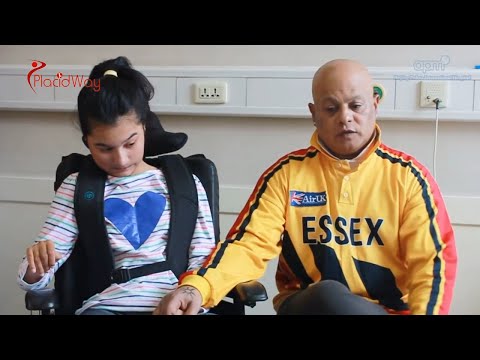




.png)










Share this listing