

Navigating international healthcare choices for regenerative medicine requires careful evaluation of safety protocols, medical credentials, and actual treatment value. Many patients explore cellular treatments abroad to access specialized protocols or advanced therapies, but understanding local regulations and comprehensive cost structures is essential for your safety and success. By learning how to verify National Health Commission (NHC) approvals and identify Good Manufacturing Practice (GMP) certified laboratories, you can confidently assess whether a clinic meets stringent medical standards while comparing estimated overall expenses.
Quick Answer Summary
- Estimated treatment costs generally range between $8,000 and $25,000 USD depending on the specific cellular product, condition treated, and required hospital stay.
- Safety relies heavily on choosing facilities officially registered with the Chinese National Health Commission (NHC) and utilizing GMP-certified laboratories.
- Ideal candidates are patients who have consulted with their primary physician, have clear clinical diagnoses, and hold realistic expectations regarding symptom management rather than guaranteed cures.
- Initial recovery time typically involves a 7 to 14-day stay in the destination city for observation, followed by a gradual 3 to 6-month biological integration phase at home.
- Patients frequently travel to this destination to access expanded mesenchymal stem cell (MSC) therapies and specialized chronic disease management programs not readily available in their home countries.
- Always approach clinics offering guaranteed outcomes or "100% safe" treatments with extreme caution, as all legitimate medical procedures carry inherent risks.
Why International Patients Consider Stem Cell Therapy in China
Deciding to travel across borders for medical care involves significant research, especially when evaluating advanced treatments like cellular therapies. Patients looking into Asia often do so because specific regulatory pathways allow for the clinical application of expanded adult stem cells in ways that differ from North American or European healthcare frameworks. This geographic shift in medical travel is driven by a combination of biotechnology investments, specialized clinical expertise, and comprehensive medical packages designed for international visitors.
When considering this pathway, understanding the motivations of other patients can help contextualize your own healthcare journey. The primary reasons individuals travel for these procedures include:
- Access to culture-expanded mesenchymal stem cells (MSCs) which may be restricted or categorized differently in Western regulatory systems.
- Availability of multidisciplinary treatment approaches combining cellular therapy with intensive physical rehabilitation and traditional medicine.
- Comprehensive hospital infrastructure dedicated specifically to international patients, including multilingual medical coordinators.
- Cost variations that may allow for multiple treatment sessions or extended inpatient care for chronic conditions.
- Advanced laboratory facilities utilizing proprietary cell banking and rapid expansion technologies.
Traveler Insight: A significant portion of international patients traveling to Asian medical centers for cellular therapies originate from the United States, Australia, the United Kingdom, and the Middle East, primarily seeking alternative management strategies for degenerative and autoimmune conditions.
Understanding Patient Demographics and Healthcare Travel Trends
Evaluating who travels for these specific procedures provides valuable insight into the global landscape of regenerative medicine. Recent demographic data highlights a growing trend of adult patients seeking chronic disease management across borders. These individuals typically have exhausted conventional medical options in their home countries and are actively researching alternative therapies under the guidance of their primary care physicians.
According to 2024 healthcare travel registries focused on the Asia-Pacific region, patients seeking cellular treatments are predominantly adults aged between 45 and 65. This age bracket often correlates with the onset of degenerative joint diseases, neurodegenerative conditions, and autoimmune disorders. The data emphasizes that medical travel is increasingly becoming a strategic healthcare decision for older adults seeking to improve their quality of life.
Patient Age Distribution for Regenerative Medicine Travel (Asia-Pacific, 2024 Data)
Source representation based on 2024 cross-border regenerative healthcare travel reports.
The Science Behind Regenerative Cellular Procedures
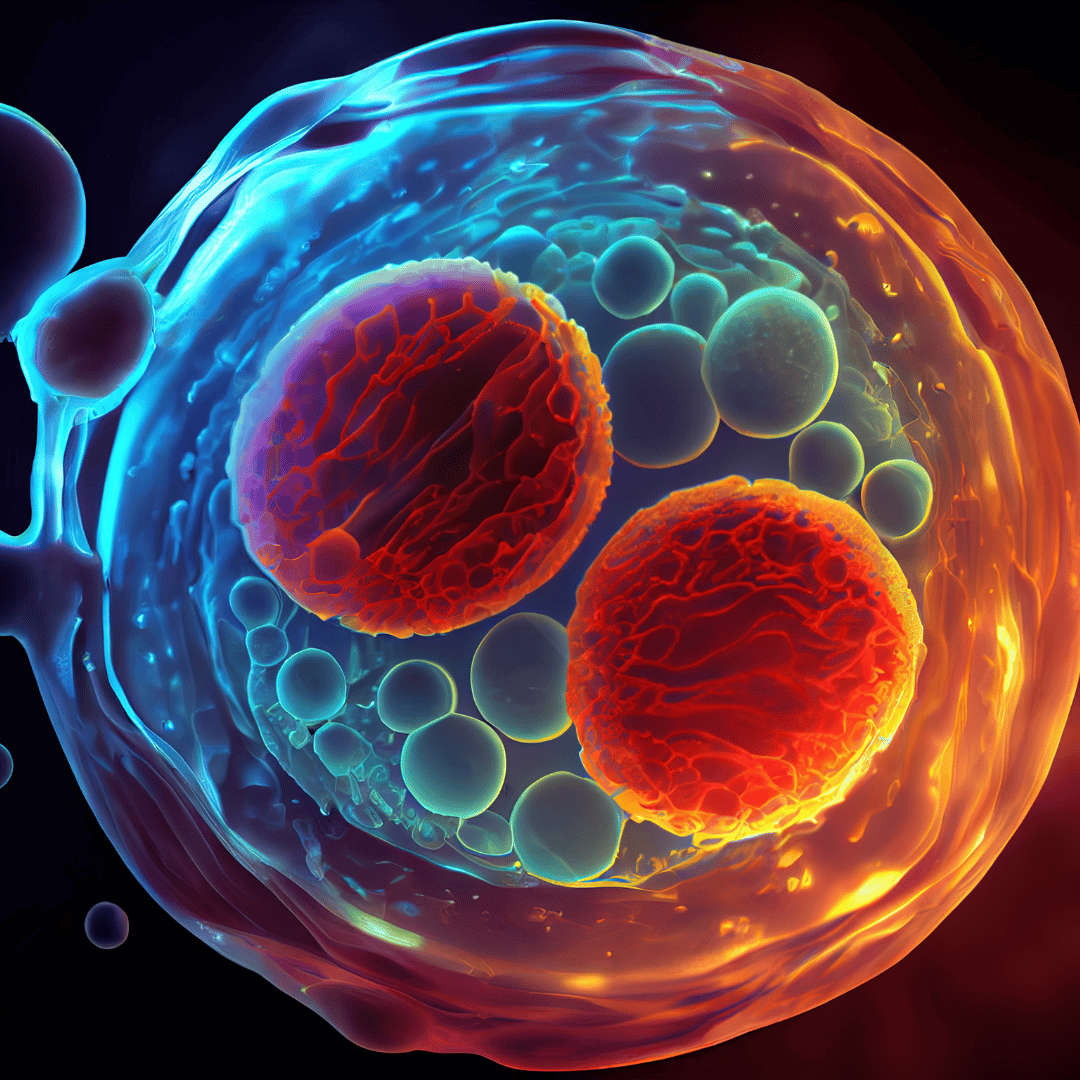
To make an informed healthcare decision, you must first understand the biological mechanism of the proposed treatment. Stem cells are specialized cells capable of differentiating into various tissue types and modulating the body's immune response. In therapeutic settings, doctors isolate these cells, occasionally expand their numbers in a laboratory environment, and reintroduce them into the patient's body to target damaged tissues or reduce systemic inflammation.
The primary mechanism action is known as the paracrine effect. Rather than directly turning into new organ tissue, introduced cells secrete growth factors, cytokines, and exosomes. These biological signals communicate with your existing cells, potentially reducing inflammation, promoting blood vessel formation, and encouraging your body's natural healing processes. This is why outcomes vary significantly depending on the underlying health condition and the patient's overall biological environment.
A thorough clinical consultation will evaluate whether your specific diagnosis is likely to respond to this mechanism. Reputable doctors will clearly explain that this process takes time. The cells require weeks to months to exert their full biological effects, meaning immediate symptomatic relief is rare and long-term observation is always necessary.
Medical Regulations and Safety Standards in China
Navigating the regulatory landscape in Asia is critical for your safety. Unlike some medical tourism destinations with lax oversight, the Chinese government has implemented a dual-track regulatory system to oversee cellular procedures. Understanding this system is the single most important step in verifying the legitimacy and safety of a clinic.
The National Health Commission (NHC) regulates the clinical application of these therapies in hospitals. Simultaneously, the National Medical Products Administration (NMPA) oversees the approval of cellular products marketed as drugs. Safe, regulated hospitals operate strictly within these frameworks, participating in officially registered clinical research trials or utilizing NMPA-approved cellular products.
Important Warning: Never undergo treatment at a facility that cannot provide documented proof of their National Health Commission (NHC) filing or NMPA registration. Clinics operating outside these official regulatory pathways pose severe risks to patient safety and health outcomes.
Common Conditions Targeted by Cellular Therapies
Medical facilities often develop specialized protocols tailored to specific chronic diseases. It is crucial to remember that cellular therapy is rarely a primary cure; instead, it is typically utilized as a supplementary approach to manage symptoms, slow disease progression, or improve daily functioning.
Patients frequently research these treatments for orthopedic degeneration, such as severe osteoarthritis, where conventional joint replacement surgery may be the only other option. In these cases, localized injections aim to reduce joint inflammation and support cartilage preservation. Similarly, autoimmune disorders are common targets, as the immunomodulatory properties of mesenchymal cells may help regulate overactive immune responses.
Neurological conditions represent another major focus for international patients. While research is ongoing and outcomes remain highly variable, specialized clinics offer protocols designed to support neural environments in patients with conditions like Multiple Sclerosis (MS) or spinal cord injuries. Always discuss these potential applications deeply with your home specialist before considering travel.
Types of Stem Cells Utilized in Medical Centers
Not all cellular therapies are identical. The efficacy, safety, and cost of your procedure depend heavily on the specific type of cell utilized. Legitimate hospitals will be entirely transparent about the origin of the biological material and the laboratory processes used to prepare it.
Mesenchymal Stem Cells (MSCs) are the most commonly utilized variant. These adult cells can be harvested from your own body (autologous) or obtained from screened, healthy donors (allogeneic). Common sources for MSCs include bone marrow, adipose (fat) tissue, and umbilical cord tissue. Umbilical cord-derived MSCs are particularly prevalent in Asian medical centers due to their high expansion capacity and low immunogenicity.
| Cell Source | Biological Origin | Common Clinical Application | Processing Requirement |
|---|---|---|---|
| Autologous Bone Marrow | Patient's own hip bone | Orthopedic injuries, localized joint pain | Same-day centrifugation and injection |
| Autologous Adipose | Patient's own fat tissue | Joint degeneration, soft tissue repair | Enzymatic processing, same-day use |
| Allogeneic Umbilical Cord | Donated umbilical tissue | Autoimmune conditions, systemic inflammation | Extensive laboratory expansion and GMP banking |
How to Verify and Choose a Safe Hospital
Your safety hinges entirely on selecting a properly credentialed facility. International medical travel exposes patients to a spectrum of providers, ranging from highly regulated national research hospitals to aggressive commercial clinics. To protect your health, you must critically evaluate the hospital's infrastructure and legal standing.
Prioritize facilities that function as comprehensive hospitals rather than standalone aesthetic clinics. A reputable medical center will have on-site Intensive Care Units (ICU), emergency resuscitation capabilities, and a multidisciplinary team of specialists beyond just the administering physician. They should openly provide their facility licensing details upon request.
When vetting a facility, request specific documentation regarding their laboratory standards. The cells must be processed and cultured in a Good Manufacturing Practice (GMP) certified laboratory. GMP certification ensures strict quality control, rigorous sterility testing, and standardized biological handling, minimizing the risk of contamination or cellular mutation.
Evaluating Doctor and Specialist Credentials
The physician administering your treatment must possess verifiable qualifications recognized by national medical boards. Do not rely solely on website biographies; ask specific questions about their medical license and professional background. The doctor should hold a valid registration with the Chinese Medical Doctor Association (CMDA) or the relevant provincial health authority.
Furthermore, the specialist's background should align with your specific diagnosis. If you are seeking treatment for a neurological condition, your case should be managed by a board-certified neurologist, not a general practitioner. For orthopedic issues, an orthopedic surgeon or rheumatologist must lead the clinical team.
Positive Trust Signals
- Verifiable CMDA medical registration
- Specialization matching your diagnosis
- Requires recent medical records before approval
- Discusses potential risks openly
Red Flags to Avoid
- Guarantees a "100% cure"
- Approves treatment without seeing medical files
- Lacks specialized board certification
- Refuses to disclose laboratory GMP status
Estimated Cost of Stem Cell Therapy in China
Financial transparency is a crucial aspect of planning medical travel. The cost of cellular therapies varies widely based on the complexity of the procedure, the number of cells required, the type of cells used, and the length of inpatient care. You must ensure that any provided quote clearly outlines what is included in the package and what constitutes an additional out-of-pocket expense.
On average, international patients can expect to pay between $8,000 and $25,000 USD for a comprehensive treatment program. Lower-end costs typically reflect localized autologous treatments for single-joint orthopedic issues. Higher-end costs generally involve multiple intravenous infusions of expanded allogeneic cells, extensive rehabilitation sessions, and prolonged hospital stays ranging from two to four weeks.
Be aware of hidden costs. Travel expenses, medical visas, local accommodation for companions, post-treatment medications, and translation services may not be included in the baseline medical quote. Always request an itemized written estimate before making financial commitments.
| Treatment Component | Estimated Cost Range (USD) | Influencing Factors |
|---|---|---|
| Pre-Treatment Diagnostics | $500 - $1,500 | Required imaging (MRI/CT), comprehensive blood panels |
| Localized Orthopedic Procedure | $5,000 - $9,000 | Autologous cell harvesting, single joint targeting |
| Systemic IV Therapy (Expanded Cells) | $12,000 - $25,000+ | Cell count required, multiple infusion sessions, GMP lab fees |
| Inpatient Hospital Stay (Per Week) | $1,000 - $3,000 | Room type, included nursing care, rehabilitation therapy |
Cost Comparison: China vs. Other Global Destinations
To evaluate financial viability, many patients compare these estimated costs with alternative medical tourism destinations. While pricing in Asia is often competitive, it is rarely the cheapest global option. Destinations in Latin America may offer lower baseline prices, but they may differ in regulatory oversight and the specific types of laboratory expansion technologies available.
When comparing costs against North American or European clinics, the financial disparity often lies in regulatory classifications. In regions where expanded MSCs are heavily restricted or require exorbitant out-of-pocket fees for clinical trial access, Asian facilities may present a more financially accessible pathway for comprehensive, multi-day treatment protocols.
Never choose a destination based solely on the lowest price. A lower price point might indicate compromised laboratory standards, fewer administered cells, or a lack of post-procedure medical support. Always weigh the financial investment against the facility's safety credentials and regulatory standing.
The Step-by-Step International Patient Journey
Understanding the logistical flow of your medical trip reduces travel anxiety and helps you set appropriate timelines. The process begins long before you board a flight. A reputable clinic will initiate a rigorous pre-qualification phase. You will be required to submit recent medical records, imaging reports, and treating physician notes for their medical board to review.
Once medically approved, you will receive a proposed treatment plan and an itemized cost estimate. If you accept, the clinic's international department typically assists with medical visa invitation letters and airport transfer arrangements. Upon arrival in the destination city, you will immediately undergo secondary diagnostic testing at the hospital to confirm your current health status matches your submitted records.
Only after these in-person diagnostics clear you for treatment will the biological procedure commence. Following the protocol, you will undergo a designated observation period to monitor for immediate adverse reactions before receiving medical clearance to fly home.
What to Expect During the Clinical Procedure
The actual administration of cellular therapy is generally minimally invasive, but the precise experience depends heavily on the targeted condition. The two most common delivery methods are localized injections and systemic intravenous (IV) infusions.
For orthopedic conditions, the procedure often resembles a standard joint injection. The area is numbed with local anesthesia, and the physician uses ultrasound or fluoroscopy to guide the needle precisely into the damaged joint space. This process typically takes less than an hour, followed by a short resting period.
Systemic treatments for autoimmune or neurological conditions usually involve an IV infusion. You will rest comfortably in a clinical suite while the cellular product is slowly administered through a vein, a process taking one to three hours. Throughout this time, medical staff will continuously monitor your vital signs, specifically watching for fever, allergic reactions, or fluctuations in blood pressure.
Post-Treatment Recovery and Medical Aftercare
Recovery is not an instantaneous event; it is a prolonged biological process. Because these therapies rely on cellular signaling and tissue modulation, you must give your body time to respond. The immediate post-treatment phase usually involves mild fatigue, localized soreness at injection sites, or a low-grade fever, which typically resolves within 24 to 48 hours.
Long-term aftercare is critical for patient safety and outcome tracking. A responsible hospital will provide a structured follow-up schedule, requiring you to report back at 30, 90, and 180-day intervals. You must share these reports with your primary physician at home to ensure continuity of care.
| Timeframe | Biological Process | Typical Patient Sensation | Action Required |
|---|---|---|---|
| Days 1-3 | Initial cell integration, mild inflammatory response | Fatigue, localized soreness, potential low-grade fever | Strict rest, hydration, monitoring vitals |
| Weeks 2-6 | Paracrine signaling, immune modulation initiation | Gradual energy return, fluctuating symptom levels | Light daily activity, avoid strenuous exercise |
| Months 3-6 | Potential tissue support, sustained anti-inflammatory effects | Possible stabilization of condition symptoms | Formal clinical assessment with home doctor |
Observed Patient Outcome Tracking: Timeline of Reported Improvements (2025 Clinical Data)
Illustrative trend of aggregate patient-reported outcome measures (PROM) for chronic joint disease interventions over 12 months, based on 2025 post-treatment registries.
Understanding Potential Medical Risks and Contraindications
No medical procedure is entirely risk-free. Acknowledging and understanding potential complications is vital for giving informed consent. Common, mild side effects include temporary injection site pain, lethargy, and low-grade fevers resulting from the body's immune reaction to the biological material.
More severe risks depend on the quality of the laboratory processing. If cells are cultured in non-GMP environments, patients face significant risks of bacterial infection, viral transmission, or adverse immune reactions (graft-versus-host disease in allogeneic transfers). In exceedingly rare cases involving poorly regulated cell expansion, there is a theoretical risk of tumorigenesis (unwanted cell growth).
Certain patients have strict contraindications and should not undergo these procedures. Individuals with active systemic infections, a recent history of cancer, severe blood clotting disorders, or those who are pregnant are generally disqualified. A rigorous pre-screening process is designed specifically to identify these disqualifying factors and protect patient health.
Essential Questions to Ask Before Making a Decision
Your ability to ask direct, clinical questions is your best defense against inadequate medical care. Do not rely entirely on brochures or international coordinators; insist on communicating your concerns to the medical team directly.
When interviewing a potential provider, request explicit details regarding their laboratory partners. Ask for the specific license numbers proving their National Health Commission filing for cellular research or clinical application. Request documentation showing the precise cellular viability count they guarantee upon injection.
Patient Takeaway Checklist:
- Can you provide your hospital's NHC registration documentation?
- Is the cell processing laboratory officially GMP-certified?
- What specific emergency infrastructure (e.g., ICU) is available on-site?
- Will I receive a formal laboratory report detailing cell count and viability?
- What is your protocol for managing adverse medical reactions?
Medical Visas and Travel Logistics
Traveling to Asia requires careful logistical planning, particularly regarding immigration requirements. Patients traveling for healthcare generally require a specific visa category. The treating hospital must provide a formal invitation letter and a confirmed medical itinerary to support your visa application at the local embassy or consulate.
Plan your travel to accommodate flexibility. Your initial diagnostics may reveal factors requiring a delay in treatment, or your post-procedure observation period might be extended if you experience mild side effects. It is highly recommended to purchase comprehensive travel health insurance that explicitly covers medical complications arising from planned treatments abroad, although finding this specific coverage can be challenging.
Additionally, coordinate with your home physician to obtain copies of all medical records, imaging discs, and pathology reports. Bring physical copies with you, as digital formats may not always be compatible with international hospital systems.
Frequently Asked Questions
Is stem cell therapy in China legal and regulated?
Yes, when performed in recognized hospitals. The Chinese government regulates these therapies through a dual-track system managed by the National Health Commission (NHC) for clinical applications and the National Medical Products Administration (NMPA) for drug approvals.
How much does stem cell therapy cost in China typically?
Estimated costs range from $8,000 to $25,000 USD depending on the medical condition, the type and volume of cells required, and the length of the necessary hospital stay. Always request an itemized clinical quote.
What types of stem cells are commonly used in Chinese hospitals?
The most frequently utilized are Mesenchymal Stem Cells (MSCs). These can be derived from the patient's own bone marrow or adipose tissue, or sourced from rigorously screened allogeneic umbilical cord tissue.
How long do I need to stay in the country for treatment?
Most comprehensive treatment protocols require an international patient to stay in the destination city for 10 to 21 days. This allows time for pre-treatment diagnostics, the procedure itself, and vital post-treatment observation.
Are the results of cellular therapy guaranteed?
No legitimate medical professional will guarantee results. Outcomes vary significantly based on your individual biology, the severity of your diagnosis, and adherence to post-treatment rehabilitation protocols.
How do I verify a clinic's safety credentials?
You must request documented proof of their National Health Commission (NHC) clinical filing and confirm that the laboratory processing the biological material holds current Good Manufacturing Practice (GMP) certification.
What are the main risks associated with this treatment?
Potential risks include injection site infections, low-grade fevers, allergic reactions, and, if non-GMP labs are used, severe bacterial contamination. Proper facility vetting minimizes these clinical risks.
Can I undergo this therapy if I have an active infection?
No. Active systemic infections, recent cancer history, and severe blood clotting disorders are major contraindications. A strict medical pre-screening process is required to ensure patient suitability.
Will I experience immediate pain relief after the procedure?
Immediate relief is highly unlikely. The biological mechanism relies on modulating inflammation and cell signaling, a process that typically takes several weeks to months to demonstrate noticeable clinical effects.
Do I need a special visa for medical treatment in China?
Yes, patients usually require a specific medical or private visit visa (such as the S2 visa). The treating hospital will provide the necessary official invitation letters to support your embassy application.
Need Help Navigating Your Treatment Options?
PlacidWay can help you compare vetted medical providers, understand comprehensive treatment costs, and request essential credential information directly from regulated clinics.
Request Free Clinic InformationDisclaimer
Disclaimer: This information is for educational purposes only and does not replace professional medical advice. Always consult a qualified healthcare provider before making medical decisions. Treatments described may involve experimental protocols and variable clinical outcomes.
References
- Regenerative Medicine and Advanced Therapies Overview – World Health Organization (WHO)
- Clinical Applications of Mesenchymal Stem Cells and Regulatory Pathways – National Center for Biotechnology Information (NCBI)
- Patient Safety and Cell Therapy Information Guide – International Society for Cell & Gene Therapy (ISCT)
- Regulatory Framework for Medical Products and Biologicals – National Medical Products Administration (NMPA)
- Evaluating Stem Cell Treatments: What to Ask – International Society for Stem Cell Research (ISSCR)
- Safety and Efficacy Outcomes in Cross-Border Regenerative Medical Travel – PubMed Clinical Research


























Share this listing