
The Complete Guide to CAR-T Cell Therapy for Multiple Myeloma in Beijing, China: Nergui's Story
Facing a relentless blood cancer diagnosis can leave patients feeling out of options, but groundbreaking science is rewriting the narrative. CAR-T Cell Therapy for Multiple Myeloma in Beijing, China, is rapidly emerging as a beacon of hope for international patients seeking life-saving, affordable medical innovation. This video chronicles Nergui’s powerful journey at Bioocus Biotech, where state-of-the-art genetic engineering meets compassionate care. Discover how advanced immunotherapy is providing a vital lifeline for relapsed and refractory multiple myeloma patients, proving that world-class treatment knows no borders.
Video Chapters & Quick Navigation
Understanding Multiple Myeloma and the Limits of Standard Care
Multiple myeloma is a complex, aggressive cancer that forms in a type of white blood cell known as a plasma cell. Healthy plasma cells help you fight infections by making antibodies that recognize and attack germs. When multiple myeloma takes hold, these cancerous plasma cells accumulate in the bone marrow, crowding out healthy blood cells.
Instead of producing helpful antibodies, the cancer cells produce abnormal proteins that can cause devastating complications, including kidney failure, severe bone pain, and frequent infections. For decades, the standard protocol for treating this debilitating condition has relied heavily on broad-spectrum interventions. Patients typically undergo grueling rounds of chemotherapy, targeted therapy drugs, and corticosteroids.
While these initial treatments can induce remission, multiple myeloma is notoriously known as a relapsing-remitting disease. Over time, the cancer cells adapt, mutate, and build resistance to the standard pharmaceutical arsenal. When a patient reaches the relapsed and refractory multiple myeloma stage, conventional medicine often runs out of effective answers.
The Crisis of Relapsed and Refractory Myeloma
When multiple myeloma returns after initial success, it is termed "relapsed." When it stops responding to treatment entirely, it is classified as "refractory." At this critical juncture, patients face a terrifying reality: their bodies are exhausted from previous toxic treatments, yet the cancer continues to spread aggressively.
This is precisely where the medical community recognized a desperate need for a paradigm shift. Doctors needed a treatment that didn't just blanket the body with toxins but intelligently hunted down the resilient cancer cells. This urgent requirement birthed one of the most significant breakthroughs in modern oncology: adoptive cell transfer therapies.
For patients like Nergui, whose story begins at , reaching the refractory stage felt like hitting a devastating dead end. Her local doctors had exhausted all available protocols, leaving her family searching the globe for alternative cancer treatments abroad.
What is CAR-T Cell Therapy and How Does it Destroy Cancer?
Chimeric Antigen Receptor T-cell (CAR-T) therapy is not merely a drug; it is a highly personalized "living drug" engineered from the patient's own biological material. It represents the pinnacle of precision medicine and advanced immunotherapy.
Instead of relying on external chemicals to kill cancer, CAR-T therapy supercharges the body's natural immune system. T-cells, the foot soldiers of the immune system, are extracted, genetically reprogrammed in a laboratory, and then reintroduced into the patient to seek and destroy cancer cells with ruthless efficiency.
In the context of multiple myeloma, these engineered cells are typically designed to target BCMA (B-cell maturation antigen), a protein universally found on the surface of malignant plasma cells. By targeting BCMA, the CAR-T cells can differentiate between healthy tissue and cancerous tumors.
The Four Crucial Stages of CAR-T Cell Therapy
The process of administering this therapy requires extraordinary clinical precision and state-of-the-art laboratory facilities. The timeline typically spans several weeks from extraction to infusion.
- 1. Leukapheresis (Collection): The patient's blood is drawn, and a specialized machine separates and collects the T-cells while returning the remaining blood components to the body.
- 2. Genetic Engineering (Manufacturing): In a secure biotech lab, an inactive virus is used to insert genetic instructions into the T-cells. This causes them to grow specific receptors (chimeric antigen receptors) on their surface.
- 3. Multiplication (Expansion): The newly engineered CAR-T cells are cultivated in a bioreactor until they multiply into the hundreds of millions, creating a formidable cellular army.
- 4. Infusion and Monitoring: After a brief round of conditioning chemotherapy to make room in the immune system, the customized CAR-T cells are infused back into the patient's bloodstream to begin their hunt.
Nergui's Journey: Seeking Advanced Treatment in Beijing
The emotional toll of a cancer diagnosis is universally profound, but facing a refractory diagnosis can shatter a family's hope entirely. Nergui's video testimonial highlights the desperation and determination that characterize the medical tourism journey. At , we see the profound physical exhaustion Nergui experienced before her trip to China.
Coming from Mongolia, Nergui's access to next-generation immunological therapies was severely limited. Her initial treatments had failed, and her skeletal structure was under attack from the proliferating myeloma cells. The pain was unmanageable, and her mobility was rapidly declining.
When her oncology team mentioned clinical trials and commercial availability of BCMA CAR-T cell therapy in neighboring China, it sparked a renewed sense of purpose. Making the decision to travel across borders for a highly complex medical procedure is daunting, yet Nergui's family understood that remaining at home meant surrendering to the disease.
Overcoming the Fear of Medical Travel
Leaving the comfort of one's home country while critically ill requires immense courage and meticulous logistical planning. Nergui's family had to navigate medical records translation, visa acquisitions, and international clinical coordination.
However, as detailed at , the moment Nergui arrived at the specialized facility in Beijing, the apprehension began to fade. She was met with a multidisciplinary team of hematologists, immunologists, and dedicated international patient coordinators who immediately stabilized her condition.
This seamless transition from international arrival to clinical admission is a hallmark of top-tier medical tourism hospitals in China. The focus is entirely on reducing patient stress, ensuring that the body's energy is reserved entirely for the healing and cellular regeneration process.
Why Choose Bioocus Biotech in Beijing for Your Recovery?
Beijing has quietly but rapidly transformed into a global epicenter for cellular immunotherapy research and application. Over the last decade, the Chinese government and private sectors have heavily subsidized biotechnology, creating a fertile ground for companies like Bioocus Biotech.
Bioocus Biotech stands out as a pioneering institution dedicated exclusively to the translation of advanced genetic therapies from the laboratory bench to the patient's bedside. They specialize in overcoming the manufacturing bottlenecks that have historically made CAR-T therapy so difficult to access globally.
As highlighted in the video at , the laboratory infrastructure at Bioocus Biotech rivals the most elite institutions in the United States and Europe. Their proprietary cell-culturing methods significantly reduce the time it takes to engineer the CAR-T cells, a critical advantage for patients whose cancer is rapidly progressing.
Comparing the Global Landscape of Immunotherapy
To truly understand why international patients are choosing Beijing, one must look at the data. The following table illustrates the stark differences in accessing this life-saving treatment across different regions.
| Feature Comparison | Bioocus Biotech (Beijing, China) | Standard US/EU Clinics |
|---|---|---|
| Treatment Cost | Significantly more affordable (Often 50-70% less) | Extremely high (Often exceeding $400,000 USD) |
| Wait Times for Production | Streamlined, expedited manufacturing (2-3 weeks) | Long queues, slower manufacturing (4-6 weeks) |
| Clinical Trial Access | High volume of ongoing, accessible trials | Strict enrollment criteria, limited spots |
| International Support | Dedicated translation and concierge logistics | Patient must largely manage own logistics |
The Efficacy of CAR-T Cell Therapy for Relapsed Multiple Myeloma
The core reason families are willing to travel thousands of miles to places like Beijing is the unprecedented efficacy of the treatment. For patients who have failed three or more prior lines of therapy, historical survival rates were incredibly bleak.
BCMA-targeted CAR-T cell therapy has completely disrupted these statistics. Clinical studies emerging from leading Chinese biotech firms demonstrate astonishing overall response rates (ORR). In many cohorts, over 80% of relapsed and refractory patients experience a significant reduction in tumor burden.
Even more remarkably, a substantial percentage of these patients achieve a complete response (CR), meaning no detectable cancer remains in their bodies post-treatment. At in the video, Nergui's post-treatment scans visually demonstrate this profound cellular eradication, bringing tears of joy to her medical team.
Managing Cytokine Release Syndrome (CRS)
It is important to understand that this immense power comes with intense biological reactions. Because CAR-T cells are multiplying rapidly and attacking cancer cells en masse, the immune system releases a massive amount of inflammatory proteins called cytokines.
This phenomenon, known as Cytokine Release Syndrome (CRS), can cause high fevers, fluctuating blood pressure, and severe flu-like symptoms. It is a sign that the engineered cells are actively fighting the cancer.
The oncology staff at Bioocus Biotech are highly trained in managing CRS. They utilize advanced neutralizing medications, such as tocilizumab, to calm the immune storm without stopping the CAR-T cells from destroying the myeloma. Continuous, 24/7 monitoring ensures patient safety through this critical, albeit turbulent, phase of recovery.
Cost-Effectiveness of CAR-T Therapy in Beijing vs. The United States
One of the most profound barriers to advanced cancer care is the exorbitant price tag. In the United States, FDA-approved CAR-T cell therapies routinely exceed $400,000 just for the manufacturing of the cells. When hospital stays, CRS management, and intensive care are factored in, the total medical bill can approach one million dollars.
For millions of uninsured or underinsured patients, this cost is a death sentence. China offers a revolutionary alternative. The cost-effectiveness of CAR-T therapy in Beijing is not achieved by cutting corners, but rather through the sheer scale of their biotech infrastructure.
Because China has the highest number of active CAR-T clinical trials globally, their supply chains for viral vectors, lab equipment, and specialized personnel are highly optimized. This localized manufacturing efficiency drives down the price significantly, allowing patients to receive identical, or sometimes more advanced, genetic therapies at a fraction of the Western cost.
Inclusive Medical Packages
Furthermore, medical centers catering to international patients in China often operate on transparent, bundled pricing models. Unlike the fragmented billing systems in North America, patients receive comprehensive quotes that cover the leukapheresis, genetic engineering, hospital stay, and necessary medications.
This financial predictability is an immense relief for families who are already bearing the emotional weight of a terminal diagnosis. It allows them to crowdfund, secure loans, or utilize savings with absolute clarity on their medical expenses.
The Cross-Border Patient Experience and Compassionate Care
Beyond the test tubes and genetic coding, the human element of Bioocus Biotech is what truly resonates with patients like Nergui. The cultural ethos of medical care in Beijing places a profound emphasis on respect, familial inclusion, and holistic support.
Nergui notes at that despite the language barrier, the warmth of the nursing staff made her feel at home. Dedicated medical translators bridge the communication gap, ensuring that every procedure, risk, and victory is clearly communicated in the patient's native tongue.
The hospital suites are designed not just for clinical efficiency, but to accommodate long-term stays for the patient and a designated caregiver. Having family present during the grueling weeks of conditioning chemotherapy and CAR-T infusion provides an indispensable psychological anchor.
Integrating Traditional Support Systems
While the core treatment is rooted in cutting-edge Western biotechnology, many facilities in China integrate supportive therapies to manage pain and improve the patient's quality of life during recovery. Nutritional counseling tailored to rebuild the immune system plays a critical role.
Patients are not treated simply as a host for a disease; they are treated as individuals requiring comprehensive physical and mental rehabilitation after enduring the ravages of multiple myeloma and previous lines of toxic treatments.
Preparing for Your CAR-T Cell Therapy Trip to China
Embarking on a journey for advanced multiple myeloma treatment abroad requires strategic foresight. If you or a loved one are considering Bioocus Biotech in Beijing, the first crucial step is gathering comprehensive medical records.
Prospective patients must provide recent bone marrow biopsies, PET/CT scans, and detailed reports of all prior chemotherapy and transplant histories. These documents allow the international oncology board in Beijing to assess eligibility and design a customized chimeric antigen receptor protocol.
Once medical clearance is granted, medical tourism facilitators step in to handle the intricate logistics. They assist in obtaining specialized medical visas, coordinating airport transfers with medical escorts, and securing comfortable lodging for family members near the hospital precinct.
Setting Realistic Expectations for Recovery
It is vital to approach CAR-T cell therapy with grounded optimism. While it is a revolutionary treatment with miraculous success stories like Nergui's, it is an intense biological process. Patients must be prepared to stay in Beijing for several months to allow for continuous monitoring post-infusion.
During this period, the medical team conducts regular blood tests to ensure the engineered T-cells are multiplying successfully and that the multiple myeloma tumor markers are steadily declining. The goal is to return home not just stabilized, but armed with a reprogrammed immune system capable of keeping the cancer at bay long-term.
By leveraging the immense technological strides made at institutions like Bioocus Biotech, international patients are proving that geography should never dictate one's chance at survival. The future of immunology is here, and it is accessible to those willing to seek it.
Ready to Explore Advanced Cancer Treatments Abroad?
Do not let refractory multiple myeloma dictate your future. PlacidWay connects international patients with leading biotech facilities like Bioocus Biotech in Beijing, offering life-saving CAR-T Cell Therapy at accessible prices. Let our experts guide your medical journey.
GET A FREE MEDICAL CONSULTATION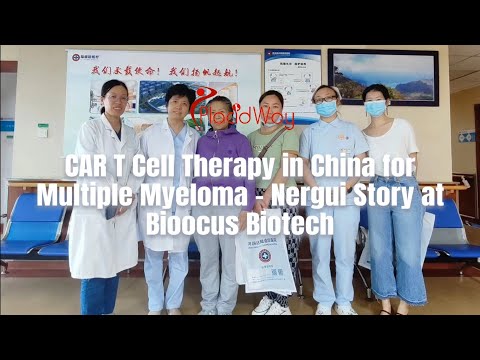


.png)

.png)



.png)
.png)
.png)








Share this listing