


China's Leading Hospitals for CAR T Cell Therapy: A Comprehensive Review
When facing refractory blood cancers, patients are increasingly looking globally for life-saving innovations. Navigating the complex world of advanced immunotherapy can be daunting, but discovering China's leading hospitals for CAR T cell therapy offers immense newfound hope.
This revolutionary treatment has transformed oncology, turning previously untreatable conditions into manageable or even curable states. As a rising global hub for medical research, China provides access to cutting-edge Chimeric Antigen Receptor T-cell treatments at a mere fraction of Western prices. Watch to explore top medical facilities, breakthrough clinical trials, and everything international patients must know before seeking affordable cancer treatment abroad.
Video Chapters & Quick Navigation
The Rise of Advanced Immunotherapy in Asia
For decades, standard cancer treatments relied heavily on systemic therapies like chemotherapy and radiation. While effective for many, these traditional methods often fall short for patients with relapsed or refractory blood cancers. Today, the medical landscape has experienced a monumental paradigm shift toward advanced immunotherapy for blood cancer.
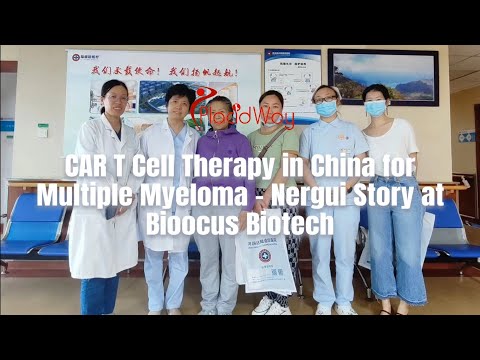
China has strategically positioned itself at the absolute forefront of this biomedical revolution. Through immense government funding, aggressive biotech development, and a sheer volume of ongoing clinical trials, the country has become a global leader in cellular therapy. As highlighted in the video at , China currently conducts more CAR T-cell clinical trials than any other nation in the world.
This massive clinical infrastructure means that innovations are brought from the laboratory to the bedside at an unprecedented pace. Patients who have exhausted all options in their home countries are finding renewed hope in Eastern medical hubs. By offering highly personalized, gene-edited treatments, China is redefining what it means to live with, and ultimately overcome, severe hematological malignancies.
Understanding Chimeric Antigen Receptor T-Cell Treatment
To fully grasp why international patients are seeking medical tourism for oncology, one must understand the brilliant science behind the treatment. Chimeric Antigen Receptor (CAR) T-cell therapy is not a drug that is mass-produced in a pharmaceutical plant. It is a living, breathing drug manufactured uniquely for each individual patient.
The Extraction and Reprogramming Phase
The journey begins with a procedure called leukapheresis, where the patient's blood is drawn to isolate and extract their native T-cells. These T-cells are the natural foot soldiers of the human immune system. Once extracted, they are sent to a highly specialized, sterile laboratory where genetic engineers take over.
Using a harmless viral vector, scientists insert new genetic material into the T-cells. This modification causes the cells to express "chimeric antigen receptors" on their surface. As explained at , these new receptors act like microscopic homing beacons designed to seek out and attach to specific proteins found on the surface of cancer cells, such as the CD19 protein found in leukemia and lymphoma.
Multiplication and Infusion
After successful reprogramming, these newly forged "hunter" cells are cultivated in a bioreactor until they multiply into the hundreds of millions. The patient undergoes a short, mild course of conditioning chemotherapy to create space in their immune system. Finally, the multiplied CAR T-cells are infused back into the patient's bloodstream.
Once inside, these engineered cells multiply further, actively hunting down and eradicating malignant tumor cells throughout the body. It is a highly aggressive and incredibly precise method of turning the patient's own biological mechanisms into the ultimate cancer-fighting weapon.
Top Medical Centers Pioneering Cancer Treatment in China
Identifying the best hospitals for leukemia treatment in China is a critical first step for any prospective medical traveler. The country boasts several JCI-accredited and highly specialized hematology centers that cater specifically to international patients. These facilities are equipped with state-of-the-art sterile wards, advanced intensive care units, and multi-disciplinary oncology boards.
One of the most prominent names in this space is the Lu Daopei Medical Group. Founded by Dr. Lu Daopei, a pioneer in bone marrow transplantation, this hospital network specializes almost exclusively in hematological malignancies. They are globally recognized for their incredibly high success rates in treating acute lymphoblastic leukemia (ALL) and have successfully integrated CAR T-cell therapy into their standard care protocols.
Another major destination is the Boao Lecheng International Medical Tourism Pilot Zone. Located in the tropical Hainan province, this special economic zone enjoys unique medical import policies. As detailed at , hospitals within this zone are permitted to use globally approved oncology drugs and medical devices before they are officially registered in mainland China, giving patients access to the absolute newest therapeutic agents.
| Medical Center | Location | Specialty Area | International Patient Focus |
|---|---|---|---|
| Lu Daopei Hospital | Beijing / Hebei | Leukemia, Lymphoma, Bone Marrow Transplants | Dedicated English-speaking oncology coordinators |
| Fuda Cancer Hospital | Guangzhou | Solid tumors, Advanced Immunotherapy | Comprehensive VIP medical tourism packages |
| Boao Evergrande Int. Hospital | Hainan Province | Breast Cancer, Hematology, CAR-T Trials | Fast-track visa and medical import zone |
Cost Comparison: Affordable CAR T Cell Therapy Abroad
Financial toxicity is one of the most devastating side effects of a cancer diagnosis. In the United States, FDA-approved CAR T-cell therapies like Kymriah or Yescarta come with an astronomical pharmaceutical price tag. The cellular product alone can cost between $373,000 and $475,000. When factoring in hospital stays, ICU management, and conditioning chemotherapy, the total cost often exceeds $1 million.
This is where China completely shatters the global pricing model. The chimeric antigen receptor T-cell treatment cost in top-tier Chinese hospitals typically ranges from $70,000 to $100,000. This is an all-encompassing figure that generally covers the leukapheresis, lab modification, hospital stay, and the infusion itself.
Patients often wonder how such an advanced procedure can be offered at an 80% discount without sacrificing quality. The answer lies in localized manufacturing ecosystems, heavy state subsidies for biotechnology, and the massive scale of clinical implementation. By keeping the genetic engineering process in-house or closely partnered with local biotech firms, Chinese hospitals eliminate massive pharmaceutical markups.
Success Rates and Clinical Trials for Blood Cancers
The statistical outcomes emerging from China's leading oncology centers are nothing short of remarkable. For patients suffering from relapsed or refractory B-cell Acute Lymphoblastic Leukemia (ALL), CD19 targeted therapy in Asia has shown complete remission rates hovering between 70% and 90%. These are patients who previously had a life expectancy measured in mere weeks or months.
Beyond leukemia, Chinese researchers are rapidly expanding their target antigens. Refractory multiple myeloma treatment options have seen a massive boost with the advent of BCMA-targeted CAR T-cell therapies. Clinical trials in cities like Beijing and Shanghai have demonstrated profound, deep responses in myeloma patients who had previously failed multiple lines of traditional therapy.
These high success rates are a direct result of the sheer volume of patients treated. As noted at , oncologists in China routinely manage more CAR-T patients in a single month than many Western doctors manage in a year. This repetition breeds unparalleled clinical expertise, particularly when it comes to patient selection, conditioning regimens, and post-infusion monitoring.
Expert Management of Complex Side Effects
While the efficacy of living drugs is astounding, the therapy is not without significant risks. The rapid destruction of cancer cells can trigger a severe immune response known as Cytokine Release Syndrome (CRS). Symptoms of CRS can range from high fevers and flu-like symptoms to dangerous drops in blood pressure and respiratory distress.
Another potential complication is Immune Effector Cell-Associated Neurotoxicity Syndrome (ICANS), which can cause temporary confusion, aphasia, or seizures. Because Chinese hospitals conduct such a high volume of these procedures, their critical care teams are absolute experts in predicting and mitigating these toxicities.
Protocols for administering immunosuppressants like Tocilizumab or corticosteroids are highly refined. Patients are monitored around the clock in specialized hematology ICUs following their infusion. This proactive, aggressive management of side effects ensures that the vast majority of patients navigate the tumultuous first two weeks post-infusion safely and successfully.
Preparing for Medical Travel to China for Cancer Care
Traveling halfway across the world for complex oncology treatment requires meticulous planning and logistical coordination. The first step involves a comprehensive remote medical consultation. International patients must securely transfer their complete medical histories, bone marrow biopsy results, PET scans, and recent blood work to the Chinese oncology team for evaluation.
If the patient is deemed a suitable candidate for cellular therapy, the logistical machinery begins. Securing a medical visa (often an S2 or M visa depending on current regulations) is required. Specialized medical tourism facilitators are crucial during this phase, helping families navigate the bureaucratic hurdles, translate legal documents, and expedite embassy appointments.
Timing is everything when dealing with aggressive blood cancers. As mentioned at , patients must be stable enough to endure a long-haul international flight. Once in China, the entire treatment timeline—from initial leukapheresis to the final post-infusion monitoring—typically requires a stay of four to eight weeks.
Navigating Life as an International Patient
One of the biggest concerns for families traveling abroad is the language barrier and cultural displacement. However, China's leading hospitals for CAR T cell therapy have established robust International Patient Departments specifically to bridge this gap. These departments function as a home away from home for medical travelers.
Upon arrival, patients are assigned a dedicated, bilingual medical coordinator. This coordinator attends every doctor's appointment, translates complex medical jargon in real-time, and assists with day-to-day needs like ordering specialized meals or acquiring local SIM cards. The goal is to remove all external stressors so the patient can focus entirely on their recovery and immune engraftment.
Accommodation is also carefully managed. Because patients will have suppressed immune systems following their conditioning chemotherapy, hospitals often coordinate rentals for sterile, private apartments near the medical center. This ensures that caregivers have a comfortable place to stay while maintaining the strict hygiene protocols necessary to protect the patient from opportunistic infections.
Explore Your CAR T-Cell Therapy Options Today
Do not let geographic borders limit your access to life-saving cancer treatments. PlacidWay Medical Tourism securely connects international patients with China's top-tier oncology centers. Let our experts help you navigate consultations, medical visas, and travel logistics.
GET A FREE MEDICAL EVALUATION

.png)

.png)
.png)










Share this listing