

Living with enlarged male breasts often impacts your self-esteem, but exploring gynecomastia surgery in New Delhi, India, provides access to advanced care at a fraction of Western prices. By comparing transparent treatment costs and selecting specialists registered with the National Medical Commission (NMC), you can confidently plan your procedure. It is essential to verify that your chosen facility holds NABH accreditation, ensuring stringent safety standards and high-quality results during your medical journey.
Quick Answer Summary
- Estimated Cost: Typically ranges between $1,200 and $2,500 USD, depending on the surgical technique and clinic tier.
- Safety Overview: Highly safe when performed in licensed facilities by board-certified plastic surgeons equipped with modern surgical technology.
- Ideal Candidate: Healthy men with stable weight, good skin elasticity, and isolated chest glandular or fat enlargement unresponsive to diet.
- Recovery Time: Most patients return to desk jobs within 5 to 7 days, while strenuous exercise requires 4 to 6 weeks of restriction.
- Why Choose New Delhi: Access to highly experienced cosmetic surgeons, state-of-the-art medical infrastructure, and significant cost savings compared to Western countries.
- Certifications to Look For: Always verify clinic accreditation from the NABH (National Accreditation Board for Hospitals) and surgeon registration with the NMC (National Medical Commission).
Introduction to Gynecomastia Surgery in New Delhi, India
Seeking male breast reduction abroad is a significant decision, and understanding why New Delhi has emerged as a premier destination can help you make an informed choice. Many international patients travel to this capital city because it combines world-class medical expertise with highly competitive pricing. You can expect personalized care, fluent English-speaking medical staff, and comprehensive packages designed specifically for medical tourists.
This guide serves to educate you on every aspect of the procedure, from initial consultations to navigating the bustling city during your recovery. Our goal is to provide clear, actionable insights so you can focus entirely on achieving a flatter, more masculine chest.
Primary reasons international patients travel to New Delhi for this procedure include:
- Substantial cost savings of up to 60% compared to healthcare systems in the US, UK, or Australia.
- Access to elite plastic surgeons who often hold international fellowships and memberships in global medical societies.
- Shorter waiting times for elective cosmetic procedures compared to public health systems like the NHS or Canadian Medicare.
- State-of-the-art private clinics featuring advanced liposuction technologies such as VASER and Microaire.
- Comprehensive VIP patient care, including airport transfers, dedicated international coordinators, and recovery accommodations.
- Privacy and confidentiality away from home, allowing patients to heal comfortably without social pressure.
Understanding the Medical Condition and Causes
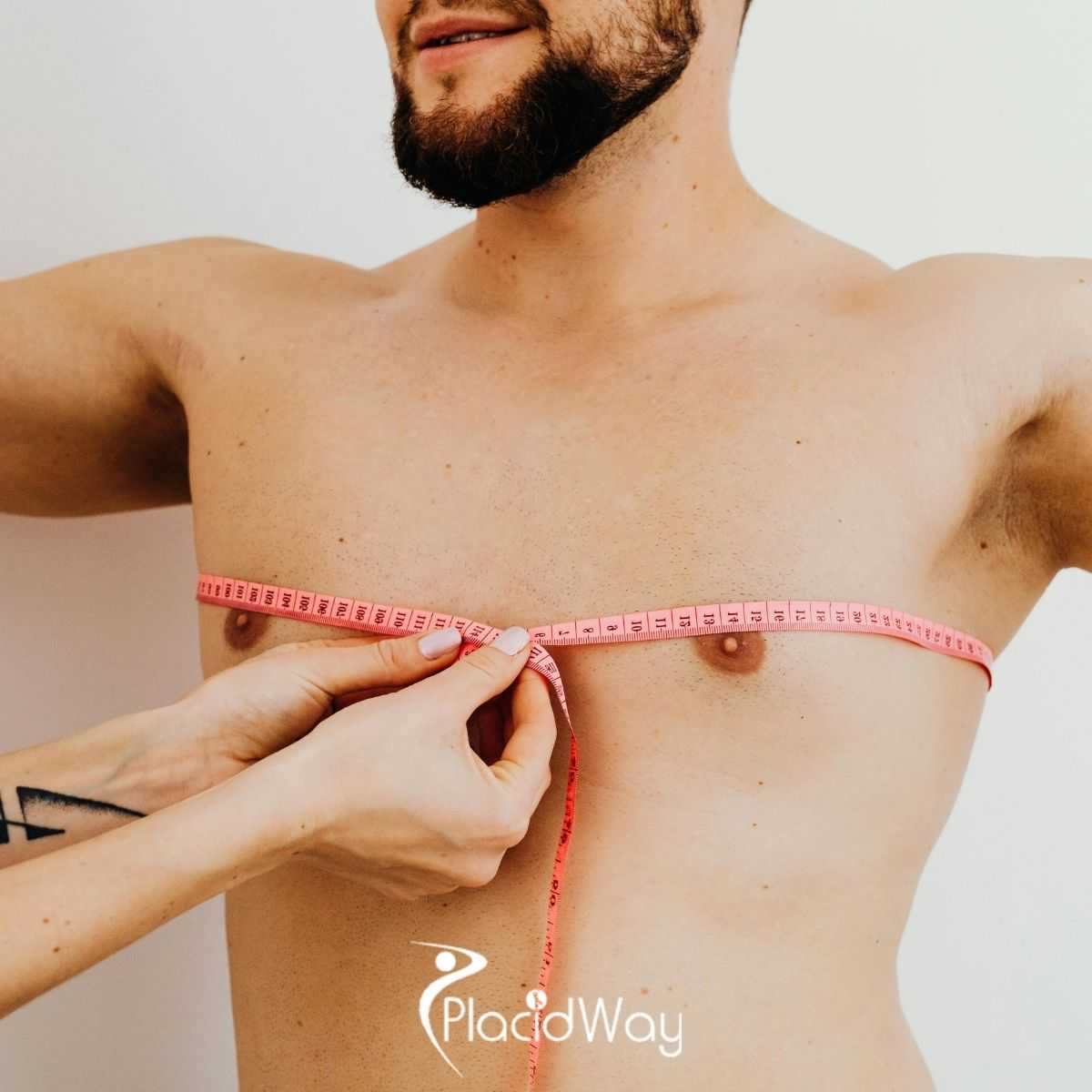
Gynecomastia refers to the benign enlargement of male breast tissue, which can affect one or both breasts. This condition stems primarily from an imbalance between estrogen and testosterone levels in the body. When estrogen levels rise relative to testosterone, glandular tissue in the chest expands, creating an appearance that diet and exercise alone cannot resolve.
Various factors trigger this hormonal fluctuation, including puberty, aging, and certain medications like anti-androgens or anabolic steroids. Additionally, underlying health conditions such as hyperthyroidism or liver disease can contribute to the development of excess breast tissue.
Understanding the difference between true gynecomastia (glandular enlargement) and pseudogynecomastia (excess fat accumulation) dictates the surgical approach. A qualified surgeon in New Delhi will conduct a thorough physical examination and ultrasound to determine your specific tissue composition.
Patient Suitability and Eligibility Assessment
Determining your eligibility for male breast reduction involves evaluating your physical health, medical history, and specific aesthetic goals. Ideal candidates are men whose breast development has stabilized and who do not suffer from life-threatening illnesses or medical conditions that impair healing. You must have a clear understanding of what the surgery can realistically achieve.
Your surgeon will assess your skin elasticity, as good skin tone helps the chest contour smoothly after underlying tissue removal. If you have significant skin laxity, you may require additional skin excision procedures.
Patients who use illicit drugs, heavily consume alcohol, or smoke tobacco face higher risks of surgical complications. Nicotine restricts blood flow, severely delaying wound healing and increasing the risk of tissue necrosis. Most clinics require patients to stop smoking at least four weeks prior to the operation.
Surgical Techniques for Male Breast Reduction
Surgeons in New Delhi utilize several advanced techniques to achieve a natural, contoured chest. The appropriate method depends heavily on the ratio of fat to glandular tissue present in your breasts. Modern approaches prioritize minimal scarring and rapid recovery.
Liposuction remains the standard technique for removing excess fatty tissue. Your surgeon inserts a thin cannula through tiny incisions to loosen and vacuum the fat away. Advanced modalities like VASER (ultrasound-assisted) or laser-assisted liposuction help melt the fat and promote modest skin tightening during the procedure.
When dense glandular tissue is present, excision techniques become necessary. The surgeon makes a small incision, typically along the edge of the areola, to surgically cut out the firm glandular mass. Many patients require a combination of both liposuction and gland excision to achieve an optimal, flat result.
Patient Demographics and Travel Trends
Medical tourism data from 2024 to 2025 highlights a consistent influx of international patients traveling to India for cosmetic procedures. New Delhi serves as a primary hub for these travelers, drawing patients largely from the United States, the United Kingdom, Australia, and nations across the Middle East and Africa.
The demographic profile of men seeking gynecomastia surgery skews younger, though it spans multiple decades. Recent clinical registries from 2024 indicate that younger men often seek the procedure for social confidence, while older men address age-related hormonal changes.
Age Distribution of Gynecomastia Patients (2024 Verified Cohort Data)
Data reflects 2024 demographic registry samples for cross-border male contouring patients.
International patients value the confidentiality that traveling provides. Combining the procedure with a brief period of restful recovery in a private, medically supported environment appeals strongly to working professionals.
International Patient Growth Trend for Cosmetic Surgery in India (2024-2026)
Tracked medical visa application volumes for elective procedures into India.
Analyzing the Cost of Treatment in New Delhi
The financial aspect of medical travel requires careful planning and a clear understanding of what your quoted price includes. In New Delhi, the cost of male breast reduction typically ranges between $1,200 and $2,500 USD. This variance depends on the complexity of your case, the specific surgical techniques required, and the credentials of your chosen surgeon.
Many renowned clinics in the capital offer all-inclusive medical tourism packages. These packages often bundle the surgeon’s fees, operating theater charges, anesthesia costs, and basic post-operative garments into one transparent price. However, you must explicitly ask your clinic coordinator for an itemized breakdown.
Understanding potential hidden costs helps prevent budget overruns during your trip. Ensure you account for pre-operative blood tests, prescribed medications, extended hospital stays, and any specialized compression garments that might not be included in the initial quote.
| Expense Category | Typical Cost Breakdown (USD) |
|---|---|
| Surgeon & Facility Fees | $800 - $1,500 |
| Anesthesia Fees | $200 - $400 |
| Pre-Op Tests & Consultations | $100 - $200 |
| Compression Garments & Meds | $100 - $150 |
Comparing International Prices for Gynecomastia Surgery
Comparing destination costs is a fundamental step in your decision-making process. Patients frequently discover that prices in Western countries render elective cosmetic surgery financially inaccessible. By traveling to India, you leverage exchange rates and differing economies of scale without sacrificing clinical safety.
In the United States, similar procedures routinely cost between $6,000 and $10,000 USD, excluding facility fees and anesthesia. The United Kingdom presents comparable financial barriers, with private clinics charging upwards of £5,000. Australia also maintains high healthcare pricing for cosmetic interventions.
When you weigh the total cost—including flights, accommodation, and the procedure—New Delhi often provides a more economical solution. You must, however, factor in the cost of medical complication insurance and travel visas to ensure an accurate financial comparison.
| Country | Estimated Procedure Cost (USD) |
|---|---|
| United States | $6,000 - $10,000+ |
| United Kingdom | $6,500 - $8,500+ |
| Australia | $7,000 - $9,500+ |
| New Delhi, India | $1,200 - $2,500 |
How to Choose a Qualified Surgeon in India
Selecting the right specialist remains the most critical factor in achieving your desired aesthetic outcome. You must prioritize surgeons who specialize specifically in male chest contouring rather than generalist cosmetic practitioners. Extensive experience directly correlates with smoother results and lower complication rates.
Verify that your prospective surgeon holds advanced degrees in plastic surgery, such as an M.Ch (Master of Chirurgiae) or DNB (Diplomate of National Board) in Plastic Surgery. These degrees signify rigorous, specialized training within the Indian medical education system.
Additionally, look for memberships in prominent professional bodies like the Association of Plastic Surgeons of India (APSI) or the Indian Association of Aesthetic Plastic Surgeons (IAAPS). Active participation in these societies demonstrates a commitment to ongoing education and adherence to national ethical standards.
Verifying Clinic Credentials and Quality Standards
The safety of your procedure relies just as much on the clinic's infrastructure as it does on the surgeon's hands. New Delhi hosts numerous world-class hospitals and boutique clinics, but diligent vetting remains your responsibility as a patient.
Always prioritize facilities that hold accreditation from the National Accreditation Board for Hospitals & Healthcare Providers (NABH). The NABH is the principal constituent board of the Quality Council of India, ensuring the facility meets stringent national protocols for infection control, emergency care, and patient safety.
For additional peace of mind, some high-tier corporate hospitals in New Delhi also maintain Joint Commission International (JCI) accreditation. While JCI is a globally recognized gold standard, a clinic holding robust NABH accreditation is fully equipped to provide exceptional, regulated care.
The Consultation Process and Medical Evaluation
Your initial consultation, whether conducted virtually or in person, sets the foundation for your surgical journey. During this comprehensive discussion, the surgeon evaluates your chest anatomy, reviews your medical history, and discusses your aesthetic expectations.
You must openly share information regarding past surgeries, current medications, herbal supplements, and lifestyle habits. Honesty enables the surgical team to tailor an anesthesia and recovery plan that minimizes your unique risk profile.
Use the consultation to ask critical questions about the facility’s revision policy and emergency protocols. Request to see a diverse portfolio of before-and-after photographs featuring patients with chest anatomies similar to yours. A transparent surgeon will discuss both the benefits and the potential limitations of the procedure.
Preparing for Your Medical Trip to New Delhi
Thorough preparation reduces travel anxiety and ensures a smooth clinical experience. Begin by securing the appropriate medical visa, commonly referred to as the Medical Visa (Med Visa) or Medical Attendant Visa if you are bringing a companion. The Indian government facilitates an e-Medical Visa process for citizens of many eligible countries.
Organize your medical records, including recent blood work, ultrasound reports, and clearance letters from your primary care physician. Carry physical copies of these documents alongside your digital backups when traveling to the clinic.
Plan your packing carefully. Bring loose-fitting, button-up shirts that do not require you to raise your arms above your head. Pack comfortable slip-on shoes and consider bringing a travel neck pillow to help you sleep on your back during the initial recovery days.
The Surgical Experience and Anesthesia Options
On the day of your surgery, the clinical team will guide you through final pre-operative steps, including baseline vitals and surgical site marking. Your surgeon will map out the planned incisions on your chest while you are standing, ensuring precise symmetry once you are on the operating table.
Gynecomastia surgery is typically performed under general anesthesia or local anesthesia combined with intravenous sedation. The choice depends on the extent of tissue removal and your personal comfort level. A certified anesthesiologist monitors your vital signs continuously throughout the operation.
The procedure generally takes between one and three hours. Upon completion, the surgical team wraps your chest in bandages and places you in a specialized compression garment. You will then move to a recovery suite where nurses monitor your initial wake-up process.
Recovery Timeline and Healing Expectations
Your immediate post-operative period involves managing swelling, bruising, and mild to moderate discomfort. Adhering strictly to your surgeon's aftercare instructions drastically improves your final aesthetic result and prevents complications.
You must wear the provided compression garment around the clock for the first few weeks. This garment minimizes swelling, supports the newly contoured chest, and helps the skin retract smoothly over the underlying tissues.
| Timeframe | Biological Process | Patient Action Required |
|---|---|---|
| Days 1 - 3 | Acute swelling and bruising peak; fluid drainage occurs. | Rest fully, take prescribed medications, and keep compression garment on. Do not shower until cleared. |
| Days 4 - 7 | Initial tissue healing begins; pain subsides to mild soreness. | Attend follow-up for drain removal (if used). Short, light walks are encouraged to prevent blood clots. |
| Weeks 2 - 4 | Major swelling resolves; skin begins to contract and adhere. | Return to non-physical work. Avoid heavy lifting or chest exercises. Continue wearing compression as advised. |
| Weeks 6 - 8 | Deep tissue remodeling continues; incisions fade. | Resume normal exercise routines and heavy physical activities based on surgeon clearance. |
Understanding the Risks and Potential Complications
While male breast reduction is widely considered safe, all surgical interventions carry inherent clinical risks. Acknowledging these possibilities allows you to recognize warning signs early and seek prompt medical attention if necessary.
General surgical risks include infection, adverse reactions to anesthesia, and excessive bleeding or hematoma formation. A hematoma—a collection of blood under the skin—typically requires immediate clinical drainage to prevent interference with your final results.
Specific aesthetic risks involve chest asymmetry, contour irregularities, and changes in nipple sensation. In some cases, the areola may appear inverted or experience temporary numbness. While sensation usually returns within a few months, permanent alterations can occasionally occur depending on the extent of gland excision.
Managing Your Expectations and Long-Term Results
Patience plays a crucial role in evaluating your surgical outcome. Immediately after the procedure, your chest will appear swollen and distorted. It typically takes three to six months for residual swelling to dissipate completely and for the skin to settle into its final position.
The results of gynecomastia surgery are generally permanent, provided you maintain a stable lifestyle. The excised glandular tissue does not regenerate. However, significant weight gain or the use of certain medications (like anabolic steroids) can cause remaining fat cells to expand, potentially altering your new chest contour.
Scar management also dictates your long-term satisfaction. Your surgeon will provide protocols for scar massage and silicone gel application once the incisions fully close. Adhering to these practices helps ensure that scars fade into thin, inconspicuous lines over time.
Medical Tourism Practicalities: Accommodation and Transport
New Delhi offers a vast array of accommodations suited for medical tourists, ranging from budget-friendly guesthouses to luxury five-star hotels. Many top-tier clinics establish partnerships with nearby hotels to offer discounted rates and specialized room setups for recovering patients.
Navigating the city requires utilizing reliable transportation. It is highly recommended to use app-based taxi services or pre-arranged clinic transfers rather than hailing public transport immediately after surgery. Comfortable, air-conditioned transit minimizes physical strain and protects your surgical site from accidental bumps.
Ensure your chosen accommodation provides easy access to nutritious meals, room service, and ground-floor access or elevators. The physical limitations during your first week of recovery mean convenience and comfort should heavily influence your lodging choice.
Post-Operative Care and Traveling Home Safely
Your surgeon will schedule at least one or two follow-up appointments before clearing you for international travel. During these visits, the medical team evaluates your healing progress, removes any surgical drains, and checks for early signs of infection.
Most surgeons recommend staying in New Delhi for 7 to 10 days post-surgery. Flying too soon introduces risks related to cabin pressure fluctuations and prolonged immobility, which can increase the likelihood of developing deep vein thrombosis (DVT).
When returning home, request wheelchair assistance at the airport to avoid lifting heavy luggage or overexerting your chest muscles. Once home, maintain open communication with your Indian surgical team via virtual consultations to ensure your ongoing recovery tracks perfectly.
Frequently Asked Questions About Gynecomastia in New Delhi
Is gynecomastia surgery in India safe for international patients?
Yes, when performed at an NABH-accredited facility by a board-certified plastic surgeon registered with the NMC, the procedure is highly safe. Reputable clinics in New Delhi adhere to strict international sterilization and patient safety protocols.
Will the surgery leave visible scars on my chest?
Surgeons utilize precise techniques to minimize scarring, often placing small incisions at the border of the areola or in natural skin folds. While scars are permanent, they typically fade significantly over 12 to 18 months with proper scar care.
How long do I need to stay in New Delhi after the procedure?
Most medical professionals recommend a minimum stay of 7 to 10 days. This timeframe allows your surgeon to conduct necessary follow-up examinations, remove drains if utilized, and clear you safely for air travel.
Can my enlarged breasts return after the surgery?
The surgical removal of glandular tissue provides permanent results in most cases. However, subsequent severe weight gain, hormonal imbalances, or the use of anabolic steroids can cause residual fat or tissue to expand.
Do I need general anesthesia for this procedure?
The anesthesia type depends on the surgical complexity. Minor liposuction cases may utilize local anesthesia with sedation, while extensive glandular excision typically requires general anesthesia for patient comfort and safety.
Why is the cost so much lower in India compared to the US?
The lower cost reflects the reduced overhead expenses, currency exchange rates, and lower localized administrative fees in India. It does not indicate a compromise in medical quality, technology, or surgeon expertise.
When can I resume lifting weights at the gym?
Light cardiovascular exercise may resume after 3 to 4 weeks, but heavy lifting and chest-focused exercises should be strictly avoided for at least 6 to 8 weeks to prevent internal bleeding and poor scar formation.
What happens if I experience complications after returning home?
Before traveling, ask your clinic about their complication protocol. Many reputable clinics offer extended virtual follow-ups. You should also secure medical complication insurance prior to your trip for added financial protection.
Is wearing a compression garment absolutely necessary?
Yes. The compression garment is vital for minimizing post-operative swelling, preventing fluid accumulation (seromas), and ensuring your skin retracts tightly against the newly contoured chest wall.
How do I verify if my Indian surgeon is properly qualified?
Verify that the surgeon holds an M.Ch or DNB in Plastic Surgery, is registered with the National Medical Commission (NMC), and is ideally an active member of the Association of Plastic Surgeons of India (APSI).
Ready to Take the Next Step?
PlacidWay Medical Tourism can help you compare highly rated clinics, understand accurate treatment costs, and schedule consultations with board-certified surgeons in New Delhi.
Request Free Information & QuotesDisclaimer: This information is for educational purposes only and does not replace professional medical advice. Always consult a qualified healthcare provider before making medical decisions.
References
- Gynecomastia Surgery (Male Breast Reduction) – American Society of Plastic Surgeons (ASPS)
- Gynecomastia Diagnosis and Treatment – Mayo Clinic
- Global Survey on Aesthetic/Cosmetic Procedures – International Society of Aesthetic Plastic Surgery (ISAPS)
- About National Accreditation Board for Hospitals & Healthcare Providers – NABH India
- Indian Medical Register & Doctor Verification – National Medical Commission (NMC)
- Gynecomastia Medical Encyclopedia – MedlinePlus
- Patient Safety and Surgeon Qualifications – Association of Plastic Surgeons of India (APSI)
























Share this listing