
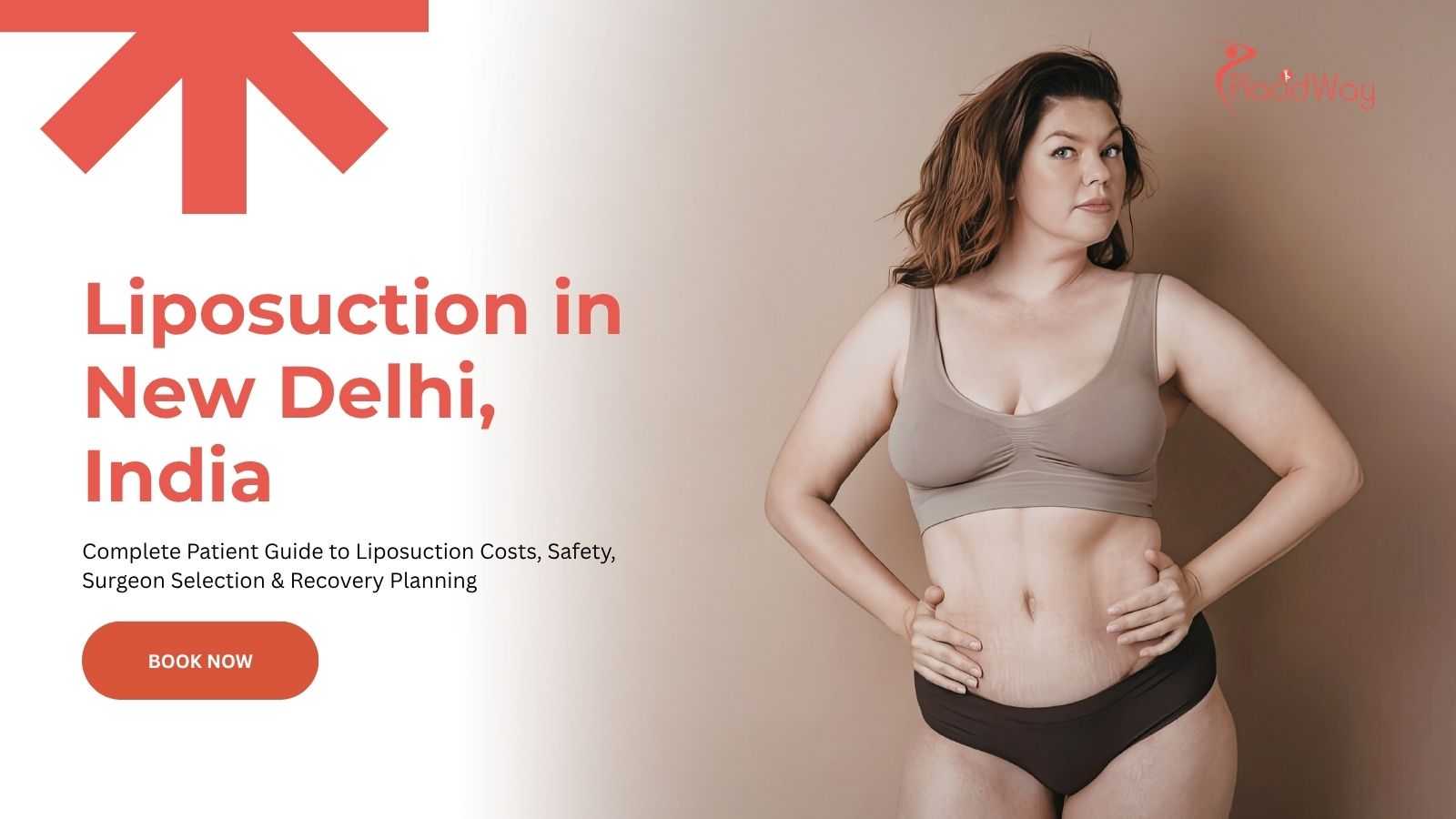
Traveling abroad for cosmetic surgery can feel intimidating, especially when trying to balance your budget with your health and safety. You might be wondering if medical facilities in New Delhi meet international standards, how much you can truly save, and how to identify a genuinely qualified specialist among hundreds of options. This guide breaks down everything you need to know about navigating your liposuction journey in New Delhi, from understanding treatment costs to verifying crucial credentials like NABH accreditation and NMC registration, ensuring you make a confident and safe decision.
Quick Answer Summary
- Estimated Cost: Typically ranges between $1,200 and $3,500 USD, depending on the number of areas treated and the specific technology used.
- Safety Overview: Generally safe when performed in licensed facilities. Always look for hospitals with NABH (National Accreditation Board for Hospitals) or JCI accreditation.
- Ideal Candidate: Individuals at or near their target weight with stubborn, localized fat deposits that do not respond to diet and exercise.
- Recovery Time: Most patients return to light activities within one to two weeks, while full medical clearance for strenuous exercise takes about four to six weeks.
- Why Patients Choose New Delhi: Access to board-certified plastic surgeons, advanced technologies like VASER, and significant savings compared to Western countries.
- Important Caution: Liposuction is not a weight-loss method. Ensure your chosen surgeon is registered with the National Medical Commission (NMC) and holds a specialized plastic surgery degree (MCh).
Understanding Liposuction in New Delhi, India
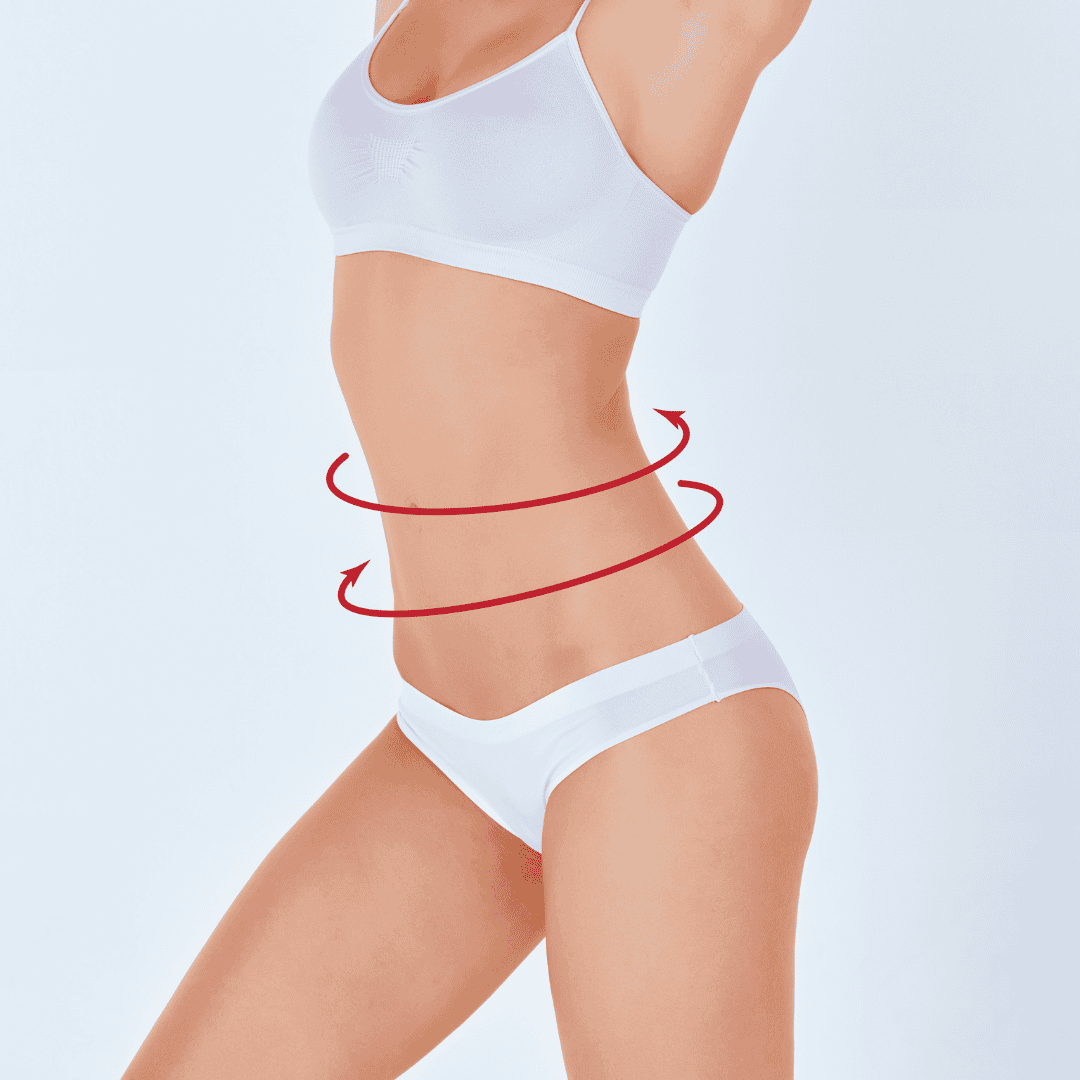
Liposuction is a surgical procedure designed to remove targeted fat deposits from specific areas of the body, such as the abdomen, thighs, arms, or neck. For international patients, undergoing this procedure in New Delhi offers a unique combination of high-quality medical care and cost efficiency.
India’s capital has emerged as a major hub for medical value travel. Patients from the United States, United Kingdom, Australia, and the Middle East frequently travel here seeking advanced body contouring solutions. The primary motivations include avoiding long wait times in nationalized healthcare systems and reducing out-of-pocket expenses without sacrificing clinical safety.
When you choose to have your procedure in this city, you gain access to a highly developed private healthcare sector. These facilities often feature state-of-the-art operating theaters and employ staff trained in top international medical institutions.
Patient Travel Motivations
- Significant Cost Savings: Often 50% to 70% less than equivalent procedures in North America or Europe.
- Highly Trained Specialists: Many Indian plastic surgeons hold global fellowships and memberships in international bodies like ISAPS.
- Advanced Technology: Clinics routinely utilize advanced fat-removal systems, including laser and ultrasound-assisted devices.
- No Wait Lists: Private healthcare facilities in the capital offer flexible scheduling for international visitors.
- English Proficiency: Medical staff and doctors communicate fluently in English, removing critical language barriers.
Common Techniques Used for Body Contouring
Medical technology has evolved significantly, and cosmetic clinics in New Delhi, India provide several variations of fat removal surgery. The right technique depends on your anatomy, skin elasticity, and the specific areas being treated.
Your surgeon will assess your body type during the consultation to recommend the safest and most effective approach. Understanding these options can help you ask informed questions during your initial evaluations.
| Procedure Type | How It Works | Best Suited For |
|---|---|---|
| Tumescent Liposuction | Injects a sterile solution containing saline, epinephrine, and local anesthetic to swell the fat cells, making them easier to suction out while minimizing bleeding. | Most standard fat removal cases; considered the gold standard for safety. |
| Ultrasound-Assisted (VASER) | Uses ultrasound wave energy to liquefy fat cells before removal, preserving surrounding tissues and nerves. | Fibrous areas like the male chest, upper back, or for high-definition sculpting. |
| Laser-Assisted (SmartLipo) | Delivers thermal energy via a laser fiber to melt fat and stimulate collagen production for mild skin tightening. | Smaller areas like the neck, chin, or arms where skin laxity is a minor concern. |
| Power-Assisted (PAL) | Uses a vibrating cannula to break up tough fat deposits, allowing the surgeon to remove fat more smoothly. | Large volume fat removal or revision surgeries where scar tissue is present. |
Estimating the Costs of Liposuction in New Delhi, India
One of the main reasons patients travel for cosmetic surgery is the financial advantage. However, understanding exactly what you are paying for is critical to avoiding unexpected expenses during your trip.
Pricing typically fluctuates based on the clinic's reputation, the surgeon's expertise, the technology utilized, and the amount of fat being removed. Most clinics offer package deals for international patients, which often bundle medical fees, anesthesia, and facility charges.
It is crucial to request an itemized quote before booking. Always clarify whether the quoted price covers compression garments, post-operative medications, and follow-up consultations. Never assume that the initial price covers travel complications or extended hospital stays.
| Country | Estimated Average Cost (USD) |
|---|---|
| United States | $5,000 - $9,000+ |
| United Kingdom | $4,500 - $8,000+ |
| Australia | $5,500 - $10,000+ |
| New Delhi, India | $1,200 - $3,500 |
Hidden Costs to Watch For
When reviewing a treatment quote, ask if the following are included:
- Pre-surgical blood work and cardiac evaluations (ECG).
- Specialized post-operative compression garments (you usually need two).
- Anesthesiologist fees and operating theater charges.
- Prescription medications for pain and infection prevention.
- Medical complication insurance (often sold separately).
How to Choose the Right Hospital or Clinic
Your safety depends heavily on the facility where your surgery takes place. You must prioritize clinics and hospitals that operate under strict regulatory oversight.
In New Delhi, India, the healthcare sector includes both massive corporate hospital chains and smaller, specialized boutique cosmetic clinics. While a boutique clinic may offer a more personalized experience, larger hospitals often provide better critical care infrastructure, such as on-site intensive care units (ICUs) and blood banks.
Look for recognized accreditations. These certificates indicate that the facility complies with rigorous standards regarding sterilization, patient care, and emergency protocols.
Key Accreditations and Licenses
- NABH (National Accreditation Board for Hospitals & Healthcare Providers): The highest national standard for hospital quality in India. Always look for this mark.
- JCI (Joint Commission International): An international accreditation held by many top-tier hospitals in the capital, signifying global safety standards.
- Directorate General of Health Services (DGHS) License: A mandatory government registration required for all clinical establishments in the city.
Verifying Your Plastic Surgeon's Credentials
The skill and qualifications of your surgeon are the most important variables in achieving a safe and satisfactory outcome. Not every doctor who offers cosmetic procedures is a board-certified plastic surgeon.
In the local medical system, a doctor should hold an MCh (Master of Chirurgiae) in Plastic Surgery or a DNB (Diplomate of National Board) in Plastic Surgery. These degrees require years of specialized surgical training beyond basic medical education.
Before committing to a provider, take the time to verify their standing with national medical councils. An experienced surgeon will gladly share their registration numbers and portfolio of past work.
Surgeon Verification Checklist
- Confirm registration with the National Medical Commission (NMC) or the Delhi Medical Council (DMC).
- Verify membership in the Association of Plastic Surgeons of India (APSI) or the Indian Association of Aesthetic Plastic Surgeons (IAAPS).
- Ask about their annual case volume specifically for liposuction.
- Request to see unedited, long-term before-and-after photos of patients with similar body types.
- Inquire about their specific protocol for managing surgical complications.
Patient Demographics and Travel Trends
Understanding who travels for this treatment can provide valuable context for your own journey. Over recent years, the profile of international patients traveling to the Indian capital for body contouring has broadened significantly.
Recent 2024-2025 healthcare travel reports indicate a shift in patient demographics. While aesthetic procedures were once predominantly sought by older demographics, there is now a noticeable increase in younger patients traveling for body contouring, driven by fitness trends and the desire for high-definition sculpting.
Patients typically plan their visits during the cooler months, from October to March, to ensure a comfortable post-operative recovery while navigating the city.
Documented Age Distribution of Inbound Liposuction Patients (2024-2025 Data)
This chart illustrates the age distribution of international patients seeking body contouring procedures in major Indian metropolitan hospitals.
Inbound Medical Tourism Growth for Aesthetic Procedures (2024-2026)
This line graph represents the steady growth index of international patient arrivals specifically for aesthetic and reconstructive surgeries in New Delhi.
Preparing for Your Medical Trip
Thorough preparation minimizes anxiety and ensures a smoother experience. When traveling for medical reasons, standard tourist preparation is not enough. You must coordinate your healthcare needs with international travel logistics.
Most international patients require an e-Medical Visa to undergo treatment in India. To obtain this, you will need an official invitation letter from a recognized hospital. Reputable clinics will assign an international patient coordinator to guide you through this process.
Plan to arrive at least two days before your surgery. This allows time to recover from jet lag, undergo pre-anesthesia testing, and have a final in-person consultation with your surgeon.
Travel Planning Timeline
- 4-6 Weeks Prior: Finalize your surgeon, pay deposits, and apply for your e-Medical Visa.
- 3 Weeks Prior: Stop taking blood-thinning medications, aspirin, and certain herbal supplements as directed by your doctor.
- 1 Week Prior: Pack loose, comfortable clothing and arrange your post-surgery accommodation (preferably a hotel with an elevator and room service).
- Arrival Day: Rest, hydrate, and adjust to the local timezone.
The Initial Medical Consultation
Your first in-person meeting with the surgeon sets the foundation for your procedure. While you may have had virtual consultations before traveling, this physical examination is essential.
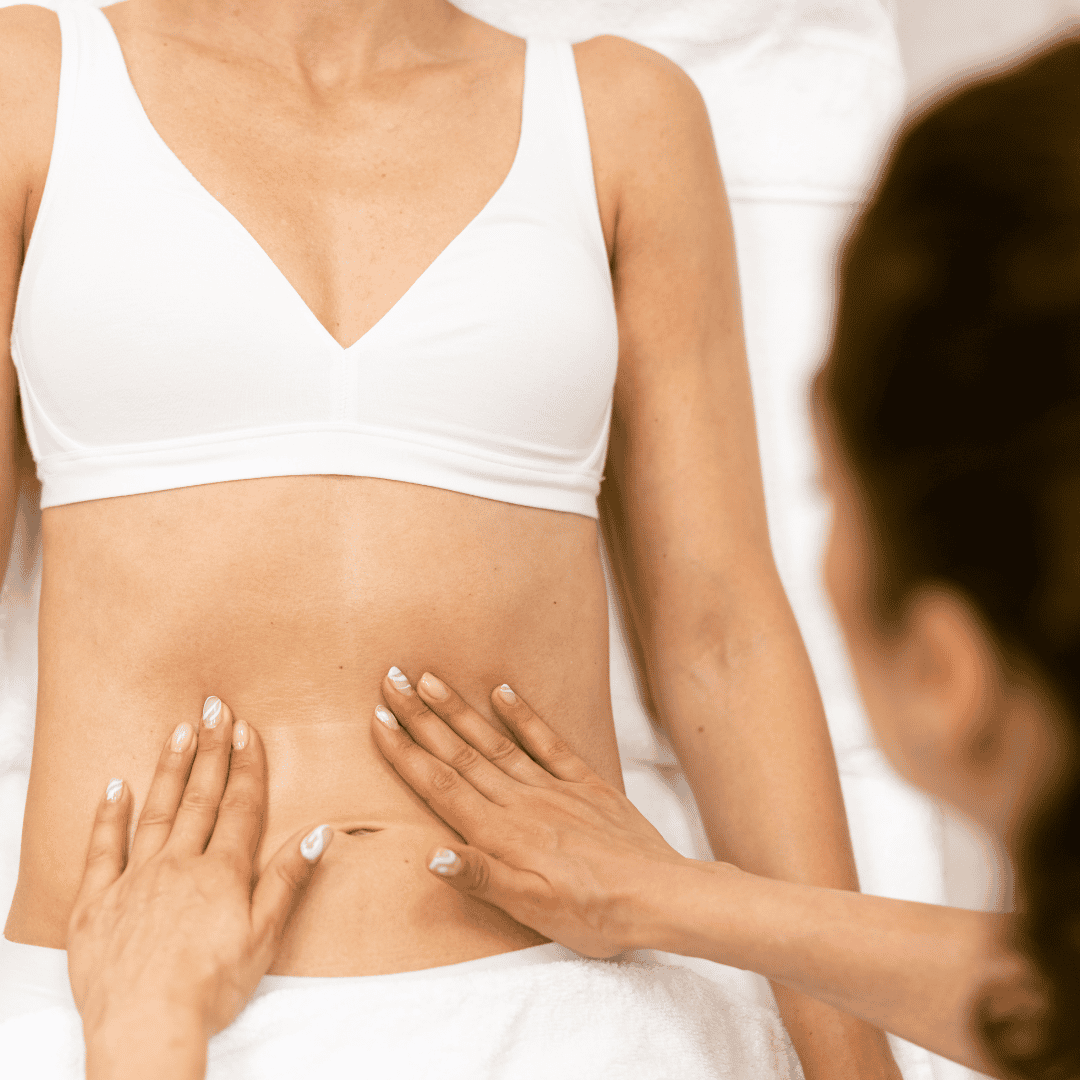
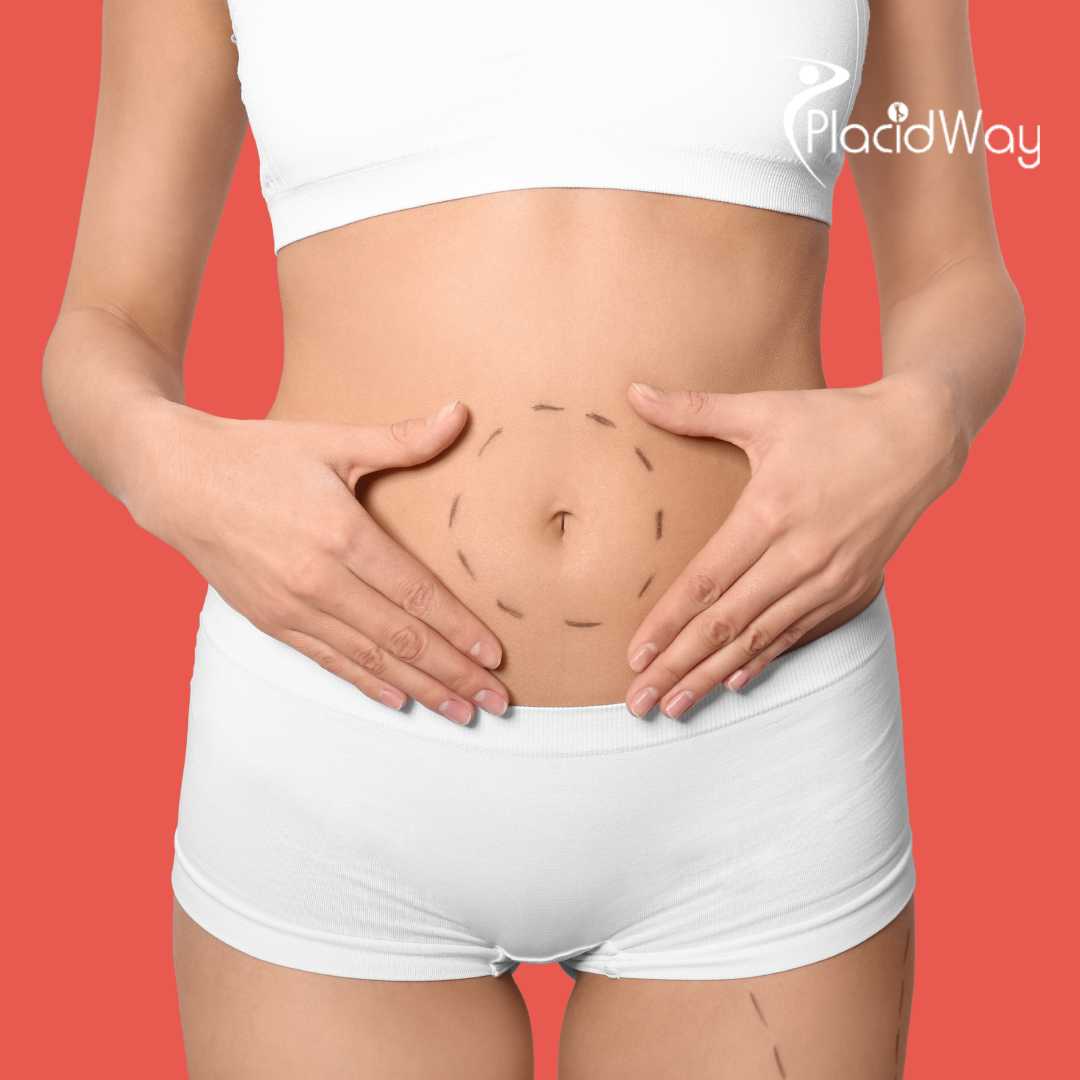
During this visit, the surgeon will assess your skin elasticity, measure fat deposits, and discuss your aesthetic goals. They will mark the target areas on your body and explain exactly where incisions will be placed.
This is the time to express any remaining concerns. A responsible medical professional will be honest about what body contouring can and cannot achieve, ensuring your expectations align with clinical reality.
The Surgical Experience Step-by-Step
Understanding the clinical process can help alleviate pre-operative anxiety. On the day of your surgery, you will check into the hospital and meet with the anesthesiologist.
Depending on the volume of fat being removed and the number of areas treated, the surgery generally takes between one and four hours. Local anesthesia with IV sedation is common for smaller areas, while general anesthesia may be recommended for extensive contouring.
Once the procedure is complete, you will be moved to a recovery room. Medical staff will monitor your vitals closely as you wake up. You will already be fitted with a medical-grade compression garment to minimize swelling and support your new contours.
Managing Your Post-Operative Recovery
Recovery requires patience and strict adherence to your surgeon's instructions. You should expect swelling, bruising, and soreness in the treated areas during the first few days.
You will need to stay in New Delhi, India for at least seven to ten days following the procedure. This mandatory stay allows your surgeon to monitor your healing, remove any surgical drains if used, and clear you for air travel.
Flying too soon after surgery increases the risk of deep vein thrombosis (DVT). Follow your doctor's advice regarding brief, gentle walks to promote blood circulation during your recovery phase.
| Timeframe | Biological Process | Patient Sensation | Action Required |
|---|---|---|---|
| Days 1-3 | Initial inflammatory response; fluid drainage from incisions. | Soreness, tightness, and moderate discomfort. | Rest, take prescribed medications, keep garments on 24/7. |
| Days 4-7 | Tissue begins repairing; bruising peaks and starts to fade. | Itchiness as nerves heal; reduced pain. | Attend follow-up appointment; gentle walking; stay hydrated. |
| Weeks 2-4 | Swelling gradually subsides; skin retracts. | Feeling more normal; minor residual swelling. | Can return to desk work; avoid strenuous lifting. |
| Months 3-6 | Final tissue settling and collagen remodeling. | Normal sensation returns completely. | Maintain stable weight to preserve surgical results. |
Understanding Potential Risks and Complications
No surgical procedure is entirely without risk. As a patient, you must weigh the benefits against the potential complications before making a decision.
Common, temporary side effects include swelling, bruising, and temporary numbness. More serious, though rare, complications can include infection, adverse reactions to anesthesia, fluid accumulation (seromas), or fat embolism.
Choosing a highly qualified, board-certified plastic surgeon and an accredited hospital significantly mitigates these risks. Furthermore, closely following your post-operative care instructions is vital for preventing post-surgical complications.
When to Seek Immediate Medical Help
Contact your surgeon or emergency services immediately if you experience:
- Shortness of breath or chest pain.
- A fever exceeding 101°F (38.3°C).
- Excessive bleeding or foul-smelling discharge from incisions.
- Sudden, severe pain that is not relieved by prescribed medication.
Combining Treatments for Better Results
Many international patients choose to maximize their travel by combining fat removal with other aesthetic procedures. This approach requires only one round of anesthesia and a single recovery period.
A common combination is a tummy tuck (abdominoplasty) alongside liposuction. While fat removal addresses volume, a tummy tuck tightens loose abdominal muscles and removes excess, sagging skin.
Your eligibility for combined surgeries depends on your overall health, BMI, and the total estimated time under anesthesia. Your surgeon will carefully evaluate your medical history to ensure that combining procedures remains within safe clinical limits.
Dietary Guidelines and Lifestyle Changes
Maintaining your new body contours requires a long-term commitment to a healthy lifestyle. The fat cells removed during surgery do not grow back, but the remaining cells can expand if you gain weight.
A diet rich in lean proteins, vegetables, and complex carbohydrates aids the healing process and reduces post-operative inflammation. Hydration is equally critical; drinking plenty of water helps your lymphatic system flush out residual fluids and toxins.
Once your surgeon clears you for physical activity—usually around four to six weeks post-operation—establishing a regular exercise routine will help you sustain your aesthetic outcomes.
Navigating Language and Cultural Differences
For many international visitors, navigating a new culture while managing healthcare needs can seem daunting. Fortunately, the private medical sector in this city is highly geared toward international travelers.
English is the primary language used in Indian corporate hospitals. All medical records, consent forms, and consultations will be conducted in English, ensuring you fully understand your treatment plan.
Additionally, many top hospitals provide dedicated international patient lounges, translation services for non-English speakers, and assistance with local accommodation and transport, making the medical journey as seamless as possible.
Frequently Asked Questions
Is it safe to get liposuction in New Delhi, India?
Yes, it can be highly safe if you select a facility accredited by the NABH or JCI and a surgeon registered with the National Medical Commission (NMC). Always prioritize credentials over the lowest price.
How much fat can be safely removed in one session?
Medical guidelines typically suggest removing no more than 4 to 5 liters of fat and fluid in a single outpatient session to minimize the risk of complications such as fluid imbalance or shock.
Will I have loose skin after the procedure?
This depends on your age, skin elasticity, and the amount of fat removed. If you have poor skin elasticity, your surgeon may recommend combining the procedure with skin-tightening treatments or excision surgery.
How long do I need to stay in India after surgery?
Most surgeons require international patients to remain in the city for 7 to 10 days post-surgery. This allows for initial recovery, drain removal, and medical clearance before taking a long flight.
Are the results of body contouring permanent?
The fat cells removed are permanently gone. However, if you gain significant weight after surgery, the remaining fat cells in your body can expand, potentially altering your surgical results.
What is VASER and is it available in Indian clinics?
VASER is an ultrasound-assisted technology that melts fat before removal, which may cause less trauma to surrounding tissues. Many top-tier cosmetic clinics in the capital offer this advanced technology.
Do hospitals in India accept international health insurance?
Most international health insurance policies do not cover elective cosmetic procedures. You will likely need to pay out-of-pocket, though many clinics accept international credit cards and wire transfers.
Can I travel alone for this medical procedure?
While some patients travel alone and rely on nursing services provided by the hospital or hotel, it is highly recommended to bring a companion to assist you during the initial days of your recovery.
Why do I have to wear a compression garment?
The garment helps reduce post-operative swelling, prevents the buildup of fluids (seromas), and supports your skin as it retracts to your new body contours. It is vital for optimal healing.
What happens if I need revision surgery?
Before booking, always ask the clinic for their written revision policy. Reputable clinics will often cover the medical fees of a revision if clinical standards were not met, though you may still have to pay for travel.
Ready to Explore Your Options?
Navigating international healthcare choices doesn't have to be overwhelming. PlacidWay can help you compare vetted providers, understand transparent treatment costs, and request information directly from top-rated clinics in New Delhi.
Request Information NowDisclaimer: This information is for educational purposes only and does not replace professional medical advice. Always consult a qualified healthcare provider before making medical decisions.
References
- Liposuction Safety Guidelines – American Society of Plastic Surgeons (ASPS)
- Body Contouring and Liposuction Information – International Society of Aesthetic Plastic Surgery (ISAPS)
- Hospital Accreditation Standards – National Accreditation Board for Hospitals & Healthcare Providers (NABH)
- Indian Medical Register (Surgeon Verification) – National Medical Commission (NMC)
- Medical Value Travel Guidelines – Ministry of Tourism, Government of India
- Safety and Efficacy of Large-Volume Liposuction – National Center for Biotechnology Information (NCBI)
- e-Medical Visa Requirements for International Patients – Government of India





















Share this listing