
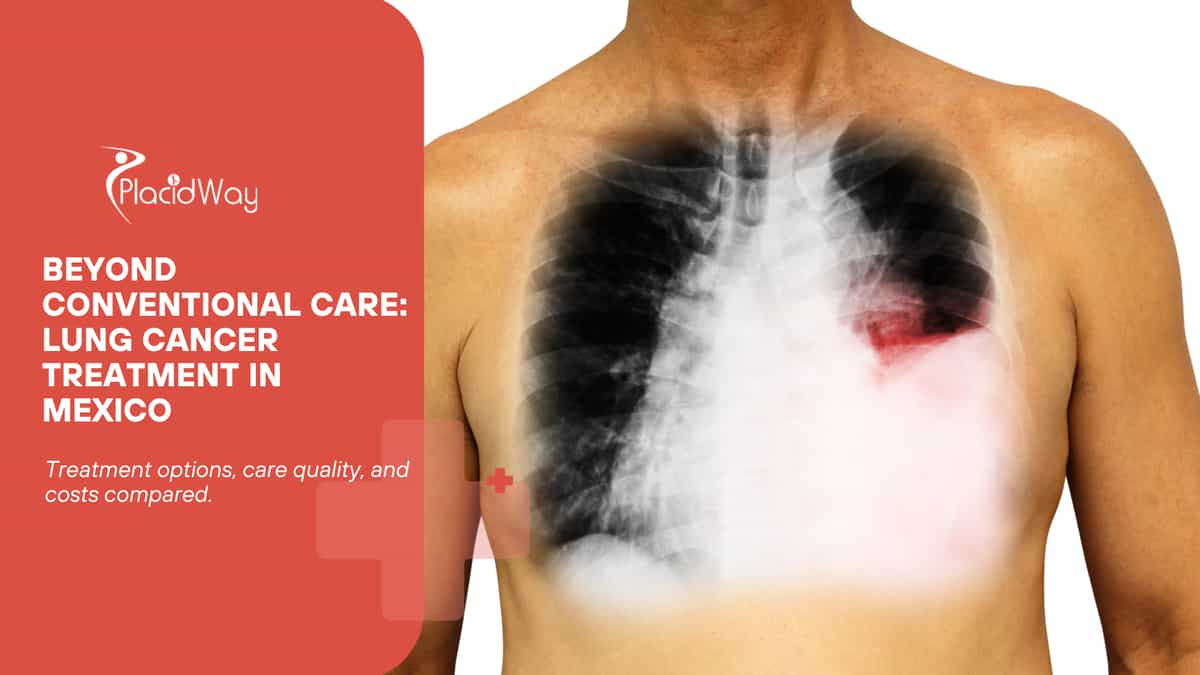
Receiving an oncology diagnosis is difficult, and navigating high medical costs or long wait times at home can add unnecessary stress to your journey. Many international patients are now exploring advanced lung cancer treatment in Mexico to access specialized, compassionate care from board-certified oncologists without compromising on quality. By prioritizing hospitals with Consejo de Salubridad General (CSG) accreditation, you can find transparent pricing and personalized treatment plans designed to support your health and peace of mind.
Quick Answer Summary
- Estimated Cost: Typically ranges from $15,000 to $45,000 USD, depending heavily on whether surgery, chemotherapy, or immunotherapy is required.
- Safety Overview: Safe when choosing hospitals regulated by COFEPRIS and accredited by the Consejo de Salubridad General (CSG).
- Ideal Candidate: Patients seeking timely, specialized oncology care or access to targeted therapies at a lower out-of-pocket cost than in the US or Canada.
- Recovery Time: Surgical recovery often requires 2 to 4 weeks locally, while systemic treatments (chemo/radiation) involve ongoing cycles and extended stays.
- Main Reason for Travel: Escaping prohibitive healthcare costs and bypassing long wait times in nationalized healthcare systems.
- Important Certifications: Always verify that your specialist is certified by the Consejo Mexicano de Oncología (Mexican Board of Oncology).
Why Patients Choose Lung Cancer Treatment in Mexico
Navigating oncology care requires timely intervention, which can be challenging in countries with overwhelmed healthcare systems. International patients often seek lung cancer treatment in Mexico to avoid treatment delays and reduce overwhelming out-of-pocket expenses. Care in this region focuses heavily on a multidisciplinary approach, combining oncologists, thoracic surgeons, and radiologists.
Modern Mexican oncology centers are equipped with state-of-the-art diagnostic imaging and surgical technology comparable to top North American hospitals. These facilities frequently partner with international tumor boards to ensure patient treatment protocols align with global oncology standards.
- Substantially lower treatment costs for chemotherapy and radiation cycles.
- Immediate access to consultations and PET/CT scans without referral waiting lists.
- Availability of advanced immunotherapy and targeted biological drugs.
- Highly personalized, patient-first nursing and supportive care.
- Proximity to the United States and Canada for easier medical travel.
Most patients traveling for lung cancer procedures in Mexico originate from the United States and Canada. These individuals are usually motivated by a gap in their health insurance coverage or restrictive national healthcare policies that limit access to newer, innovative therapies.
Patient Demographics for Oncology Care in Mexico
Understanding who travels for cross-border oncology care can provide reassurance that you are not alone in this journey. Recent clinical registries from 2024 indicate a steady stream of North American patients seeking specialized pulmonary oncology services abroad. The majority of these patients are in their late fifties to early seventies, actively researching second opinions or primary treatment modalities.
Men and women are affected by pulmonary malignancies at similar rates, reflecting the demographic breakdown of patients seeking care. Below is a representation of documented patient travel patterns for oncology care in 2024.
Oncology Medical Tourism Age Distribution (2024)
Data reflects verifiable cross-border oncology patient age brackets (2024 clinical travel registries).
Patients typically travel with a companion or caregiver due to the physical toll of the disease and its treatments. In addition to age distributions, the types of treatments sought vary, though many international patients travel specifically for combined modality therapies.
Primary Oncology Treatments Sought by International Patients (2024)
Understanding Oncology Care Options in Mexico
There is no single approach to managing this disease. Your specific protocol depends on the tumor’s size, location, staging, and your overall pulmonary function. Your multidisciplinary team will evaluate your pathology reports to recommend the most effective intervention.
Modern clinics in Mexico utilize a combination of surgical and non-surgical interventions. Depending on your diagnosis, your doctor may recommend localized therapy, systemic therapy, or a blend of both to achieve the best possible outcome.
- Surgery: Physical removal of the tumor and surrounding affected tissue.
- Radiation Therapy: Use of high-energy rays to shrink or destroy malignant cells.
- Chemotherapy: Anti-cancer drugs delivered intravenously to kill rapidly dividing cells.
- Targeted Therapy: Drugs that specifically attack cancer cell mutations (e.g., EGFR inhibitors).
- Immunotherapy: Medications that help the patient's immune system recognize and fight the disease.
For early-stage diagnoses, localized treatments like surgery or targeted radiation are frequently preferred. More advanced stages typically require systemic treatments that circulate throughout the body to address potential metastasis.
Surgical Interventions for Lung Cancer Treatment in Mexico
Thoracic surgery aims to remove the malignancy entirely while preserving as much healthy lung tissue as possible. Board-certified thoracic surgeons in Mexico frequently perform these procedures using minimally invasive techniques, such as Video-Assisted Thoracoscopic Surgery (VATS). This approach reduces surgical trauma and expedites the recovery process compared to traditional open chest surgery.
The type of resection recommended relies entirely on the tumor's size and location. Surgeons prioritize clearing the margins of the tumor and checking nearby lymph nodes for spread.
| Surgical Procedure | Clinical Explanation | Ideal Scenario |
|---|---|---|
| Wedge Resection | Removal of the tumor along with a small margin of healthy tissue. | Very small, early-stage tumors or patients with poor lung function. |
| Segmentectomy | Removes a larger portion of the lobe than a wedge resection, but not the whole lobe. | Small tumors where preserving lung function is highly critical. |
| Lobectomy | Complete removal of one of the five lobes of the lungs. | Standard treatment for tumors confined to a single lobe. |
| Pneumonectomy | Removal of an entire lung. | Tumors located centrally in the chest that cannot be removed by lobectomy. |
Before undergoing any thoracic surgery, a comprehensive pulmonary function test is mandatory. This ensures your remaining lung tissue can adequately supply oxygen to your body post-operation.
Non-Surgical Therapies in Mexico
When surgery is not viable due to the cancer's stage or the patient's overall health, non-surgical therapies become the primary focus. Chemotherapy and radiation therapy can be administered independently, concurrently, or sequentially. Mexican oncology centers follow international protocols for dosing and administration.
Chemotherapy typically involves intravenous administration over several cycles, allowing the body to recover between doses. Radiation therapy, including Stereotactic Body Radiotherapy (SBRT), delivers highly precise radiation directly to the tumor, minimizing damage to surrounding healthy tissue.
Systemic treatments suppress the immune system and can cause fatigue, nausea, and changes in blood counts. It is crucial to have an established plan for managing these side effects with your medical team, especially if you plan to travel between treatment cycles.
Many patients respond well to combined modalities, but frequent monitoring is necessary. Your oncologist will periodically request imaging scans to evaluate how effectively the tumor is shrinking in response to the medication.
Advanced Lung Cancer Therapies Available in Mexico
Advancements in oncology have introduced highly effective treatments beyond traditional chemotherapy. Targeted therapies and immunotherapies represent a paradigm shift in how specific genetic profiles of tumors are managed. These medications are widely available in premier Mexican cancer centers.
Before initiating these treatments, your doctor will request biomarker testing or molecular profiling of your tumor biopsy. This testing identifies specific genetic mutations, such as ALK or EGFR, which dictate whether these advanced drugs will be effective for your unique case.
Targeted Therapy
Unlike chemotherapy, which affects all rapidly dividing cells, targeted therapy drugs are designed to attack specific abnormalities within cancer cells. These are often administered as daily oral medications. They tend to have different, sometimes milder, side effect profiles compared to traditional chemotherapy.
Immunotherapy
Immunotherapy drugs, such as checkpoint inhibitors, block proteins that prevent the immune system from attacking the cancer. By removing these "brakes," your body's natural defenses can recognize and destroy malignant cells. It is particularly effective for certain types of non-small cell lung cancer.
Because these drugs can be prohibitively expensive in North America, many patients seek immunotherapy prescriptions and infusions through accredited medical facilities in Mexico, making long-term disease management more accessible.
Cost of Lung Cancer Treatment in Mexico vs. North America
Financial toxicity is a major concern for patients facing an oncology diagnosis. The cost of care varies significantly based on the treatment protocol required, the duration of therapy, and the specific clinic chosen. However, medical services in Mexico generally cost 40% to 60% less than equivalent care in the United States.
It is important to remember that oncology care is rarely a one-time fee. Diagnostic testing, multi-cycle chemotherapy, extended hospital stays, and follow-up imaging all contribute to the final financial investment. Always request a clearly itemized estimate from your chosen provider.
| Treatment Modality | Estimated Cost in Mexico (USD) | Estimated Cost in US/Canada (USD) |
|---|---|---|
| Diagnostic PET/CT Scan | $800 - $1,500 | $3,000 - $6,000 |
| Thoracic Surgery (Lobectomy) | $15,000 - $25,000 | $45,000 - $80,000+ |
| Chemotherapy (Per Cycle) | $1,000 - $3,500 | $5,000 - $12,000 |
| Radiation Therapy (Full Course) | $6,000 - $12,000 | $20,000 - $50,000 |
When comparing costs, factor in the cost of travel, accommodation for you and your companion, and potential medical complications insurance. A reputable clinic coordinator will assist in clarifying these ancillary expenses before you commit to travel.
Choosing Hospitals for Lung Cancer Treatment in Mexico
Selecting the right facility is arguably the most critical decision in your medical tourism journey. You must look beyond marketing materials and focus heavily on national licensing, specialized oncology infrastructure, and emergency capabilities. A well-equipped hospital is vital for safely managing complex oncology protocols.
In Mexico, medical facilities are regulated by government bodies. You should prioritize hospitals that hold official national accreditation, ensuring strict adherence to hygiene, safety, and operational standards.
- COFEPRIS License: Ensure the facility is licensed by the Mexican Ministry of Health's regulatory body.
- CSG Accreditation: Look for the Consejo de Salubridad General certification, Mexico’s highest national healthcare standard.
- On-Site ICU: The hospital must have a fully equipped Intensive Care Unit for post-surgical monitoring.
- Multidisciplinary Tumor Board: Confirm the hospital uses a team approach to review pathology and treatment plans.
- In-House Translators: Dedicated bilingual coordinators ensure clear communication regarding complex medical terms.
While Joint Commission International (JCI) accreditation is a positive indicator, it is not strictly required if the hospital holds a rigorous CSG certification. Your focus should remain on the facility’s specific experience with thoracic oncology cases.
Vetting Oncologists and Thoracic Surgeons in Mexico
Your medical outcome depends heavily on the expertise of the specialist designing and executing your treatment. Oncology is a highly specialized field, and your doctor should have extensive, verifiable experience specifically in treating pulmonary malignancies. General surgeons or uncertified practitioners should be avoided.
You have the right to request your doctor's curriculum vitae and medical license numbers. In Mexico, medical professionals are issued a professional license known as a *Cédula Profesional*, which can be publicly verified.
- A valid Cédula Profesional as a medical doctor.
- A valid specialty Cédula in Medical Oncology, Surgical Oncology, or Thoracic Surgery.
- Active Board Certification from the Consejo Mexicano de Oncología (CMO) or the Mexican Board of Thoracic Surgery.
- Membership in professional societies such as ASCO (American Society of Clinical Oncology) or ESMO (European Society for Medical Oncology).
Do not hesitate to ask the surgeon about their annual case volume for lung resections or the medical oncologist about their experience administering the specific immunotherapy drug they are recommending.
Diagnostic Planning and Pre-Treatment Preparation
Accurate staging is the foundation of an effective oncology protocol. If you have been diagnosed in your home country, the medical team in Mexico will request your recent scans, biopsy pathology reports, and blood work for review. In many cases, they may order their own diagnostic imaging upon your arrival to ensure the data is current.
Thorough preparation ensures your safety and improves treatment efficacy. You will undergo cardiac evaluations and pulmonary function tests to ensure your body can withstand surgery or aggressive systemic therapies.
| Diagnostic Test | Purpose in Treatment Planning |
|---|---|
| PET/CT Scan | Identifies active cancer cells and determines if the tumor has metastasized beyond the lungs. |
| Endobronchial Ultrasound (EBUS) | Allows doctors to visualize the airways and biopsy nearby lymph nodes for accurate staging. |
| Biomarker / Genetic Testing | Analyzes tumor DNA to identify mutations (EGFR, ALK) that respond to targeted therapies. |
| Spirometry (PFT) | Measures lung capacity to confirm you can safely breathe with reduced lung volume post-surgery. |
Communicate openly with your coordinator regarding any medications you currently take. Certain blood thinners or supplements must be discontinued weeks before surgical intervention or starting new pharmaceutical regimens.
Post-Treatment Recovery Timeline in Mexico
Recovery is highly variable and depends entirely on the chosen treatment modality. Surgical patients face a different recovery trajectory than those undergoing concurrent chemotherapy and radiation. Having realistic expectations about your post-treatment physical state is vital for planning your return travel.
If you undergo a lobectomy or wedge resection, expect to stay in the hospital for several days. A chest tube will remain in place initially to drain excess fluid and air from the chest cavity.
| Timeframe | Biological Process | Patient Sensation | Action Required |
|---|---|---|---|
| Days 1-4 (Surgery) | Initial wound healing and chest tube drainage. | Significant soreness, fatigue, shortness of breath. | Rest in hospital ICU/ward. Use incentive spirometer to expand lungs. |
| Weeks 1-3 | Incision tissue repair; inflammation subsides. | Improving energy, localized mild pain, persistent cough. | Stay near the clinic in a hotel for follow-ups and clearance to fly. |
| Months 1-3 | Lungs adapt to decreased volume. | Gradual return to normal breathing during light activities. | Engage in pulmonary rehabilitation exercises at home. |
For patients receiving chemotherapy or radiation, recovery is cyclical. You may feel severe fatigue in the days following a treatment session, slowly regaining strength before the next cycle begins.
Risks, Safety, and Complication Management
Every medical intervention carries inherent risks, and oncology treatments are particularly taxing on the human body. Understanding these risks empowers you to recognize warning signs early and seek prompt medical attention. No doctor can guarantee a risk-free procedure or a permanent cure.
Surgical risks include bleeding, infection, pneumonia, and prolonged air leaks from the lung tissue. Systemic treatments carry risks of severe immunosuppression, cardiotoxicity, and secondary infections.
Seek immediate medical help if you experience:
- A fever over 100.4°F (38°C), which may indicate a severe infection.
- Sudden, severe shortness of breath or sharp chest pain.
- Coughing up significant amounts of bright red blood.
- Extreme dizziness, confusion, or inability to keep fluids down.
Before leaving Mexico, ensure you have a detailed, translated discharge summary. This document must outline the exact surgical techniques used, chemotherapy agents administered, dosages, and emergency contact numbers for your Mexican medical team.
Continuity of Care and Home-Country Follow-Up
Oncology care requires lifelong monitoring. Your treatment in Mexico is only one phase of your overall healthcare journey. Before you travel, it is highly recommended to establish a relationship with a local oncologist or primary care physician in your home country who is willing to manage your follow-up care.
Your local doctor will need to oversee routine blood tests, manage long-term medication side effects, and order periodic CT scans to monitor for recurrence. Good communication between your international and domestic medical teams is vital.
- Secure all digital imaging files (DICOM format on a USB drive).
- Obtain hard copies of all biopsy and pathology reports in English.
- Schedule a follow-up appointment with your local doctor within two weeks of returning home.
- Set up a tele-medicine consultation schedule with your Mexican oncologist.
Ask your Mexican provider if they use a secure digital portal to share medical records. Seamless data transfer prevents redundant testing and ensures your local physician understands your exact clinical status.
Travel and Logistics for Oncology Patients
Traveling while managing a serious health condition requires meticulous logistical planning. Oncology patients face unique travel challenges, including compromised immune systems and restricted mobility. Selecting the right destination city within Mexico—such as Monterrey, Tijuana, or Mexico City—can reduce travel strain.
You should prioritize direct flights to minimize transit time and physical exhaustion. If crossing the border by land, utilize medical fast-pass lanes offered by many border-city clinics to avoid prolonged waiting times in vehicles.
- Mask Up: Wear high-quality N95 masks in airports and crowded areas to protect your suppressed immune system.
- Hydration and Movement: Stay hydrated and move your legs frequently during flights to prevent deep vein thrombosis (blood clots).
- Medication Supply: Pack all current medications in your carry-on luggage, not in checked bags.
- Companion Support: Never travel alone for oncology care; a caregiver is essential for physical and emotional support.
Consult with your home country's consulate or travel advisory boards regarding medical visa requirements. While US and Canadian citizens typically enter Mexico visa-free for short medical trips, extended stays for prolonged chemotherapy may require specific documentation.
Frequently Asked Questions
Is lung cancer treatment in Mexico safe for international patients?
Yes, it can be safe when you choose hospitals licensed by COFEPRIS and accredited by the Consejo de Salubridad General. Safety heavily depends on vetting the facility's emergency infrastructure and ensuring your oncologist is board-certified by the Consejo Mexicano de Oncología.
How much does immunotherapy cost for lung cancer in Mexico?
Immunotherapy costs vary widely based on the specific drug and dosage required. Generally, it can cost between $3,000 and $8,000 per cycle in Mexico, which is often substantially less than the uninsured out-of-pocket costs in the United States.
Can I use my US health insurance in Mexico?
Most standard US health insurance plans, including Medicare, do not cover elective international treatments. However, some specialized medical tourism insurance policies or employer self-funded health plans may offer cross-border coverage. Always verify with your provider directly.
What is the recovery time after a lobectomy in Mexico?
Initial hospital recovery takes 3 to 7 days. You will typically need to stay in Mexico for an additional 2 to 3 weeks for follow-up appointments and clearance to fly, as changes in cabin pressure can be dangerous for healing lungs.
Do Mexican oncology clinics offer targeted therapy?
Yes, premier oncology centers in Mexico offer targeted therapies. They will first conduct biomarker testing to ensure your specific tumor mutation (such as EGFR or ALK) will respond to the targeted medication.
How do I verify a Mexican oncologist's credentials?
You can verify their medical license (Cédula Profesional) through the Mexican government's online registry. Additionally, ensure they are actively certified by the Consejo Mexicano de Oncología (CMO).
Are the chemotherapy drugs used in Mexico authentic?
Yes, regulated hospitals source their medications directly from licensed international pharmaceutical companies. COFEPRIS strictly monitors drug authenticity and supply chains in certified medical facilities to ensure patient safety.
What happens if there is a complication during surgery?
This is why choosing an accredited hospital is crucial. Accredited facilities have on-site Intensive Care Units (ICU), emergency blood banks, and multidisciplinary surgical teams equipped to manage sudden medical crises effectively.
Will I face a language barrier during treatment?
Top medical tourism hospitals in Mexico employ bilingual doctors and provide dedicated in-house medical translators. These coordinators guide you through consultations to ensure you fully understand all medical terminology and treatment plans.
Do I need a companion to travel with me?
Yes, it is highly recommended to travel with a companion. Oncology treatments cause significant fatigue and physical limitations. A caregiver is vital for assisting with mobility, medication management, and providing emotional support.
Ready to Explore Your Oncology Options?
Navigating cancer care abroad can feel overwhelming, but you do not have to do it alone. PlacidWay can help you connect with board-certified oncologists, compare hospital credentials, and receive transparent cost estimates for your treatment in Mexico.
Request Free Information TodayDisclaimer: This information is for educational purposes only and does not replace professional medical advice. Always consult a qualified healthcare provider before making medical decisions.
References
- Treating Lung Cancer – American Cancer Society
- Ministry of Health Mexico (Secretaría de Salud) – Government of Mexico
- Medical Tourism Travel Information – Centers for Disease Control and Prevention (CDC)
- Cancer Fact Sheet – World Health Organization (WHO)
- International Healthcare Accreditation Standards – Joint Commission International
- Lung Cancer Treatment Options – American Lung Association


























Share this listing