
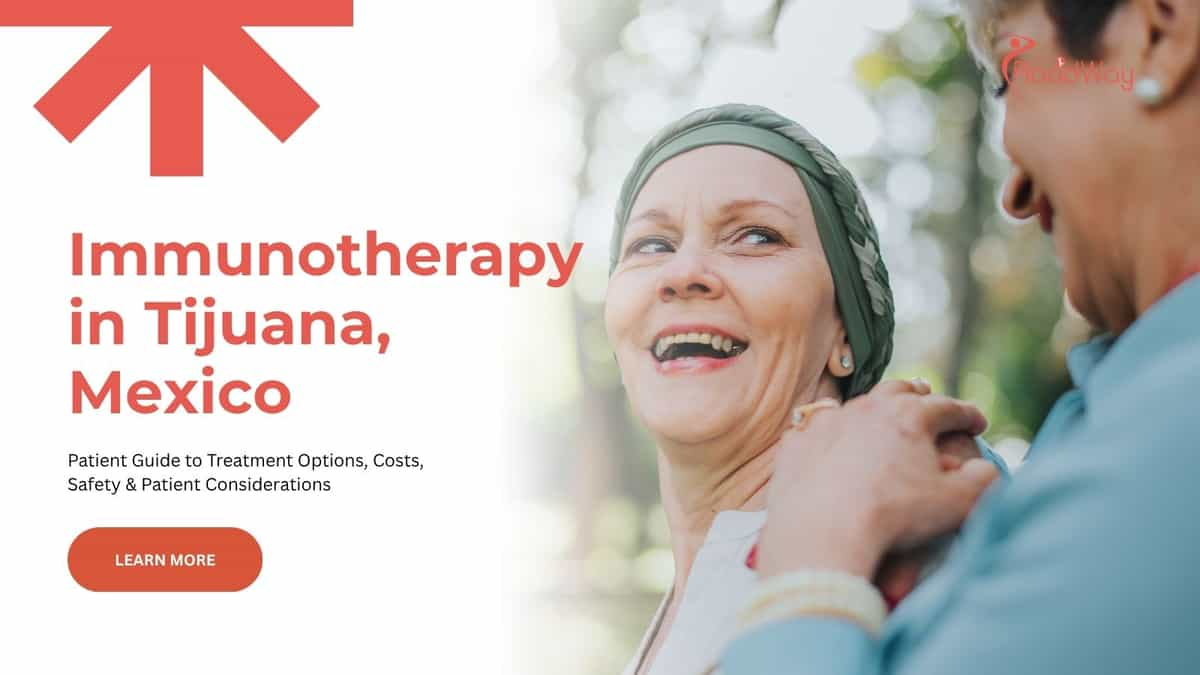
Navigating the complex landscape of immunotherapy can feel overwhelming especially when you are searching for effective treatments outside your home country to manage serious health conditions. Many international patients travel to Tijuana Mexico seeking access to advanced biological therapies integrative oncology protocols and more affordable conventional treatments that might be financially out of reach at home. This guide will help you understand your treatment options evaluate expected costs and identify critical safety credentials like COFEPRIS licensing and board certification from the Consejo Mexicano de Oncología so you can make an informed and secure healthcare decision.
- Estimated Cost in USD: Treatment cycles typically range from $15000 to $45000 depending on the specific drug protocol and duration.
- Safety Overview: Safe when performed at federally licensed facilities by registered oncologists; however rigorous clinic vetting is mandatory.
- Ideal Candidate: Patients with specific solid tumors blood cancers or autoimmune conditions who have a comprehensive diagnosis and clearance for travel.
- Recovery Time: Varies significantly by protocol but many outpatient treatments require a 1 to 3 week stay in Tijuana for initial cycles.
- Main Reason for Travel: High costs in the United States and Canada combined with the availability of integrative combination therapies in Mexico.
- Important Caution: Always verify that the clinic holds a current license from COFEPRIS and that your specialist is certified by the Mexican Council of Oncology.
Understanding Immunotherapy and How It Works in Your Body
Immunotherapy represents a major shift in how modern medicine approaches complex diseases particularly cancer and severe autoimmune disorders. Instead of directly attacking diseased cells this treatment utilizes your own immune system to recognize target and destroy abnormal cells. This biological therapy modifies your natural immune response to enhance its targeting capability.
For international patients seeking treatment in Tijuana understanding the mechanism of action is a crucial first step. Depending on your diagnosis your immune system may be failing to recognize cancer cells because they hide behind specific proteins. Immunotherapy blocks these hiding mechanisms allowing your white blood cells to do their job.
| Therapy Action | Biological Process | Clinical Goal |
|---|---|---|
| Checkpoint Inhibition | Blocks proteins that stop immune cells from attacking | Allows T-cells to recognize and destroy tumors |
| Adoptive Cell Transfer | Extracts modifies and reinfuses your immune cells | Increases the volume of cancer-fighting cells |
| Monoclonal Antibodies | Laboratory-produced molecules that serve as substitute antibodies | Flags abnormal cells for immune system destruction |
| Treatment Vaccines | Introduces antigens into the body | Trains the immune system to respond to specific diseases |
It is important to remember that immunotherapy is not a universal cure and its effectiveness varies by individual. Your response depends on your unique cellular makeup your previous medical treatments and the specific nature of your condition.
Types of Immunotherapy Available in Tijuana Clinics
Medical facilities in Tijuana offer several categories of immunotherapy ranging from conventional FDA-approved pharmaceuticals to integrative and alternative biological therapies. You must clearly understand which type of therapy a clinic is proposing before committing to a treatment plan.
Many specialized oncology centers provide immune checkpoint inhibitors which are standard medications utilized globally. Additionally some clinics offer dendritic cell therapy which involves culturing your own cells in a laboratory before reintroducing them into your body. This personalized approach requires highly regulated laboratory environments.
Includes universally recognized medications such as Keytruda Opdivo or Yervoy. These are administered under standard oncology protocols and are identical to those used in the United States or Europe.
Combines standard immunotherapies with supportive therapies like specialized nutrition hyperthermia or dendritic cell vaccines to potentially enhance the body natural healing capacity.
Always ask your prospective clinic for exact medication names and treatment protocols. Understanding exactly what is being infused into your body ensures you can discuss the plan with your primary healthcare team back home.
Why International Patients Choose Tijuana for Care
Tijuana has established itself as one of the busiest medical tourism hubs globally particularly for patients from the United States and Canada. The primary driver for this cross-border travel is the extreme cost difference for biological medications. In Northern America advanced cancer treatments can quickly deplete a family life savings.
Beyond cost many patients seek out Tijuana because it offers integrative approaches that combine conventional medicine with holistic support. These comprehensive programs often focus on improving overall quality of life while aggressively treating the primary disease.
Tijuana shares a border with San Diego California making it highly accessible. Many accredited clinics offer medical border passes which allow patients to use a designated fast lane when returning to the United States significantly reducing border wait times.
The proximity to San Diego means patients can fly into a major US airport be picked up by clinic transport and arrive at their hospital within a few hours. This logistical ease is a major factor for patients managing chronic illness and fatigue.
Mexican Medical Framework and Regulatory Bodies
When seeking complex treatments abroad understanding the destination healthcare regulation system protects your safety. Mexico has strict federal laws governing medical practice pharmaceuticals and hospital operations. The system is fundamentally similar to international standards but operates under different government bodies.
The primary regulatory agency you must look for is COFEPRIS the Federal Commission for the Protection against Sanitary Risk. This is the Mexican equivalent of the US FDA. Any clinic administering medications or operating a laboratory must hold specific active permits from this agency.
- Current COFEPRIS operating license clearly displayed
- Certified on-site laboratory for any blood or cell manipulation
- Consejo de Salubridad General national hospital certification
- Doctors registered with the Registro Nacional de Profesionistas
- Clear protocols for handling medical emergencies and transfers
Choosing a facility that operates transparently within this regulatory framework is your best defense against substandard care. Reputable clinics will readily share their licensing numbers and regulatory compliance documentation upon request.
Patient Demographics and Treatment Travel Trends
The landscape of medical travel to Tijuana for immunology and oncology services has evolved significantly. According to cross-border healthcare data from 2024 to 2025 the patient demographic is shifting from exclusively late-stage patients seeking last-resort options to proactive patients seeking affordable early-intervention therapies.
Patients typically range from 45 to 75 years of age with a roughly equal distribution between men and women. The vast majority originate from the Western United States Canada and increasingly from European nations where public health wait times may delay access to novel immunotherapies.
Understanding these demographics helps illustrate that you are not alone in seeking cross-border healthcare. The infrastructure in Tijuana has adapted specifically to accommodate this mature English-speaking patient base ensuring communication and comfort are prioritized.
Clinical Evidence and Quality of Life Outcomes
The primary goal for many patients undergoing immunotherapy is not just disease management but also preserving and improving their quality of life. Recent clinical observations indicate that patients often report stabilization in energy levels and pain management when conventional immunotherapies are properly administered.
Patient-reported outcomes are a critical metric for evaluating the success of care programs. Specialized clinics monitor these outcomes closely adjusting treatment doses and providing supportive care to manage immune-related adverse events quickly.
Your individual outcome will depend entirely on your specific diagnosis and how your immune system responds to the biological agents. Reputable medical teams will not guarantee a cure but will provide realistic evidence-based projections for your case.
Evaluating Your Eligibility for Treatment Abroad
Not every patient is an ideal candidate for immunotherapy or for international medical travel. Determining your eligibility involves a thorough review of your medical records pathology reports and your current physical stamina for travel.
Doctors in Tijuana will typically require recent blood work PET or CT scans and a complete medical history before confirming they can accept your case. This remote pre-evaluation process is standard practice and protects you from making an unnecessary journey.
| Eligibility Factor | Ideal Candidate Condition | Potential Disqualifier |
|---|---|---|
| Physical Stamina | Able to manage basic daily activities and travel | Requires constant ICU-level care or oxygen support |
| Medical History | Clear pathology reports and documented prior treatments | Undiagnosed conditions or lack of medical records |
| Organ Function | Healthy liver and kidney function for drug processing | Severe organ failure or active severe infections |
| Condition Type | Solid tumors or specific autoimmune markers | Conditions with no known immunologic response |
Always maintain open communication with your local primary care doctor or oncologist about your plans. A collaborative approach ensures continuity of care when you return home.
Step by Step Guide to the Treatment Process
Knowing what to expect upon arrival can significantly reduce anxiety. The process in Tijuana is typically highly organized with clinics providing specialized patient coordinators who manage your schedule transportation and translation needs.
Your first day will usually involve comprehensive consultations physical exams and confirmatory laboratory testing. Treatment rarely begins the moment you arrive as the medical team must ensure you are stable and that the proposed protocol is perfectly tailored to your current health status.
- Arrival and Intake: Airport pickup hotel check-in and clinic orientation.
- Medical Evaluation: Blood draws imaging reviews and specialist consultations.
- Protocol Finalization: The medical board reviews your results and finalizes dosages.
- Treatment Administration: Depending on the drug this involves intravenous infusions lasting several hours.
- Monitoring Period: Observation for acute immune reactions over the next 24 to 48 hours.
Many immunotherapy protocols require multiple cycles. You may need to stay in Tijuana for a few weeks or you might travel back and forth for scheduled infusions depending on your customized care plan.
Understanding Potential Risks and Complications
Every medical intervention carries risks and biological therapies are no exception. Because immunotherapy stimulates your immune system it can sometimes cause your immune cells to attack healthy organs resulting in immune-related adverse events.
These side effects can range from mild skin rashes and fatigue to severe inflammation of the lungs intestines or liver. Managing these complications requires immediate medical intervention usually with corticosteroids to calm the immune response.
If you experience severe diarrhea shortness of breath or extreme fatigue following treatment you must contact your medical team immediately. Do not attempt to manage severe immune-related side effects with over-the-counter medications.
Before selecting a facility in Tijuana confirm that they have a clear emergency protocol. The clinic must have access to intensive care capabilities or a formal transfer agreement with a major tertiary hospital in case a severe adverse event occurs.
Cost of Immunotherapy Compared to the United States
The financial aspect of healthcare is the primary reason many explore cross-border options. In the United States a single year of treatment with advanced checkpoint inhibitors can exceed $150000. Even with insurance out-of-pocket costs and co-pays can be devastating.
In Tijuana the cost structure is significantly different due to lower administrative overhead government price controls on certain medications and bundled care packages. While not inexpensive the cash price is often a fraction of the uninsured cost north of the border.
| Treatment Component | Estimated Cost in Tijuana (USD) | Estimated Cost in US (USD) |
|---|---|---|
| Initial Medical Evaluation | $200 - $500 | $1500 - $4000 |
| Single Infusion Cycle (Standard Drug) | $3000 - $8000 | $12000 - $25000 |
| Comprehensive Monthly Protocol | $15000 - $35000 | $40000 - $100000+ |
| Supportive Therapies (Nutrition IVs) | Included in many packages | Billed separately ($2000+) |
Be aware of hidden costs. Always request an itemized written quote that specifies exactly which medications doctor fees laboratory tests and supportive therapies are included in your package.
How to Select a Safe and Regulated Clinic
Your choice of hospital or clinic is the single most important decision you will make in your medical journey. Tijuana is home to world-class modern medical facilities as well as smaller less regulated clinics. Diligence is mandatory.
Look beyond the marketing material. A safe clinic will operate out of a modern facility have transparent pricing and provide direct access to the treating physicians rather than just sales representatives.
- Requires extensive medical records before acceptance
- Provides detailed written treatment plans
- Has on-site emergency equipment
- Offers in-house translation services
- Guarantees a 100% cure rate
- Pressures you for immediate deposits
- Refuses to name the specific medications used
- Operates in residential or non-clinical buildings
Take the time to verify the facility national hospital accreditation. Facilities recognized by the Consejo de Salubridad General adhere to strict national safety and hygiene standards.
Verifying Your Specialist Credentials and Experience
The doctor designing and administering your biological therapy must be highly qualified. In Mexico medical professionals must be registered and licensed at the federal level to practice specialized medicine.
You should request the physician Cedula Profesional number which is their national medical license. You can verify this number online through the Mexican government official registry to ensure they hold the necessary degrees.
Ensure your lead physician is board-certified by the Consejo Mexicano de Oncología (Mexican Council of Oncology) or the relevant national board for immunology. This ensures they have completed rigorous specialty training.
Ask about their specific experience with immunotherapy protocols how many cases they manage annually and how they handle medical complications. A competent specialist will answer these questions openly and professionally.
Planning Your Travel and Border Logistics
Medical travel requires careful logistical planning especially when you are managing an underlying health condition. Tijuana proximity to the San Diego International Airport makes it unique among medical tourism destinations offering exceptional convenience.
Most reputable clinics provide a dedicated driver who meets you at the airport in San Diego and drives you directly across the border. This eliminates the stress of navigating public transportation or standard taxi services in a new city.
| Travel Preparation Step | Action Required | Timeline |
|---|---|---|
| Passport Verification | Ensure passport is valid for at least 6 months | 2 months before travel |
| Medical Records | Compile translated copies of all scans and labs | 1 month before travel |
| Financial Arrangements | Notify your bank of international transactions | 2 weeks before travel |
| Local Care Setup | Schedule follow-up appointments with your home doctor | 1 week before travel |
When booking accommodations ask your clinic if they have partnerships with local medical recovery hotels. These hotels are often designed for post-treatment patients offering specialized diets nursing support and transportation to your medical appointments.
Post Treatment Care and Long Term Monitoring
Your treatment does not end when you cross the border back home. Immunotherapy can have delayed onset side effects and requires careful long-term monitoring through blood work and imaging scans.
Before leaving Tijuana you must secure a detailed discharge summary written in English. This document should outline exact drug dosages administered complication protocols and a precise follow-up schedule.
You will need a willing physician in your home country to order routine labs and monitor your progress. Establishing this collaborative relationship before you travel ensures you are not left without care if an adverse event occurs weeks after your return.
Frequently Asked Questions
Is immunotherapy in Tijuana safe for international patients?
Treatment can be safe when performed in COFEPRIS-licensed facilities by board-certified oncologists. However patient safety depends heavily on selecting a reputable clinic and ensuring you are medically stable enough to travel and receive biological therapies.
Why is medical treatment so much cheaper in Mexico?
The cost difference is driven by lower administrative overhead reduced malpractice insurance premiums government price regulations on certain healthcare services and the lower overall cost of living. The medications themselves are often the same global brands.
Will my home country health insurance cover clinics in Tijuana?
Most standard US and Canadian health insurance plans do not cover elective or scheduled medical treatments in Mexico. You should expect to pay out-of-pocket though some private medical tourism insurance policies may offer specific coverages.
What medications are typically used in these protocols?
Clinics may use conventional immune checkpoint inhibitors like Pembrolizumab or Nivolumab. Some facilities also specialize in biological vaccines or adoptive cell therapies depending on their laboratory capabilities and your specific diagnosis.
How long do I need to stay in Mexico for the procedure?
Length of stay varies significantly by protocol. Some patients stay for a three-week intensive integrative program while others visit for a few days for single intravenous infusions and return home for recovery.
Do doctors in Tijuana speak fluent English?
Yes the vast majority of specialists working in Tijuana medical tourism sector speak fluent English. Many completed portions of their medical training or fellowships in the United States or Europe.
What happens if I have a medical emergency during treatment?
Reputable clinics have protocols for managing acute adverse reactions including administering corticosteroids and stabilizing patients. Ensure your chosen facility has ICU capabilities or a formal transfer agreement with a major local hospital.
Can I combine conventional medicine with alternative therapies?
Many clinics in Tijuana specialize in integrative oncology combining standard biological drugs with supportive therapies like nutritional IVs or hyperthermia. Always discuss potential drug interactions with your lead oncologist.
How do I cross the border safely after treatment?
Accredited clinics typically provide a medical fast-pass for the San Ysidro border crossing and arrange private medical transportation. This significantly reduces wait times and ensures a comfortable return to San Diego.
How can I verify if a clinic is legally licensed?
You should ask the clinic for their COFEPRIS license number and their internal registry documents. You can verify these credentials online through the Mexican government health regulation portals or work with a vetted medical tourism agency.
Ready to explore your options safely? PlacidWay can help you compare highly vetted providers understand accurate treatment costs and connect directly with certified specialists in Tijuana.
Request a Free ConsultationDisclaimer: This information is for educational purposes only and does not replace professional medical advice. Always consult a qualified healthcare provider before making medical decisions.
References
- Federal Commission for the Protection against Sanitary Risk (COFEPRIS) – Government of Mexico
- National Medical Registration and Certification – Sociedad Mexicana de Oncología
- Understanding Immunotherapy Mechanisms and Risks – American Cancer Society
- Cross Border Medical Travel Demographics and Statistics 2024 – Patients Beyond Borders
- Healthcare Infrastructure and Quality Metrics in Mexico – Medical Tourism Index
- Global Oncology and Cross-Border Cancer Care Outcomes – National Institutes of Health 2024 Publications


























Share this listing