
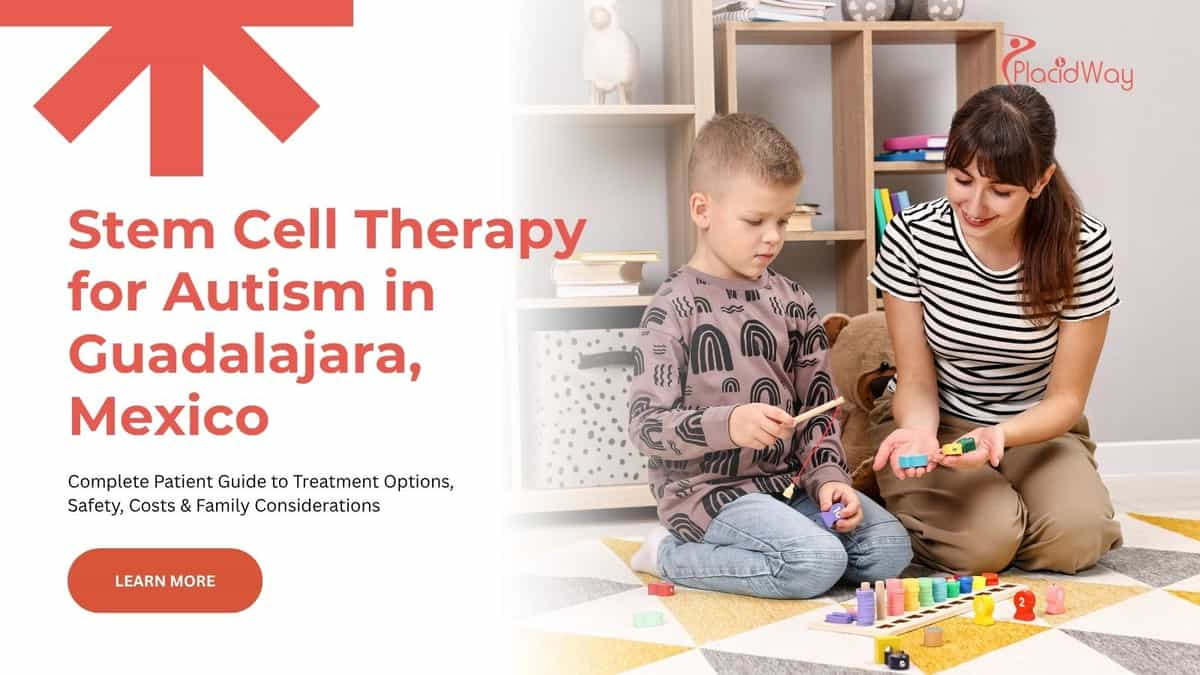
You are likely researching alternative options because you want to provide every possible supportive therapy for your child navigating autism spectrum disorder. Finding reliable information about international healthcare can feel incredibly difficult especially when evaluating complex regenerative treatments. Traveling to a destination known for regulated medical tourism requires careful financial planning and a thorough understanding of essential clinical credentials like COFEPRIS certification. This patient guide will help you understand expected costs evaluate safety protocols and identify licensed specialists so you can make an informed healthcare decision for your family.
Quick Answer Summary
- Estimated Cost Investment Treatment typically ranges from $5,000 to $12,000 USD depending on the prescribed cellular dosage and protocol.
- Primary Regulatory Body You must verify that the clinic and laboratory hold active COFEPRIS licensing for regenerative medicine.
- Ideal Patient Profile Children with a confirmed autism spectrum disorder diagnosis whose pediatricians support exploring alternative immunomodulatory therapies.
- Expected Recovery Time The outpatient procedure involves minimal physical downtime but requires continuous developmental monitoring over several months.
- Destination Advantage Guadalajara offers advanced medical infrastructure and proximity to North America making travel less stressful for neurodivergent children.
- Important Clinical Caution Stem cell therapy is not a cure for autism and developmental improvements vary significantly among individual patients.
Understanding the Science of Stem Cell Therapy for Autism
Autism spectrum disorder involves complex neurological and immune system characteristics that vary widely among individuals. Some clinical studies suggest that neuroinflammation and immune dysregulation may play a significant role in the development and severity of autistic behaviors. Standard therapies focus heavily on behavioral interventions and educational support to help children develop functional skills. However many parents explore regenerative medicine hoping to address the underlying physiological factors associated with the condition.
Mesenchymal stem cells often derived from ethically sourced umbilical cord tissue are frequently used in these experimental therapies. These specific cells are studied for their potential immunomodulatory and anti-inflammatory properties. When administered in a clinical setting they may help regulate immune responses and potentially reduce neurological inflammation.
The goal of this therapy is not to change a childs fundamental personality or neurodivergent identity. Instead clinicians aim to alleviate severe symptoms such as extreme sensory processing issues gastrointestinal distress and severe communication barriers. Improvements are typically gradual and require ongoing behavioral therapies to maximize any potential benefits.
Why Families Choose Guadalajara Mexico for Autism Care
Seeking medical care across borders is a major decision especially for families raising a child with autism. Many parents look toward international medical hubs when treatments are limited strictly to clinical trials in their home countries. Guadalajara has developed a robust healthcare infrastructure that actively supports international patients seeking regulated alternative therapies.
The city features modern medical facilities that operate under strict federal oversight. Medical tourism is a recognized and heavily supported industry in the region meaning many clinics cater specifically to the linguistic and logistical needs of international families.
- Geographic proximity to the United States and Canada reduces travel time and sensory overload for the child.
- Many specialized clinics employ bilingual staff and offer dedicated patient coordination services.
- Treatment costs are generally more manageable compared to similar private therapies in other global destinations.
- The region hosts state of the art laboratories that process and culture cellular products under strict quality controls.
Furthermore the local culture is known for being highly family oriented and welcoming. This environment can significantly reduce the stress associated with medical travel helping both the parents and the child feel more comfortable during the treatment window.
How Mesenchymal Stem Cells Interact with the Body
The core mechanism of mesenchymal stem cell therapy relies on a process known as paracrine signaling. Rather than replacing damaged brain tissue directly these cells release specific proteins growth factors and cytokines into the bloodstream. These secreted factors travel throughout the body and may cross the blood brain barrier to interact with the central nervous system.
Researchers focus heavily on the ability of these cells to shift the immune system from a pro inflammatory state to an anti inflammatory state. For children experiencing systemic inflammation this biological shift may create a healthier internal environment. This improved environment can potentially support better neurological function and development.
| Biological Action | Potential Clinical Effect | Patient Observation |
|---|---|---|
| Immunomodulation | Regulation of overactive immune responses | Reduction in frequent illnesses or autoimmune symptoms |
| Anti Inflammatory Signaling | Decreased neuroinflammation | Potential improvements in focus and emotional regulation |
| Angiogenesis Support | Improved blood flow and cellular oxygenation | Enhanced overall physical energy and wellness |
It is crucial to understand that biological responses differ significantly from patient to patient. While some parents report noticeable changes in eye contact and verbal communication within weeks others may see very subtle changes over several months. Your childs unique biological makeup will ultimately dictate how their body processes the cellular therapy.
Expected Timeline and Treatment Process in Mexico
Planning a medical trip requires a clear understanding of the clinical schedule to manage your childs expectations and anxiety. Most reputable clinics in Guadalajara follow a structured multi day protocol. This structured approach prioritizes patient safety and allows the medical team to monitor the child closely throughout the administration process.
The journey typically begins well before you board a plane. Initial consultations are almost always conducted via video call where the medical team reviews your childs diagnostic reports and medical history. Once approved the actual in country process usually spans three to five days.
Your family arrives in Guadalajara. You will visit the clinic for a comprehensive physical examination routine blood work and a consultation with the attending physician.
The therapeutic cells are administered typically via an intravenous drip. The process is usually completed in a calm comfortable room over a few hours.
The child is monitored for any mild side effects such as fatigue or low grade fever. The medical team provides detailed aftercare instructions before clearing you for travel.
After returning home the clinic should maintain regular contact. Reputable providers schedule follow up virtual appointments at specific intervals to track developmental progress and address any parental concerns.
Evaluating Safety Protocols and Potential Risks
Patient safety must be the absolute priority when considering any form of regenerative medicine. While mesenchymal stem cells derived from umbilical cord tissue are generally well tolerated the procedure is not entirely without risk. Complications are typically mild and temporary but parents must be fully informed before consenting to treatment.
The most common side effects involve the bodys natural immune response to the cellular introduction. These reactions usually resolve on their own within twenty four to forty eight hours. Severe adverse events are exceptionally rare when the treatment is administered by qualified specialists in a sterile regulated environment.
| Potential Side Effect | Frequency | Standard Clinical Management |
|---|---|---|
| Low Grade Fever | Common | Over the counter pediatric fever reducers as advised by the doctor |
| Fatigue or Lethargy | Common | Allowing the child ample rest and hydration post procedure |
| Mild Nausea | Occasional | Dietary adjustments and prescribed anti nausea medication if needed |
| Injection Site Bruising | Rare | Warm compresses and standard first aid care |
To minimize risks ensure the clinic transparently shares their cell screening processes. Umbilical cord tissue must be rigorously tested for infectious diseases and genetic abnormalities before any cells are cultured for patient use.
Identifying the Ideal Candidate for Cellular Therapy
Not every child diagnosed with autism spectrum disorder is a suitable candidate for this specific intervention. Medical teams carefully evaluate each case to ensure the therapy aligns with the childs physical health and developmental needs. Providers typically look for specific criteria before approving a family for travel and treatment.
Children with active severe infections underlying genetic syndromes unrelated to autism or certain immunological disorders may be disqualified. The goal is to ensure the childs body can safely process the cellular therapy without exacerbating existing medical conditions.
- The patient should have a documented official diagnosis of autism spectrum disorder from a qualified specialist.
- The child must be free from active systemic infections or severe uncontrolled seizure disorders at the time of treatment.
- Families must demonstrate an understanding that this therapy is experimental and serves as an adjunct to behavioral interventions.
- The child should be enrolled in ongoing occupational speech or behavioral therapies to support neuroplasticity.
During the preliminary consultation the doctor may request recent blood panels and a detailed summary of current medications. Full transparency about your childs health history is essential for determining true eligibility.
Financial Investment and Cost of Treatment in Guadalajara
Navigating the financial aspects of international medical care requires careful planning. Medical tourism in Mexico offers significant cost advantages compared to private clinics in the United States or Europe but it remains a substantial investment. Pricing structures vary based on the specific clinic the dosage of cells required and the comprehensive nature of the medical package.
Most reputable providers offer all inclusive medical packages. However you must request an itemized written quote to understand exactly what is covered. Hidden costs can arise if you do not clarify whether pre procedure diagnostics or follow up consultations are included in the base price.
| Expense Category | Estimated Cost Range USD |
|---|---|
| Initial Medical Consultation | Included to $200 |
| Cellular Processing and Administration | $4,500 to $10,500 |
| Pre Procedure Laboratory Work | $200 to $500 |
| Facility and Nursing Fees | $300 to $800 |
Keep in mind that these estimates do not include travel logistics such as flights sensory friendly accommodations and local transportation. Many families budget an additional fifteen to twenty percent above the medical quote to cover comprehensive travel expenses comfortably.
Comparing Global Destinations for Regenerative Medicine
Families researching regenerative options often weigh several international destinations before making a final choice. Each country presents a unique combination of regulatory oversight geographical convenience and overall affordability. Understanding these regional differences helps parents choose the destination that best fits their logistical and financial capabilities.
Guadalajara stands out because it combines rigorous federal medical regulations with highly accessible travel routes from North America. Other popular destinations may offer similar cellular protocols but present different challenges regarding travel time or overall expense.
Guadalajara Mexico
Offers strict COFEPRIS regulation highly competitive pricing and short direct flights from major US cities. Excellent option for families prioritizing minimal travel disruption.
Panama City Panama
Known for well established research clinics and advanced facilities. However treatment packages tend to be significantly more expensive often exceeding twenty thousand dollars.
When comparing destinations always prioritize the clinical standards and regulatory environment over geographic appeal. The safety and purity of the cellular product must remain the deciding factor in your healthcare journey.
Identifying Reputable Clinics and Essential Certifications
The quality of care you receive depends entirely on the clinic you select. In Mexico healthcare facilities are regulated by federal authorities and ensuring your chosen clinic holds the proper documentation is non negotiable. You must verify that the facility is legally authorized to handle and administer biological cellular products.
The primary regulatory body in Mexico is COFEPRIS which stands for the Federal Commission for the Protection against Sanitary Risk. This government agency operates similarly to the FDA in the United States overseeing clinical safety laboratory standards and pharmaceutical protocols.
- Ask the clinic to provide their active COFEPRIS operational license number specifically for regenerative medicine.
- Verify if the facility is recognized by the Consejo de Salubridad General CSG which is the national medical certification board in Mexico.
- Inquire about the laboratory source of the cells ensuring the partner lab also holds corresponding federal certifications for cellular expansion.
- Request access to the clinics complication management protocols and emergency transfer agreements with local hospitals.
A trustworthy provider will gladly share their licensing documentation without hesitation. If a clinic avoids answering questions about their regulatory standing you should immediately seek alternative options.
Verifying Medical Credentials for Regenerative Specialists
Just as the facility must be licensed the attending physician must possess the appropriate medical credentials. Regenerative medicine is a highly specialized field requiring extensive advanced training beyond general medical practice. You need to ensure the doctor overseeing your childs care is recognized by national medical boards.
In Mexico physicians must hold a valid Cedula Profesional which is their federal medical license. Furthermore specialists should ideally hold certifications from recognized national medical councils relevant to pediatric care neurology or immunology.
1. Does the doctor hold an active Cedula Profesional?
2. Are they board certified in a relevant medical specialty?
3. How many years of experience do they have specifically with pediatric regenerative protocols?
4. Is there an interdisciplinary team including pediatricians and neurologists involved in the treatment plan?
Do not hesitate to ask the doctor about their specific experience treating autism spectrum disorder. The most qualified specialists will provide transparent answers and clearly explain why they recommend a specific cellular dosage for your childs unique developmental profile.
Patient Demographics and Global Medical Travel Trends
The landscape of cross border healthcare for neurodevelopmental conditions has evolved significantly. Based on medical travel data documented between 2024 and 2025 Guadalajara has cemented its position as a primary hub for families seeking regenerative interventions. Understanding these demographic trends can help validate your decision to explore treatment in this specific region.
The vast majority of patients traveling to Mexico for these specialized therapies originate from countries where regulatory frameworks currently limit cellular treatments strictly to early phase clinical trials. This geographic limitation drives families to seek safe regulated alternatives abroad.
Source: Documented 2024-2025 medical tourism registry data for cross-border regenerative medicine.
This data highlights how heavily reliant North American families are on Mexican healthcare infrastructure for alternative pediatric treatments. The high volume of returning international patients has naturally driven local clinics to refine their patient coordination and linguistic services ensuring a smoother experience for traveling families.
Age Distribution and Clinical Insights for Autism Patients
Timing plays a critical role in neurodevelopmental interventions. Clinical registries tracking pediatric stem cell administration indicate clear patterns regarding the age at which families most frequently pursue these therapies. The focus is heavily weighted toward early to middle childhood when neuroplasticity is generally considered to be at its peak.
Recent data from 2025 highlights that early intervention strategies continue to dominate parental decision making. However there is also a significant percentage of older children and young teens receiving care as families look for ways to support transitioning developmental phases.
Source: 2025 cumulative treatment registry for international pediatric regenerative medicine.
Consulting with specialists early allows for a comprehensive long term care plan. Even if a child falls outside the most common statistical age brackets doctors evaluate cellular viability based on individual metabolic and neurological markers rather than age alone.
Post Treatment Care and Ongoing Therapy Strategies
The medical procedure itself is only one component of a broader developmental strategy. Cellular therapy does not replace the need for dedicated behavioral educational and physical therapies. In fact many specialists believe that the potential neuroplastic benefits of the treatment are maximized when paired with intensive rehabilitative support.
Once you return home integrating the medical intervention with your childs daily routine is essential. The clinical team in Guadalajara should provide a clear framework for monitoring progress and identifying any delayed reactions over the subsequent months.
| Timeframe Post Treatment | Recommended Action | Clinical Rationale |
|---|---|---|
| Weeks 1 to 4 | Maintain a low stress sensory friendly environment | Allows the immune system to stabilize without environmental overload |
| Months 1 to 3 | Resume standard occupational and speech therapies | Capitalizes on potential improvements in focus and neuroplasticity |
| Months 3 to 6 | First major virtual follow up with the Mexican clinic | Assesses long term developmental shifts and determines future needs |
Keep a detailed daily journal tracking your childs sleep patterns digestion behavior and communication attempts. This data will be invaluable during follow up consultations helping the medical team determine the overall efficacy of the cellular intervention.
Legal and Ethical Considerations in Mexican Healthcare
Navigating the ethical landscape of experimental treatments requires diligence from parents. The field of regenerative medicine is rapidly advancing and while Mexico provides a legal framework for these therapies clinical integrity varies by provider. You must advocate for your child by demanding ethical transparency at every stage of the process.
Ethical clinics prioritize patient welfare over financial gain. They will clearly explain that this therapy is classified as an experimental or alternative treatment under international medical guidelines. They will not pressure you into immediate decisions using aggressive sales tactics.
Furthermore ensure that the facility adheres to strict ethical guidelines regarding tissue sourcing. Umbilical cord tissue must be donated by healthy mothers following rigorous screening protocols ensuring the biological material is completely safe and ethically obtained.
Planning Travel to Guadalajara with an Autistic Child
Traveling internationally with a neurodivergent child presents unique logistical challenges. Disruptions to routine unfamiliar environments and sensory intensive spaces like airports can cause significant distress. Proper planning and communication can mitigate these challenges ensuring a smoother journey to Guadalajara.
Many airlines offer dedicated accessibility programs for passengers with hidden disabilities. Contact your airline well in advance to arrange pre boarding privileges and request seating in quieter sections of the aircraft. When selecting accommodations in Mexico prioritize hotels or private rentals that offer quiet environments away from busy city centers.
- Create a visual schedule or social story for your child explaining the steps of travel and the clinic visit.
- Pack a dedicated sensory toolkit including noise canceling headphones familiar snacks and favorite comfort items.
- Ask your chosen clinic if they provide private airport transfers to avoid the stress of navigating local taxis.
- Inform hotel staff of your childs needs prior to arrival to request a room with minimal auditory or visual disruptions.
By controlling the environmental factors as much as possible you allow your child to arrive at the clinic calm and well rested. A relaxed patient is much better equipped to undergo medical evaluations and treatments without unnecessary anxiety.
Frequently Asked Questions About Autism Stem Cell Therapy
Reviewing common questions can help you refine your research and prepare for your initial medical consultation. Here are detailed answers addressing the primary concerns families have when exploring this specific treatment pathway.
How exactly do mesenchymal stem cells help a child with autism?
Mesenchymal stem cells are believed to reduce systemic inflammation and modulate the immune system. For children whose autism symptoms are aggravated by neuroinflammation this biological adjustment may help improve focus communication and behavioral regulation.
Is this treatment considered a cure for the condition?
No it is absolutely not a cure. Autism is a lifelong neurodevelopmental variation. This therapy aims to manage severe debilitating symptoms and improve the childs overall quality of life rather than altering their fundamental neurology.
Why is this therapy available in Mexico but restricted in the United States?
The United States FDA currently limits the use of expanded mesenchymal stem cells strictly to approved clinical trials. Mexico has established a different regulatory framework under COFEPRIS that permits licensed medical providers to administer these therapies in clinical settings.
How soon might parents notice changes in their childs behavior?
Responses vary drastically depending on the individual. Some parents report subtle changes in eye contact or calmness within a few weeks while others may observe gradual developmental shifts over three to six months as the cells interact with the body.
Are the cells used in Mexico safe and ethically sourced?
Reputable and licensed Mexican clinics use umbilical cord tissue donated by healthy mothers after full term successful deliveries. The tissue undergoes rigorous viral and genetic screening in certified laboratories before any cells are cultured.
What age is considered ideal for bringing a child for treatment?
While patients of varying ages receive treatment clinical data suggests many families seek care between the ages of four and nine. Doctors evaluate candidacy based on the childs specific health markers and symptom severity rather than age alone.
Can the cellular therapy be administered more than once?
Yes many protocols involve multiple administrations depending on how the child responds to the initial dosage. Medical teams generally evaluate progress at the six month mark to determine if subsequent treatments are clinically justified.
Will my child need to stop their current behavioral therapies?
No you should absolutely continue all behavioral occupational and speech therapies. The cellular treatment is designed to complement traditional therapies potentially enhancing the childs ability to learn and adapt during those sessions.
How can I verify if a clinic in Guadalajara is truly legitimate?
You must ask the clinic for their specific COFEPRIS operating license number. Additionally you should verify the lead specialists Cedula Profesional and confirm that their laboratory partner holds federal certifications for cellular processing.
Is it safe to travel back home immediately after the procedure?
Clinics typically require patients to remain in the city for twenty four to forty eight hours post procedure for clinical observation. Once the medical team clears the child it is generally completely safe to fly back to your home country.
Plan Your Medical Journey with PlacidWay
Navigating international medical options for your child can feel overwhelming but you do not have to do it alone. PlacidWay can help you compare licensed providers understand itemized treatment costs and ask the right clinical questions before making a decision.
Request Information from Trusted ClinicsDisclaimer: This information is for educational purposes only and does not replace professional medical advice. Always consult a qualified healthcare provider before making medical decisions.
References
- Safety and Efficacy of Umbilical Cord Mesenchymal Stem Cells in Children with Autism – ClinicalTrials.gov
- Stem Cell Therapy for Autism Spectrum Disorders: A Systematic Review – National Center for Biotechnology Information
- Patient Guide to Stem Cell Treatments – International Society for Stem Cell Research
- Official Medical Regulatory Guidelines and Licensing – Federal Commission for the Protection against Sanitary Risk (COFEPRIS)
- Immunomodulatory Effects of Mesenchymal Stem Cells in Neurological Disorders – PubMed Central
- Health Information for Travelers to Mexico – Centers for Disease Control and Prevention
























Share this listing